







What is monkfish?
You might have seen monkfish on a restaurant menu before. Its tail meat is commonly used in French cuisine, and other parts of the fish are consumed in different regions of the world. For example, its liver is sometimes used in Japanese hand rolls and its liver and cheeks are pan-fried in certain Spanish dishes. Monkfish are typically fished in the Northwest Atlantic Ocean; think back to science class in school, and you might recall that monkfish is an enormous bottom dwelling fish that’s known for its large head and mouth filled with spiny teeth.
What does monkfish taste like?
Monkfish is known for its tight, meaty white flesh that is often compared to lobster meat. It’s not only similar to lobster in texture, but also in flavour. It has a mild, sweet flavour without a trace of fishiness. The versatile fish can be prepared using almost any cooking method.
Where can I buy monkfish?
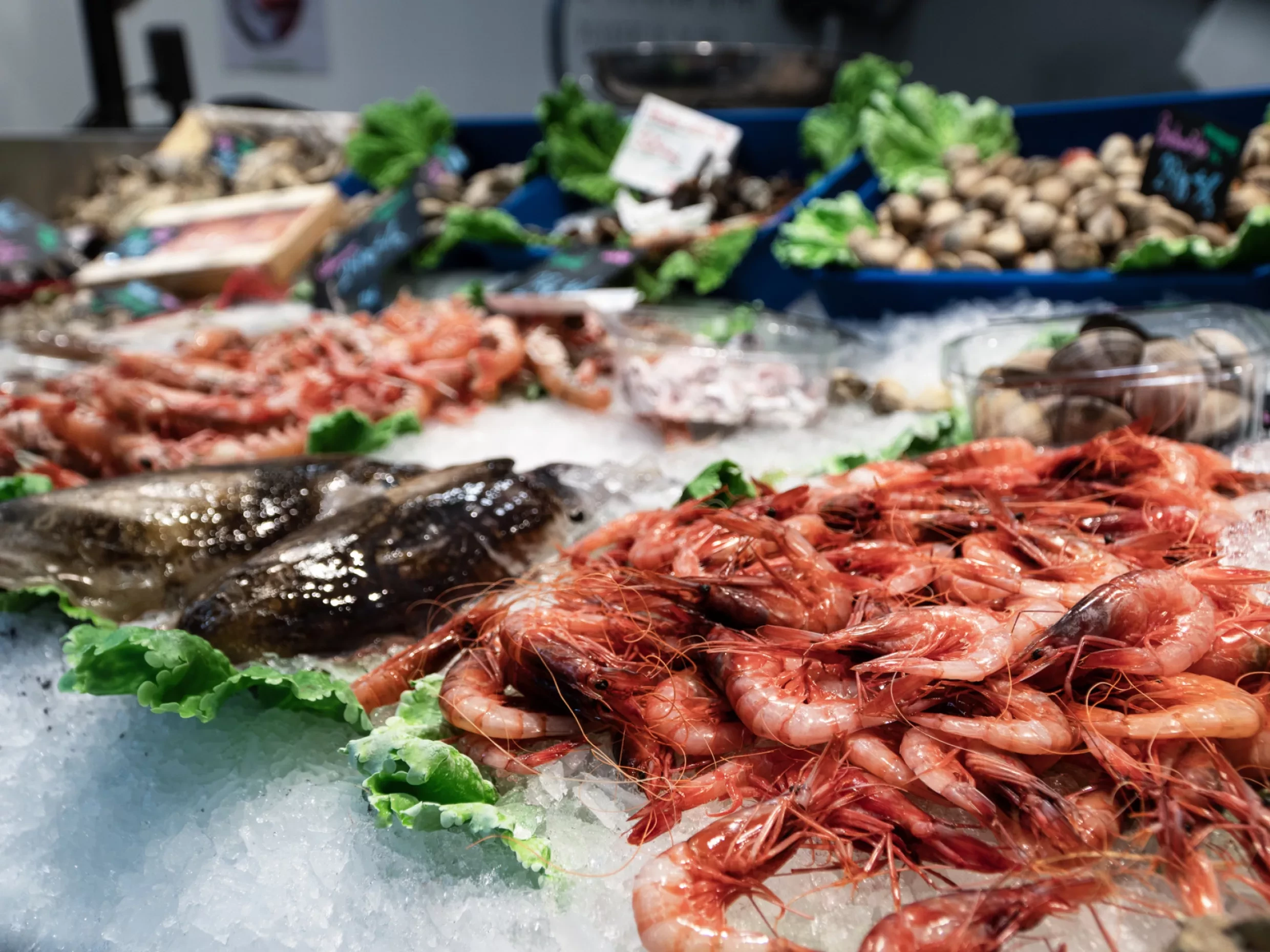
The monkfish tail is typically sold whole or filleted. Some larger grocery shops sell frozen fillets in the freezer section. Monkfish is a great option because it of its very affordable price tag.
How do I prep monkfish?
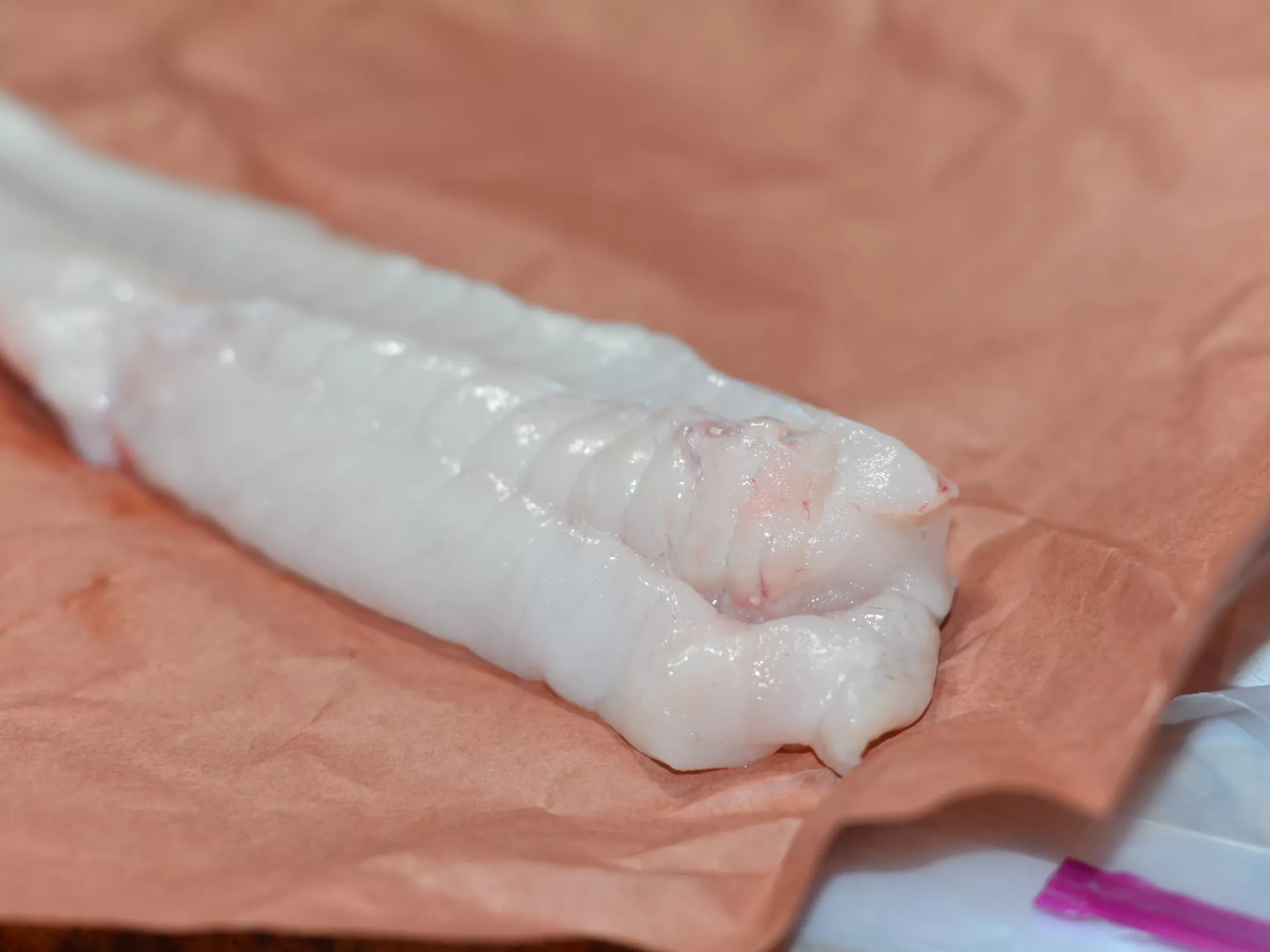
If you’ve purchased an entire tail, you’ll need to take the following steps to prep it.
- Remove the skin. It is edible, but unlike salmon skin that cooks into a thin crispy layer, monkfish skin is tough and hard to chew. Simply grasp onto the skin and pull it straight back to remove it.
- Trim off the tail and fins with scissors.
- Remove the membrane. Peel off the thin membrane encasing the monkfish by grasping onto one end and pulling straight back. At this point, you can roast the entire tail on the bone, which will make for very juicy meat.
- Cut the tail into two fillets. Or run your fillet knife down each side of the spine and cut off each fillet. Save the bone to make some fish stock!
If you’ve purchased monkfish fillets, all this work should be done for you. There are no pin bones in the tail, so all you have to do is get cooking.
How do I cook monkfish?
This versatile fish can be prepared using almost any cooking method, including pan-frying, grilling, baking and poaching in soups and stews. Its lean flesh tends to dry out if overcooked, so make sure you’re mindful of this. Test for doneness by inserting a paring knife into the monkfish flesh; if the blade comes out warm to the touch, the monkfish is done cooking. When the monkfish is cooked through, the flesh appears white.
Pan Frying Monkfish
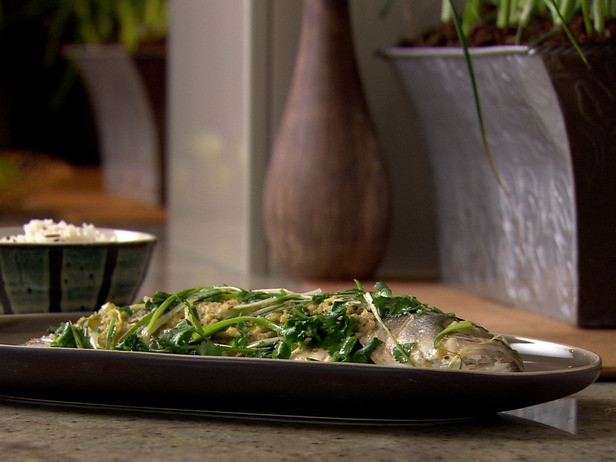
A quick way to cook monkfish fillets is to melt some butter or oil in large nonstick skillet over medium, season the fillets and cook until golden brown, about five minutes per side. Put this technique to work in a fish curry or this wok-cooked recipe with sesame soy sauce- great for celebrating Chinese New Year!
Baking Monkfish
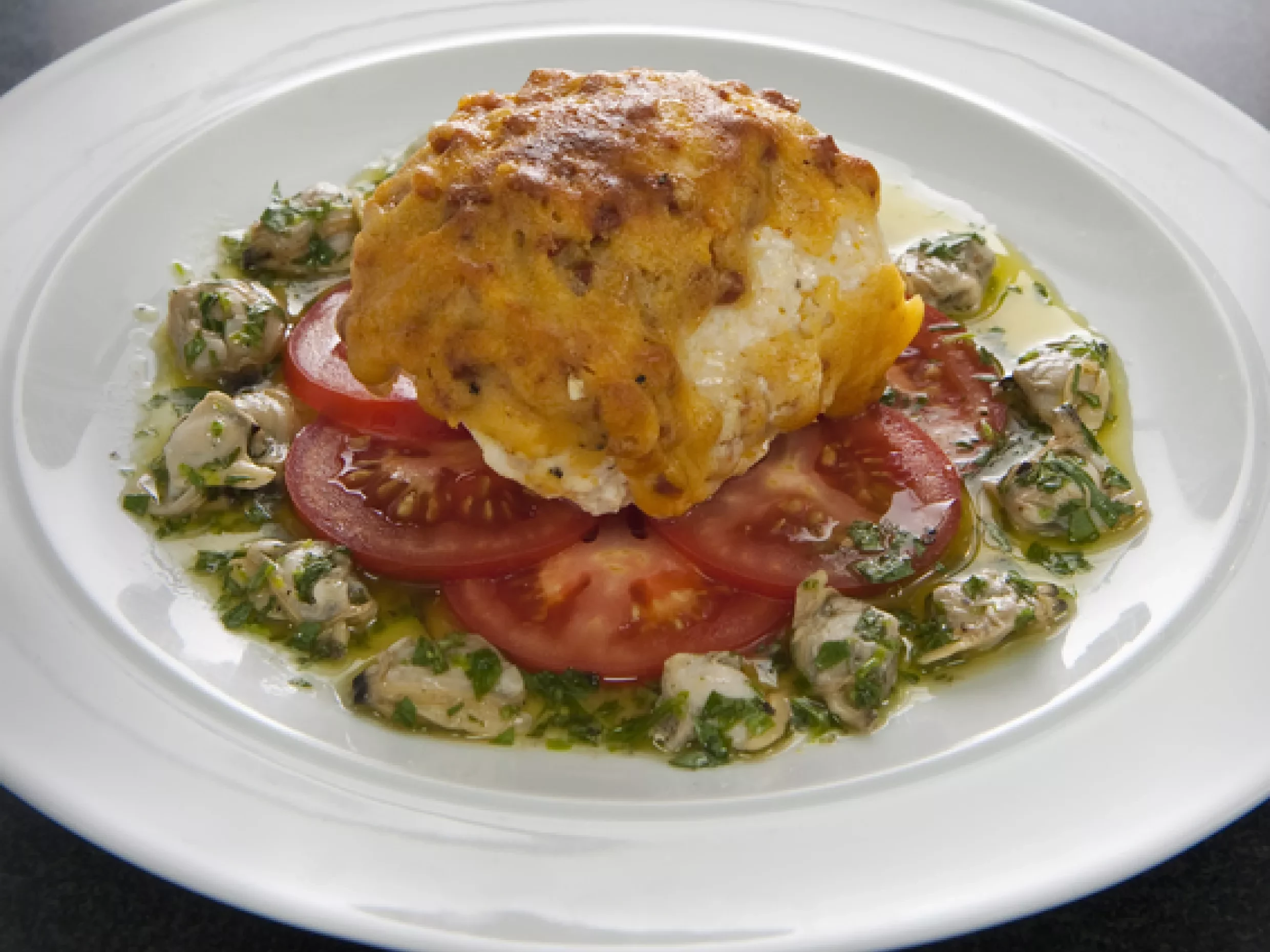
Because monkfish is a firm fish, it holds up well in the oven, too. Pop it in for ten to fifteen minutes at 180°C, and get experimental in the ways you use your fish- just take this Monkfish rarebit as an example!
Poaching Monkfish
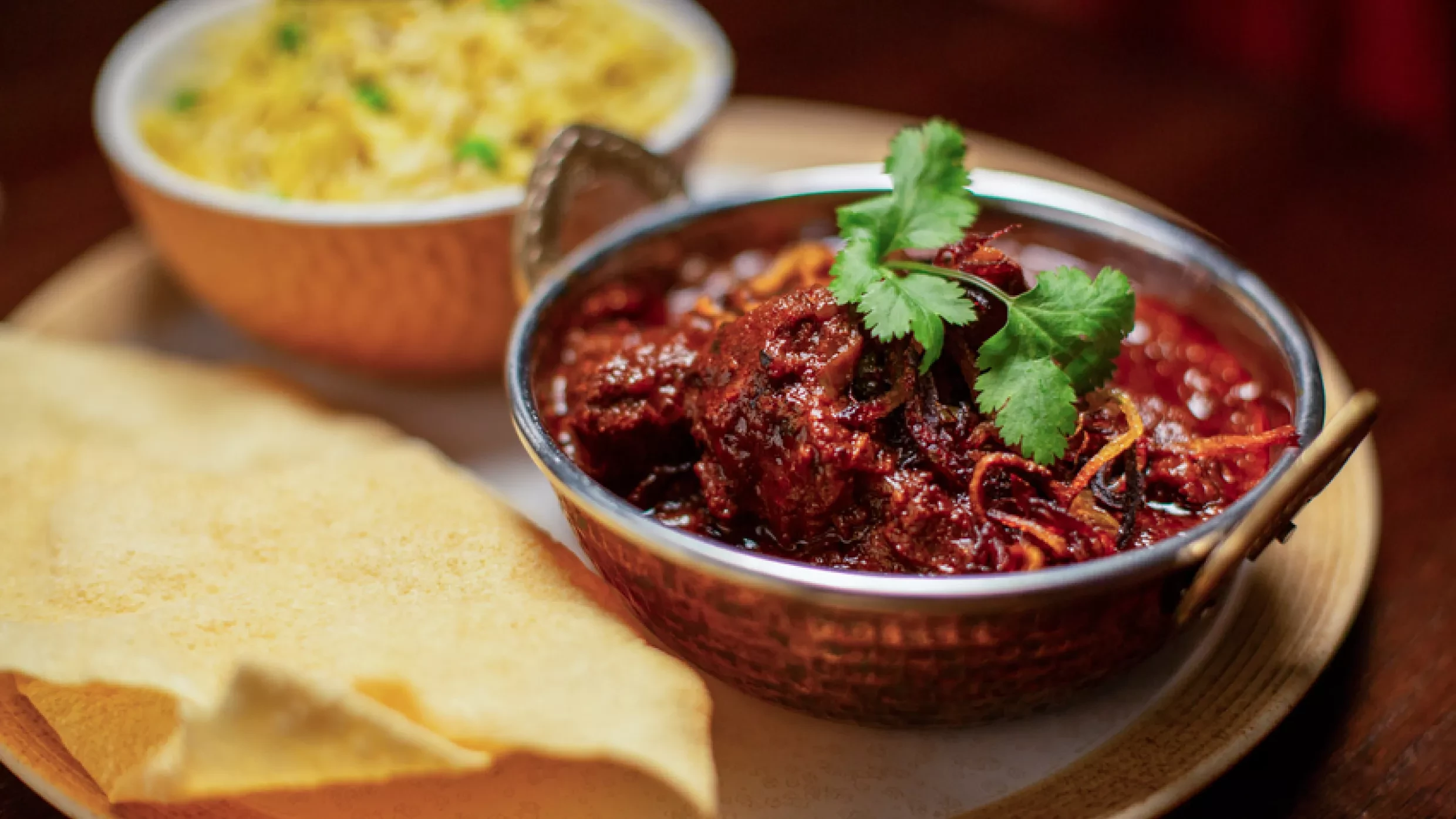
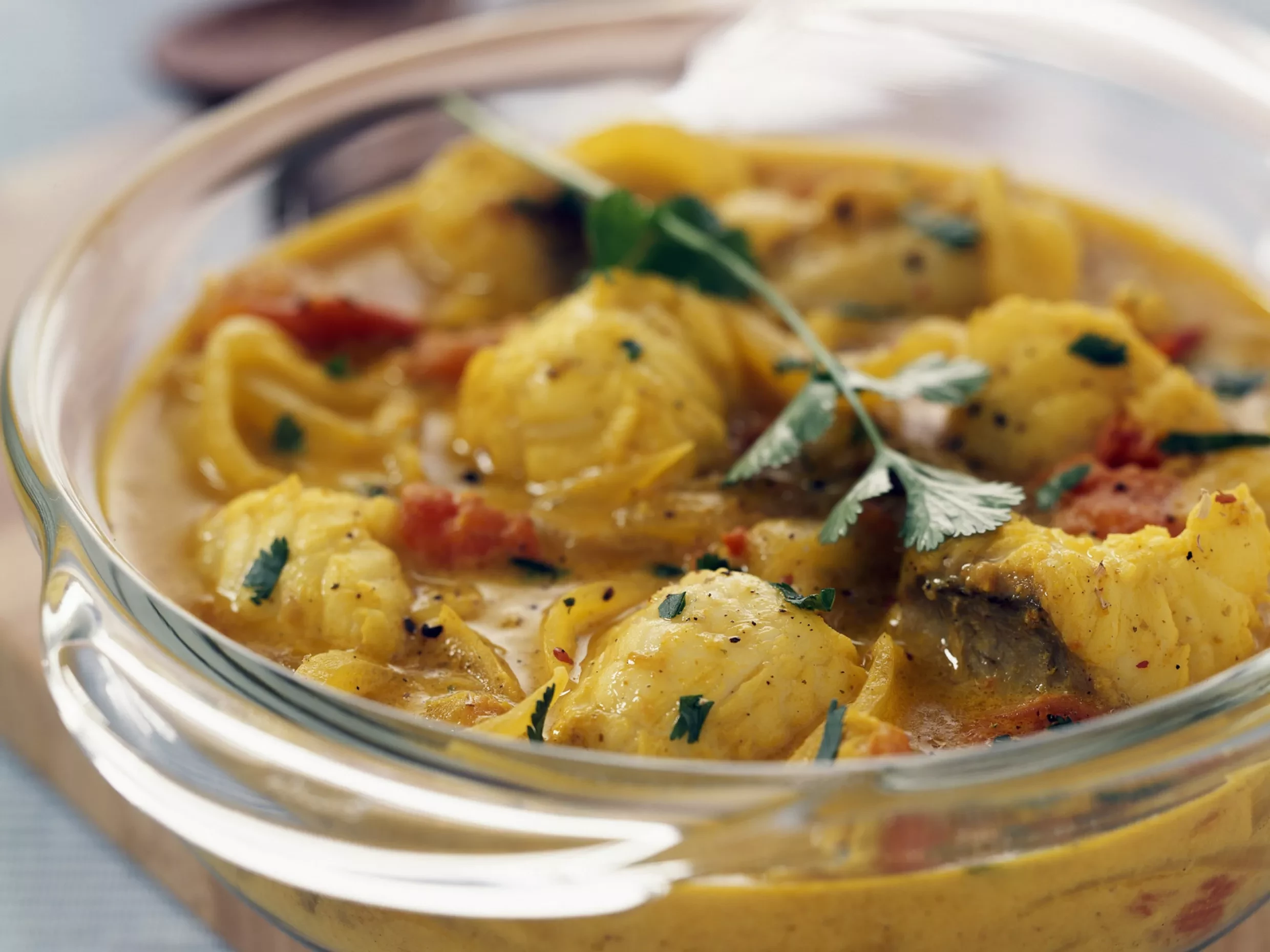
Poaching is a great way to gently cook monkfish and ensure that it doesn’t dry out. Check out this monkfish curry, in which you’ll add chunks of monkfish to a spiced, coconut-ty broth and then simmer them for about 5 minutes until they’re cooked through.
Grilling Monkfish
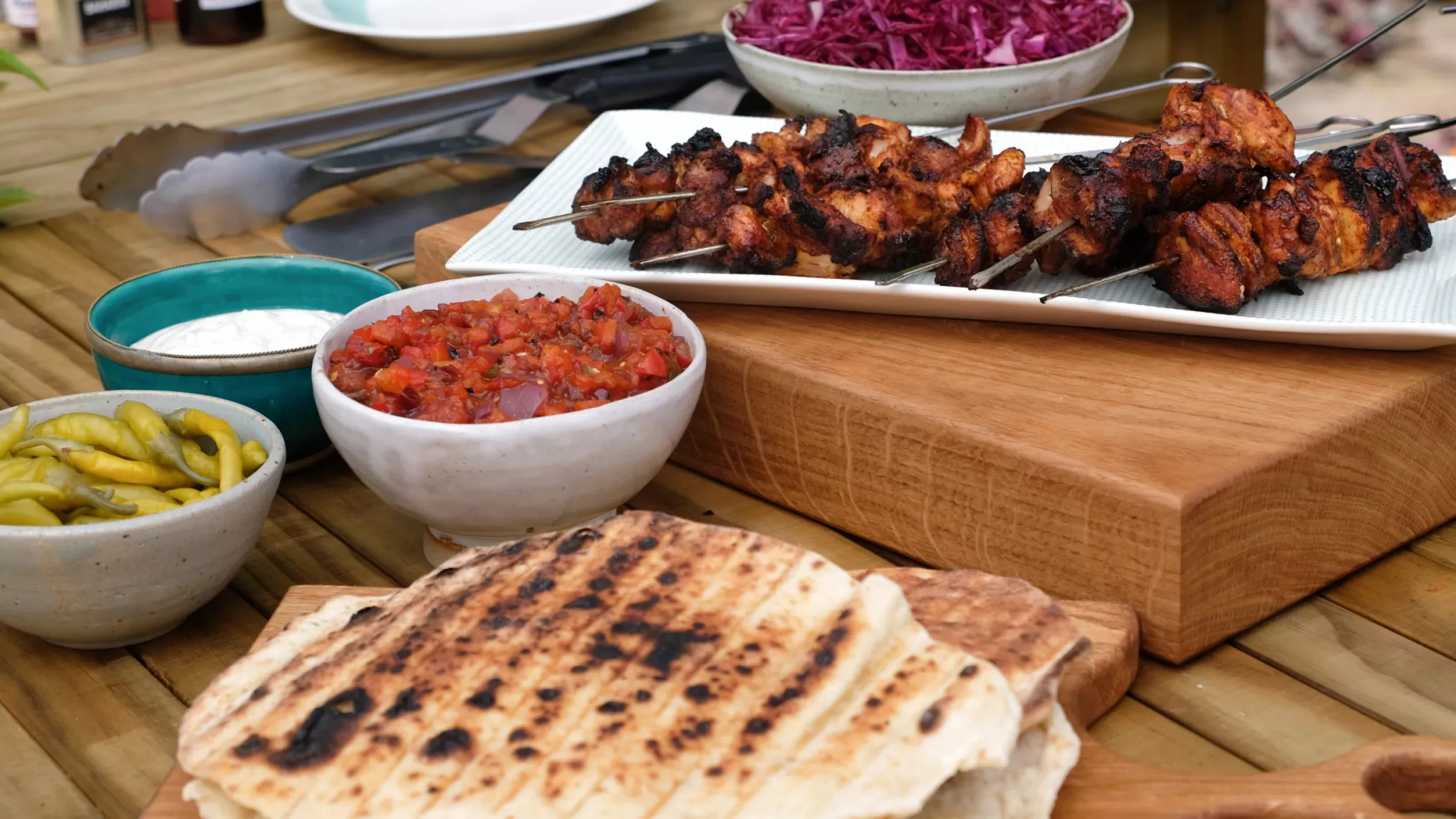
Monkfish takes just a few minutes to grill to perfection. An easy way to grill it? Cube it and thread it onto skewers. To maintain moisture, try marinating it briefly first. Tenderstem's recipe uses a tablespoon of sesame oil, a pinch of dried chilli flakes!
What’s a good substitute for monkfish?
Monkfish has a unique flavour and texture, but you can substitute snapper, sea bass, halibut, mahi-mahi or sea scallops.