










By Amy Gorin, MS, RDN for Food Network Kitchen
Amy Gorin, MS, RDN, is a registered dietitian nutritionist and owner of Plant-Based Eats.
No doubt you’ve sipped a matcha latte or at least seen the drink on your local coffee shop’s menu. But what do you know beyond the basics of matcha, that it’s green and caffeinated? Let’s explore the popular beverage.
What Is Matcha?
The most basic definition of matcha, according to Merriam-Webster, details it as a bright green powder made from ground green tea leaves. “Traditionally, matcha has been used as a ceremonial tea, and preparing it at home can be a great morning ritual,” says Nicole Stefanow, MS, RDN, a culinary dietitian in the New York City area. Indeed, Chinese Zen Buddhist monks and the Japanese have incorporated matcha into tea ceremonies for centuries. “Preparing it is slightly more complicated than dipping a tea bag in a cup of water, but the steps to making matcha can give you the same self-care satisfaction you may get from making yourself a specialty coffee.”
What Does Matcha Taste Like?
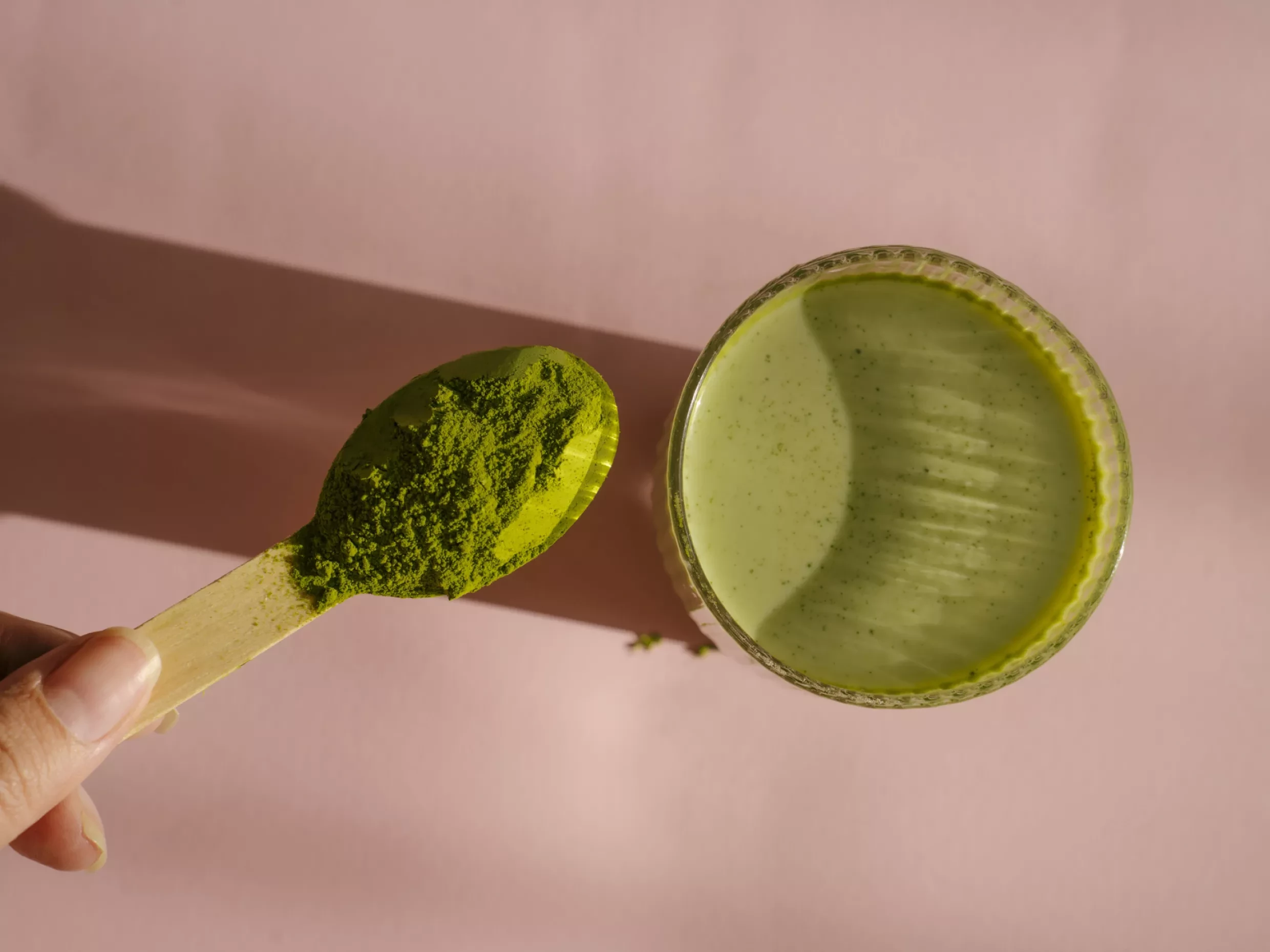
Matcha intensifies the characteristics of regular green tea, meaning all those savoury, nutty and vegetal notes are larger and more pronounced. Matcha tea leaves are grown in the shade, which causes the plant to make more of the amino acid that contributes umami flavour. Shade also catalyses the plant to produce more chlorophyll than usual, resulting in bright green leaves, and ultimately, vibrant matcha powder.
Is Matcha Good for You?
Like the green tea leaves it’s made from, matcha offers incredible health benefits. Of all the teas, green tea ranks the highest in total antioxidant value, per the USDA Database for the Oxygen Radical Absorbance Capacity of Selected Foods, Release 2. “Matcha is rich in a family of phytochemicals called catechins that help give matcha its reputation as an antioxidant and anti-inflammatory powerhouse,” says Stefanow. Indeed, antioxidants in matcha have been connected with improved heart and brain health, per a study in Molecules.
And even more benefits may exist: The phytochemicals in matcha may boast anti-cancer properties, too, per research in Journal of Cancer Research and Clinical Oncology. Perhaps matcha’s many benefits come in part from how the tea is brewed. “When you make a standard cup of green tea, you steep the leaves and discard them,” notes Stefanow. “But when you make matcha tea, you are dissolving ground leaves into water, which means you are consuming a concentrated amount of the nutrients found in green tea leaves.”
How Much Caffeine Is In Matcha?
Per teaspoon of matcha (which makes an 8-ounce cup of brewed matcha), you’ll get 64 milligrams of caffeine, according to Caffeine Informer. While this is less caffeine than you’ll find in a cup of coffee, which contains 96 milligrams for the same portion, this is “much more than the amount found in green tea,” says cardiology dietitian Michelle Routhenstein, MS, RD, CDCES, owner of Entirely Nourished. Indeed, a cup of green tea only contains 18 milligrams of caffeine.
Plus, “the caffeine in matcha and green tea is a much cleaner caffeine, meaning it does not cause huge spikes and crashes in energy levels,” says Megan Byrd, RD, owner of The Oregon Dietitian. “This can lead to alertness, better concentration, and overall a great boost in brain function."
What Are the Side Effects of Matcha Tea?
“Like most everything else, matcha should be consumed in moderation,” says Stefanow. “Naturally occurring toxic heavy metals, such as lead, have been found to be prevalent in matcha tea leaves grown in regions of South Korea and Japan.” In a study in Molecules, green tea samples from China and India contained the highest amount of lead, while teas cultivated in Nepal and Sri Lanca contained the lowest amounts.
Beyond a concern over heavy metals, drinking a large amount of matcha may cause gastrointestinal upset. “The most common side effect associated with drinking too much matcha is an upset stomach,” adds Stefanow. “Limiting your intake to one or two cups per day and making sure you aren’t drinking it on an empty stomach are the easiest ways to avoid this side effect.”
How to Buy and Store Matcha
“When shopping for matcha green tea, you’ll find there are different grades of matcha on the market,” says Stefanow. “If you plan to make a matcha beverage, go for the higher-grade ceremonial matcha powder. Whereas if you’re looking to use it in cooking or baking, a culinary grade powder should do. Always avoid matcha powders with added sugars or additives.” Ceremonial matcha powder comes from younger leaves and is a bit pricier than culinary matcha.
Luckily, most matcha comes in an opaque container, which is perfect for storage. “Matcha should be stored in the container in came in, sealed tightly, and not exposed to air or light,” says Byrd.
And always use a dry spoon – either a matcha scoop or a small measuring spoon – to measure out your matcha. Preventing moisture from getting into your powder will help preserve its freshness.
How to Make Matcha Tea
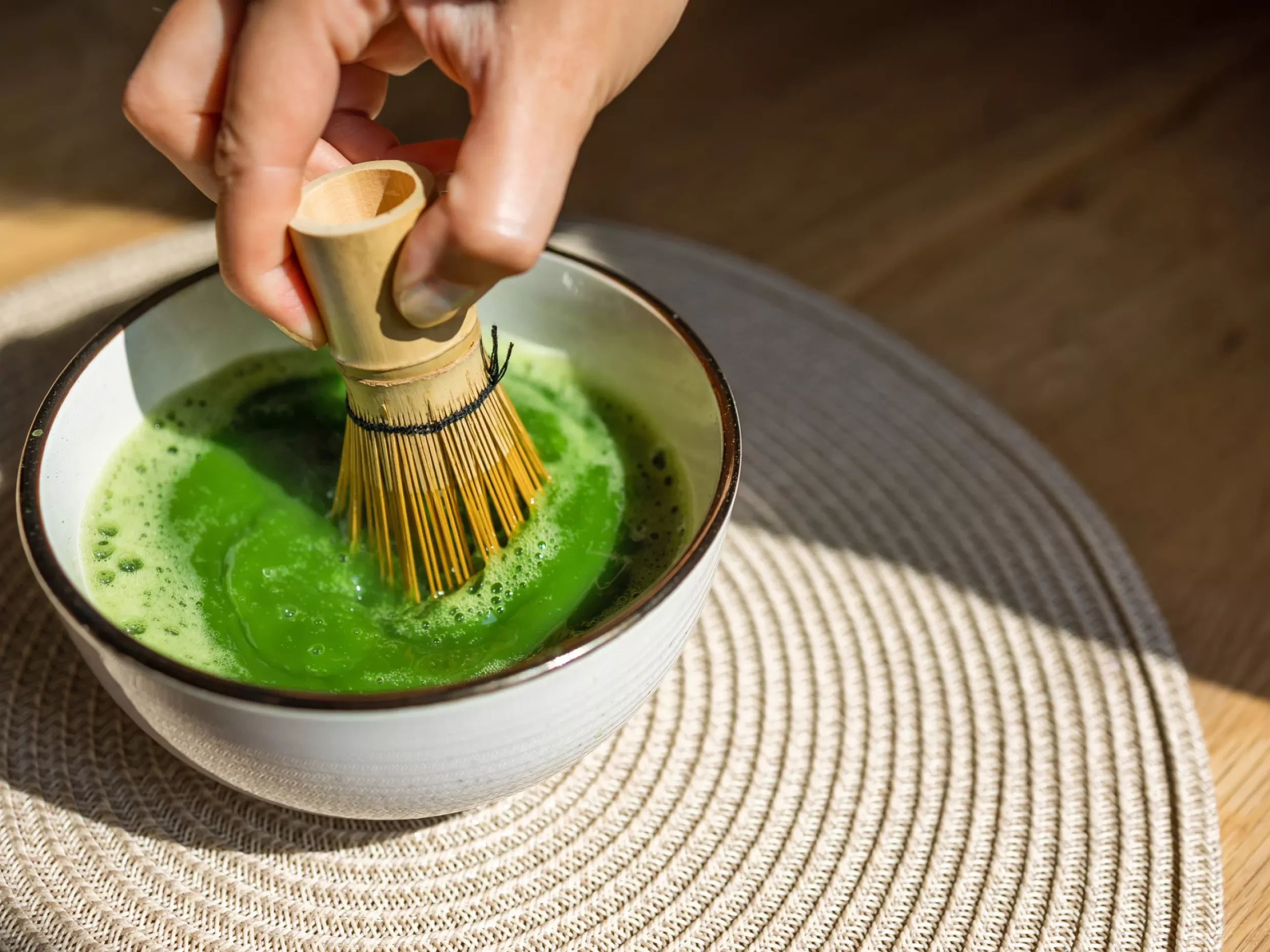
First things first, make sure you have the right tools to brew a glass of matcha. For more info on that, check out our extensive guide, How to Make the Best Matcha at Home, According to an NYC Tea House. Make sure to use a matcha whisk. “Lightly whisking with a special tea whisk called a chasen will help create a creamy foam,” says Stefanow.
- Measure the matcha. Measure out 1 teaspoon of matcha powder.
- Sift the matcha. Using a tea strainer, thoroughly sift the matcha powder into your matcha bowl to remove any lumps and clumps. A proper matcha bowl is wide enough so you’re able to properly whisk your matcha.
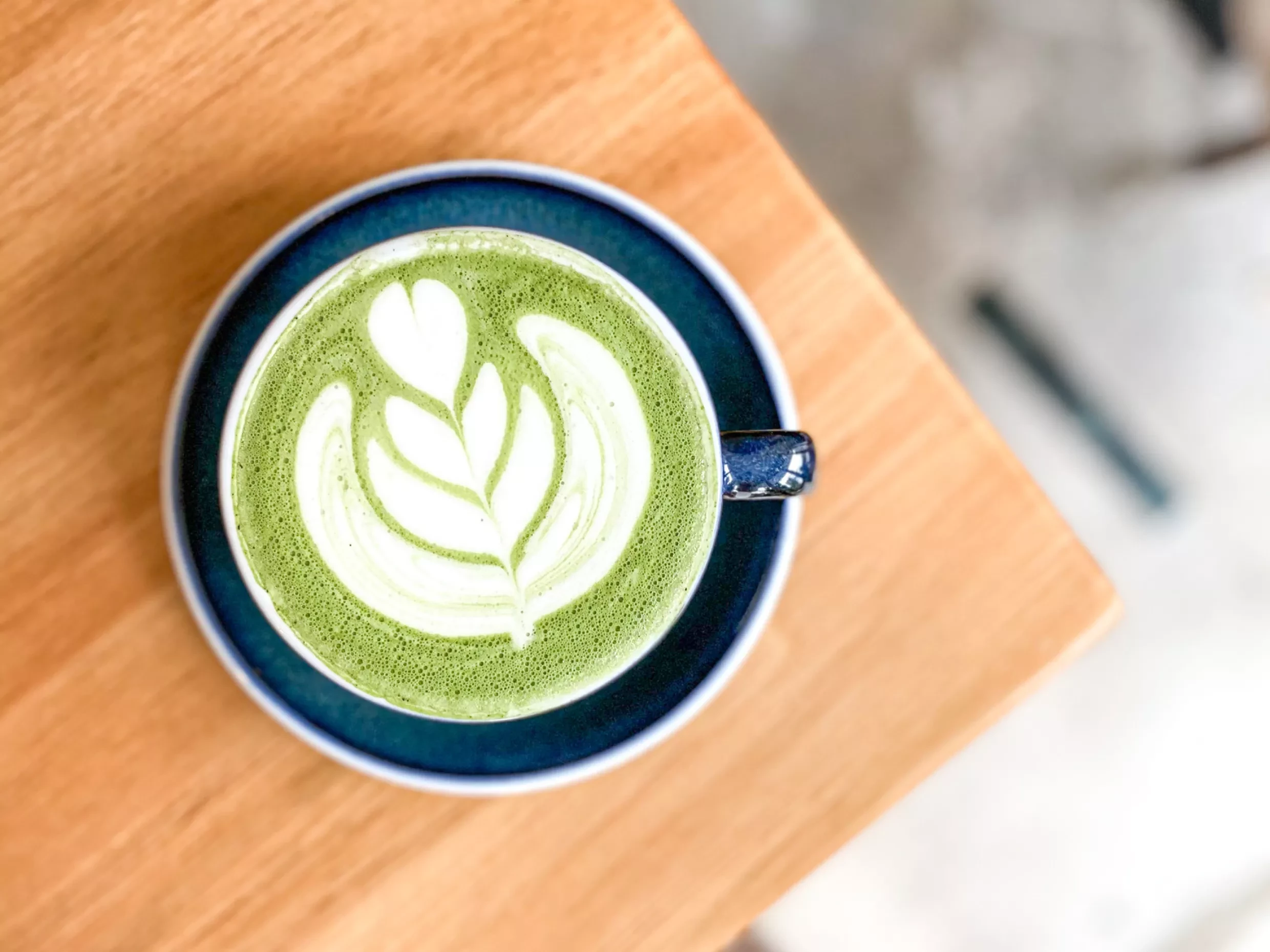
- Add the water. Boil water to about 80 degrees F 20 degrees C. The water temperature is extremely important, as this can affect the tea’s taste and strength. Then add 2 to 3 fluid ounces to your bowl. If you want to temper the matcha’s umami flavour, Stefanow has a tip: “The flavour of matcha can be very plant like to some, so you can mellow the earthiness by whisking in warm milk rather than water. This is more of a western twist on the traditional tea.”
- Whisk the water and matcha. Whisk the matcha and water together for about 20 seconds, until the powder is completely dissolved and foam forms. Mix the tea slowly so the matcha is dispersed to the bottom of the bowl. Then raise the whisk, slightly and firmly shaking your wrist back and forth. When the foam starts to rise, raise the whisk to the surface of the foam – and then move it slowly to reduce the thickness of the mixture.
Matcha Recipes
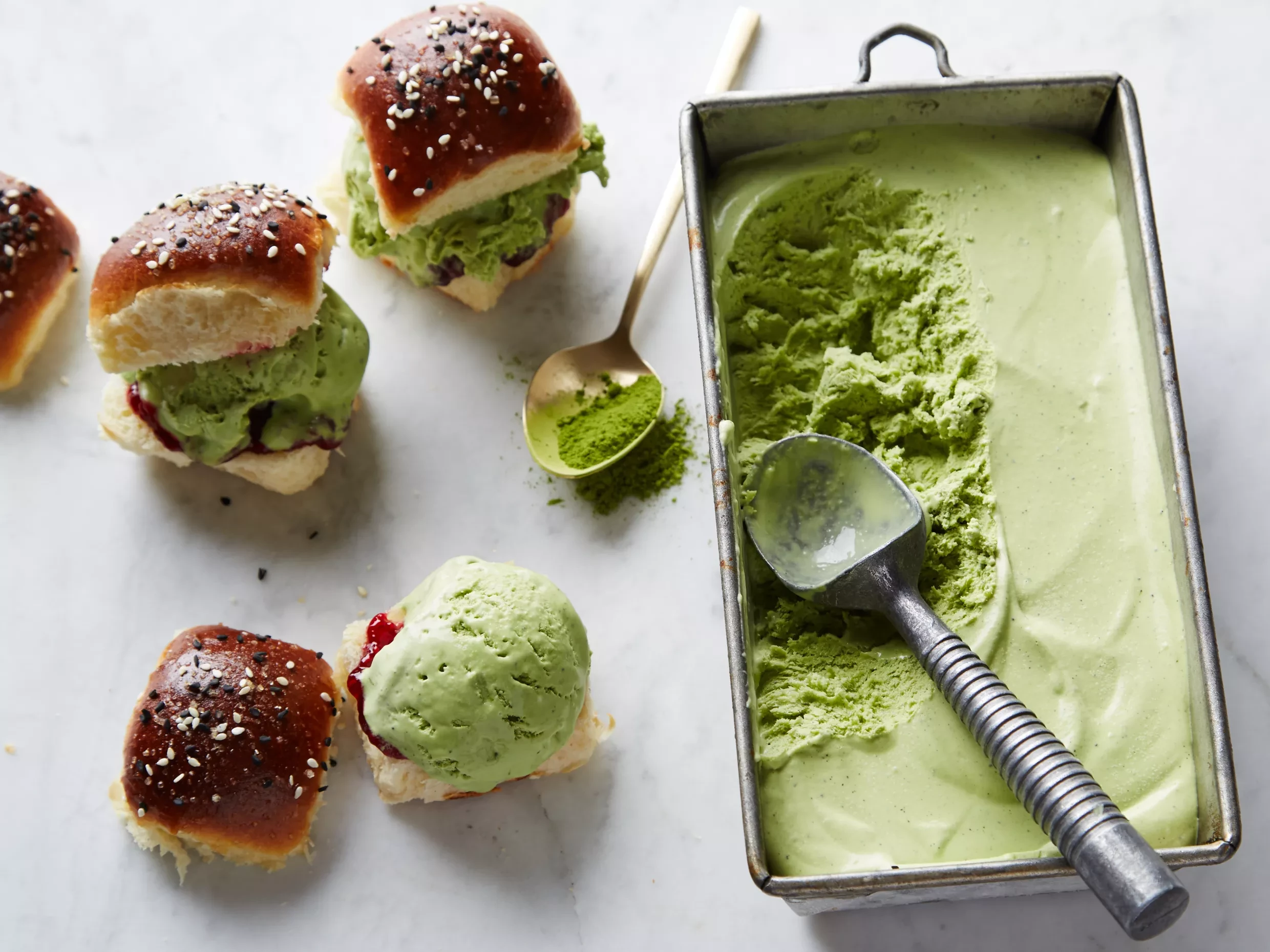
Green Tea Ice Cream Sandwiches
To make these adorable sweet and savoury buns, sandwich homemade no-churn matcha ice cream between sesame-adorned potato rolls.
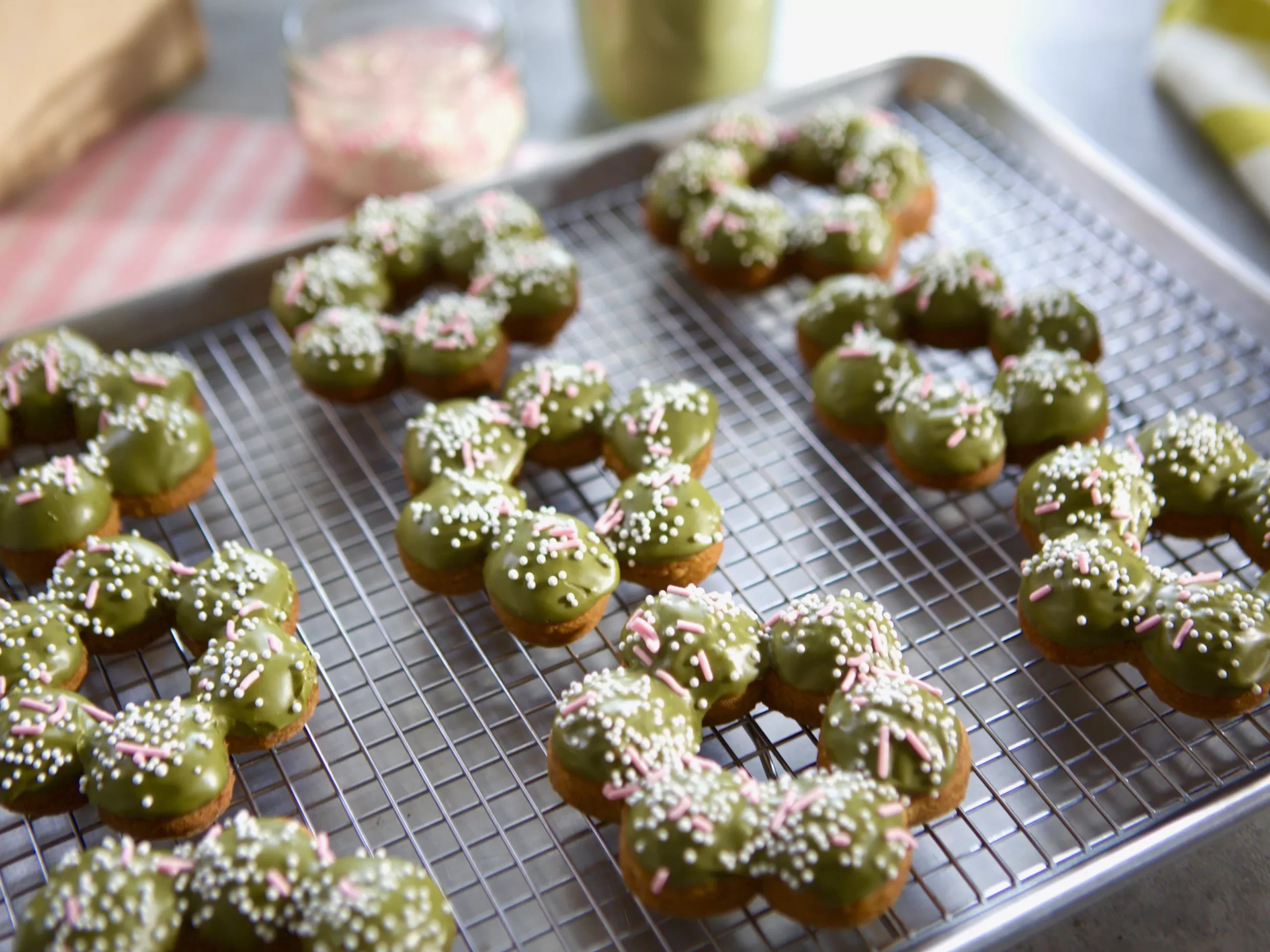
Molly Yeh's doughnuts are coated in a sweet matcha glaze and made with glutinous rice flour for a springy, mochi texture.
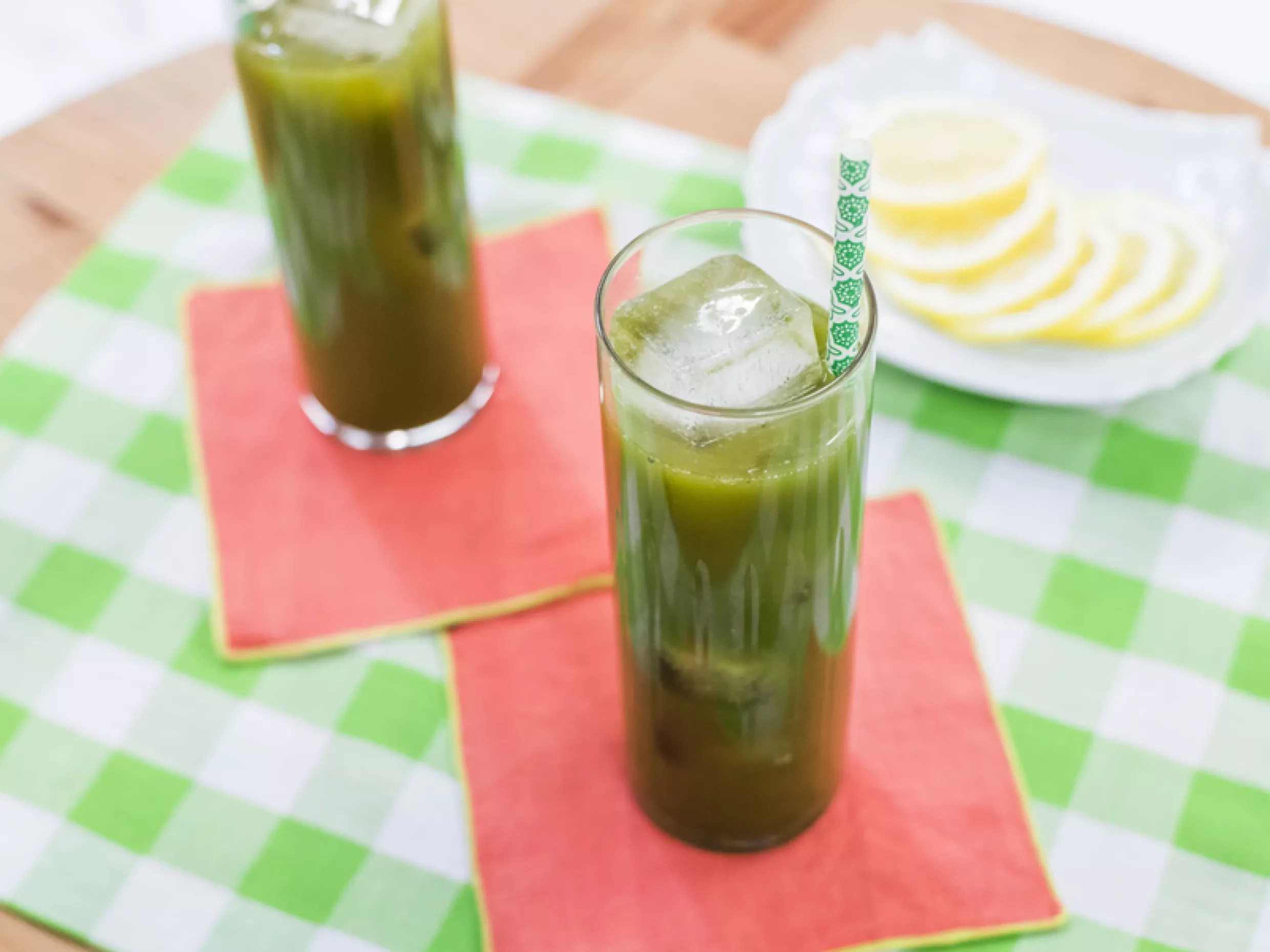
Fresh lemon juice punches up the matcha’s brightness; sugar removes the bite. Serve this cold beverage in tall glasses with straw.
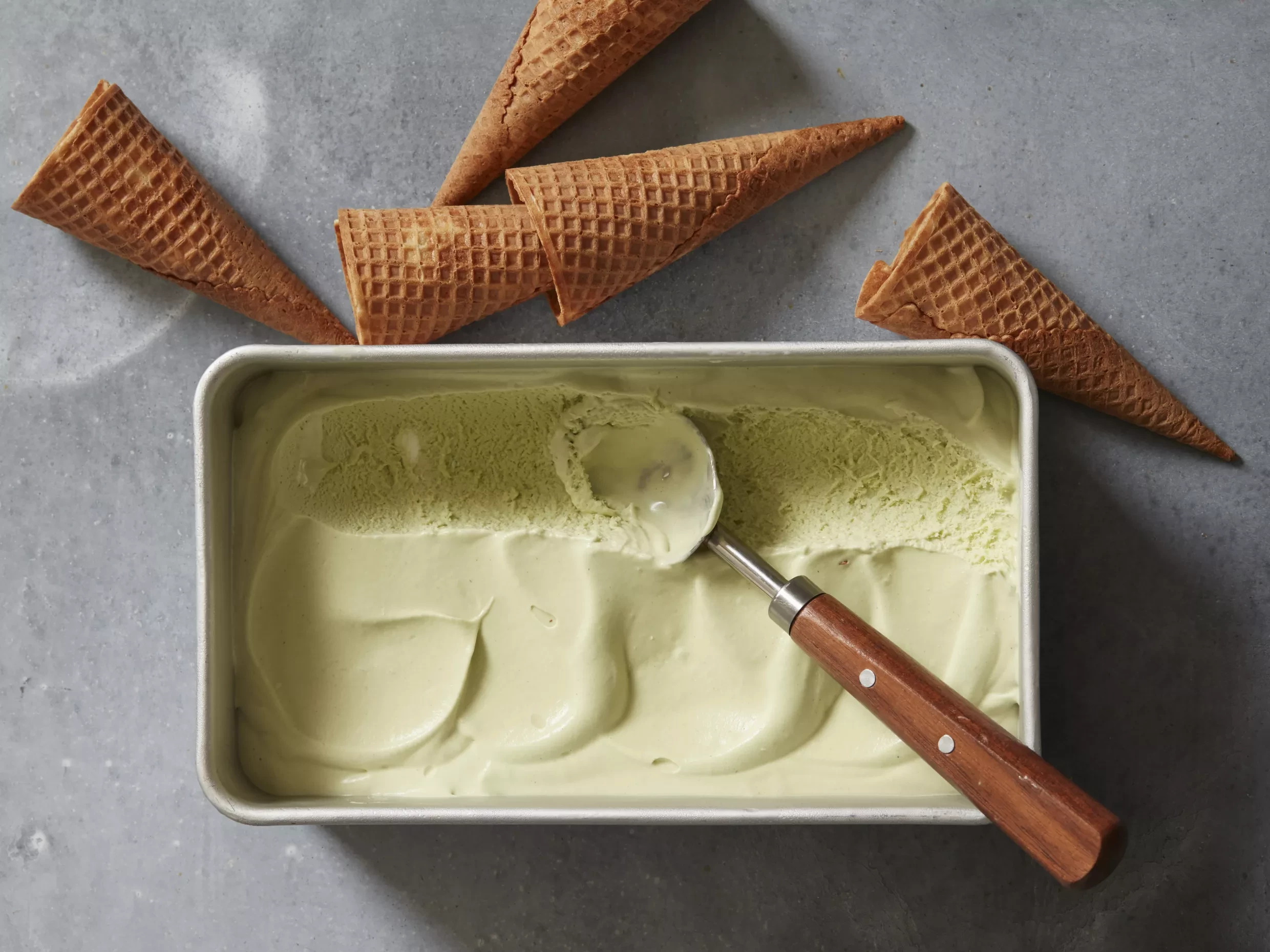
The flavours of matcha shines in this simple no-churn ice cream, which is delicious alone or topped with toasted coconut and chocolate chips.
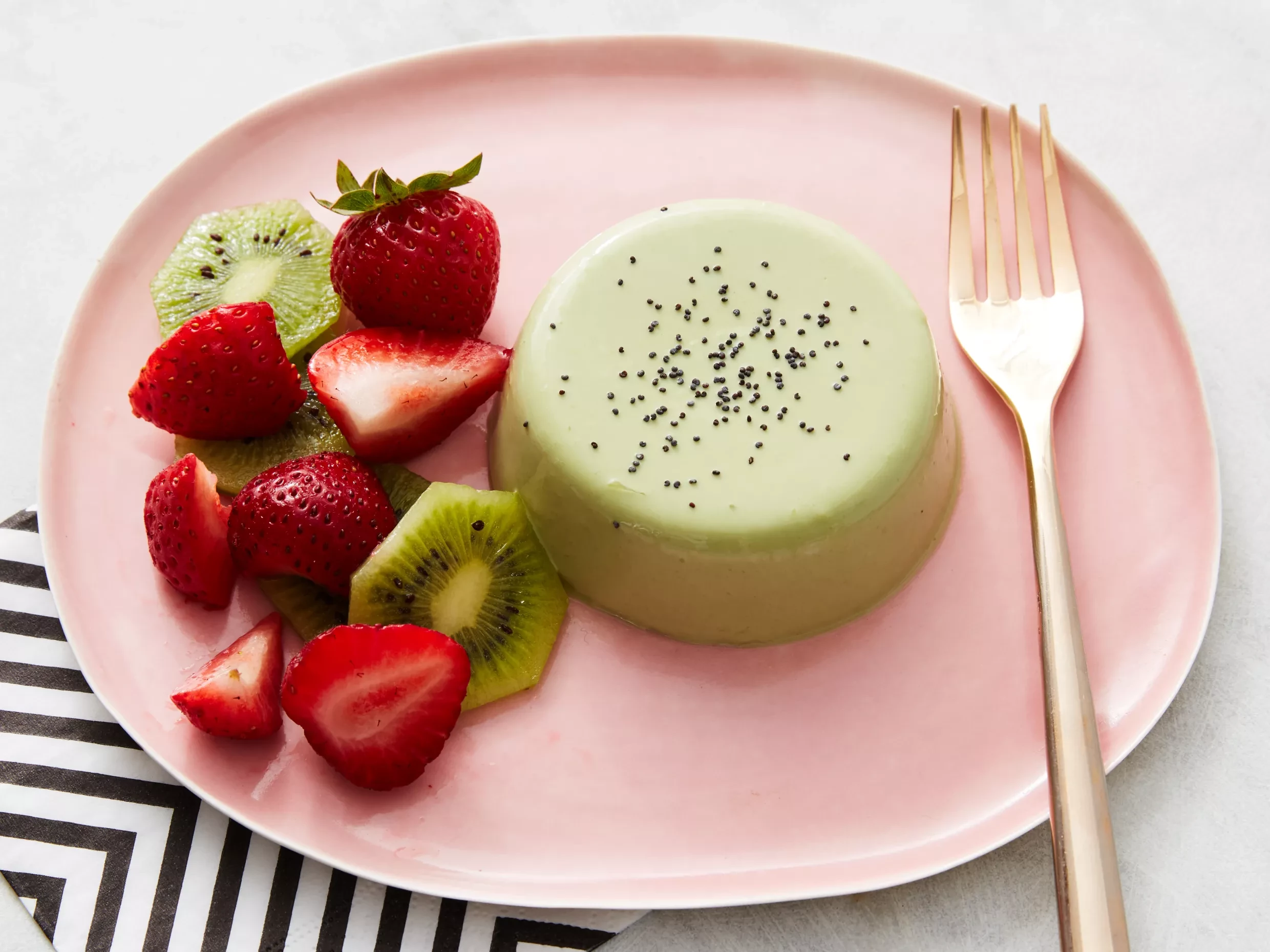
Panna cotta is the ultimate elegant make-ahead dessert. It takes just a few minutes to make on the stove, then sets in the fridge for a few hours and can keep there for days. Matcha ups the ante in this recipe, turning traditional the traditional white custard a beautiful soft green color.
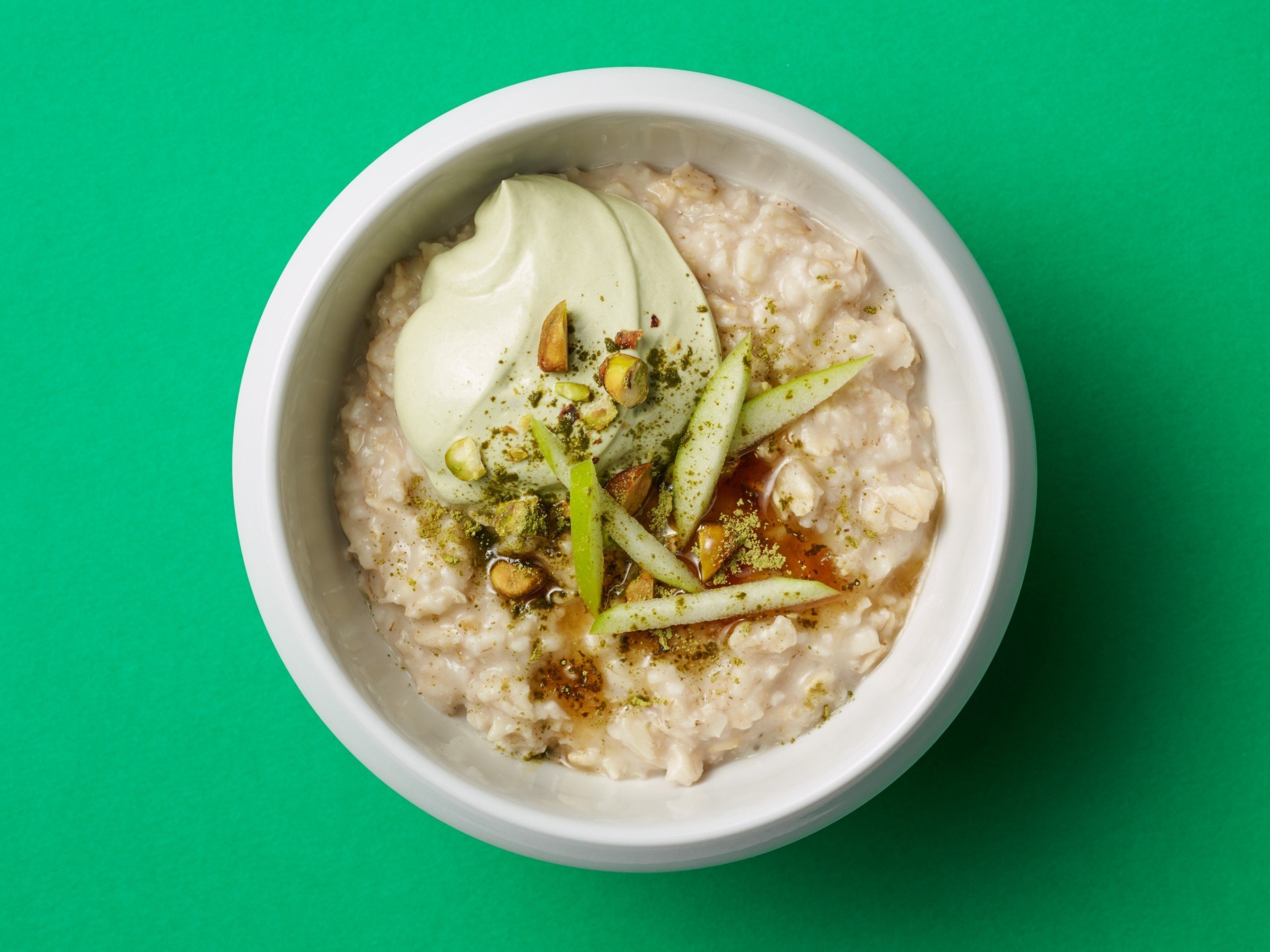
Healthy Oatmeal with Matcha Yoghurt, Pistachios and Apples
Protein-rich yoghurt and antioxidant-packed matcha green tea will give you a boost of energy and keep you fuelled for the day ahead.