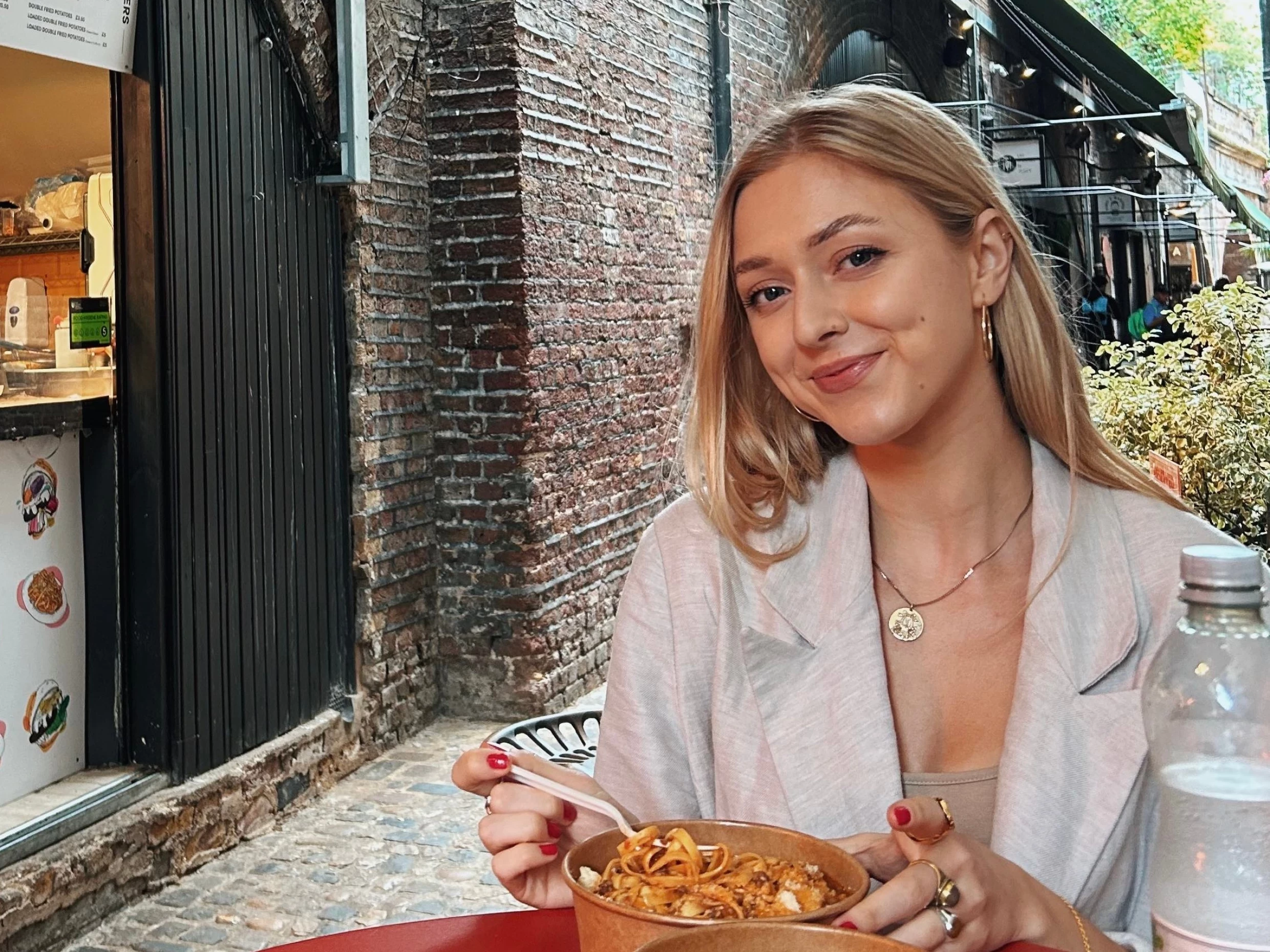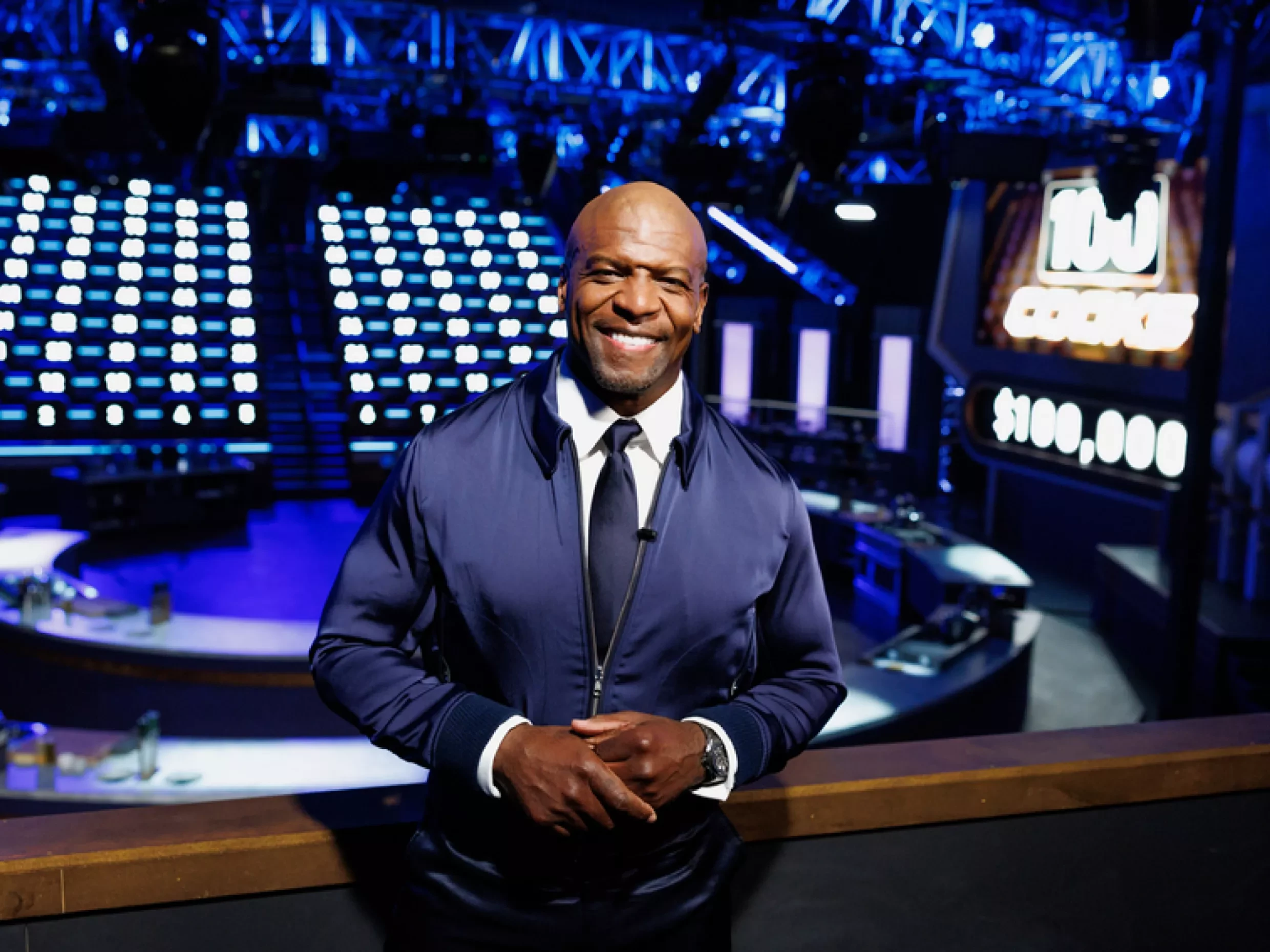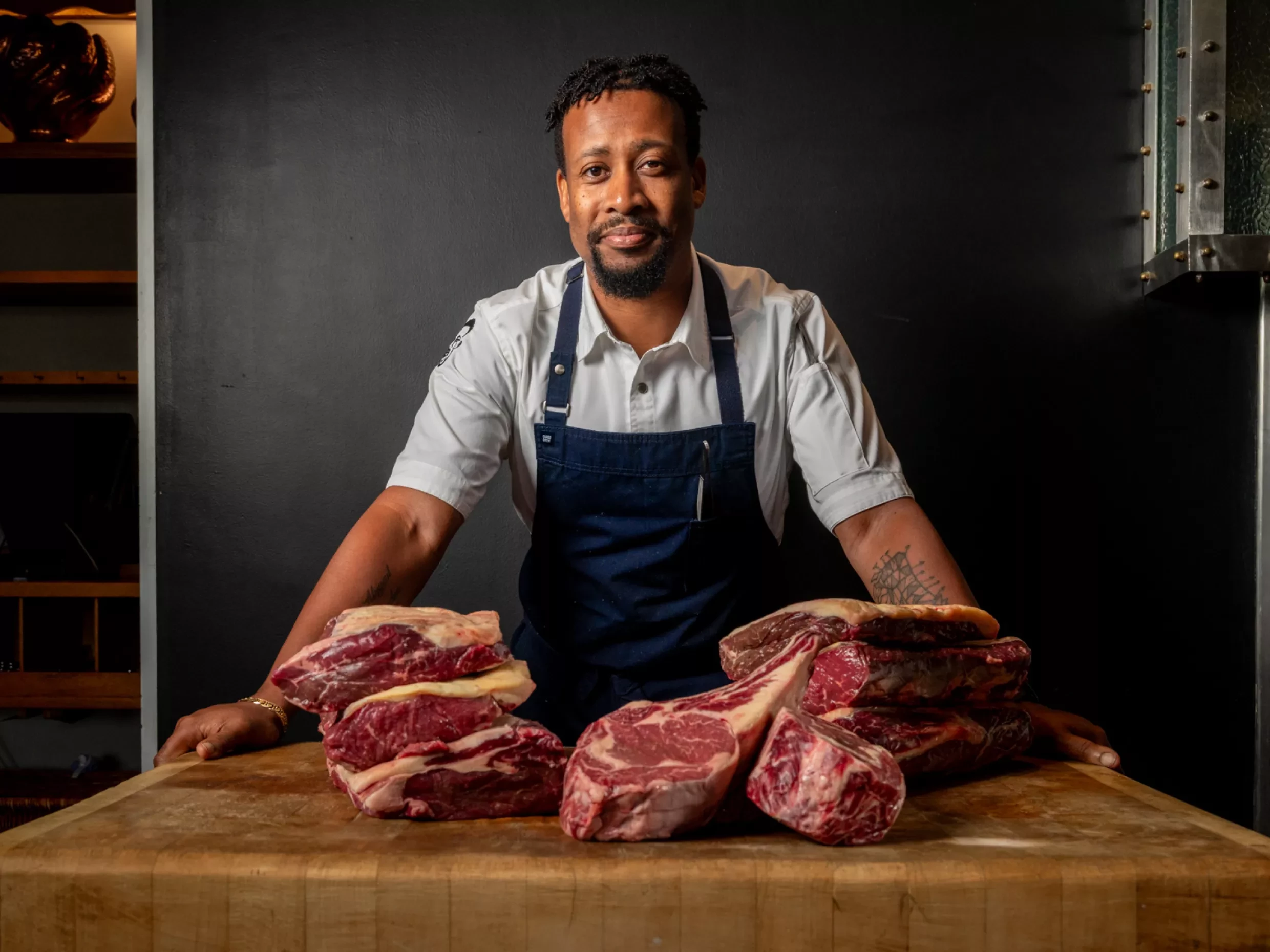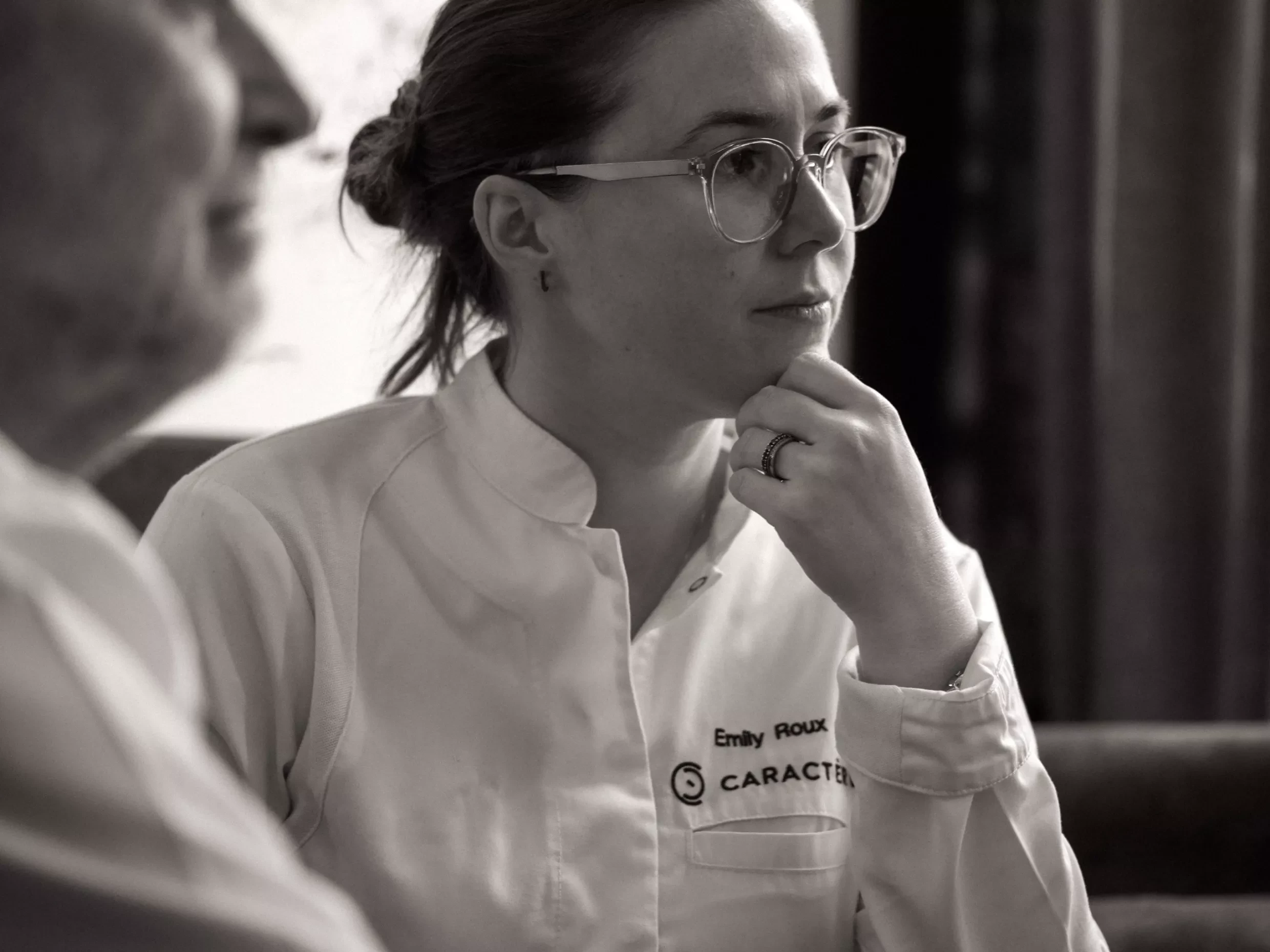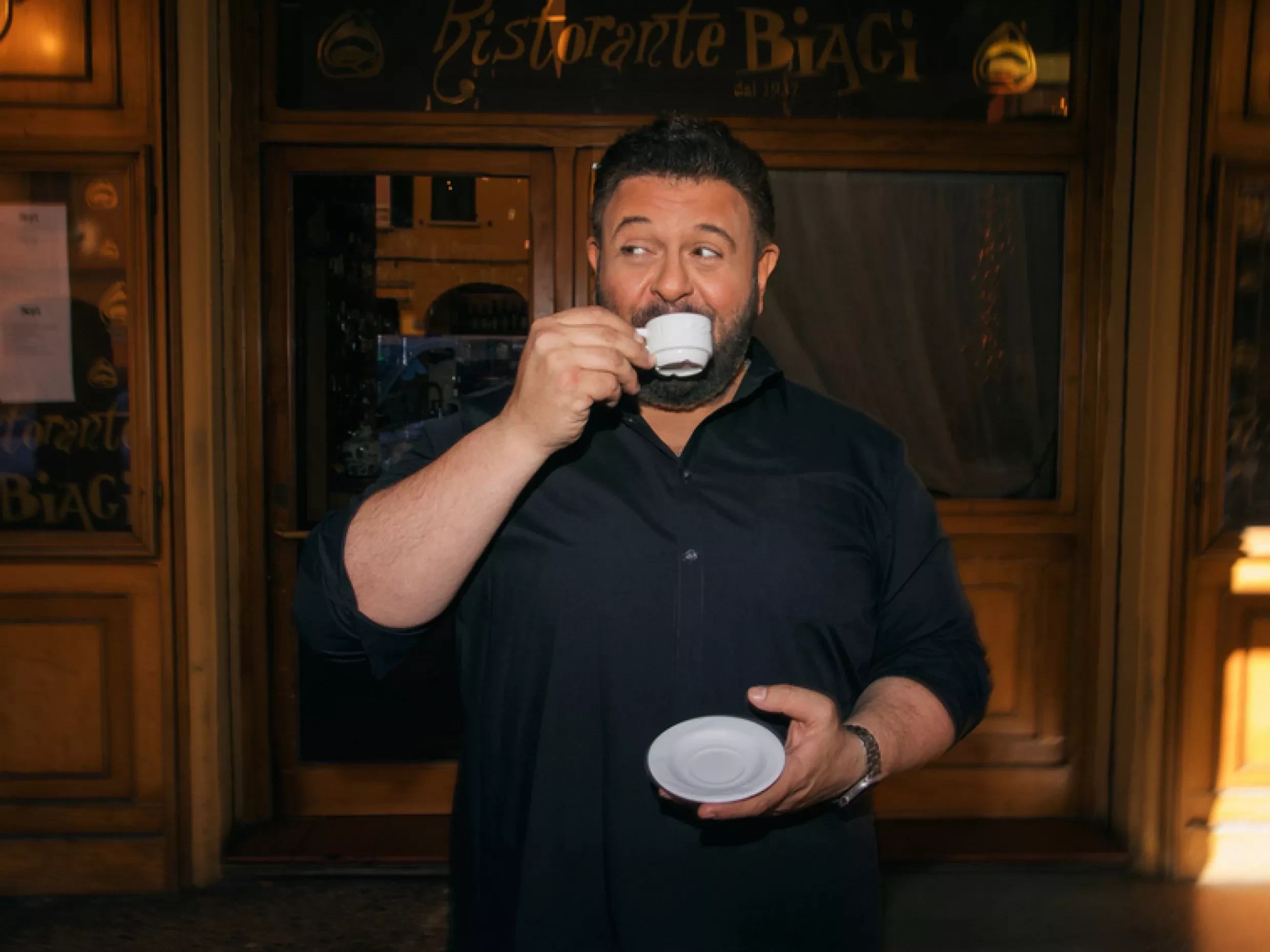



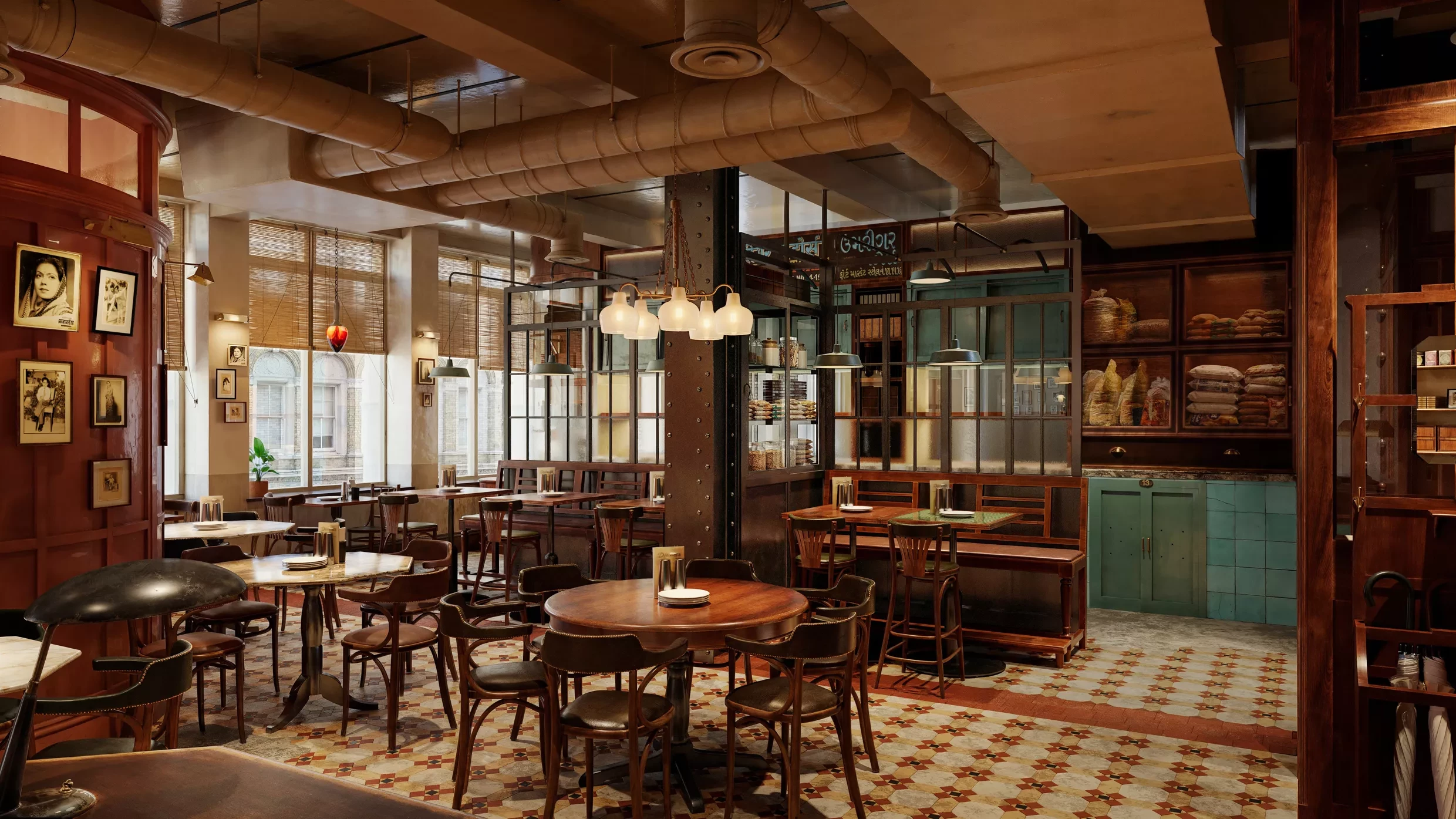




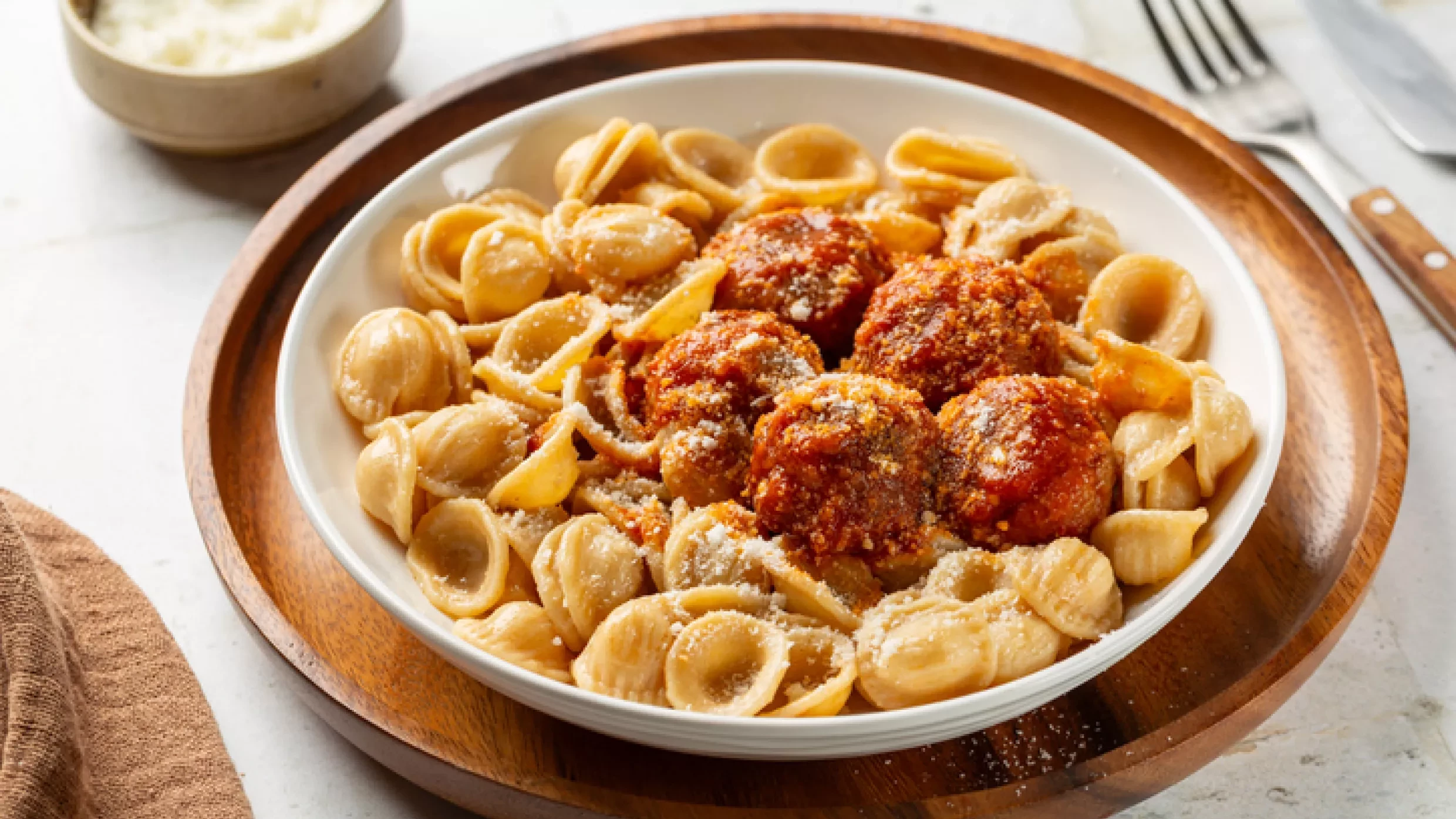


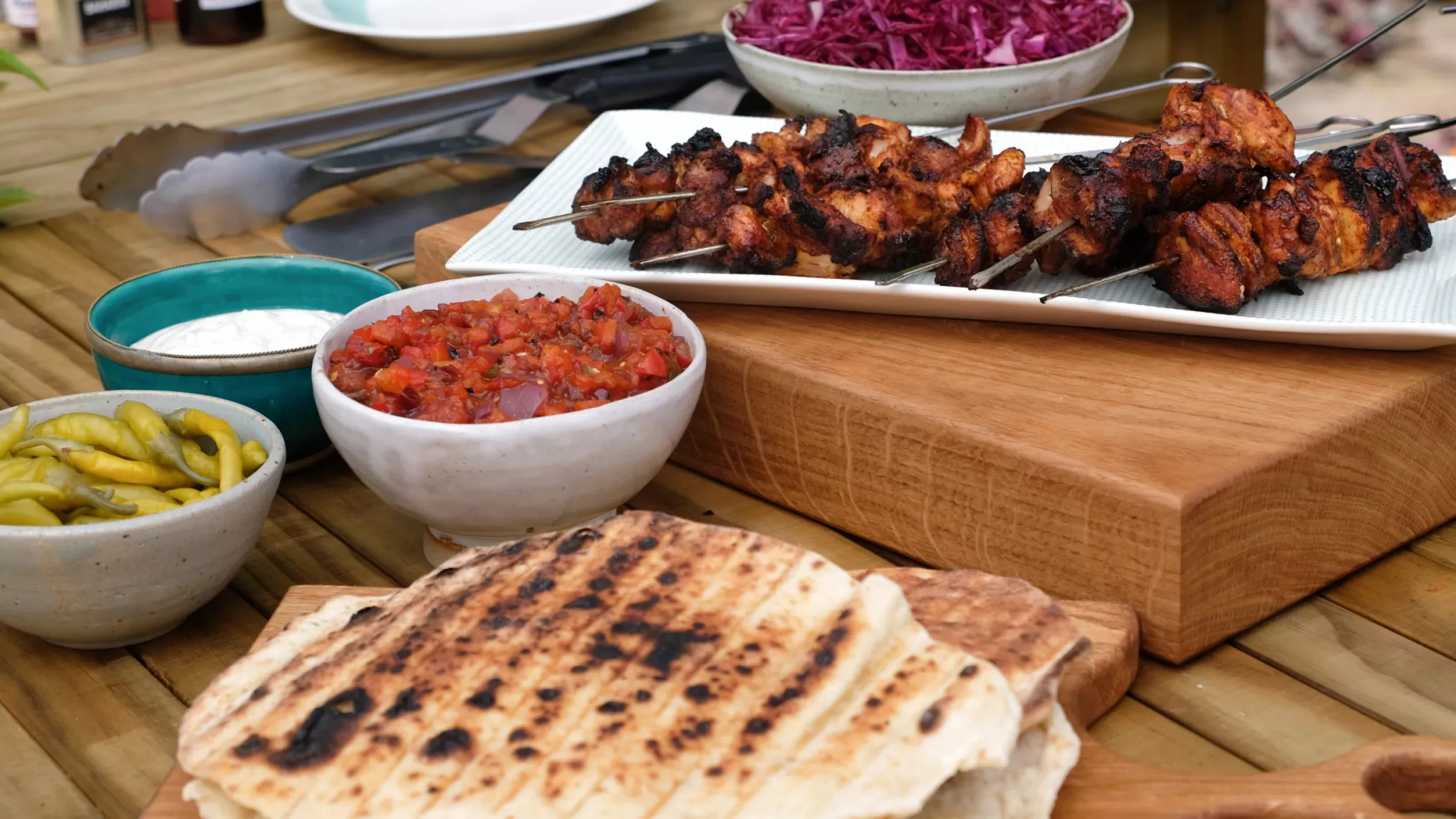
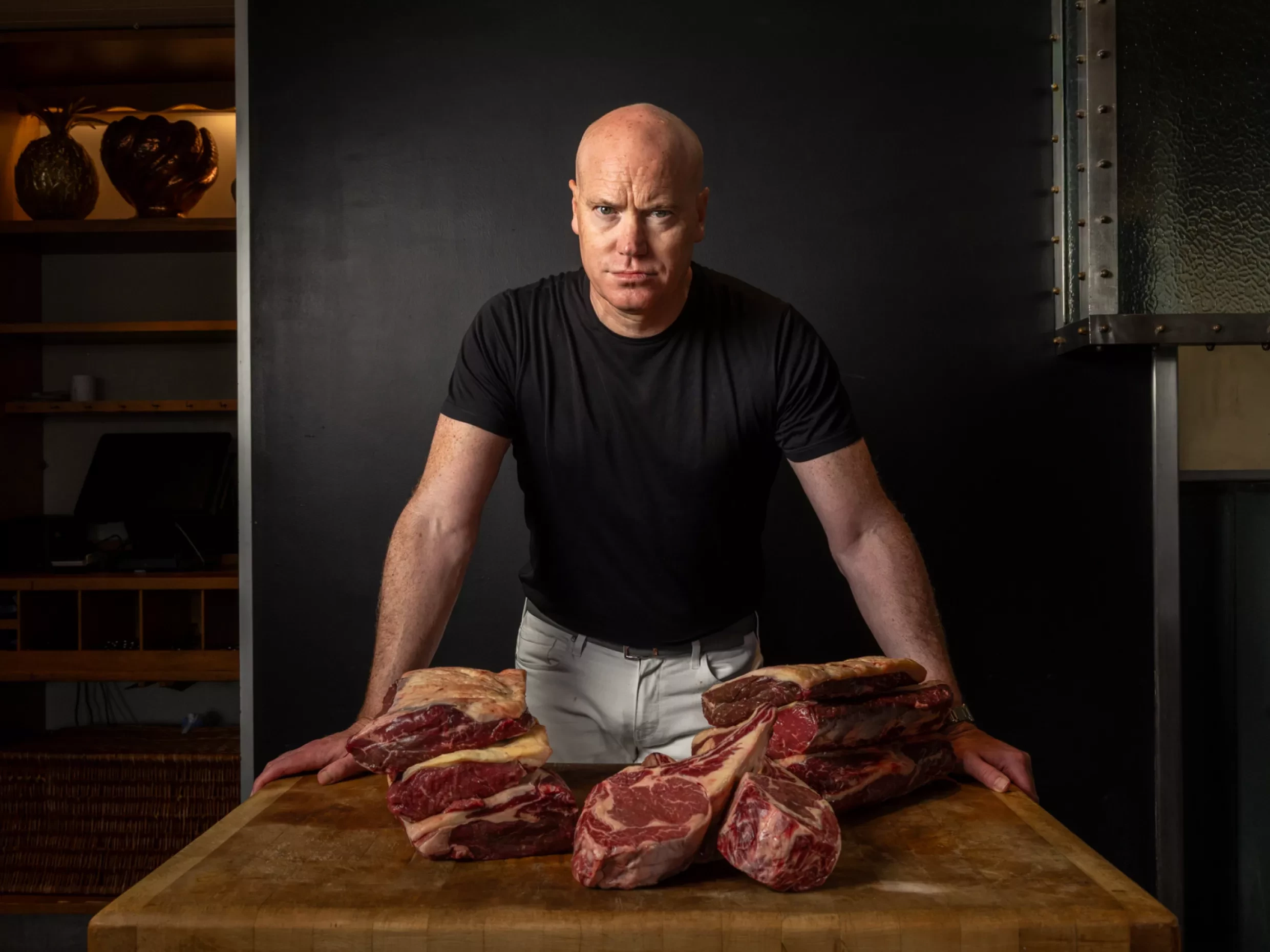
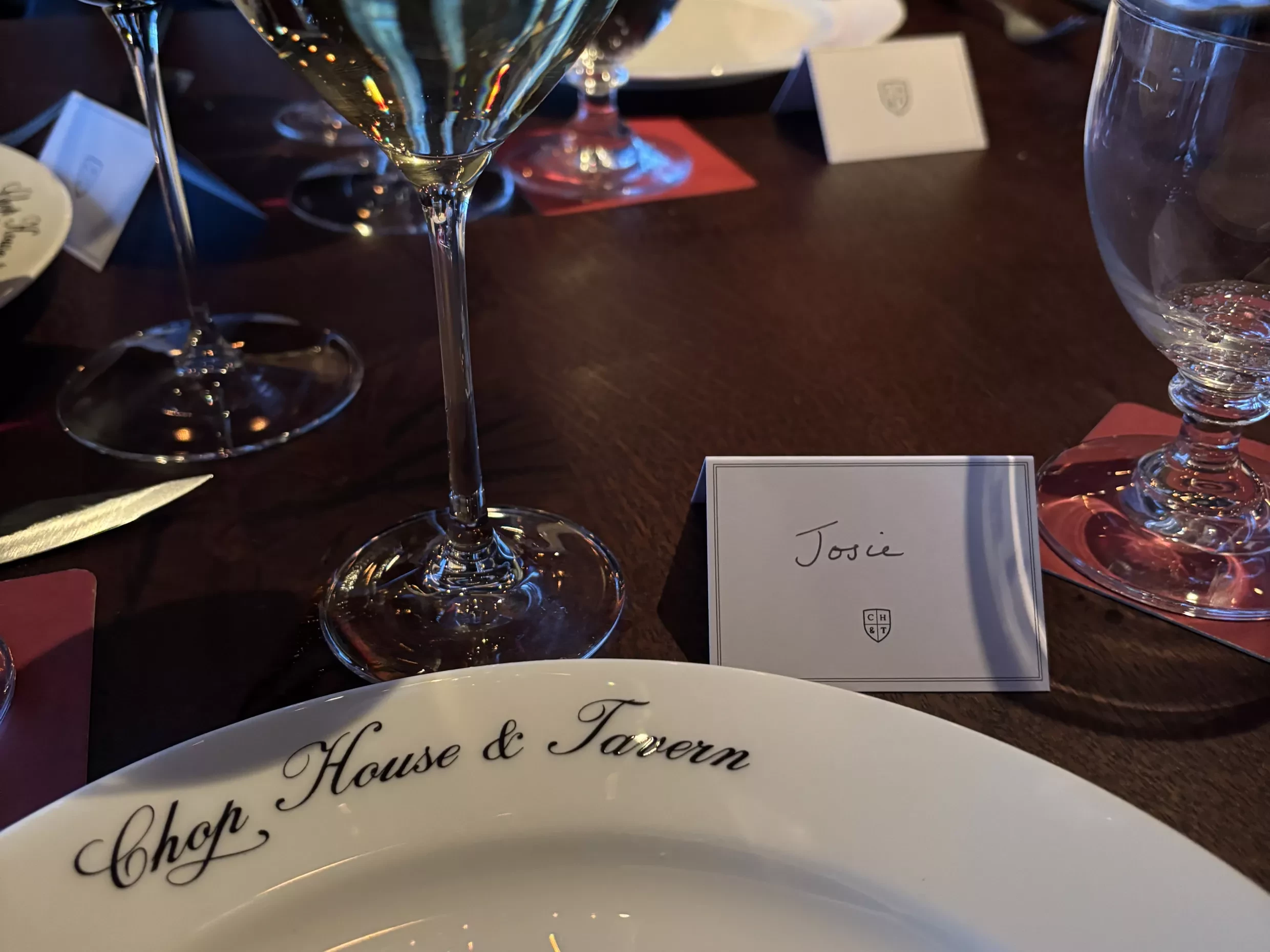
Last October, on one of our better Thursday afternoons, we popped out to try a new opening in town. Liverpool Street Chop House is a restaurant that has reimagined the classic Victorian chop house with a modern twist. It's part of the Evolv Collection, the hospitality group behind a portfolio of some of the UK's best-known dining destinations. Yet for all the excitement surrounding a new launch, today's restaurant industry faces mounting pressures. Rising labour costs and shrinking margins have made success harder than ever to achieve, and whilst coverage online can help to build a restaurant's reputation, it can damage it just as quickly. They say there's no such thing as bad publicity, but does this run true for reviews? I spoke with Martin Williams, restaurateur and CEO of the Evolv Collection, to get his opinion.
On Using Reviews to Your Benefit
I ask Martin how the chop house is going, he replies with "outstanding, actually. Usually people just say yes, but in this case, it's true. It's gone incredibly well." With hundreds of rave reviews praising the "superb" steaks, "belter" scotch eggs, and "perfect service", this comes as no surprise. However for Martin, some reviews are more noteworthy than others. He explains he is most open to criticism (or praise!) from the likes of Open Table, platforms that restrict reviews to verified diners. As to how that feedback is looked at?
"We collate every score from every portal, and that gives us a total score. And then we separately have an OpenTable score that's split into overall service, food, value, etc. That gives you trends, it will tell you a story. Now, a one off review, which is particularly opinionated or negative, has a place, but it's within 100 other reviews. So where it's just a one-off story, it's like, okay, either we really messed up and it didn't go well, or that person has come with preconceived ideas, or they're trying to be a restaurant critic and it's an overstated opinion. Where reviews are really useful is where you're getting several trends giving you the same feedback, that's when you take real advice from it. And it's within a portfolio of general feedback from being on the floor, knowing what you're seeing yourself, hearing feedback from other managers about what they're being told by guests. So within a portfolio of an opinion, it's a factor."
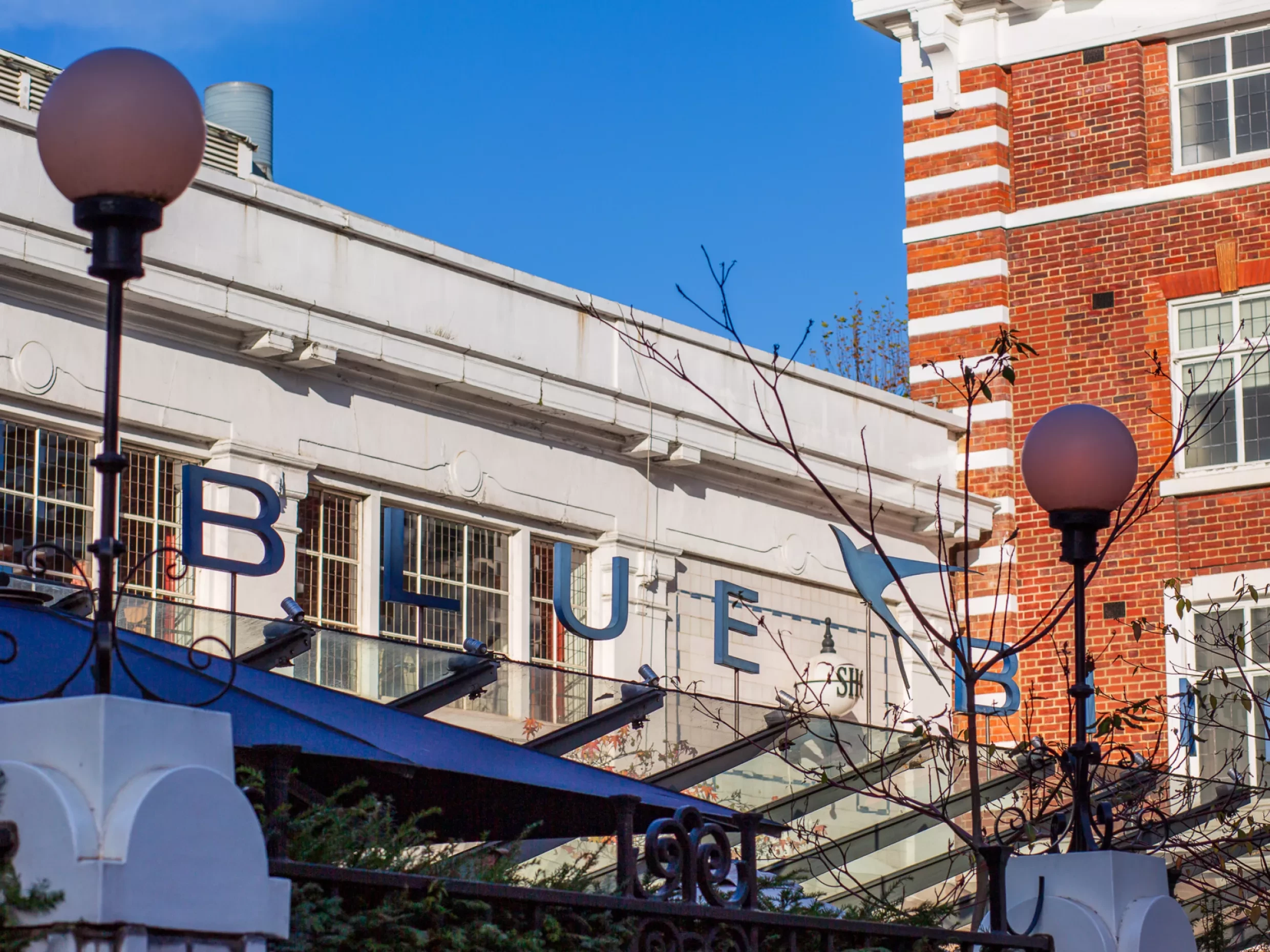
The Evolv Collection's target rating is 4.5, where the likes of Bluebird, Sartoria, and Chop House sit comfortably. If they were to fall below that, there's a process in place.
"We would go on shift, correctively coach, smell it for ourselves. I mean, if you're in this sector, you want to be in the restaurants, you're always in the restaurants anyway. You look at the team briefs. What are we talking about? Are we giving the guests a moment of magic? Are we appreciative of them? What are the timings? A lot of the time it's due to timings in the kitchen and food being too slow. So you'll go in and just see it for yourself. When there's a trend, it's quite clear that there's an issue. And you should be looking at where that trend of either scores or feedback is leading you."
On Which Negative Reviews Deserve Attention
Without a verified-dining process, an overall review score can be sabotaged by hungry hopefuls that cannot be accommodated. What's more, Martin compares certain review platforms to social media. X, for example, is typically a more negative platform, whereas others tend to foster more positive interactions. "That's where your Trip Advisors of this world are particularly bad", Martin laments. However, when it comes to a negative review on the likes of Open Table, Martin's advice is to put yourself in the eyes of the author in order to see which reviews carry value.
"Either they're spending time and energy on it because they love your brand and genuinely want to help, or they consider themselves a restaurant critic and this is a future career for them. In which case, many restaurant critics are very negative or they're perceived as very negative and that's how they get their success. But by and large, I think people want to just feed back because they want you to be better. I think where restaurants fail the most is where they don't quite understand the value that the diner is placing on a specific experience and they feel like they're one of the number, and then they're let down. That's when you've messed up. An opinion on whether you would prefer more sauce in your pasta is really not very interesting. It's got zero value. But I think particularly with service, you've either over delivered or under delivered on guest expectation, that creates a sense of value and overall experience. That's where I get the most value from reviews."
On Training Staff for Review Culture
This approach gets a stern no from Martin. In fact, he reckons by training staff with reviewers in mind, "you're in great danger of the tail wagging the donkey" and ultimately, second-guessing the guest.
"Our philosophy is you have to treat every guest like it's a dinner party and you're welcoming friends into your home. Eye contact, smile, name, recognition... If you have a philosophy and a culture of being committed to hospitality and the guest experience, the reviews follow. But if your start point is with reviews, then it's the wrong way around. You're obsessed with the wrong thing rather than genuine hospitality. It'll be a downward spiral of madness."
On Celebrity Endorsement
According to Martin, attaching a celebrity name to a restaurant brand causes more bad than good.
"Unless that celebrity visits that your table, the diner is going to be disappointed. So the level of expectation is just way too high and unrealistic. But whether that's a chef, or whether it's a celebrity backer or whatever. Equally, you have to be careful how much you're throwing your own name behind the PR. The brand should be strong enough to stand up for itself and it's a secondary story that you've got a celebrity owner or celebrity backer."
On Returning Customers
When it comes to the most effective form of marketing, Martin places high value on word of mouth. A happy diner who spreads the word to his friends and family, is also one who will return.
"For us, repeat visitation is as important as attracting first time diners, if not more important. And that in turn, you create these sort of tribes of passionate advocates of your brands or of your restaurants, and that's generally done by word of mouth, and then can be aided by reviews or whatever other element is that helps with the decision making."
This might explain why the Evolv Collection is yet to expand to Dubai, a place Martin admits is rife with influencers who "try everywhere once, photograph themselves somewhere once and then go to the next new site, they'll never come back." Having said this, Martin still acknowledges the power of social media. "Even those in Dubai, if they've enjoyed what you're doing and even if they don't return themselves, they're still going to attract a demographic of diners, which is very positive overall. The power of social media in a positive way is it helps create buzz alongside great reviews, critical reviews, word of mouth. I think you probably need to hear about a restaurant three or four ways before you think, okay, I'm going to go. And if social media is one of those, then that's positive."
On Influencers
The topic of influencers seems to be one of contention these days. Many restauranteurs have started to ban ring lights and expose the shameless requests for free food. Martin hasn't resorted to either measures, however when asked his opinion, he responds diplomatically with "I think you have to be careful of who you consider an influencer." He expands. "Every opinion has a level of importance, a sort of validation. There are some where it's come from a really educated place and that's the one that you want to listen out for. And that applies to influencers, where they are credible and know what they're talking about, then great. If it's simply I'm giving opinions, but I've never worked in a restaurant, I've dined in half a dozen, and I'm being paid to go here. It has a minimal impact on the dining decision. You've got to choose who you're bringing in and why."
However, at the end of the day, Martin admits that at a certain point, for example at Michelin level, the power is more so in the critical reviews. "We just opened Orrery. And we've had, I think 20 Michelin star chefs come in who are going this is amazing. I think that creates a buzz and that word of mouth creates something which is more powerful in this case than social media."
On Being a Happy Diner
We’ll finish the conversation with one final piece of advice. In today's world of carefully curated aesthetics, influencer hype, and paid reviews, disappointment can sometimes feel inevitable. The best approach according to Martin, is "just go to a restaurant with an open mind. The best dining experiences I've had are when my expectations were low and the restaurant overdelivered."