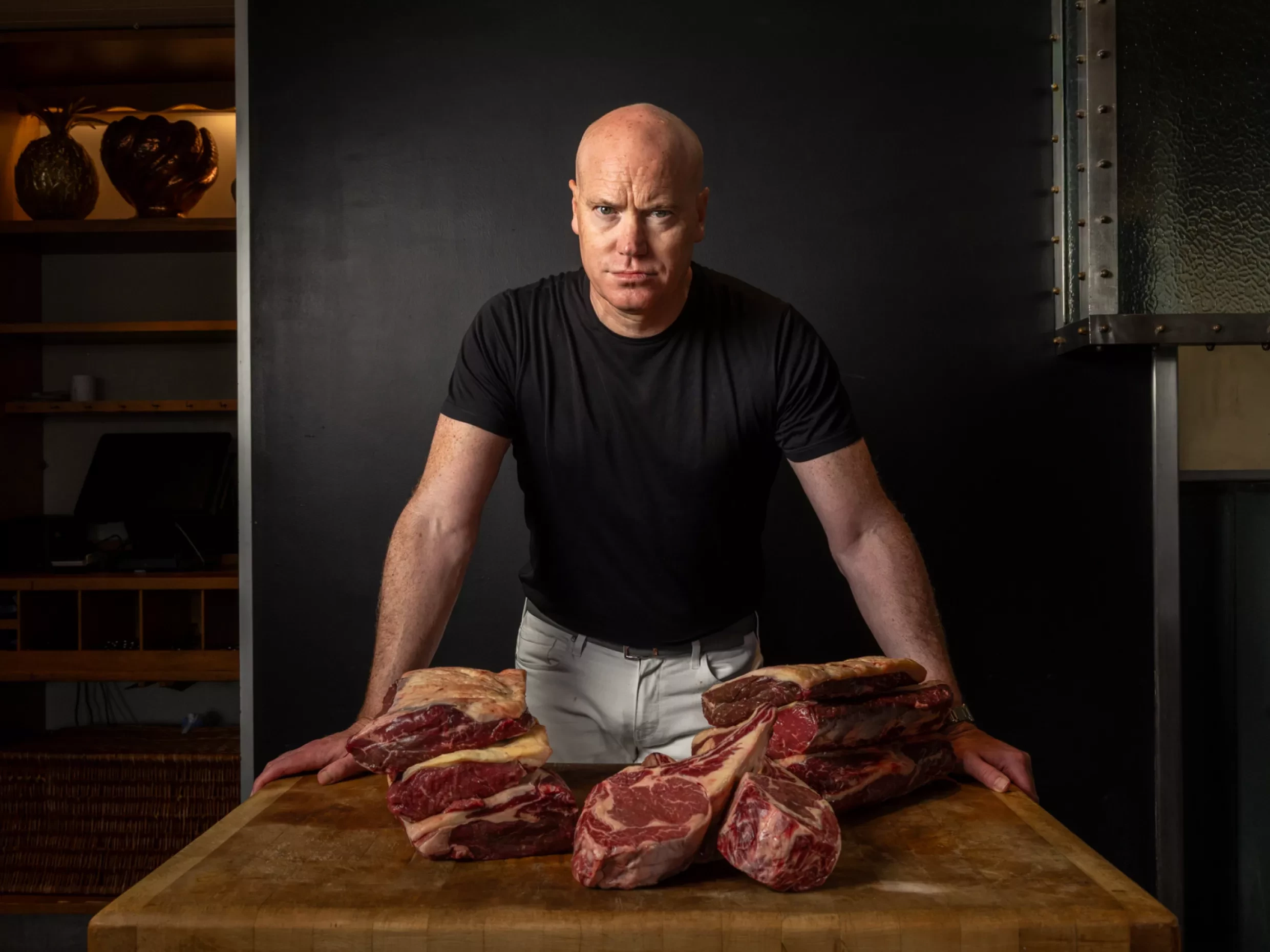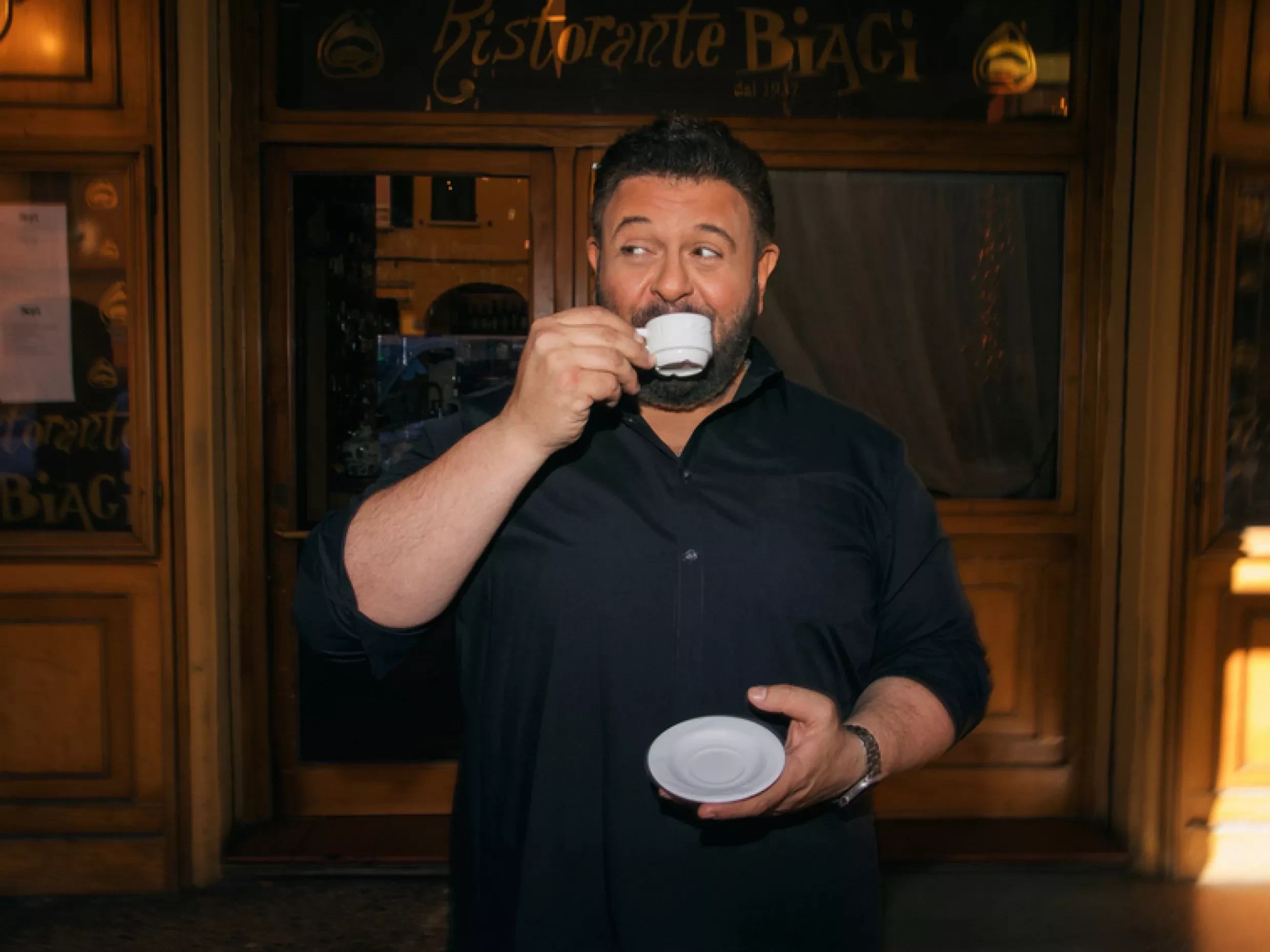

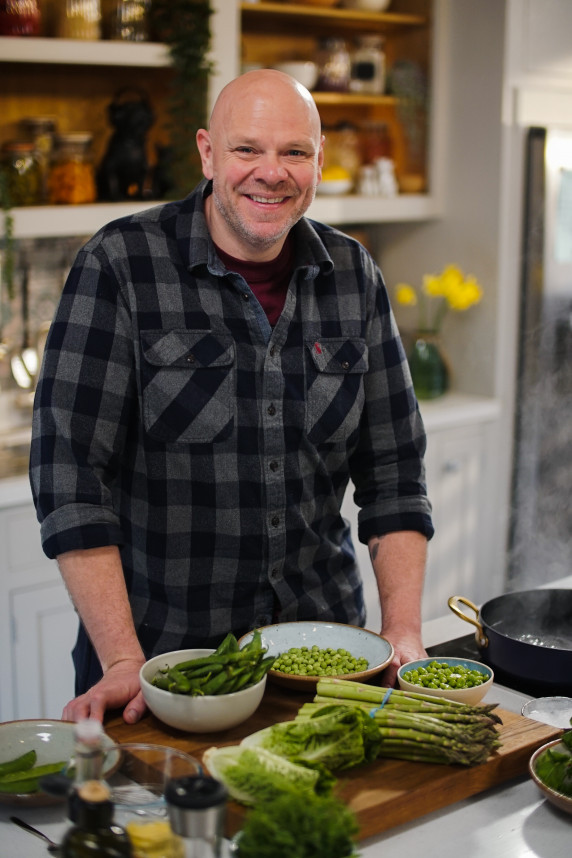
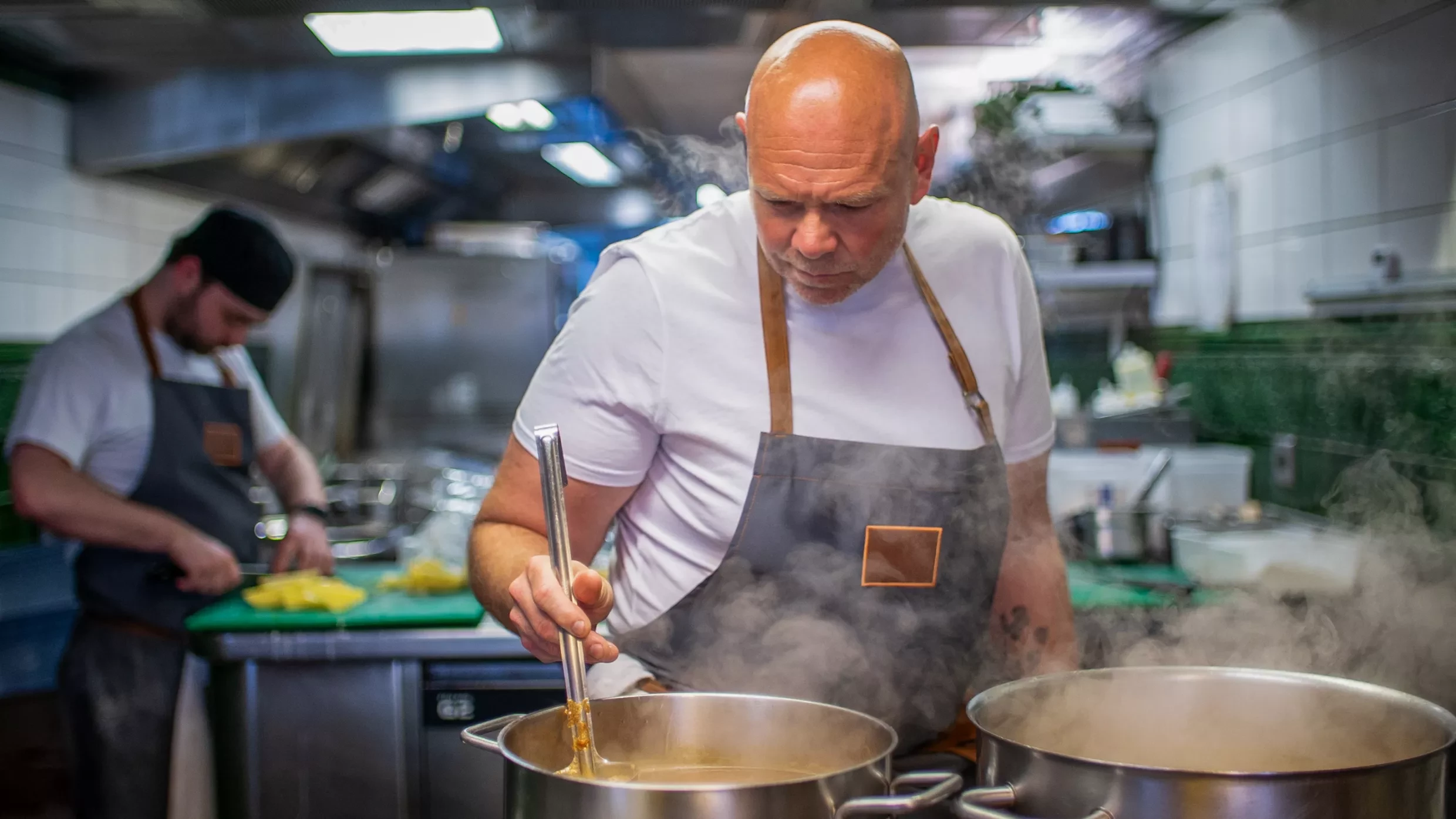
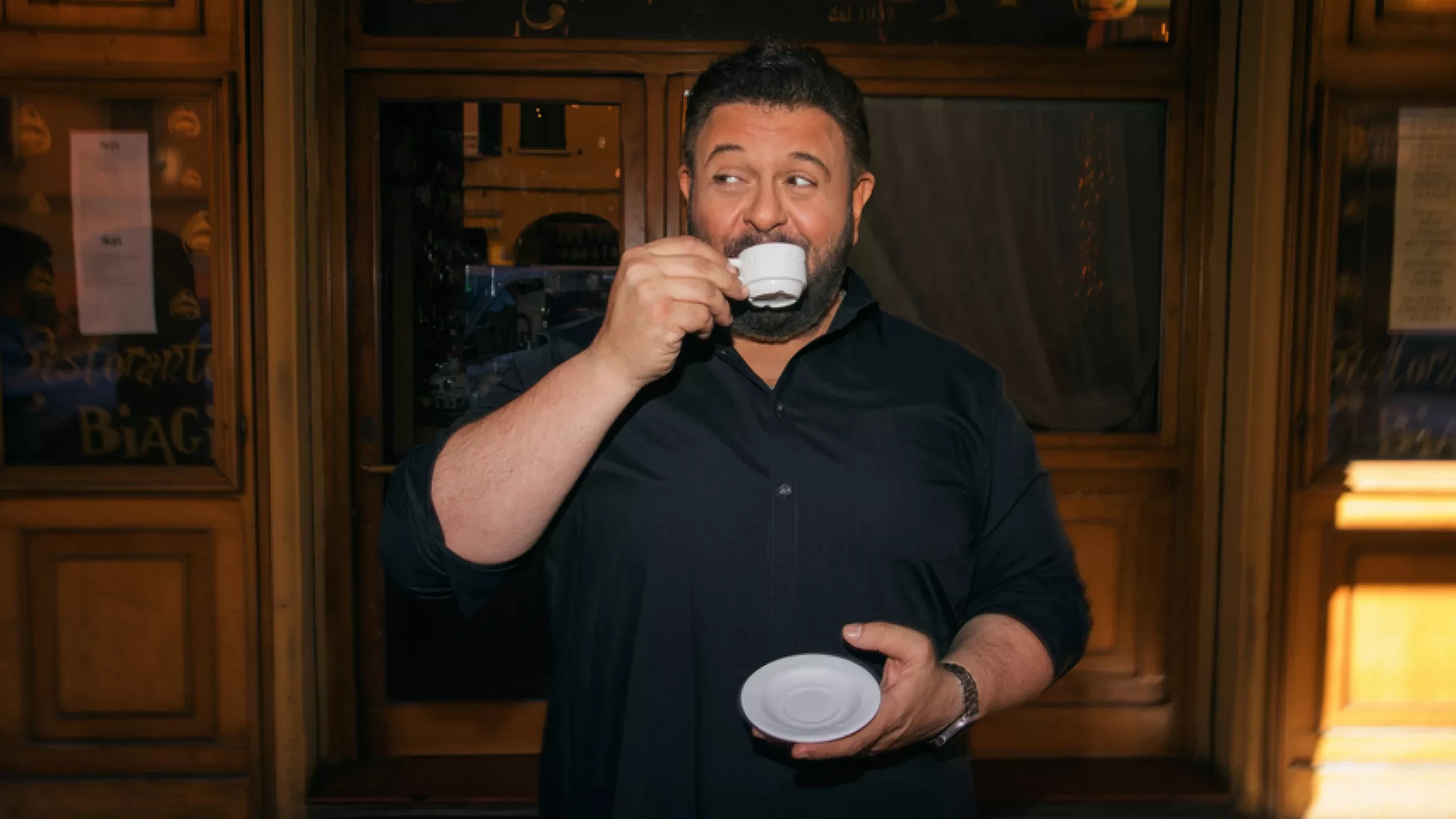


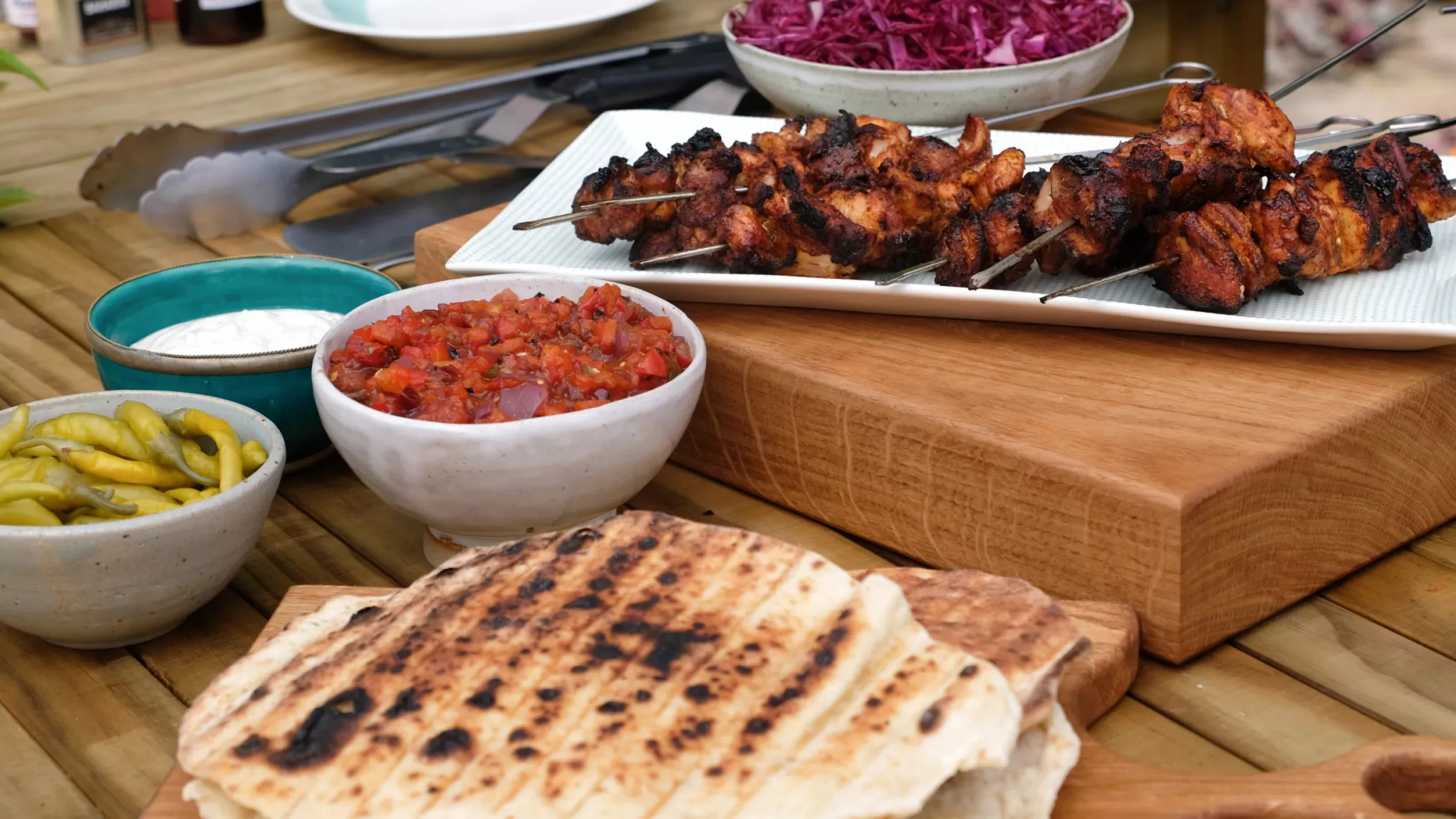
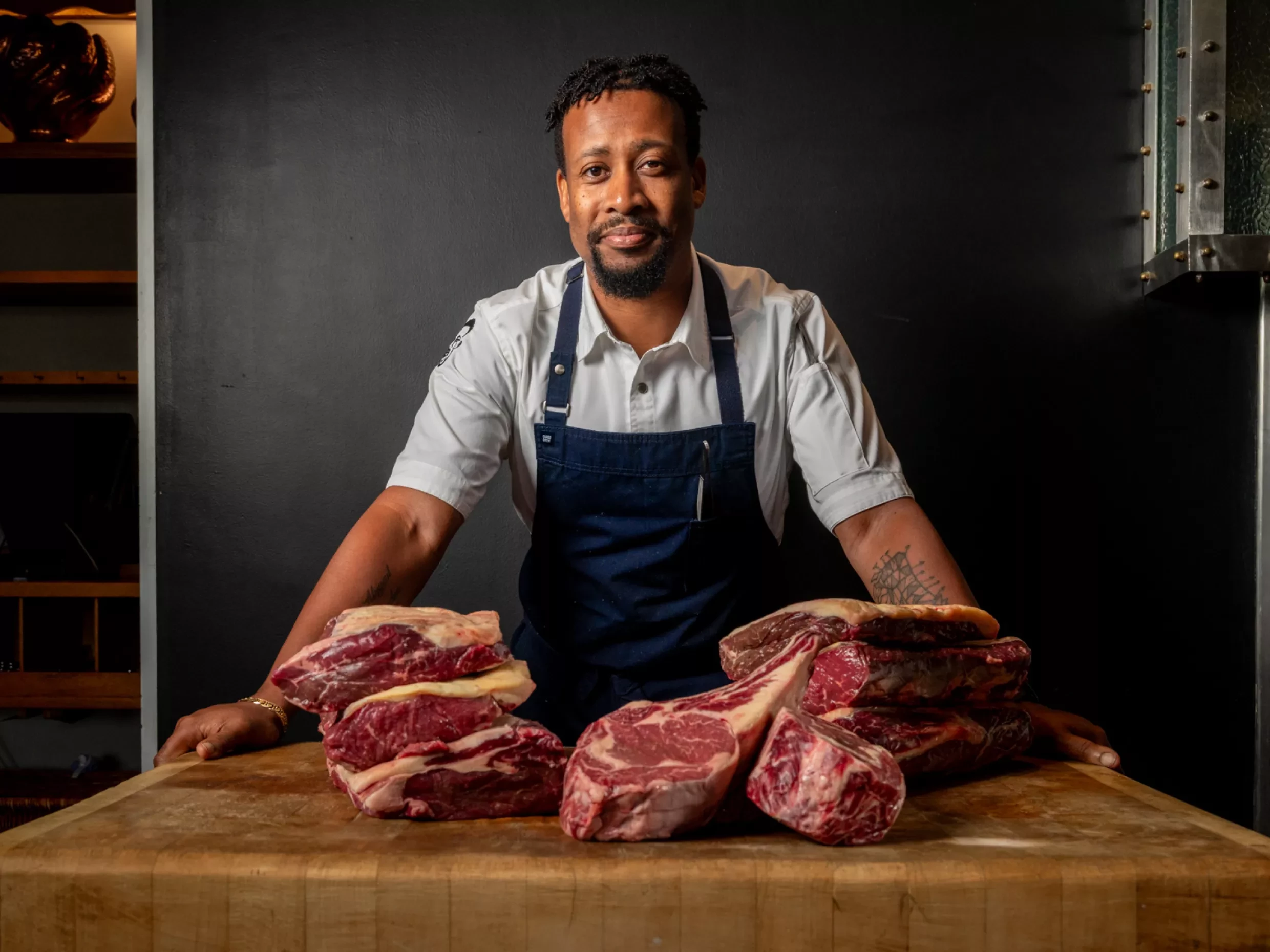
Otherwise known as 'The Laughing Chef', Mike Reid is an international Chef who's beaming smile you may recognise from your screens. He has his fair share of culinary experience, with 25 years in the UK and Australia's top kitchens, including Le Gavroche and Gordon Ramsay Restaurant. Today, he is a prominent culinary director and television personality, splitting his time between London and Melbourne. As a most recent addition to his impressive resume, he currently serves as the chef consultant and culinary leader for Liverpool Street Chop House and Tavern and has set up a new Youtube Channel where you can try out some of his recipes. Following our impressive meal at the restaurant a few months back (which you can read about here) we caught up with Mike to discuss the restaurant that almost broke him, the importance of setting the foundations, and suckling pig tacos.
What sparked your interest in food?
"There wasn't any gravy. I was like, mom, this isn't right."
Mike Reid has always been obsessed with food. One of his earliest memories is going to a family event where they were having a mid-week roast, but a lack of gravy didn't sit right with five-year-old Mike. "Gravy's the bomb, it's the main event. I just couldn't get my head around the fact that there was no sauce served with this meal and i was just like... it's just wrong. It's just wrong." He goes on to tell me how as a reward in school, he was given M&S cheeses while the others were given sweets.
Mike knew that chefing was for him since his GCSEs, but his parents wanted him to prioritise education and go to university, following a similar path to his siblings. Reluctantly, he did. However, during university he started working in a kitchen to fund the uni lifestyle, which he described as "love at first sight. It was what I was meant to do. All my energy started going into my shifts in the kitchen, marvelling my studies. So as soon as I graduated uni, I came back to London and said, look, it's my decision now. I'm going to do a modern day apprenticeship and never look back. That was it."
How did you find the professional cooking environment?
"I loved it in a I knew it was good for me kind of way"
Working in Michelin restaurants, Mike admits, was was gruelling, tough, intense, and yes, there were 16 hour working days. However, today, he remembers the good parts rather than the hours and the sacrifices that he made. "I was always learning and I was always in an environment which challenged me. It was probably cooking in its purest form, very old school, very regimented... But you learn so much. There wasn't a day when I didn't learn. And I wouldn't be the chef I am today without working in those two restaurants alongside the In & Out Club. Without a doubt. I've got so much to be thankful for for that time."
How would you compare the professional kitchen when you started vs today?
"It is something which we are losing. And it's such a shame, because that's cooking."
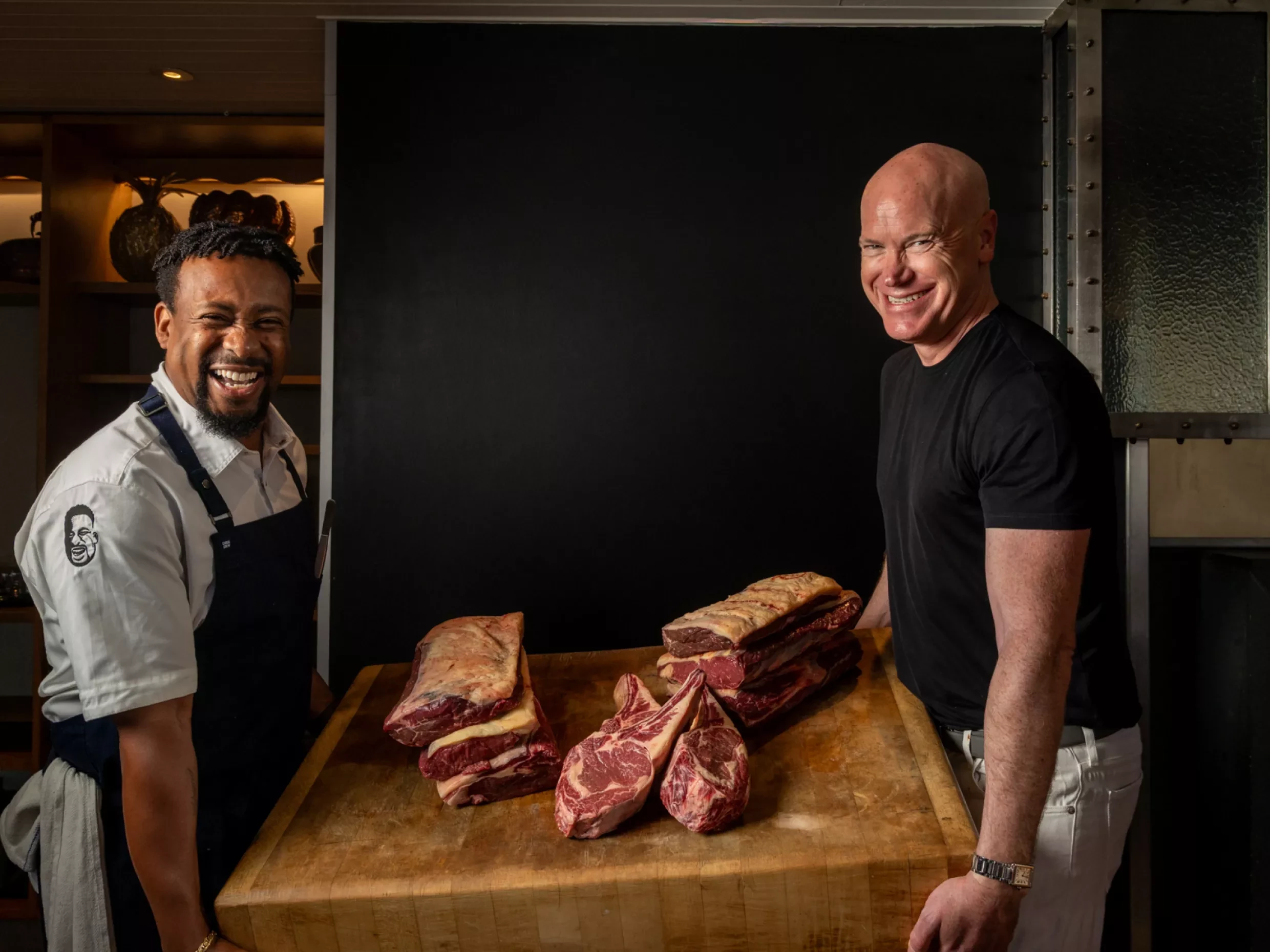
Today, the industry looks a little different to how it did in the naughties, and to Mike, that has its pros and cons. Of course, the work-life balance is a positive thing, but Mike admits the lengthy hours meant advancing much quicker. Plus, there is a loss of traditional skills that are such an integral part of cooking. "Back in the day we had a butcher's room, a room built of wood with bandsaws and chains and you would hang up your meat and we'd get in whole carcasses. There are probably a handful of restaurants now in London that deal with whole carcasses. If you're lucky enough to work in one of those restaurants, you're still going to get a grounded education. But so many restaurants now just buy things ready done. I'm not talking about buying food ready done, but the meat prepped, the fish filleted and skinned and prepared in portion. I feel like we're having to really be protective of those skills and force ourselves to not take the easy route. I still try and teach whole butchery and carcass cutting and filleting of fish and portioning and making of stocks as well. I spent a lot of time as a saucier in Gordon Ramsay and Michel's, and it is an art to create a stock."
"It's a corner I refuse to cut off. I make my stocks every day."
And it's something Mike still practises. Currently he's developing a mutton stock for a mutton shepherd's pie on the new menu of Chop House. "Taking the bones off, trimming them and roasting them, deglazing the pan- I get joy from each stage of it because I know the final result is worth it. Not a lot of young chefs understand that, or know how important it is to skim as you're going, and to use a small spoon until you're able to control the flow of liquid that comes out, and all these little things which were drummed into us back then. It's not necessarily things people are learning now unless they're in college. But it's down to staffing issues. Everyone's slightly short staff so these are the sort of areas where people try and save on time and labour."
What has been the biggest challenge you've faced in your career?
"It's the only restaurant that almost broke me."
After stints in Michelin-starred kitchens, it may come as a surprise that a bigger challenge for Mike was becoming the head chef of a Gaucho restaurant. "The reason I joined is because I wanted to learn how to run a business. They were a very successful restaurant business, expanding at the time." He opened Gaucho Richmond and stayed as Head Chef for 18 months. With the restaurant thriving, "they wanted to give me their new flagship site at the O2 Arena, which had been open for six months but wasn't doing particularly well." Another surprise, considering this restaurant is positioned next to a world-renowned, 20,000-capacity venue. However, that was exactly the challenge. On event nights, the place would flood with hungry show-goers for two and a half hours, and empty out by 7pm. "I've never done anything like it in my life, in my career. I couldn't get my head around how I was going to produce good, fresh food, cooked to order, up that scale. It probably took six months of blood, sweat, so many tears to get it right."
"I needed people who believed in my philosophy..."
Mike wanted to ensure the team were cooking each dish as it comes in order like in any other restaurant. "That's how we're going to make this monster as good as I had Gaucho Richmond, which is a beautiful little restaurant on the river. I was like, I will do it and I'm going to do it if it kills me, sort of thing. It did almost kill me. There were times when I slept there and then carried on the next day because we couldn't keep up with the amount of food, the amount of prep, doing everything fresh, still doing specials, still doing the hiring and recruiting."
Mike needed to source a team who were willing to step up to the challenge and "to be able to execute what was in my head, get the systems in place, train the chefs to a certain level. And then it ran like clockwork. It's always about the people. People who believed in what I was saying and were willing to find a way to do it and basically not compromise. But yeah, that restaurant was... an absolute brutal killer."
Was there any silver lining?
"I met my wife there."
And after that, Mike got the group exec role and then went on to reopen numerous restaurants from around the world.
And your biggest accomplishment to date?
"M, I was very proud of opening M."
In September 2014, Mike returned to the United Kingdom from Melbourne to open one of London’s most interesting restaurants of the year – M. He opened it from scratch, designing the concepts and helping to design the venue and menu. "The food we were doing the first three years or so, I would say, I think we were deserving of a star..."
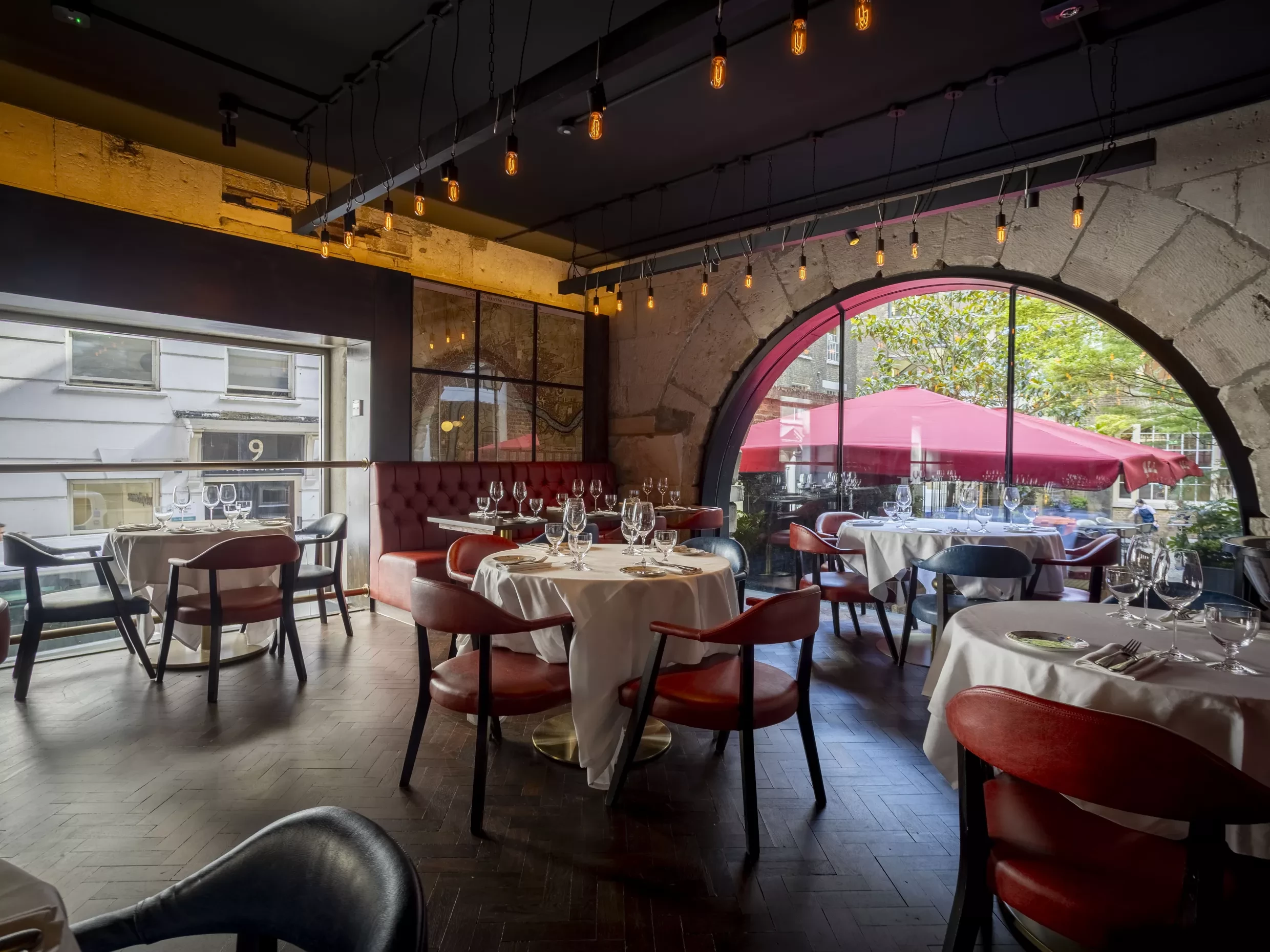
How would you describe Liverpool Street Chop House?
"Unapologetically old school British, with a touch of modernism."
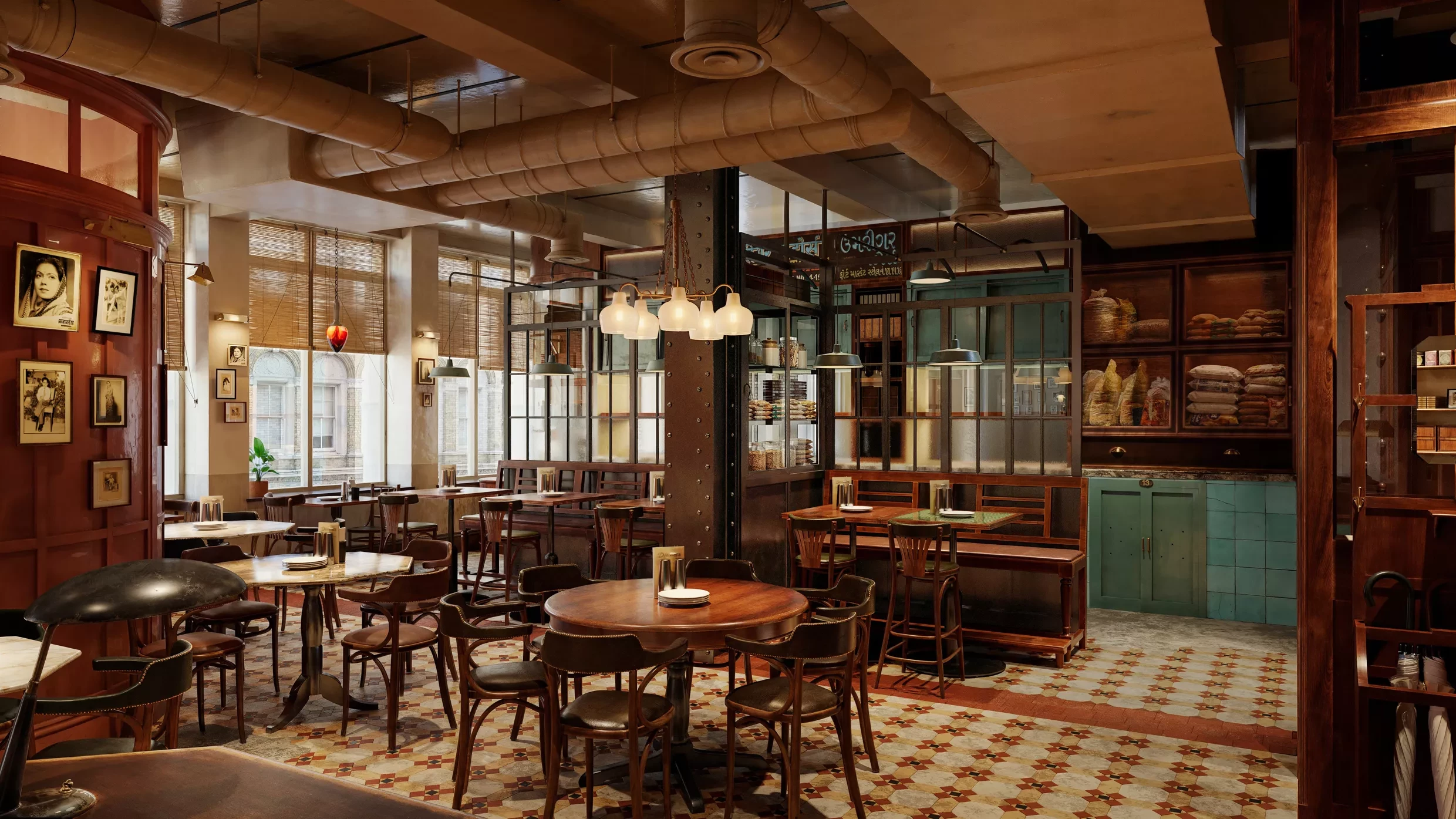
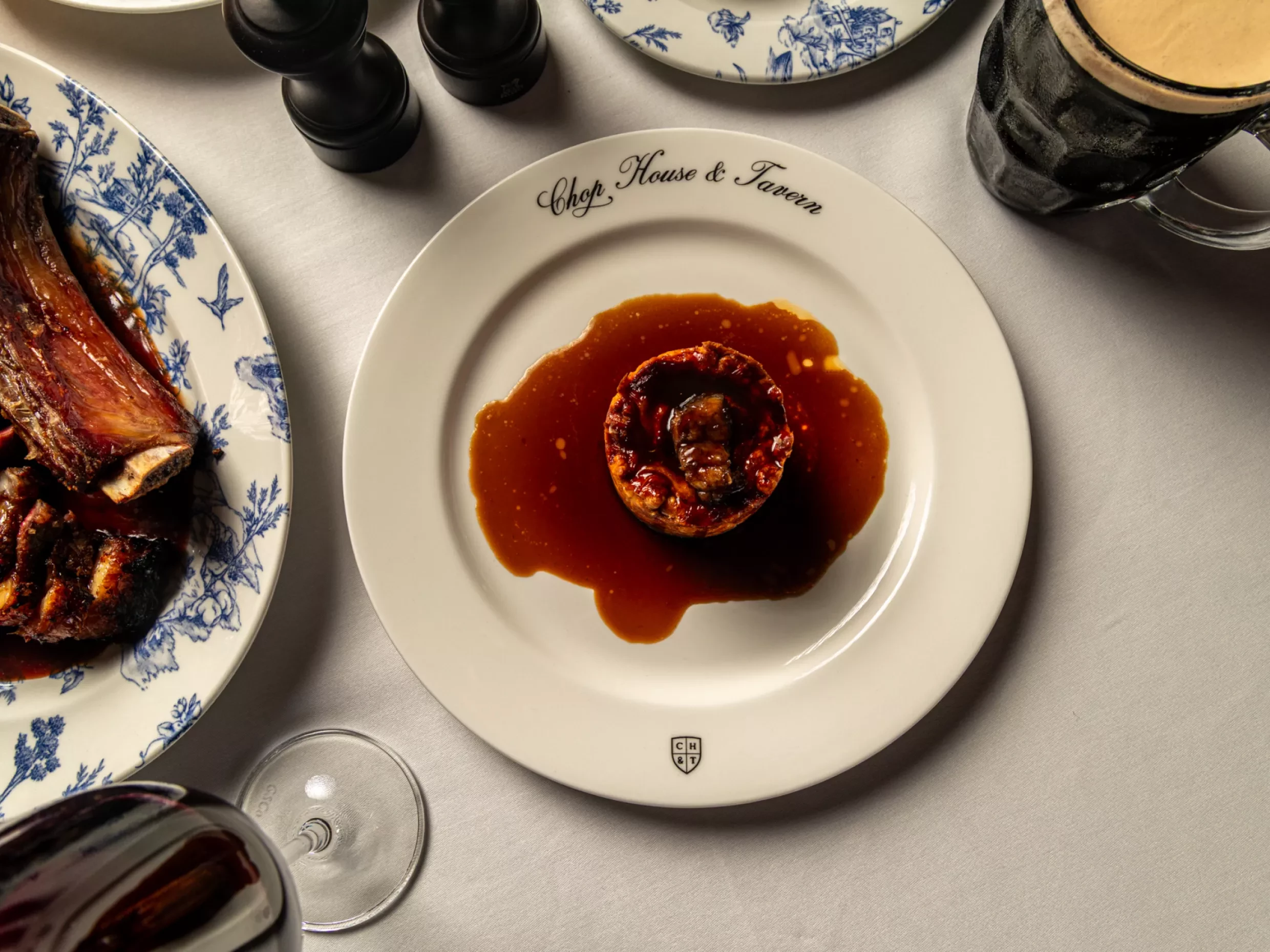
Mike's latest venture is Liverpool Street Chop House, where he is the culinary consultant and creative force behind the restaurant. It's a space that draws inspiration from 17th and 18th-century London's simple, functional beauty, with dark wood pallets, crisp white linen, and elegant brass and gold details. "We're playing homage to what a Chop House used to be. It's bold. I would say masculine, and big flavours. It's chops and steaks, yes, but then you've got your smoked haddock, scotch eggs, pot of shrimps, the beef and bone marrow crumpet. There's so many beautiful dishes, which are really simple but proper cooking just done well." The proof is in the pudding (which is a nostalgic trifle here, by the way). According to Mike, Chop House has done better than they could've imagined, with a constant flow of visitors, even on a Saturday when office workers have retreated from the city.
How does Melbourne compare to London for food?
Mike now spends his time between London and Melbourne, two culinary hot spots in their own ways. London, for its diversity "London is probably the best in the world in my opinion in terms of really good food at different levels from all over the globe... We just have everything at our fingertips." Melbourne may not have as much diversity, "but what Melbourne has is some of the most incredibly talented chefs in a smaller area that I've ever seen. You can't have a bad meal in Melbourne because you don't survive in Melbourne unless the food is good and you do good coffee. It's relentless and it is brutal... So I think on both sides of the coin, they offer an incredible amount of good food. And essentially what I'm saying is I'm not choosing. I love them both."
Can you talk us through your most memorable meal?
"I was traveling in the Yucatan in Mexico, I was in Merida with one of my best friends Alec and we were, let's just say we were out having fun, going home at like... it must have been around half five or six in the morning. We were walking through the streets and we went through the markets. The market opens from around five there, and there was this guy selling pork tacos. I mean whole suckling pig, fresh tortillas made in front of you, cooked in the pig fat, a little salsa, and I can still taste it to this very day. It was probably around 20 years ago. It was outstanding, without a doubt one of the best meals ever. I would go back just for that dish and I have, several times."
And your favourite culinary destination?
"San Sebastian is one of my favourite food cities in the world. I love San Sebastian. I've got a restaurant there that I go to all the time, Mugaritz, which is one of the world's best, outstanding. But the Pinchos bars, the tapas bars in San Sebastian as well, incredible."
Favourite London Establishment?
"I love Smoking Goat. I love Mountain as well. I think Mountain's incredible. We're so blessed with London, there's there's so many good restaurants and there's so many continuing to open. I feel like that's London... every week there's somewhere new that I've got to go, especially when I don't live here full time."
One chef or new restaurant to watch?
"Later this month Orrery is reopening under Pierre Minotti. I did a preview of the menu last week. It's going to be outstanding. It's going to get a star very quickly. He's an incredibly talented chef, Pierre Minotti. He was the head chef at Alex Dilling at Hotel Café Royal which was a two-star. Without a doubt, one to watch. Phenomenal. He's a top, top, chef. And a really nice guy."
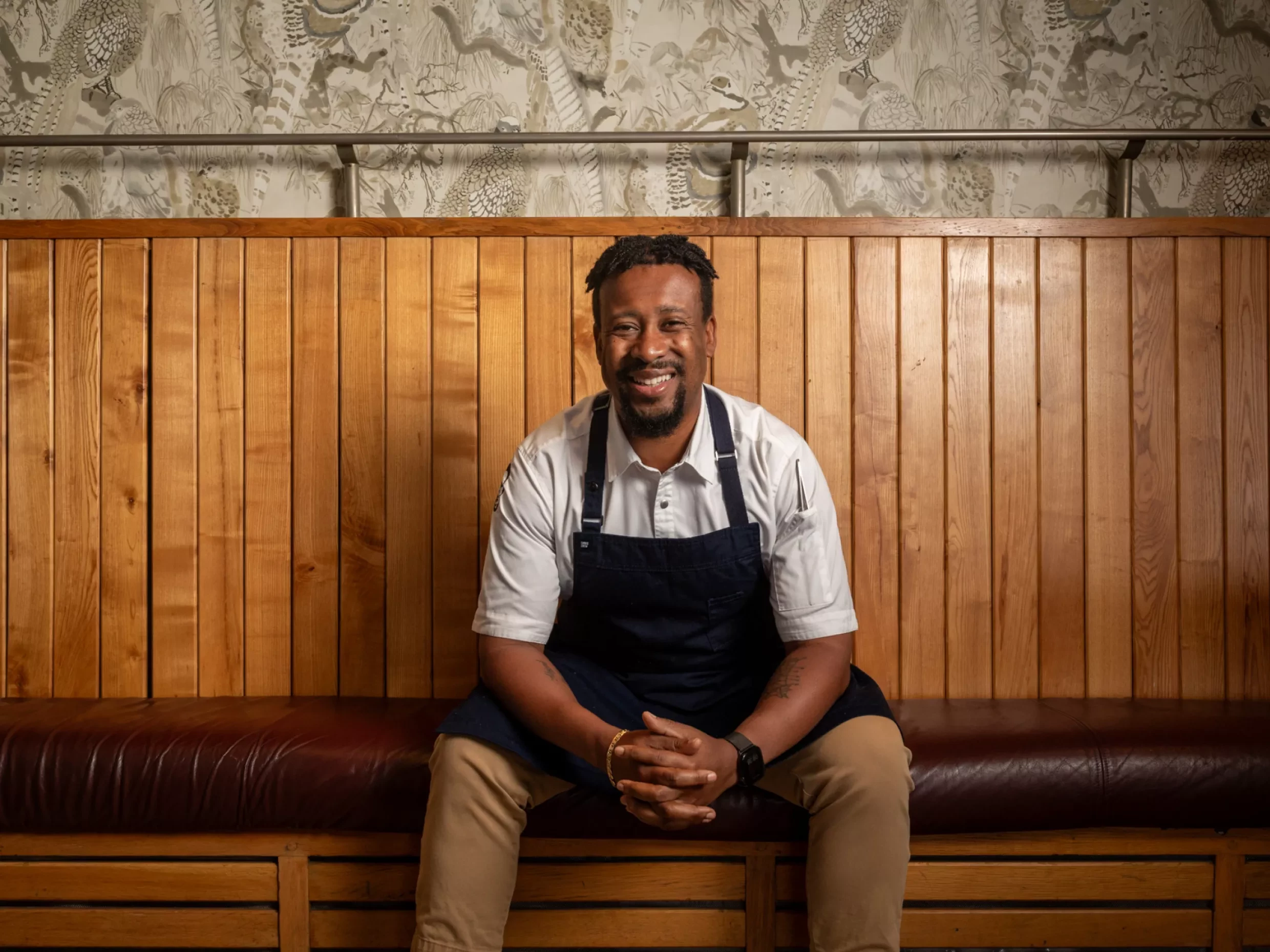
Finally, what's your advice to anyone wanting to become a chef?
"Choose a restaurant where you have a good teacher, don't just go for a name and a paycheque. Money will come. Yes, you need to live. You need to have enough to survive. But if you're truly dedicated to this as an art, as a craft, then go somewhere where you're going to have a good foundation, a really good learning, a good school, and soak up as much information as you can. Ask as many questions as you can. Try and do as much as you can while you're there before you move. I believe you need at least 18 months to two years in a restaurant to truly learn everything that chef has to give you. Take that time to learn, you know? We're in a generation at the moment where everyone wants instant success but take your time. It's a long career. I've been cooking now for 25 years, maybe more. You have time to get to where you want to go, so give yourself the best chance of a long career by having a good learning a good foundation. Learn how to make your stocks, learn how to make your sauces. I'm genuinely so passionate about teaching and always have been. And it's why I launched Young Chef competitions in the past. It's why I mentor. There's so much you need to know to be good at your craft and to be able to then walk into any job and have the confidence to go, yeah, I can make that. You will enjoy the job so much more if you take the time to learn the foundations properly. Then the world is yours. You can do this job anywhere in the world, and I'm proof of that. One of the reasons why I wanted to become a chef is because I love travelling. So if you do it right when you're young and first starting out, then you can go anywhere with it."
Follow Mike on Instagram and his new YouTube Channel here.