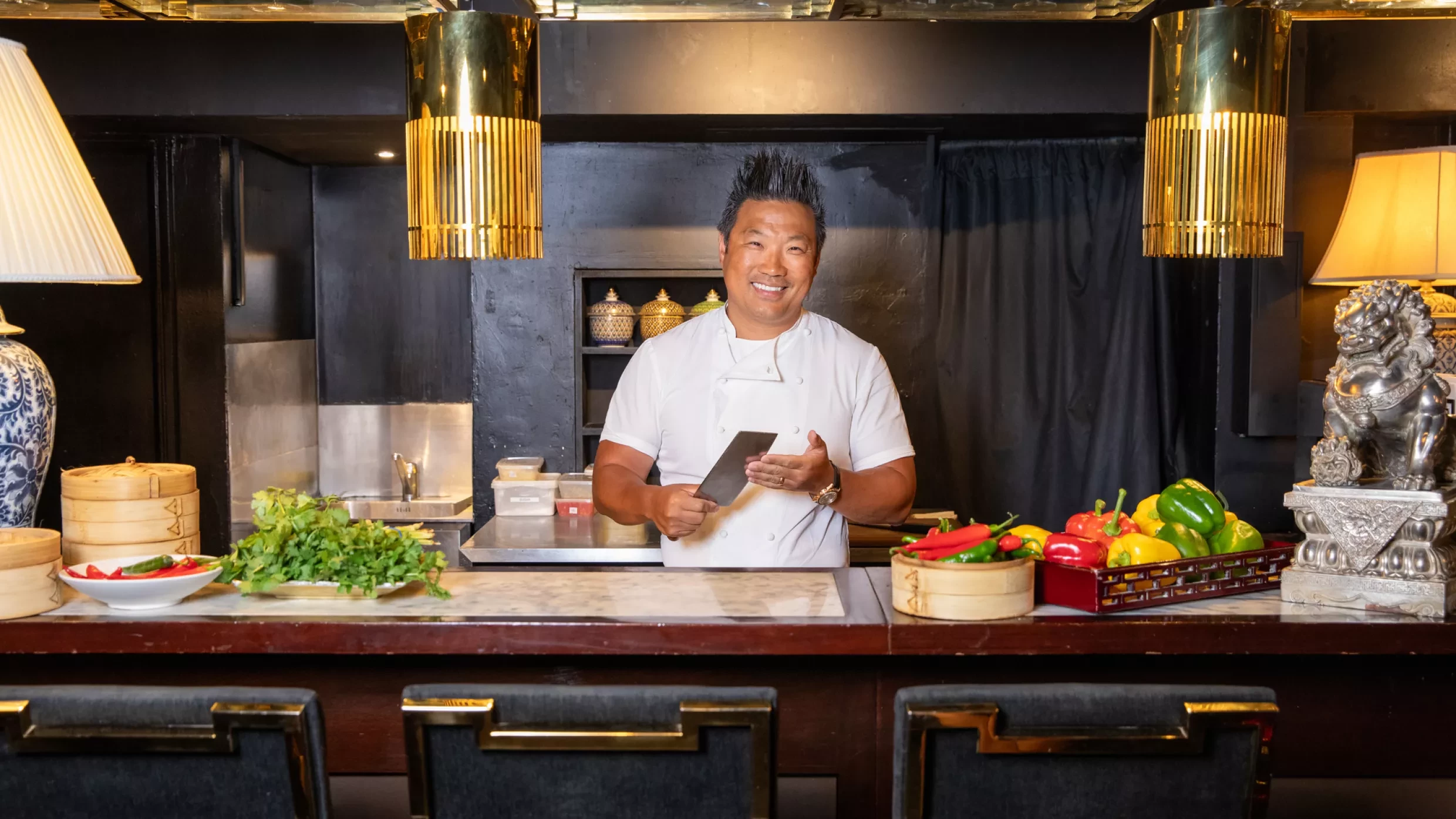


Two-Michelin-starred chef Andrew Wong has spent much of his career exploring the extraordinary world of Chinese cuisine, from the intricacies of dim sum to the regional cooking traditions that have contributed to his success at A. Wong in London. In Secrets of the Chinese Kitchen, Wong shares some of the techniques and knowledge typically reserved for professional kitchens, showing those keen to master the art of dim-sum that while it is a skill, a little precision, patience and practice can make it possible to do at home. We caught up with the chef to discuss the misunderstood Chinese kitchen, the evolution of Chinese cuisine in Britain and most importantly, why deep-frying doesn't deserve its bad rep.
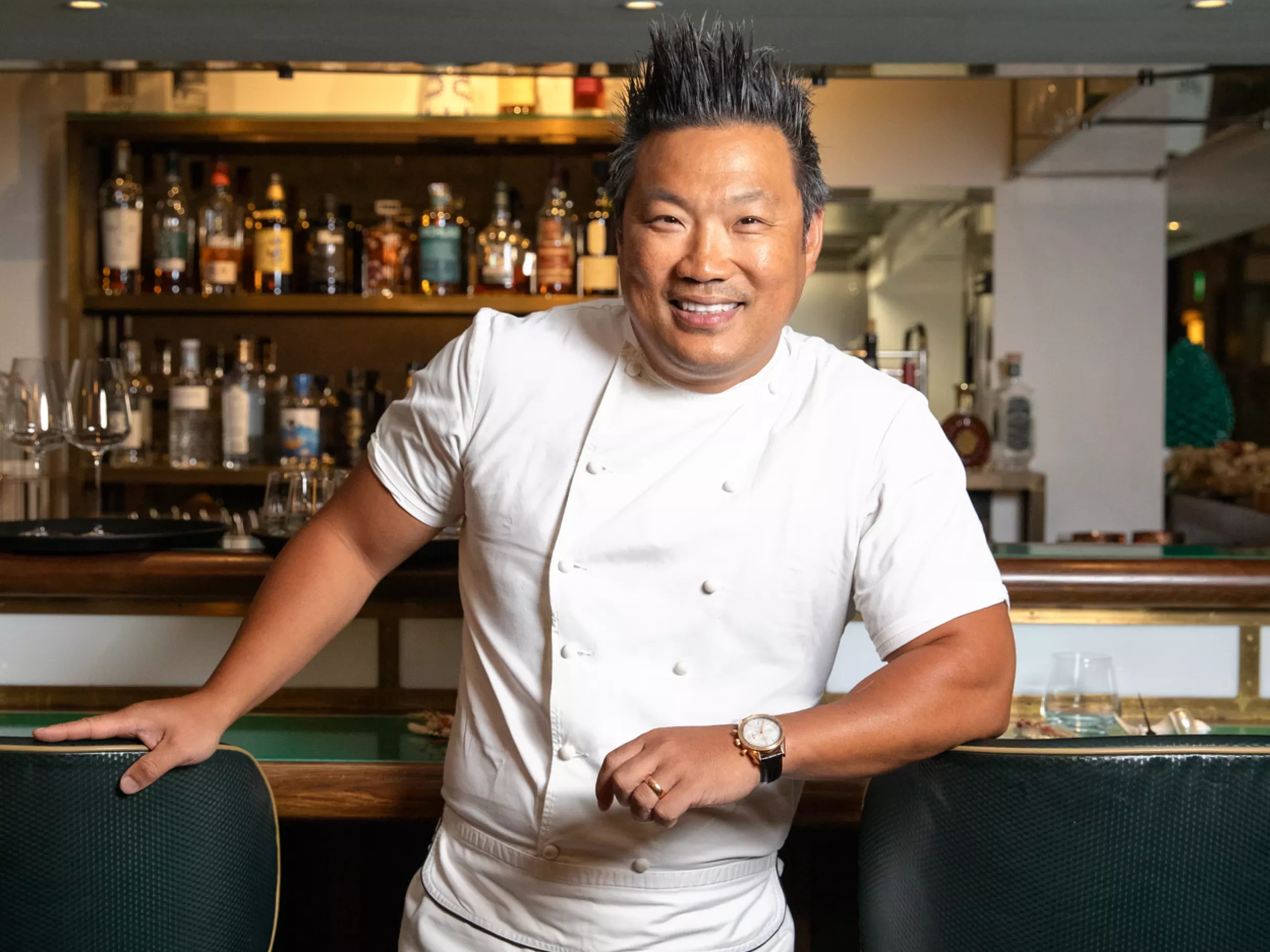
What do you hope viewers will take away from Secrets of the Chinese Kitchen?
The premise of the show is really about sharing some of the little tips and tricks we use in a professional Chinese kitchen. A lot of these are untold secrets, but they have the ability to turn home cooking into something very close to restaurant-level cooking. Sometimes it's the smallest things that make the biggest difference. One thing I hope viewers take away is just how precise a Chinese kitchen is, particularly when it comes to dim sum.
I think there is sometimes a misconception that Chinese kitchens are places where there are no real measurements. People just kind of throw stuff into a wok and almost say a prayer. But what we do in the kitchen is very exact, and if you can take some of that exactness into the home environment, I think that would definitely help a lot of your Chinese cooking.
When people bake, they'll get their scales out and weigh everything precisely, but that same diligence isn't always applied to Chinese cooking at home. I hope the programme offers a little insight into the way Chinese kitchens actually run.
Dim sum in particular requires an extraordinary amount of precision. What advice would you give someone attempting it at home?
Number one, give yourself lots of time. Number two, put yourself in a mindset. Be nice and patient. Number three, recruit plenty of friends to help you. Number four, buy some scales. And number five, practise. Practice makes perfect.
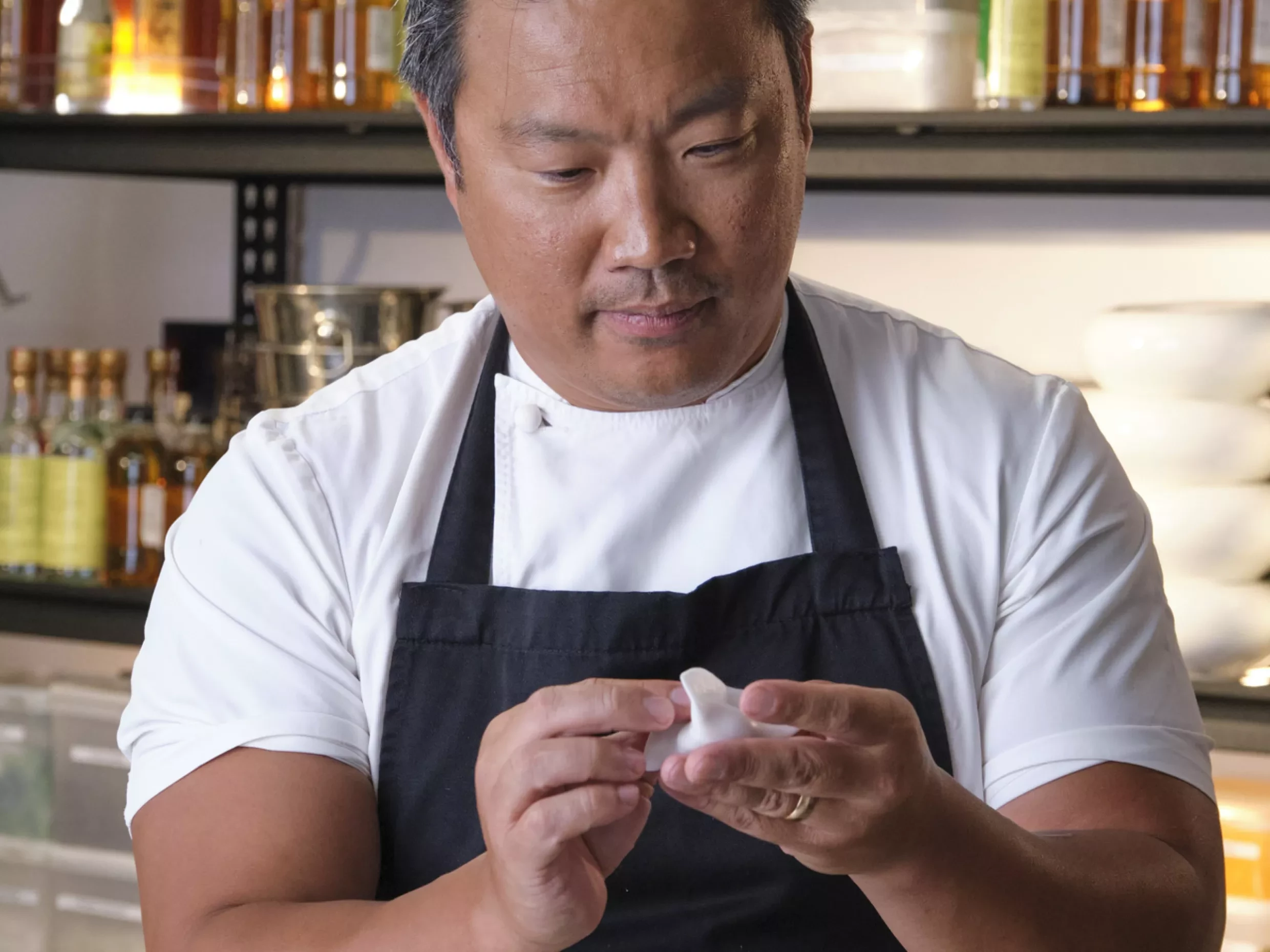
Although we're showing people how to wrap restaurant-level dim sum in the programme, the fundamentals to a degree are the fact that you're getting a pastry, you're wrapping a filling, and then you're steaming it. You don't necessarily need to achieve the same level of precision that we do in a restaurant. You don't need to pleat your dumplings 18 times or 13 times. You can find your own happy medium and still enjoy the process and the flavours without having to make everything restaurant quality.
Was there a particular dish or technique that proved difficult to adapt for home cooks?
Dim sum is always quite difficult to adapt to a home environment, particularly because I've never really made it at home myself. For me, dim sum was never about sitting around the table with mummy and daddy and grandma, wrapping dumplings from a young age was not really a thing. It was always something I did in a professional environment, with someone hounding you down to make sure everything was as perfect as possible and met a particular spec. So there was almost a mental barrier to overcome in adapting it for home cooks. In a restaurant, dim sum is an incredibly skilled process, but at home you can achieve those same flavours without having to take it to such extremes.
So where did you make your first dim sum?
The first time I interacted with dim sum was making very simple versions in my parents' restaurant. We didn't really serve dim sum as an entire meal in the way that we do now. I went on to study culinary arts in Sichuan, where I learned more about making dim sum. From there, I worked around China, including Beijing, Hong Kong and Macau, meeting more chefs and spending time with dim sum specialists. It was really about understanding what dim sum meant to each of those chefs and, ultimately, what it means to us.
Having spent so much time exploring China's regional cuisines, is there a particular culinary tradition you wish people in Britain appreciated more?
I think the biggest thing is appreciating the idea of the diversity that exists in China. People sometimes still pigeonhole Chinese food as a singular entity, when actually it's very region-specific.
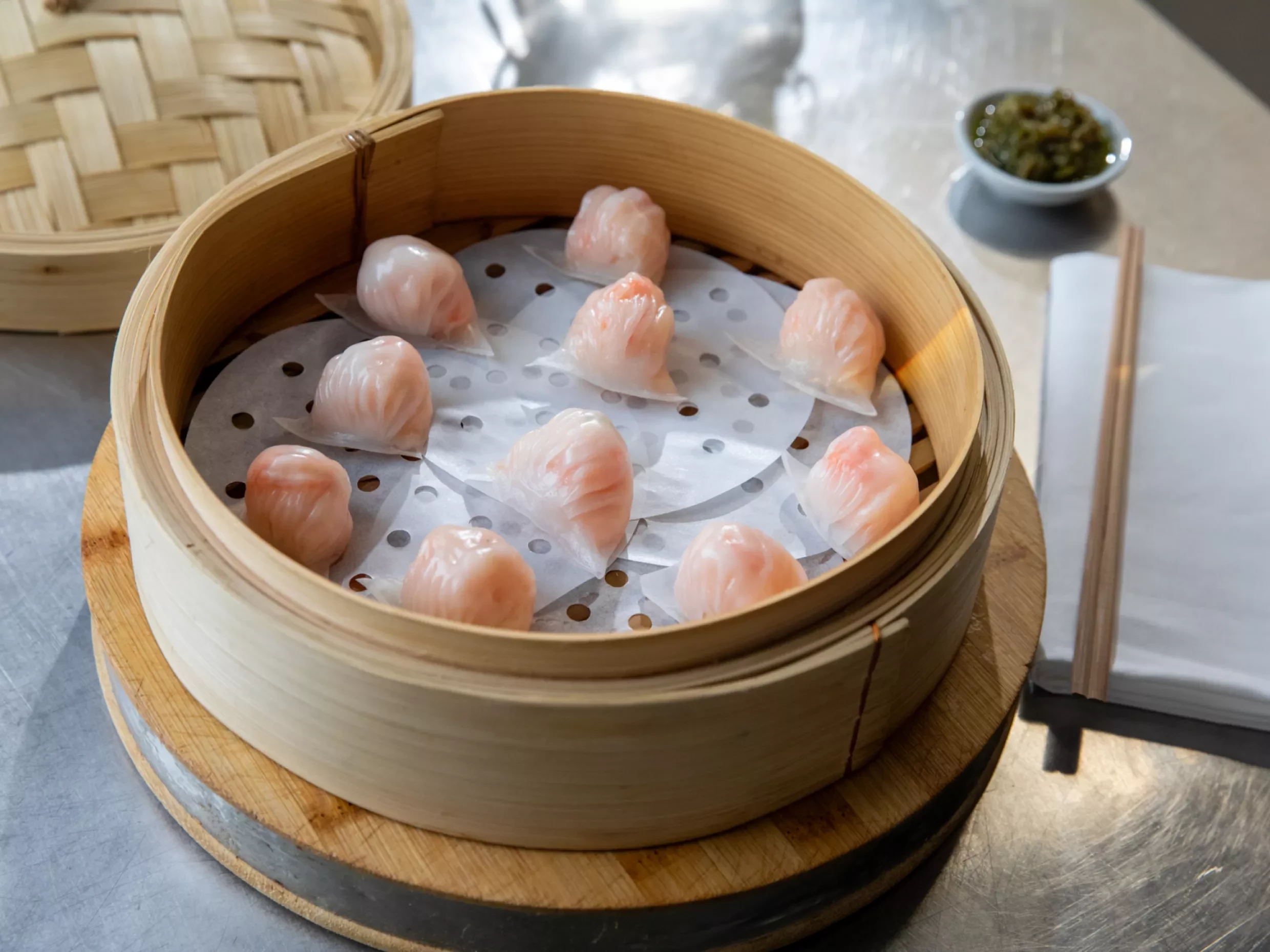
Every region has its idiosyncratic kind of processes. The way it cooks, the way it values certain ingredients, the way it uses a foundation of X, Y, or Z aromatics, whether or not it chooses to steam more, or it tries to steam and then fry, or it's frying and then wok stir frying. Understanding those little nuances is something I think is still widely misunderstood. But if we're talking about a particular tradition, then 100% dim sum. To this day, I think people still associate dim sum with being a quick, cheap Sunday pastime. But it's so highly skilled. I always say it's the pastry kitchen of the Cantonese kitchen. The skill, practice and dedication required to make beautiful dim sum, working with hundreds of different starches and creating all these different shapes, is extraordinary. To me, it's one of the most misunderstood aspects of Chinese gastronomy.
Do you think attitudes towards Chinese cuisine are changing in Britain?
I think we're evolving and moving in the right direction. As China has opened up and people have had more opportunities to travel there, experience different regions and understand the culture, history and modern China, their appreciation of the cuisine has grown. At the same time, Britain has a very deep-rooted history with Chinese food. Some of the earliest Chinese restaurants here date back to the late 19th century, which is considerably earlier than in many other parts of Europe. So there's a long-established relationship with Chinese cuisine in this country, but I think people's understanding of its diversity continues to develop.
How do you balance preserving that culinary heritage with embracing modern Chinese cooking?
I think it's about understanding that modernity in China is really the idea of evolving authenticity.
With many other cuisines, there's an acceptance that they can evolve, change and become part of the contemporary food landscape. But when it comes to Chinese cooking, there's sometimes this expectation that it should remain exactly as it was in the 1970s. What we try to do in the restaurant, and what I advocate as a chef, is celebrate the past in light of the future. It's about creating something contemporary and cutting-edge that still has its foundations in something genuinely historical. Chinese cuisine should be allowed to evolve while remaining true to its heritage.
Finally, what's one cooking habit or misconception that drives you mad?
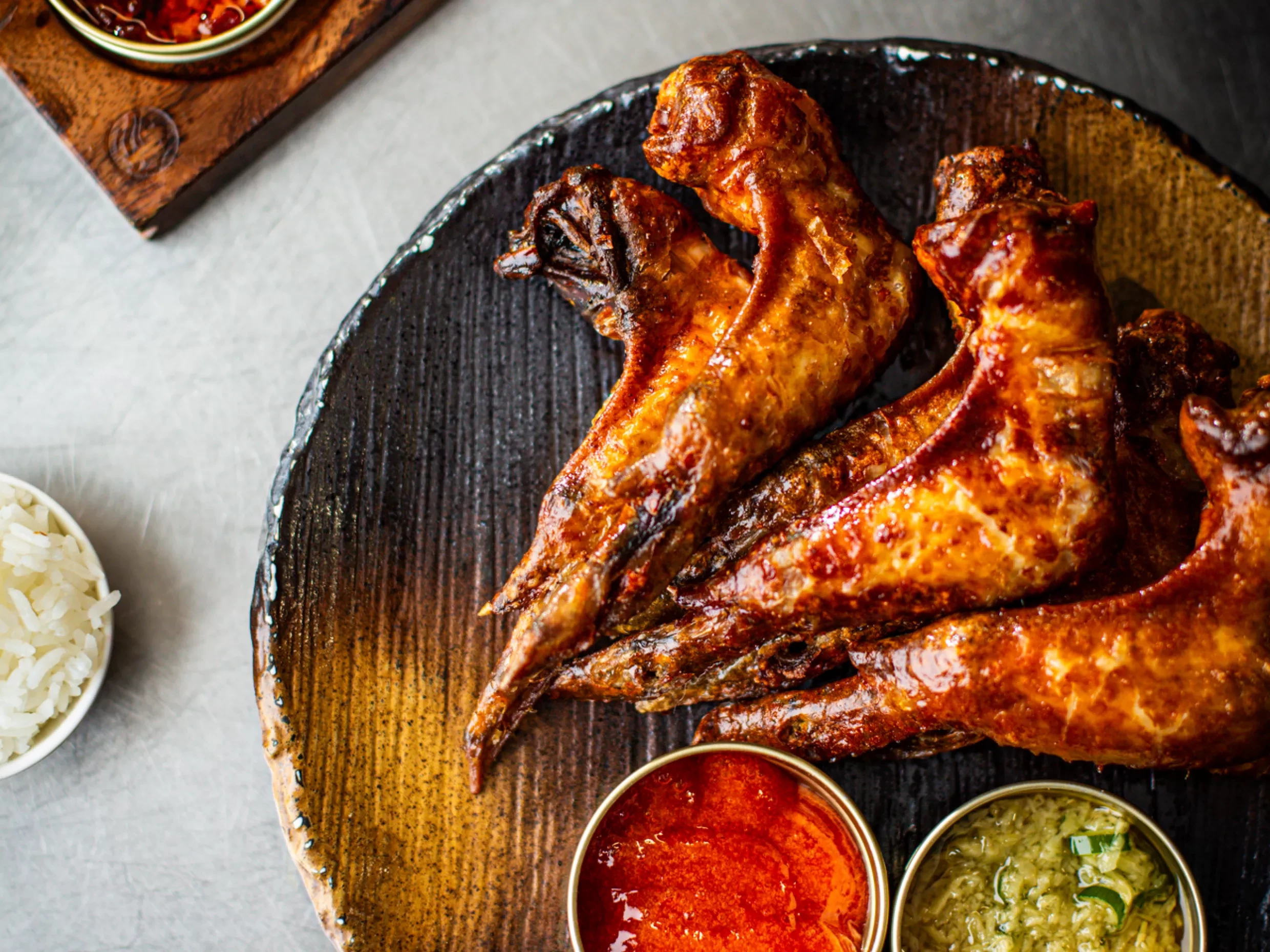
The way people demonise deep-frying. In Chinese cooking, deep-frying is often an intermediate step. We'll fry something in oil and then stir-fry it with something else. But in the West, there's this idea that anything deep-fried must be rubbish or fast food. It's absolute nonsense. Deep-frying is a wonderful process if you do it properly.