



Flaming Christmas pud, presents under the tree, knock-knock jokes from your crackers, and turkey sandwiches. Some things define Christmas, and no more so than mince pies. But how did they get from humble spiced meat parcels in medieval kitchens to the festive sweet treats we know today? It’s a curious evolution, and back in the olden days, they weren't even round! Here's the deliciously odd story of mince pies.
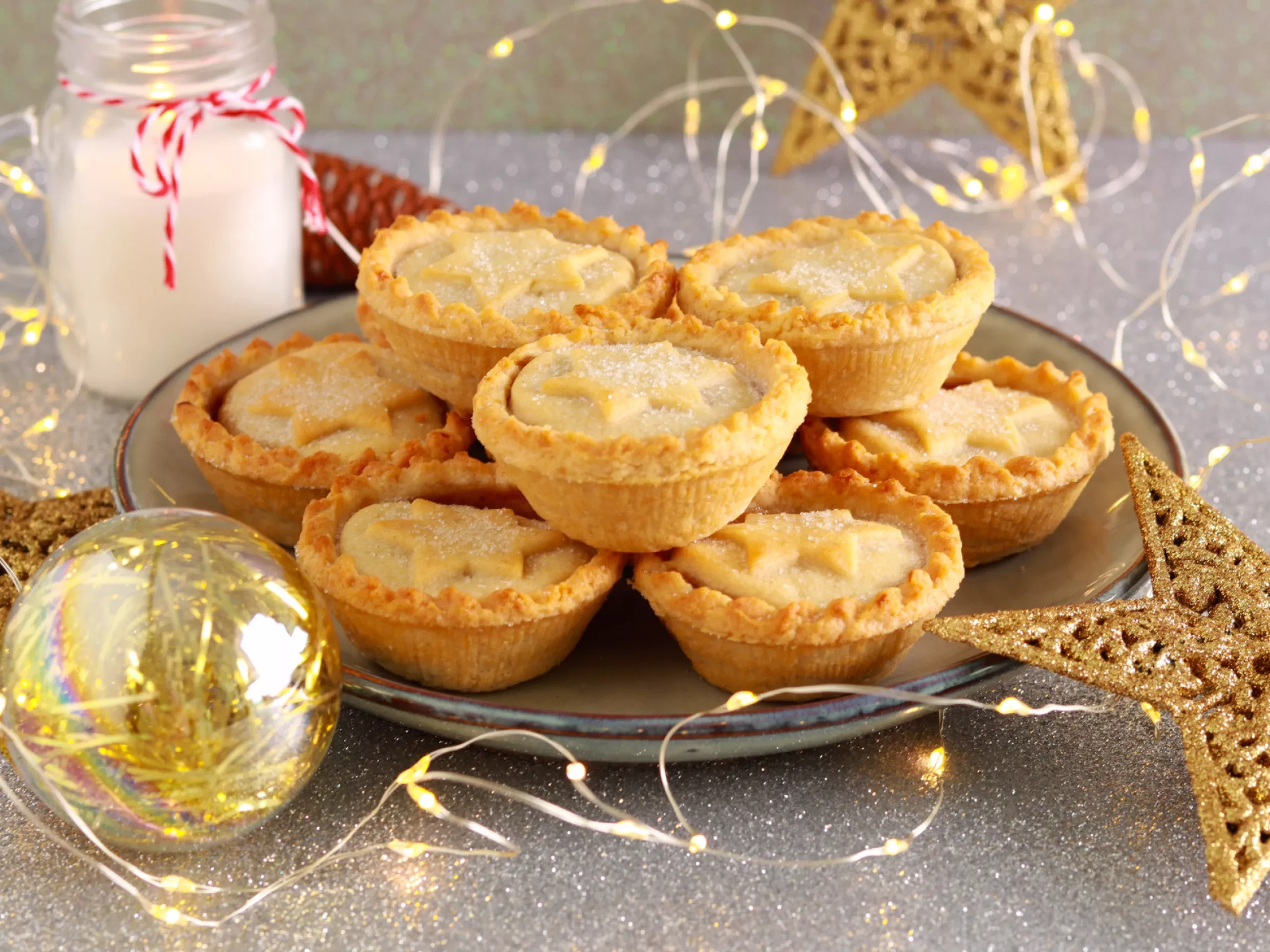
The Humble Beginning of the Mince Pie
In the UK every year, we buy hundreds of millions of mince pies, and that doesn’t include the brilliant bakers that make their own, but where did they come from and how did these wonderful pastry parcels end up full of exotic fruit and spices instead of mutton, veal or tripe? The answer goes back to the Middle Ages.
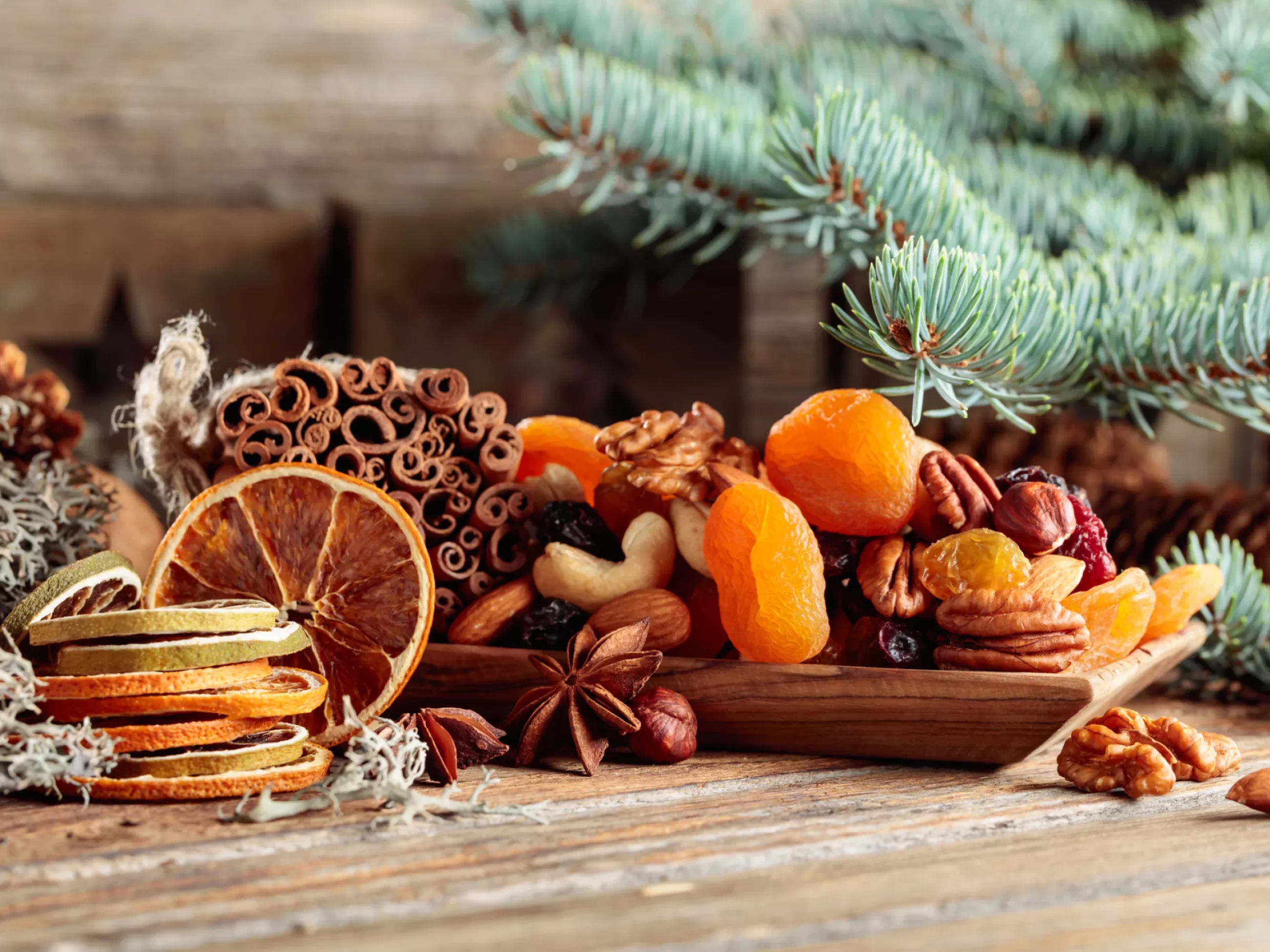
The origin of mince pies is thought to be influenced by Middle Eastern cuisine, and may have been introduced to Europe in the twelfth century during the Crusades, when European soldiers returning from the Holy Land brought back recipes which combined meats, fruits, and spices. These early pies often included minced meat along with dried fruits and spices, reflecting a blend of sweet and savoury flavours that were often popular in medieval cooking.
One of the earliest English-language cookbooks, The Forme of Cury written in around 1390, includes a recipe for Tartes of Flesshe, which included minced boiled pork, cheese, lard, wine, figs, raisins, pine kernels, honey and spices. In 1615, English writer Gervase Markham’s recipe in The English Huswife called for a leg of mutton, suet, pepper, salt, cloves, mace, raisins, currants, prunes, dates and orange peel.
Mince Pies & Christmas
It was these exotic ingredients from the Spice Road that later generations came to associate with a kind of festive magic. Over time, mince pies became linked with Christmas in ways that are partly historical and partly shaped by folklore. One often-repeated explanation is that the expensive ingredients - meat, fruit, and spices - were typically saved for major feast days like Christmas and Easter.
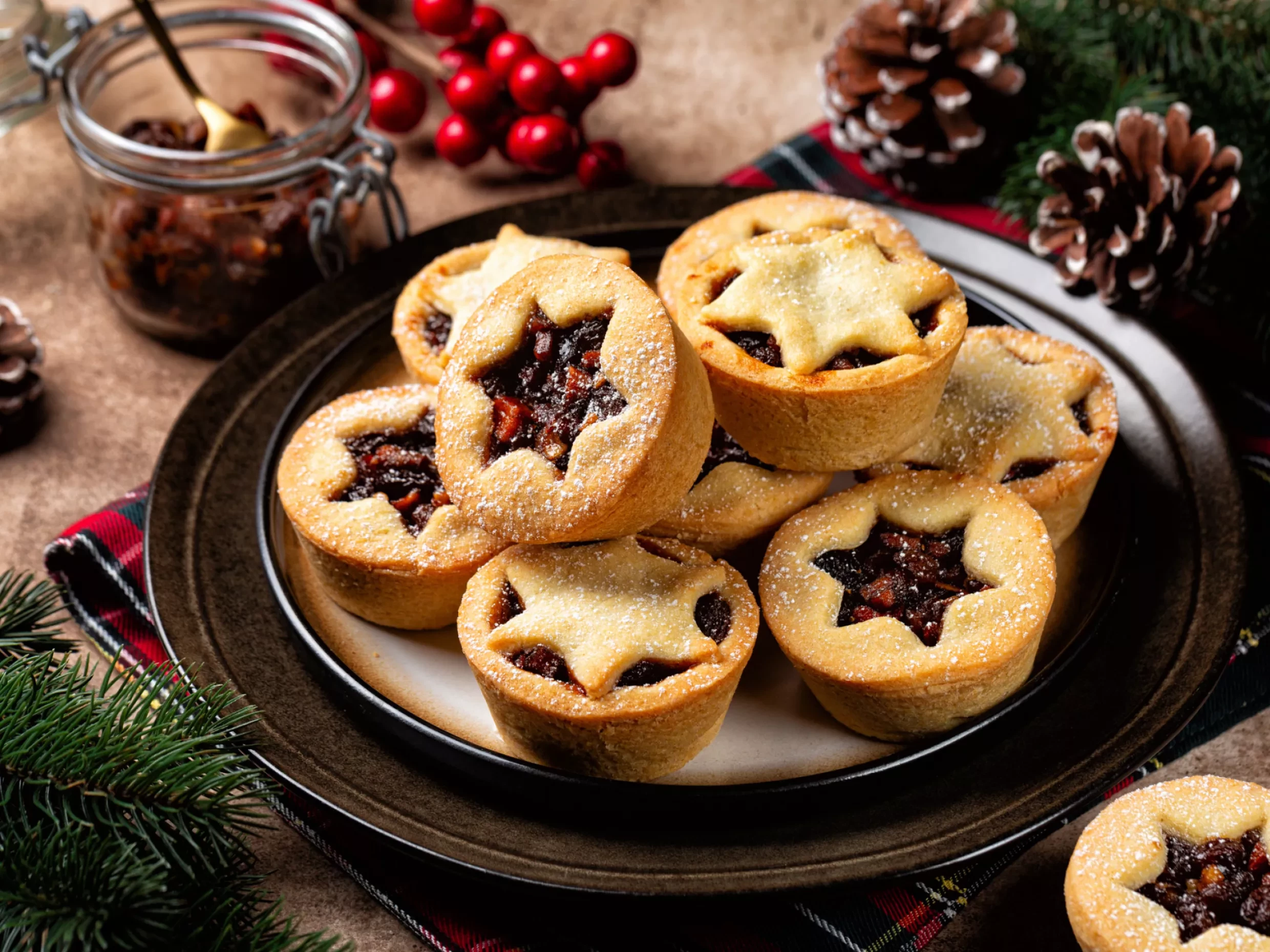
Another traditional belief is that the early rectangular pies resembled a manger, which may have encouraged people to associate them with the Nativity. Some stories even suggest that pastry figures of the baby Jesus were once placed on top of the pies. And today, many people still see a festive echo of the Three Wise Men in the star-shaped lids on modern mince pies.
The Tudors and Beyond
During the sixteenth century and beyond, mince pies were known by several names reflecting their ingredients and festive associations. Initially called "mutton pies" or "shrid pies" (referring to shredded meat and suet), they were also called "Christmas pies" due to their strong ties to the holiday season.
Over time, the names evolved as the pies themselves changed. By the Elizabethan and Jacobean eras, the term "minched pies" appeared, which eventually led to the modern term "mince pies." The shapes also became more elaborate, with cooks in wealthy households creating intricate designs such as stars, crescents, and hearts to show off their baking skills. During the Stuart and early Georgian periods, the pies were sometimes made to interlock, forming decorative patterns reminiscent of knot gardens.
The basic recipe evolved from meat-based fillings - early versions used lamb, mutton or veal, with later recipes using tongue, tripe and beef - into sweeter pies probably in the late eighteenth or early nineteenth centuries. In her 1845 book Modern Cookery For Private Families, cookery writer Eliza Acton’s mincemeat recipe (for mince pies) includes ox tongue or beef sirloin. As late as 1861, Mrs Beeton’s The Book of Household Management contained two versions, one with meat and one without. The meatless version was reportedly made of lemons, apples, suet, currents, sugar and spices.
The Modern Mince Pie
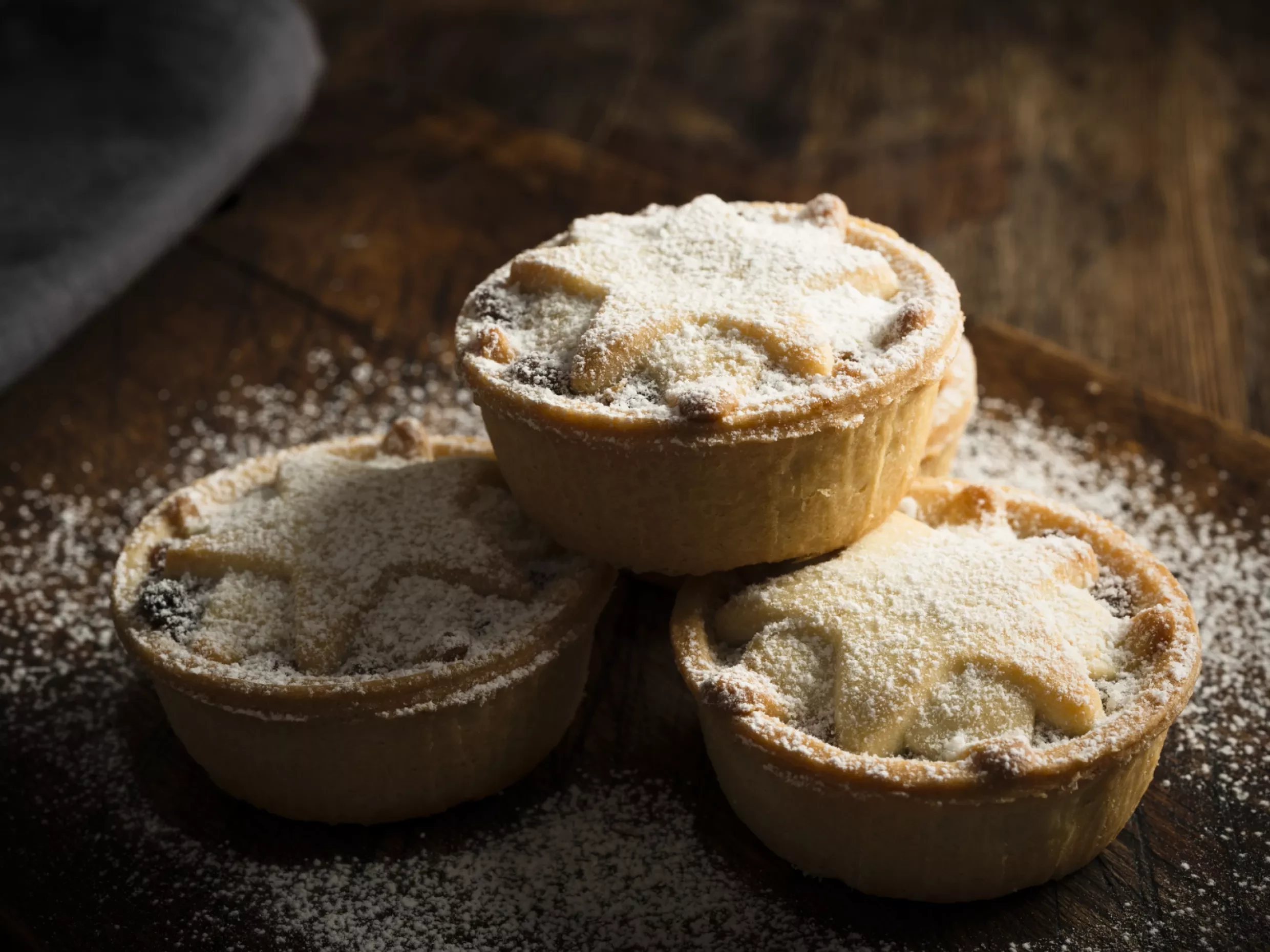
No-one is quite sure when mince pies dispensed with meat for good, but during the late Victorian era, preferences shifted toward sweeter, fruit-heavy fillings. By the late nineteenth and early twentieth centuries, mince pies as we know them today - with a rich blend of dried fruits, suet or vegetable fats, spices, and often a splash of brandy or other spirits - became a popular, festive treat rather than a savoury meal. This transformation was helped by improvements in how sugar was refined and the increasing availability and cheaper cost of exotic dried fruits, making the sweet, fragrant filling more accessible to home bakers.
As shop-bought mince pies eventually became a Christmas staple, their convenient size, buttery pastry, rich filling, and festive appeal solidified their place as a must-have seasonal indulgence.
But how do you eat them? Straight out of the box, or warmed in the oven with a big dollop of brandy butter, thick double cream or a rich vanilla custard? Whichever way you choose, you’re guaranteed a taste of centuries-old tradition.
Here at Food Network, we’ve got an amazing range of mouthwatering mince pie recipes, including mince pies with orange and almond pastry, gluten-free mince pies, Marcus Wareing’s festive frangipane mince pies, and even a no-bake mince pie cheesecake. And with so many great options, instead of buying them this year, you might just want to make them yourself.