



We’ve all seen someone thaw food on the counter. We’ve probably eaten thawed food. Our mothers may have always thawed food this way and nothing “bad” happened. The official government guidance says that thawing food at room temperature is a huge no-no, but real talk: how risky is it? We consulted Food Network’s nutrition and food safety expert, Toby Amidor for some answers.
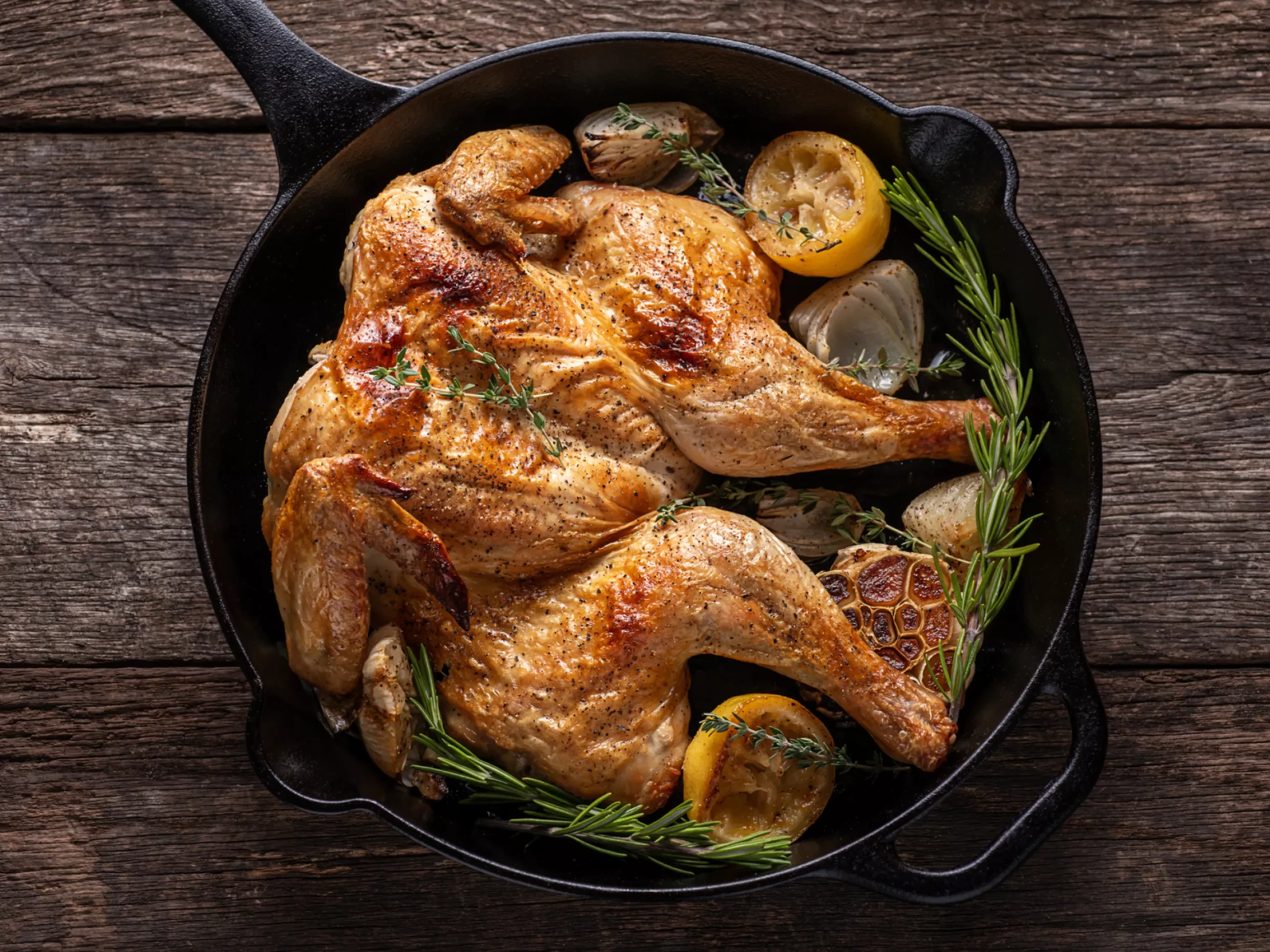
Can You Thaw Food at Room Temperature?
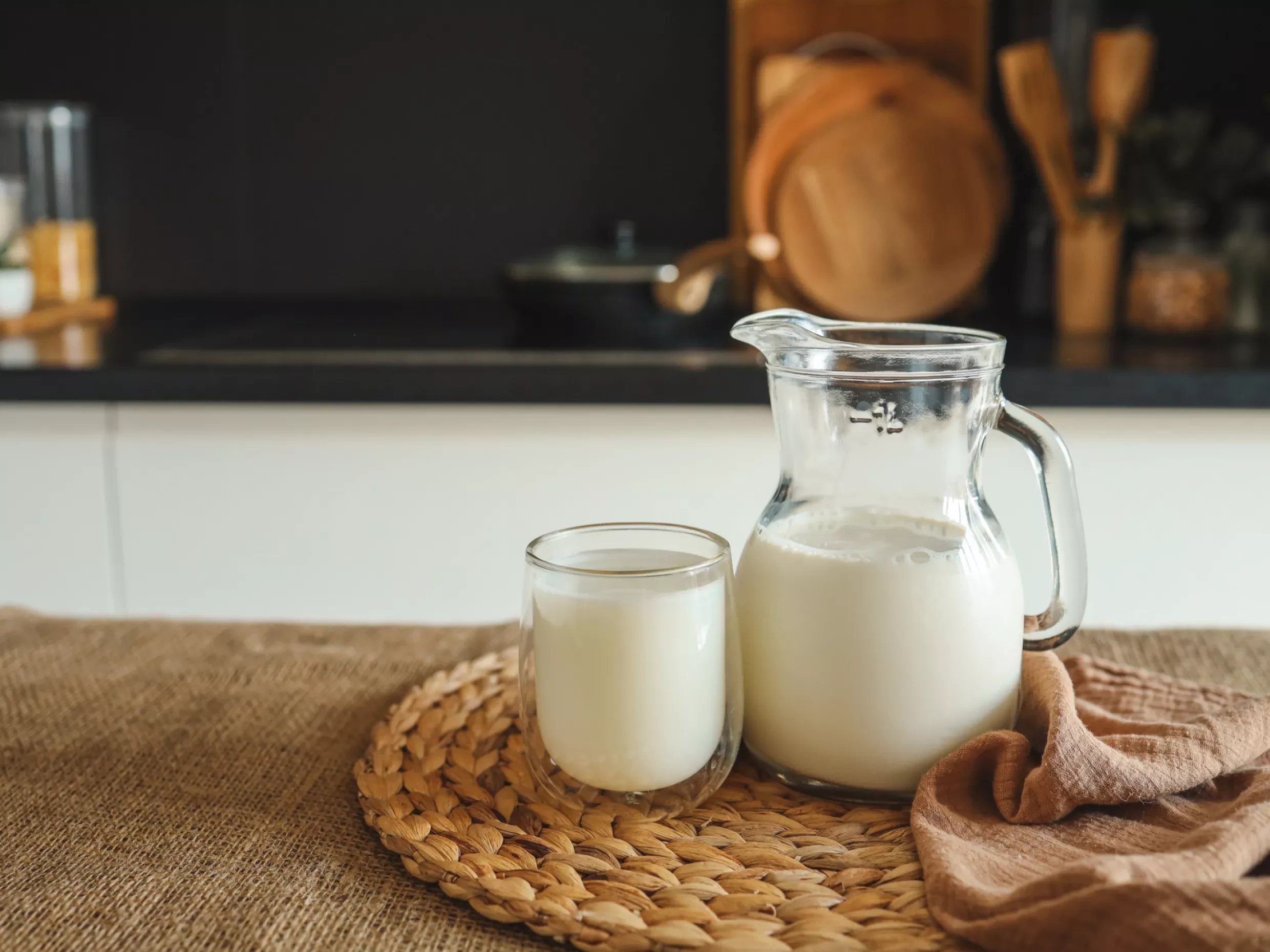
The short answer is no. “As food left out at room temperature for too long can potentially cause illness, the USDA, FDA and CDC recommend consumers follow the ‘two hour rule,’” Amidor explains. “This rule states that potentially hazardous foods (or foods that should be refrigerated or frozen including eggs, chicken, tofu, meat, fish, milk and dairy, cooked veggies - basically anything that needs to be kept hot or cold) can safely be left out for up to two hours, then should be tossed.”
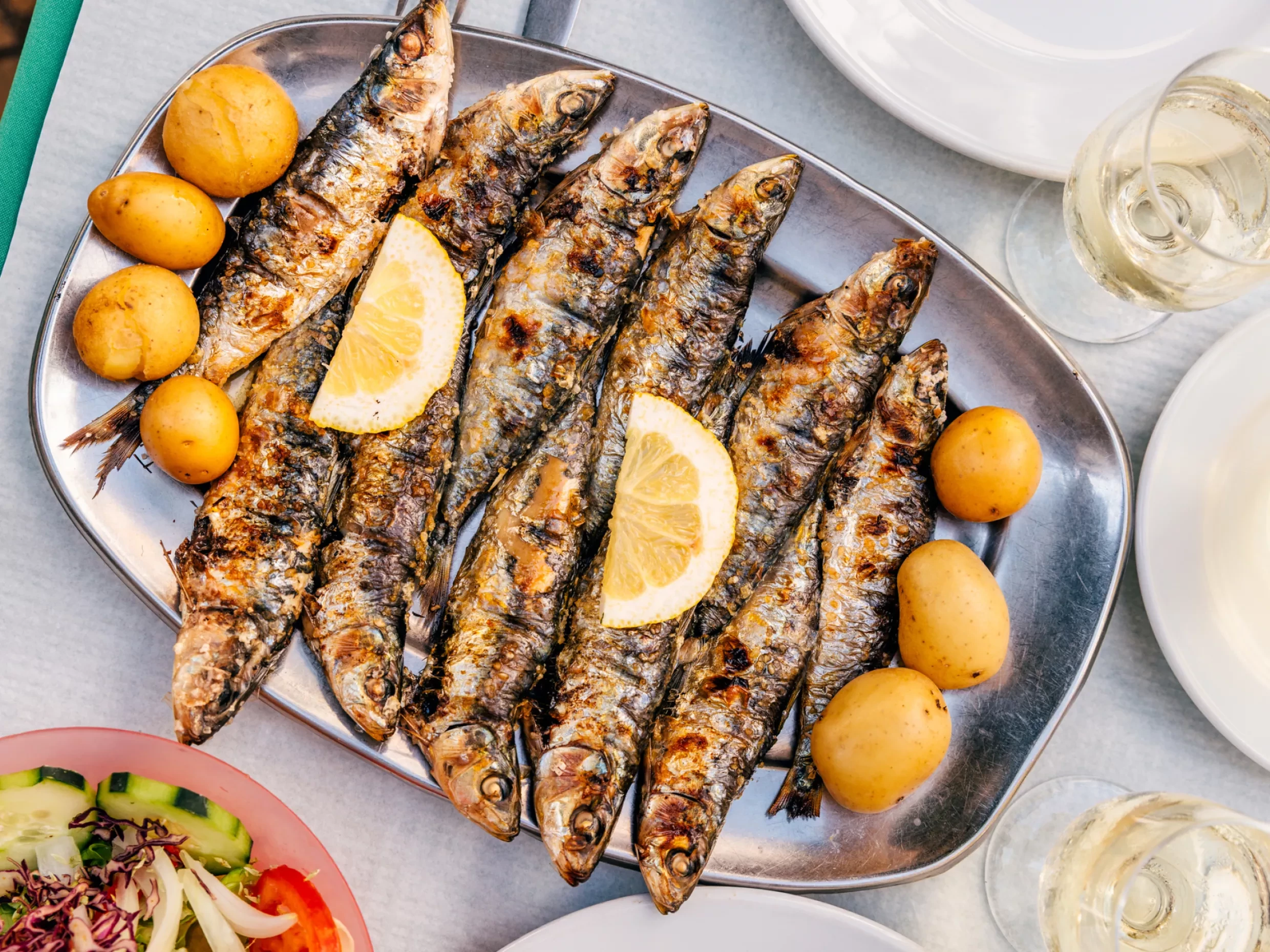
OK, But How Bad Is Thawing Food On the Counter, Actually?
Here’s a stat for you to chew on. “According to the FSIS (Food Safety & Inspection Service), bacteria like Staphylococcus aureus, Salmonella Enteritidis, Escherichia coli O157:H7, and Campylobacter like temperatures between 40 to 140 degrees F and double in as little as 20 minutes. This means that one bacterium can multiply to over one billion in 10 hours,” Amidor says.
Previously, you may have had diarrhoea or a stomach ache and didn’t really put it together that it could have been from food left out. According to Amidor, “Some pathogenic microorganisms can take a few days until you don’t feel well.”
Food Left at Room Temperature too Long Can Be the Culprit of a Salmonella Outbreak
So you saw that a certain company recalled a bunch of their products due to salmonella. Sometimes, foods left at room temperature too long during processing can be the culprit.
When you get food into your home, it’s best to prevent any bacteria that may have been introduced during processing from multiplying further. You can’t control the food chain, but you can control how you handle food. In Amidor’s words: “Although the chain tends to be well regulated, there are instances and possibilities that someone left the food out a bit longer than necessary or a temperature was slightly off. So the time you are leaving it out may be in addition to the other time, which gives pathogenic bacteria plenty of time to grow to levels that can get you sick. It’s the snowball effect.”
How Should You Thaw Food?
Here is a general guide to defrosting food.
If you’re planning ahead: Thaw food in a pan or bowl in the refrigerator. The vessel will catch any juices released during thawing.
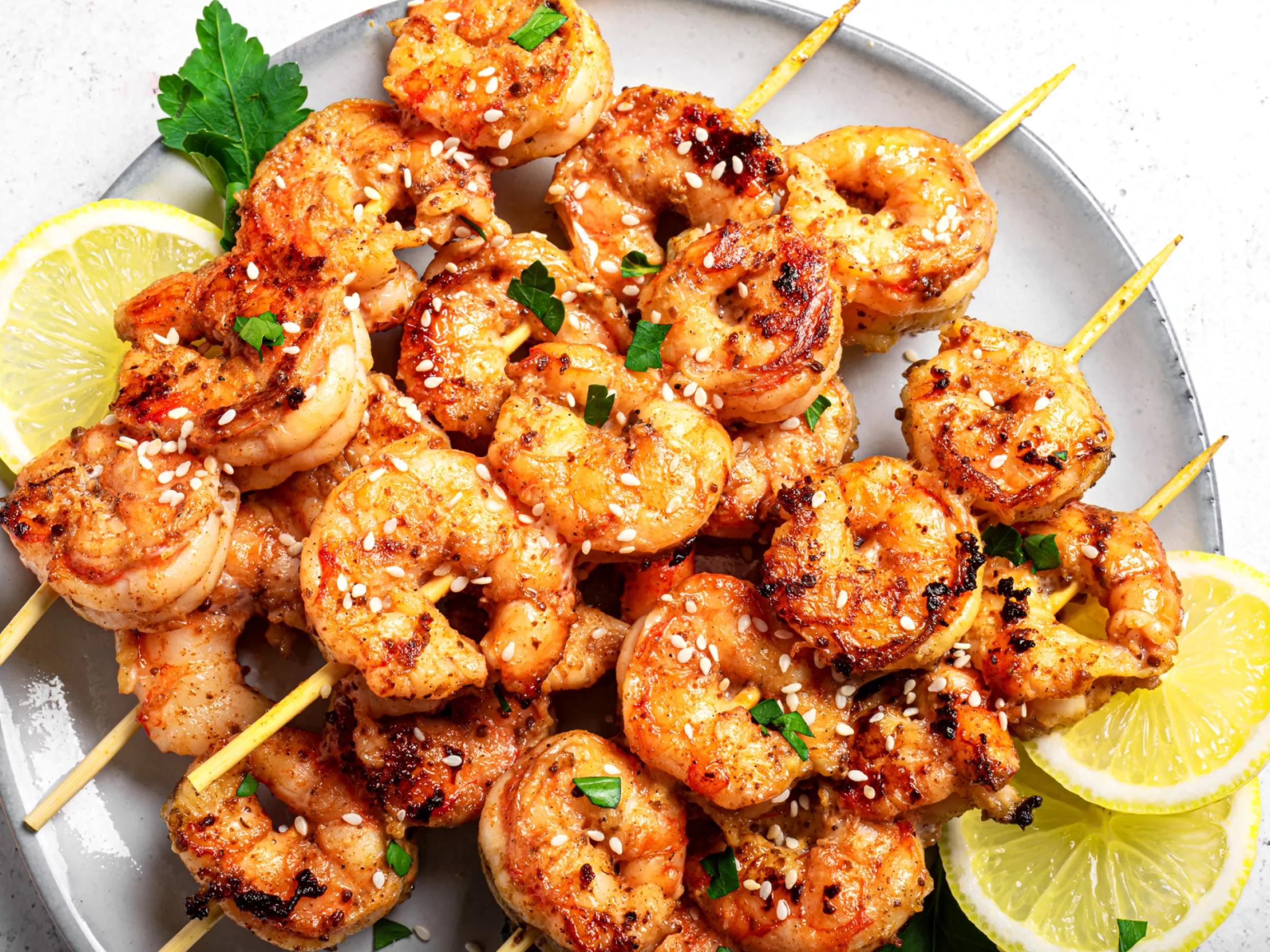
If you’re rushed: Thaw smaller pieces of food like frozen shrimp or chicken breast under running water that’s 70 degrees F or below. Or place the food in a bowl of cold water and change the water every 30 minutes. Alternatively, you can defrost food in the microwave using the defrost setting. Because the microwave unevenly distributes heat, you must cook the food immediately afterwards.
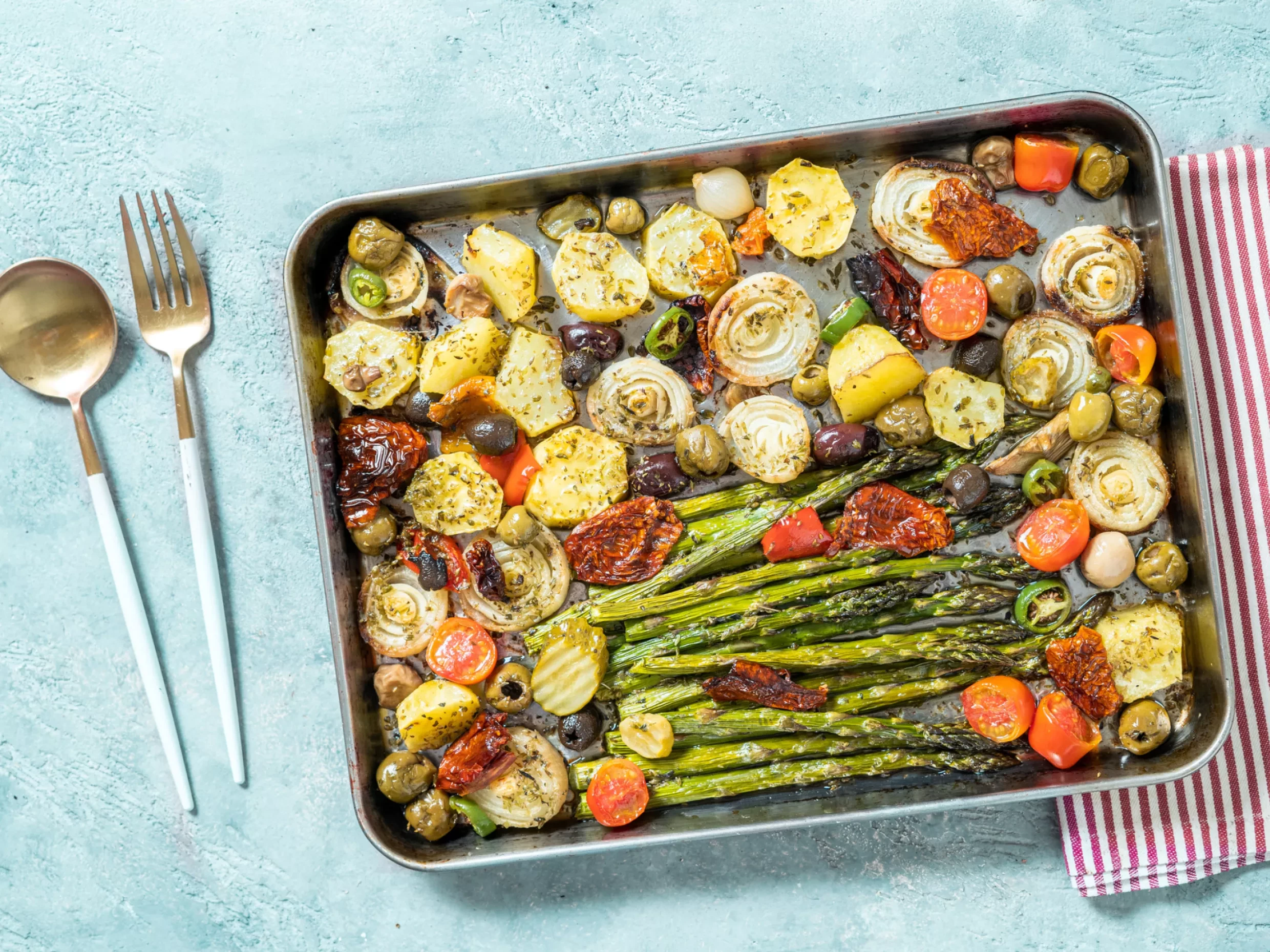
If you have absolutely no time for thawing: Thin filets of fish or frozen veggies can be cooked from frozen, according to Amidor. As such, it doesn’t spend time defrosting or in the danger zone.