









Like the new series of Strictly or the Christmas edition of the Radio Times, people wait all year for pumpkin spice lattes to appear in coffee shops. It’s an unmistakable sign that autumn has arrived. But what exactly is a pumpkin spice latte, why are they so popular, and was it the invention of a famous coffee chain? We’ll also let you know how to make them at home. Kettle on, feet up, let’s delve into the story of this brilliant beverage.
What is a Pumpkin Spice Latte?
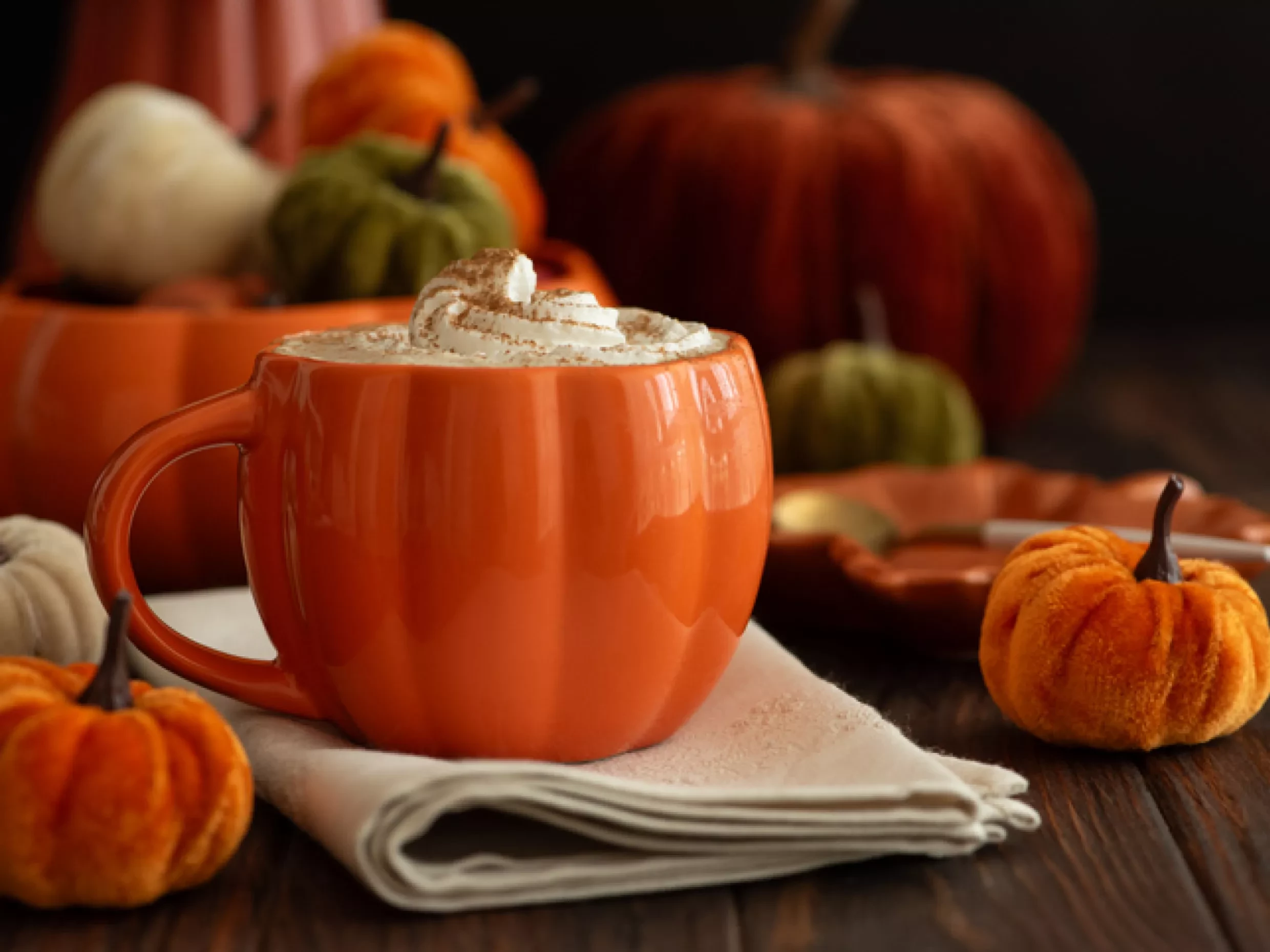
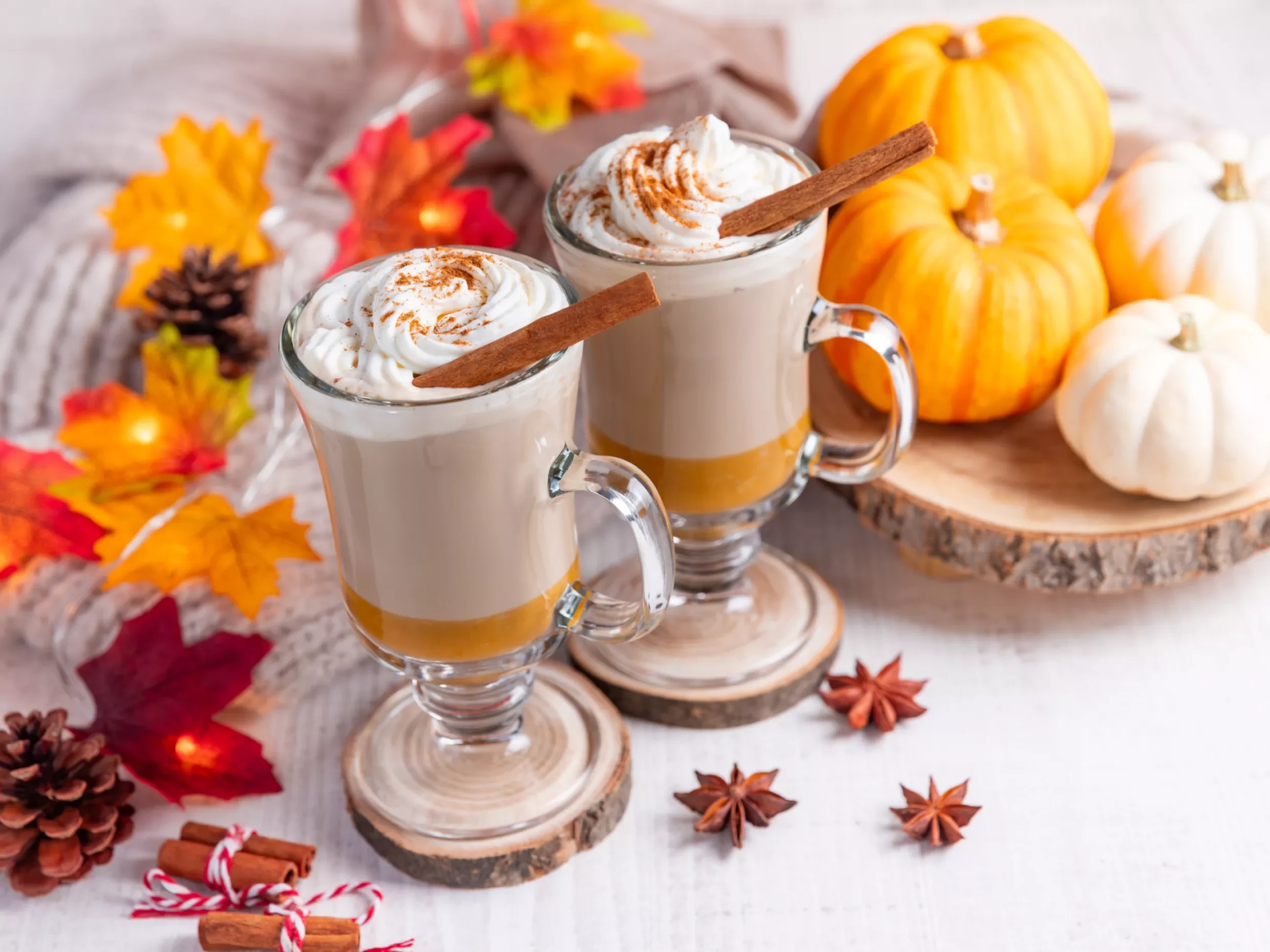
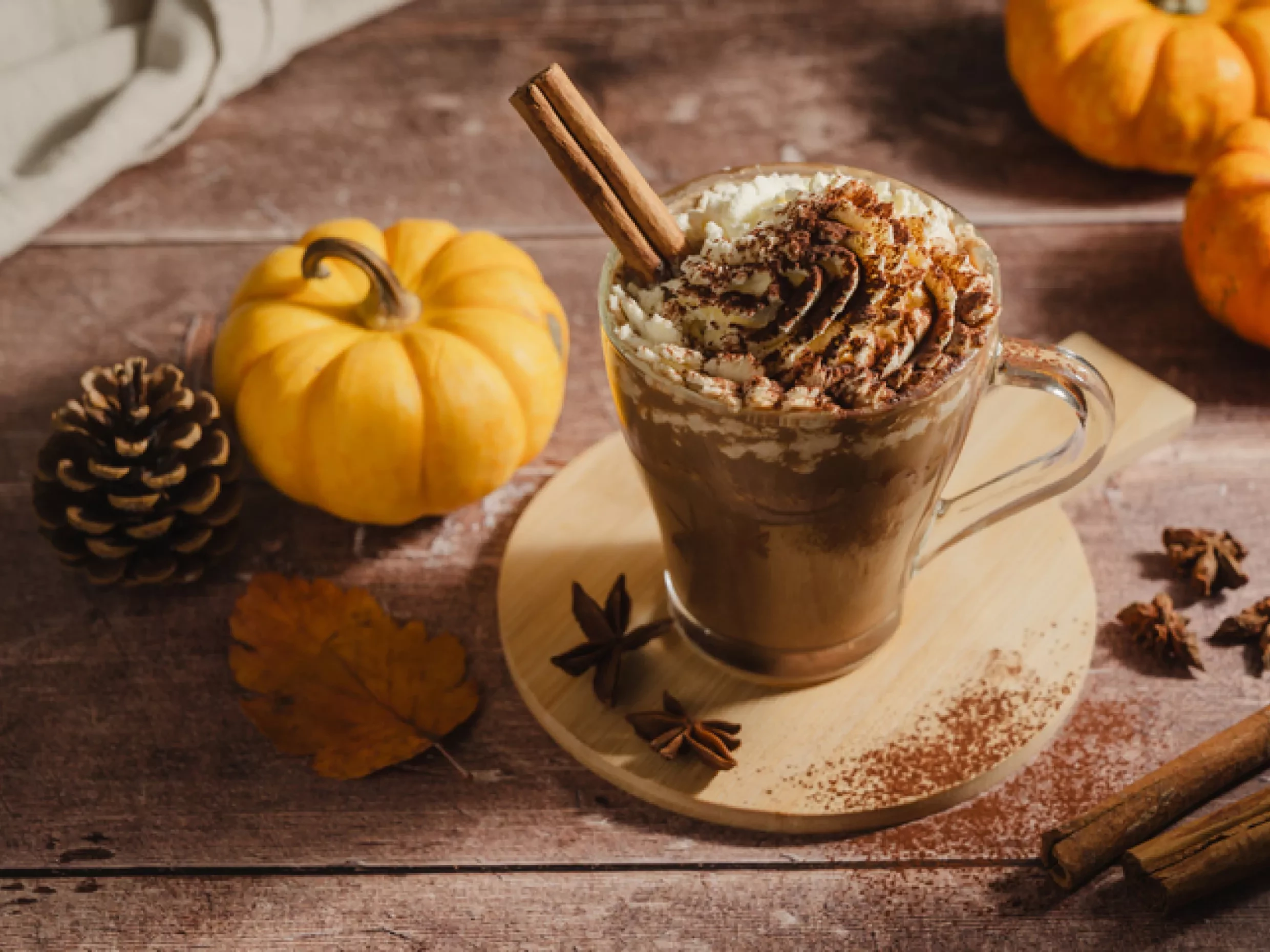
Arriving like an autumn ritual, the pumpkin spice latte is an unlikely cultural icon. At its core, it’s a latte - a steaming cup of espresso coffee and milk - but this is no ordinary hot drink. The PSL as it has become affectionately known, is sweetened with a familiarly timeless blend of spices - cinnamon, ginger, nutmeg, and cloves, often joined by allspice and the merest whisper of mace. These same aromatics, which once scented America’s kitchens and holiday pies, are now combined in syrups and sauces to become part of modern coffee culture.
Of course there’s no cast-in-stone recipe for a pumpkin spice latte. Recipes vary from café to café and country to country - some lean more heavily on cinnamon, others brighten the mix with cardamom or local sweeteners - but the essence remains the same.
The Birth of the Pumpkin Spice Latte
People have been adding warming spices to coffee for centuries in one form or another. But the PSL is very much a twenty-first century phenomenon. Indeed, it wasn’t until 2003 that the Pumpkin Spice Latte truly came to fame.
It’s worth noting here that there’s some debate over who created the first pumpkin spice latte. Peter Giuliano, then Chief Research Officer at the Specialty Coffee Association, the world’s largest coffee trade association based in California, thinks it was probably invented by an anonymous barista, but its development as we know it today is generally credited to Peter Dukes, then Director of Espresso at Starbucks.
There seems to be a number of different versions of the story, but perhaps the most popular is that in 2003, a team led by Dukes was tasked with finding an autumnal counterpart to the company’s famous Peppermint Mocha. They looked at chocolate, cinnamon and caramel flavoured coffees, and while the pumpkin spice variation actually scored lower in the initial focus groups, the unique flavour stood out. It was said at one point during the research and development phase they would take a bite of pumpkin pie and a sip of espresso to see how well the two tastes combined. Pretty good as it turned out.
In October 2003, the Pumpkin Spice Latte quietly launched in just 100 stores across Washington DC on America’s east coast, and Vancouver on Canada’s west coast. Within a week, the company itself, along with baristas and customers, sensed something special was happening. By autumn 2004, the drink rolled out nationwide, and eventually, worldwide. Fun fact - for a dozen years, their Pumpkin Spice Latte didn’t include any actual pumpkin, and it was only as recently as 2015 when the company added pumpkin purée to the list of ingredients.
Today, the PSL in all its different variations and recipes is available in coffeeshops all over the world.
How To Make a Pumpkin Spice Latte at Home
There are hundreds - if not thousands - of PSL recipes online, including our own recipe for Pumpkin Spiced Latte here, and the beauty of this iconic drink is that it’s easily adaptable to whatever you’ve got in the kitchen.
Generally speaking, you start with a strong coffee base - usually two shots of espresso if you have a machine. If not, a small cup of strong filter coffee or instant espresso works just as well.
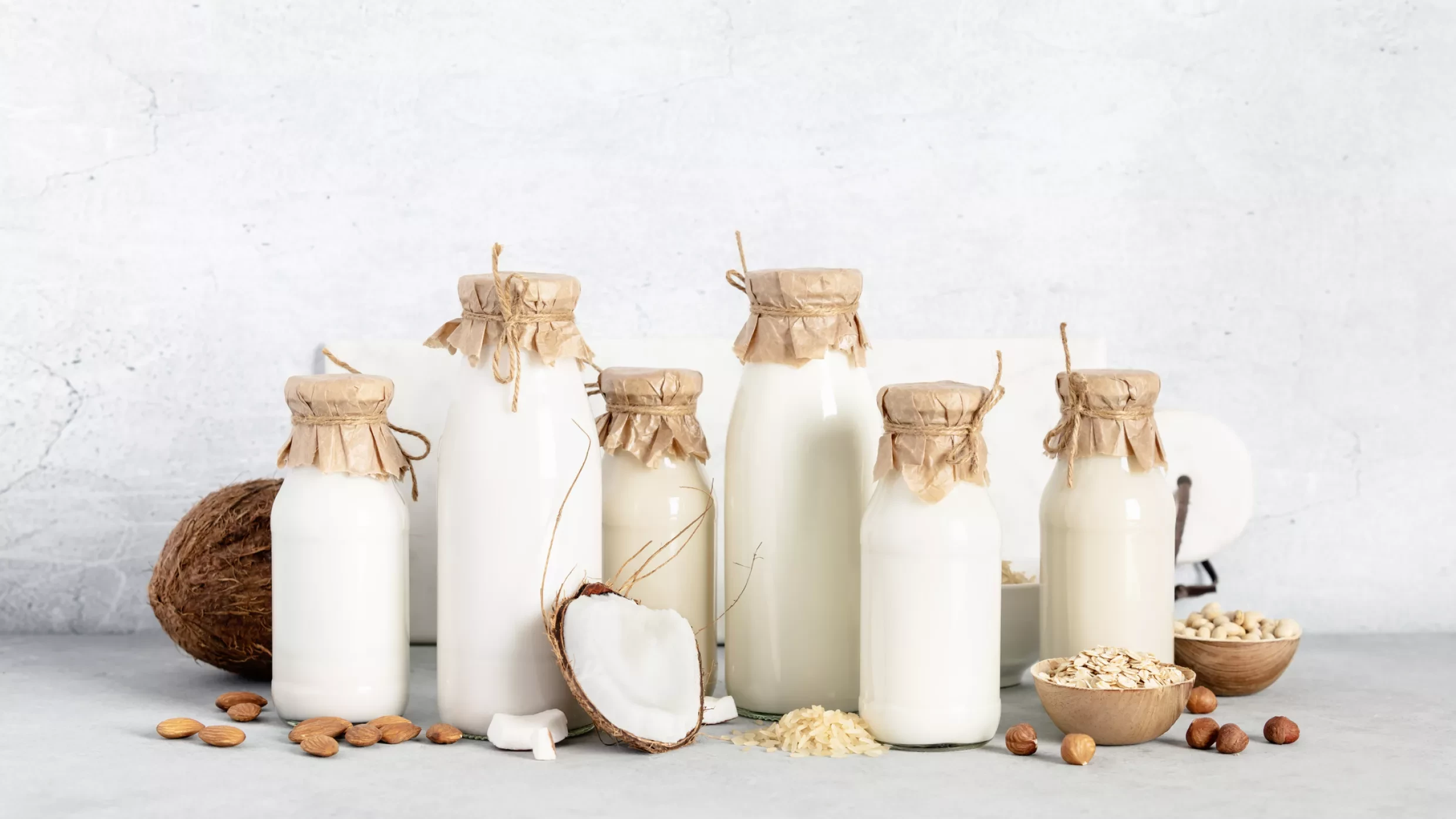
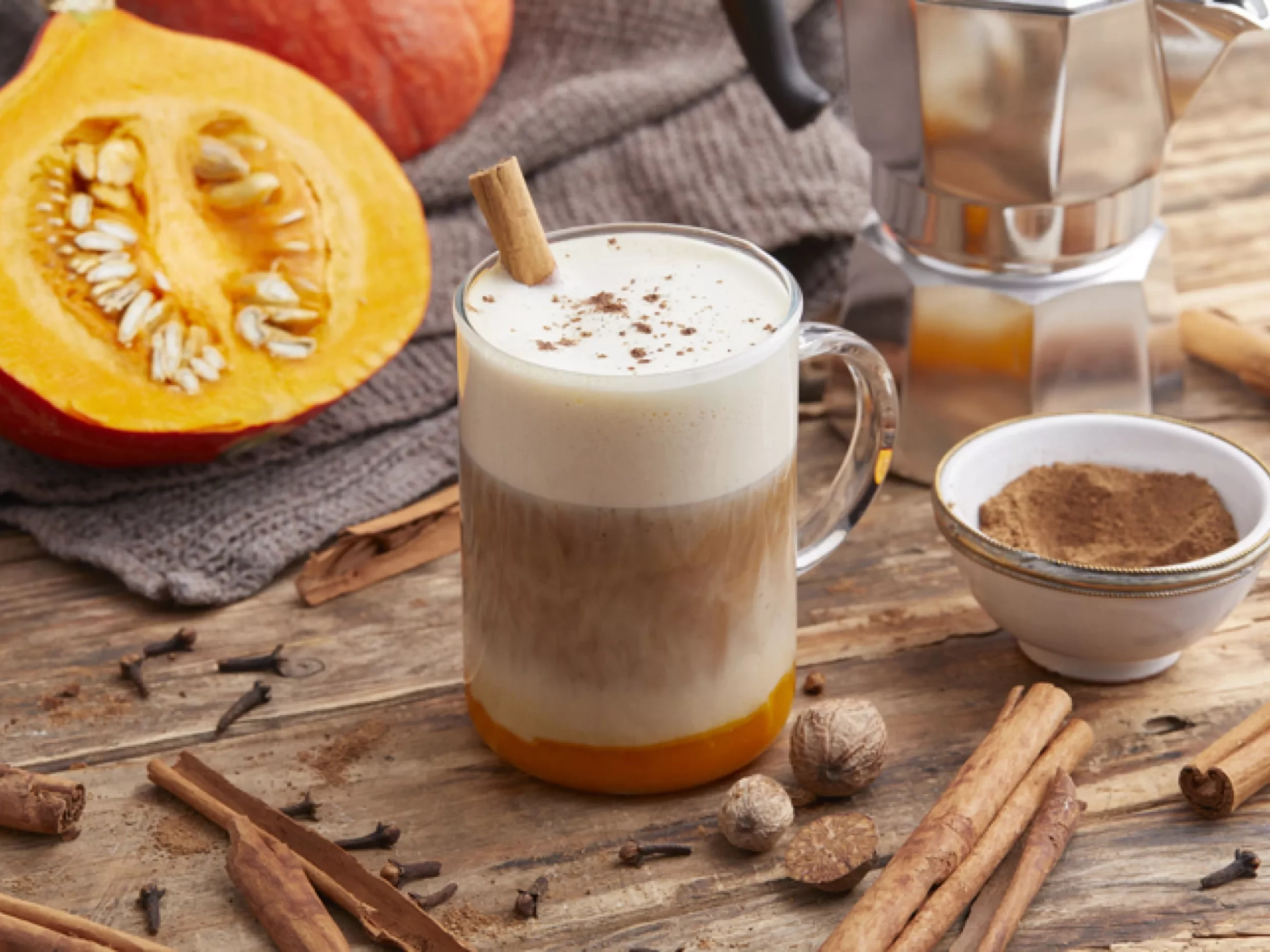
Next, heat your milk gently in a saucepan with pumpkin purée, a sweetener such as maple syrup, honey, or brown sugar, and a teaspoon of pumpkin spice. Full-fat milk will give the creamiest texture, but oat, soy, almond, cashew, and coconut milks all work well, and the thicker, ‘barista’ style plant milks froth especially nicely.
For the spice, you can use a ready-made mix from the supermarket, or make your own from cinnamon, ginger, nutmeg, and cloves, but any blend should be adjusted according to your own tastes.
Whisk everything together until it’s steaming but not boiling, pour it over your coffee, and top the mug or cup with frothed milk or whipped cream and a light dusting of cinnamon or your spice mix for extra flourish. The result’s a customisable, café-style latte that captures all the warmth of the original but without the queue or the price tag!