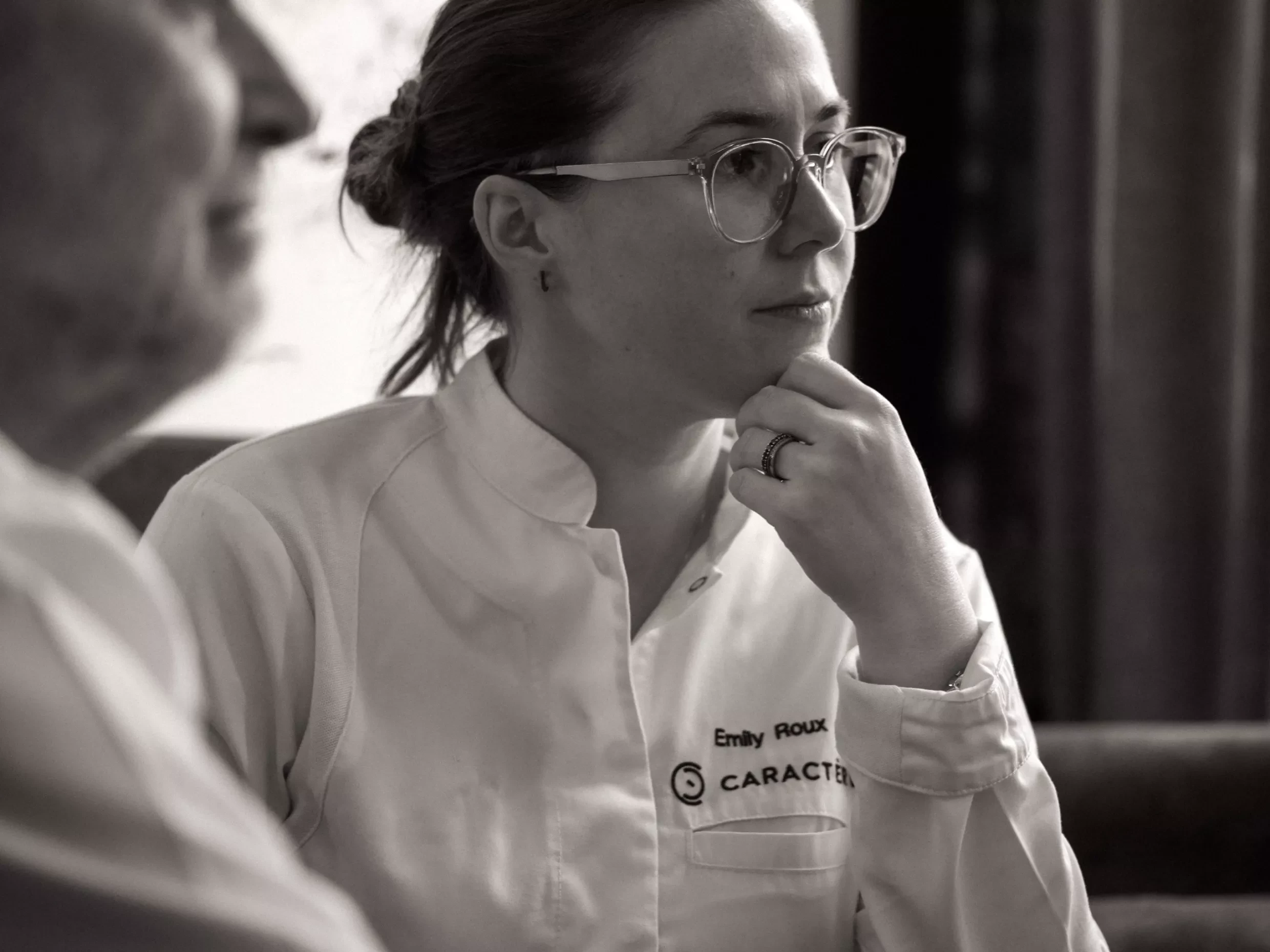
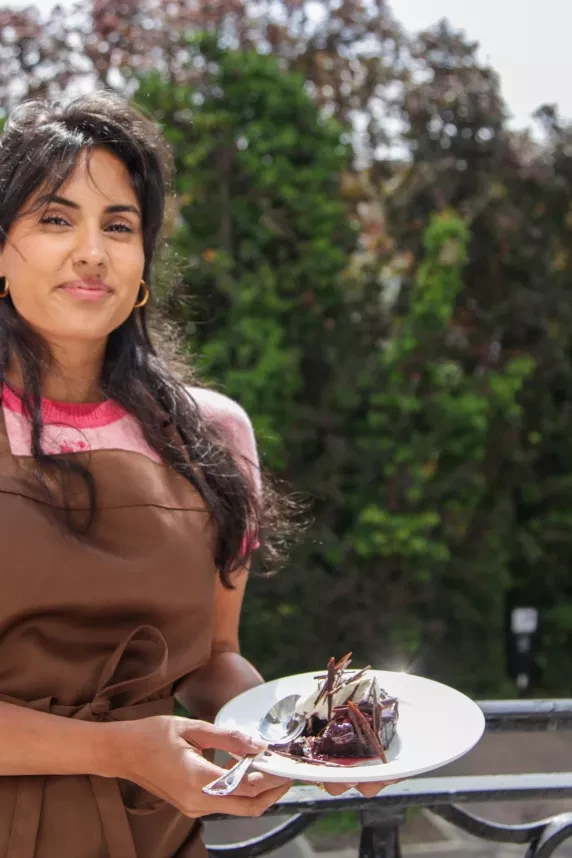
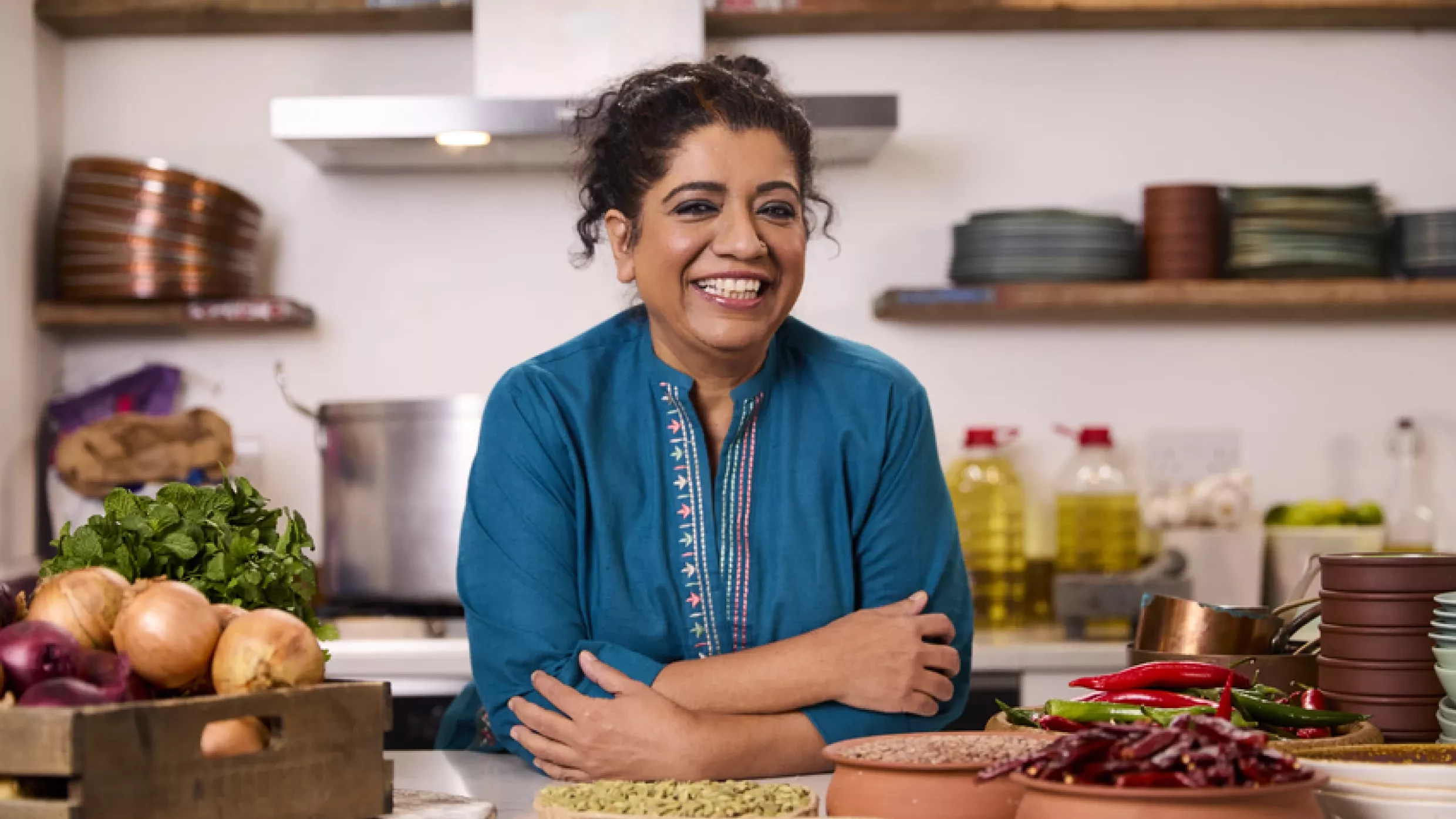


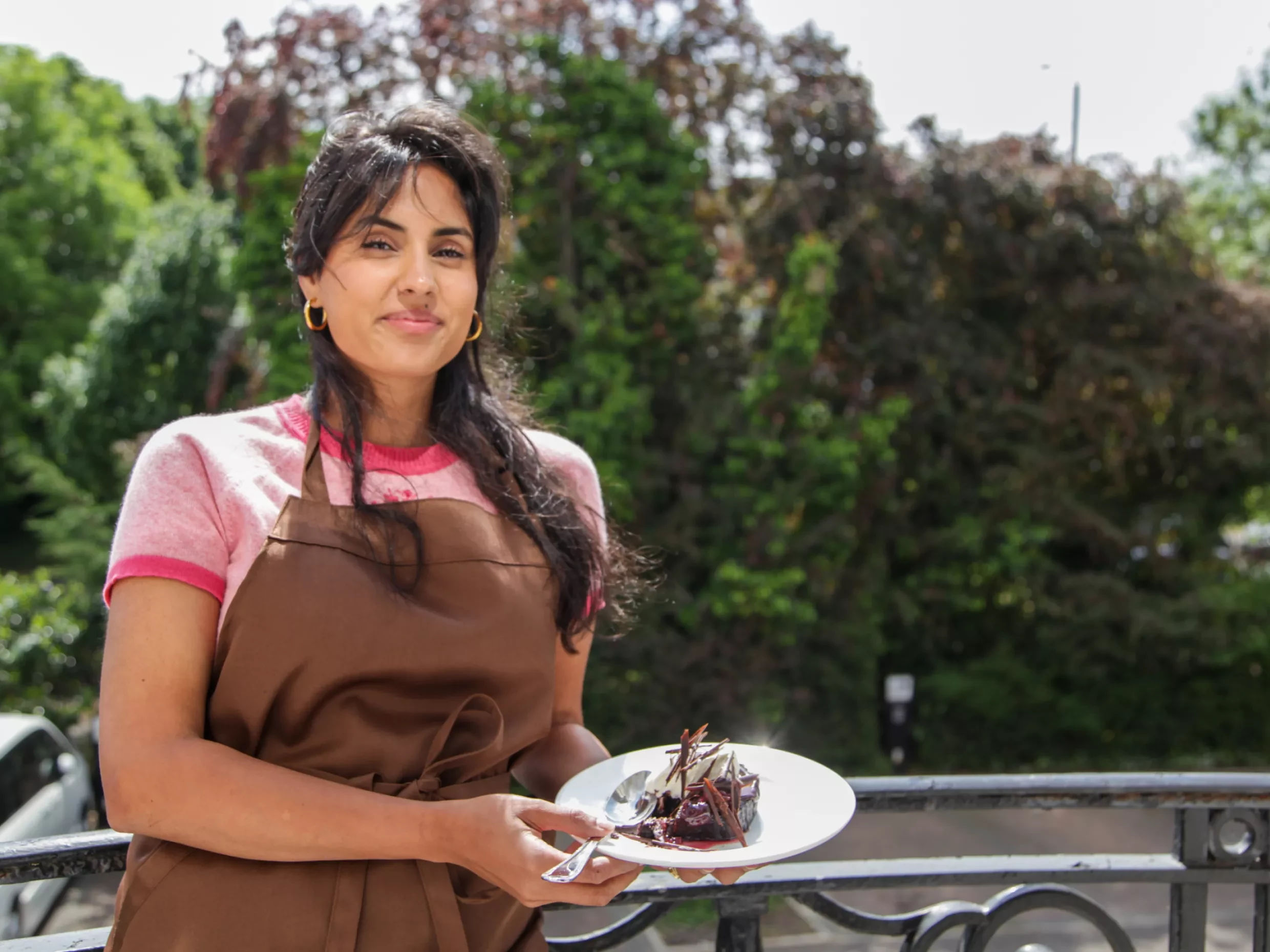
Pastry connoisseur, bestselling author, and most recently, a restauranteur- today we sit down with Ravneet Gill. From training at Le Cordon Bleu to founding Countertalk, a platform championing healthy working environments in hospitality, Ravneet's journey encompasses her passion for the food that comes out of the kitchen, as well as the working culture inside of it. On the 9th October, Ravneet will be the star of her very own show, Ravneet Gill's Chop House, a series that follows Ravneet and her husband Mattie's process of opening their dream restaurant, Gina in Chingford. In our chat, she shares her advice for women entering the industry, what she believes are the traits of a successful chef, and her favourite cake of all time.
What made you want to decide to pursue a career in baking?
"I did a degree first, graduated in psychology, but the whole time I was studying, I was cooking for everybody. And then it got to the decision of whether I do a PHD or go and be a chef. I googled how to be a chef, and it seems a little bit easier than a PHD."
Was it always a love for pastry?
"I would have liked to do both at culinary school. It was very expensive to do both so I chose pastry because it's a bit more technical. And then I actually ended up doing pastry for years."
What's your opinion of the professional kitchen?
"Professional kitchens can be a bit bewildering. Especially back in the day. It's very full-on, very physical and daunting. And if you're not confident enough, you can get swallowed up. But it's an amazing baptism of fire in some ways. You learn so quickly. You make incredible friends because you're working so closely together. And I would never have changed it."
What inspired you to set up Counter Talk?
"I think that having somewhere where you work and are valued makes a big difference to your day. I worked in kitchens where I loved it. I worked in some where I didn't love it. The difference between the two were small changes that everybody could learn... Things like sitting down together eating a meal once a day, balancing the rotas a bit more, giving you advance warning of your rotas.. really simple things that can make your environment better, which is why I set up Counter Talk."
Can you explain what the concept is?
"I set it up seven years ago now. It was designed to be a network and a community of people in London and in the UK to talk to each other, share ideas and really get more of a word out about how amazing hospitality can be as a career. Because when you find the good places to work, you never want to leave them. And I just thought, if there was a hub where we knew about the good places, people would work in good places, not bad ones."
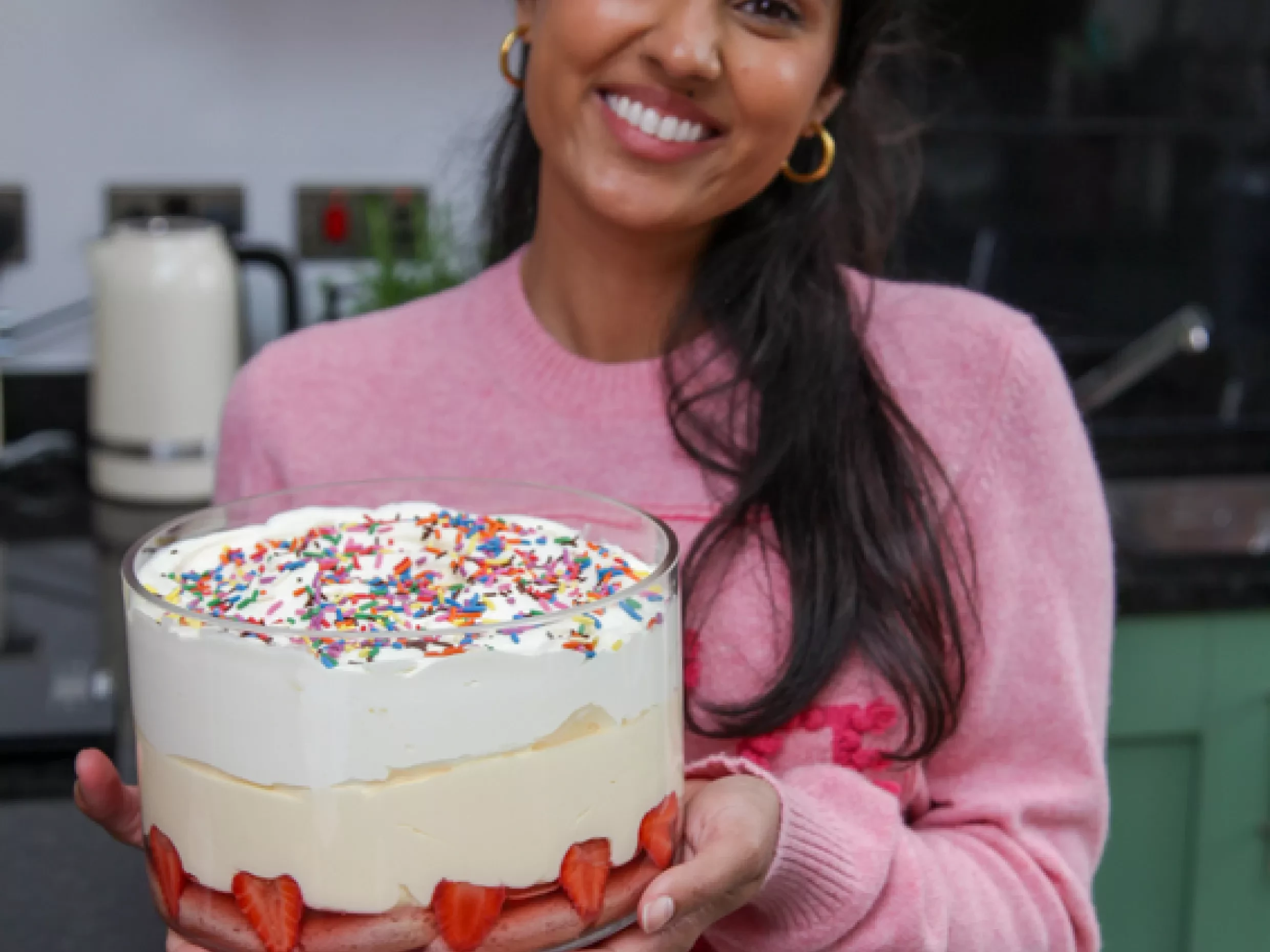
What do you think are the key traits of a successful chef?
"I think being a chef is all about discipline. You have to be incredibly disciplined in the craft of wanting to get better and learn. You can't have a big ego. In the chef world, you've got to be able to take a bit of criticism. You've got to be able to know that you're going to grow and learn from everybody so you have to have an open mind. But you have to be very disciplined, focussed... and you've got to have a good palette."
Do you have any advice for women that are new to the industry or want to enter in the industry?
"My advice to women wanting to enter the food world is don't be put by the fact that you might have heard some bad stories. Find a good kitchen. You'll be treated really well and you have the best time! You just need to find the right mentors and the right team. Some of the best teachers I've ever had are all these amazing men that I've worked with. So don't be put off by it. And also the food world and hospitality now has come along leaps and bounds from where it was so I would say go for it."
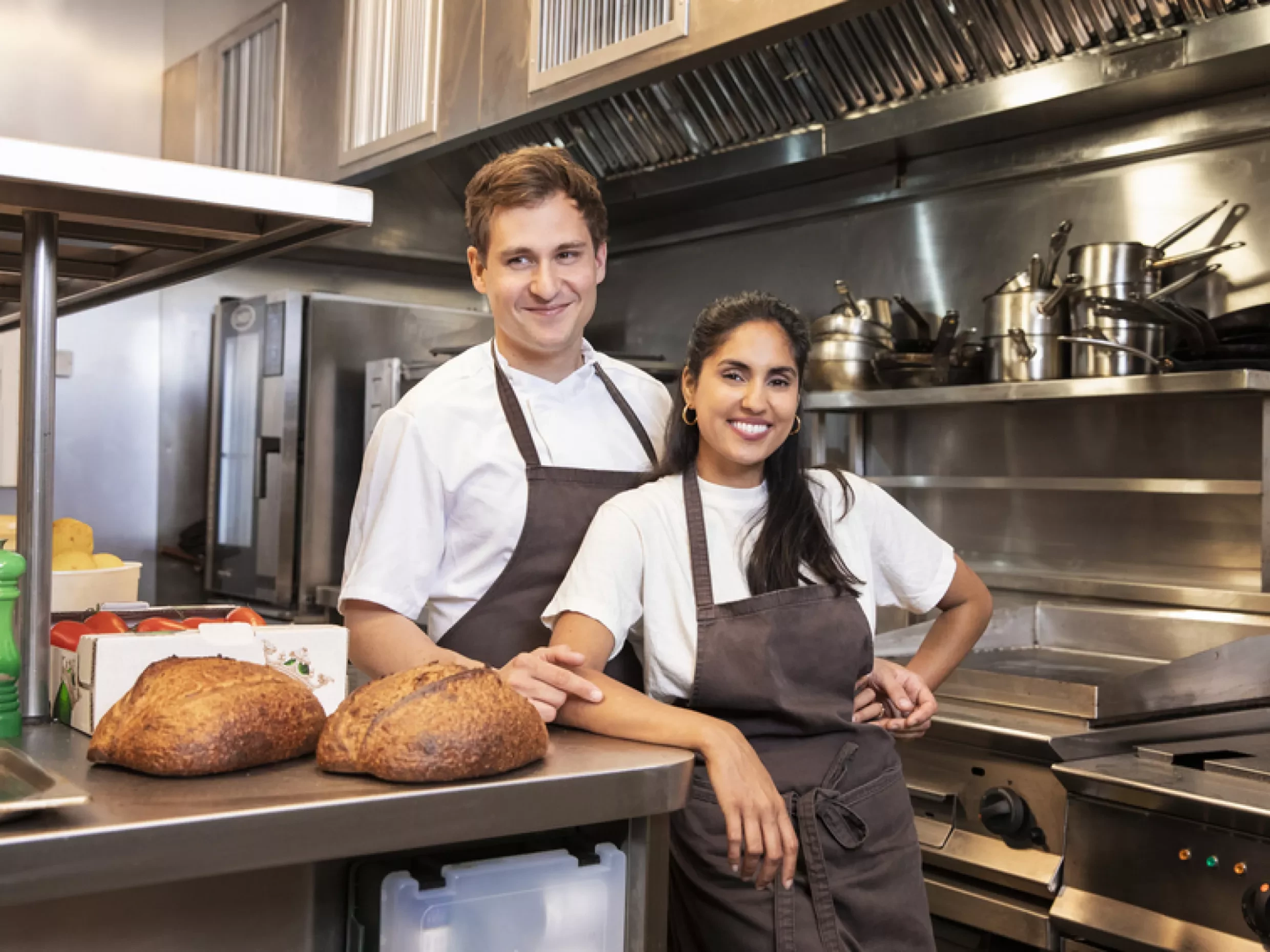
What inspired you to write your first cookbook, The Pastry Chef's Guide?
"I used to carry around this massive orange folder full of recipes I collected and worked on. It was huge. And I just thought, wouldn't it be nice if it was condensed into a manual? Then I could give it to all my mates and they could use it. And it has found its way into a lot of my friends kitchens, which I like. It's more of a guidebook, so you can just pull it off the shelf. You can find different elements from different parts of the baking world and make a whole new dessert, which is why I created Pastry Chef's Guide, a bit of a manual for people who need a boost in pastry. Or if you want to learn the technical skills or for restaurants who don't have a pastry chef and need a handy guide."
Advice for those new to baking?
"If you're new to baking, I would just say get a scales! And just follow the steps. Weigh stuff out, follow the steps. And you'll be fine."
What's your favourite thing to bake at home?
"Since I've opened a restaurant I don't think I've even opened a cupboard. I have no ingredients in my house anymore, but when I wasn't in a restaurant, I would make pancakes nearly every Saturday, and I would always bake chocolate cakes. I would bake a chocolate cake, put it in the fridge. And throughout the week I would eat the cake from start to finish."
Pancake toppings?
"Lemon and sugar on a thin crepe."
Do any recipes from the show bring nostalgia to you?
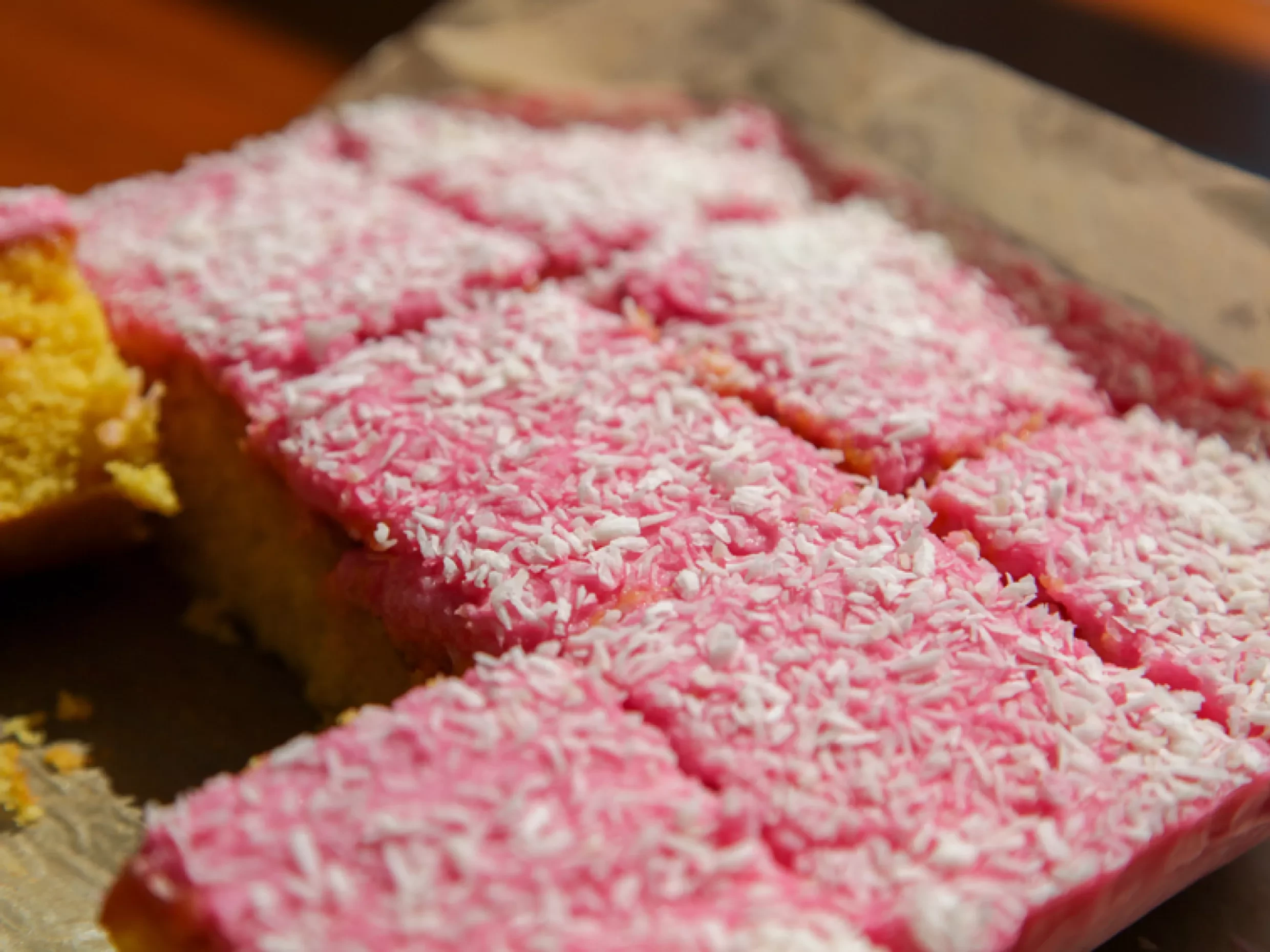
"We've got a Black Forest Gateau in the show and it's one of my favourite cakes of all time. I love cherries and chocolate. I would also skip all of my school dinner just to have the cake at the end, and it would usually be Tottenham cake and custard."
Do you have any favourite recipes from the show?
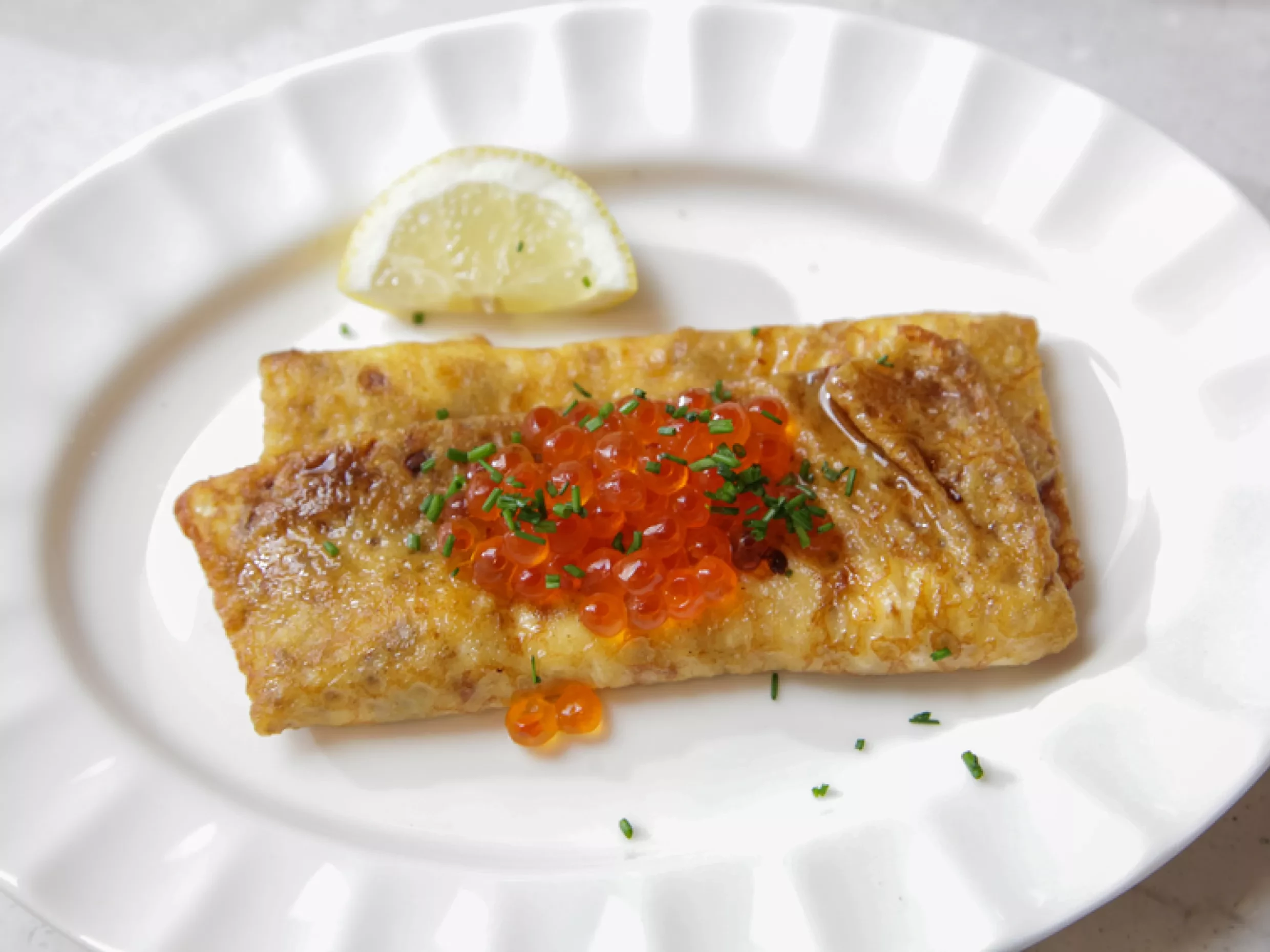
"In the show, the fun thing is that there are loads of savoury recipes and lots of things that maybe you haven't seen me make before. Lovely cuts of meat and fun garnishes. I really like the salmon crepe that features on our menu."
Are there any chefs in particular who inspired you?
"Angela Hartnett."
Proudest moment of your career?
"Opening my restaurant!"
What you're looking forward to seeing in the show?
"I think it will be really fun to see the renovation stages and how we went from this being a complete tip to what it is now, but also how much of the disaster they kept in is what I'm curious about as well..."
What is one of the biggest learnings that you've had from the renovation process, and what advice would you give to someone who might be in the same position opening a restaurant?
"I think my biggest learnings from all of this is you have to just trust that experts are really good at what they do, and you have to pay good money for it. Sometimes you try and do things yourself because you think I can save here or I can do that, but it's not worth it. It's not worth the mental load, but also the mistakes and the money you spent fixing those mistakes. If i was to do this again, I would get all the experts, take out loans and I would do it even better."