
















Your diet can play a role in relieving symptoms and reducing risk of chronic diseases associated with the natural transition period known as menopause. Here, we'll take a look at the foods you should be eating.
Support Your Body Through Menopause
Menopause is a natural transition in a person’s body when estrogen levels decline and the menstrual period ends. The imbalance in hormones results in symptoms like hot flashes, weight gain, trouble sleeping and mood swings. It also increases risk for metabolic conditions like type 2 diabetes, insulin resistance, heart disease and osteoporosis. The transition period leading to menopause, referred to as perimenopause, usually starts in one’s mid-40s and lasts for up to 10 years. Many people will notice irregular cycles and may experience other menopause symptoms during this period. A person officially enters menopause when they have no menstrual cycle for 12 months in a row.
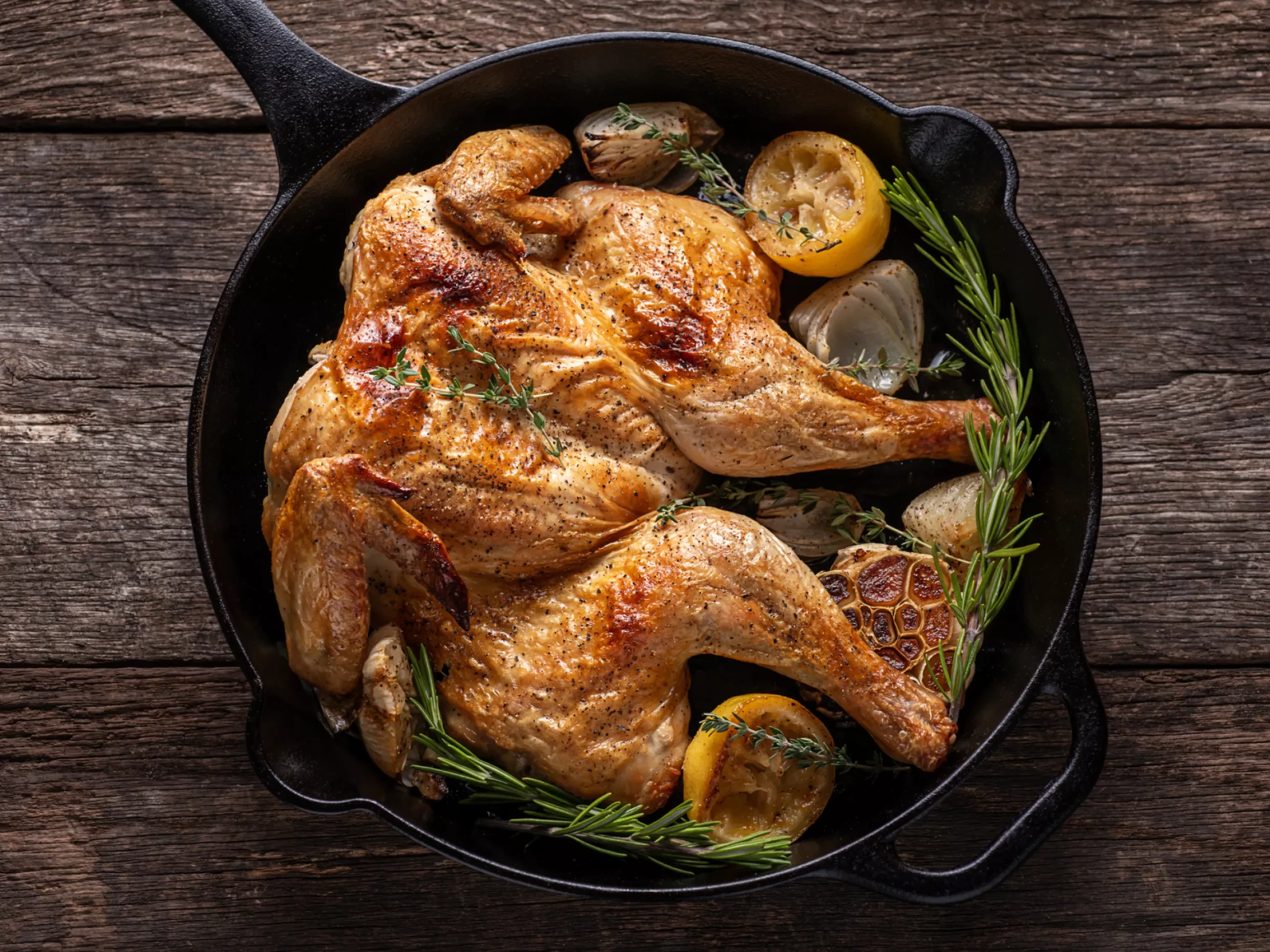
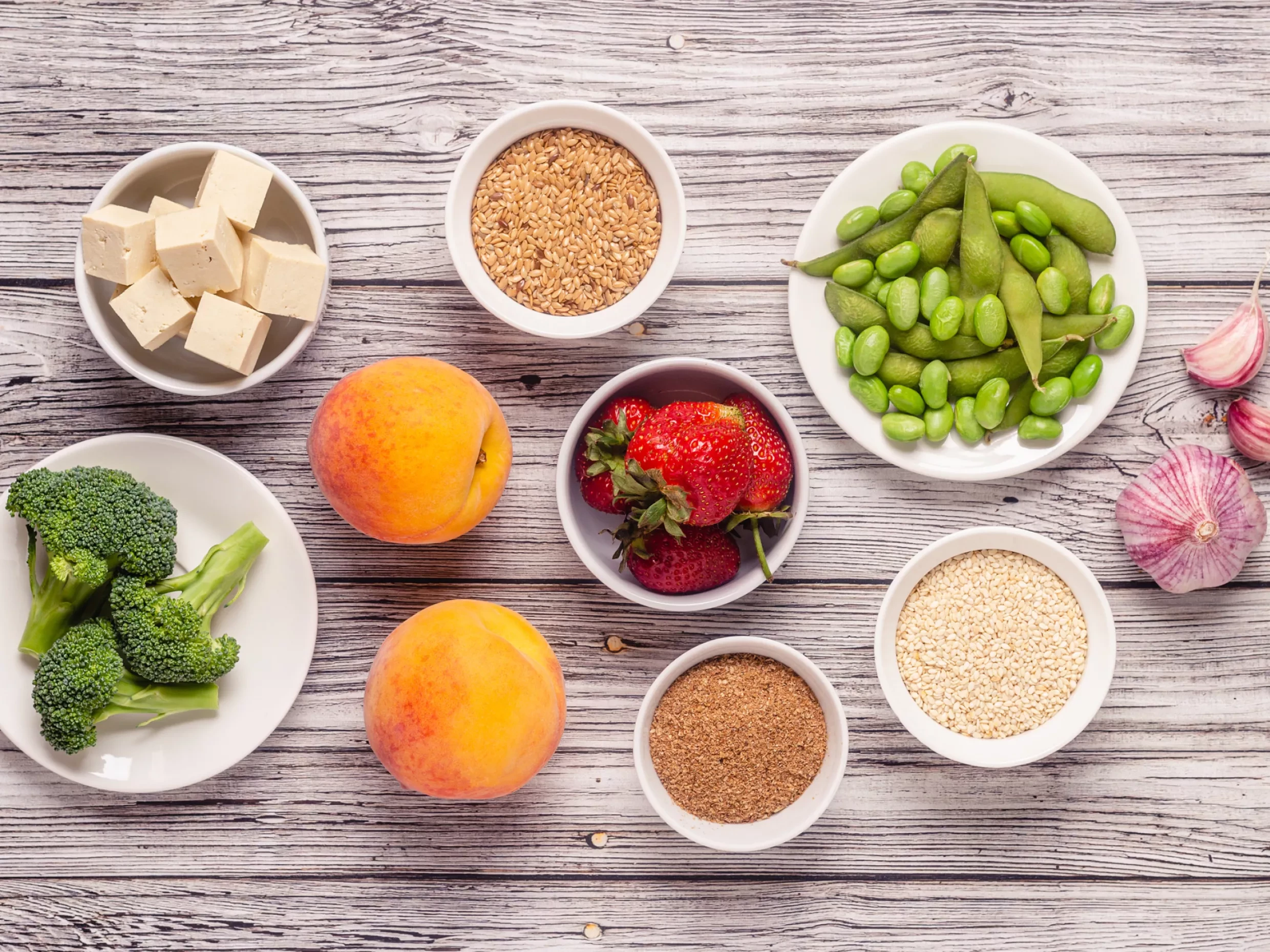
Your diet can play a role in relieving symptoms and reducing risk for chronic diseases associated with menopause. Research suggests that a Mediterranean diet can reduce symptoms and has beneficial long term health effects. The Mediterranean diet is characterised by plenty of fruits, vegetables, whole grains, beans, nuts, seeds, herbs, spices, extra-virgin olive oil, fish and other quality proteins. Here are specific foods to incorporate during menopause to help relieve symptoms and provide long-term health benefits.
Soy-Based Foods
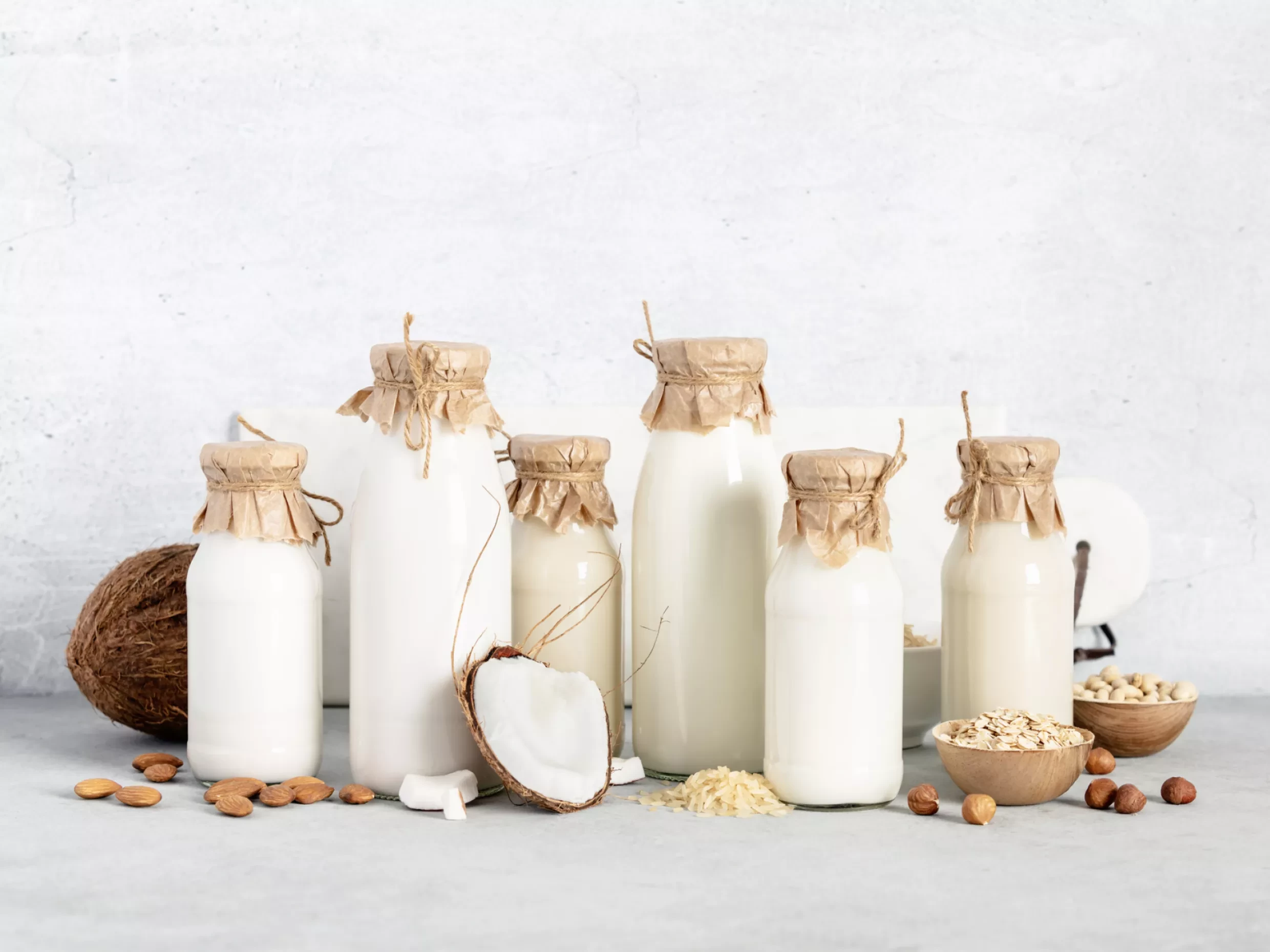
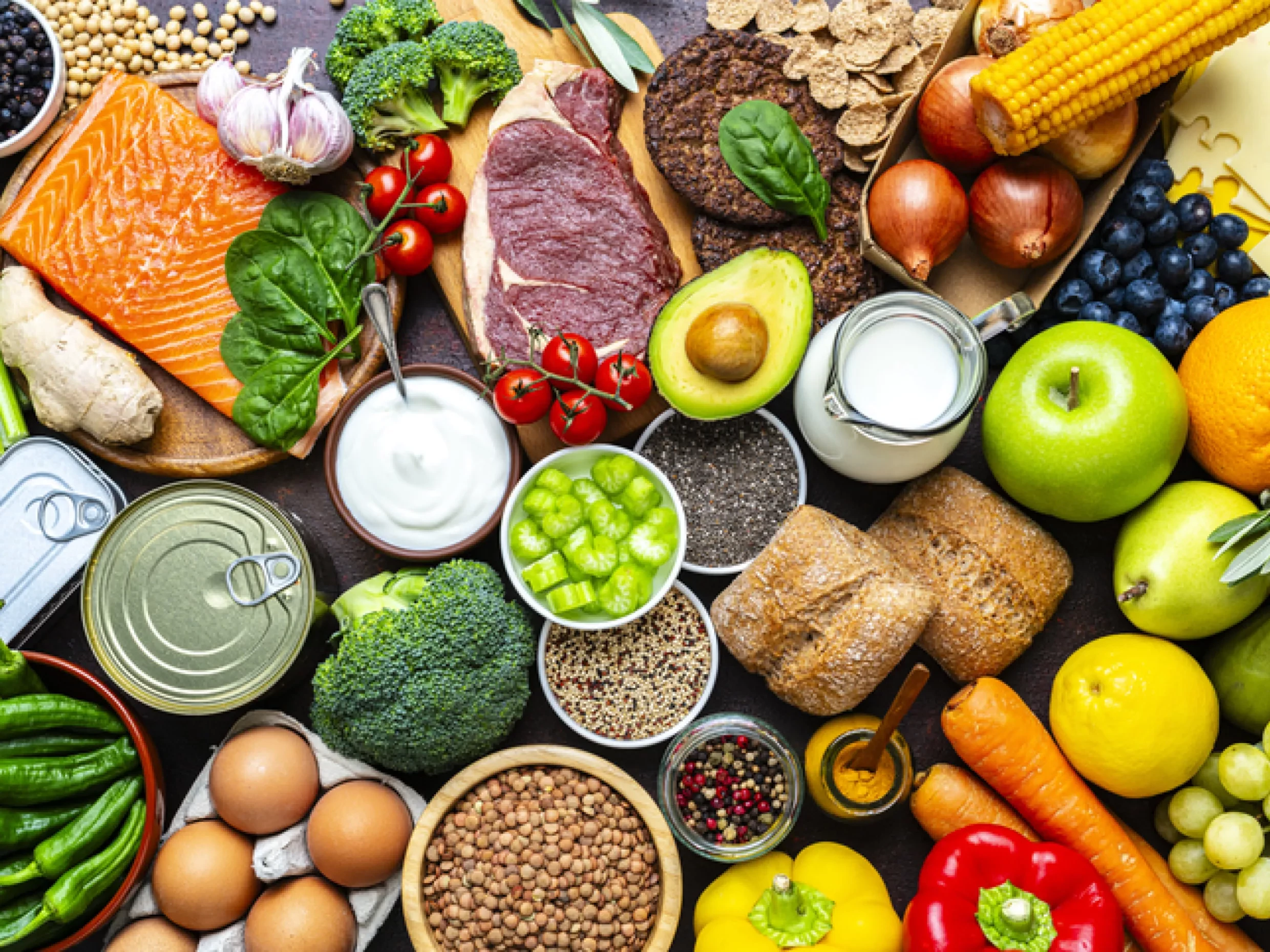
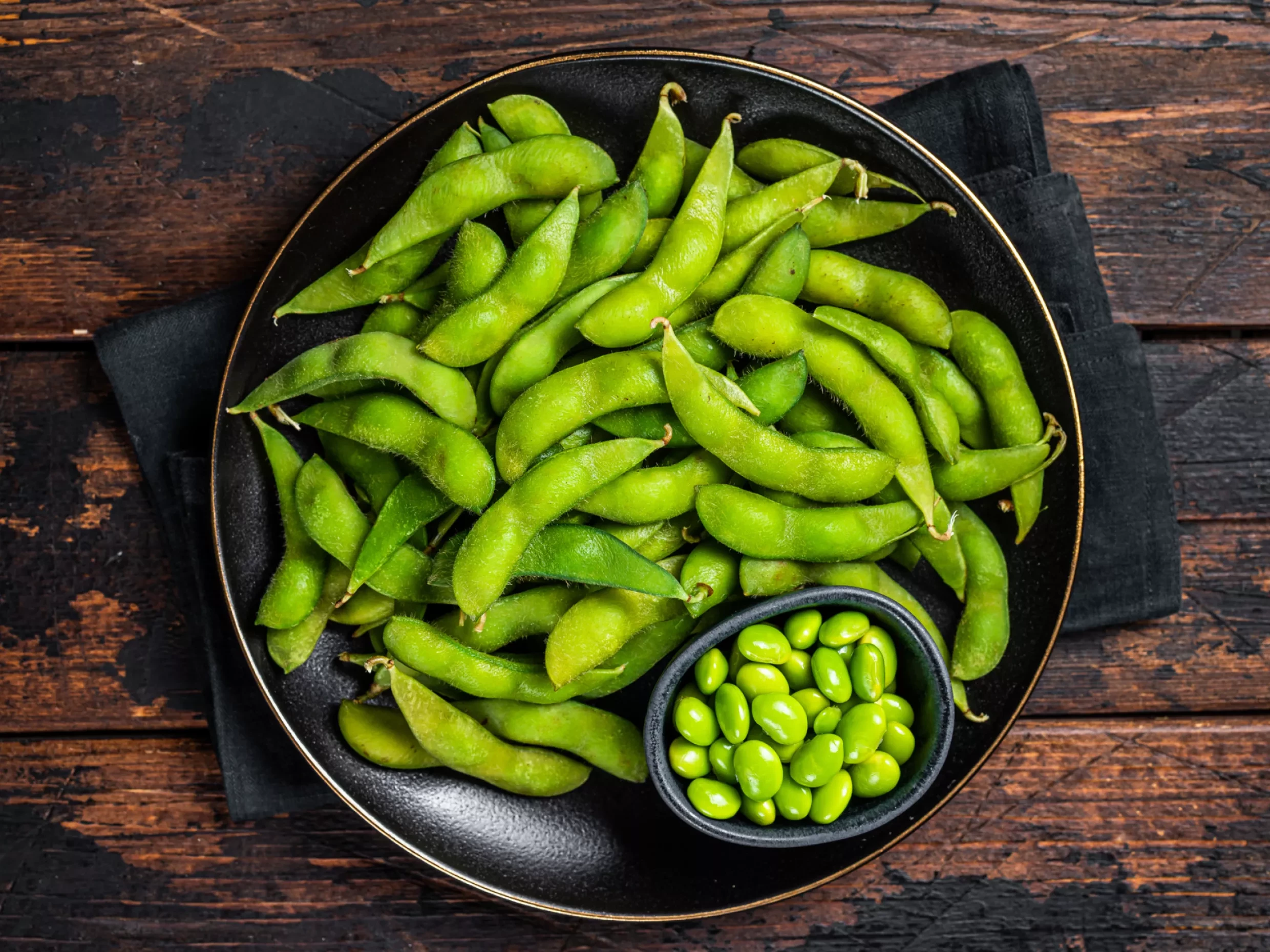
Soy contains plant compounds called isoflavones, which are phytoestrogens that mimic the effect of estrogen in the body. Some studies have shown that consuming soy isoflavones can help alleviate menopause symptoms like hot flashes. Research suggests that a daily intake of 40 to 80 milligrams of soy isoflavones is needed to see relief of menopause symptoms. Food sources of soy include soy milk, tofu, tempeh and edamame. Always consult with your healthcare provider before starting any soy-based supplements.
Ground Flaxseeds
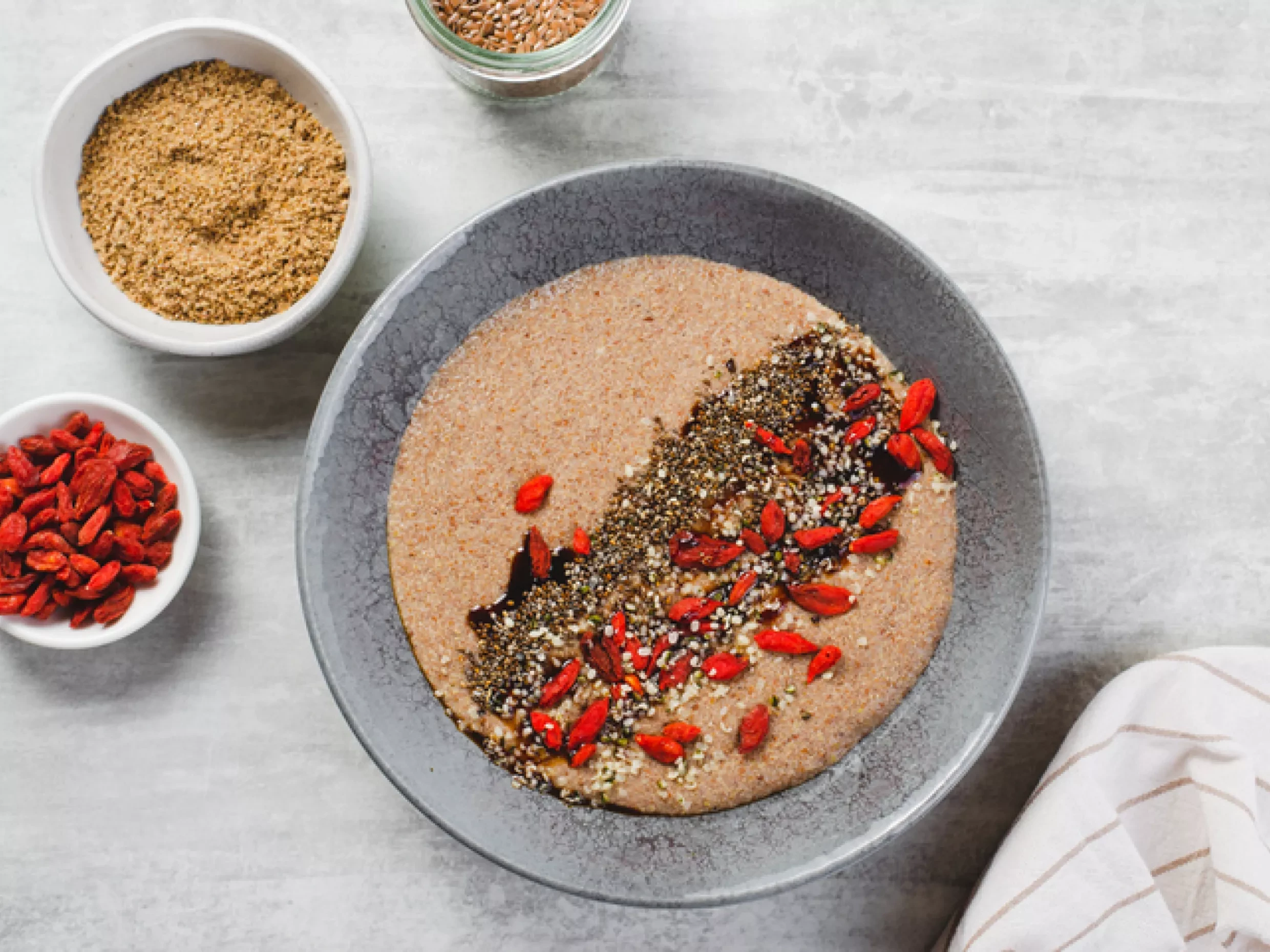
Some research suggests that consuming ground flaxseeds can help reduce symptoms like hot flashes. Flaxseeds are rich in lignans, which are phytoestrogens that have a mild estrogen-like effect in the body. One study found that consuming 40 grams (four tablespoons) of ground flaxseeds per day helped lower the amount and frequency of hot flashes. Flaxseeds are rich in nutrients like fibre, omega 3 fats, B vitamins and minerals. You can add ground flaxseeds to smoothies, yogurt or baked goods.
Fatty Fish
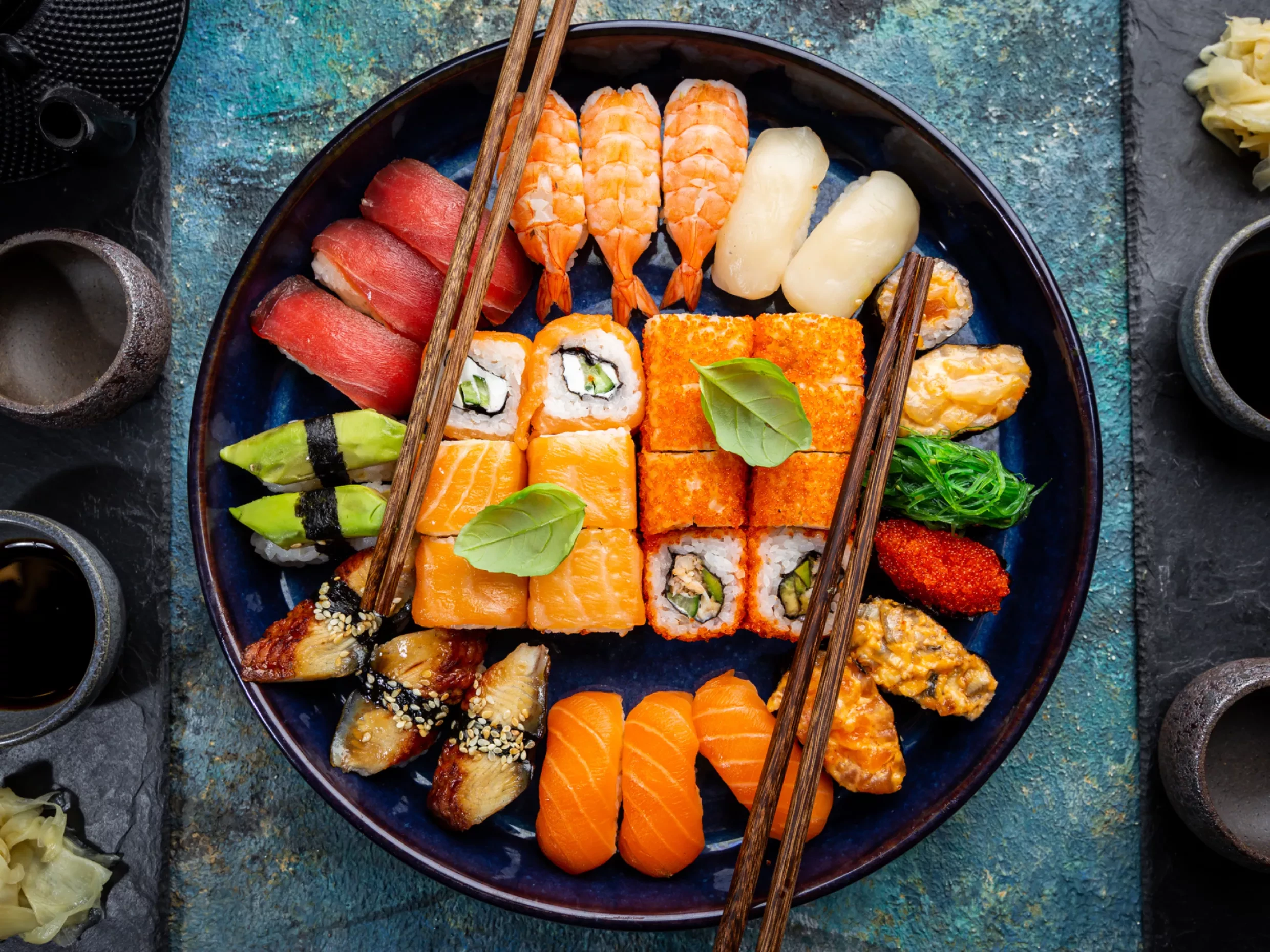
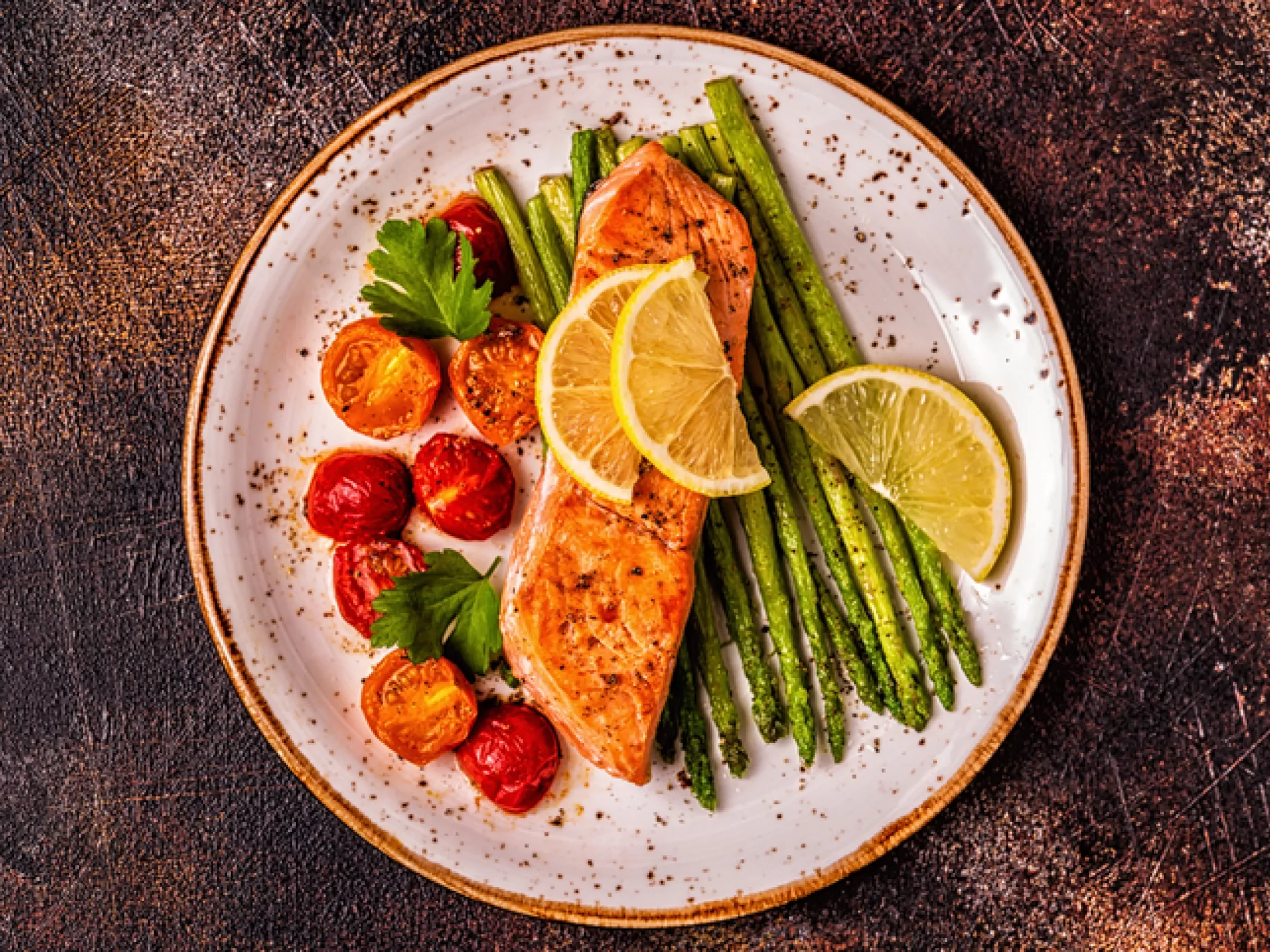
Fish, especially fatty fish like salmon, mackerel, trout and sardines, is rich in omega 3 fats EPA and DHA, which have anti-inflammatory properties. Consuming fish has been shown to help reduce hot flashes and depression in menopausal people. Fish is also rich in protein, vitamin D and minerals like iodine and zinc. Aim for two to three servings of fish every week.
Yogurt
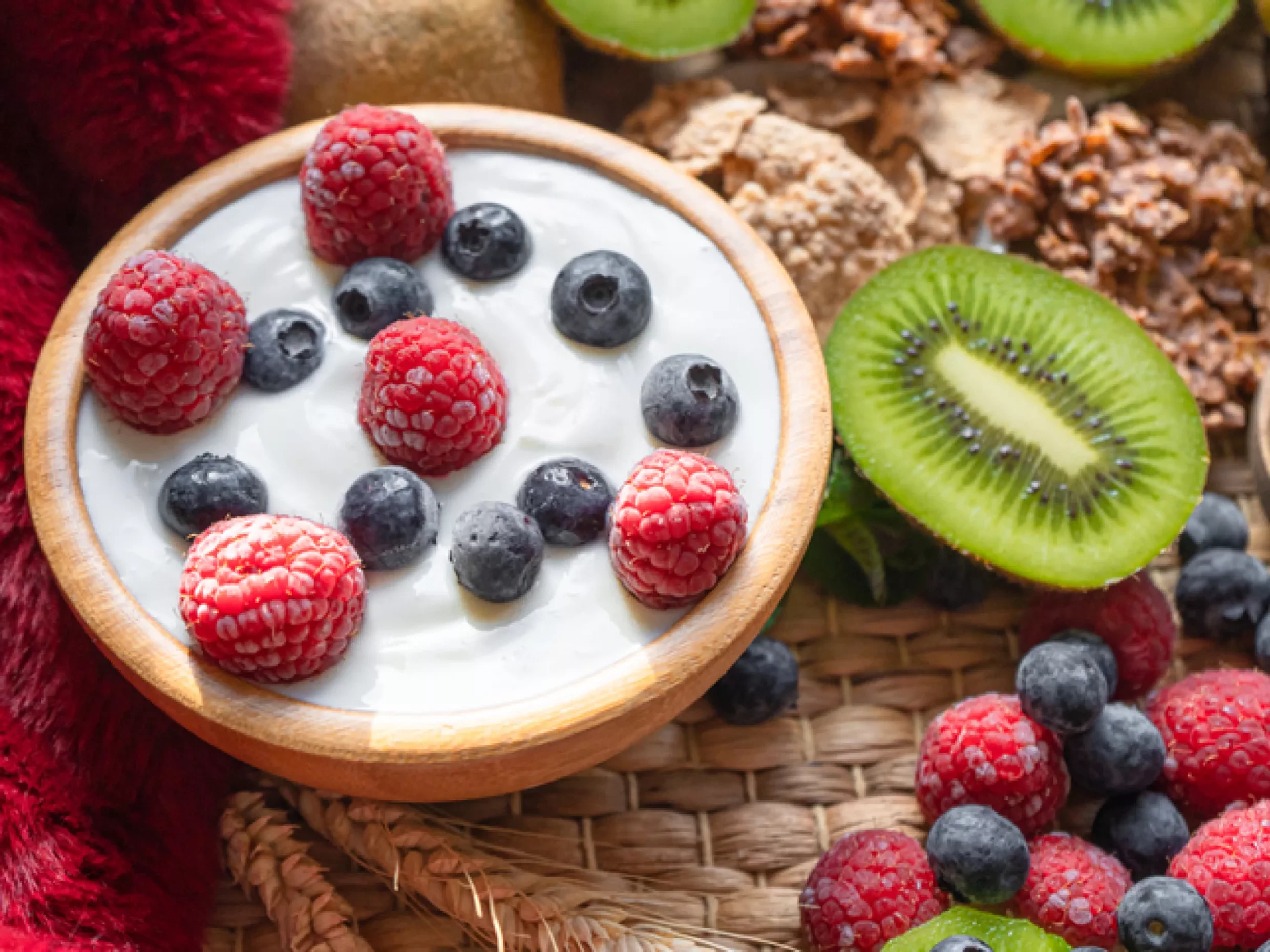
Yogurt is rich in calcium and vitamin D, which support bone density. During menopause, people are at increased risk for bone loss and osteoporosis due to the decline in estrogen levels. Yogurt is also rich in probiotics, which are beneficial bacteria in the intestines that support gut health. A healthy gut microbiome is important for reducing insulin resistance and weight gain associated with menopause. Research has also shown beneficial effects of consuming yogurt on menopause symptoms and depression.
Beans
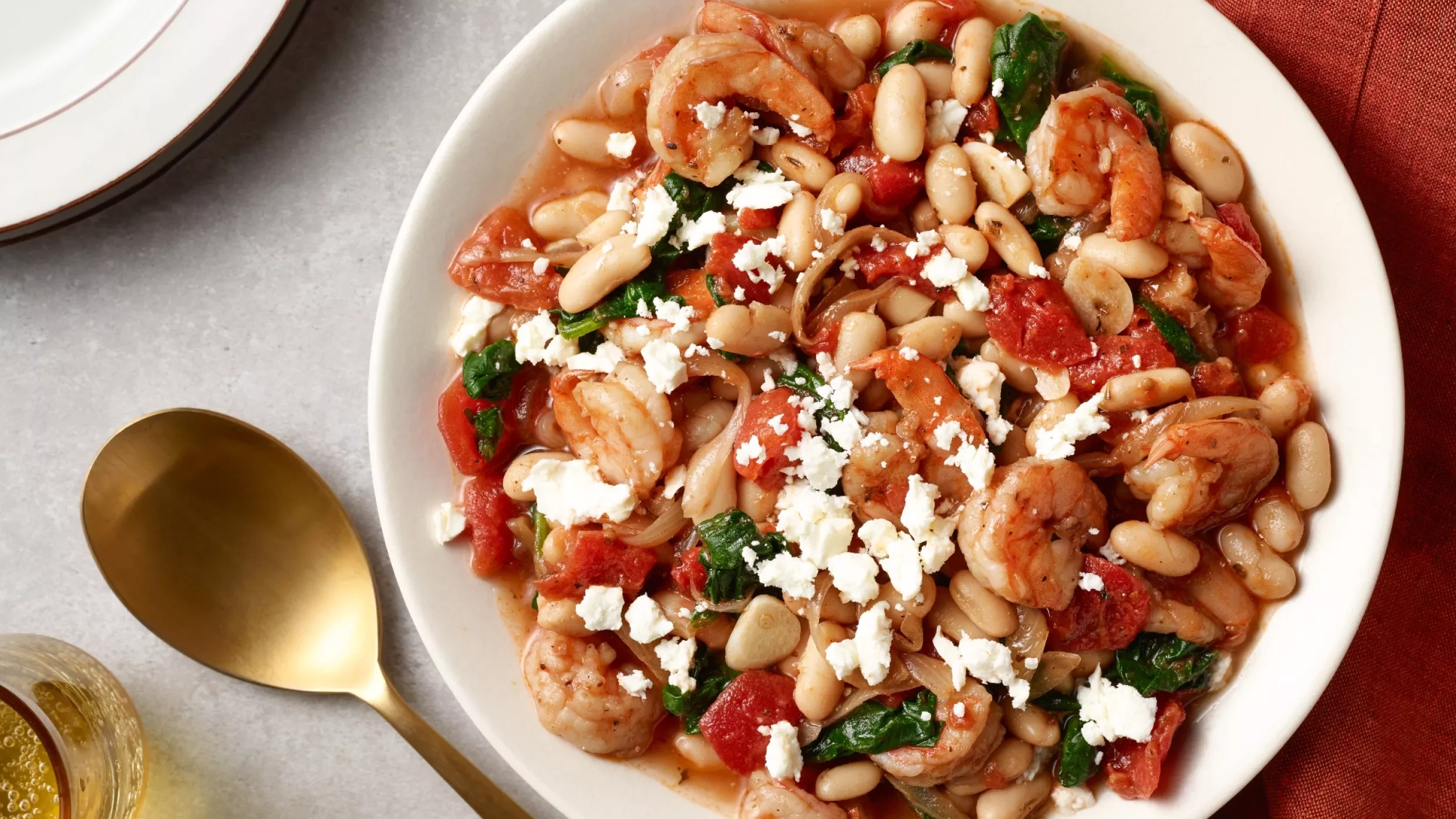
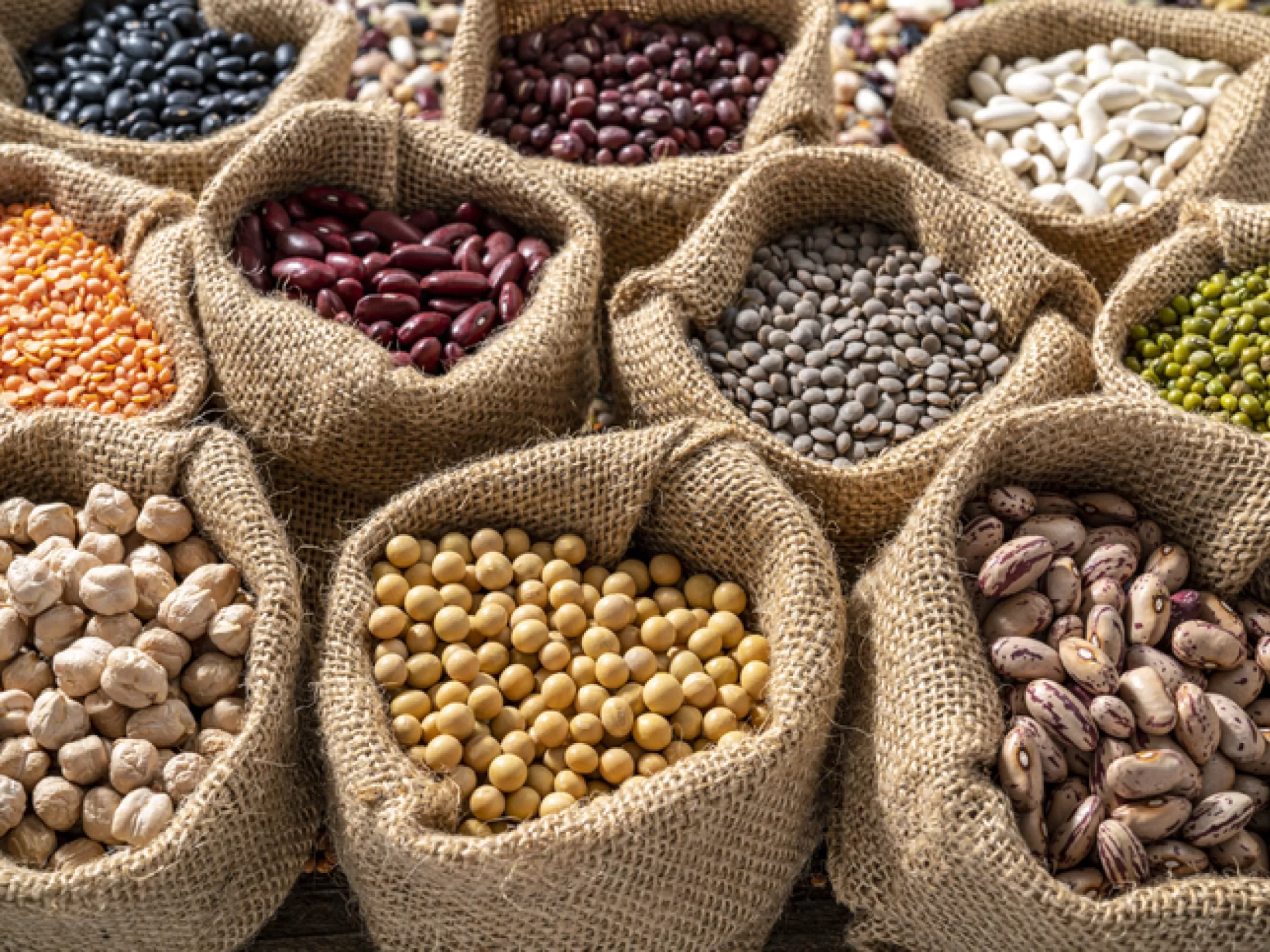
Beans, such as black beans, chickpeas and kidney beans, are a rich source of fibre, plant-based protein, B vitamins and minerals. The fibre in beans helps lower cholesterol and blood sugars, reducing the risk for type 2 diabetes and heart disease associated with menopause. It also supports gut health by providing prebiotic fibre to your gut bacteria, ensuring a healthy gut microbiome. Soak dry beans overnight before cooking or thoroughly rinse canned beans to help reduce any digestive discomfort. Add them to salads, stews or dips.
Green Leafy Vegetables
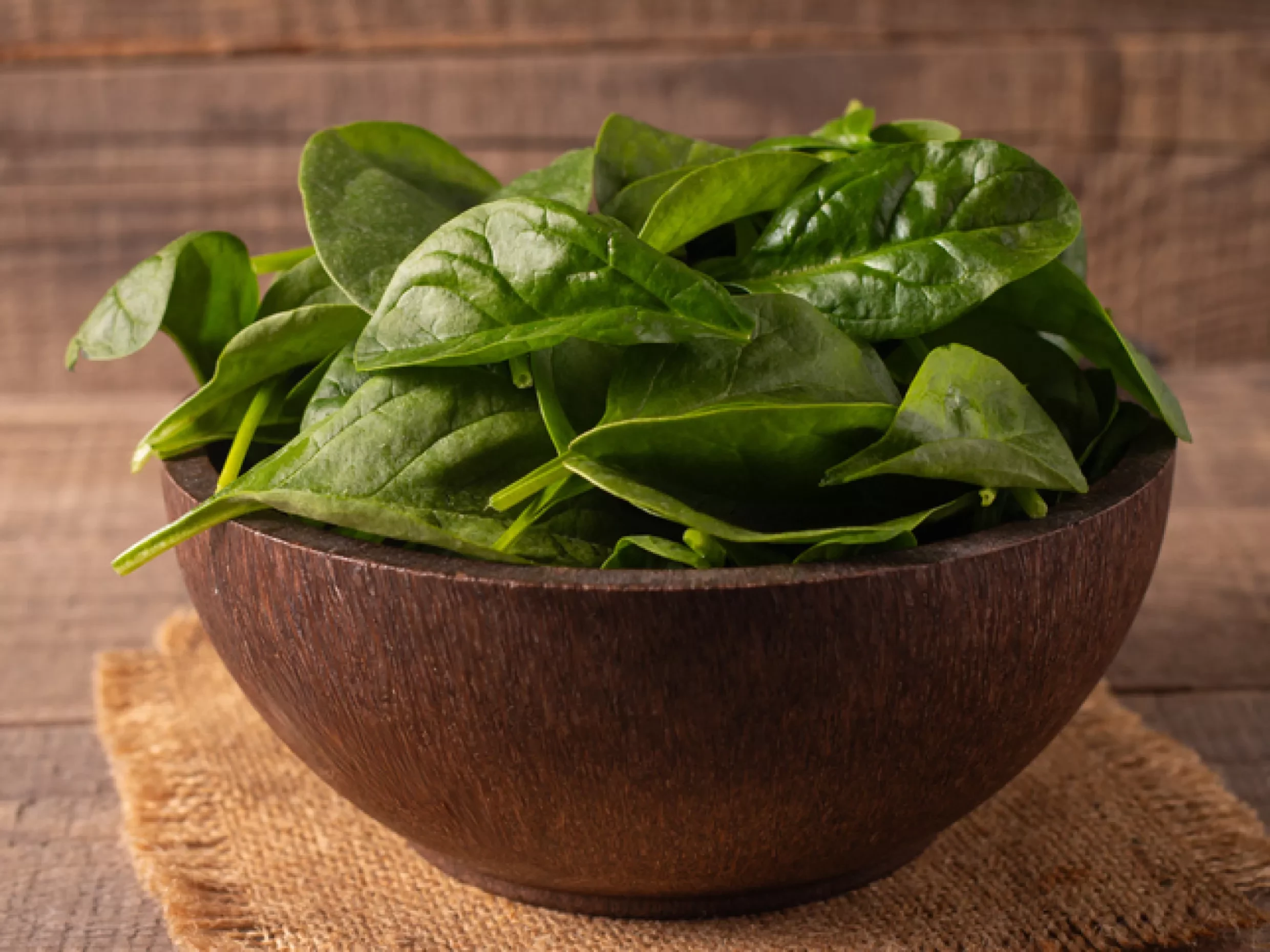
Green leafy vegetables, like kale, spinach and Swiss chard, are packed with vitamins and antioxidants. They are an excellent source of calcium, magnesium and vitamin K which support bone health and mineralisation. Folate and other B vitamins in green leafy vegetables play a role in producing serotonin, which can help improve mood and reduce risk for depression that can be associated with menopause.
Berries
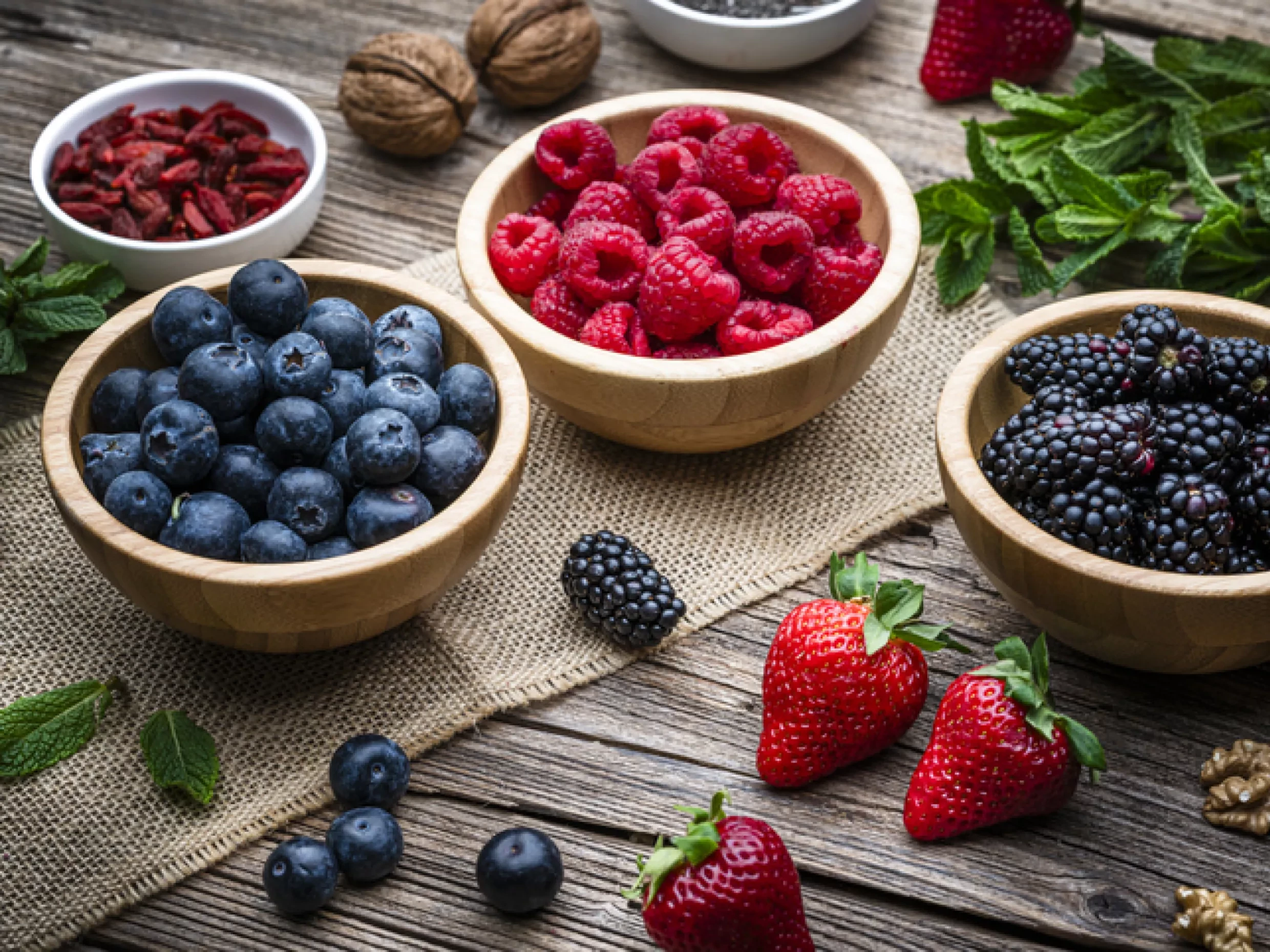
Berries are rich in antioxidants, which help reduce oxidative stress and inflammation in the body. Oxidative stress is associated with hot flashes during menopause, therefore including antioxidant rich foods like blueberries, raspberries or strawberries in your diet may help alleviate symptoms and support menopause health.
Nuts
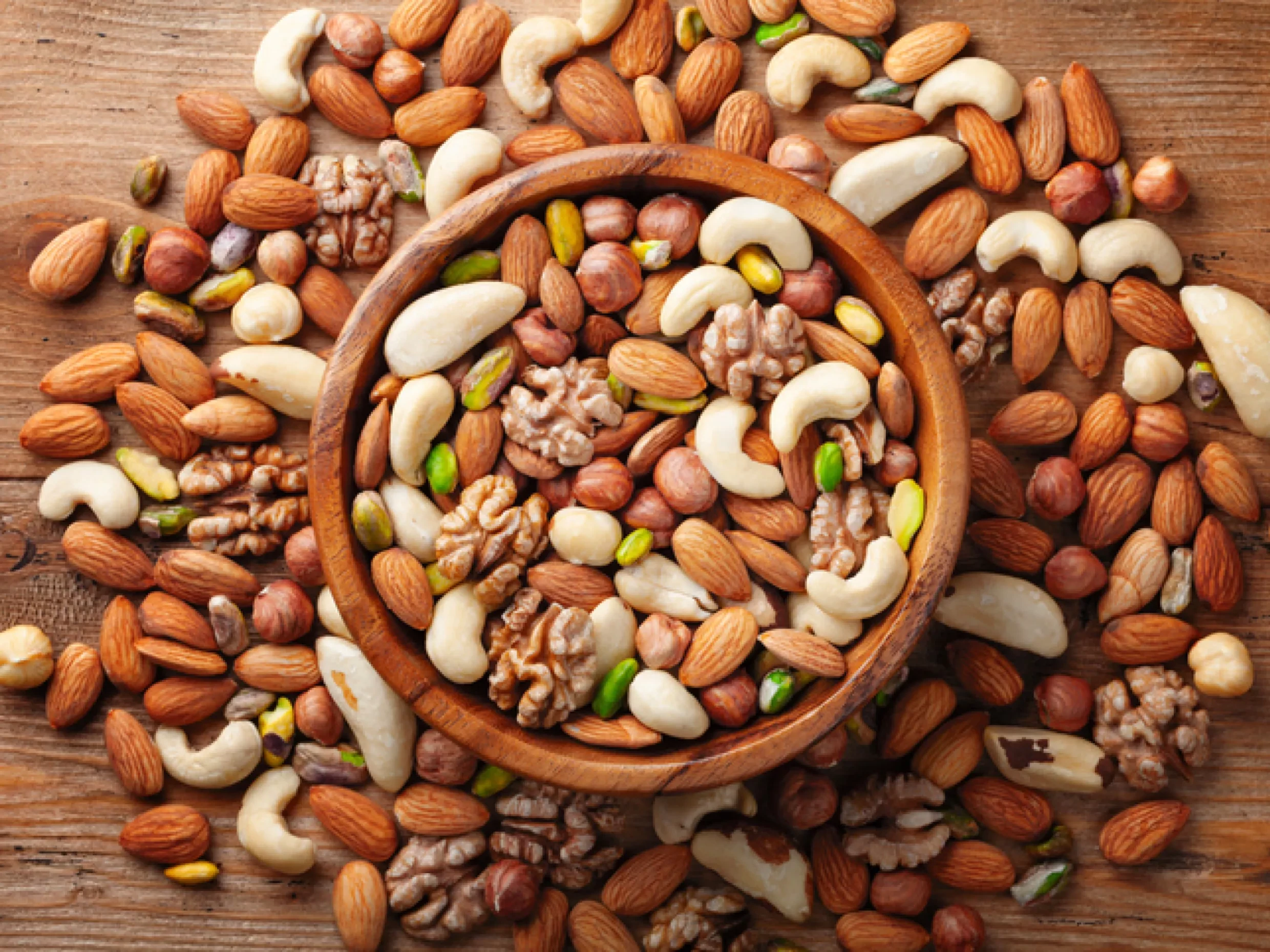
Nuts, such as walnuts, hazelnuts, almonds, peanuts, pistachios, cashews and pine nuts, have been associated with health benefits in menopausal people. Nuts are a rich source of plant-based protein, healthy fats, antioxidants, vitamins and minerals. The antioxidants in nuts such as vitamin E, flavonoids and copper, help lower inflammation in the body and reduce risk for chronic diseases like heart disease and type 2 diabetes. Nuts are rich in magnesium and selenium, which promote sleep and relaxation.
Extra-Virgin Olive Oil
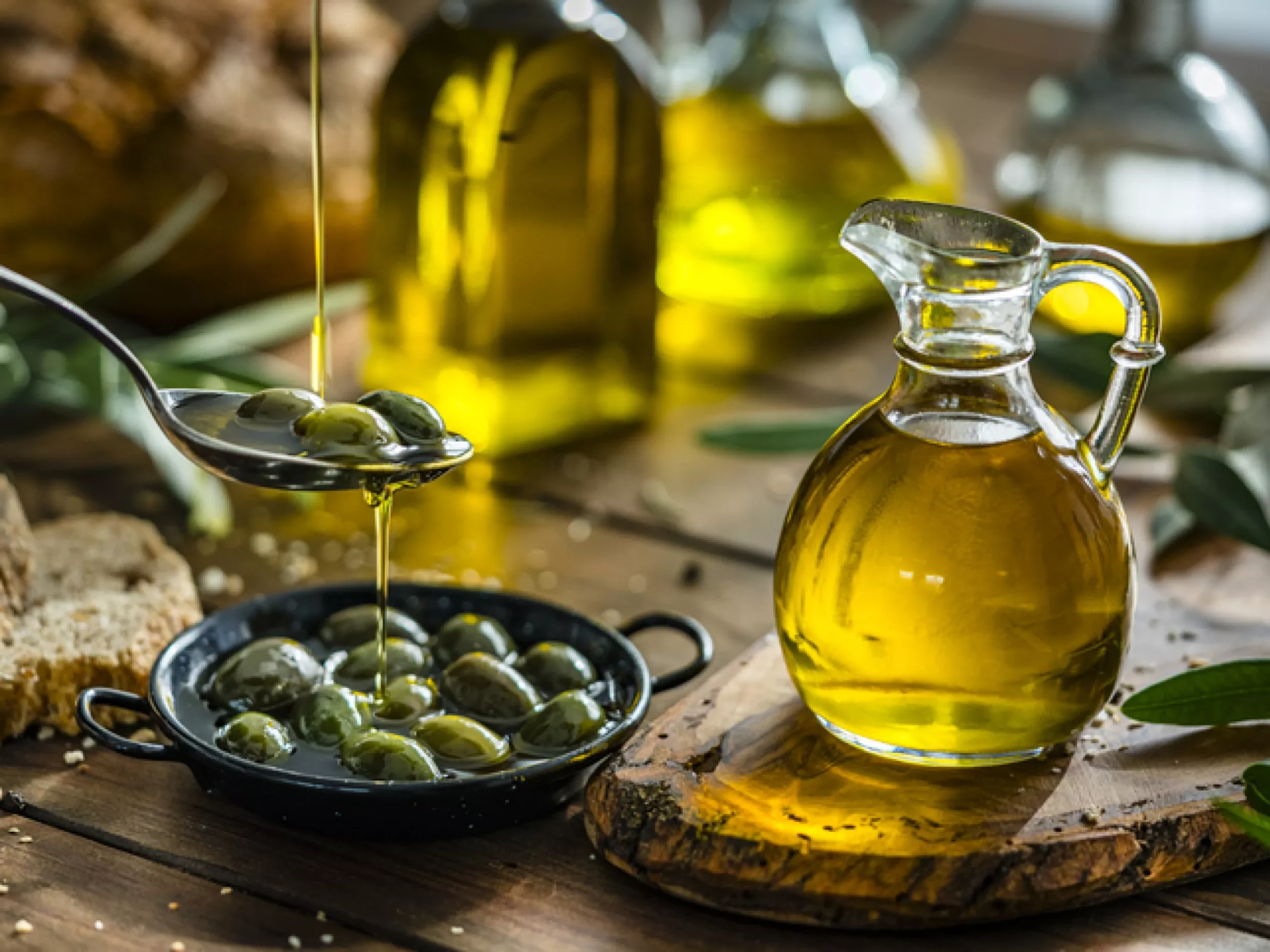
Olive oil is one of the main foods of the Mediterranean diet, which has been shown to have health benefits for people in menopause. Extra-virgin olive oil is rich in healthy fats and antioxidants like vitamin E, which help reduce inflammation in the body and lower risk for chronic diseases like type 2 diabetes.