






Nutty, silky-smooth corn flour has an identity problem. It seems there’s just about no ground corn product it’s not mistaken for, and that’s a shame. This unique flour has a distinctive flavour and texture that makes it worth seeking out for desserts, batters and more. Read on for exactly what corn flour is, what it’s not and how to use it.
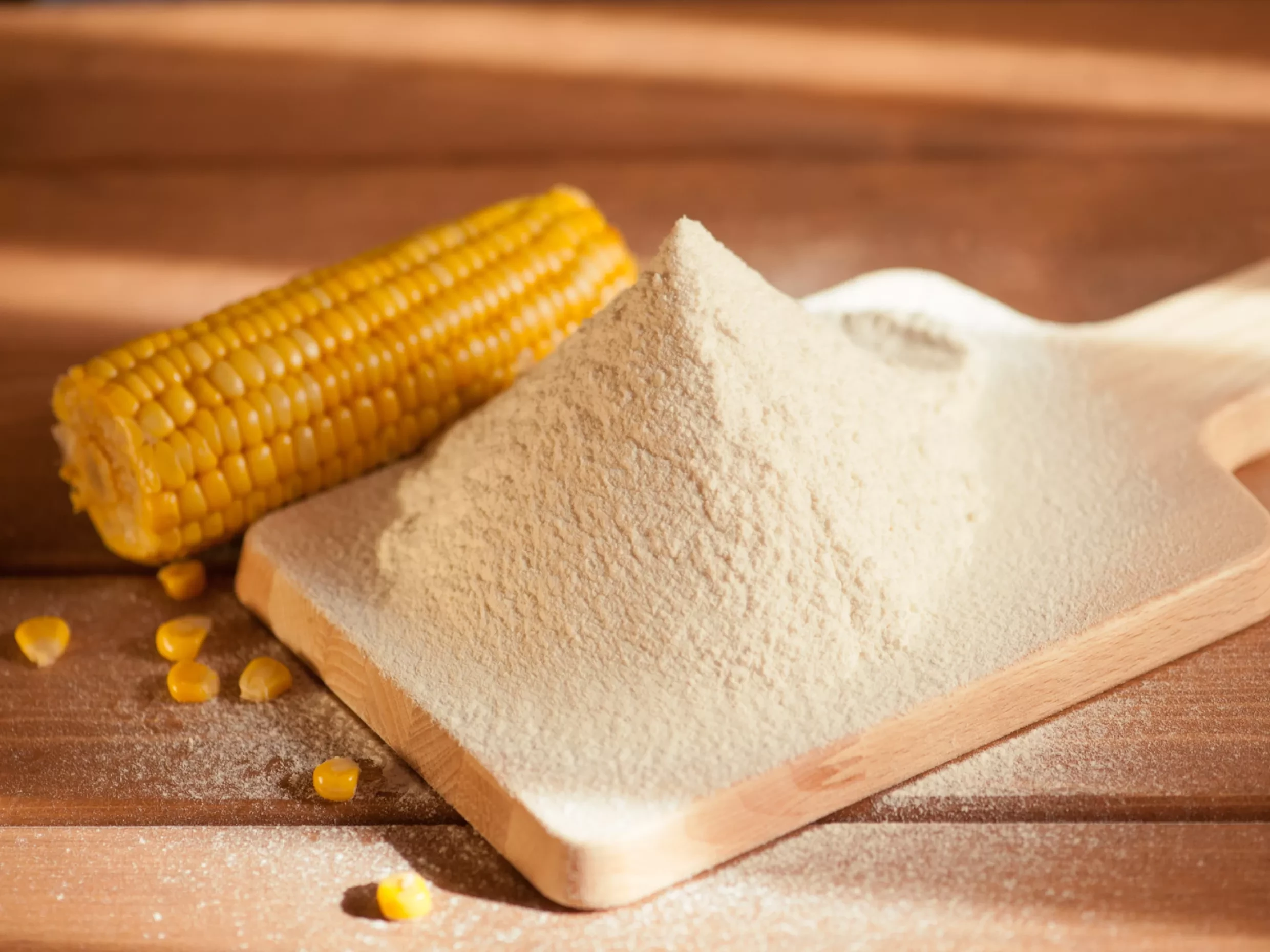
What Is Corn Flour?
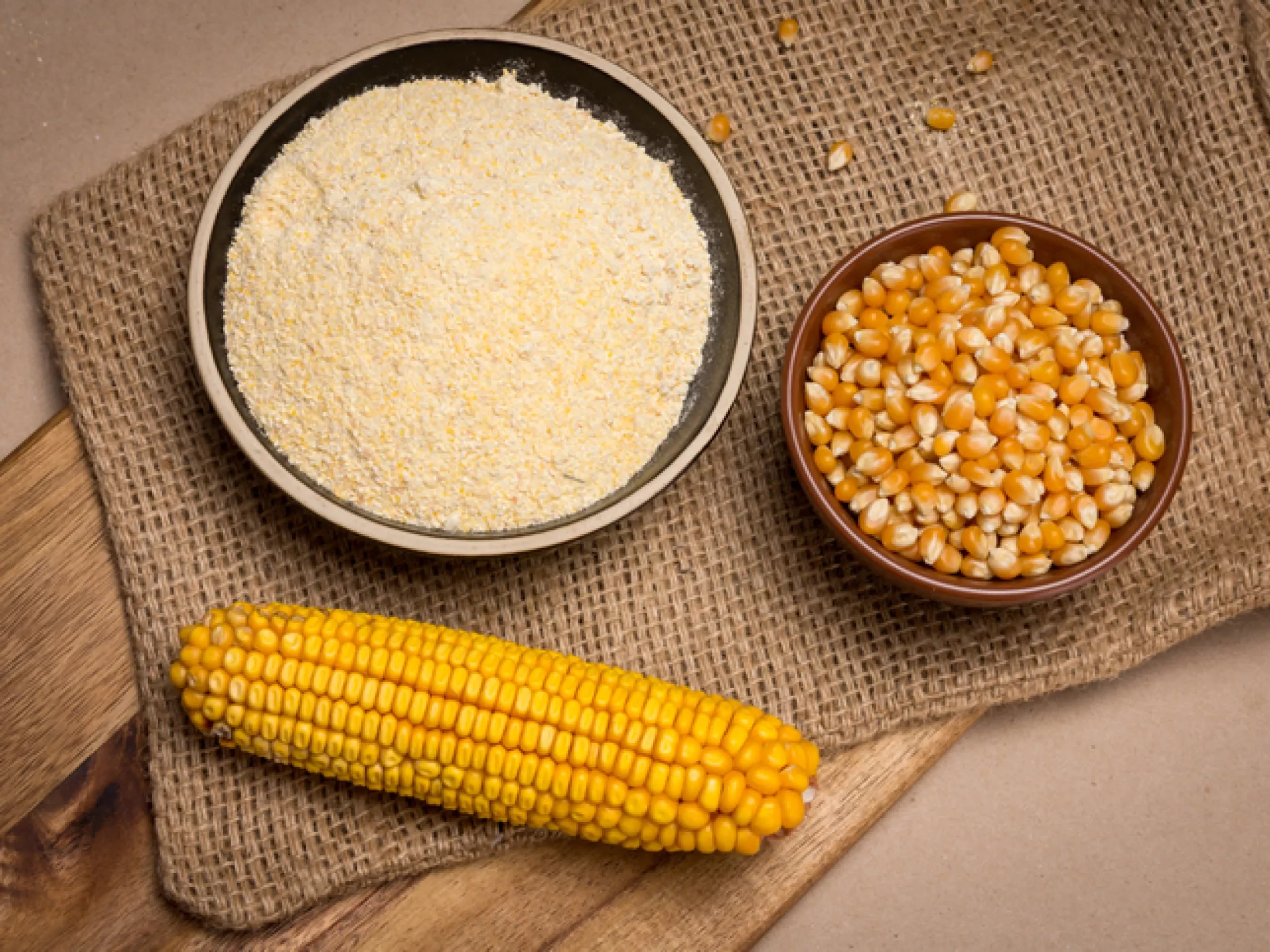
Corn flour is a whole-grain flour made from very finely milled dried corn kernels.
The entire grain, including the germ and bran, are ground to make it. Corn flour has a nutty, sweet flavour when cooked that makes it popular in baked goods and also as a coating for fried foods, particularly seafood. Since corn contains no gluten, corn flour is sometimes used to make gluten-free muffins, breads, pancakes and pasta. Like corn kernels themselves, corn flour comes in yellow, white and blue varieties.
Although corn flour is similar to cornmeal and they can sometimes be used interchangeably, corn flour is soft and powdery whereas cornmeal is grainy. Here’s what sets corn flour apart from this and a number of other ground corn products.
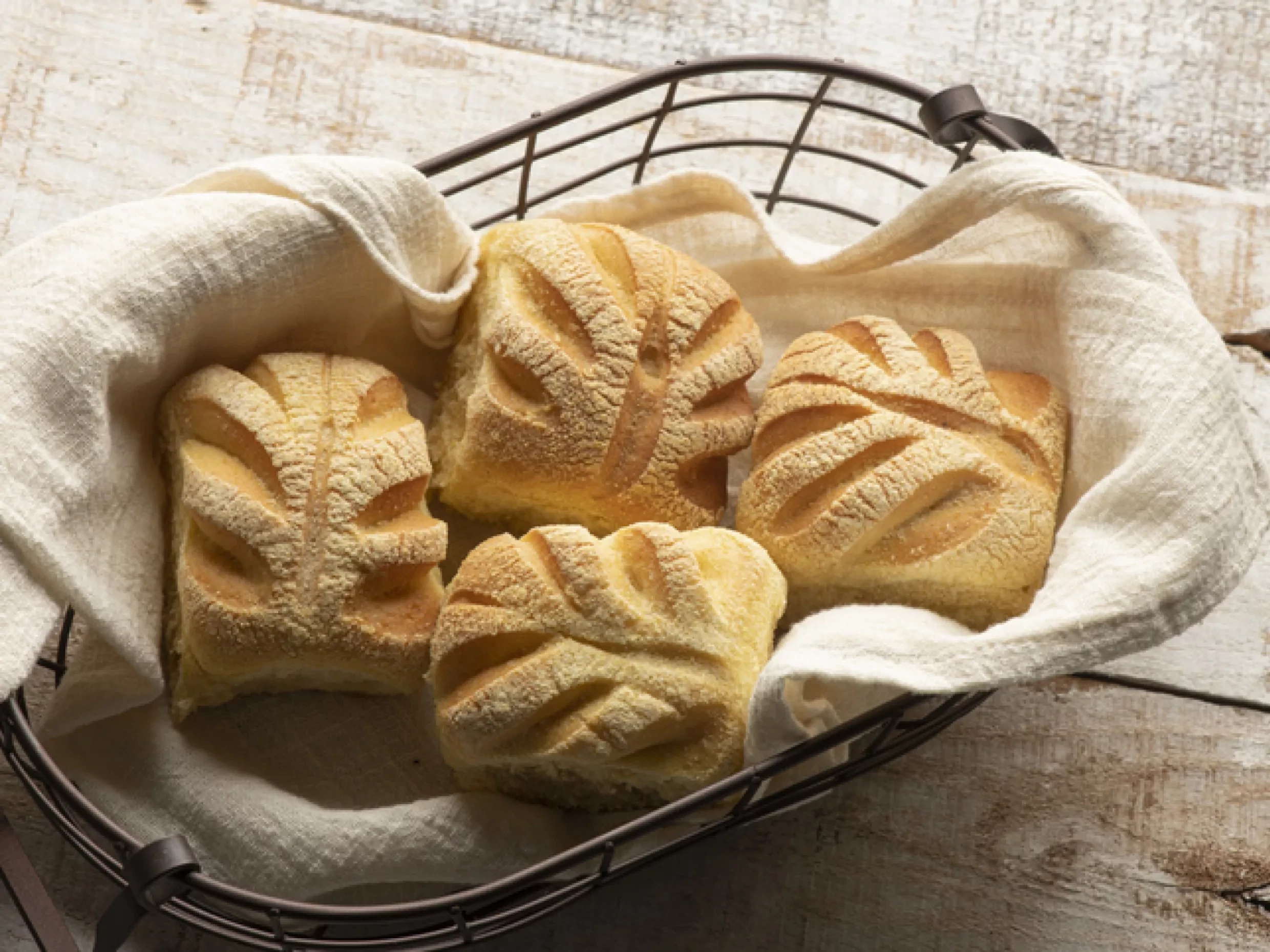
What Is British Cornflour?
In the UK and some other parts of the world, the term “cornflour” refers to what’s called cornstarch in the United States: the finely milled endosperm of the corn kernel. If you’re reading a British, Irish or Australian recipe, be aware that cornflour may mean cornstarch. If it’s used as a thickening agent, mixed with fruit in a pie or used as a first coating for fried foods, it’s almost certainly what’s sold as cornstarch in the US.
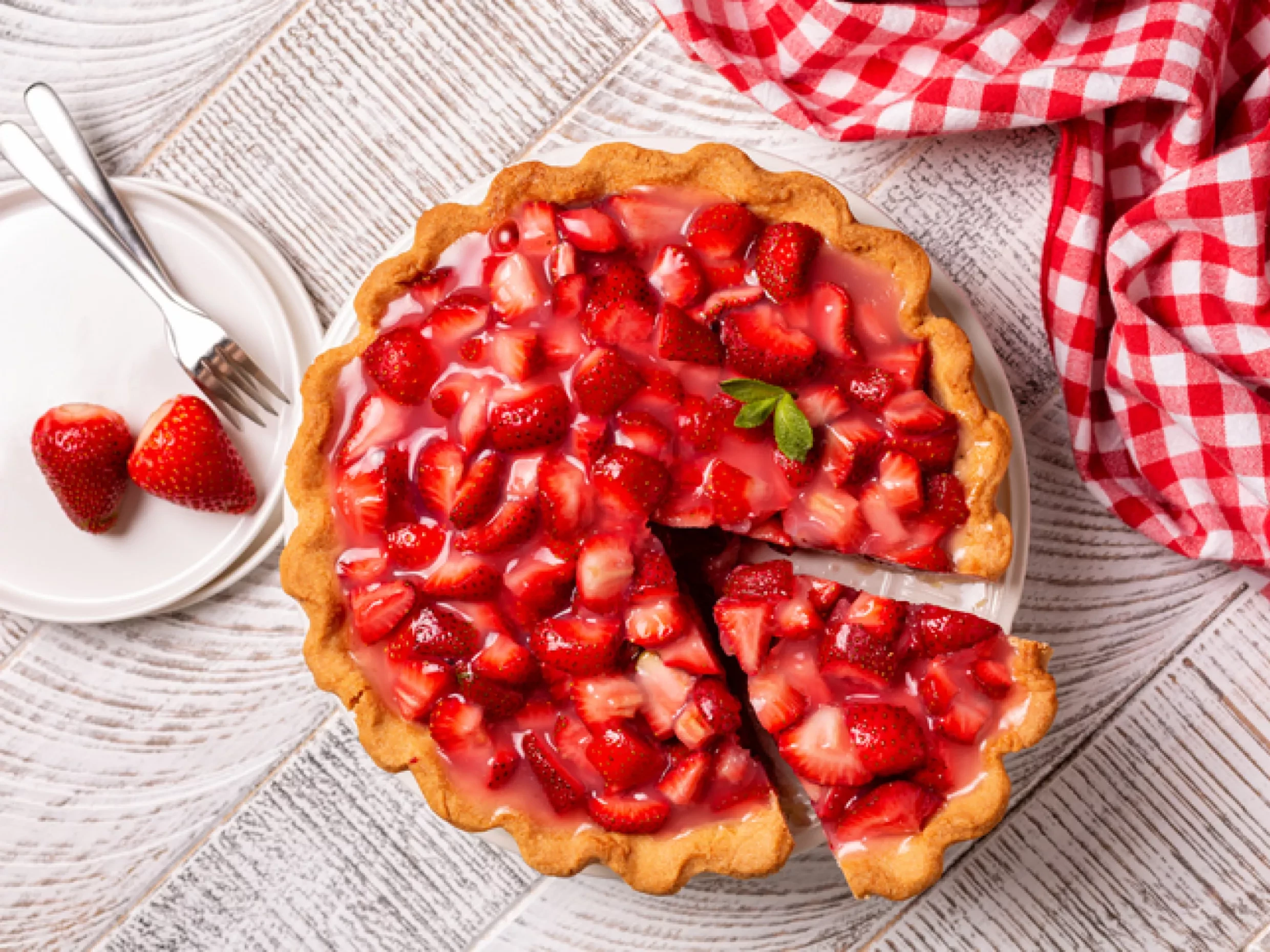
Corn Flour vs. Cornmeal
The major difference between corn flour and cornmeal is the texture. Corn flour is soft and powdery, while cornmeal is coarse and grittier. Cornmeal can be classified as fine, medium or coarsely ground, but it is never as silky as corn flour. And, while corn flour is made from the whole corn kernel - bran, germ and all - cornmeal is sometimes made without the bran. The Italian specialty polenta is a type of yellow cornmeal, while what’s known as grits is a type of white cornmeal popular in the Southern United States.
Although they have noticeably different textures, corn flour and cornmeal can sometimes be used interchangeably. Use either in a breading mixture for chicken or seafood, or swap equal amounts into muffins, pancakes or other baked goods. Just be aware that the results may be noticeably grittier with cornmeal.

Corn Flour vs. Cornstarch
Corn flour is made from the entire corn kernel, whereas cornstarch is made just from the kernel’s starchy centre, known as the endosperm. The endosperm is processed into a fine white powder that is so smooth it will squeak when rubbed between your fingers. Cornstarch is almost tasteless and is most valued for its thickening ability. When heated, 1 tablespoon of cornstarch will thicken about 1 cup of liquid. Cornstarch is often used in pies to thicken fruit fillings, as a base on fried foods to help coatings adhere and as an ingredient in some gluten-free baking mixes.
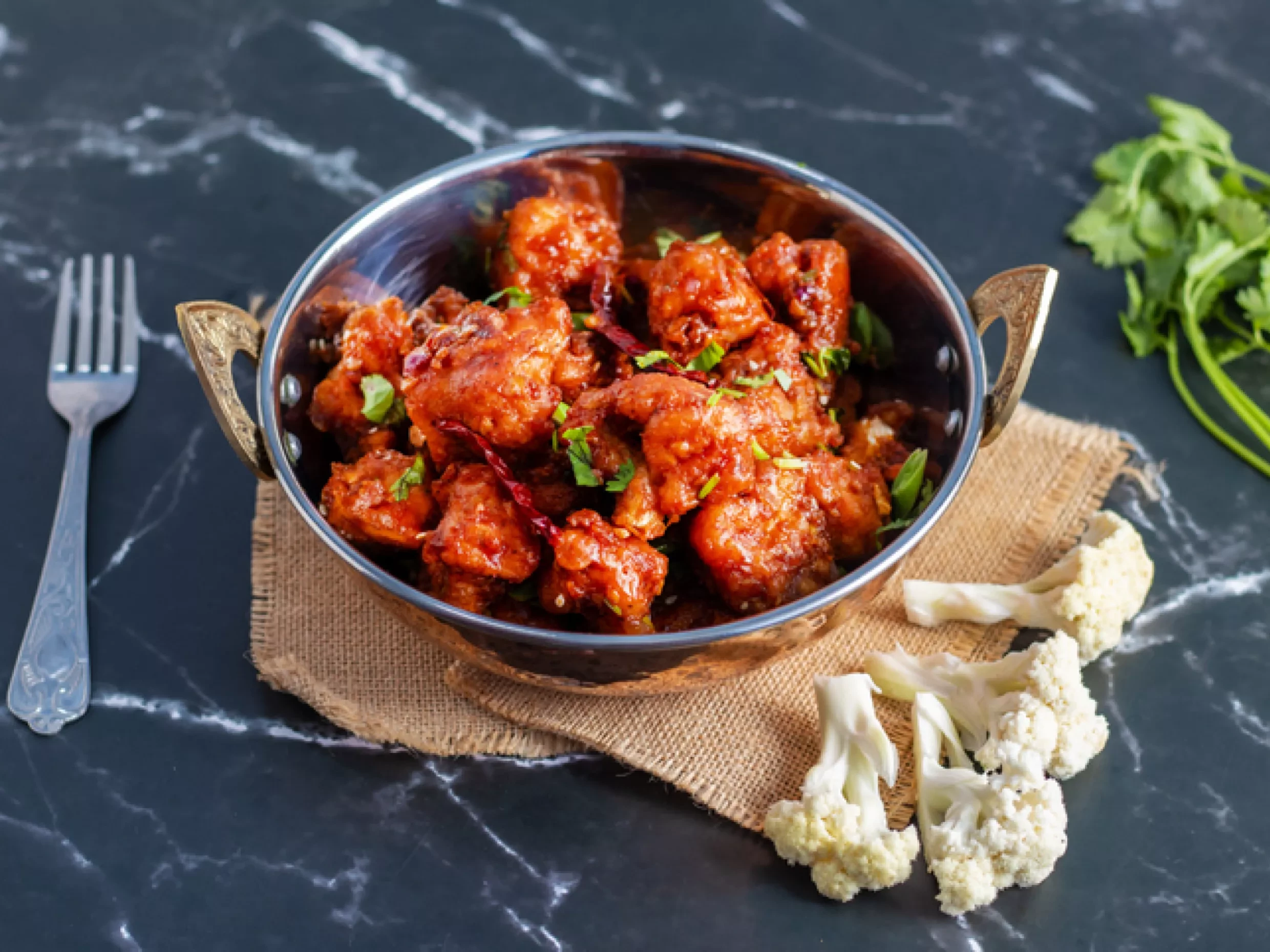
Corn Flour vs. Masa Harina
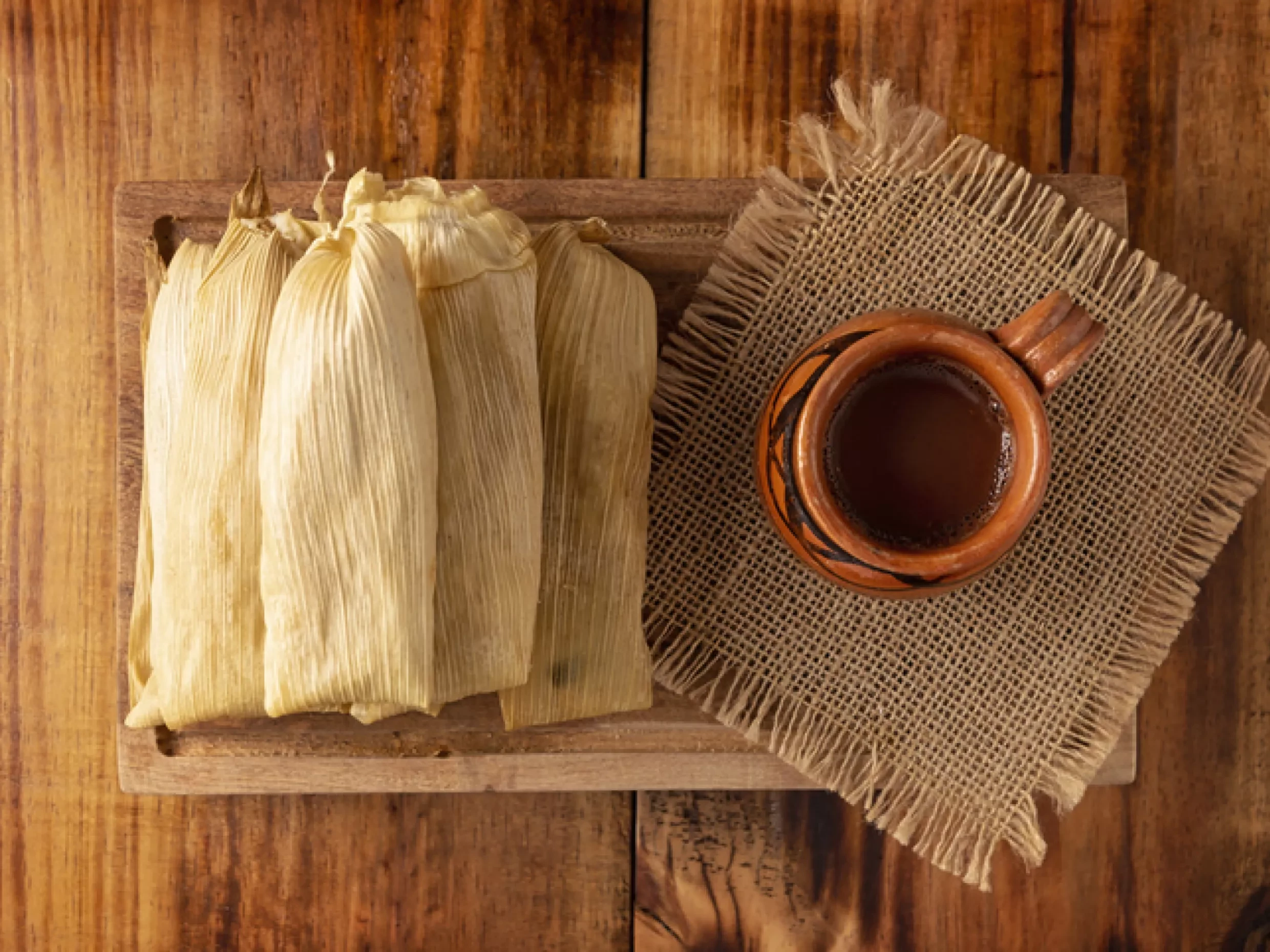
Masa harina is a dried corn dough used in corn tortillas and tamales. Masa harina is made from kernels that are first treated with calcium hydroxide, or slaked lime, to remove the germ from the kernels. It's then finely ground into a dough and dehydrated. While masa harina may look at first glance like corn flour, it has a distinctively deep, tangy flavour that sets it apart from corn flour. Corn flour and masa harina hydrate differently, too. Still, in a pinch, you can likely substitute one for the other.
How to Store Corn Flour
Because it’s a whole-grain flour, corn flour is more perishable than some other flours. It’s milled with the germ and bran, meaning it has a significant amount of naturally occurring oil that can go rancid over time. You can keep corn flour in an airtight container in a cool, dry place for several weeks. After that it’s best to freeze it for up to a year to preserve its flavour and nutrients.