














Sashimi and nigiri both contain raw fish and may appear together on sushi menus, but they are distinct dishes in Japanese cuisine. For more info on the differences between sashimi and nigiri, we consulted Jane Matsumoto, Director of Culinary Arts at The Japanese American Cultural & Community Center (JACCC) and Chris Ono, chef of Hansei at the JACCC.
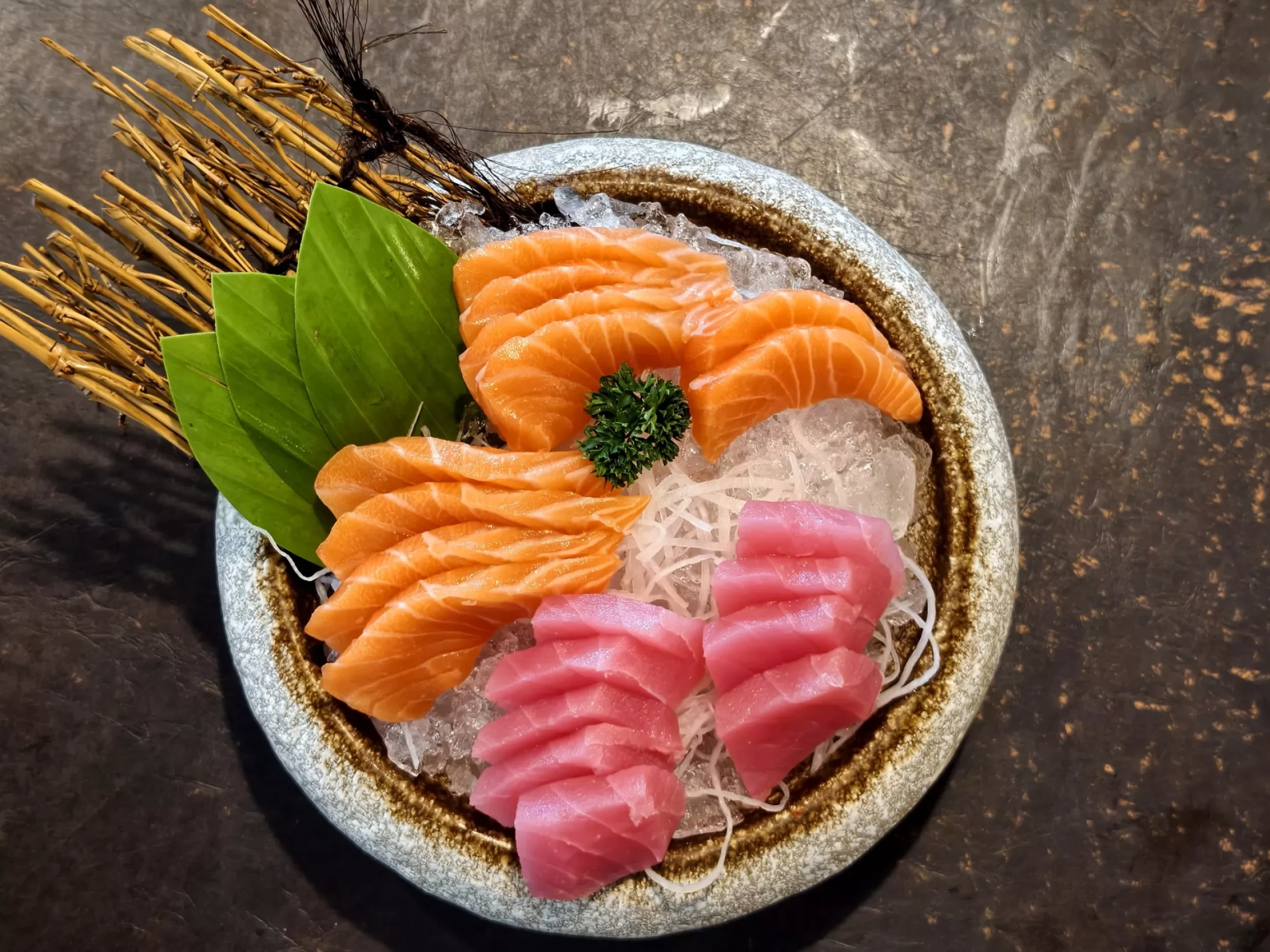
What Is Sashimi?
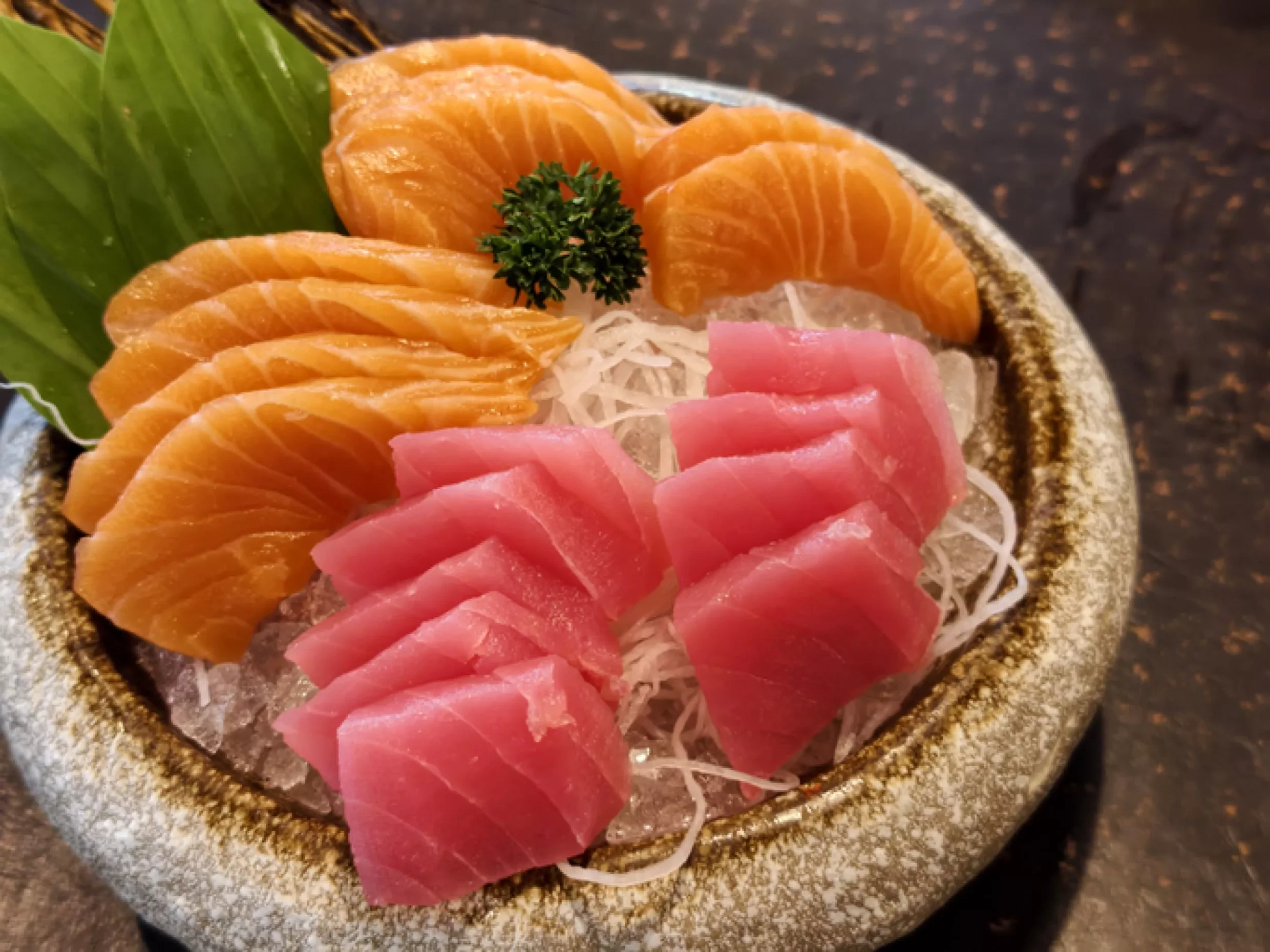
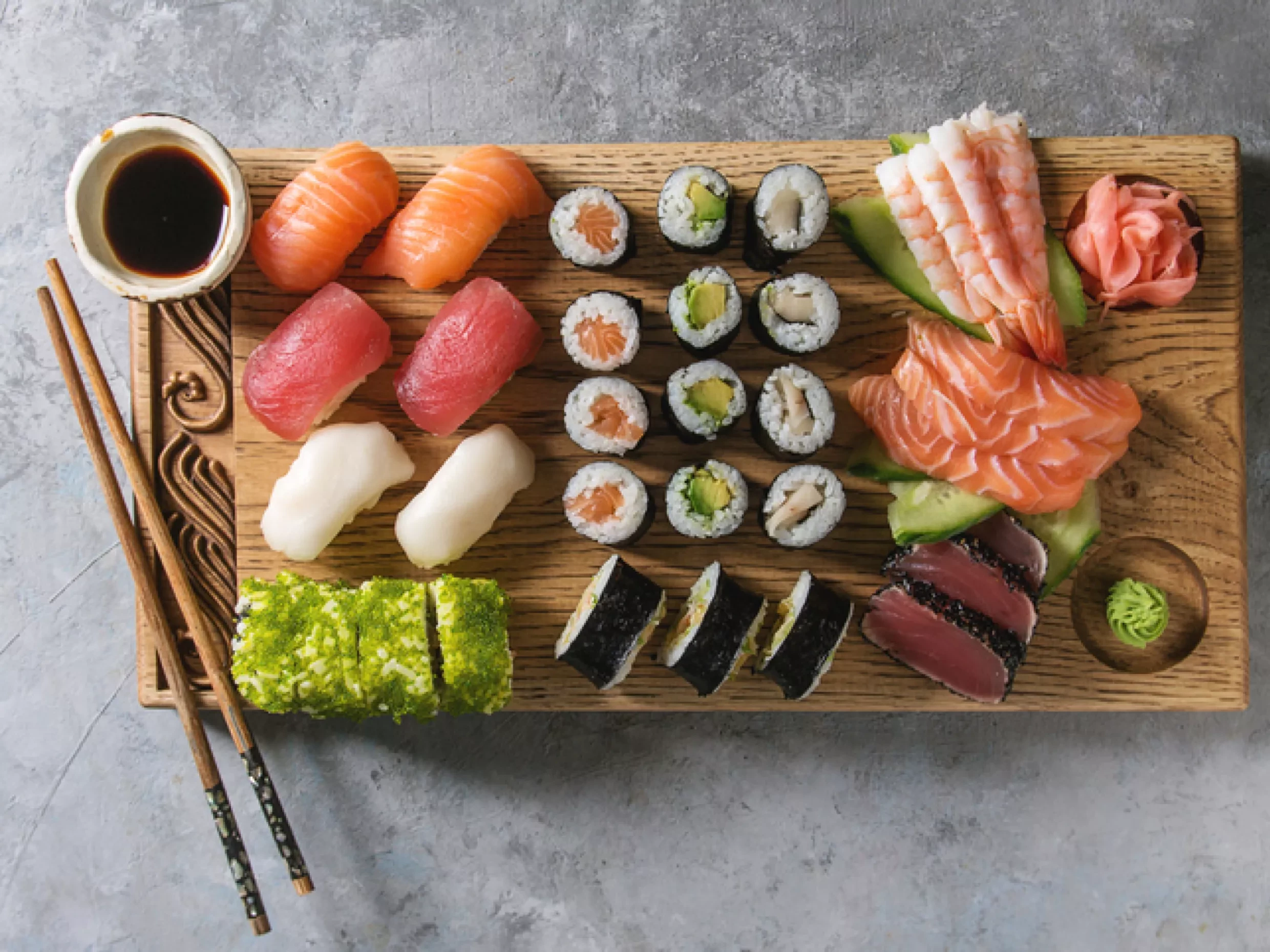
Sashimi is a Japanese dish of sliced raw fish, seafood or protein. Sashimi is served on a platter with garnishes like daikon and shiso leaves, and accompanied by sauces such as soy, ponzu or dashi soyu, and seasonings like yuzu kosho, lemon and sea salt.
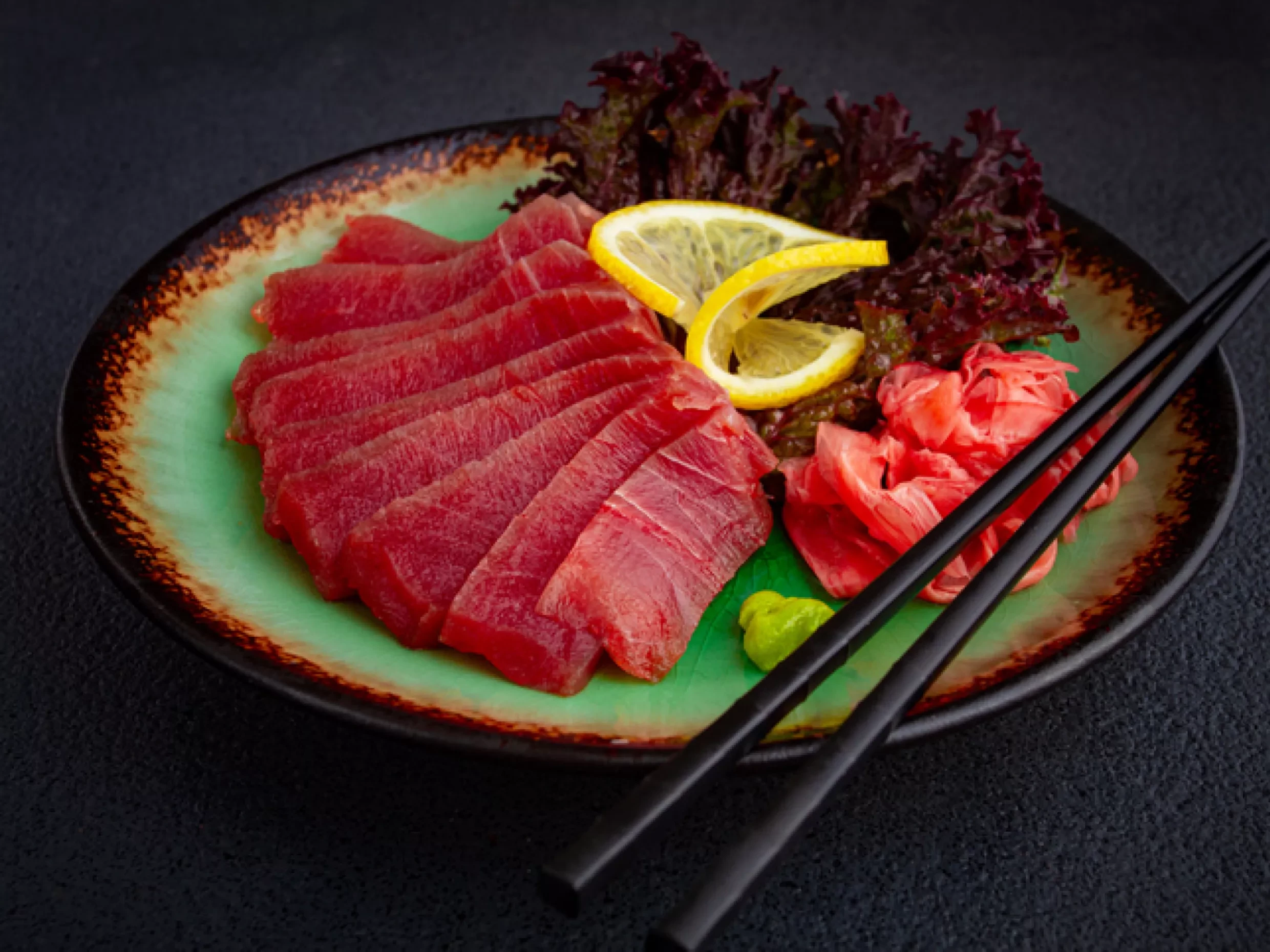
What Is Nigiri?
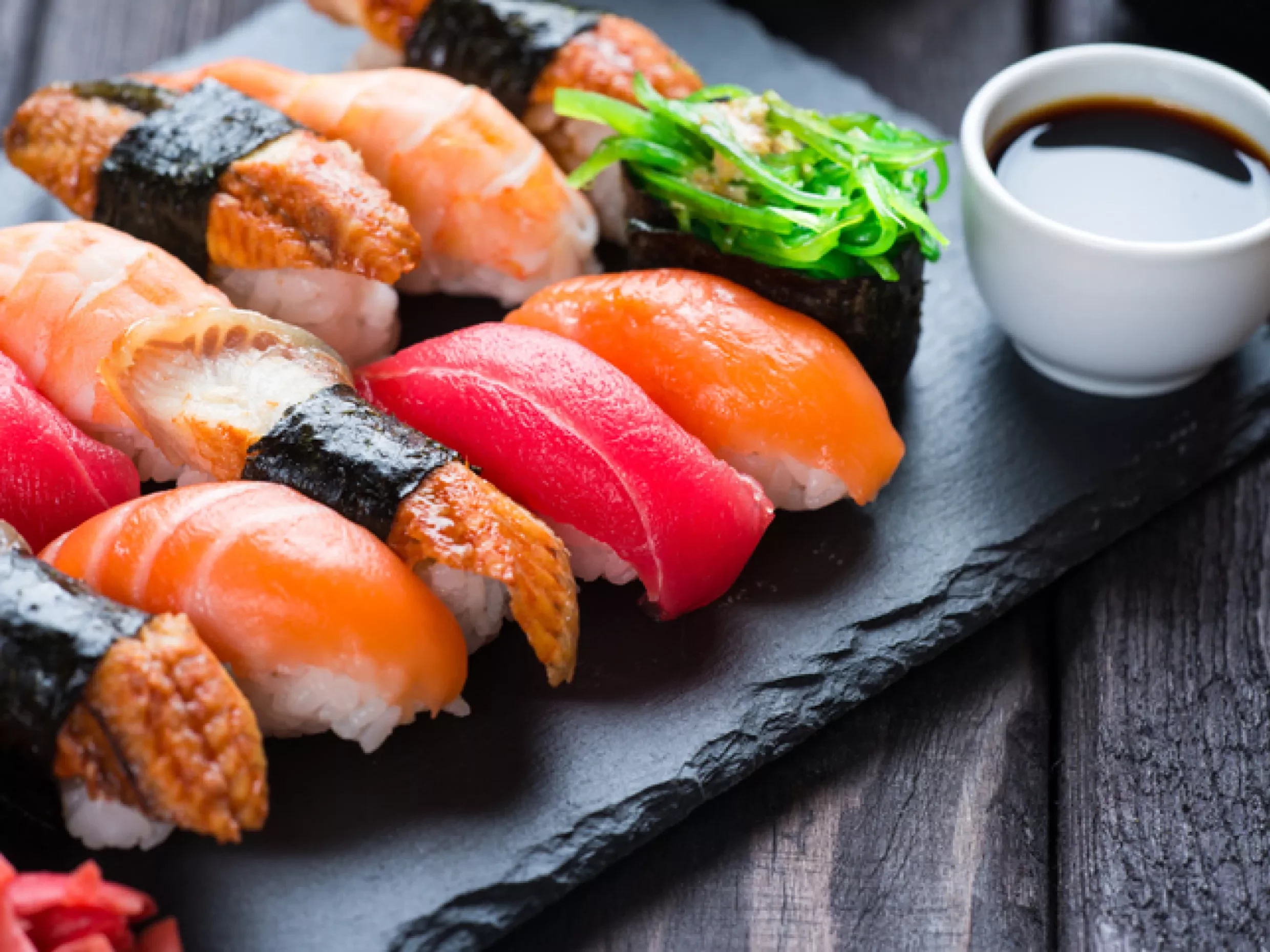
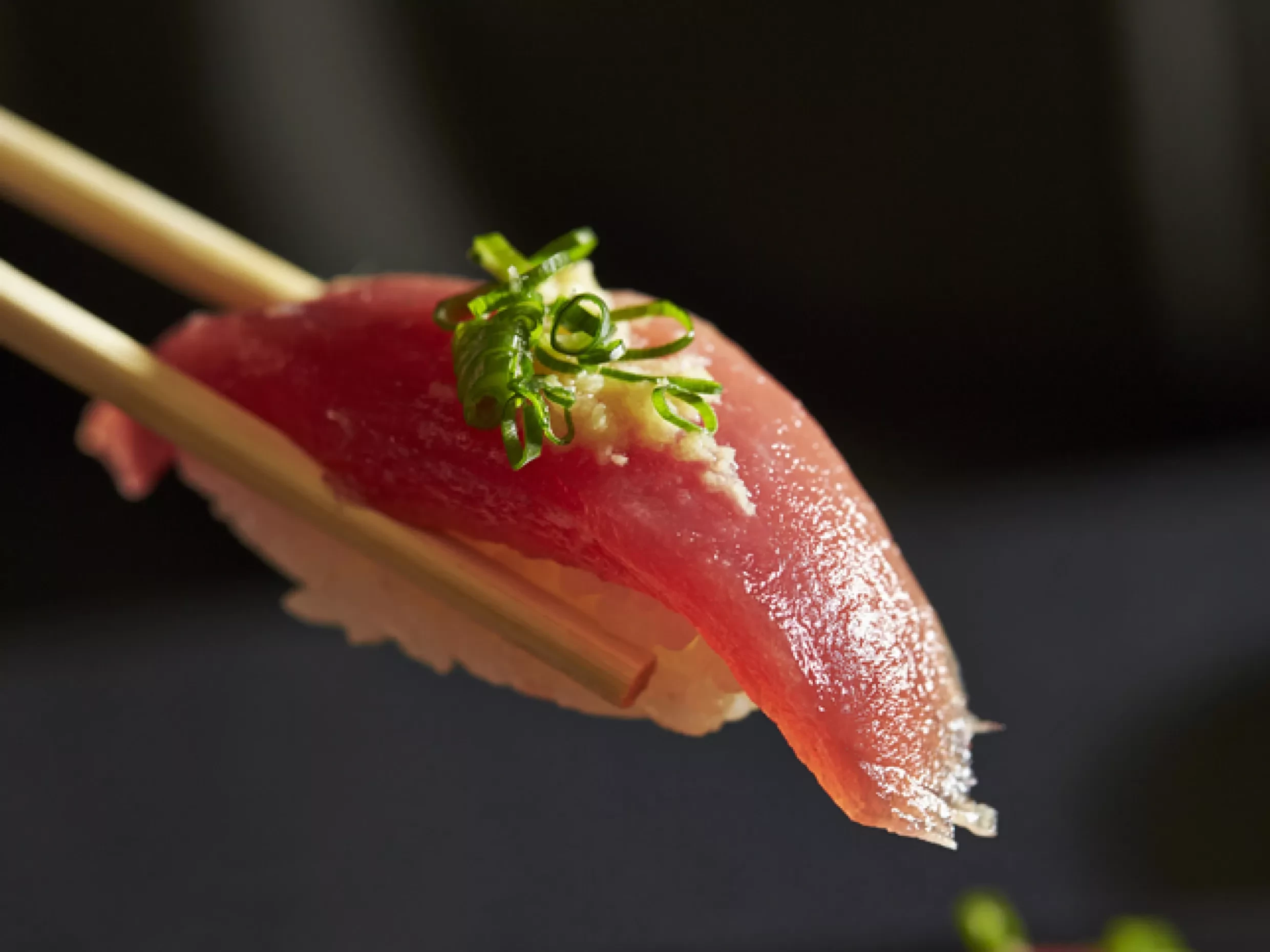
Nigiri is a bite-size piece of raw fish or seafood on top of a cylindrical mound of vinegared sushi rice. Nigiri can be seasoned with soy, wasabi or yuzu kosho, but, in contemporary restaurants, additional spices such as Thai chili or non-traditional herbs and spices are also used, Matsumoto says.
“Making nigiri is the most challenging skill a sushi chef has. It takes many years to be consistent,” Ono says. “The art of a true sushi chef is shaping the same size of nigiri rice each time and then using gentle but abrupt pressure to hold the rice and fish together while still making sure it melts when you eat it.”
How to Eat Nigiri
Since nigiri is intended to be a one-bite dish, Ono and Matsumoto say that it is socially acceptable to eat it with your fingers. However, you can also use chopsticks to eat nigiri if you prefer. Nigiri often comes with a small dish of soy sauce, but it is intended for seasoning the fish only, not the rice. Matsumoto says that Japanese chefs will often say “no soy sauce” when presenting diners with nigiri sushi.
“For those less familiar, it is taboo to drench a small bite of rice into an overflowing dish of soy sauce filled with wasabi,” Ono says. “At higher-end sushi-ya, the sushi chef will apply the soy with a brush and that is all that is needed. True connoisseurs of sushi rarely use any additional condiments, including soy sauce, other than what has been brushed or presented by the chef. It’s trusting the chef.”
Sashimi vs. Nigiri: What Are the Differences?
Sashimi and nigiri are both Japanese preparations of raw fish and seafood, but there are a few differences.
Serving: Sashimi is simply served as slices of raw fish, whereas nigiri is sliced raw fish served on top of a mound or ball of vinegared rice.
Classification: Since nigiri is served with vinegared rice, it is considered a type of sushi. Sashimi is a stand-alone dish, though sashimi (raw fish) is incorporated into many types of sushi.
Ingredients: Sashimi is always raw, whether it’s fish, seafood or another protein. Nigiri can include raw fish as well as cooked components, such as unagi (eel), tamago-yaki (cooked egg) or vegetables.
Portion: Sashimi includes multiple slices of one type of fish, whereas nigiri is a one-bite serving.
Presentation: Sashimi is served with seasonal garnishes and colours and textures that highlight the fish and add dimension to the plate. Nigiri is typically served without any additional garnishes or accompaniments.
Which Is More Expensive, Sashimi or Nigiri?
Sashimi is typically more expensive than nigiri because it is a thicker cut and is a larger portion of protein. Although both sashimi and nigiri require highly technical skills for execution, sashimi often requires more conceptualisation and preparation for the garnishes, accompaniments and overall presentation. “While nigiri refers to the bite-size portion of sushi rice carrying a single piece of fish, sashimi is served in multiple slices per serving. Cutting sashimi also takes some practice, because different types of fish are cut in various thicknesses and therefore consistency is key,” Ono says.