














Black pepper and white pepper obviously differ in colour, but the differences don’t stop there. For more info on the differences between white pepper and black pepper, we consulted Ethan Frisch, co-founder and co-CEO of Burlap & Barrel, a single origin spice company sourcing high-quality spices for home cooks and professional chefs.
White Pepper vs. Black Pepper: What’s the Difference?
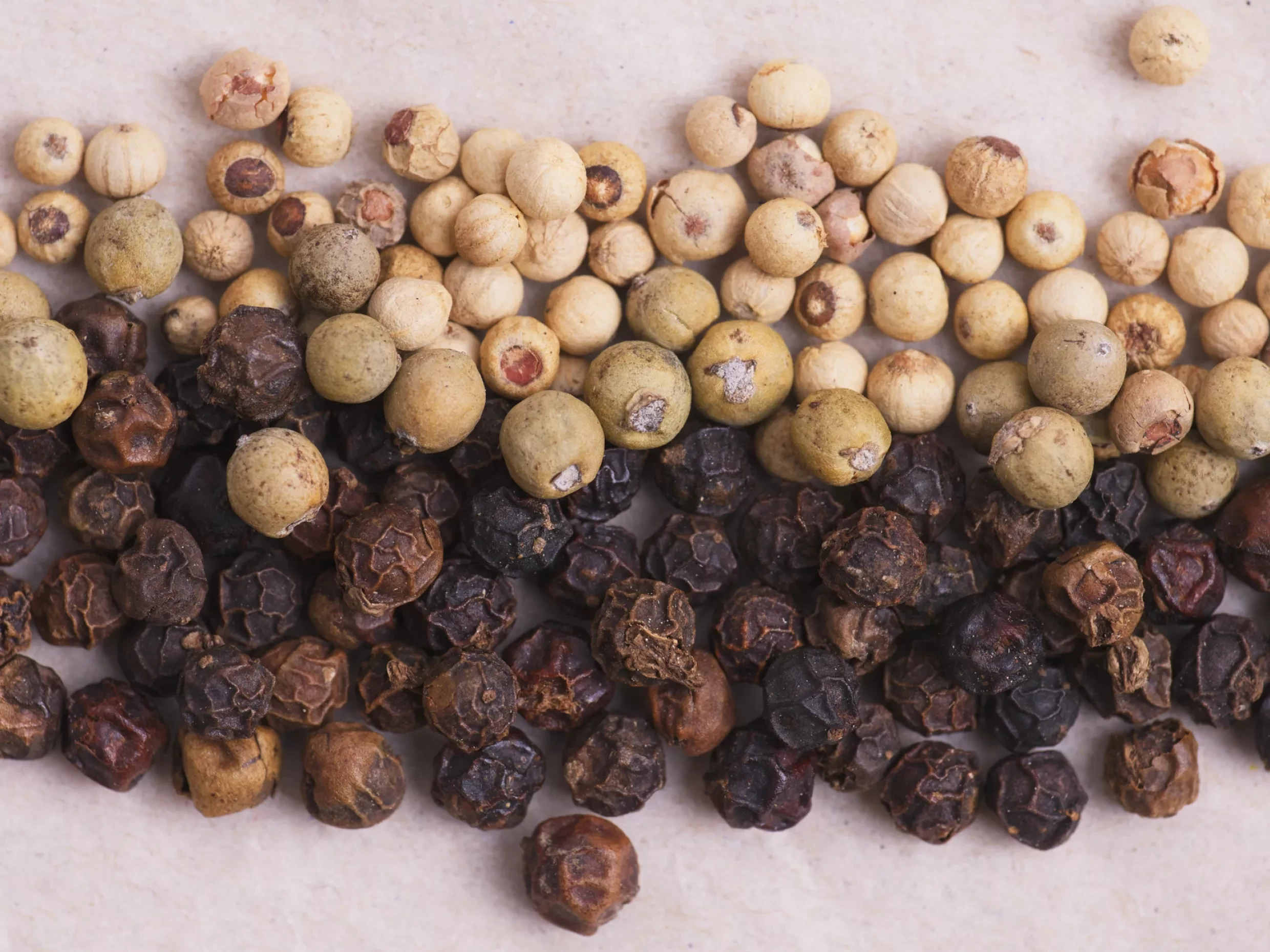
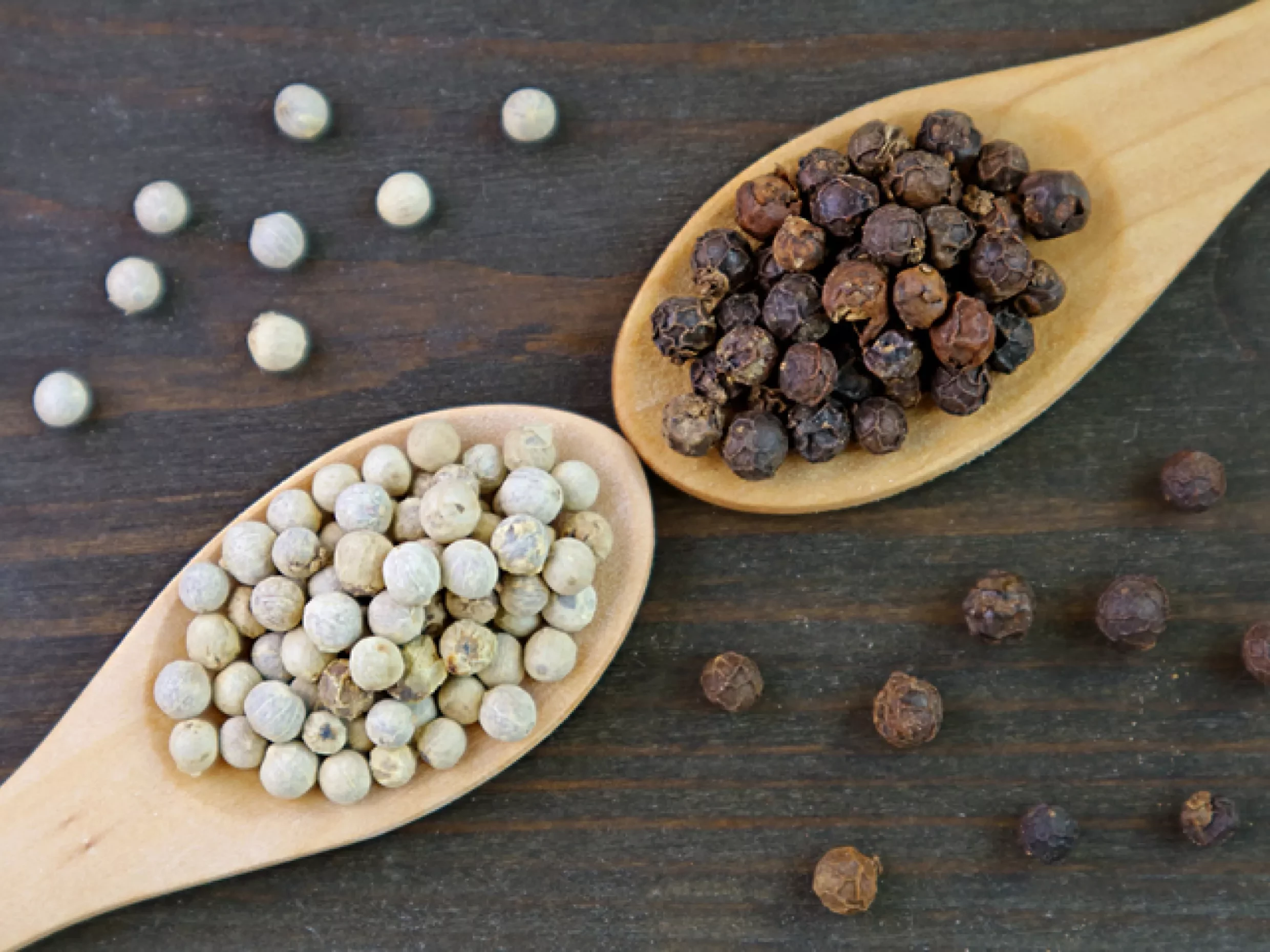
Although black peppercorns and white peppercorns come from the same plant, they're dried differently and as a result, have a different appearance and flavour.
Origin
Black peppercorns and white peppercorns are both made from the fresh berries of the piper nigrum pepper vine, a plant native to South and Southeast Asia. Both types of peppercorns contain the antioxidant compound piperine, which is found in the inner pit of the peppercorn. Piperine is what activates the temperature receptors on our tongue, creating heat or a spicy sensation.
Appearance
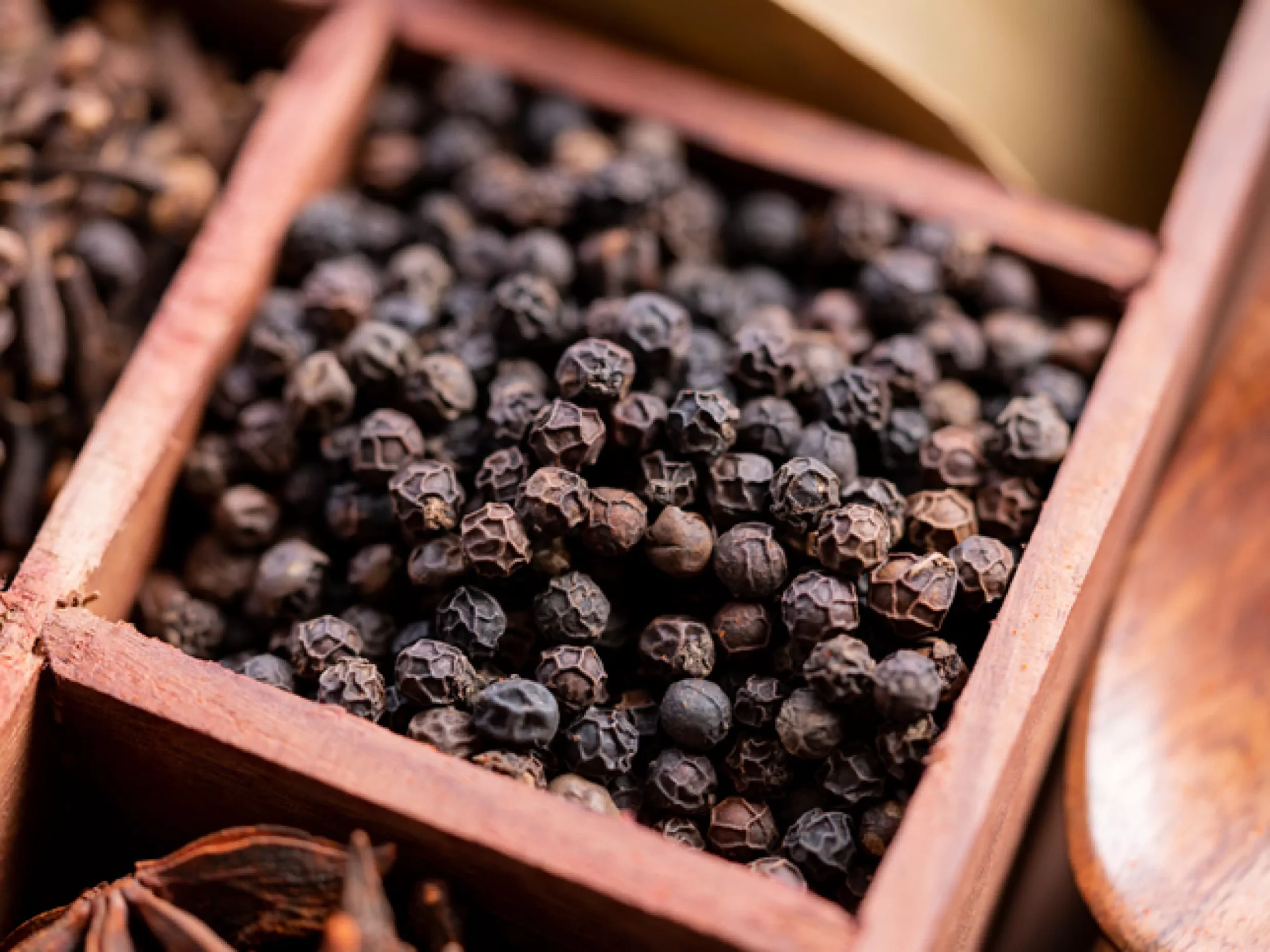
“Most of the other sweet and savoury flavours come from the fruit of the peppercorn, which wrinkles and turns dark as it ripens, and that's what makes black peppercorns look black,” Frisch says.
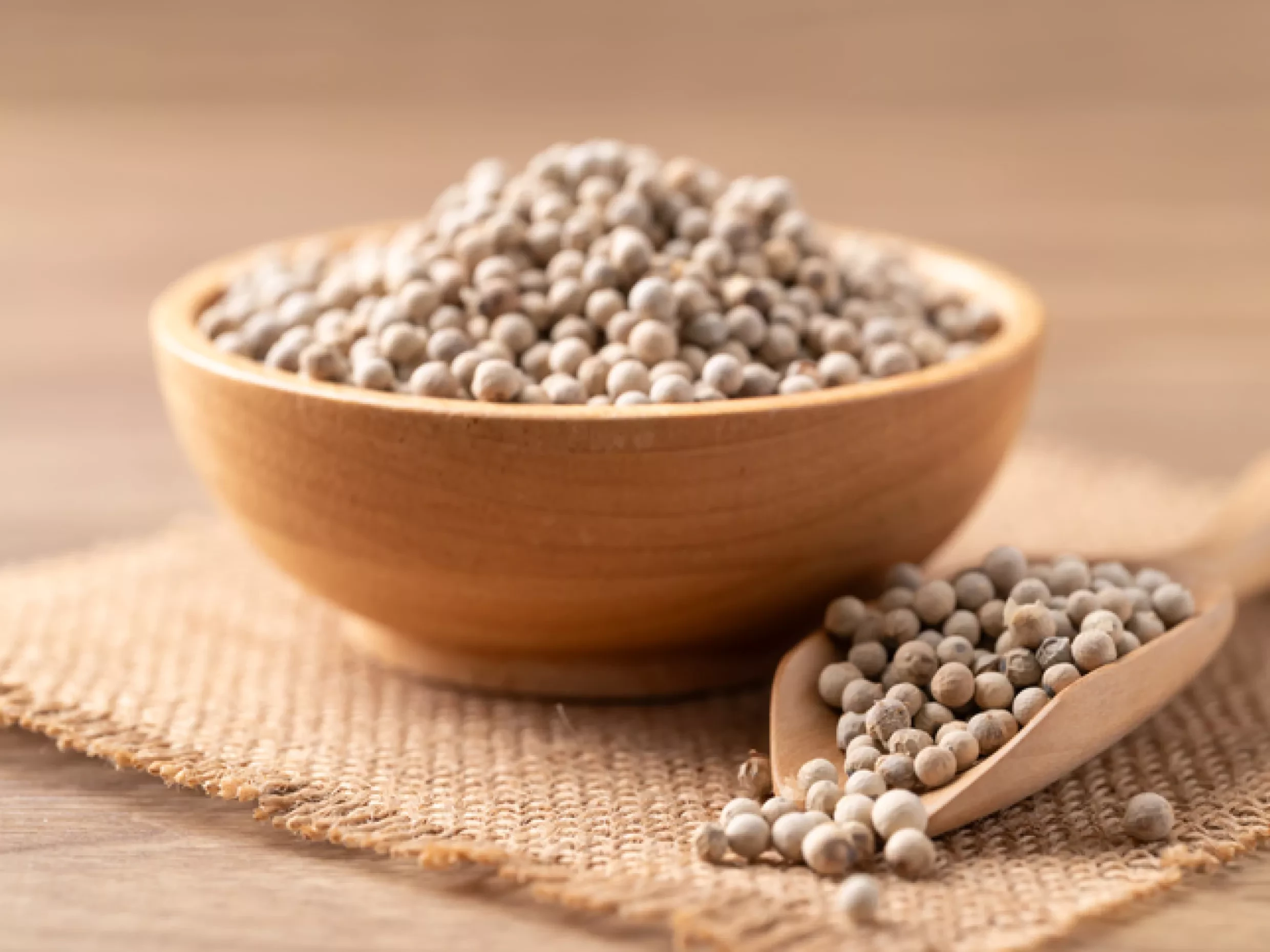
White peppercorns’ skin has been removed prior to the drying process, which accounts for the difference in colour.
Flavour
Black peppercorns typically are hotter than white peppercorns, while white peppercorns have earthier flavours. That's because white peppercorns are soaked in water to remove the skins; the duration of soaking time impacts depth of fermented flavour, ranging from mild to funky.
Frisch says that the varietal, terroir and agricultural techniques can also impact taste differences. “For example, our Zanzibar Black Peppercorns grows mostly wild in the jungle, atypical for black pepper - dryer and sandier than you'd typically look for - and the result is a very intense flavour because the plant has to struggle to thrive. It has a lemon zest aroma and an intense heat that creeps up on you.”
Where Do Peppercorns Come From?
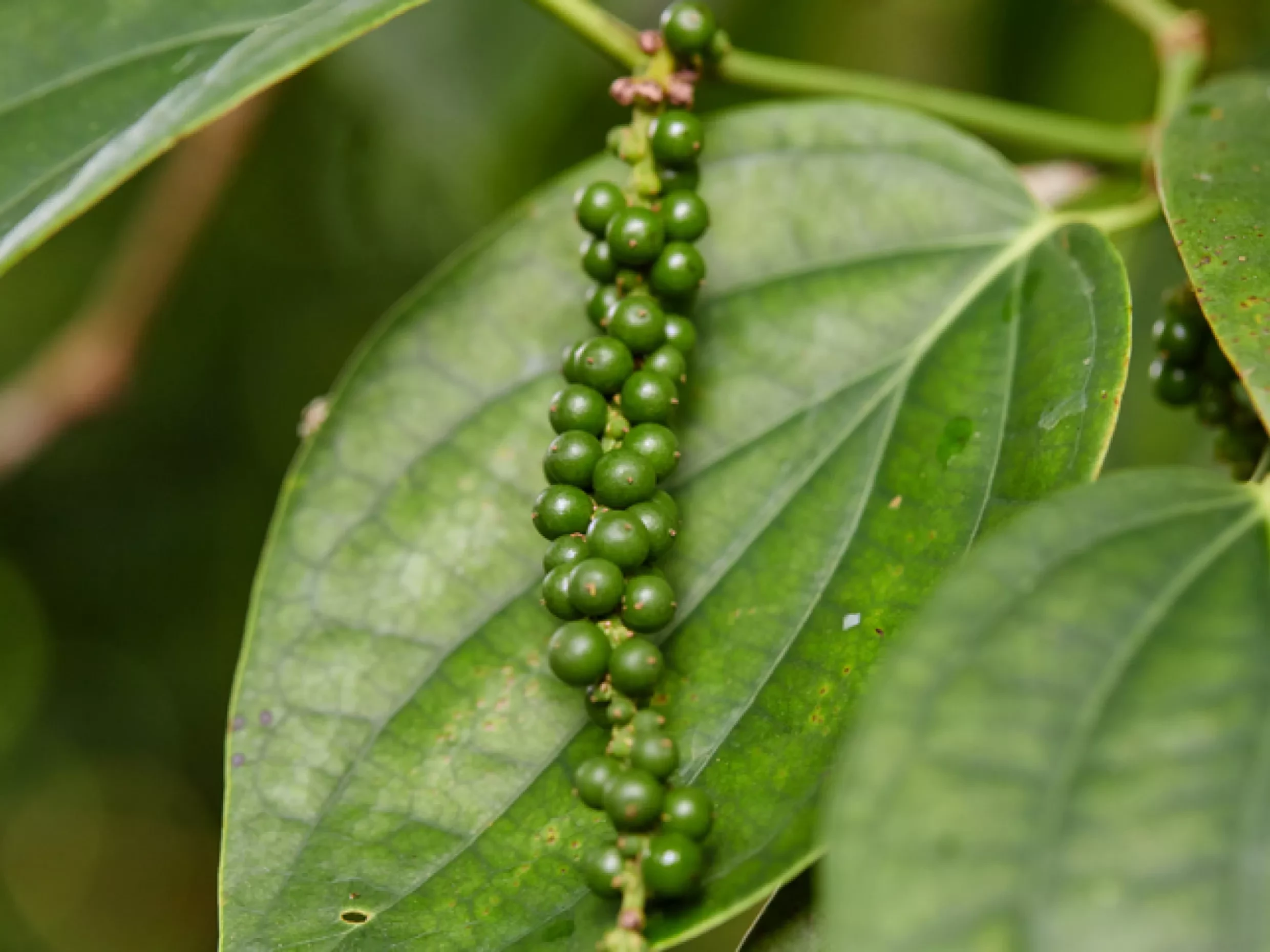
“Peppercorns grow in little bunches like grapes, along a central stalk. Tiny white flowers on the stalk are pollinated by raindrops, and each flower grows into a single peppercorn,” Frisch says. “The plant itself is a climbing vine, and the best pepper farms cultivate their vines on tall, skinny trees. Lower quality pepper is grown climbing up concrete poles or stacks of cinderblocks.”
All peppercorns start out green, then turn orange and red as they ripen, like tomatoes. “The vast majority of commodity pepper (both black and white) is harvested under-ripe because the sharper flavour will last longer. Better peppercorns are picked as they ripen, for a more complex, nuanced and fruitier flavour,” Frisch says.
Where Does Black Pepper Come From?
To create black pepper from green peppercorns, farmers dry the unripe fruit either in the sun or mechanically. This darkens and puckers their outer skins. The majority of the world's black pepper comes from Vietnam.
Where Does White Pepper Come From?
White peppercorns come from the same fruit, but the skins are removed. Frisch explains that there are two traditions when it comes to white pepper: “The European tradition, which is primarily about colour rather than flavour, and the Southeast Asian and Cantonese tradition, where the fruit of the peppercorn is used to ferment the pit for a much more savoury, umami flavour.” He adds that in both cases, the fresh peppercorns (typically green, or early in the ripening process), are soaked in water to loosen the skin. The fresh peppercorns are soaked for a couple of days (European tradition), or up to a couple of weeks, like the funky, fermented white pepper from Banka Island in Indonesia.
Is Black Pepper Good for You?
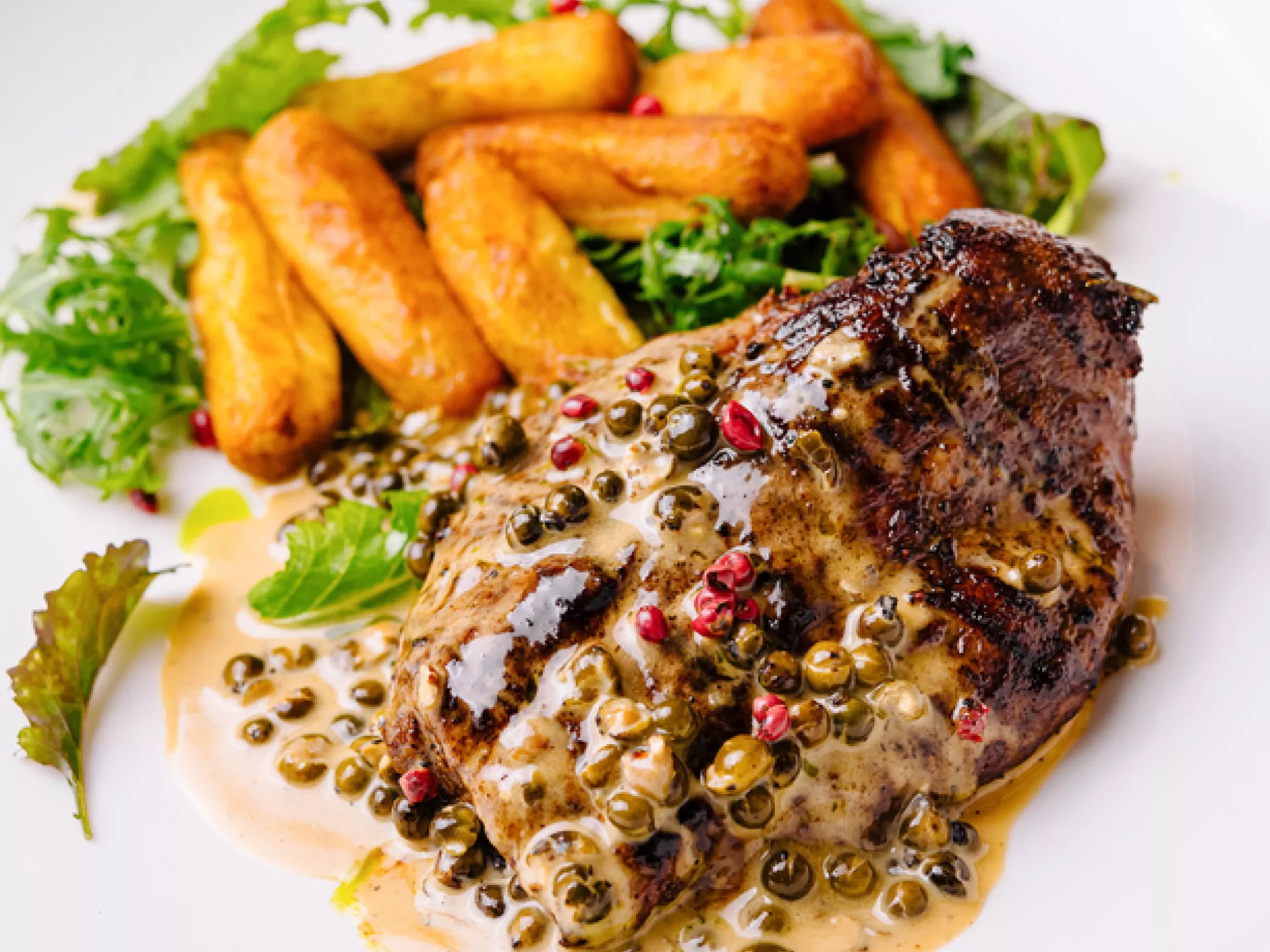
Both black and white peppercorns contain the antioxidant compound piperine, the same thing that creates the sensation of heat or spiciness on our tongue. Piperine is said to help improve blood circulation and reduce inflammation. Frisch shares that piperine is “especially powerful as an enhancer of nutrient bioavailability. It enables us to absorb more of the beneficial micronutrients in other foods so that we can maximise their impact.” This, he explains, is why turmeric and black pepper are often paired together in recipes or supplements, since the piperine helps the body make the most of the curcumin in turmeric.
How to Use White Pepper
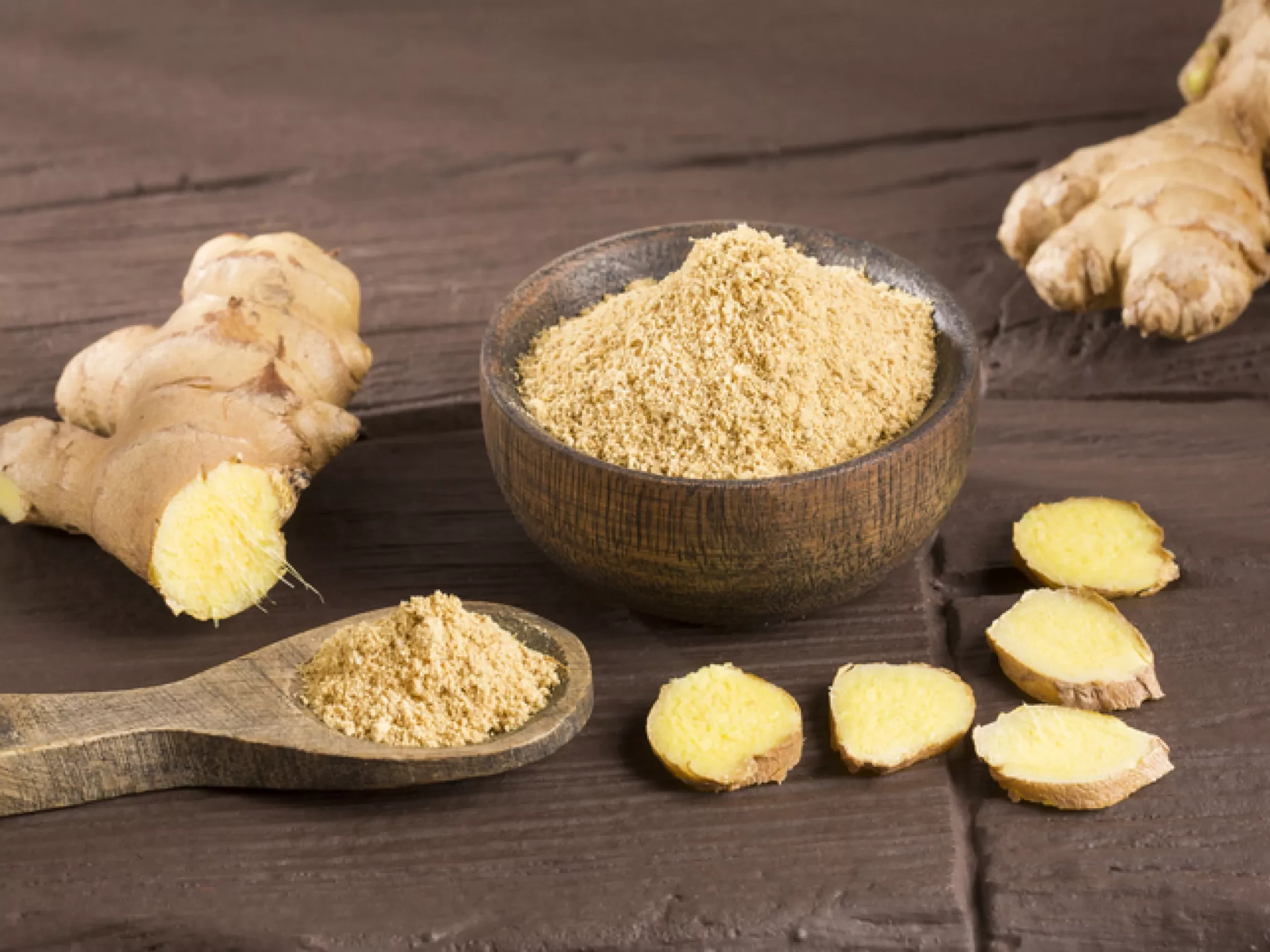
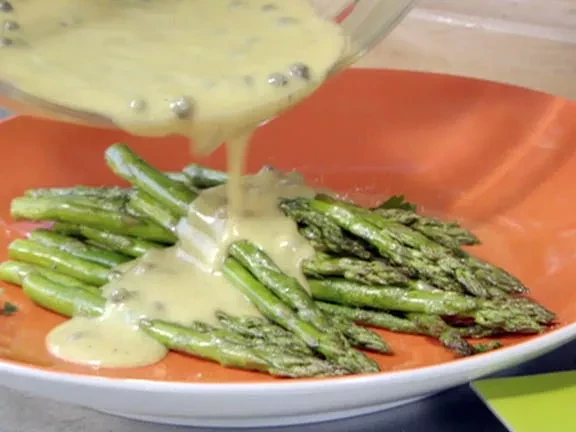
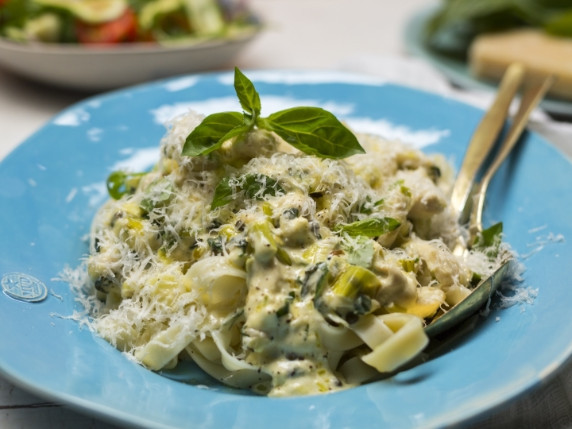
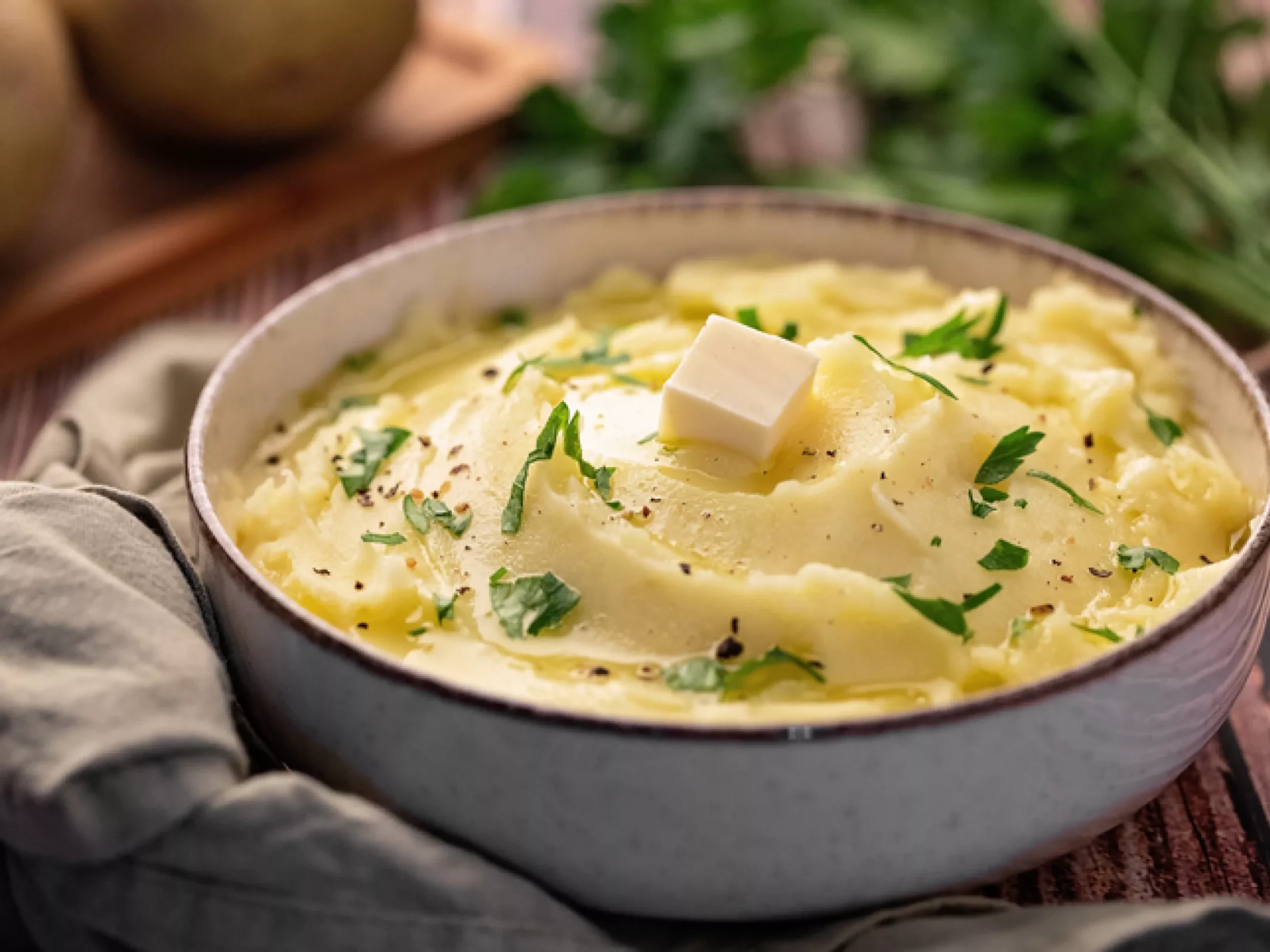
White pepper makes an excellent addition to savoury, creamy-based dishes as well as starches such as mashed potatoes and rice porridge. “It pairs well with nutmeg and ginger in savoury dishes, along the lines of a French four-spice blend,” Frisch says. It's commonly called for in light coloured or white dishes, such as cream sauce, where the flavour but not the appearance of pepper is desired.
If you can get your hands on fermented white pepper, use it; it adds lovely umami and depth of flavour to cooking. “Fermented white pepper has a similar flavour profile to ingredients like miso, fermented soybeans, certain dried cheeses and nutritional yeast, so it can be used as an umami booster, especially in vegan alternatives to traditional dairy dishes.”
Substitute for White Pepper
Frisch says that the best substitute for white pepper is black pepper, adjusted to taste. He also suggests experimenting with a combination of ground ginger and nutmeg as a possible alternative to white pepper.