






Sashimi and sushi are distinct types of raw fish preparations in Japanese cuisine. To learn more about the differences between sushi and sashimi, we consulted Jane Matsumoto, Director of Culinary Arts at The Japanese American Cultural & Community Center (JACCC) in Los Angeles, and Chris Ono, chef of Hansei at the JACCC.
What Is Sashimi?
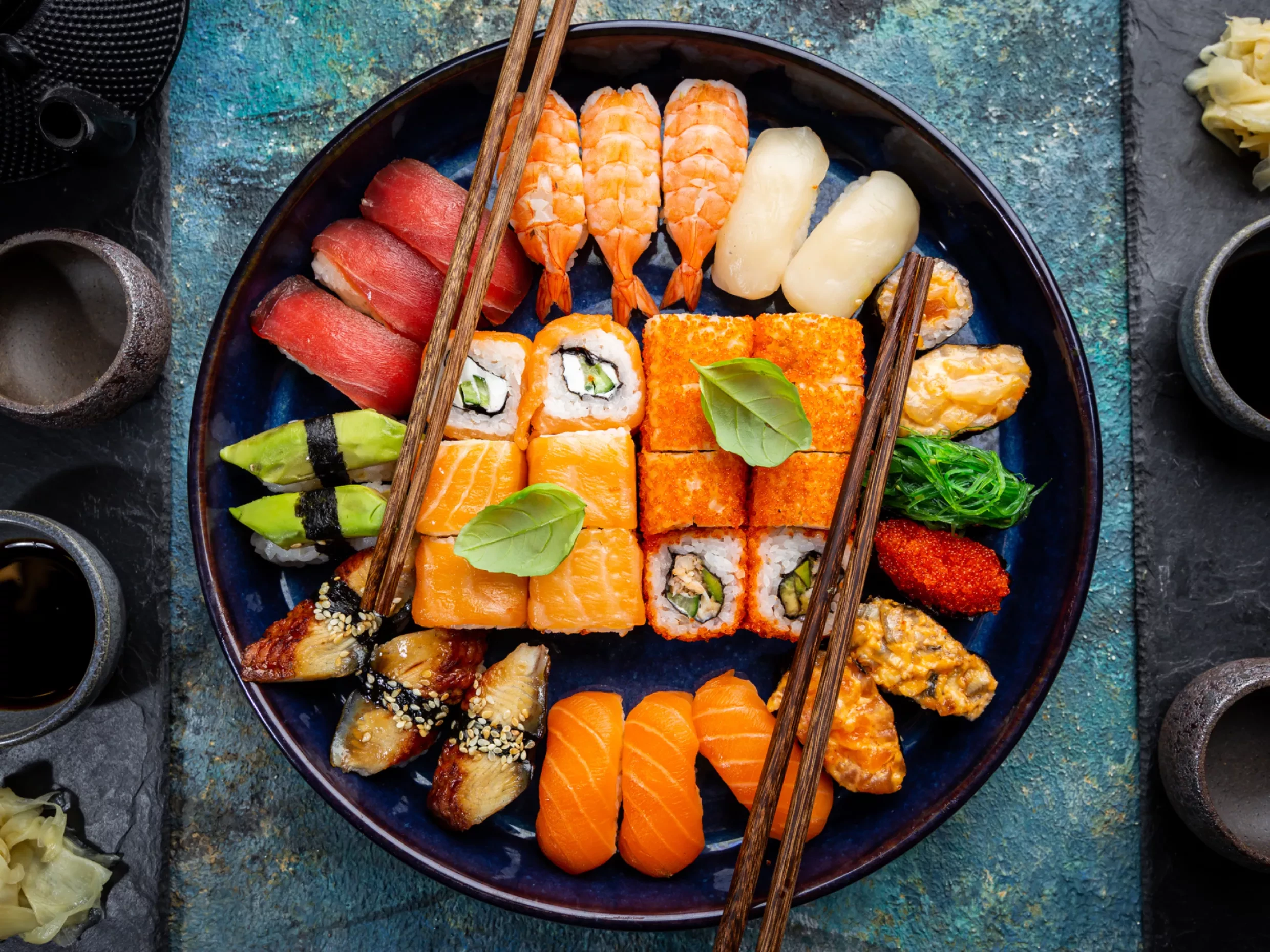
Sashimi is a dish of premium, sliced raw fish (or seafood or other protein) that originated in Japan. Sashimi is typically served on a platter with garnishes such as daikon radish and shiso leaves and accompaniments such as soy sauce, grated wasabi and ponzu.
What Is Sushi?
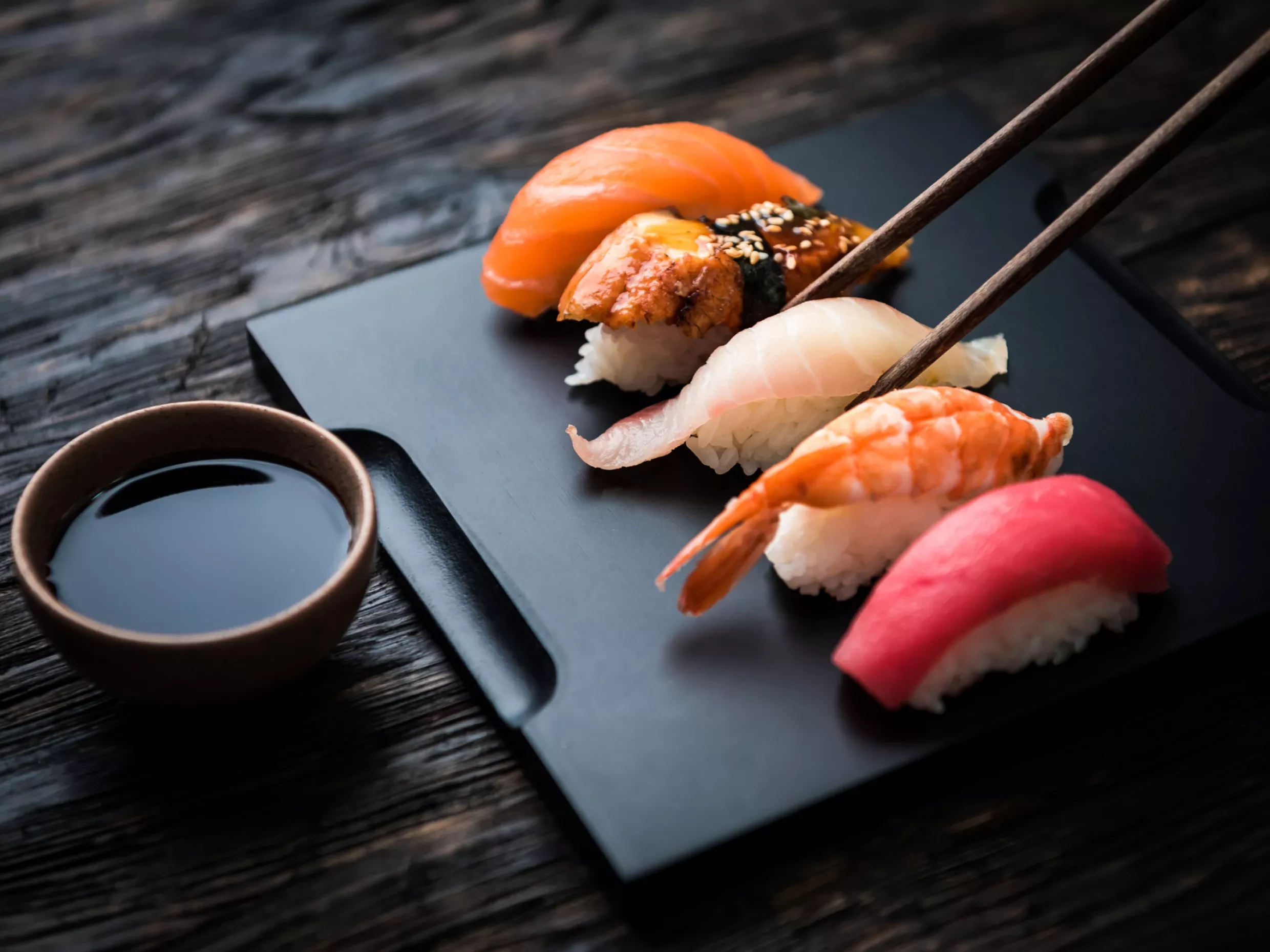
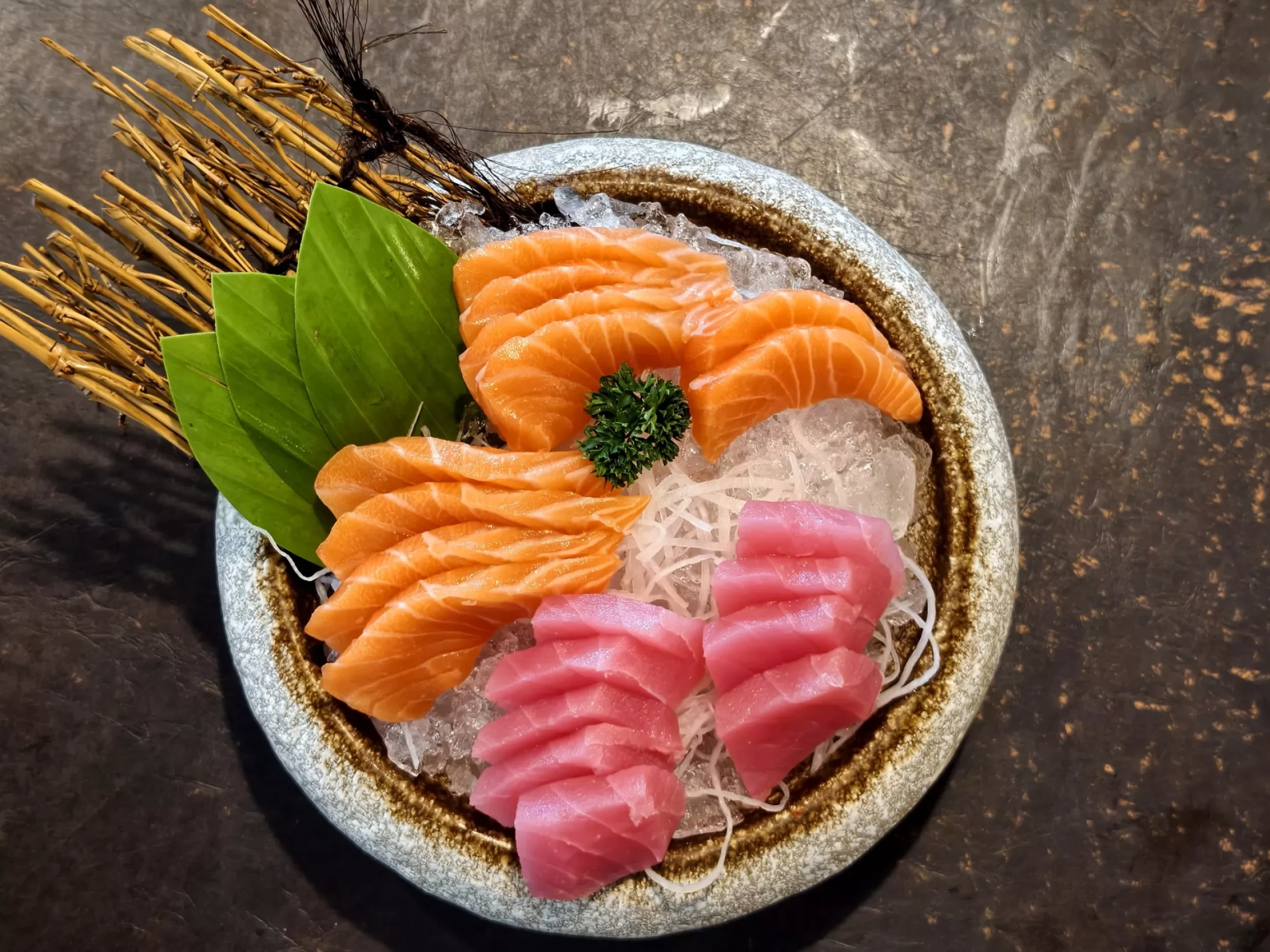
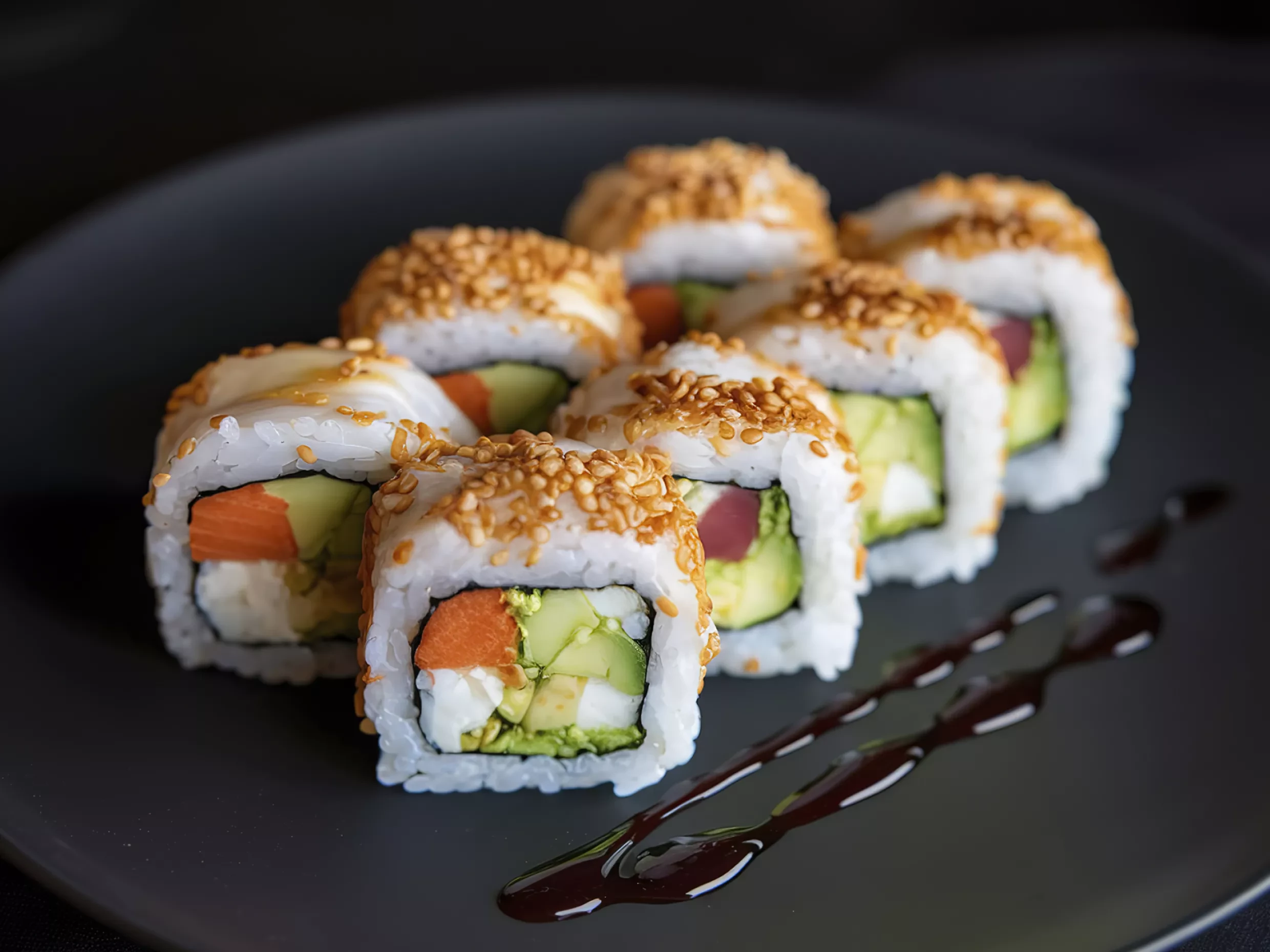
Sushi is vinegared rice either topped with sashimi or rolled with ingredients, such as raw fish or seafood; cooked components like fish, seafood and eggs; or raw, cooked or pickled vegetables. As for how to eat sushi, Ono says that dipping sushi rice into the soy sauce first is a no-no. “I would also say respect the sushi chef and trust him. They are master chefs who have spent decades honing their skills,” Ono says.
Sashimi Vs Sushi: What Are the Differences?
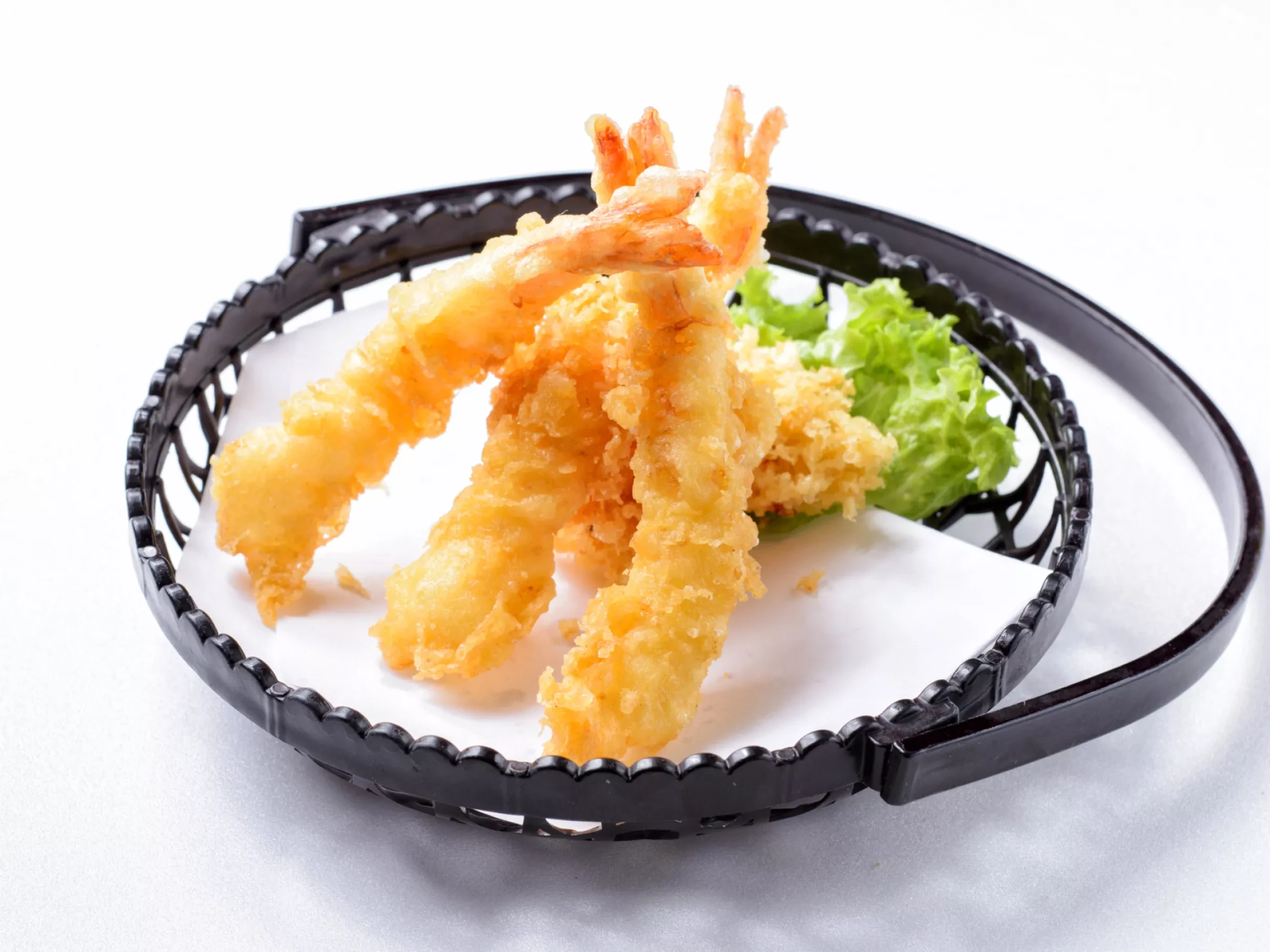
Sashimi is slices of raw, high-quality fish, whereas sushi incorporates sashimi (raw fish) but must include vinegared rice for it to be considered sushi. And sushi can also incorporate cooked components, such as shrimp tempura or eggs, whereas sashimi only includes raw fish, seafood or protein.
“Sashimi is a little different from sushi and is part of other Japanese forms of cooking,” Ono says. “For example, in the progression of a kaiseki meal there is a sashimi course. Some modern restaurants incorporate sushi as the main course in a kaiseki meal. But, typically, since sushi requires so much prep and labour, it stands on its own.”
Popular Types of Sushi
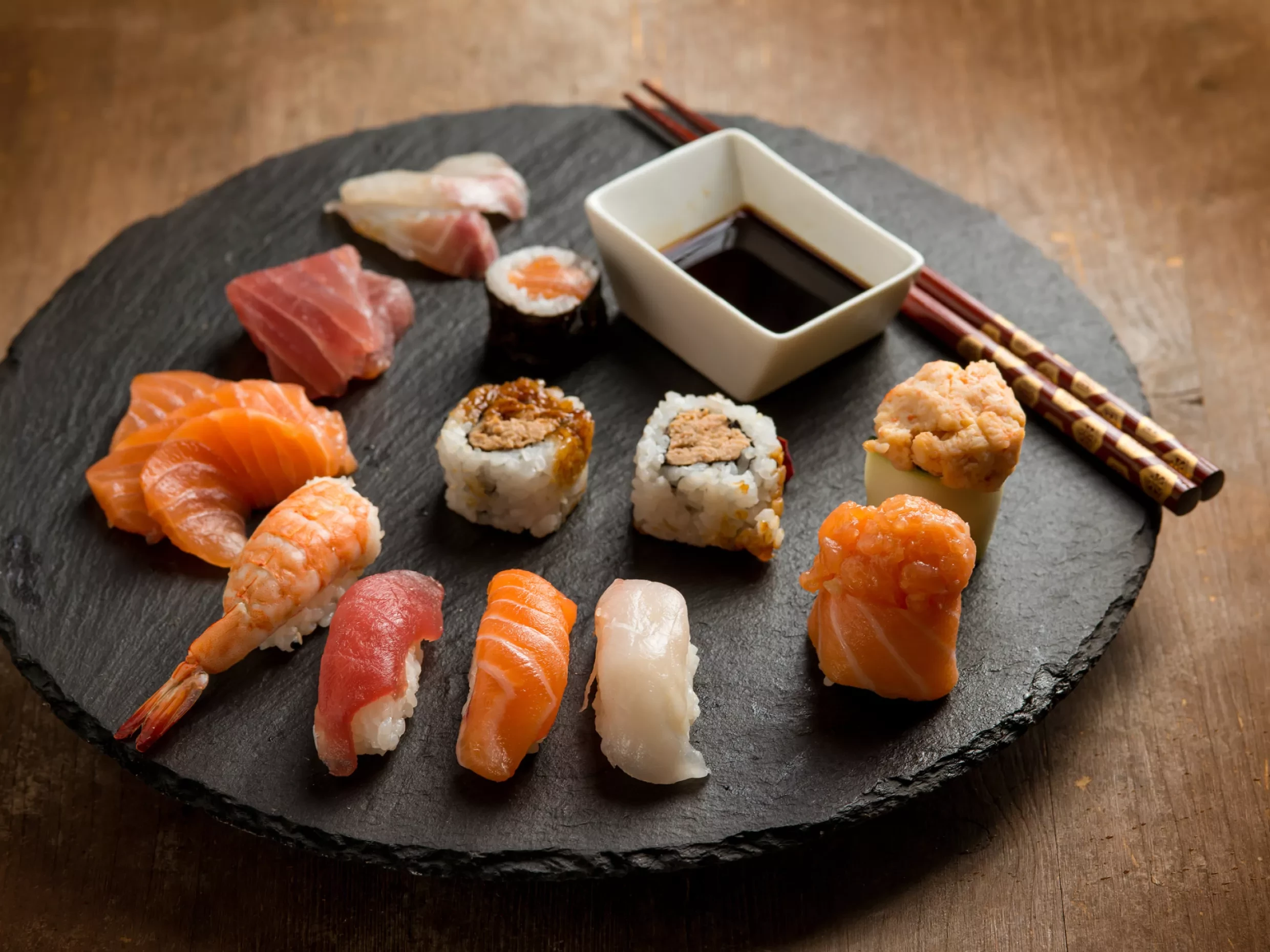
Nigiri is vinegared sushi rice formed into a one-bite cylindrical shape topped with one piece of sashimi (raw fish) or a cooked component such as eel, egg, vegetable or seafood.
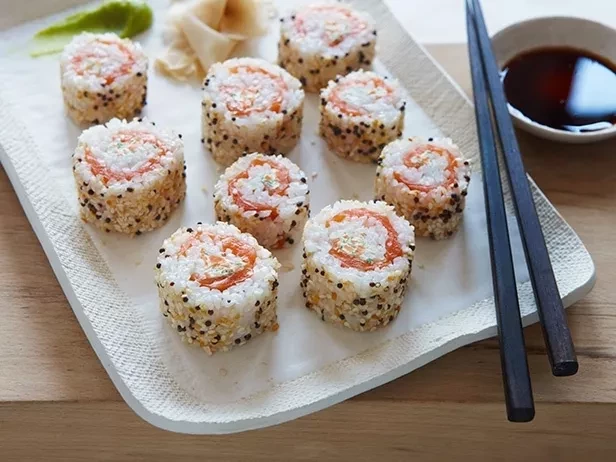
Maki is vinegared rice with toppings traditionally rolled with seaweed, then sliced into rounds. Some contemporary versions use soy wraps in place of seaweed.
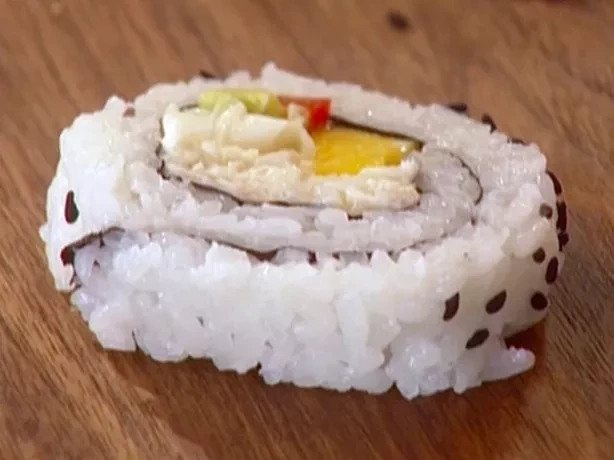
Uramaki is also known as a reverse roll and features seaweed on the inside with toppings rolled into a cylindrical shape.
Temaki is also called a hand roll and features a cone of seaweed wrapped around rice and fillings.
Chirashi is a bowl or serving dish of vinegared sushi rice topped with several pieces of sashimi.
Oshizushi is one of the oldest forms of sushi. Also known as pressed sushi, fresh fish such as sake (salmon) is layered with sushi rice in a special box, compressed and then sliced into small, rectangular pieces.