









Sugar, milk, cream, syrup, even whisky… now mushrooms in coffee? But don’t worry, we’re not talking about a cappuccino with a button mushroom floating on top. This is the relatively new trend of adding extracts of medicinal - sometimes known as functional - mushrooms into coffee. Marketeers say it can help reduce stress and anxiety, boost mental clarity, focus, and energy levels, and help to improve sleep. So what actually is mushroom coffee, and can it do all the things it claims? Let’s find out.
A Short History of Mushrooms as Food & Medicine
If you really want to dig into the history of mushrooms, then the archaeological evidence is a good place to begin. This suggests we’ve been eating them for at least 14,000 years, possibly much longer. By classical antiquity, the Greeks and Romans were writing about edible mushrooms, with some being revered as food for the gods.
By around the first century AD, ancient Chinese medical texts recorded the use of certain fungi, and during the Eastern Han Dynasty (25 AD - 220 AD), the Shennong Bencao Jing recorded traditional medicinal uses of certain fungi, including reishi, which was associated with vitality and longevity.
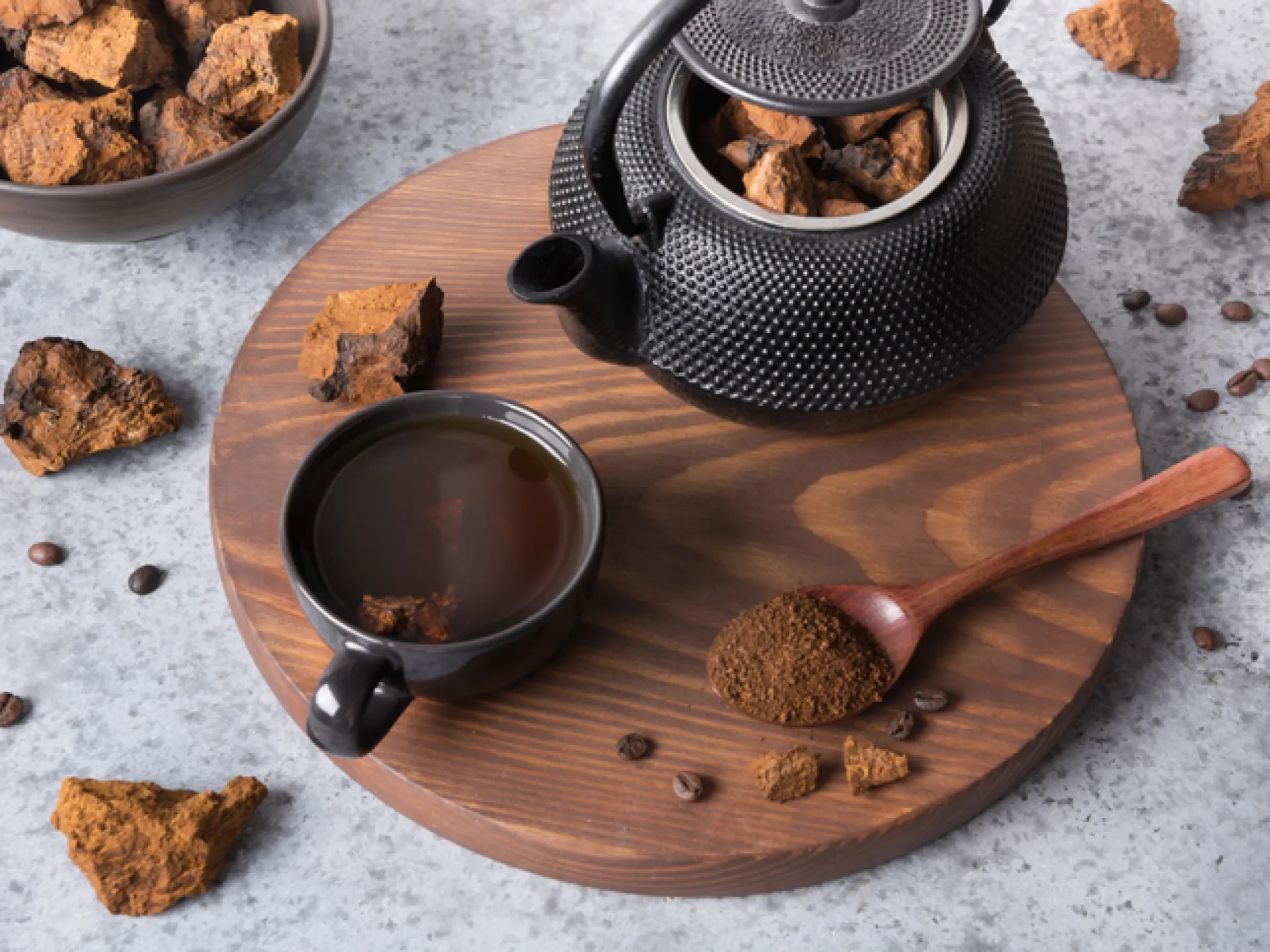
During the Second World War, coffee shortages in Finland prompted the use of substitutes such as chicory and roasted grains. Finnish soldiers are also reported to have brewed chaga, a fungus found on birch trees in colder northern climates, as an alternative to coffee. Today’s version of mushroom coffee ties these together - pairing coffee with mushrooms marketed for potential health and wellness.
What is Mushroom Coffee, & What Does It Taste Like?
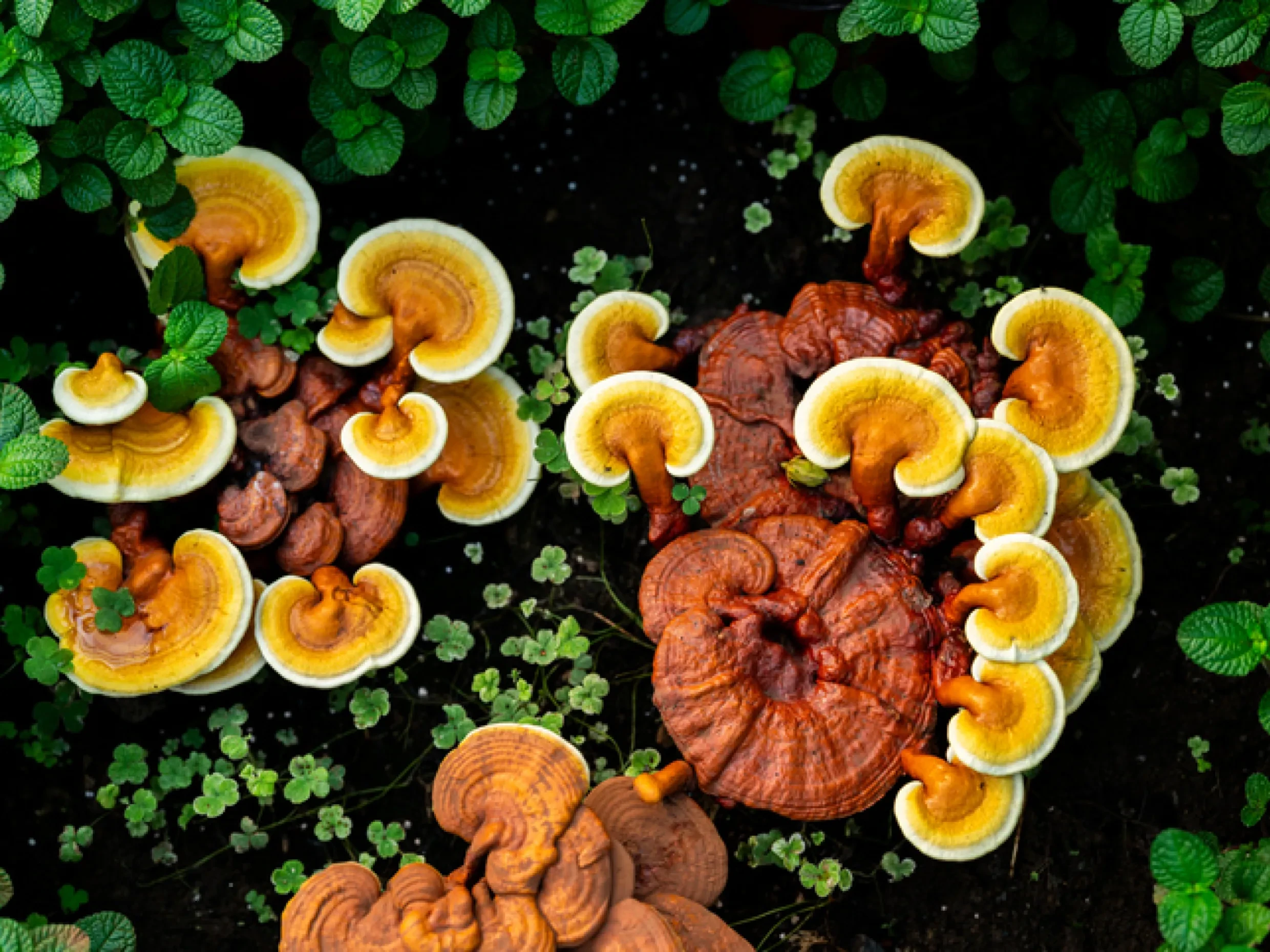
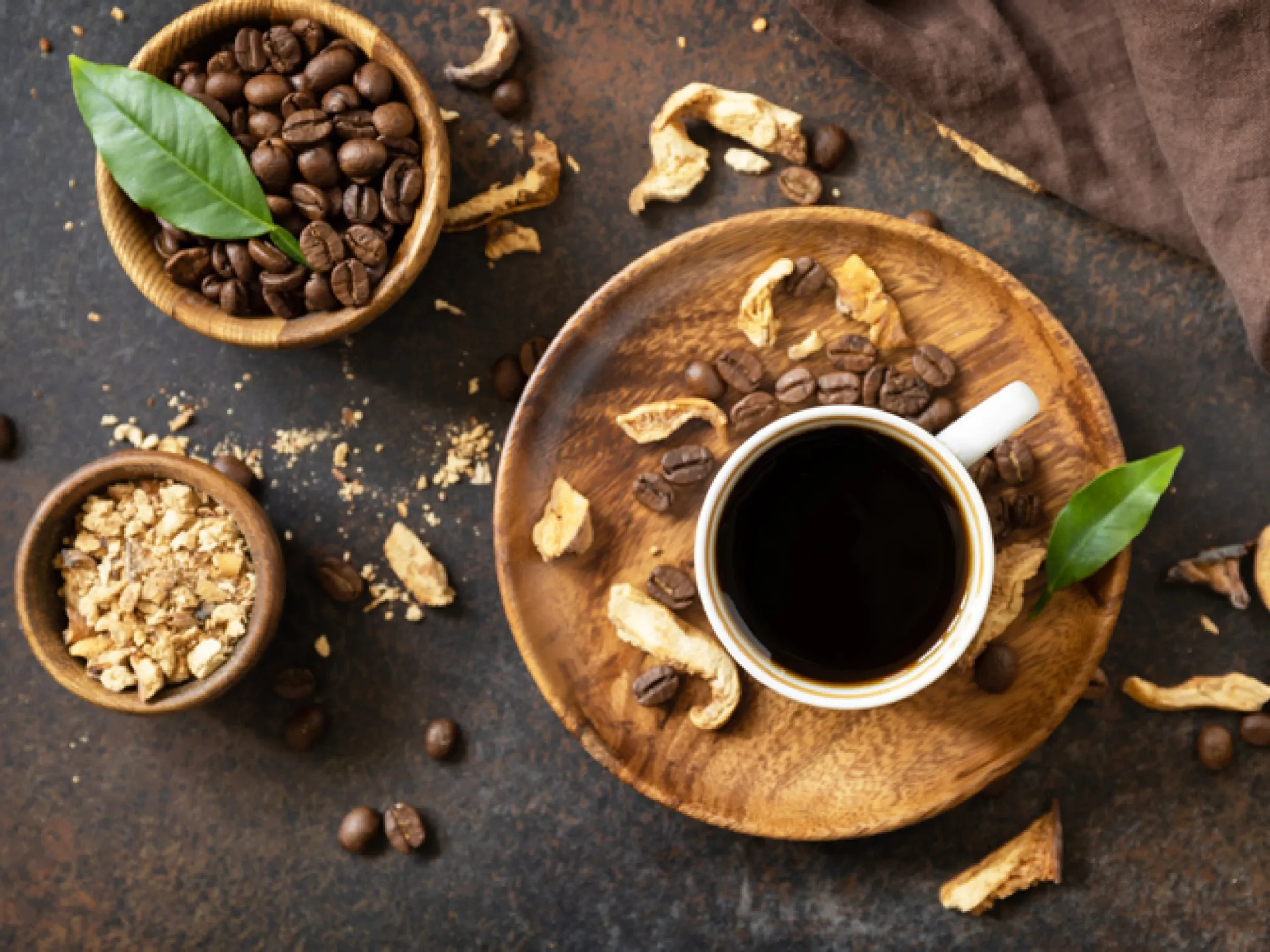
As we’ve said, mushroom coffee isn’t a cappuccino with a slice of cep hanging off the side. It’s a blend of instant or ground coffee with the addition of powder or extract from medicinal mushrooms including chaga, lion’s mane, and reishi.
The taste is said to differ very little from ‘normal’ coffee, perhaps with the addition of a slightly nutty or earthy taste, but of course the flavour will depend on the blend. Caffeine levels also vary from blend to blend and brand to brand. Some products will contain less caffeine, but there’s no one-size-fits-all. Checking the labels is the best way to determine what ends up in your cup.
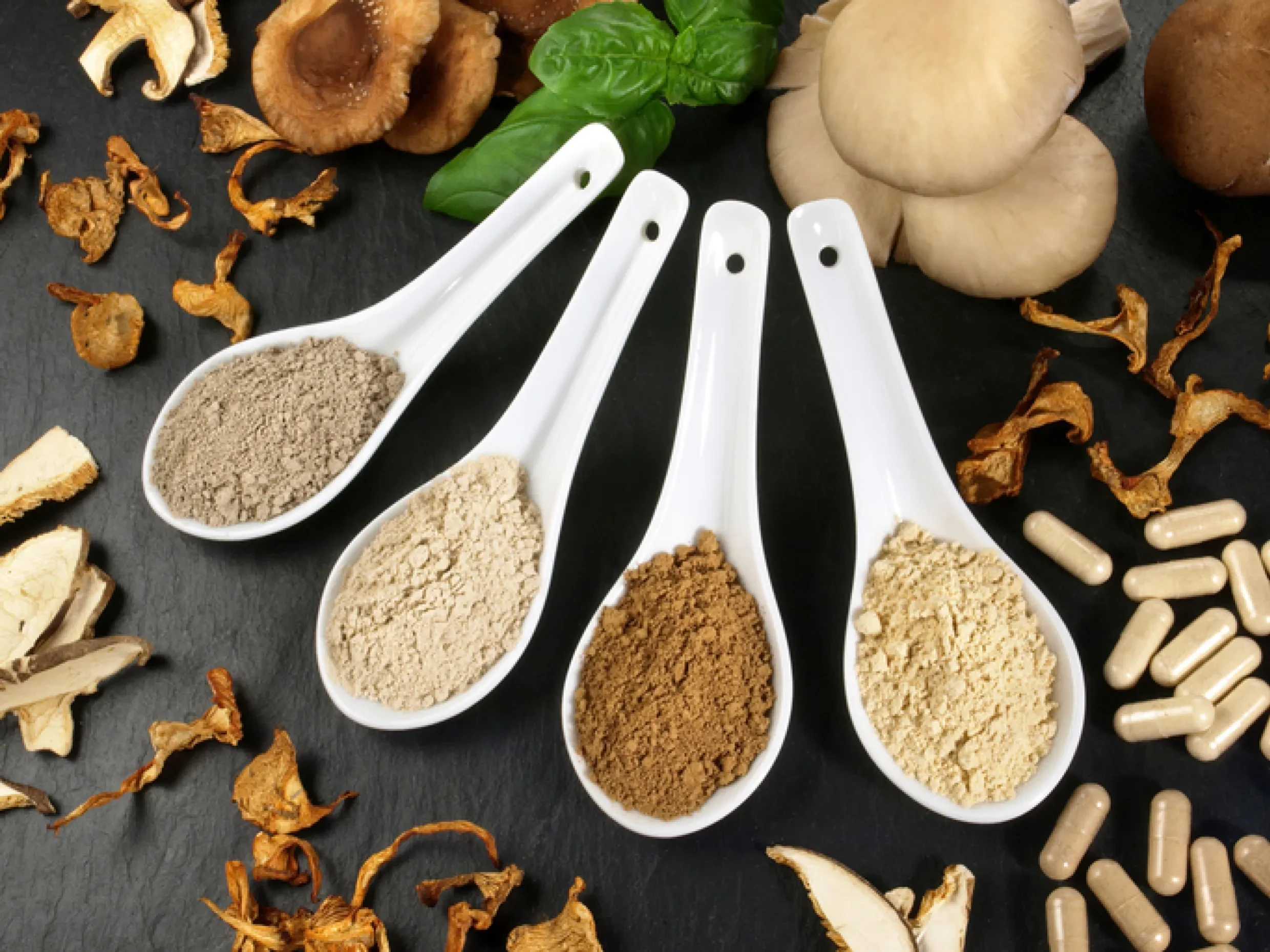
It’s usually sold in three main versions - instant powder (just add hot water), pre-ground coffee bags for coffee makers and French presses, and as pods for coffee and espresso machines.
The Health Claims of Mushroom Coffee
Mushroom coffee is promoted and marketed as more than simply a caffeine fix. Depending on the particular blend, some mushroom coffee brands claim their products support focus & memory, boost energy or exercise performance, help manage stress, improve sleep, aid digestion, or support immunity.
Some products are also described as “adaptogenic,” a term used for substances claimed to help the body cope with stress. The concept of adaptogens emerged in the mid-twentieth century, and scientists have since investigated whether various natural substances, including certain fungi, might help organisms respond to stress.
In the UK of course, such claims have to meet specific regulatory requirements including from the Advertising Standards Authority, who have published information regarding this type of messaging.
The Caffeine Conundrum
One reason punters might choose mushroom coffee is the amount of caffeine itself. Some - but not all - contain less caffeine than a regular cup of coffee. Since the mushroom extract or powder doesn’t contain caffeine, and the ratio of mushroom to coffee can be 1:1, there’s an often quoted claim that a cup of mushroom coffee has as much as 50% less caffeine than a regular cup.
Practicality, Costs & Availability
For many, choosing whether to go for a mushroom coffee may simply come down to taste and the amount of caffeine, but not all blends are alike. And nor are all prices!
In the UK, mushroom coffee tends to be available in specialist stores and through health food retailers and some supermarkets, but it’s not cheap. A 150g pack of premium instant mushroom coffee can cost £30 or more, compared with around £2 for a similar-sized jar of supermarket own-brand instant coffee.
The Verdict? Mush-room for Debate
Mushroom coffee is certainly novel, and many may enjoy its taste or seek out a hot drink with less caffeine. The marketing claims certainly make this new coffee experience stand out, and the pricing also comes into play when choosing your brew. Ultimately though, like lots of fab sounding coffee ideas on the market, the proof of the pudding is usually in the drinking!