







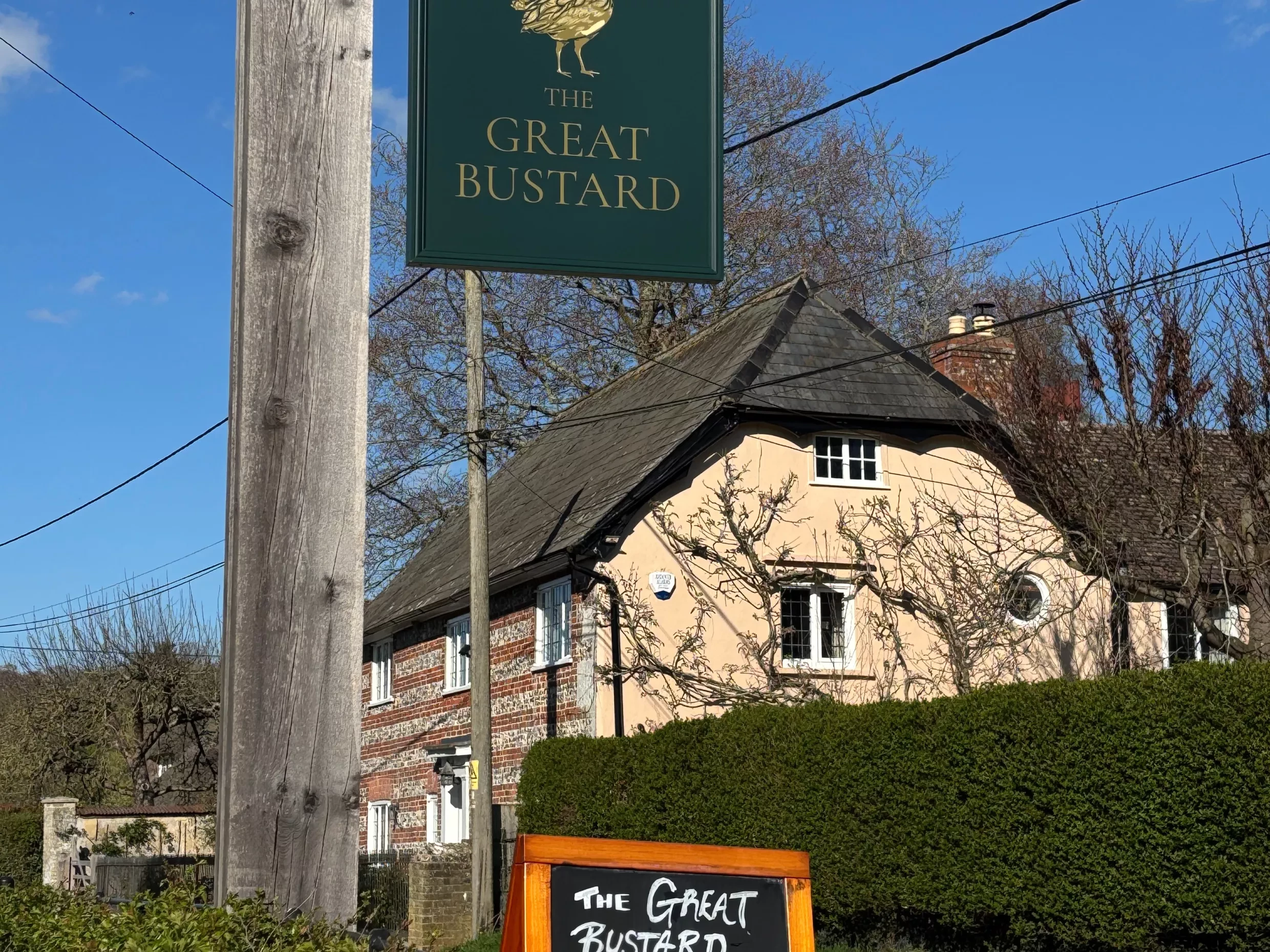
Anyone who lives in London understands the urge to escape it. To go somewhere where the air is fresh and phone-snatchers are a distant memory. Luckily, a perk of living in London is that it's an easy place to get out of. These faraway lands where birds chirp happily and strangers nod hello to each-other are no more than a train ride away. One such land is Salisbury, home to The Stonehenge and Sting. Within two hours of leaving Waterloo, we arrived. However, we were a few months too early for midsummer and a few years too late for a surprise reunion of The Police. Instead, we were here to visit The Great Bustard, a countryside escape providing Wiltshire with an entirely new reason to visit.
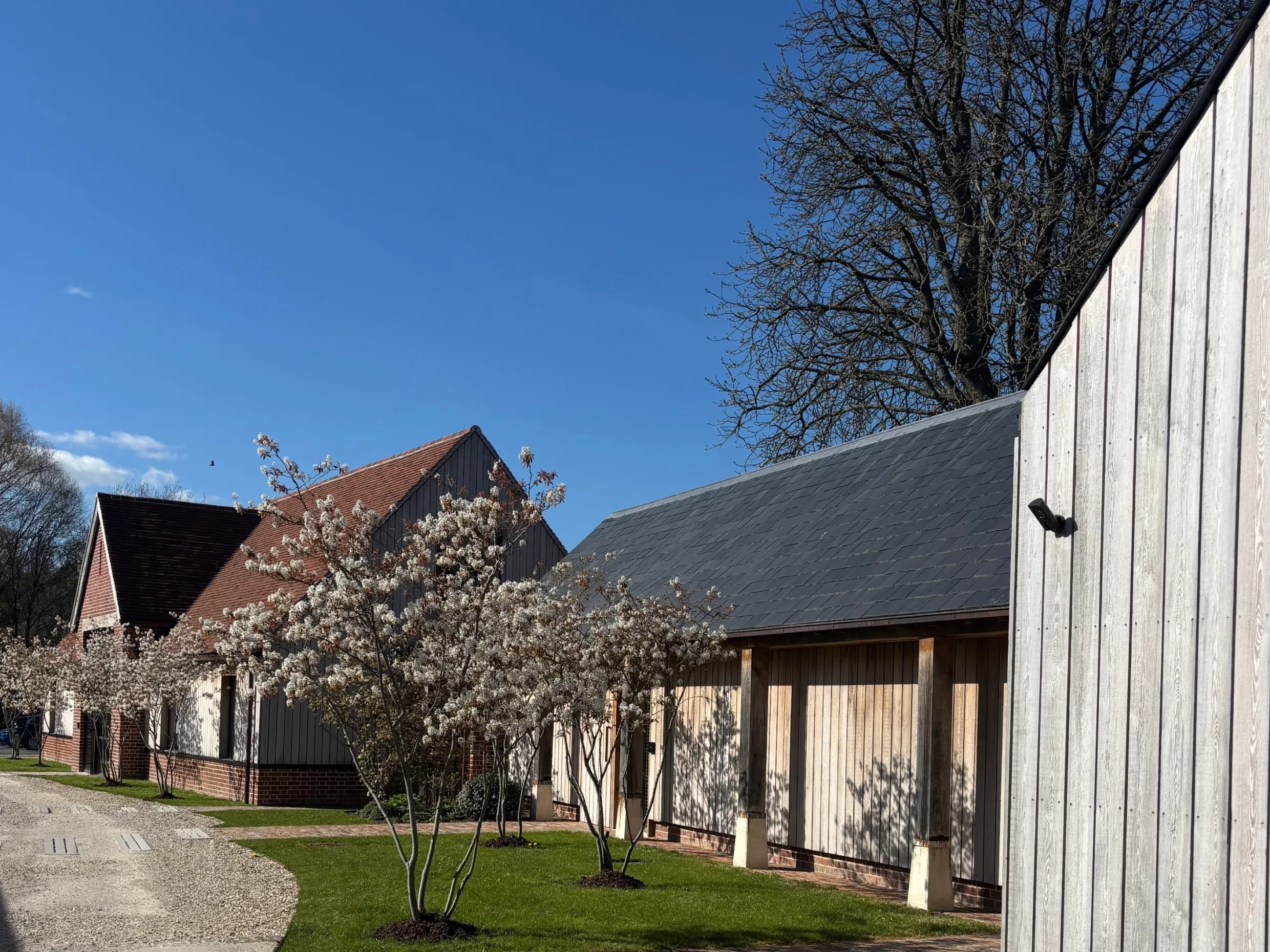
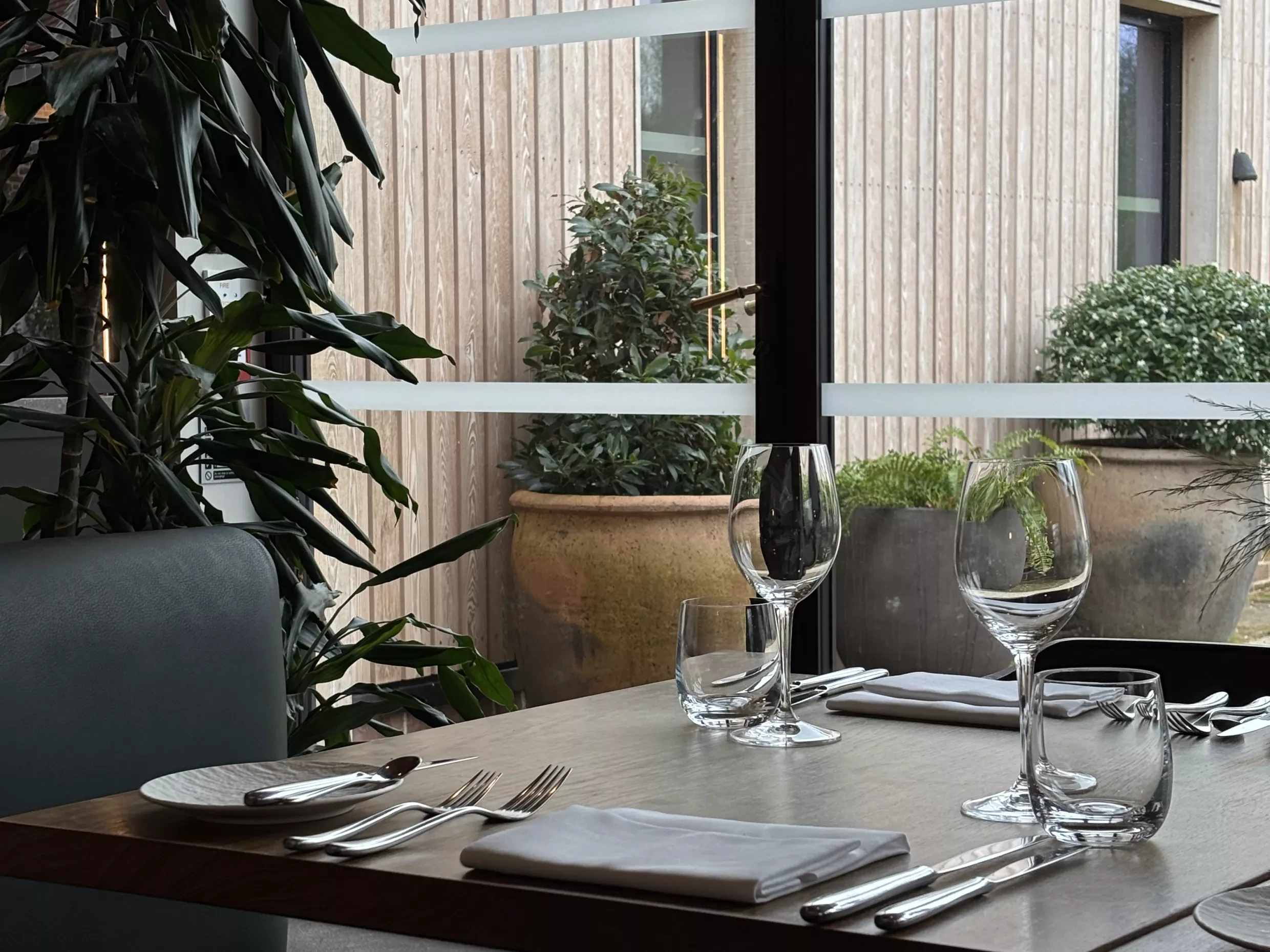
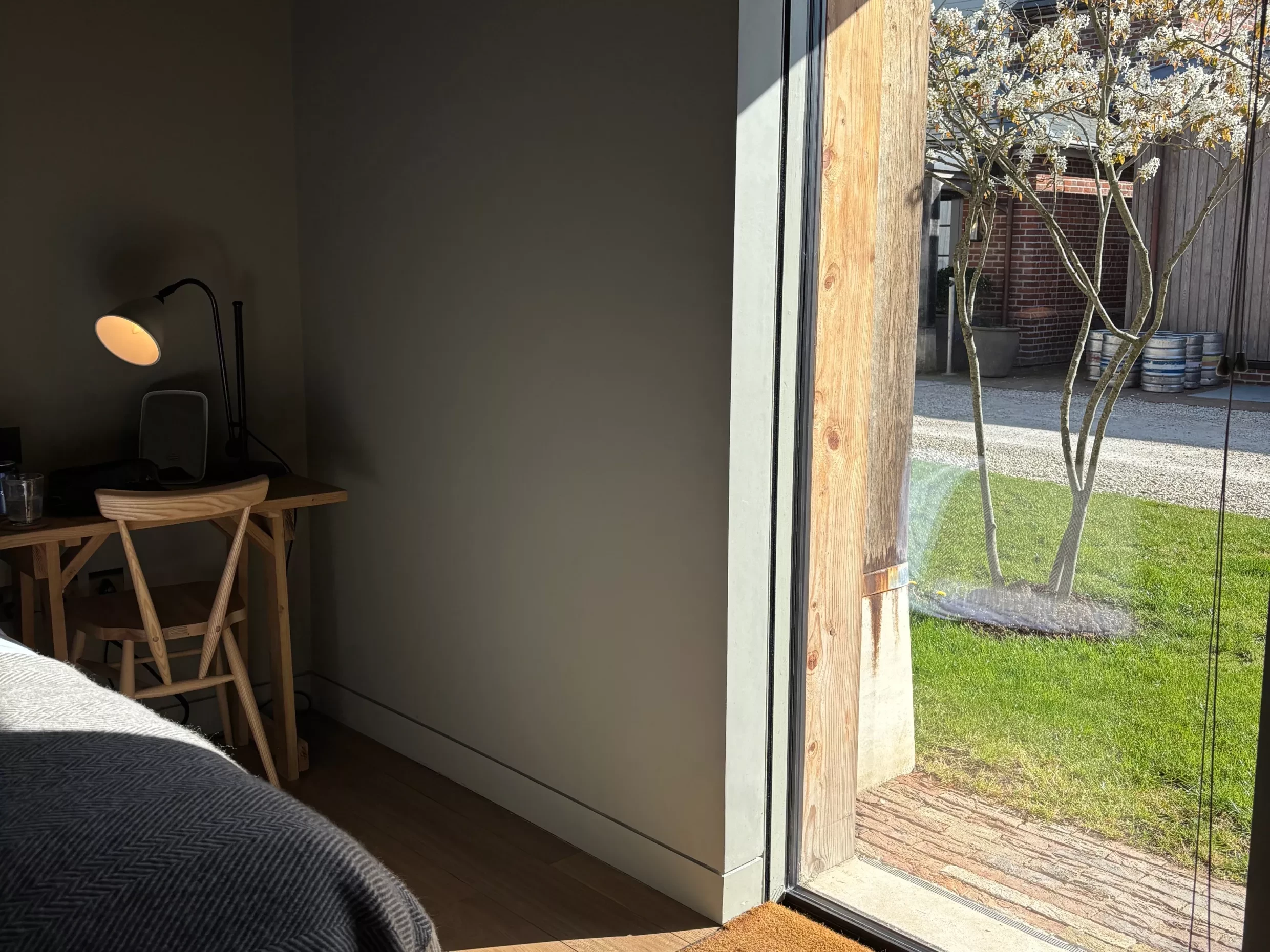
You'll be greeted by a chirpy, familiar team like a family welcoming you into their home. The place balances the warmth of a local pub with the art of unfussy luxury. The rooms are immaculately presented, with high ceilings, wooden beams, and floor to ceiling windows that overlook the cherry blossom trees outside. The bathroom is grand and sleek, stocked with delicious-smelling lotions and potions which we later discovered are made on the estate using its herbs and flowers. The pillows are perfectly fluffy, the bed is the kind that almost convinces you to skip the 10am breakfast. However, bear in mind the breakfast is not a soulless buffet but a gourmet delight which may cause a lifetime of regret if skipped, but more on that later. The Great Bustard is the type of place that instantly relieves you from any sort of stress you're subconsciously withholding. One of the reasons being its connection to nature, something that really comes to light in the restaurant, a space that has managed to please both the Michelin Guide and local farmers who have worked up an appetite.
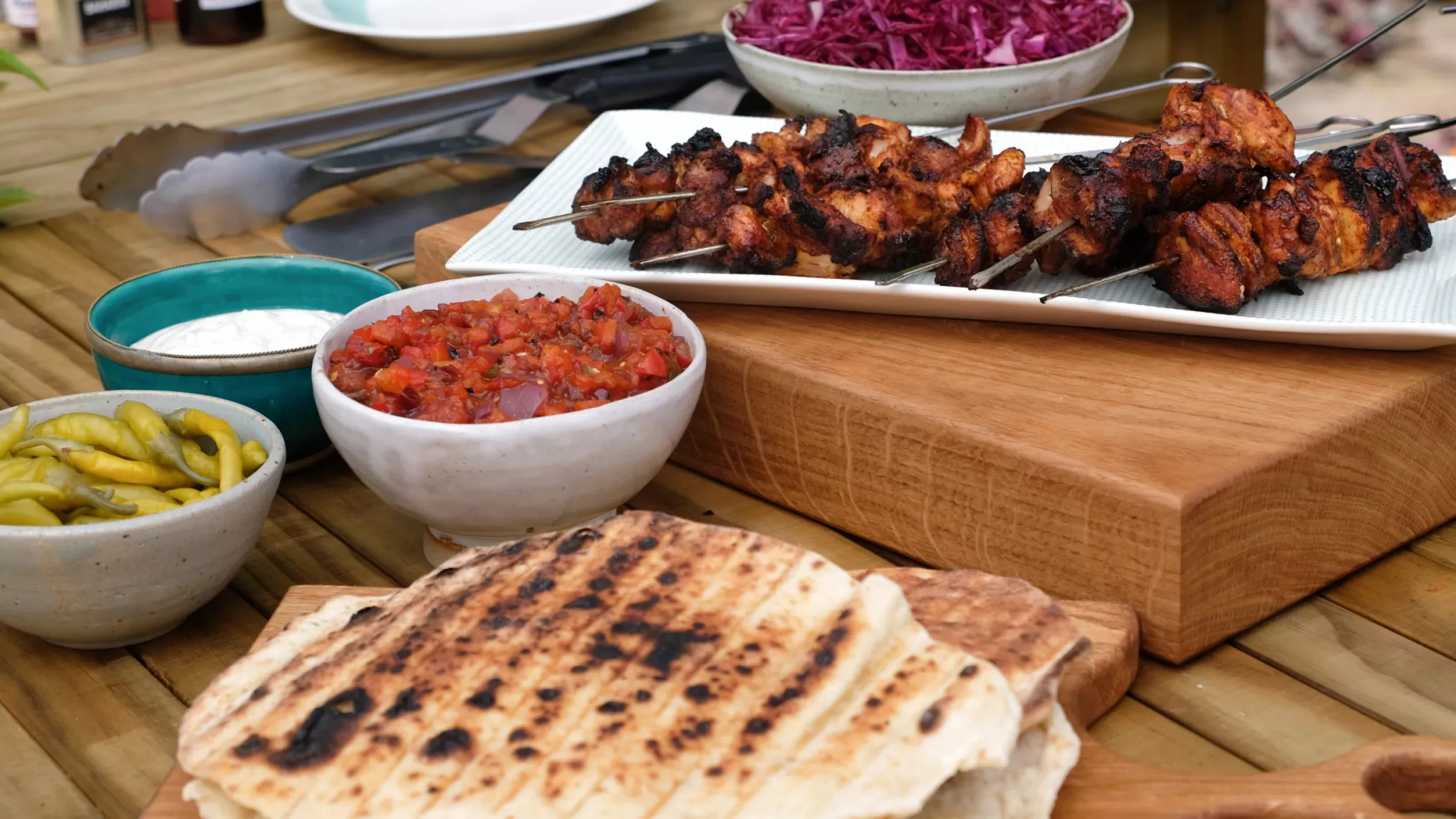
Head Chef Jordan Taylor is the brains behind the menu. His previous experience includes Restaurant Gordon Ramsay and Moorhall, the former, he attributes to his discipline, and the latter, his produce-led creativity. A restaurant this connected to the land it sits on is a rarity. Not only does the kitchen garden sit conveniently outside Chef Taylor's house "I'm able just walk in there, talk to the guys in the garden and say, what have you got? Or can you start thinking about this?", but he also goes out on drives with the games keeper to discuss produce available. The majority of what is served on your plate is grown and reared a stone's throw away– from wild garlic foraged that day to Great Dunford lamb. However, while the menu certainly focusses on seasonality and what's in abundance, something that's important for Jordan is not forcing anything onto the menu that doesn't feel natural. He mentions that there was talk of "a 30 mile menu" but felt it that was restricting. He wanted to be able to use the likes of Yorkshire rhubarb and Gariguette strawberries. It is more fluid than simply farm-to-fork. It's constant tweaking, learning, and in Jordan's words "keeps things exciting as a chef."
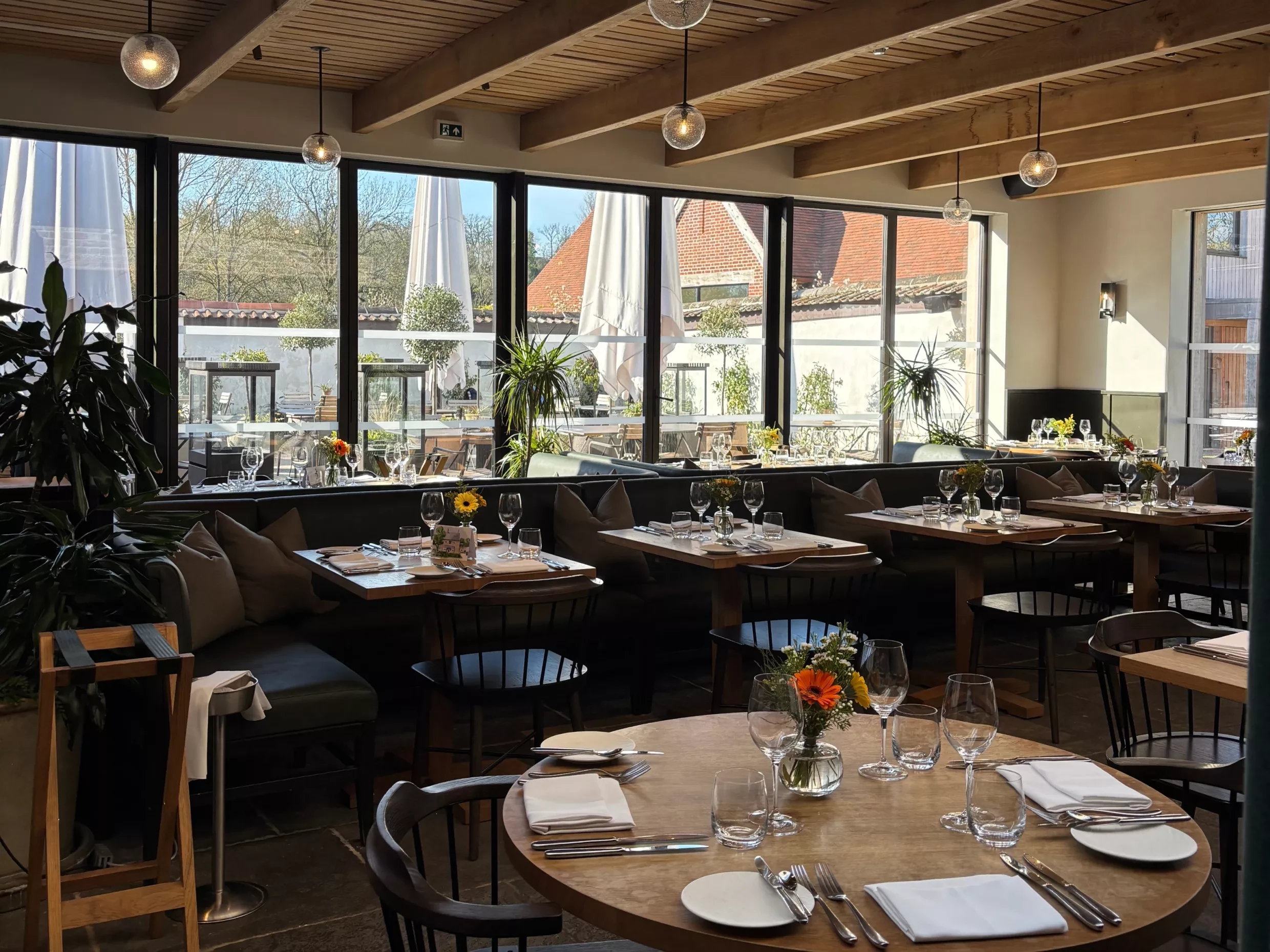
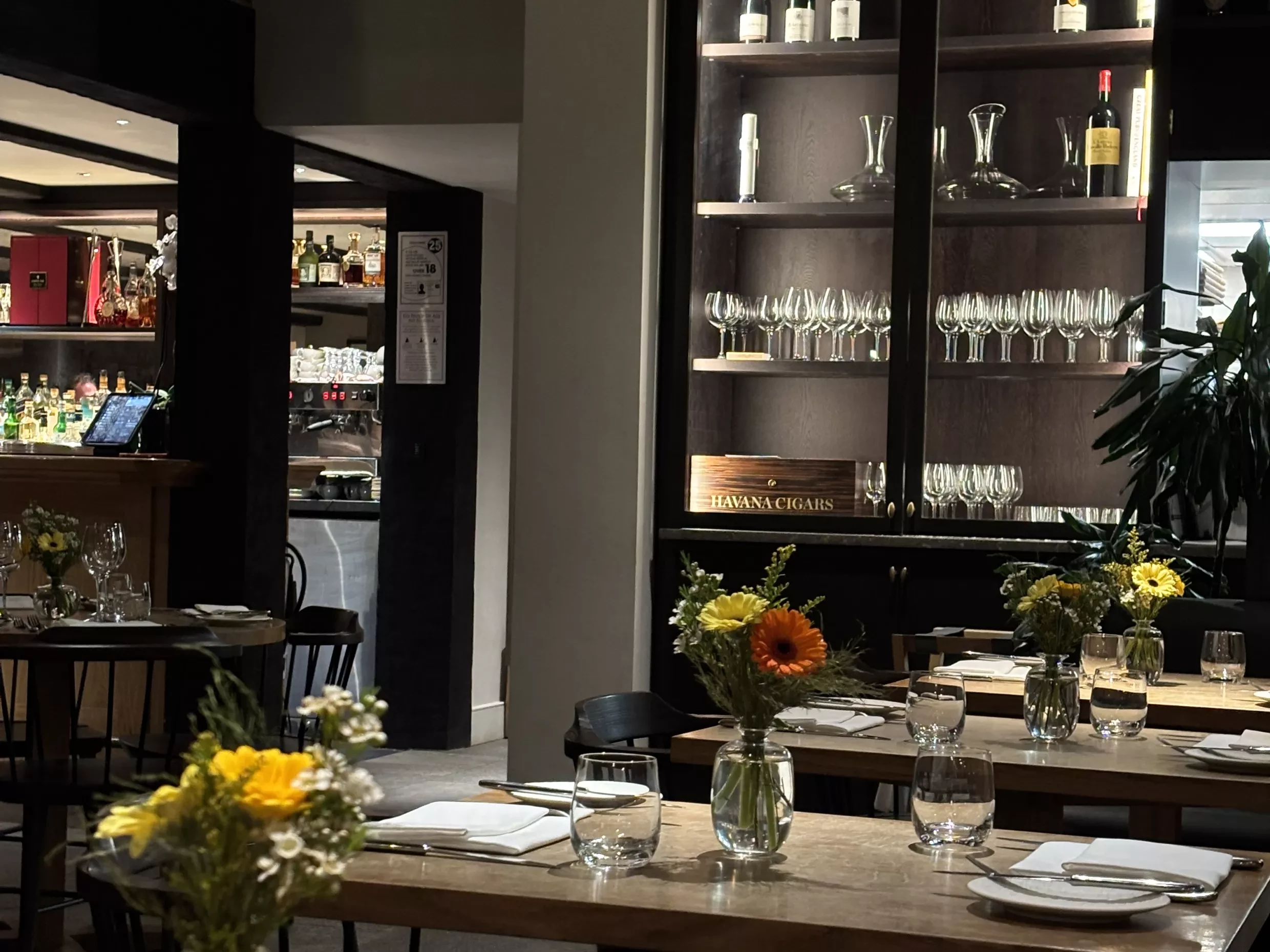
In knowing all of the above, it will come as no surprise that the restaurant is nothing short of spectacular. The space itself reflects the food's connection with nature. During the day, natural light floods the room through the floor to ceiling windows, shelves hold over-sized jam jars of pickled vegetables and fresh flowers adorn the tables. By night, the lights dim, cabinets of wine bottles are illuminated and diners can watch the action of the chefs at work from the landscape opening that peeks into the kitchen. Save for our reserved table for two, the place was full, bustling with locals and visitors alike.
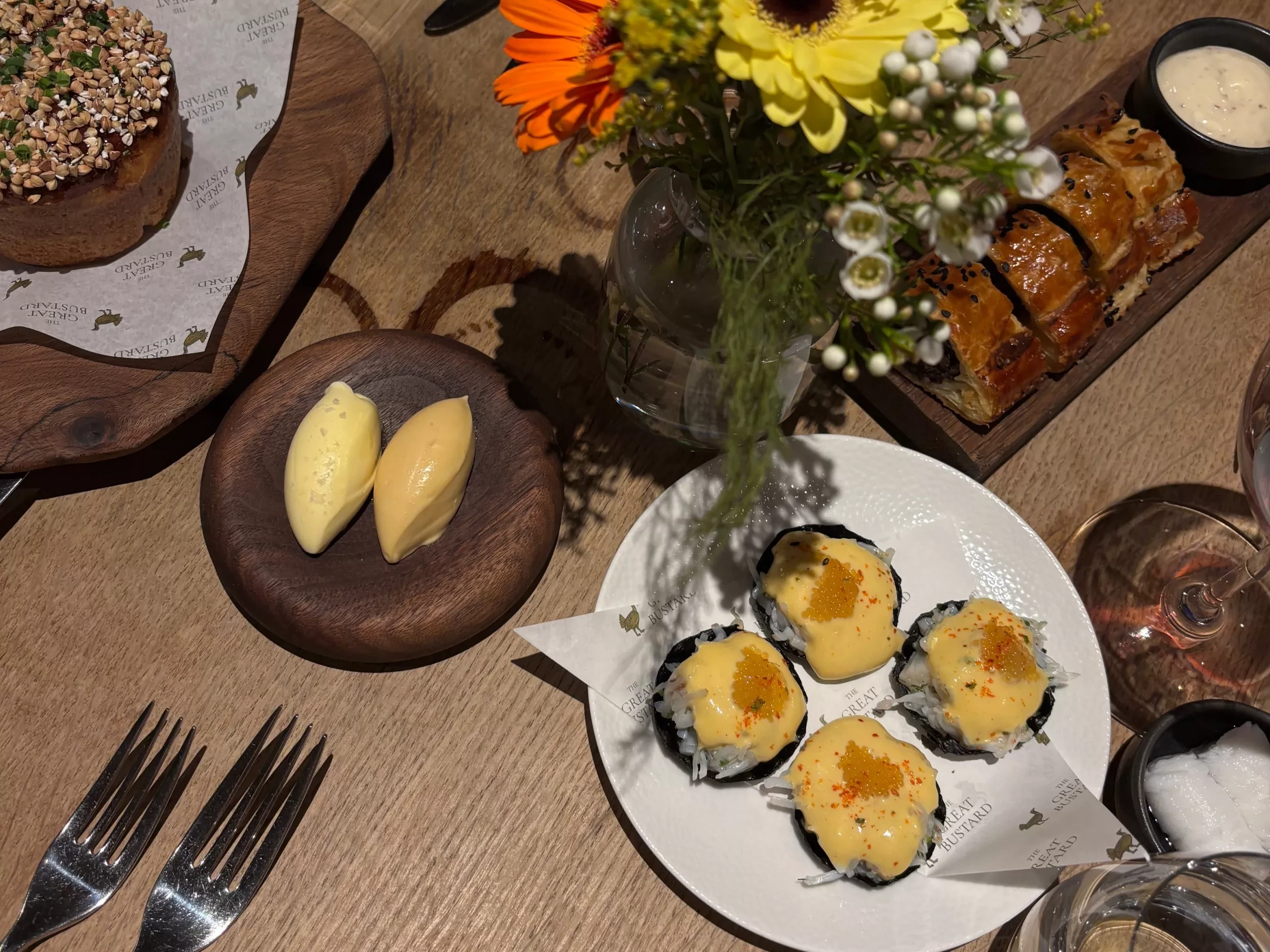
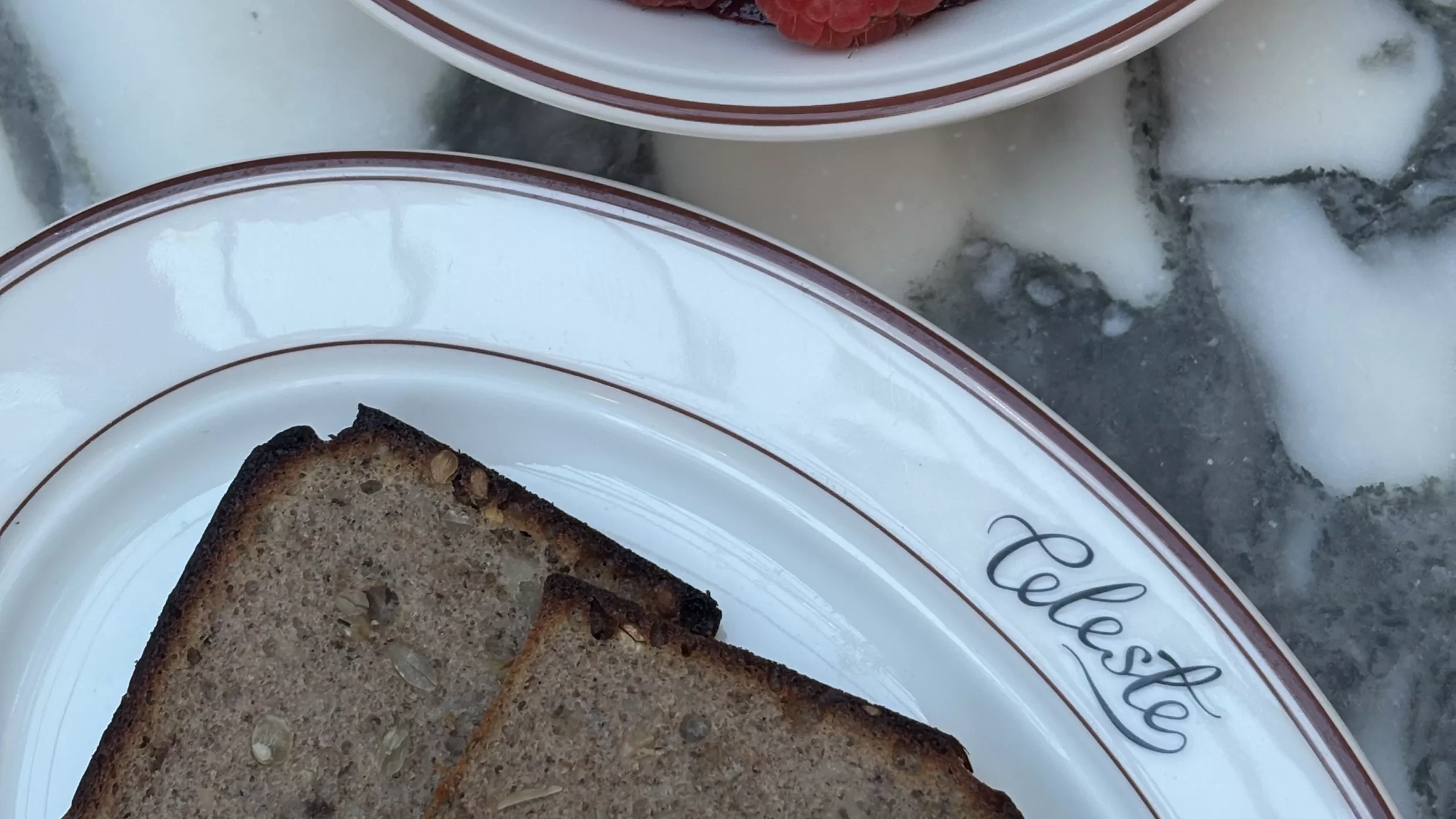
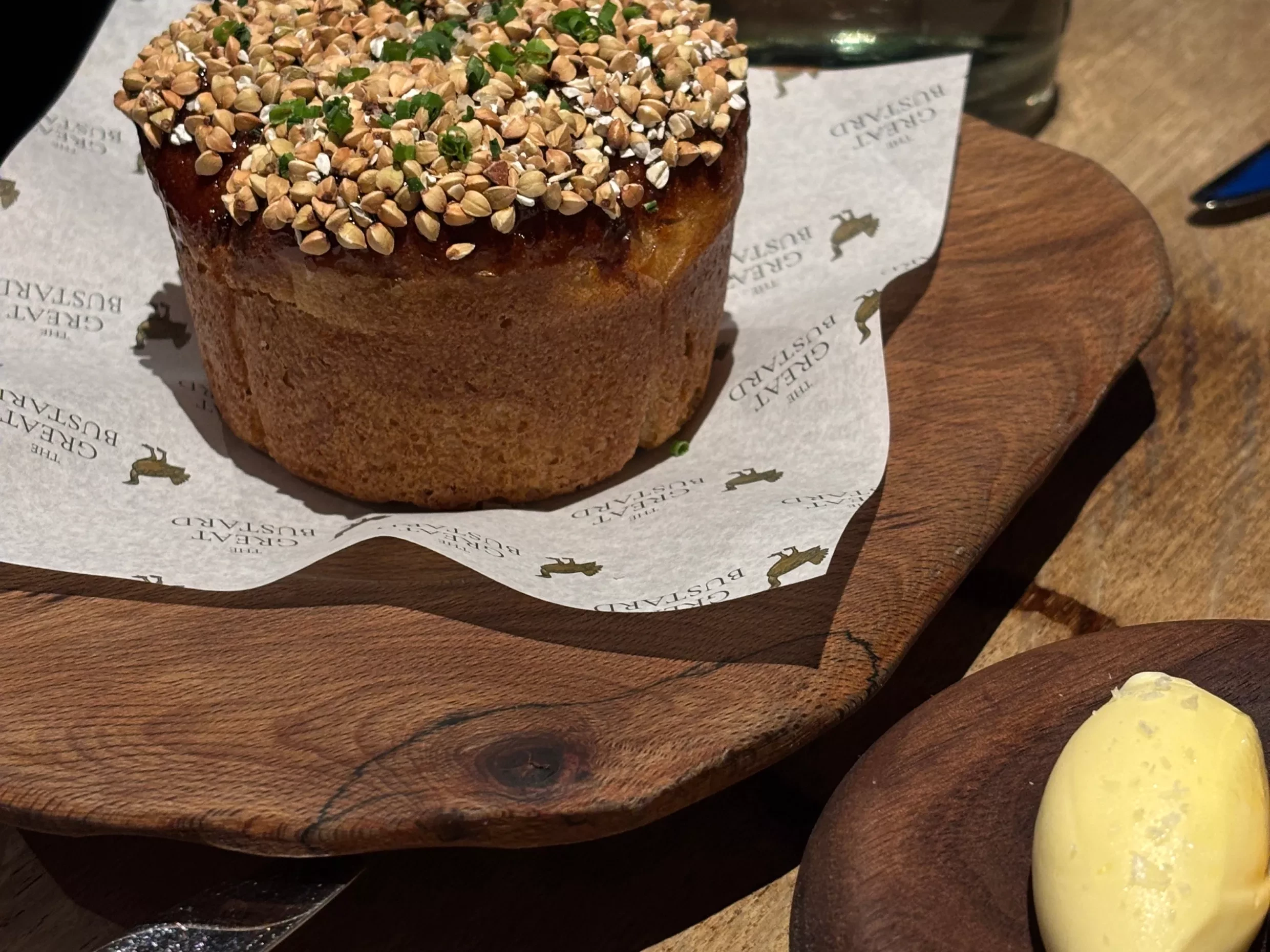
The first thing that arrived at our table was bread. Oftentimes, a restaurant's bread offering is no more than a crafty form of quenching the appetite, a way to ward off hunger-derived irritability, if you will. Here, it is freshly home-baked honey-crusted bread served with a salted malt butter, an integral part of the experience. It is followed by a complementary amuse-bouche of a fluffy mushroom mousse.
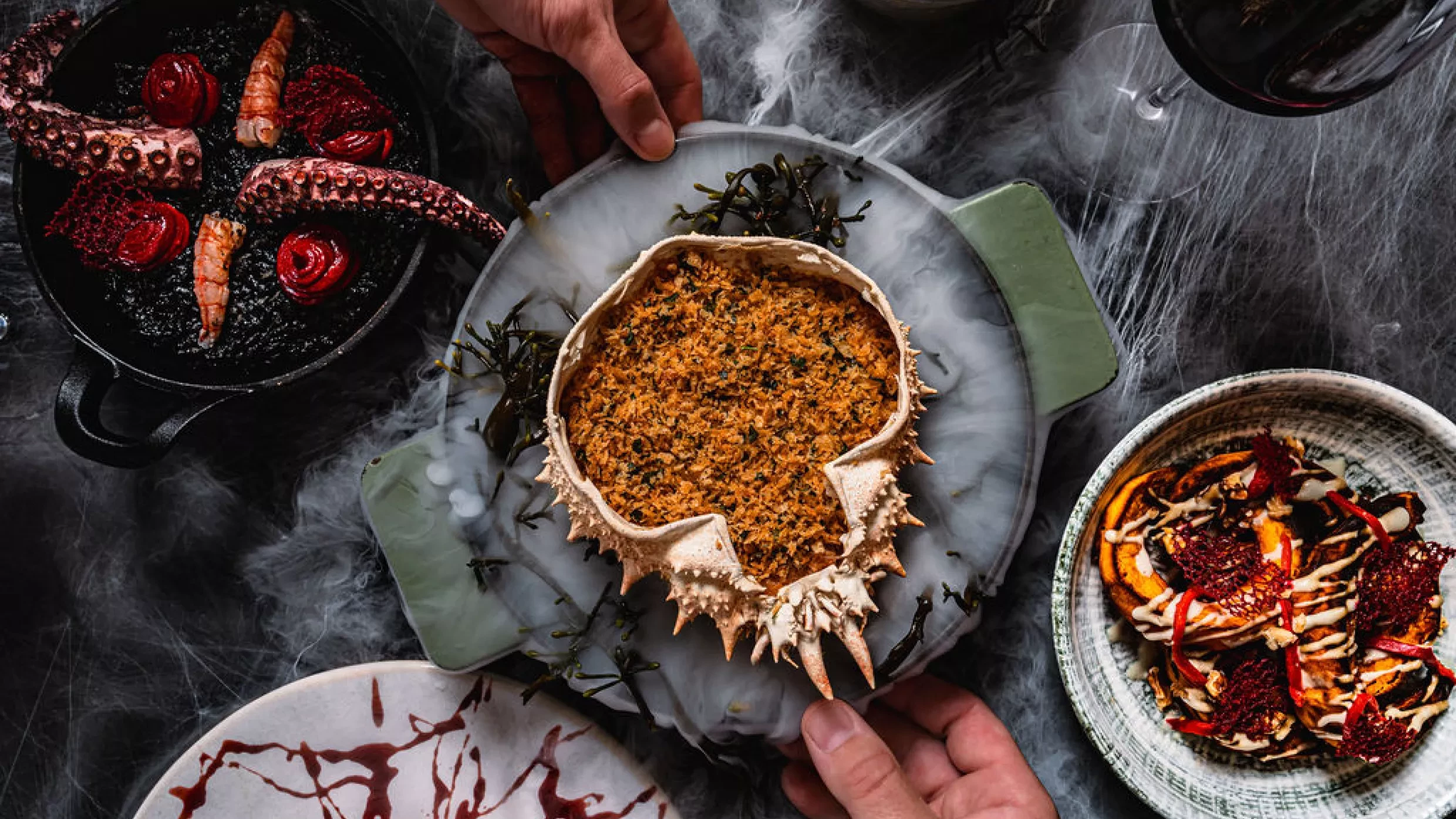
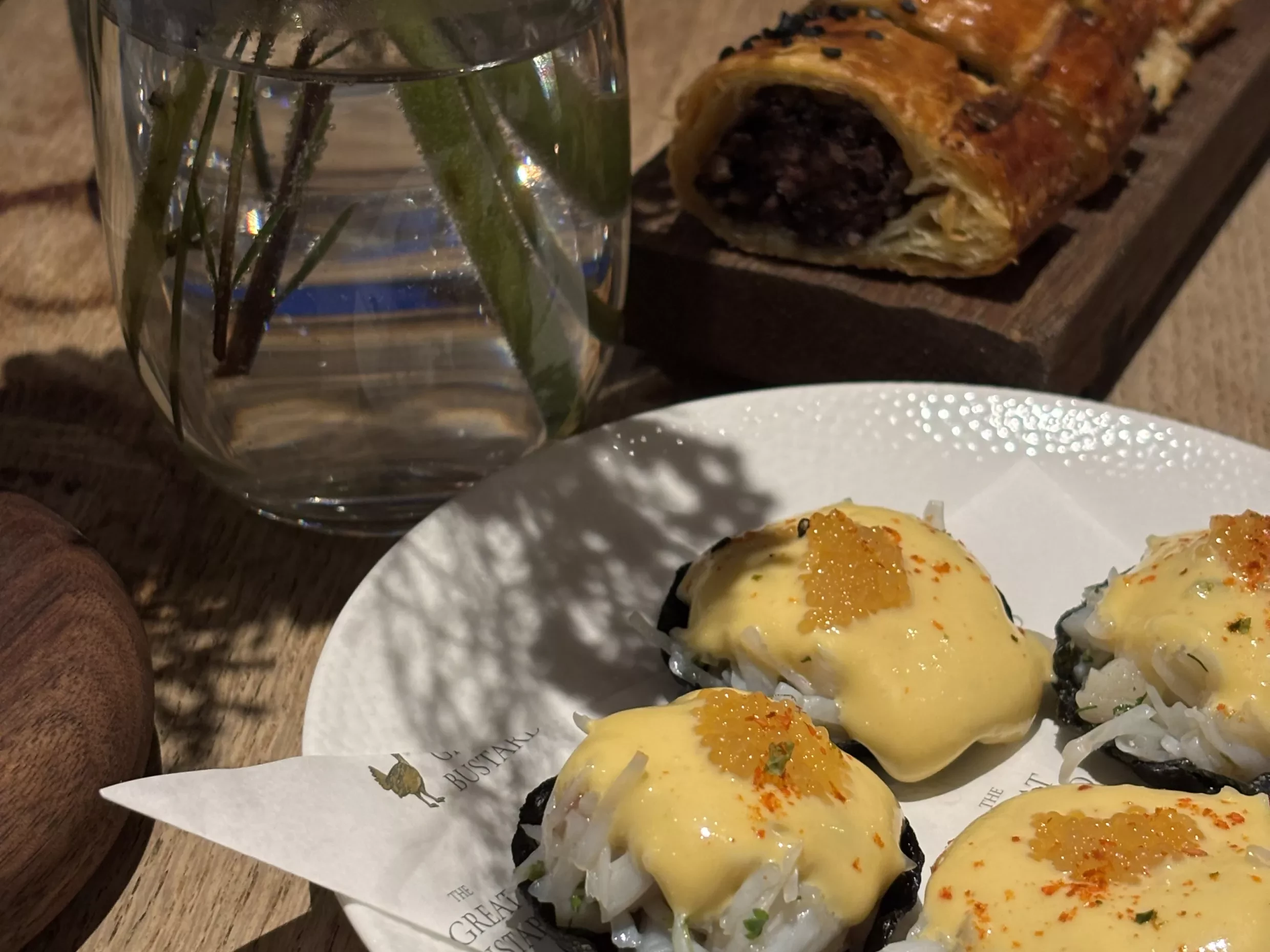
Then came some refined takes on pub classics. First, crab bites, but not the kind blitzed with breadcrumbs and mayo. This crab was freshly shredded, sat atop a base of crispy seaweed, drizzled in a rich, hollandaise-like sauce and finished with fish roe for a pop of saltiness. We were keen to try the restaurant's take of a sausage roll. A glossy pastry with black sesame seeds scattered over the top, adding a subtle nutty flavour for the flaky casing of the well-seasoned meat inside, served with Pommery Mustard. As much as they are elevated and refined, the dishes themselves are no less comforting- much like The Great Bustard itself.
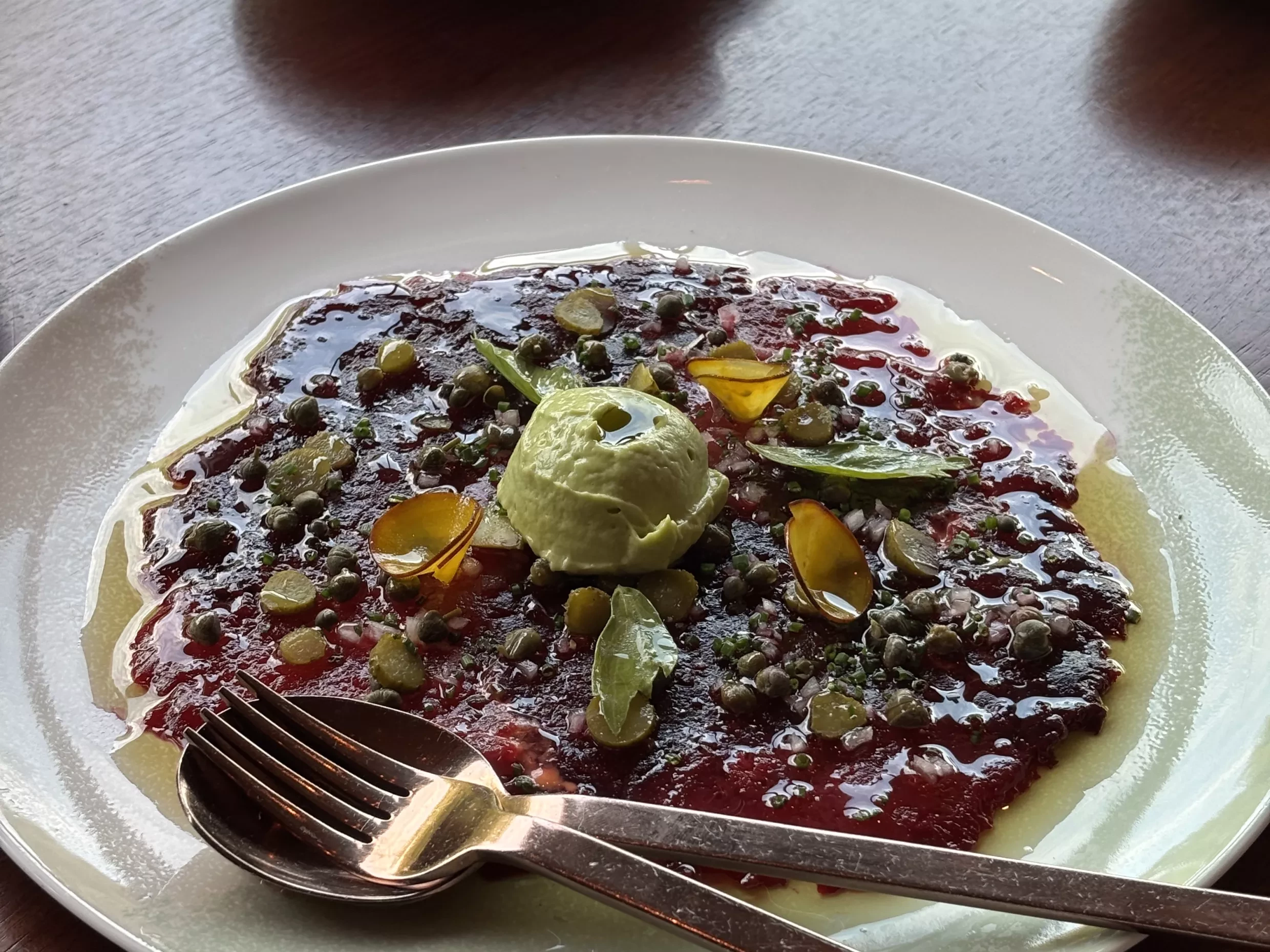
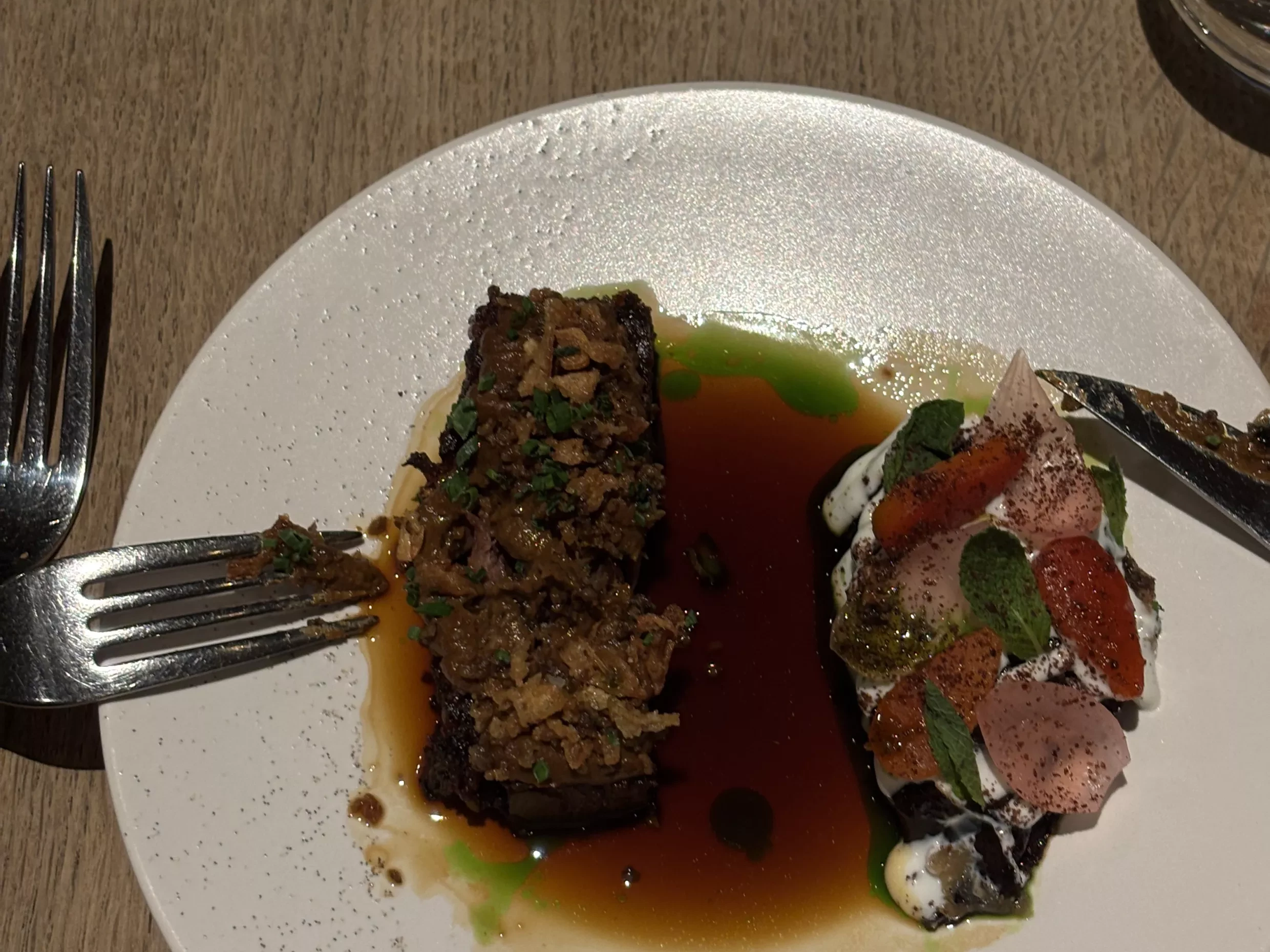
It may seem as though at this point, we had made a dent in our meal. In fact, we had not yet reached starters. They were the Braised Durnford Lamb and the Red Mullet Escabeche. Proof that fresh, quality produce cannot be feigned, the word 'tender' does not do the lamb justice. Chef Taylor's repertoire of creative cooking skills shone through in the sprinkling of the salted lamb fat that sat atop, and the pairing of softly-charred aubergine and sheep's yoghurt that cut through the rich meat with a hit of fresh, creamy notes. The red mullet was served with toasted nori and crispy capers, additions that breathed a new lease of life into this typical Spanish appetiser.
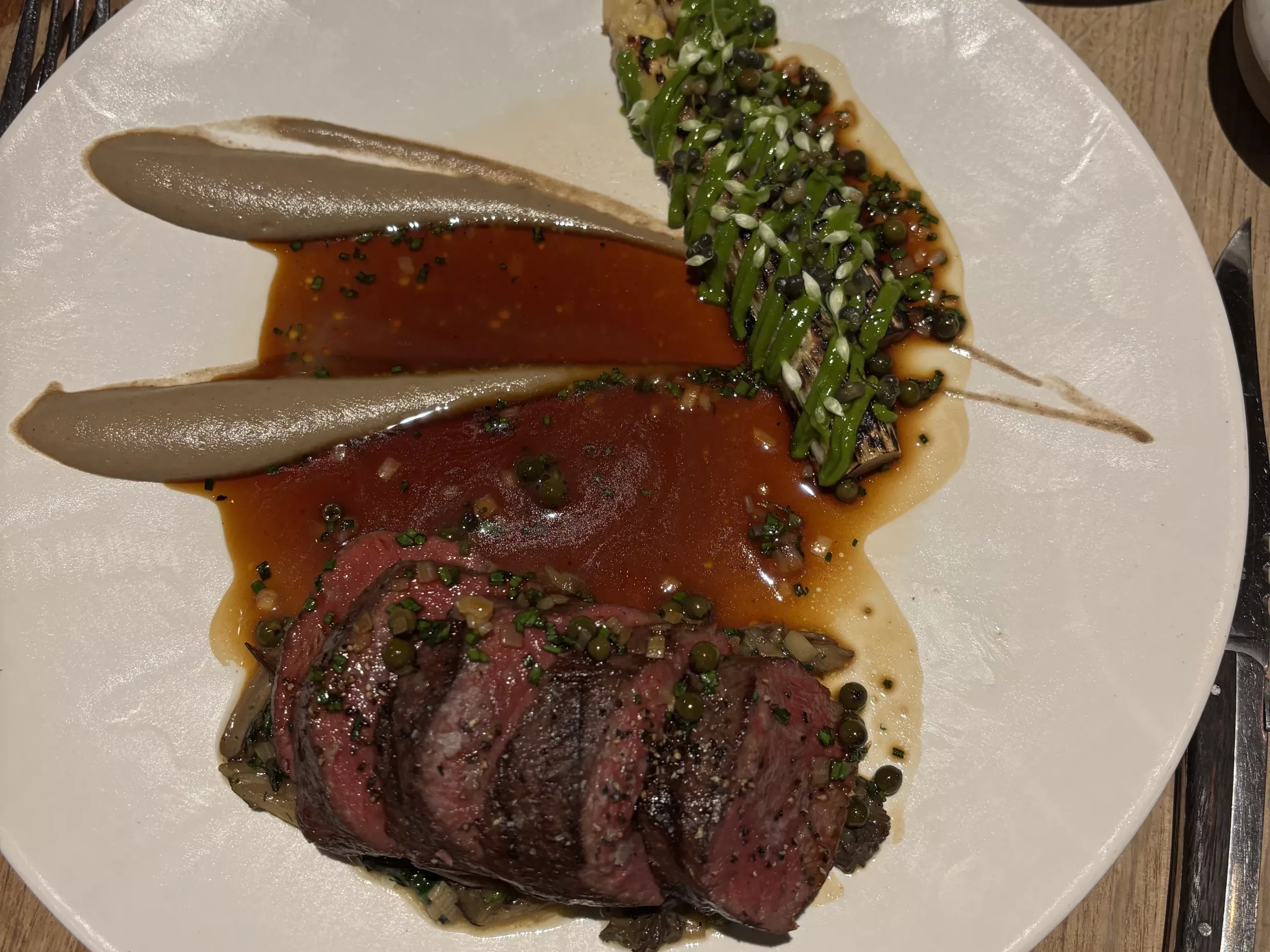
For the main course we opted for the Wiltshire Venison, served with white asparagus, an ingredient that Chef Taylor is fond of at the moment. The asparagus is charred over a flame and served hidden underneath a layer of earthy morels and wild garlic, which we likely walked past on the hiking trail we took earlier that day. As Chef Taylor explained, "We're getting all of our produce from estate. We are going out and foraging from the surrounding areas and that's one thing that I hope comes across in our cooking. The way that we serve our food and and introduce it, is that it's authentic... What we do that comes from the heart and that's really important to me." Needless to say, it comes across very well.
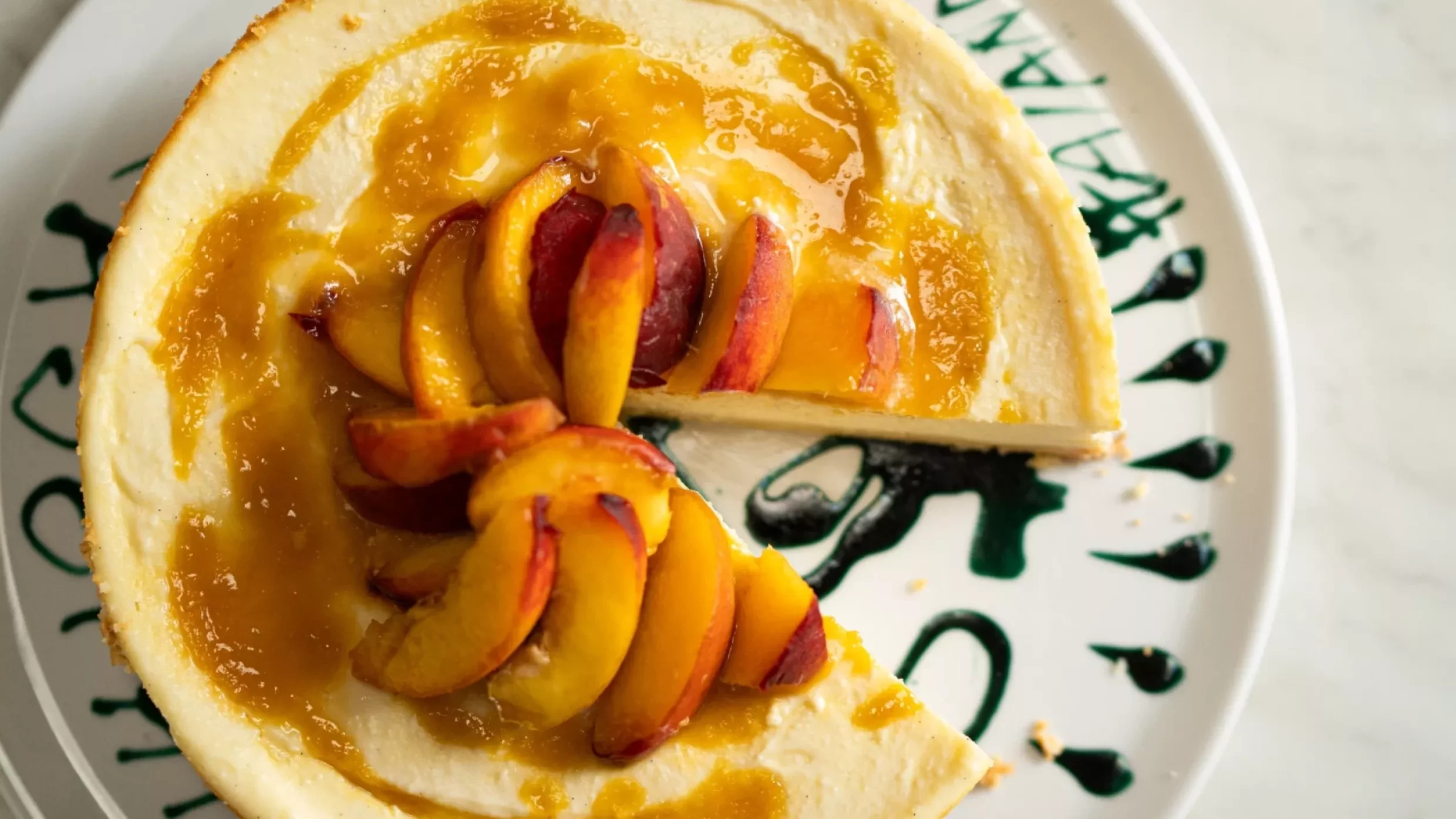
Our meal concluded with a Garden Mint & Chocolate Mousse and mint chocolate ice cream, a dish that ignited memories of sharing Vienetta Mint around a table as a child. As nostalgic as the flavours were, they were delivered with a finesse that elevated them beyond memory, a familiar comfort turned into something quietly sophisticated. We rolled into the cozy setting next door for a night cap with the locals, a glass of OTARDA, translating to ‘Great Bustard’ in Italian. A blend of Sangiovese and Cabernet Sauvignon, delivered straight from The Great Bustard's sister estate in Tuscany, Italy.
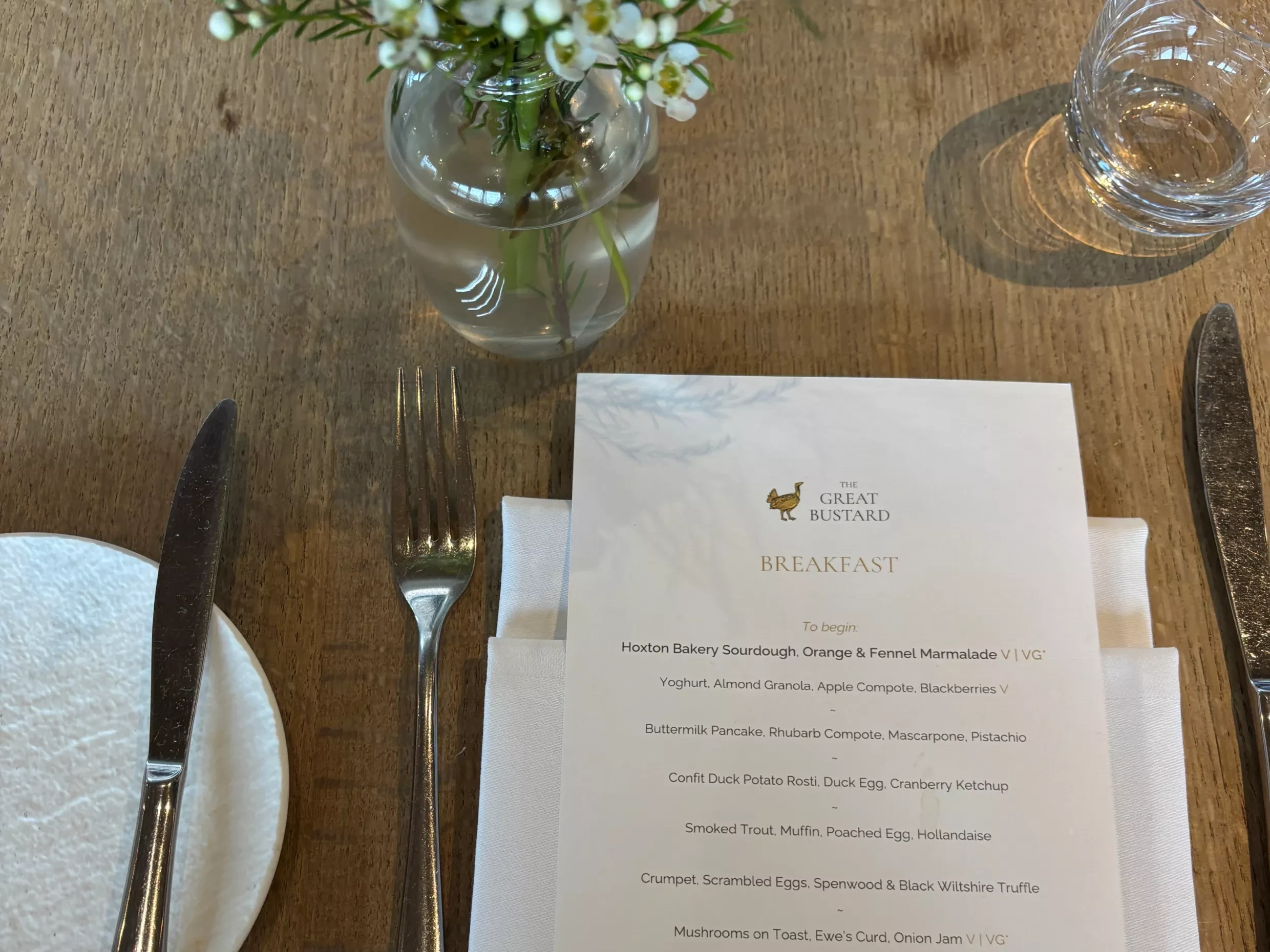
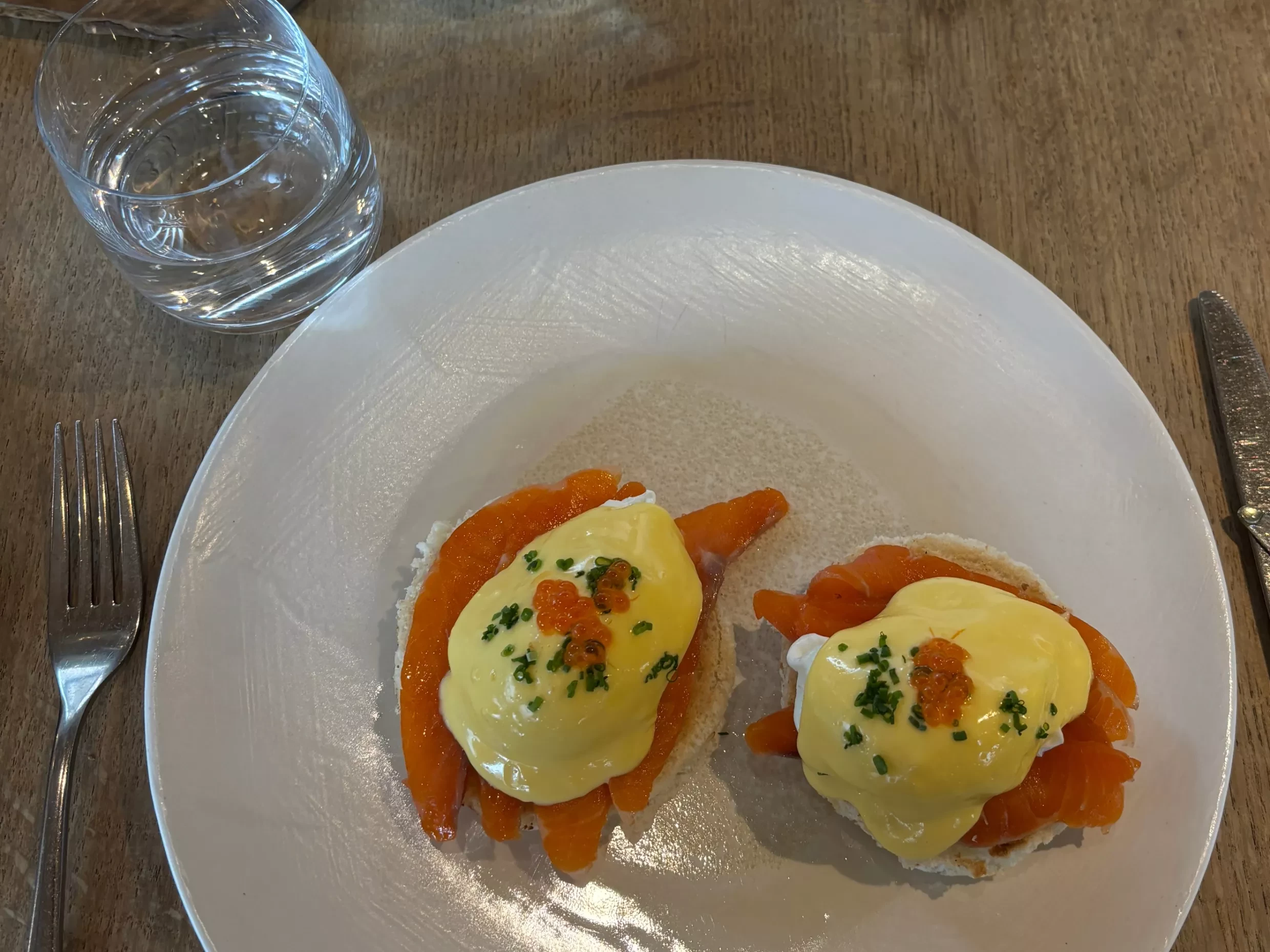
The night drew to a close and we settled into the kind of deep, undisturbed sleep only countryside silence can offer. By morning, the temptation to stay wrapped in the pillowy haven gave way to something more worthwhile: The breakfast. Thoughtful, produce-led, and quietly indulgent, quickly silencing any regret about leaving the comfort of the room. The Great Bustard, isn’t just an escape from London, it’s a reminder of just how good it is to slow down, eat well, and re-connect with nature.
Rooms from £200 Bed & Breakfast www.thegreatbustard.uk