

















What Is Cream of Tartar?
The byproduct of winemaking has a myriad of uses in your kitchen, from baking to cleaning coffee stains. By Jessie Sheehan for Food Network Kitchen
Jessie Sheehan is a baker and cookbook author.
Cream of tartar is one of the most versatile ingredients in the baking aisle – making your cookies chewy, your egg whites billowy and your toilets sparkle (yup, it’s true). With a forever shelf-life that its spice section compatriots – cardamom, nutmeg and baking powder, we’re looking at you – can only dream about, it truly is a hero, not only when baking, but also when cleaning too (see above toilet reference if you don’t believe us). Cream of tartar is similar to both vinegar and lemon juice in its acidity, and each of them will work in its place, in a pinch. Below you will find answers to critical cream of tartar questions, such as what does cream of tartar actually do? What is cream of tartar used for? And with what can I replace cream of tartar if I run out? – among others that you will not want to miss.
What Is Cream of Tartar?
Cream of tartar is a dry, powder-like, acidic byproduct of winemaking called for in a myriad of different baking recipes (from cookies to cakes to frosting). Grapes are a natural source of cream of tartar’s main ingredient: tartaric acid (hence the “tartar” in its name). And when tartaric acid is half neutralised with potassium hydroxide, cream of tartar is the result, crystalising into a hard crust on the inside of wine barrels.
What Does Cream of Tartar Do?
Cream of tartar is a multi-talented and highly skilled powder. It is perhaps most famous for adding flavour to cookies, as in the acidity it adds to snickerdoodles, providing them with their characteristic tang. It is also known for its ability to stabilise egg whites, as it prevents the egg proteins from bonding, resulting in a smooth, billowy meringue. But it also stops sugar from crystalising, meaning it can do wonders for simple syrup, as well as the chewy texture of cookies (sugar crystallisation in a cookie leads to crispiness, the enemy of chewy…). And, finally, it is a fantastic metal and porcelain cleaner. Just mix it with water, lemon juice or vinegar until a paste forms, and voila! Your kitchen (and bathroom) will sparkle like nobody’s business.
What Does Cream of Tartar Do in Cookies?
Cream of tartar makes cookies chewy, as it precludes the sugar in the dough from crystalising, which would lead to crispiness (ie: the opposite of chewiness). It can also add flavour, like in the case of snickerdoodles, which have cream of tartar to thank for their quintessentially tangy flavour – which marries beautifully with the warm cinnamon. And it stops cookies from browning, again due to how it reacts with sugar, which is why you may find it in a decorated sugar cookie recipe, as such cookies benefit from a white “canvas,” as opposed to a lightly browned one.
What Does Cream of Tartar Do to Egg Whites?
Cream of tartar stabilizes the tiny bubbles in the egg whites, by precluding the egg proteins from sticking together. It thus speeds up the egg white whipping process and contributes to a stable, billowy, glossy meringue, perfect for cookies, topping pies, and folding into cake. The ratio is usually 1/8 teaspoon of cream of tartar for every egg white.
What Kind of Recipes Call for Cream of Tartar?
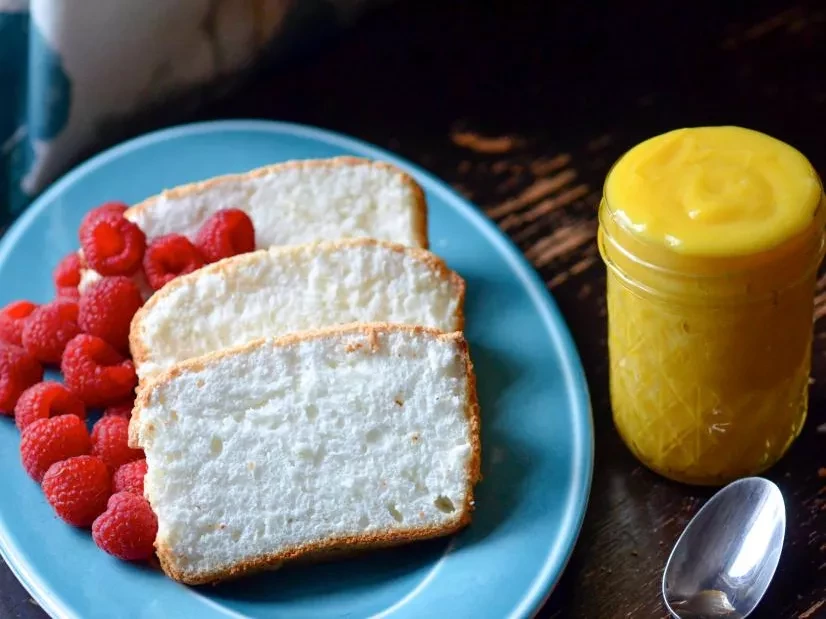
A variety of different recipes call for cream of tartar, such as those that require beaten egg whites (meringue cookies, meringue-topped pies, and angel food cake); those for chewy cookies (snickerdoodles and some chocolate chip cookies); those for cookies that you do not want to brown (sugar cookies) and those for simple syrup.
How to Make Cream of Tartar
One can’t actually make cream of tartar at home (but a little lemon juice or vinegar will work some similar cream of tartar magic in your baked goods), as it is quite literally a byproduct of the winemaking process.
What is a Good Replacement for Cream of Tartar?
A good replacement for cream of tartar in baking is 1 teaspoon of vinegar or lemon juice for every 1/2 teaspoon of cream of tartar.
What is a Good Cream of Tartar Substitute when Making Meringues?
You can substitute lemon juice for cream of tartar when making meringues. The substitution ratio is 1:2 — for your recipe's measurement of cream of tartar, use double that amount of lemon juice.

How Do You Clean Coffee Stains with Cream of Tartar?
Incredibly, cream of tartar will remove the dark brown coffee stains in the bottom of your favorite mug. Just add a pinch to the bottom of the mug, plus a few drops of water, create a little paste, let it sit a bit and then scrub. You can also use a cream of tartar-water paste to clean your toilet and your stainless-steel fridge.
How long will Cream of Tartar last?
We get it: it’s been a long time since you made anything with that cream of tartar sitting in your spice drawer, but after reading this, you’re ready. Never fear – cream of tartar lasts forever(ish) – nothing is “forever,” right? – as long as it is kept in a cool dark place.
Recipes with Cream of Tartar
Want to watch cream of tartar in action? Check out some of the different recipes for which it is called – and then make them all.
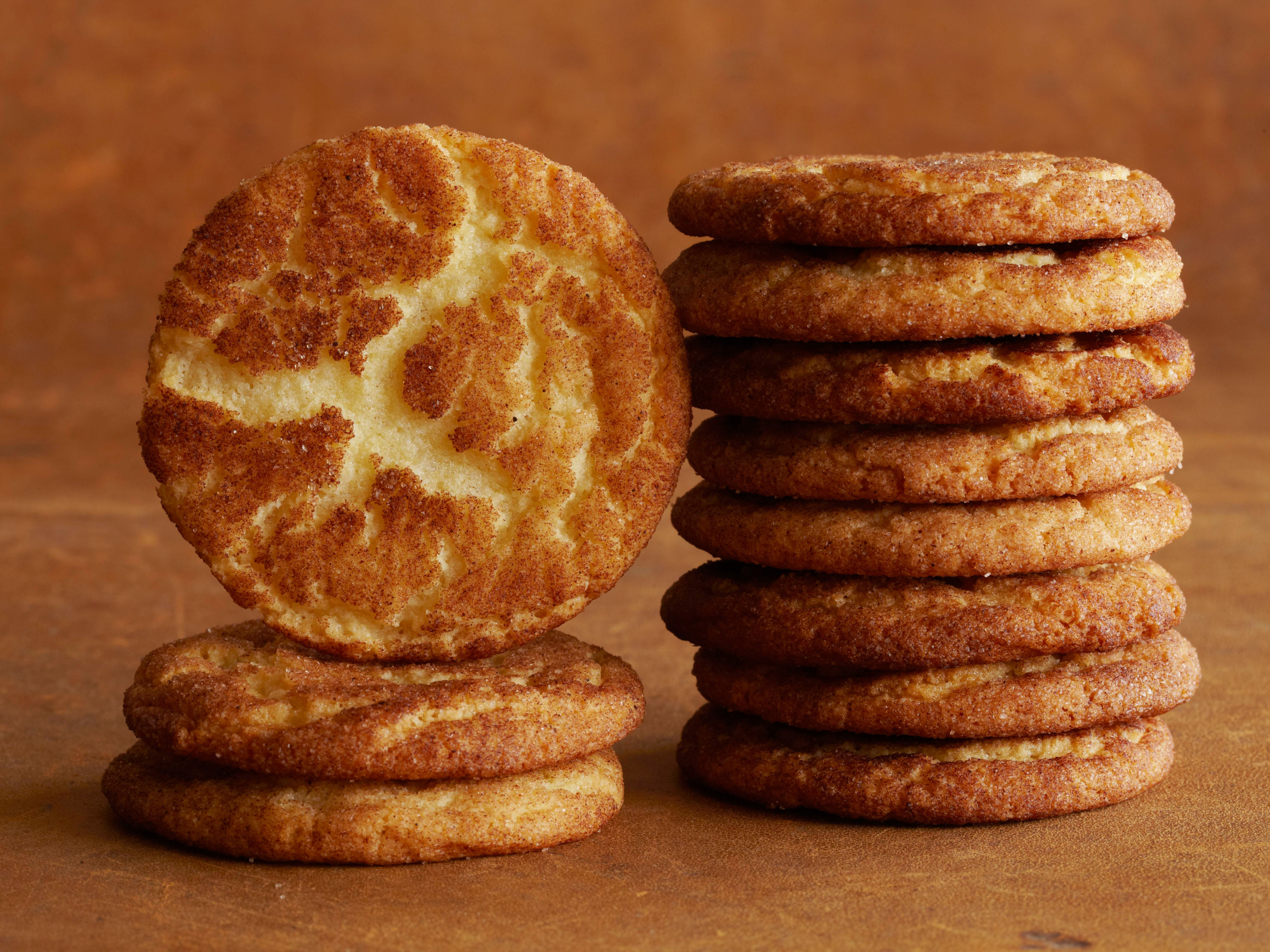
It wouldn’t be a snickerdoodle (everyone’s favorite old-fashioned cinnamon cookie) without cream of tartar, which contributes chewiness and that quintessential tangy flavour.
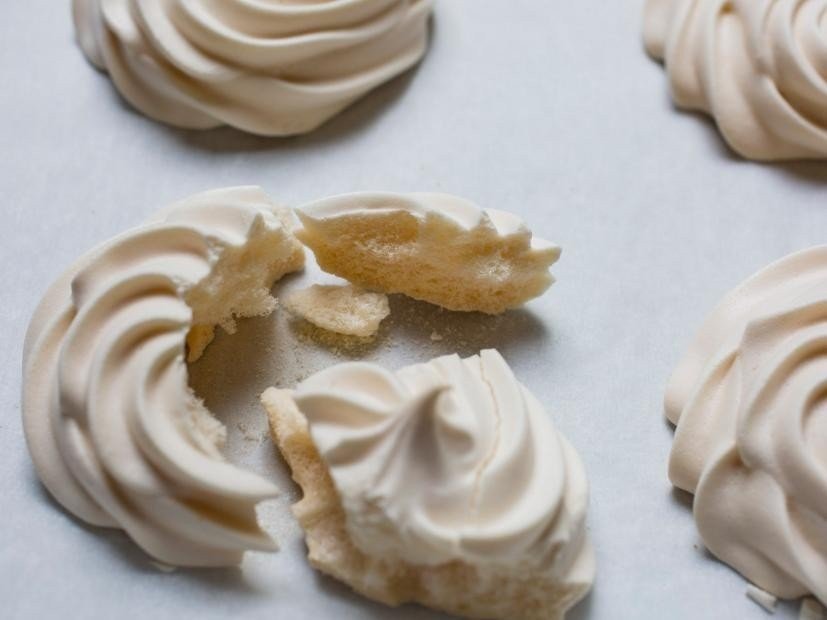
With their crispy exteriors and their marshmallow-like interiors, who doesn’t love a meringue? And thanks to a little cream of tartar, your egg whites will whip up perfectly every time.
Cream of tartar helps to stabilise the meringue batter, so it bakes into an airy, lofty cake.