
















The world’s Blue Zones - regions where there are unusually high proportions of very old people - have become a major talking point for scientists and food experts alike. These disparate communities share astonishingly similar patterns rooted in diet and lifestyle, but what exactly sets them apart? Is it little more than a superpowered Mediterranean way of eating, or is it something deeper in their daily habits? And could these secrets to longevity be replicated in our own kitchens and lives? Let’s feast on the facts of the Blue Zone Diet.
What are the Blue Zones?
The term ‘Blue Zones’ refers to a group of just five regions around the world - Ikaria in Greece, Loma Linda in California, Nicoya Peninsula in Costa Rica, Okinawa in Japan, and Sardinia in Italy - where people are known to live notably longer lives than average, often reaching their nineties and beyond. The concept was originally developed by Belgian demographer Michel Poulain, but popularised by longevity researcher and author Dan Buettner. The name itself is deceptively simple - it comes from the blue circles Poulain’s team used to mark these communities on a map. What makes Blue Zones so compelling is not just lifespan, but quality of life. Many residents remain active, social, and engaged well into older age.
So in this article, we’re taking a general look at Blue Zone diets - but remember, it’s not a medical guide! While the habits we see in Blue Zones can be fascinating, there’s a wide range of other lifestyle factors that come into play. But if you’re interested in what goes on the Blue Zone plate, then read on…

What Do People in Blue Zones Eat, & How Do They Live?
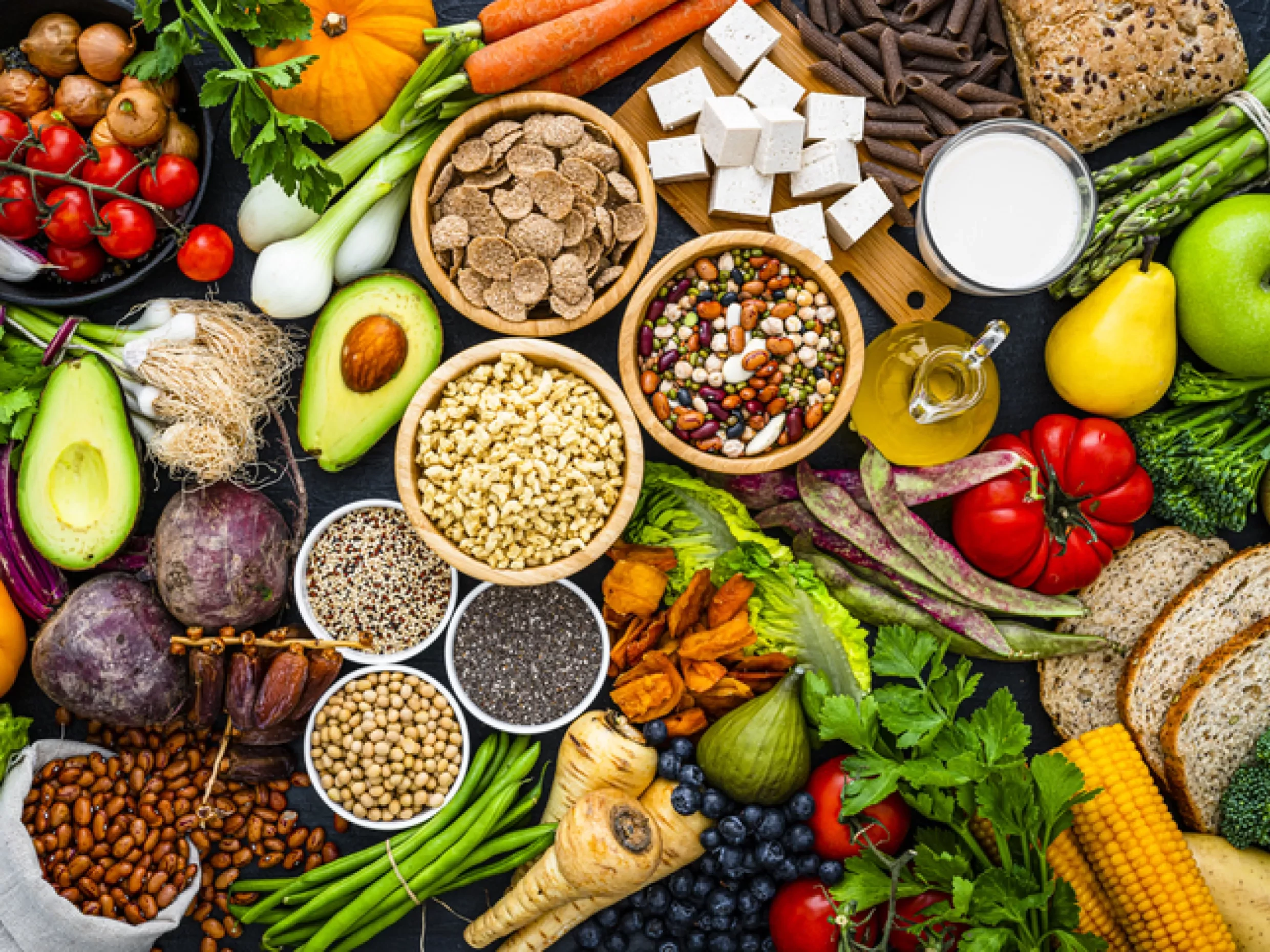
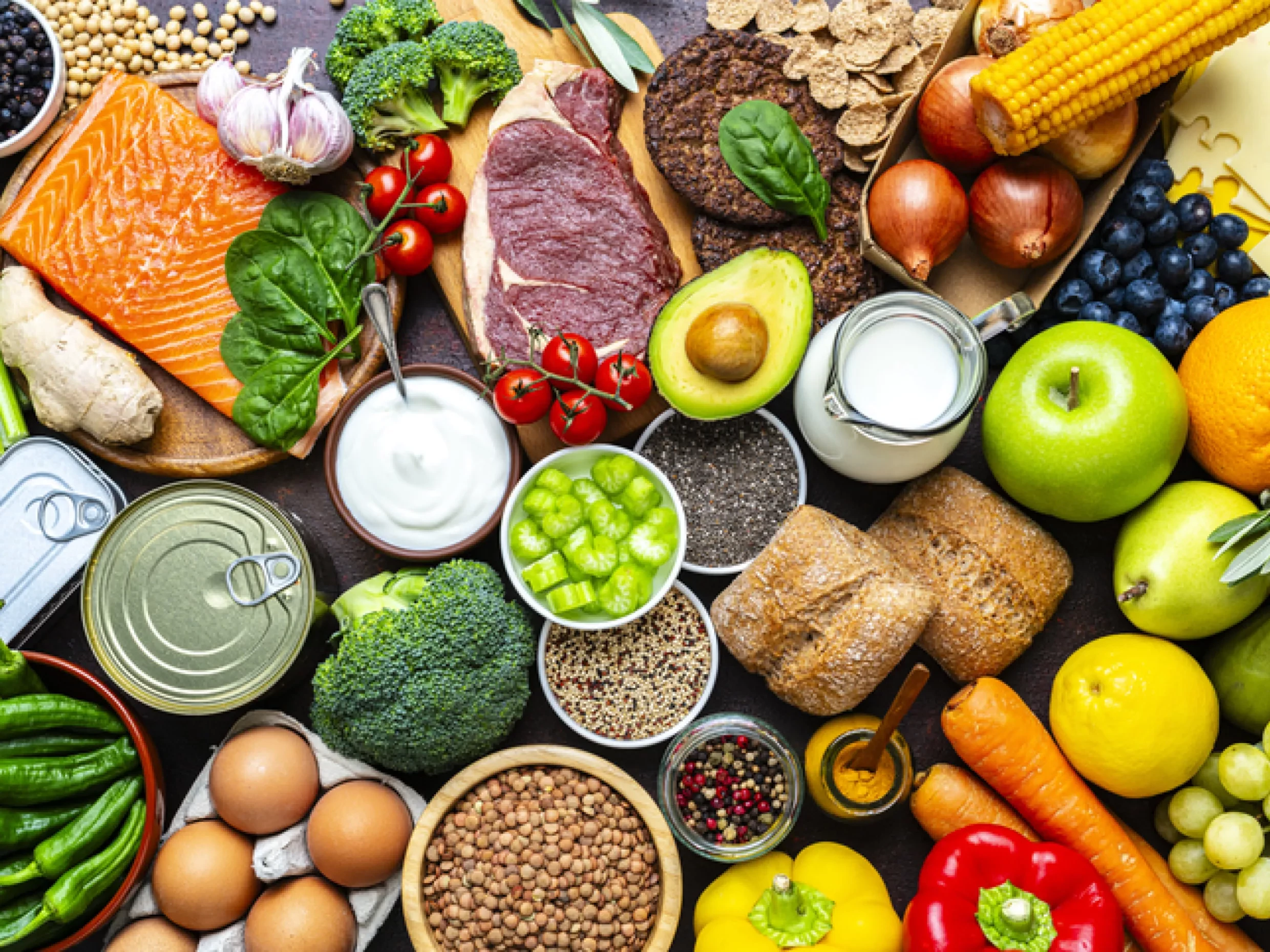
Daily life in the world’s Blue Zones tends to follow a similar pattern that’s shaped by habit and environment as much as diet. Meals are typically built around simple, whole (unprocessed) ingredients, with a strong emphasis on plant-based foods such as vegetables, legumes, whole grains, and nuts. Lean proteins such as fish, poultry and eggs are eaten in moderation, and meat and highly processed foods are eaten rarely, if at all.
Just as notable are the patterns beyond the plate. Physical activity is woven naturally into daily routines, whether through walking, gardening, volunteering, or manual work, rather than structured exercise (this isn’t about a step-count target). And while no single factor explains longevity, it’s been suggested these combined habits may contribute to lower rates of certain chronic conditions, including heart disease and type two diabetes, within these communities.

Sardinia | Italy
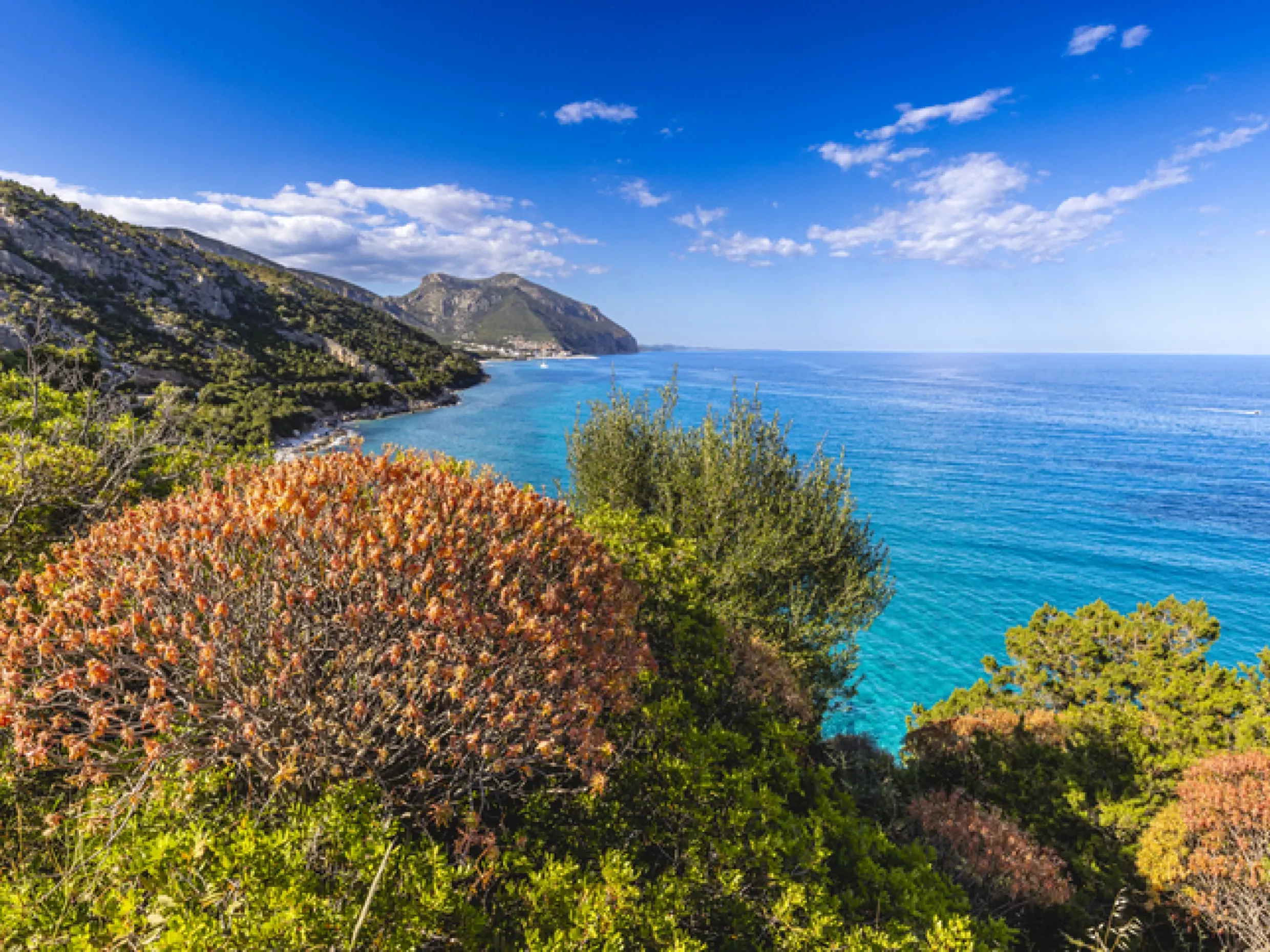
The Sardinian regions of Ogliastra, Barbagia, and Nuoro are home to one of the highest concentrations of centenarians in the world, particularly among men. Life here has traditionally been shaped by agriculture and shepherding, often meaning residents have to take on regular physical activity well into older age.
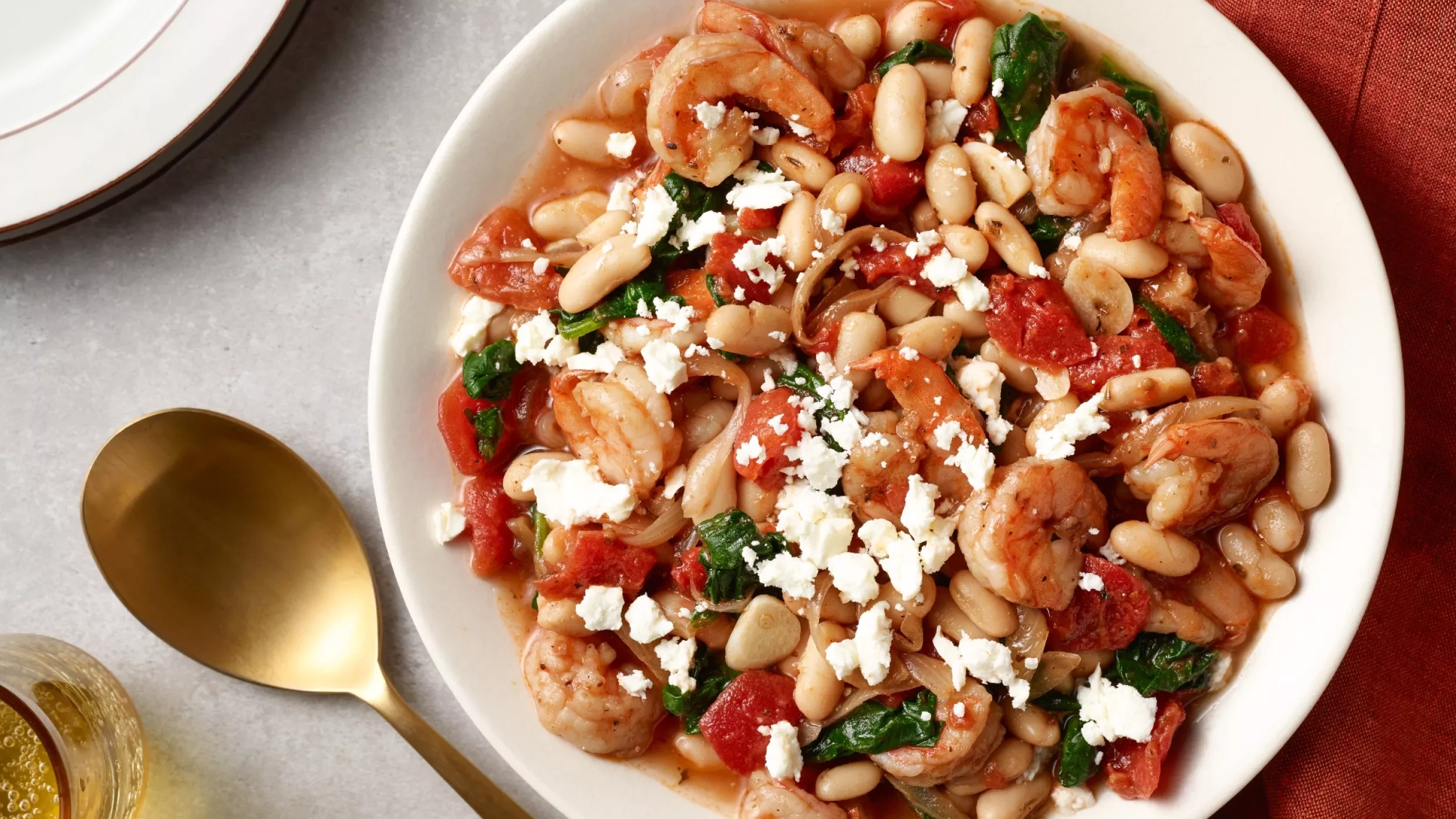
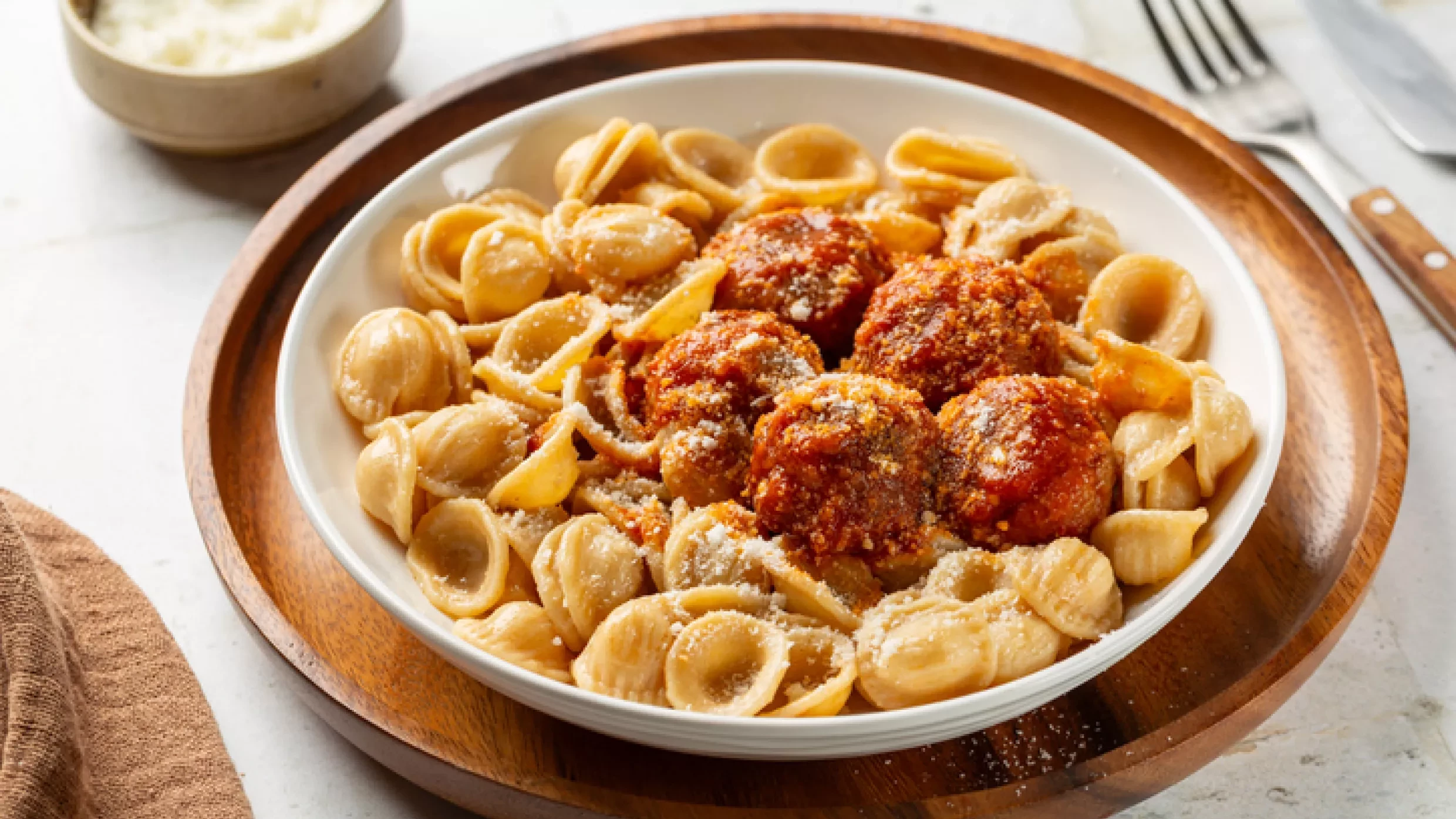
The local diet - a variation of the famous Mediterranean diet - reflects this rural lifestyle. Meals often centre on whole grains such as barley and wheat; legumes including fava beans, lentils and chickpeas; vegetables such as tomatoes, onions, courgettes and cabbage; small amounts of fish and seafood, and similarly small amounts of beef, lamb and pork. Dairy plays a role too, particularly in the form of sheep’s milk products like pecorino cheese, which is rich in omega-3 fatty acids due to the animals’ grass-fed diet.
Ikaria | Greece
Located in the eastern Aegean Sea around 150 miles east-southeast of Athens, the Greek island of Ikaria has become known for the longevity of its residents and the relaxed pace of daily life. Like Sardinia, The local diet closely reflects the broader Mediterranean style of eating, but the Greeks tend to drink more coffee and eat full-fat dairy such as goat’s milk, yoghurt and cheese.
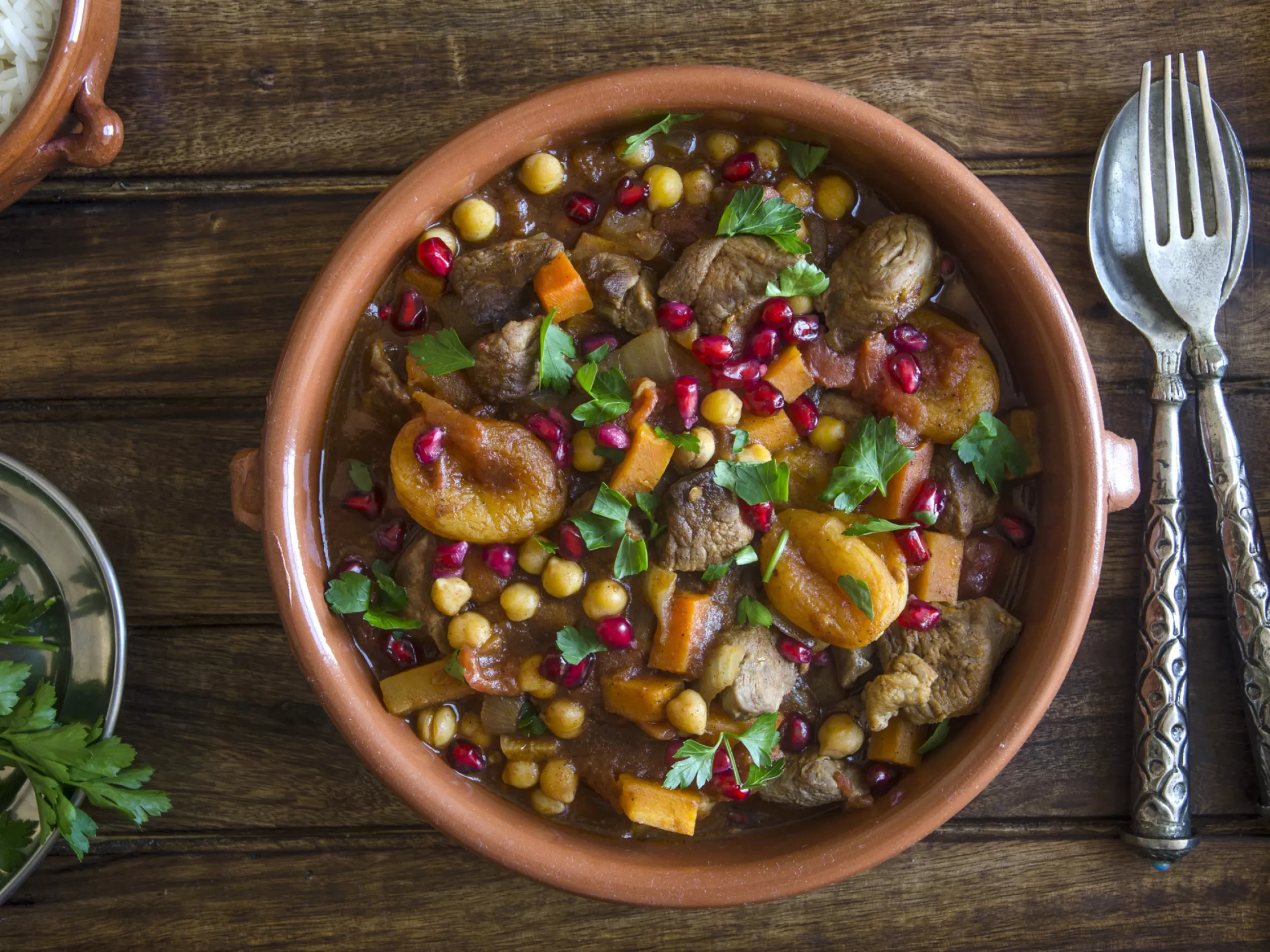
Meals tend to be built around vegetables - such as spinach, kale, broccoli, and wild greens - as well as legumes, beans, chickpeas and lentils, whole grains (including bread), the generous use of olive oil, and smaller amounts of fish and meat. Herbal teas, often made from wild plants gathered on the island, are also a regular feature. The Ikarians also eat lots of fruit, such as pomegranate, figs, berries, kiwi, oranges, and apricots.

Nicoya Peninsula | Costa Rica
The Nicoya Peninsula juts out into the North Pacific Ocean and the local diet is simple and consistent. Built around staple foods such as black beans, corn, and rice, these are often accompanied by fresh tropical fruits such as papaya, banana, mango and pineapple. The menu also serves up a range of locally grown vegetables, including plantain, yucca, squash, bell peppers and pejibaye - a starchy peach-palm fruit with a nutty flavour. These foods create meals that are both nutrient-dense and minimally processed. Animal products - mainly chicken and eggs - are typically eaten in smaller quantities.
Daily activity is naturally integrated into everyday life, whether through farming, household tasks, or time spent outdoors. A strong sense of purpose - often referred to locally as plan de vida, or ‘reason to live’ - is also frequently highlighted as part of what supports long-term health in this region.

Loma Linda | USA
Unlike the other Blue Zone regions, Loma Linda - around sixty miles east of Los Angeles in San Bernadino County - is a suburban community rather than a remote or rural region. Its reputation for long life is closely linked to the lifestyle of the Seventh-day Adventist population, a faith group whose beliefs encourage a strong focus on health, wellbeing, and balanced living.
Diet plays a central role, with many residents following a largely plant-based diet. Meals often include vegetables such as parsnips, broccoli, onions, leafy greens and carrots, fruits like apples, pears, bananas, oranges and mango, whole grains, legumes, and nuts, while meat - if eaten at all - is typically consumed sparingly. There’s also an emphasis on moderation and mindful eating habits.

Okinawa | Japan
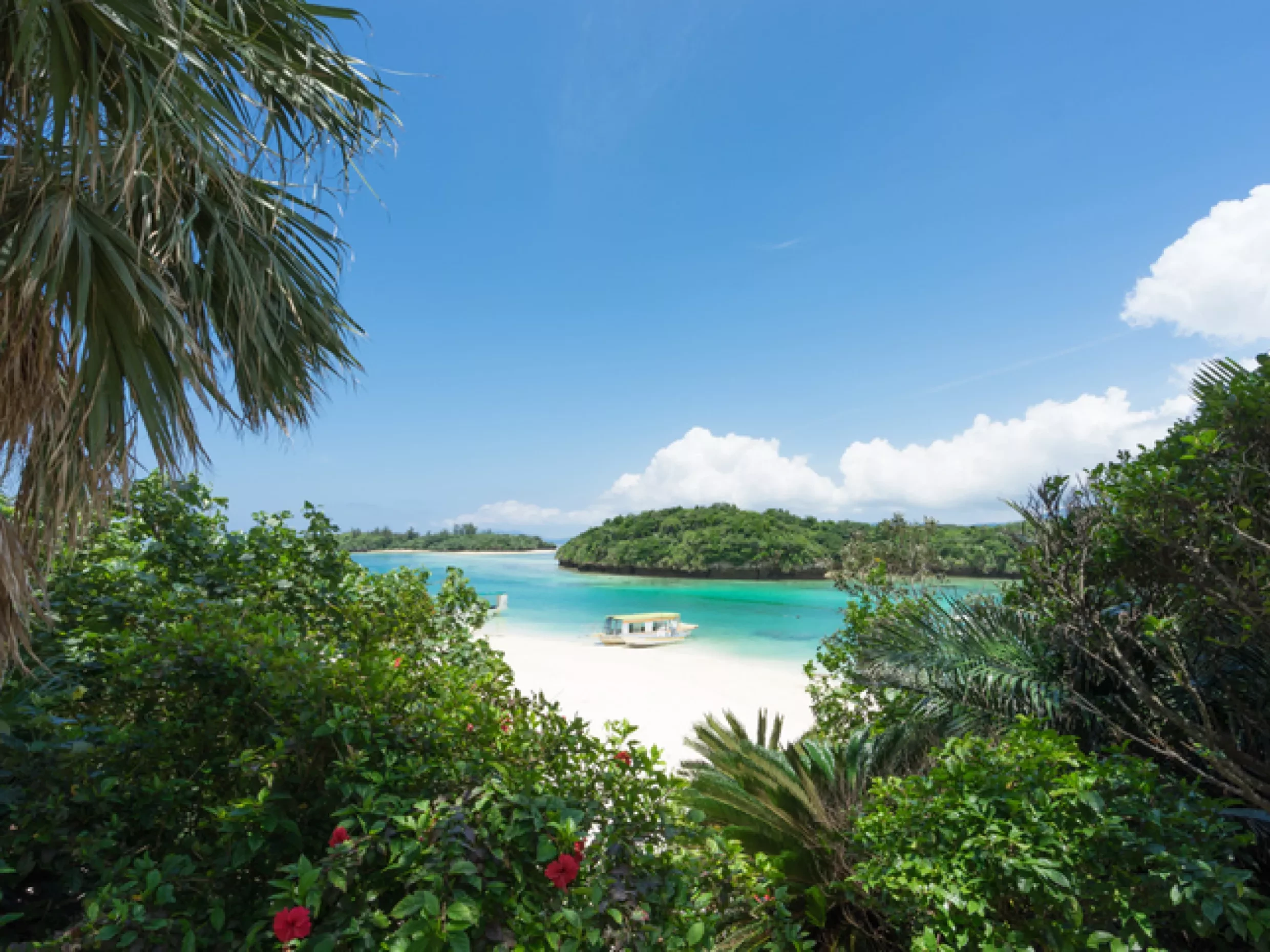
Japan’s westernmost and southernmost prefecture, Okinawa is a group of 160 islands and the most widely studied of the five Blue Zones. It’s very well known for its high number of centenarians and long-standing cultural traditions. Life here is often guided by a strong sense of purpose - referred to as ikigai.
The traditional Okinawan diet itself is largely plant-based, with a focus on vegetables such as bitter melon, bamboo shoots, cabbage and pumpkin. Algae, kelp and seaweed are popular components of the Okinawan diet, as are legumes, and soy products such as tofu and miso. Sweet potatoes rather than rice have historically been a staple, providing a consistent source of energy, while meat and fish are typically consumed in smaller amounts. Meals are often guided by the principle of hara hachi bu, or eating until you are around 80% full.
As with other Blue Zones, movement is naturally built into daily life, and social structures - such as small, supportive community groups - play an important role. Together, these habits are often associated with lower rates of certain age-related illnesses and a high quality of life into older age.
Beyond the Diet: Bringing Blue Zone Habits into Everyday Life
Although the Blue Zones are often associated with longevity, their approach to food is based on simplicity rather than strict rules. Meals tend to centre on whole, minimally processed ingredients, with a strong emphasis on vegetables, legumes, whole grains, and healthy fats such as olive oil. Meat and richer foods are generally used more sparingly, often as a complement rather than the focus.
If you’re keen to replicate the Blue Zone approach, then bringing these ideas into your own kitchen can be less about recreating specific recipes and more about adopting a similar mindset. Cooking with seasonal produce, incorporating more plant-based dishes, and relying on simple, time-tested ingredients can all reflect the spirit of Blue Zone eating.