


From the Brazilian churrascarias and the spice markets of Morocco, to Spanish tapas joints and the centuries-old Japanese art of robatayaki, the World Cup is as much a feast of food as it is a fiesta of football. As nations from across the globe arrive in the USA, Canada and Mexico to play the beautiful game, they bring their national dishes with them. Here, we’ll explore the culinary creativity of Cabo Verde, Curacao and Colombia, the epicurean excellence of Egypt and Ecuador, the sensational scran of Sweden, Senegal and Scotland, the appetising array of Argentina, Austria and Algeria, and plenty more besides!
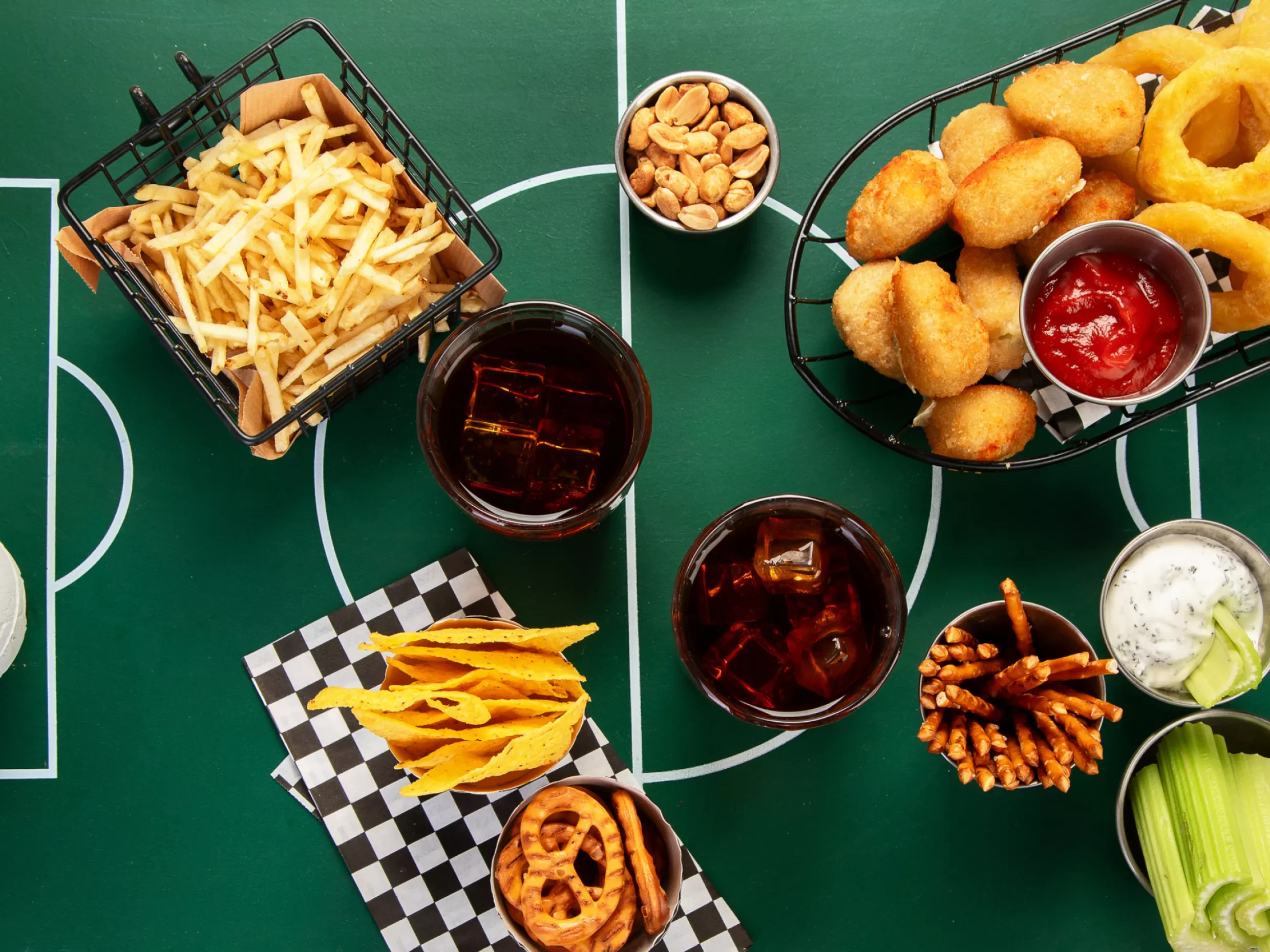
Footie & Food: A Match Made in Heaven!
Welcome to this whistle-stop culinary tour of the forty-eight nations at the 2026 FIFA World Cup. From globally-celebrated classics to lesser-known regional treasures, we’re diving fork-first into the dishes that define each team’s matchday menu - some you’ll recognise instantly, others might just become your new favourites! We’re going group by group serving up a world of fantastic food, one nation and one dish at a time!

Group A - Mexico | South Korea | South Africa | Czechia
The opening group pairs co-host Mexico, a fixture at the World Cup with a passionate footballing culture, with 2002 semi-finalists South Korea. The Czechia bring European pedigree and technical quality, while 2010 hosts South Africa round out the group with their unique blend of pace and flair. On the table, this group is just as exciting: Mexico's chile-and-corn traditions, Korea's fermentation mastery, Central Europe's hearty meat-and-dumpling comfort, and South Africa's spice-route fusion.
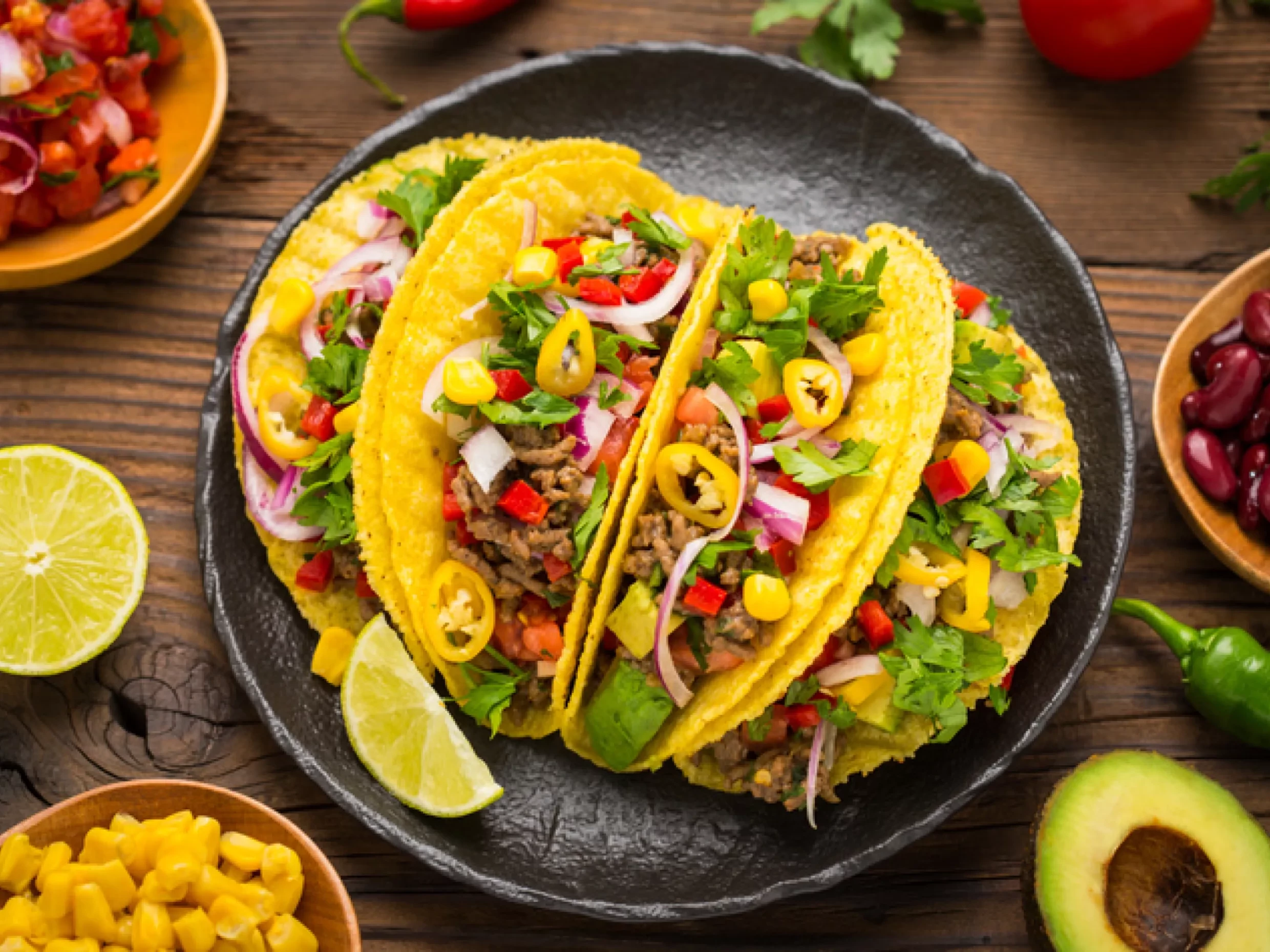
Mexico | Tacos Soft or crisp tortillas folded around beef, pork, chicken and grilled fish, topped with onion, coriander, beans, cheese, sour cream or salsa. Endlessly variable, the taco is one of Mexico's most beloved culinary exports.
South Korea | Kimchi Napa cabbage and radish fermented with chili, garlic, ginger, and salted seafood. Tangy, spicy, and crunchy, it appears at nearly every Korean meal and is a cornerstone of national identity.
Czechia | Vepřo knedlo zelo Roast pork served with fluffy bread dumplings and braised sauerkraut. One of the country’s national dishes, it's the definition of Czech Sunday-lunch comfort.
South Africa | Bobotie Spiced minced meat baked under a savoury egg custard, sweetened with dried fruit and finished with bay leaves. A Cape Malay classic that captures the country's wonderfully varied blend of cultures.
Group B - Switzerland | Canada | Qatar | Bosnia-Herzegovina
Co-host Canada is hoping to build on its return to the world stage, and Switzerland bring the history of a regular knockout-round side. Bosnia and Herzegovina will show plenty of determination while 2022 host country Qatar arrives with a growing reputation in Asian football. On the plate you’ll find Canadian indulgence, Alpine cheese craft, smoky Balkan grilling, and the aromatic rice dishes of the Gulf.
Canada | Poutine Crisp French fries smothered in cheese curds and hot gravy until the curds turn squeaky and soft. Born in Quebec, it's now a coast-to-coast comfort food obsession.
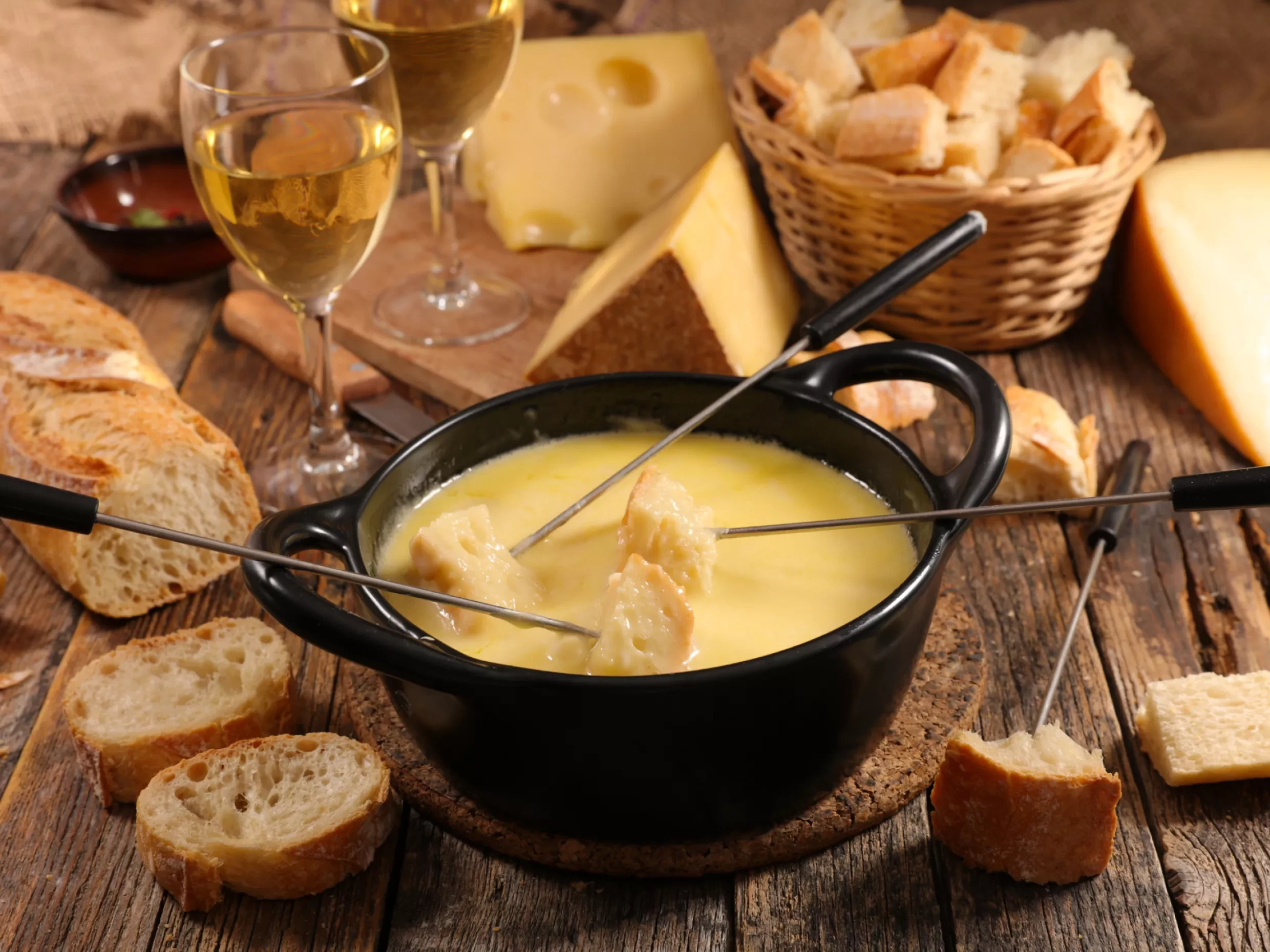
Switzerland | Fondue A pot of melted cheese (most commonly Gruyère mixed with Vacherin Fribourgeois, Appenzeller, Emmenthal or Sbrinz) with white wine and garlic, scooped up with cubes of crusty bread or vegetables on long forks. Cosy, social, and unmistakably Alpine.
Bosnia and Herzegovina | Ćevapi Small grilled fingers of seasoned minced beef and lamb, tucked into a flatbread with raw onion and creamy kajmak (similar to clotted cream). A smoky staple of the Balkans.
Qatar | Machboos Fragrant spiced rice cooked with meat or prawns, tomato, dried lime, and a blend of spices including black pepper, cardamom, cinnamon, cloves, saffron, bay leaves, and nutmeg. The centerpiece of Qatari hospitality and family feasts.
Group C - Scotland | Morocco | Brazil | Haiti
A fascinating group sees five-time champions Brazil - the only nation to appear at every World Cup - drawn alongside Scotland, back among the elite after twenty-eight years. Morocco arrives as a genuine force after their historic semi-final run in 2022, while Haiti brings Caribbean flair to their first finals appearance since 1974. The kitchens range from Brazil's bean-and-pork feasts to Scotland's rustic traditions, Morocco's slow-cooked tagines, and Haiti's bold Creole spicing.
Brazil | Feijoada A rich, dark stew of black beans simmered with various cuts of beef and pork, served with rice, collard greens, and orange slices. The deeply satisfying dish is traditionally a weekend affair.
Scotland | Haggis A savoury pudding of sheep's offal mixed with oats, onion, and spices, classically served with mashed neeps and tatties (turnips and potatoes). It’s reassuringly delicious and an icon of Scottish cuisine.
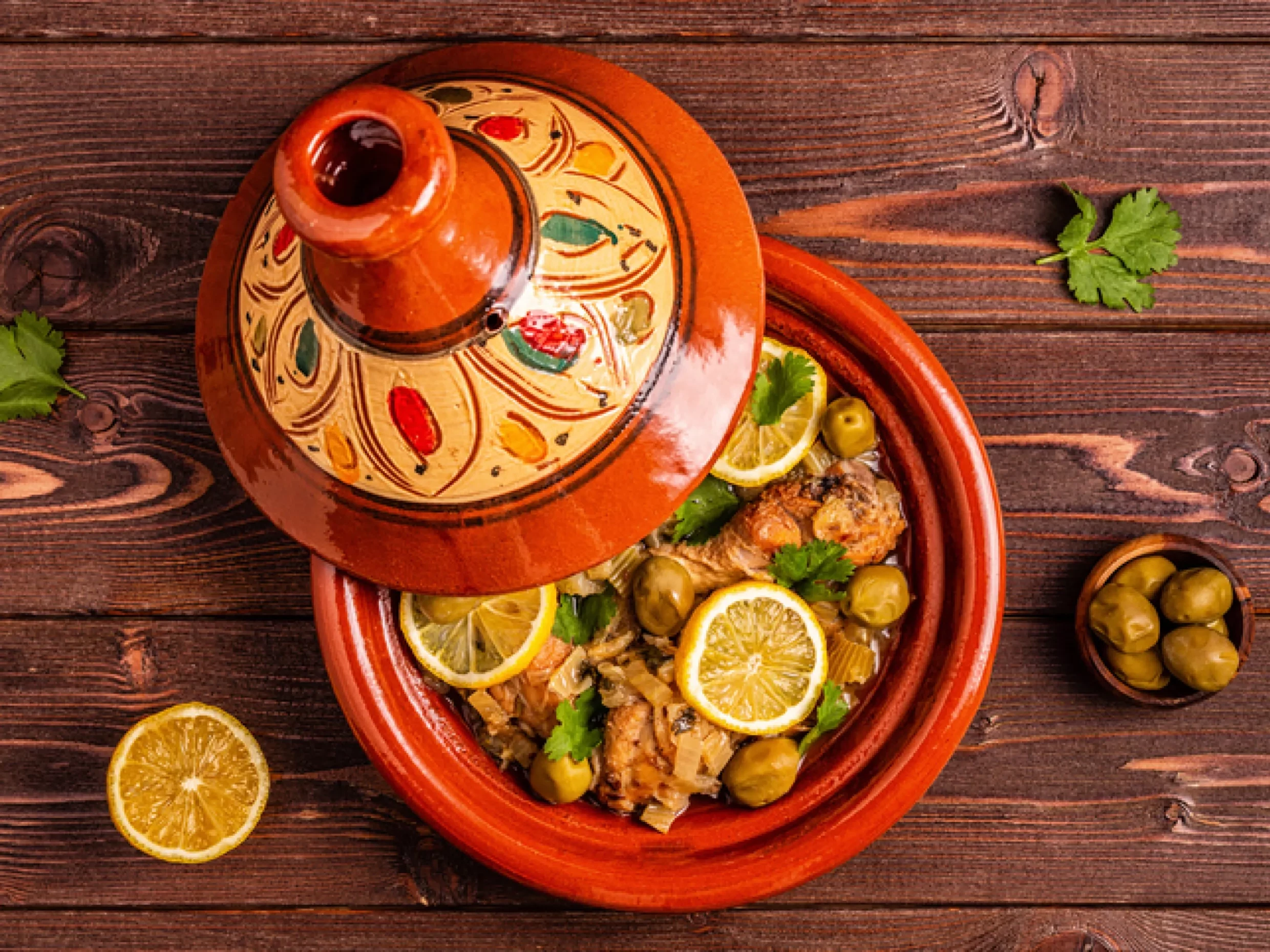
Morocco | Tagine A slow-cooked stew named for the conical clay pot it's made in, layering meat or vegetables with olives, prunes, and warm spices. Aromatic and tender, it's the heart of Moroccan cooking.
Haiti | Griot Chunks of pork shoulder marinated in citrus and herbs, then braised and fried until crisp at the edges, served with pikliz, a fiery pickled slaw. Haiti's most cherished celebratory dish.
Group D - USA | Australia | Türkiye | Paraguay
Co-host USA are eager to make a deep run in front of a passionate crowd, while Türkiye returns with the attacking pedigree that carried them to a 2002 semi-final. Australia has become a tournament regular, while Paraguay offers the tenacity and skill renowned through South American football. Expect American barbecue and burgers, Turkish kebabs and mezze, Aussie pub favourites, and Paraguay's corn-and-cheese comfort food.
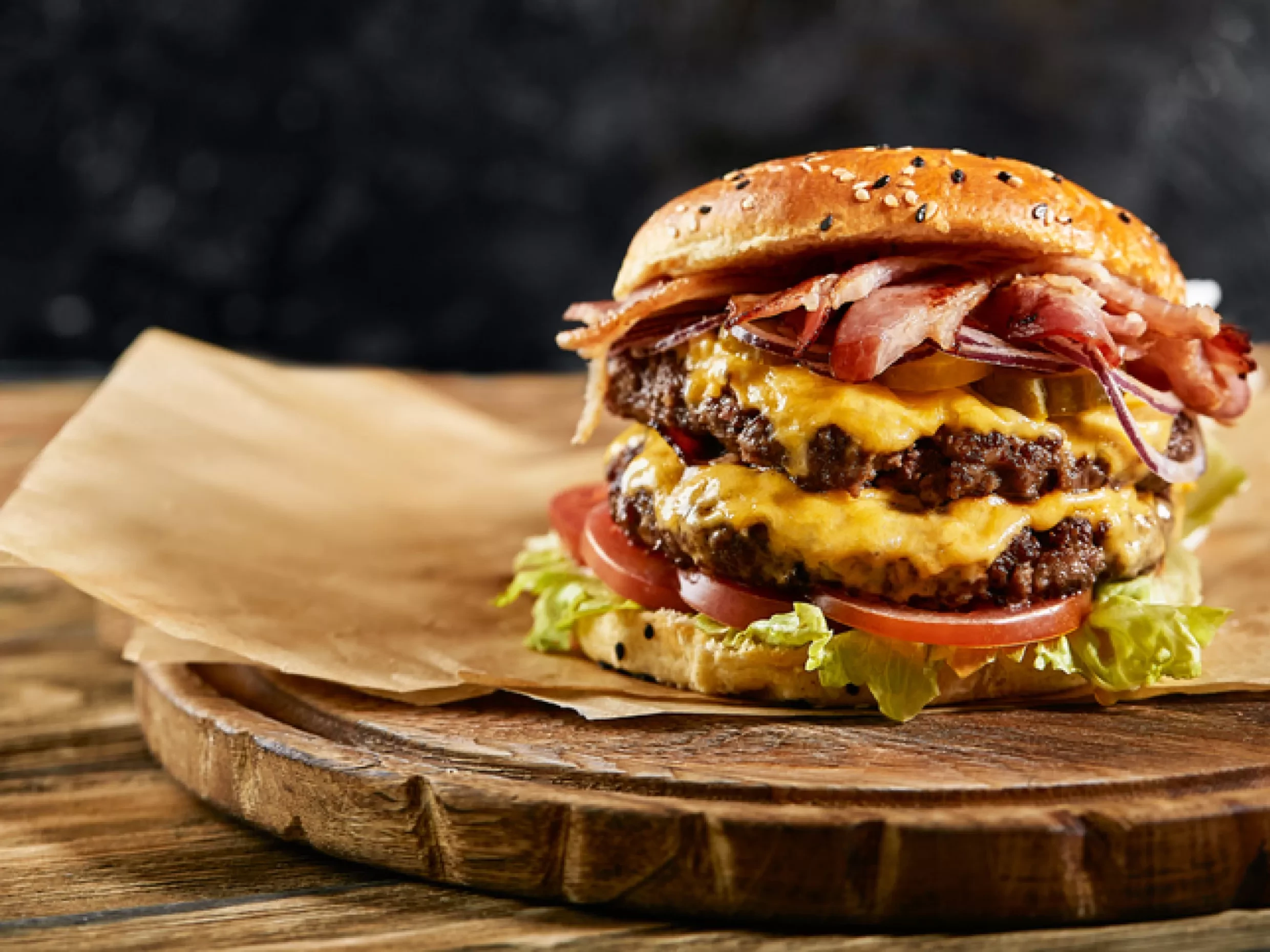
USA | Hamburger A grilled beef patty in a soft bun, dressed to taste and endlessly riffed upon from retro diners to garden grills. Few foods are more emblematic of American casual eating.
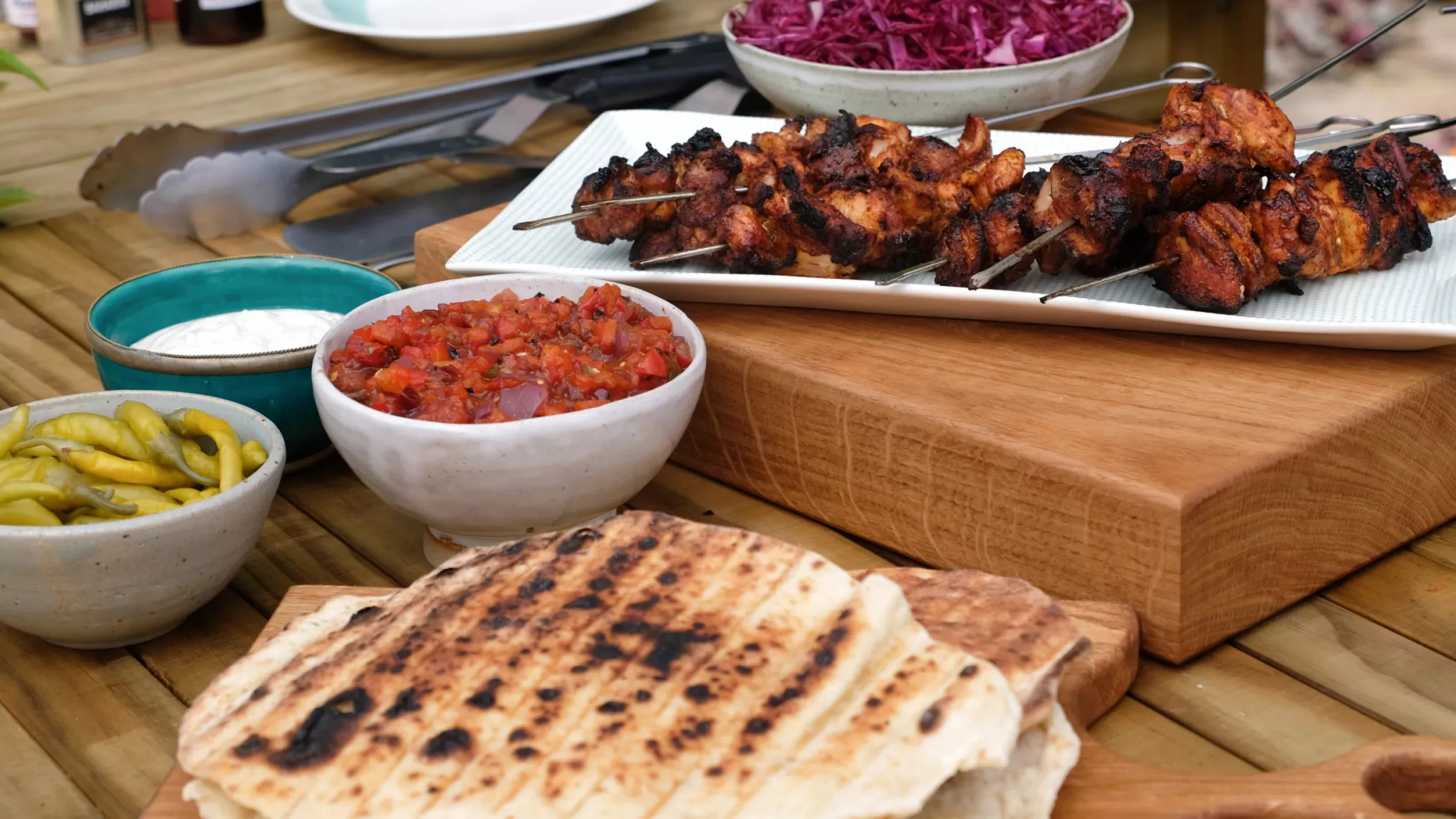
Türkiye | Kebab Spit-roasted or skewered meats - from döner to şiş - seasoned and grilled over fire, usually served with pitta bread, salad, and a yogurt or chilli sauce. A national art form with countless regional styles that’s spread all over the world.
Australia | Meat pie A handheld pastry filled with minced meat and gravy, famously eaten at Aussie Rules football games. The unofficial national snack, it’s usually topped with a squeeze of ketchup.
Paraguay | Sopa paraguaya Despite the name (the literal translation is ‘Paraguayan soup’), it's a moist, savoury cornbread baked with cheese, onion, eggs and milk or cream, and it’s a beloved side at nearly every Paraguayan gathering.
Group E - Germany | Côte d’Ivoire | Ecuador | Curaçao
Four-time champions Germany lead this group with the relentless class of a perennial footballing heavyweight. Ecuador brings the energy of a rising South American side, Côte d’Ivoire the flair of West African football, and Curaçao the joy of a tiny Caribbean island reaching the global stage for the very first time. The flavours run from German sausages to Ecuadorian seafood, Ivorian cassava staples, and Curaçao's Dutch-Caribbean fusion.
Germany | Bratwurst Grilled pork sausage (sometimes beef, veal, or a blend) with a variety of spices depending on the regional variation, served with mustard and a roll, and often with sauerkraut or potato salad. A street-food and beer-garden icon across the country.
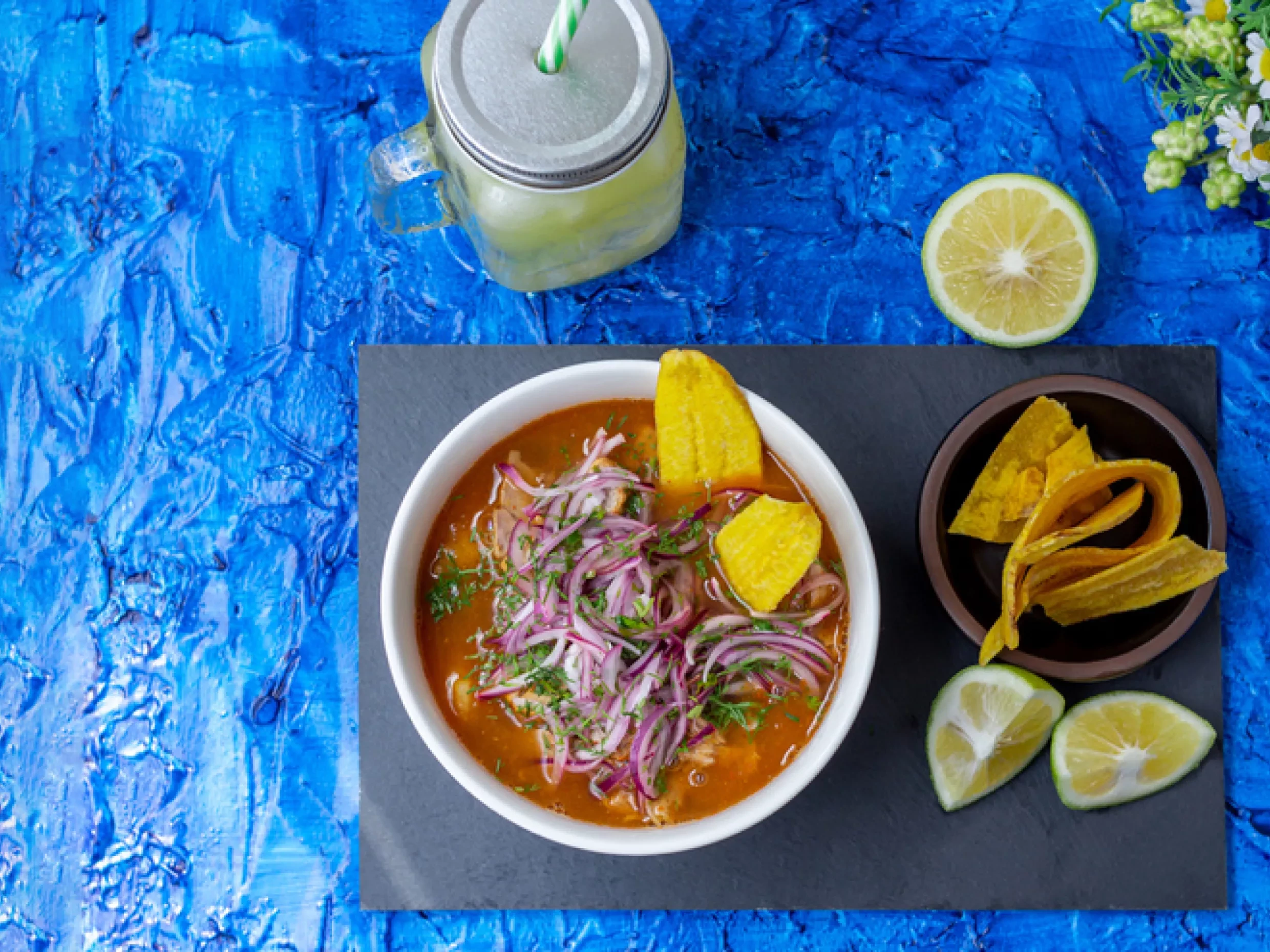
Ecuador | Encebollado A fish stew (most commonly tuna but sometimes billfish or bonito) served with pickled red onions and boiled cassava and accompanied with lime, toasted corn and plantain chips called chifles. Bright, zingy, and quintessentially Ecuadorian.
Côte d’Ivoire | Acheke Fermented grated cassava steamed into light, couscous-like grains, typically served with grilled or fried fish and a tangy onion-pepper relish. A daily staple and source of national pride.
Curaçao | Keshi yena A whole round of Edam or Gouda cheese hollowed out and stuffed with spiced meat, olives and raisins, then baked until molten. A clever, delicious legacy of the island's Dutch heritage.
Group F - Sweden | Japan | Netherlands | Tunisia
A tough group features three-time finalists the Netherlands, alongside Sweden, famously runners-up in 1958 to Pele’s Brazil, Japan, Asia's most stylish and consistent qualifier, and Tunisia, the powerhouse from North Africa. On the table is hearty Dutch mash, Swedish meatballs and preserves, Japan's revered seafood and noodle culture, and Tunisia's fiery harissa-driven cuisine.
Netherlands | Stamppot Potatoes mashed with vegetables such as kale, endive, or sauerkraut, served with a smoked sausage and lashings of gravy. Warming, filling, and the definition of Dutch winter comfort.
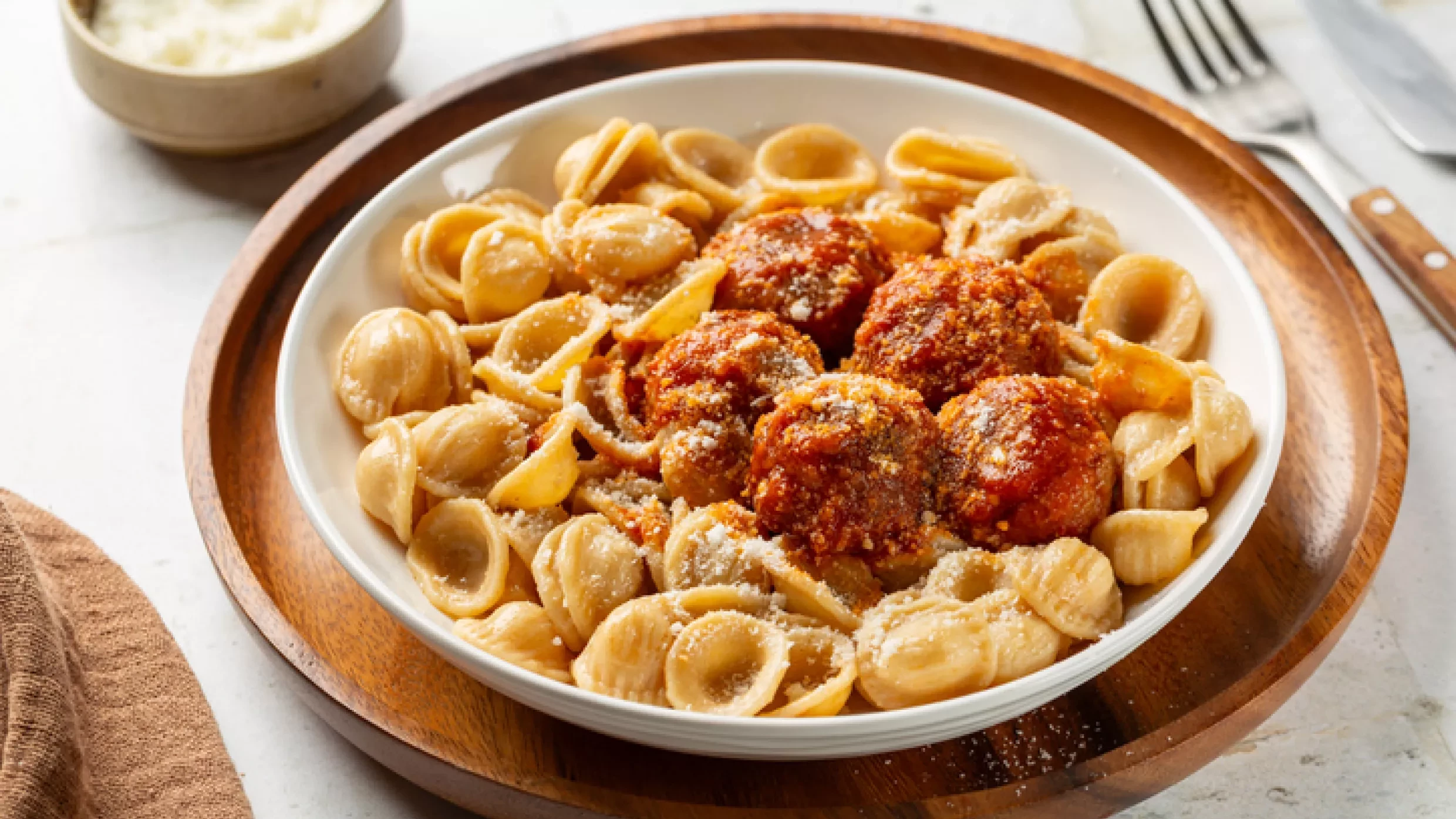
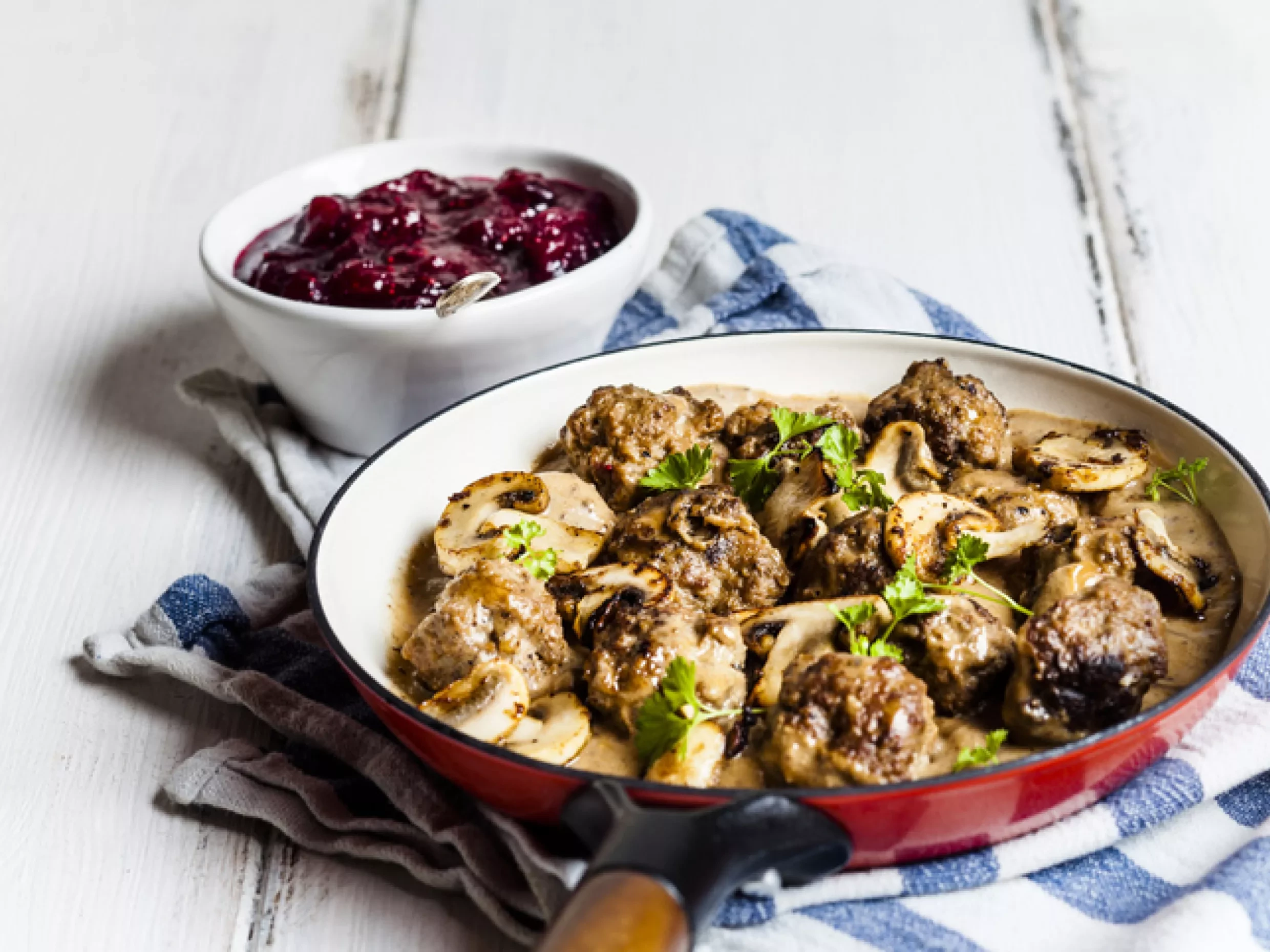
Sweden | Köttbullar Small, tender meatballs of beef and pork served with creamy gravy, lingonberry jam, and mashed or boiled potatoes. The sweet-savoury combination is Sweden's most famous comfort dish.
Japan | Sushi Vinegared rice paired with pristine raw fish, seafood, or vegetables, shaped into nigiri or rolls. An exacting craft and the country's most globally celebrated food.
Tunisia | Brik A crisp, thin pastry folded around a runny egg, tuna, capers, olives, harissa and parsley, then fried. A beloved starter, it should be eaten carefully to catch the yolk!
Group G - New Zealand | Iran | Belgium | Egypt
Belgium, ranked among the world's elite and 2018 semi-finalists, headlines a group with real variety. Iran is one of Asia's most regular qualifiers, Egypt brings the weight of African football history, and New Zealand the determination of Oceania's standard-bearer. Flavours range from Belgian frites and mussels to Iran's saffron-scented kebabs, Egypt's hearty stews, and New Zealand's celebrated pavlova.
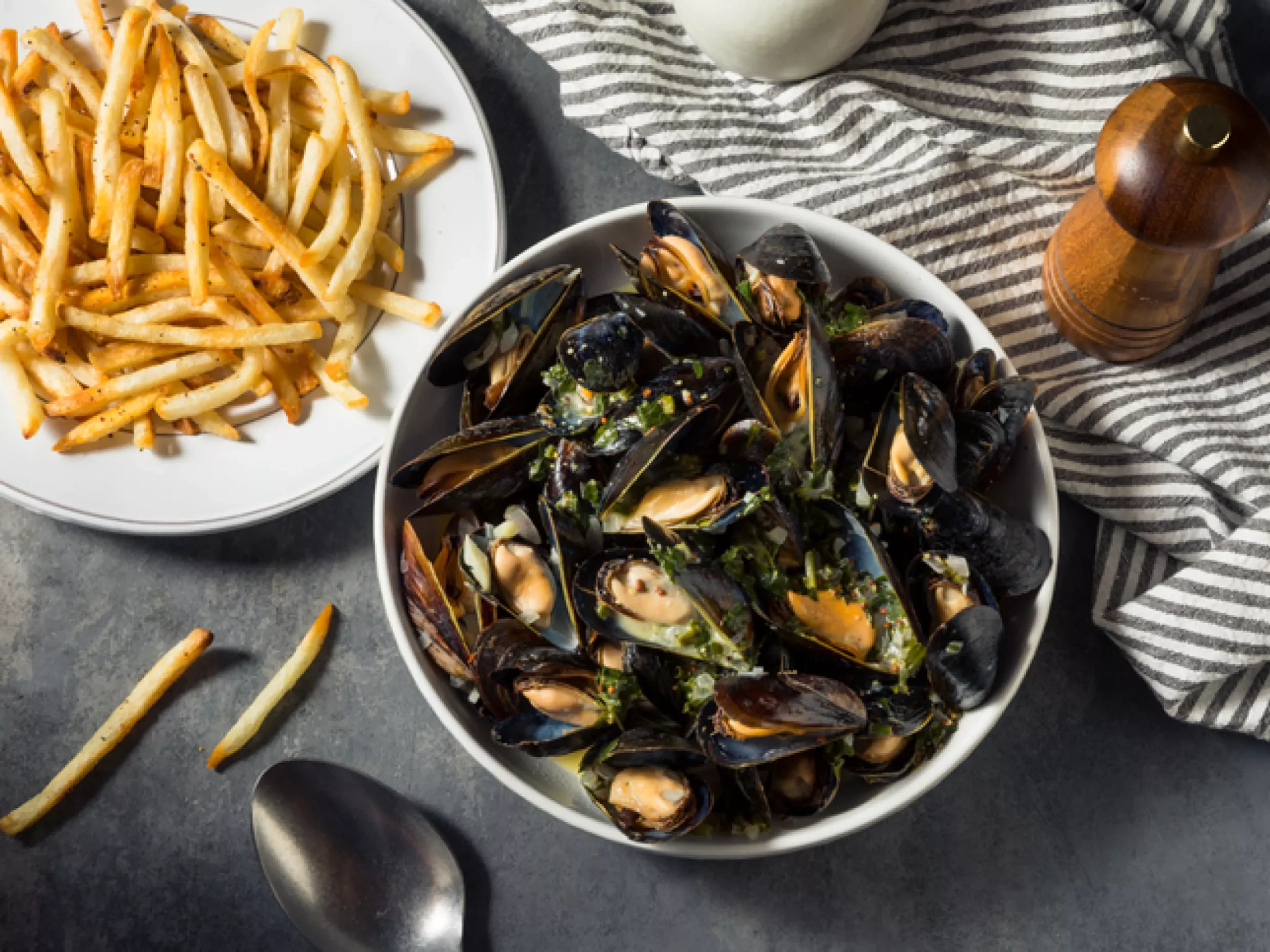
Belgium | Moules-frites A steaming pot of mussels cooked in white wine, garlic, and herbs, served with a generous side of crispy French fries. Belgium's signature pairing and a national point of pride.
Iran | Chelo kabab Grilled saffron-marinated kebabs served over fluffy rice with grilled tomato and a pat of butter. Often called Iran's national dish, it's regularly the centerpiece of celebratory meals.
Egypt | Koshari A hearty, vegetarian street-food bowl layering rice, lentils, pasta, and chickpeas under a garlicky tomato sauce and topped with crispy fried onions. Tasty, filling, and adored nationwide.
New Zealand | Pavlova A crisp-shelled, marshmallow-soft meringue dessert crowned with whipped cream and fresh fruit, especially kiwi and strawberries. A cherished centerpiece at holidays and celebrations.
Group H - Uruguay | Saudi Arabia | Spain | Cabo Verde
2010 world champions and reigning European champions Spain face Uruguay, two-time winners with a fierce footballing tradition, Saudi Arabia, a determined and rising Asian footballing power, and Cabo Verde, the tiny West African island nation making history with its first World Cup appearance. The cuisines span a Spanish icon, Uruguayan sandwiches, Saudi spiced rice feasts, and Cabo Verde's slow-cooked island stews.
Spain | Paella Saffron-tinged rice cooked in a wide shallow pan with seafood, chicken, rabbit, or vegetables. Valencia's gift to the world.
Uruguay | Chivito A towering steak sandwich piled high with ham, bacon, mozzarella, egg, lettuce, olives, and tomato with mustard or mayonnaise, usually served with fries. Despite its name (‘little goat’), it's all beef and Uruguay's beloved national sandwich.
Saudi Arabia | Kabsa Spiced rice cooked with chicken or lamb, tomato, and a fragrant blend of cardamom, cloves, and dried lime. The generous national dish of shared platters and hospitality. It’s a dish similar to Qatar’s machboos.
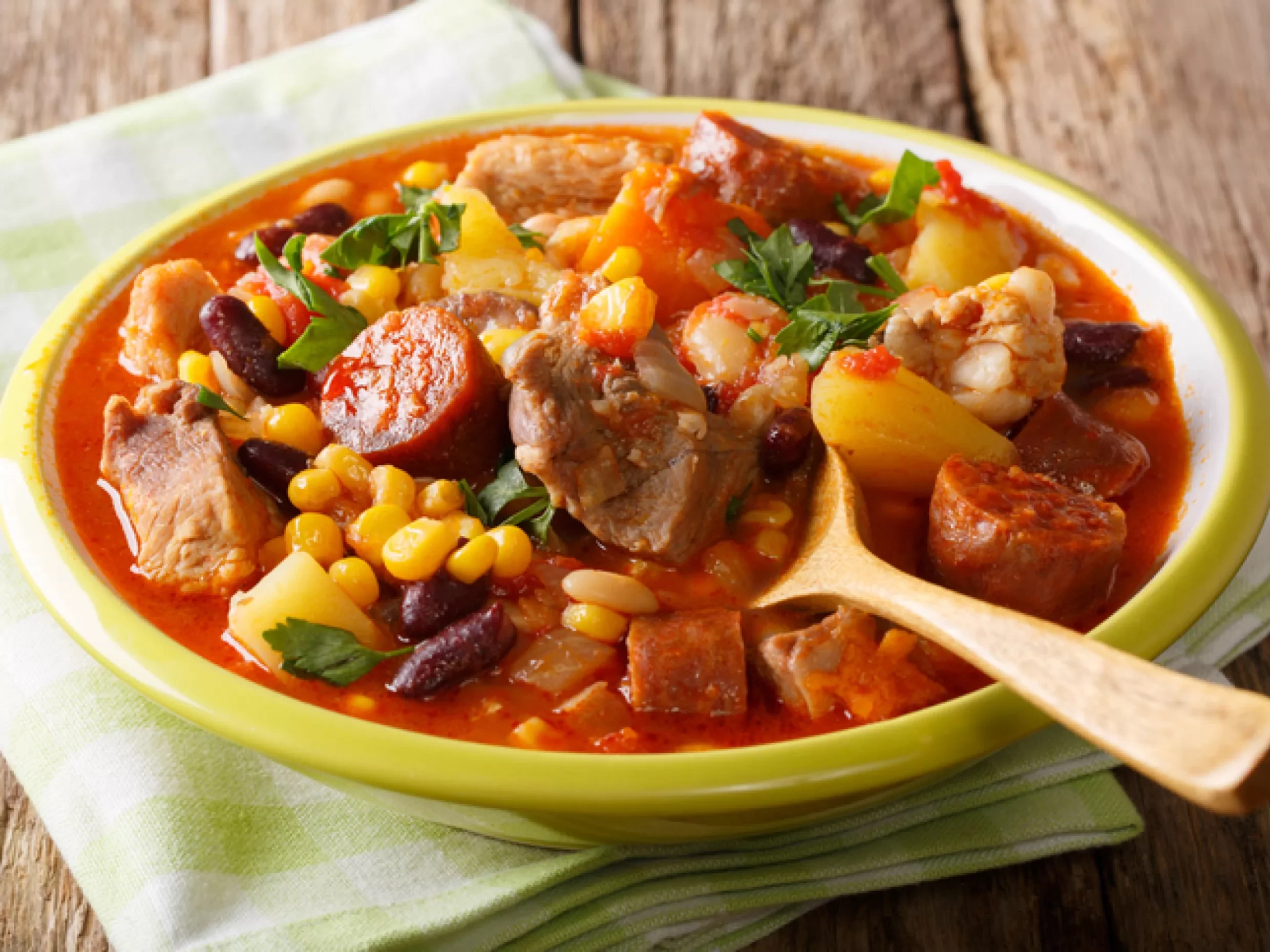
Cabo Verde | Cachupa A slow-simmered stew of hominy corn, beans, vegetables, and meat or fish that’s often left overnight to concentrate the amazing flavours. The soulful national dish, with countless household variations.
Group I - Norway | France | Senegal | Iraq
Pedigree meets passion, with France, 2018 champions and 2022 finalists, drawn against Senegal, an African footballing powerhouse and 2002 quarter-finalists. Norway arrives with a generational attacking talent, while Iraq brings the passion of West Asian football. The flavours move from French home cooking to Senegal's bold one-pot rice dishes, Norway's comforting traditions, and Iraq's ancient grilled-fish heritage.
France | Pot-au-feu Succulent braised beef, marrow bones, and root vegetables simmered slowly, with the broth served first and the meat after. A humble classic with endless regional variations and one of the most celebrated French dishes.
Senegal | Thieboudienne Fish and vegetables, including cassava, pumpkin, cabbage, carrot and aubergine, slow-cooked with broken rice in a rich tomato sauce. It’s the country's celebrated national dish and a true communal feast.
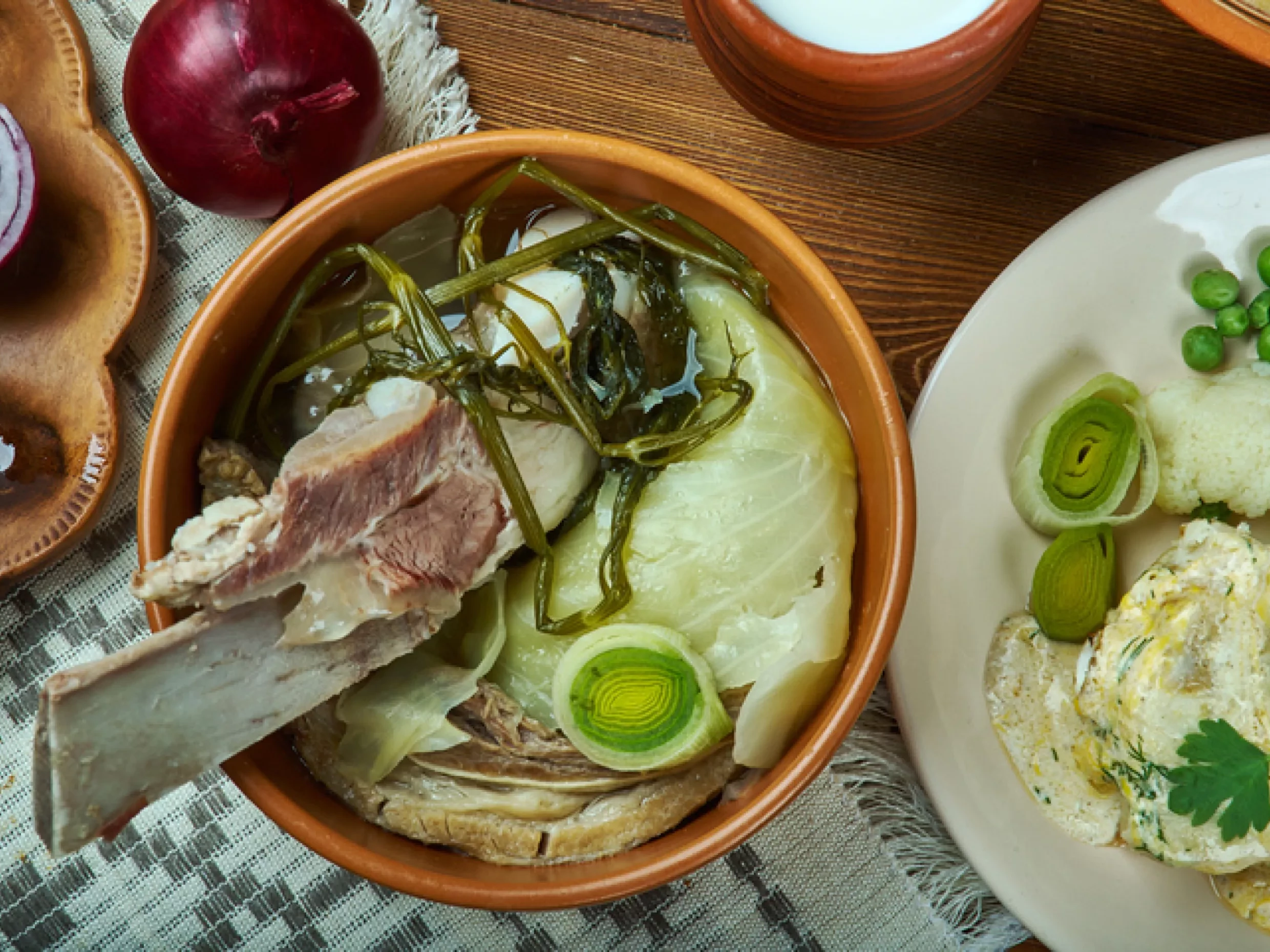
Norway | Fårikål Tender mutton and cabbage layered with whole peppercorns and simmered until meltingly soft. Officially crowned the national dish, it's autumn comfort in a pot and usually served with skin-on boiled potatoes.
Iraq | Masgouf Freshwater carp butterflied, seasoned, and slow-grilled upright beside an open fire until smoky and tender. An ancient Mesopotamian tradition and Iraq's signature dish.
Group J - Argentina | Austria | Jordan | Algeria
Reigning world champions Argentina begin their title defence in a group with intriguing contrasts. Austria brings Central European pedigree, Algeria the flair of a North African football heavyweight, and World Cup first-timers Jordan who have big ambitions. The plates range from Argentina's legendary beef culture to Austrian schnitzel, Algeria's couscous traditions, and Jordan's celebrated lamb-and-rice feasts.
Argentina | Asado A revered barbecue of beef cuts, ribs, and sausages grilled slowly over wood or charcoal, served with chimichurri. The asado is an institution and, like football, a national passion.
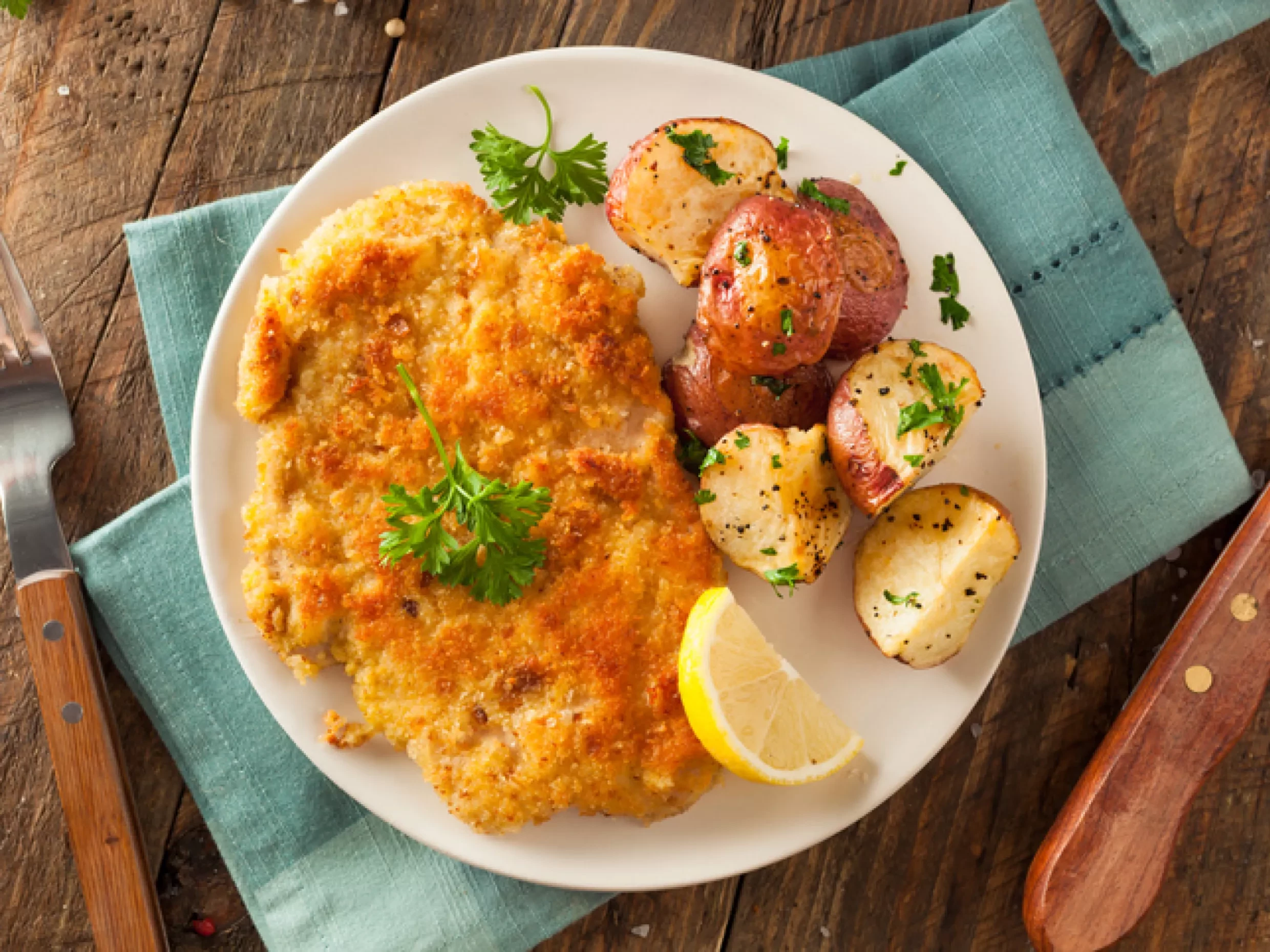
Austria | Wiener schnitzel A thin veal cutlet breaded and fried to a crisp golden finish, served with lemon and potato salad. Vienna's most famous dish and an iconic symbol of Austrian cuisine.
Algeria | Couscous Steamed semolina grains topped with a fragrant stew of meat or fish, chickpeas, and vegetables. A centuries-old tradition and a cornerstone of North African dining.
Jordan | Mansaf Lamb cooked in a tangy fermented-yogurt sauce called jameed, served over rice and flatbread with toasted nuts. The national dish of Jordan is eaten communally at almost every important occasion.
Group K - Portugal | Congo DR | Uzbekistan | Colombia
Portugal, 2016 European champions and home to a golden generation, headline a globe-spanning group. Colombia brings typical South American flair and a strong recent pedigree, Uzbekistan debuts as Central Asia's rising challengers, and DR Congo are a dynamic force in African football. The cuisines stretch from Portugal's salt-cod devotion to Colombia's hearty platters, Uzbekistan's celebrated rice pilafs, and Congo's rich peanut-and-palm stews.
Portugal | Bacalhau Salted, dried cod soaked and cooked in hundreds of different ways - baked, fried, or layered with potatoes and eggs. A national obsession central to Portuguese cuisine, it’s also a traditional Christmas Eve dinner in some parts of the country.
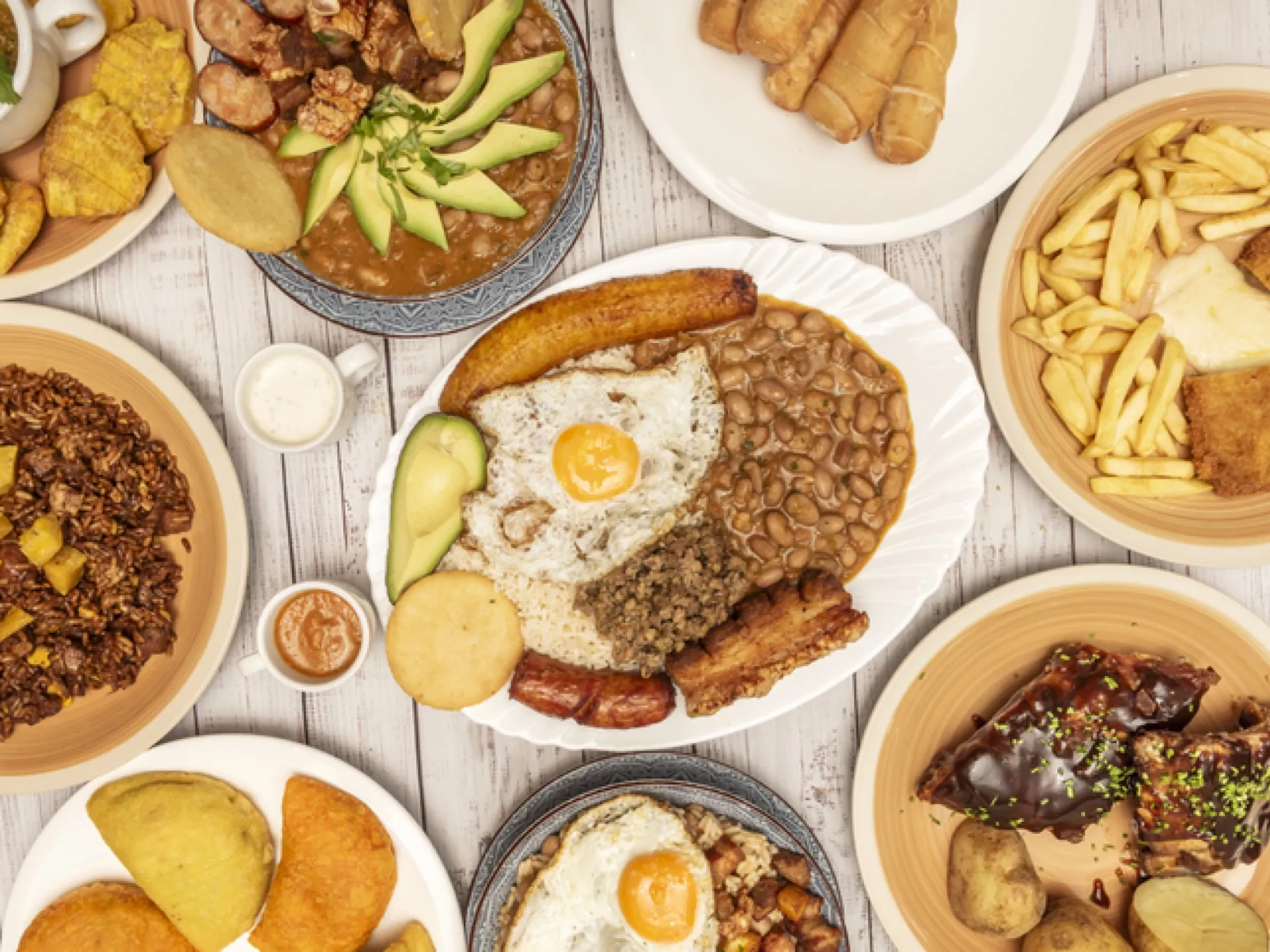
Colombia | Bandeja paisa A mountainous platter of beans, rice, ground beef, chicharrón (fried pork belly or crackling), fried egg, plantain, avocado, chorizo, and arepa (a type of flatbread). An enormous, generous feast from the Antioquia region.
Uzbekistan | Plov Rice slow-cooked with cuts of fatty lamb, carrots, onions, garlic, and cumin (and sometimes raisins and chickpeas) in a single great pot until rich and glistening. The pride of Uzbek cuisine, prepared for almost every celebration.
DR Congo | Poulet à la moambe Chicken braised in a velvety sauce of palm butter and spinach with a variety of spices, served with sweet potatoes, onions, hard-boiled eggs, rice or cassava. Often called the national dish, it's the taste of Congolese home cooking.
Group L - England | Croatia | Ghana | Panama
The final group features England, 1966 champions chasing a long-awaited trophy, and Croatia, the 2018 finalists with a remarkably resilient generation of players, alongside 2010 quarter-finalists Ghana, and Panama, the tiny Central American nation making just their second appearance in the FIFA World Cup. The flavours run from English pub classics to Croatia's coastal slow-cooking, Ghana's iconic rice rivalry, and Panama's hearty healthy soup.
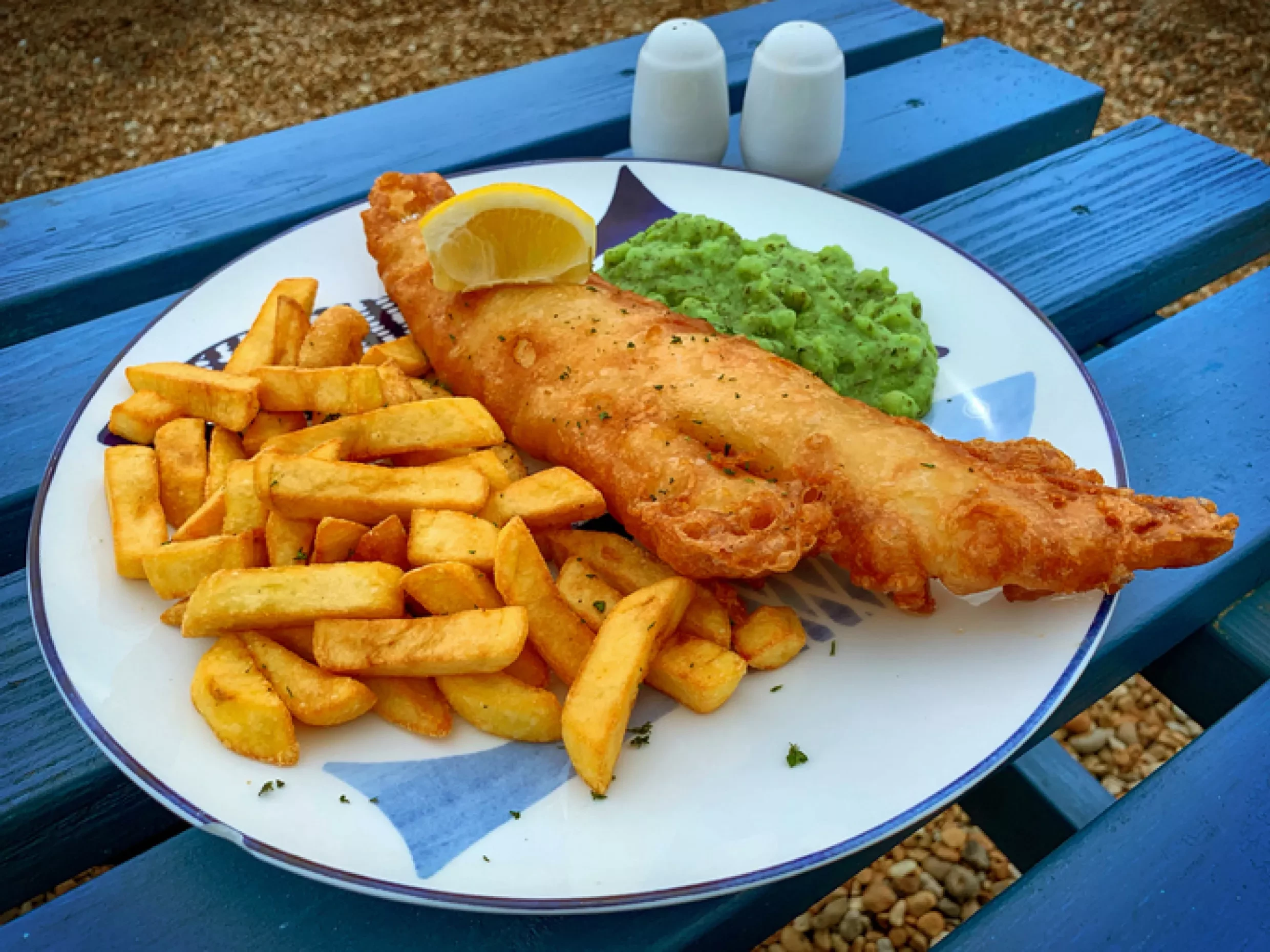
England | Fish and chips Battered white fish (usually cod, haddock or plaice) fried crisp and golden, served with thick-cut chips, mushy peas, and a splash of vinegar. The quintessential British takeaway and a national institution.
Croatia | Pašticada Beef marinated for a day with garlic, cloves, carrot, celery and bacon, then slow-braised in wine, vinegar, parsley root and prunes until rich and tender. It’s traditionally served with homemade gnocchi or pasta. A celebratory classic often reserved for special occasions.
Ghana | Jollof rice Rice simmered in a rich, smoky tomato-and-pepper base until deeply flavoured with chilli, onions and spices, served with chicken or seafood. The centre of friendly West African rivalry, particularly between Nigerians and Ghanaians - known affectionately as the ‘jollof wars’ - and both nations swear theirs is best!
Panama | Sancocho A restorative chicken soup simmered with yam-like ñame, corn, and culantro (sometimes referred to as Mexican or Burmese coriander). It’s often served with rice and is considered the national dish and a go-to cure for whatever ails you.