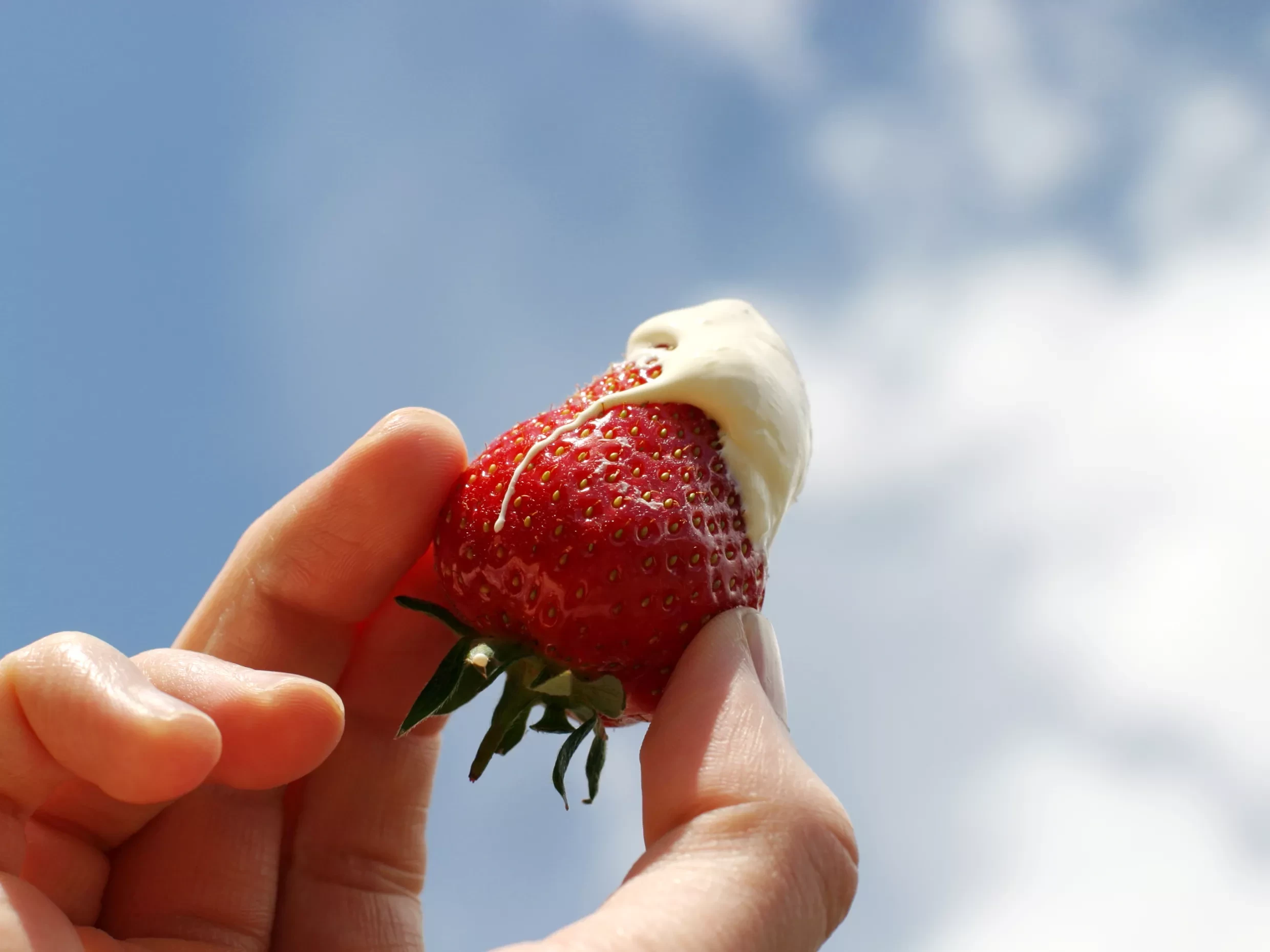















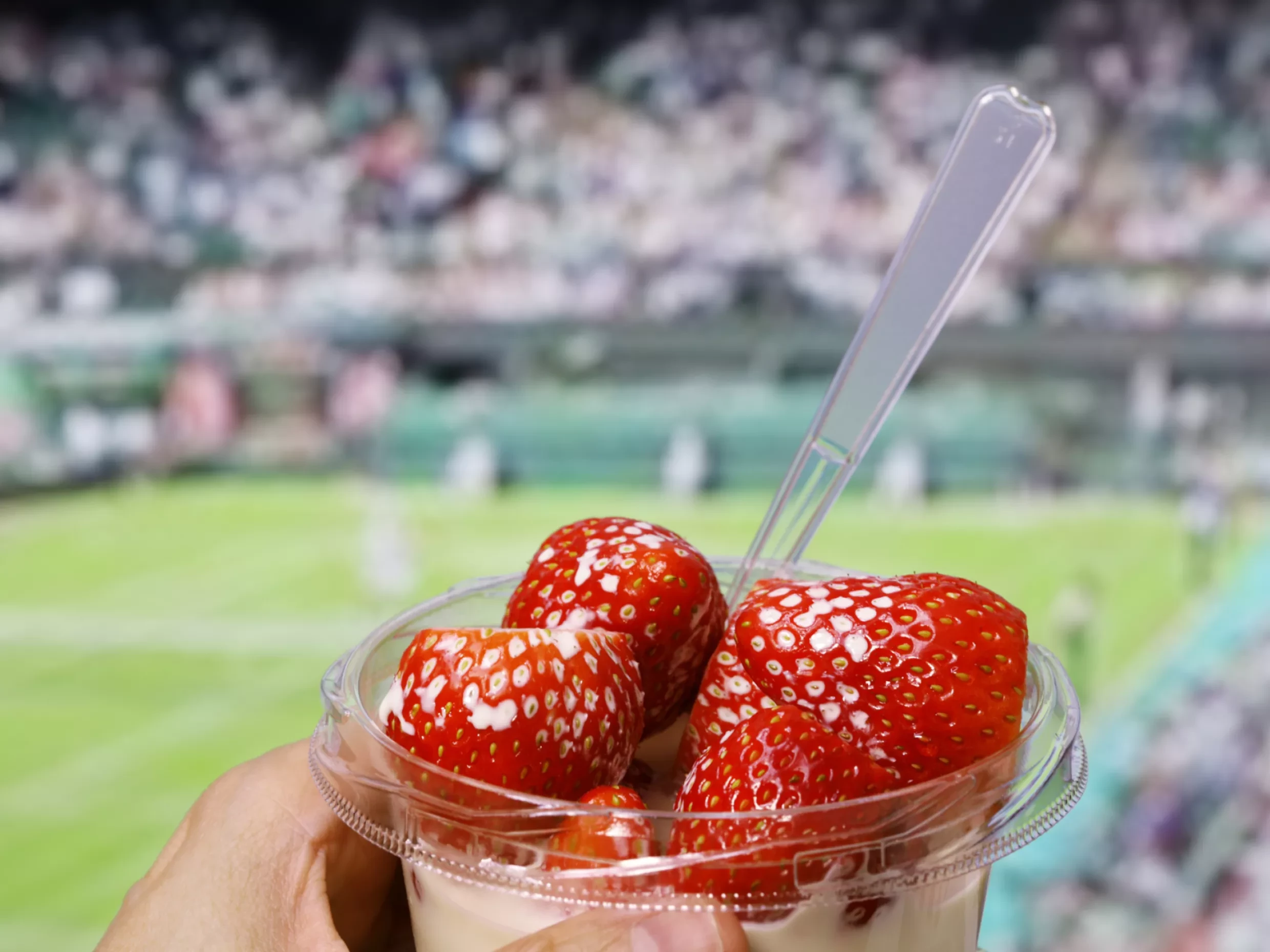
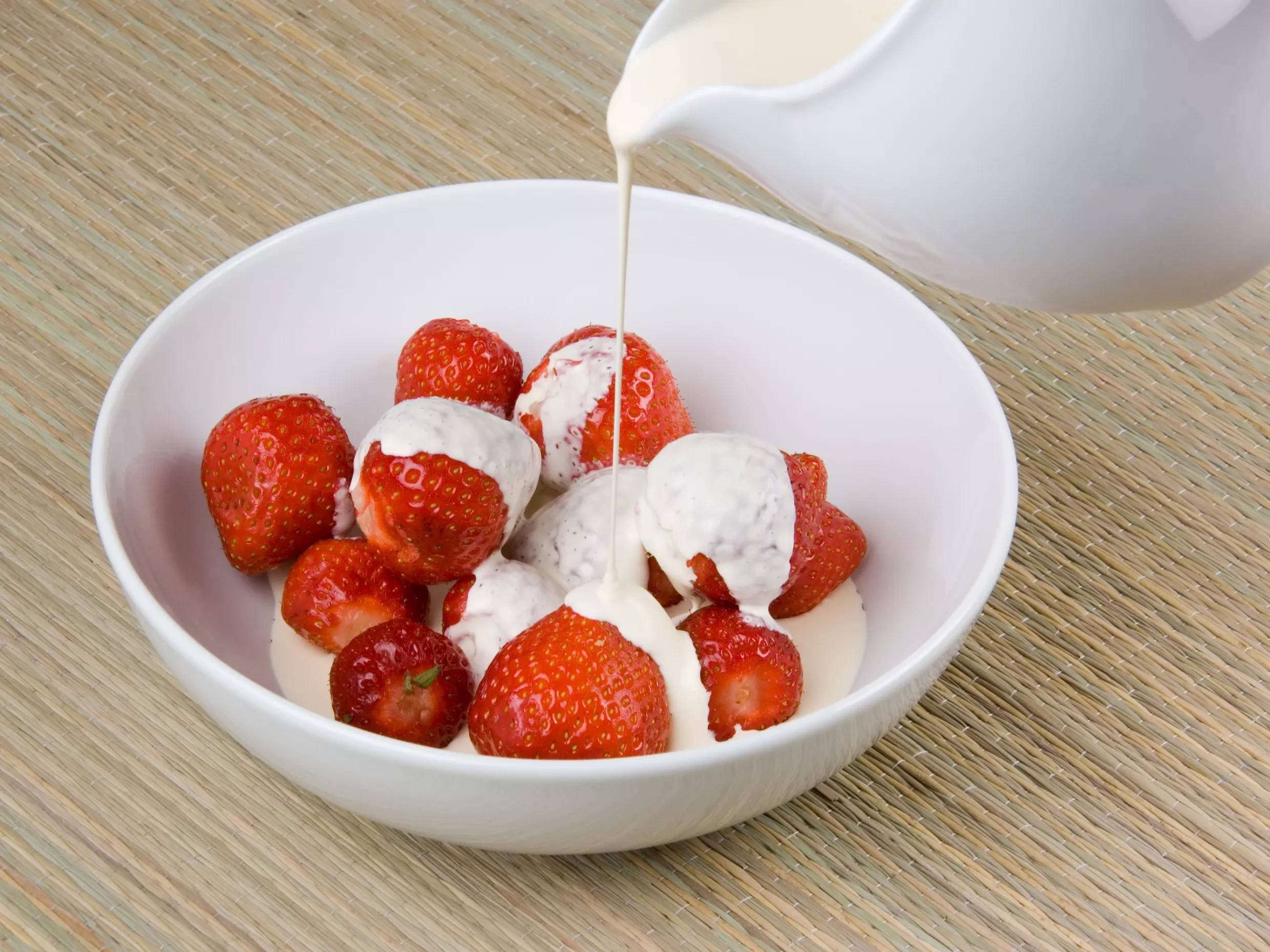
Ruby-red strawberries, lashings of cream, and court after court of sporting superstars. Few pairings are as quintessentially British - or as deliciously nostalgic - as strawberries and cream at Wimbledon, but how did this seasonal duo become a royal favourite and iconic sporting tradition? Here’s how the tasty twosome served their way into foodie legend.
Food & Sport
The London Marathon, the FA Cup Final, the British Grand Prix, the Open, the Grand National, and the Boat Race. Britain’s great sporting events are globally famous, attracting tens or even hundreds of thousands of spectators live, and millions more on TV, but only one is as synonymous with food as it is with sporting superstars.
You might have a burger at the football or a dainty cucumber sandwich on the banks of the Thames, but at Wimbledon, strawberries and cream is as much a part of the tradition as the manicured courts, the all-white kit, and the rain-soaked middle Saturday.
While sponsors, prize money and technology at Wimbledon have changed over the decades, the pairing of strawberries and cream remains sacred.
The First Fruits
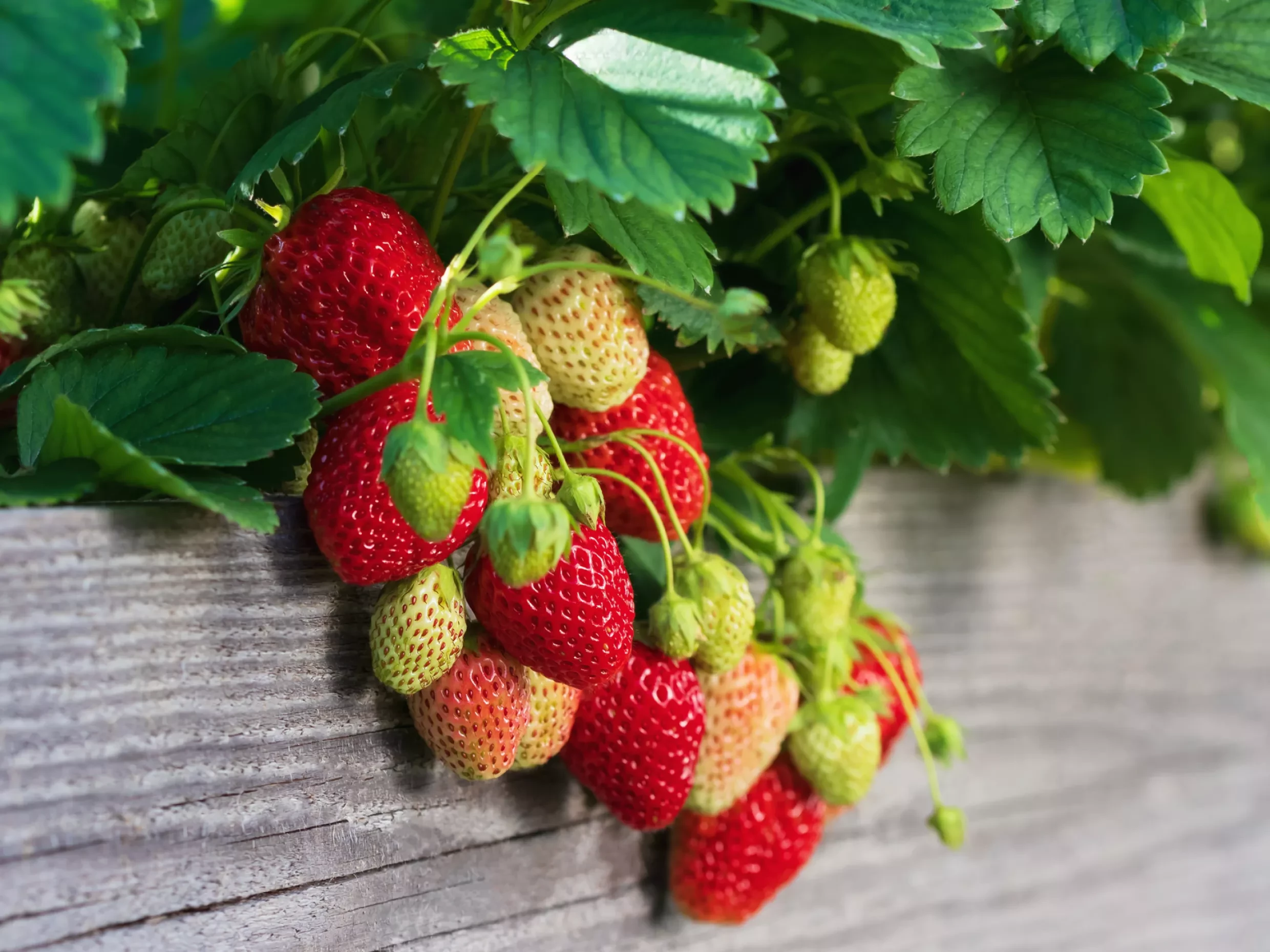
Strawberries have been grown in Britain for centuries, with small woodland varieties transplanted from the wild into gardens from the Middle Ages onwards. In 1533, Richard Harrys, fruiterer to King Henry VIII, established a large commercial orchard at Teynham in Kent which included apples, pears, plums and cherries. That orchard helped lay the foundations of commercial fruit growing in Kent, but strawberries were already familiar in British gardens and were being eaten in England by the sixteenth century. By the seventeenth century, strawberries were a favourite among the elite, and varieties such as Hautbois were among those later cultivated in Europe.
The real change however came in the eighteenth century. The larger, modern strawberry was first developed in France in the 1750s through a North American - Chilean hybrid, and from there, breeding accelerated and strawberry growing became far more commercially significant, with Kent’s gardens supplying London’s markets.
A Treat For the Few
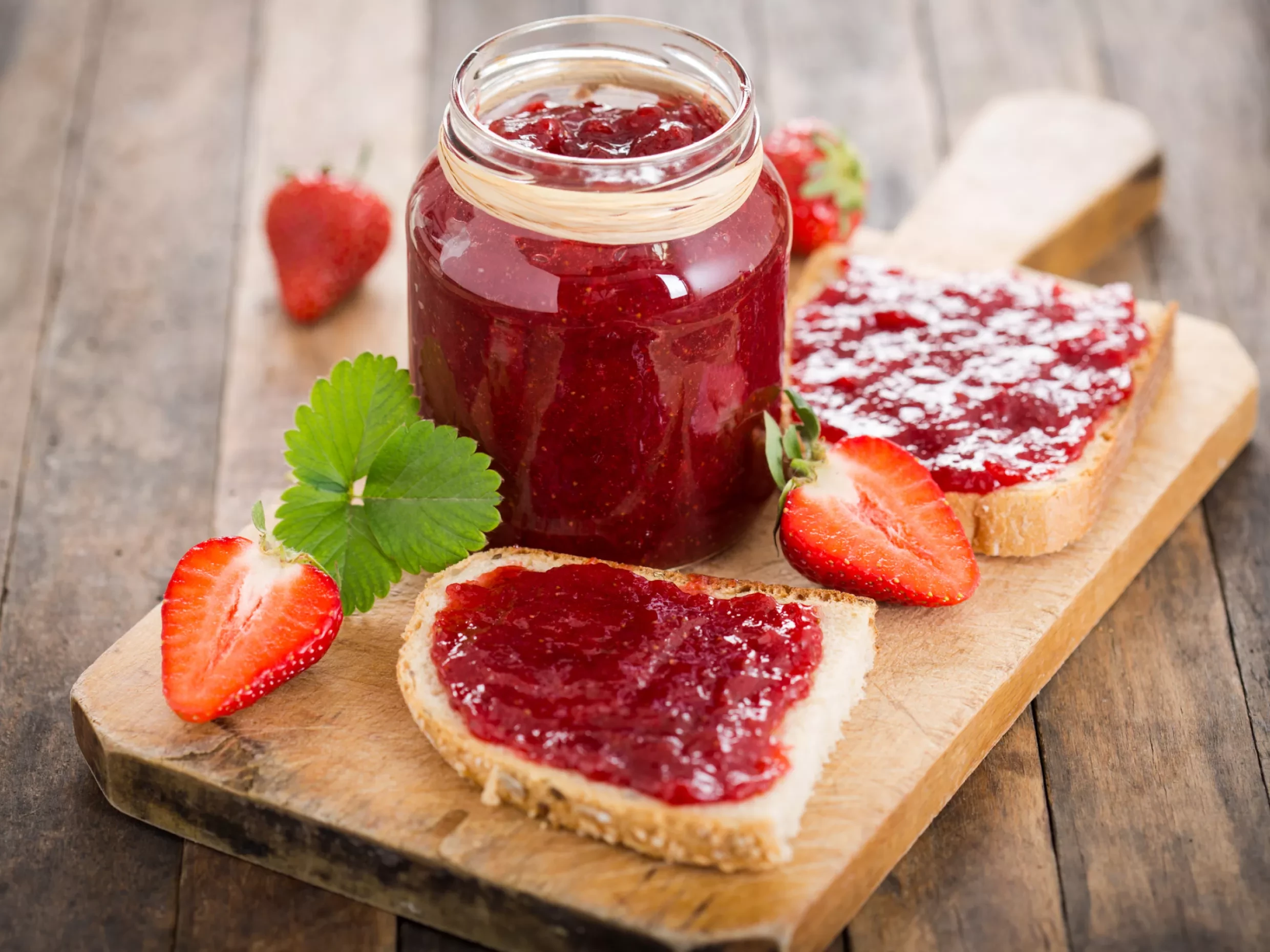
In the nineteenth century, strawberries were still an expensive luxury, and at posh summer garden parties it was fashionable and a symbol of status to serve them slathered in rich cream. The short growing season, their fragile nature, and sellers’ reliance on horse-drawn transport meant only the aristocrats could enjoy them fresh, everyone else had to make do with strawberry jam!
London’s elite got most of their strawberries from market gardens in Middlesex and Kent, but the expansion of the railway in the 1840s meant that crates of freshly picked fruit could reach the city in hours rather than days, transforming strawberries from an exclusive treat to a fruit for the masses. This growing demand would soon create the conditions for their most enduring stage - the perfect accompaniment to English summer sport.
Game, Set & Snack
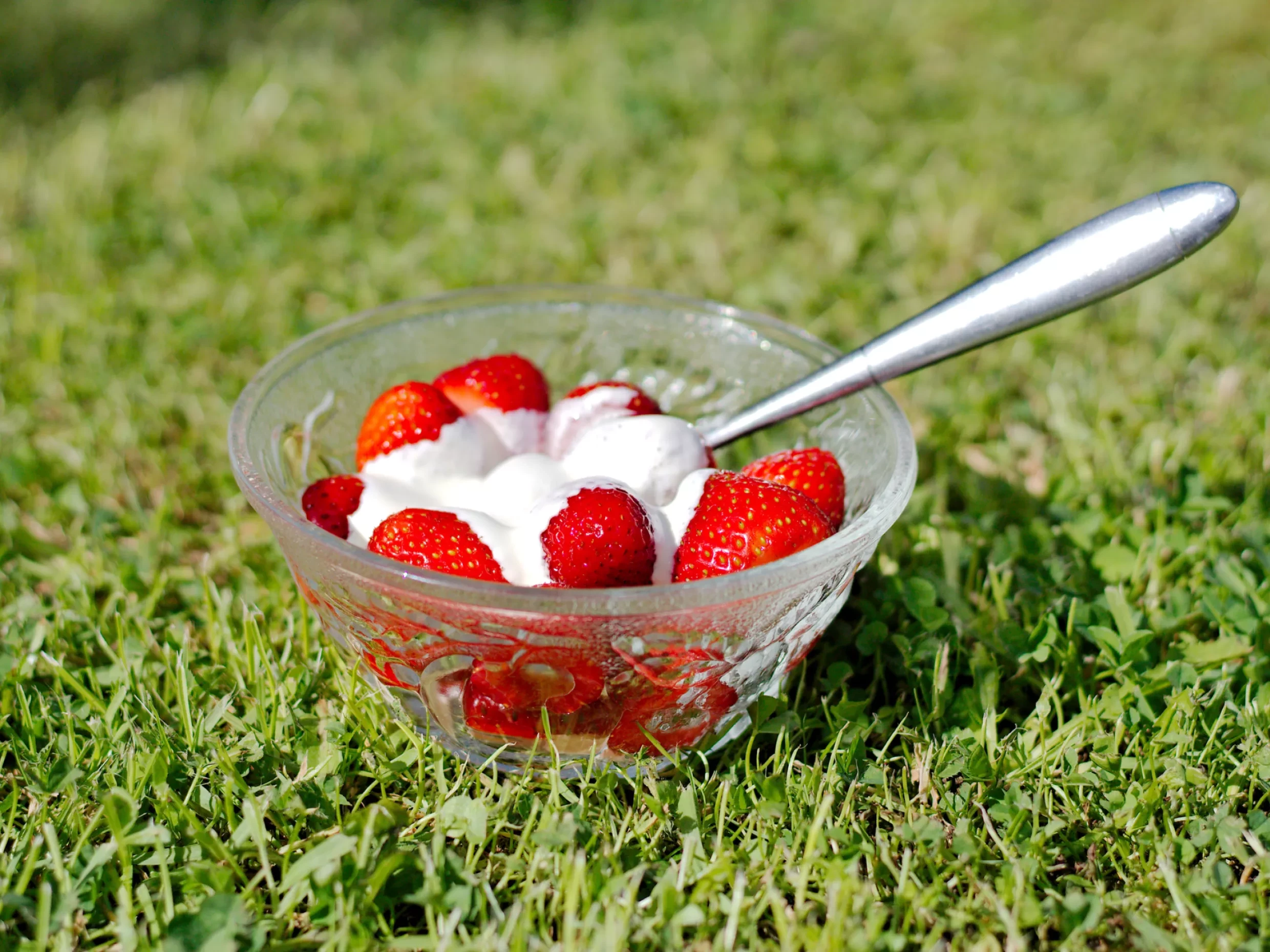
Wimbledon and strawberries have been happy bedfellows from the very start. From the very first tournament in 1877, strawberries and cream are said to have been served to spectators. Back then, tennis was an up-and-coming sport, closely associated with the leisure time of the middle and upper classes, so strawberries and cream was the obvious choice of refreshment.
Easy to portion and serve outdoors, they didn’t need cooking, and were as elegant as the tournament itself. Accounts at the time suggested that the fruit was probably supplied by outside vendors catering to the spectators (broadly similar to today’s pop-ups) but in time, the selling of strawberries and cream was formalised by the All England Lawn Tennis and Croquet Club and quickly became an in-house SW19 staple.

Tasty Treat to Time-Honoured Tradition
By the early twentieth century, strawberries and cream had become a Wimbledon staple, and as the tournament grew in prestige, the dish became synonymous with genteel refinement. Food at sports venues was almost nonexistent at the time (if you wanted to eat, you had to take it there yourself) yet Wimbledon’s commitment to serving freshly picked English strawberries set it apart.
The tournament was suspended during both world wars, but by the 1950s, improved refrigeration and road transport made it possible to maintain high-quality fruit throughout the tournament, helping to cement its status as a non-negotiable part of the Wimbledon experience.
Two Million Strawberries? You Cannot Be Serious!
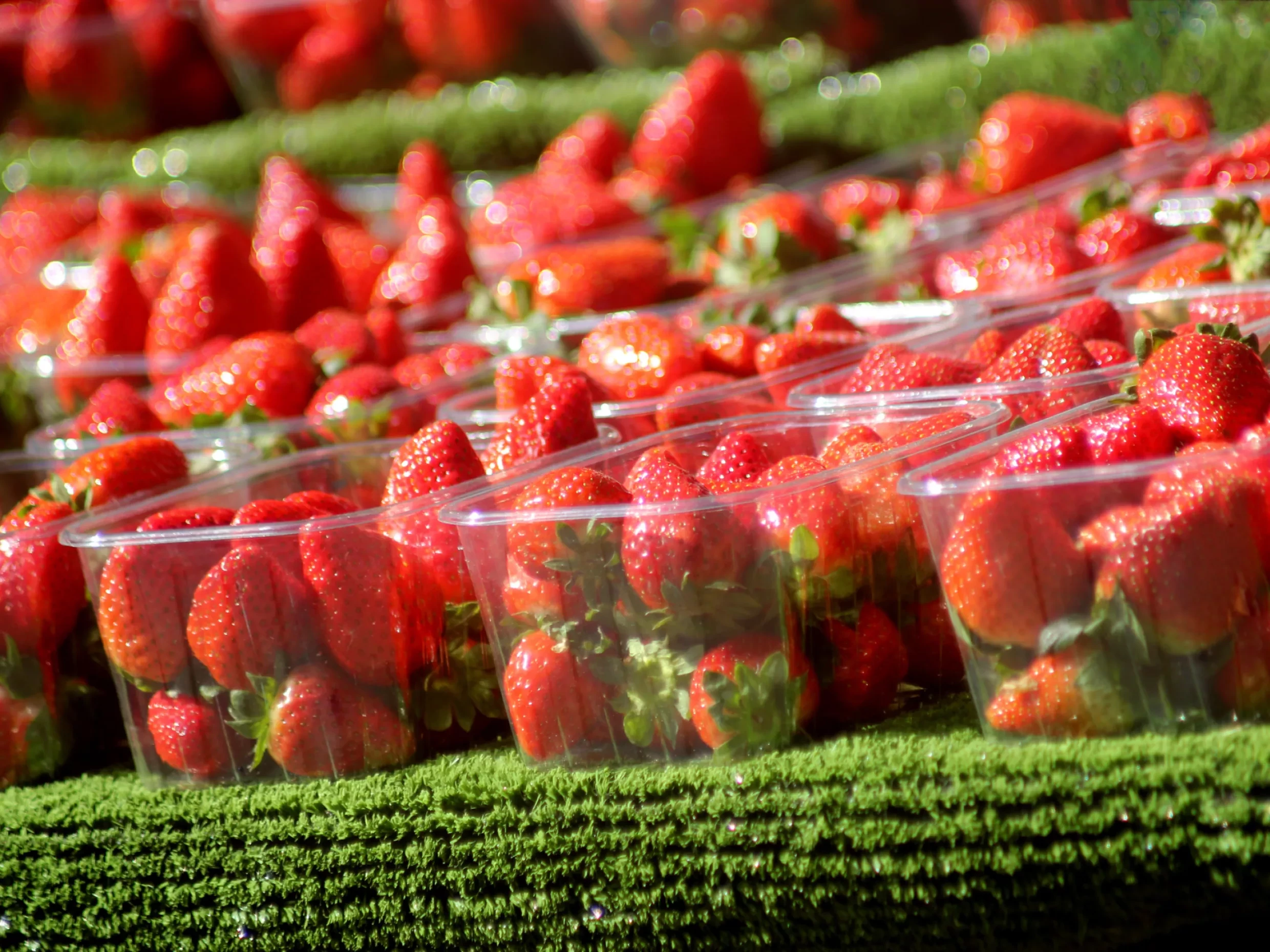
Today, strawberries and cream are as central to Wimbledon as fans waving on Murray Mound (Henman Hill for slightly older readers) and the sight of rain covers. Each year, around 200,000 portions are sold, and at an average of ten fruits per serving, that’s around two million individual strawberries weighing in at something like thirty-five tonnes. They also get through more than 7,000 litres of cream.
The fruit itself is the Malling Centenary variety from Hugh Lowe Farms in Kent, a little over thirty miles from the All England Club, and according to the official Wimbledon website, to ensure there are enough strawberries for the two-week tournament, 100,000 plants are grown from late March. The fruit is hand-picked from sunrise each morning and delivered to the club in temperature-controlled lorries, where it’s said that every single strawberry is inspected before being prepared for sale.
A Berry British Phenomenon
From Tudor gardens to Centre Court, strawberries and cream have traced a distinctly British journey. What began as an aristocratic luxury is now a sporting celebration shared by millions, the flavour of the British summer in a single delicious bowl!