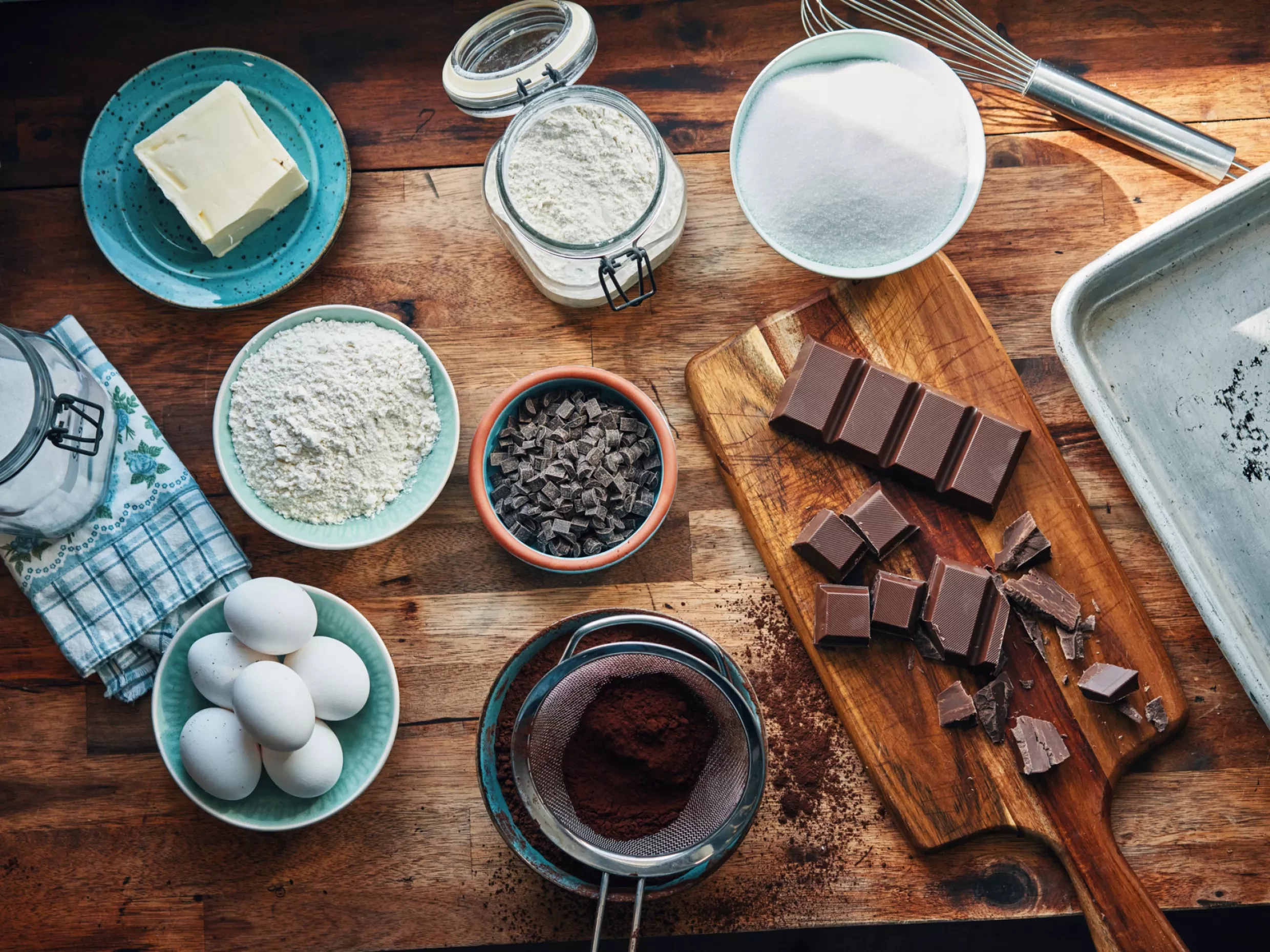










Baking soda is nothing short of a staple ingredient when it comes to baking, as the vast majority of baked goods are leavened with either baking soda or baking powder. Yes, yes, yes: baked goods can be leavened (i.e: can achieve their lift and height) with egg whites (think angel food cake) or leavened with nothing at all (think dense flourless chocolate cake). But generally speaking, most recipes require baking soda or baking powder - or even both.
And because baking soda is so important, if you need it for a recipe, but realise that you’ve run out, things can get a little tense. But guess what? We’ve got you! There are several cupboard-friendly ingredients that you can use as baking soda substitutes, including egg whites, self-raising flour and even club soda. Or, you can use baking powder - and even a couple of extremely scientific sounding items that perhaps you just happen to have lying around (baker’s ammonia anyone?). Finally, in a pinch, you can leave the soda out in a few different baked goods, but just not all.

What Is Baking Soda?
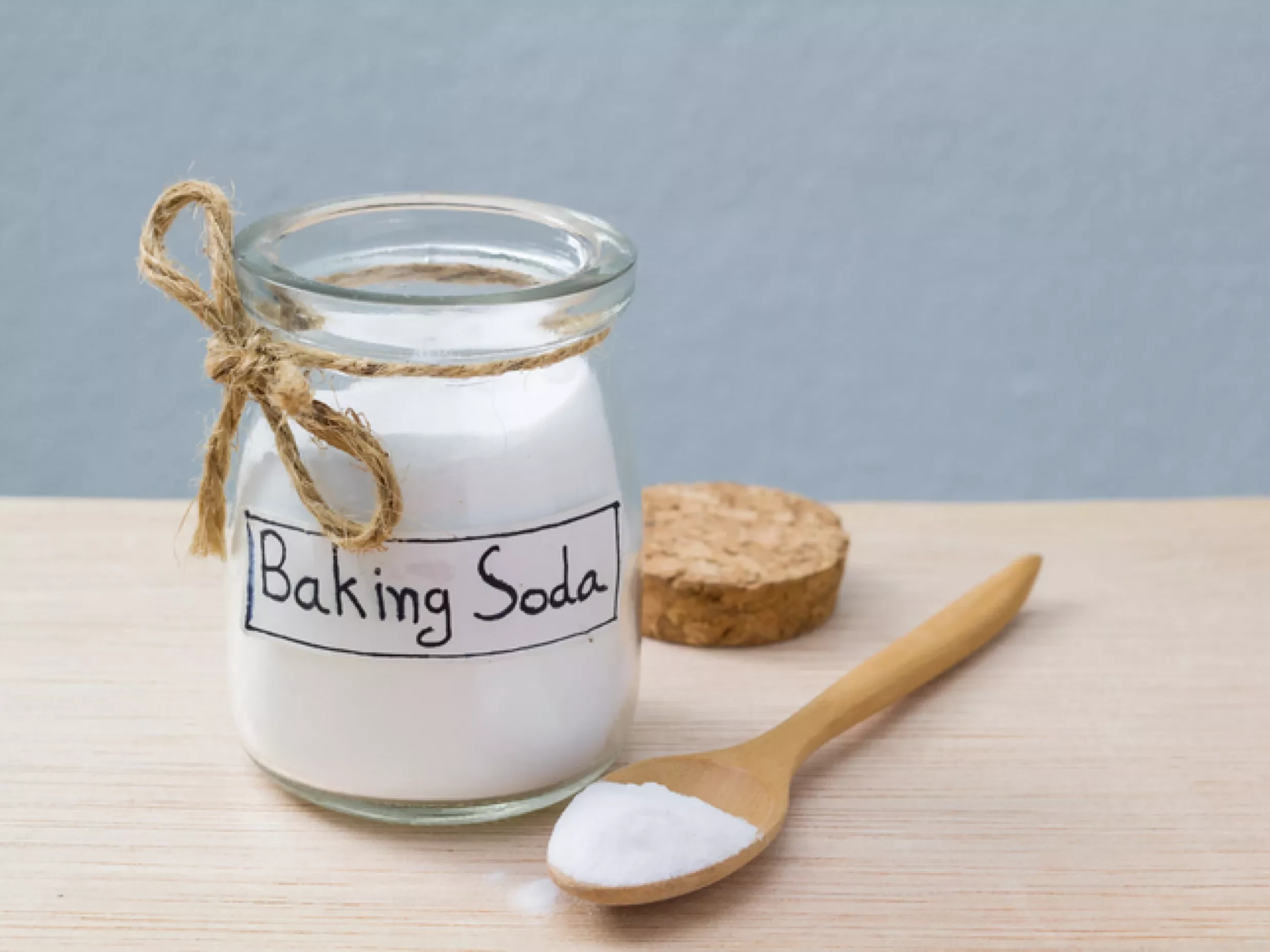
Baking soda is an extremely common and essential baking ingredient. It is a literal work horse when it comes to baked goods, providing them their lift, their fluffy texture, their golden brown colour and their tasty caramelised flavour. Baking soda is an alkaline (as opposed to acidic) chemical compound and so is considered a base, because when it's mixed with an acidic ingredient, it forms carbon dioxide. It is also referred to as sodium bicarbonate, is naturally occurring, and is most commonly found as a powder.
What Does Baking Soda Do?
In baked goods, baking soda is used as a leavening agent because when it is combined with an acid, such as buttermilk, yogurt or lemon juice, and heated, it produces carbon dioxide, which gives cookies, cakes, muffins, quick breads, etc. their lift and fluffy texture. Baking soda, because it is alkaline (and not acidic), needs the acid in order to do its job (a job that also includes browning and caramelisation, which leads to tasty treats).
What's in Baking Soda?
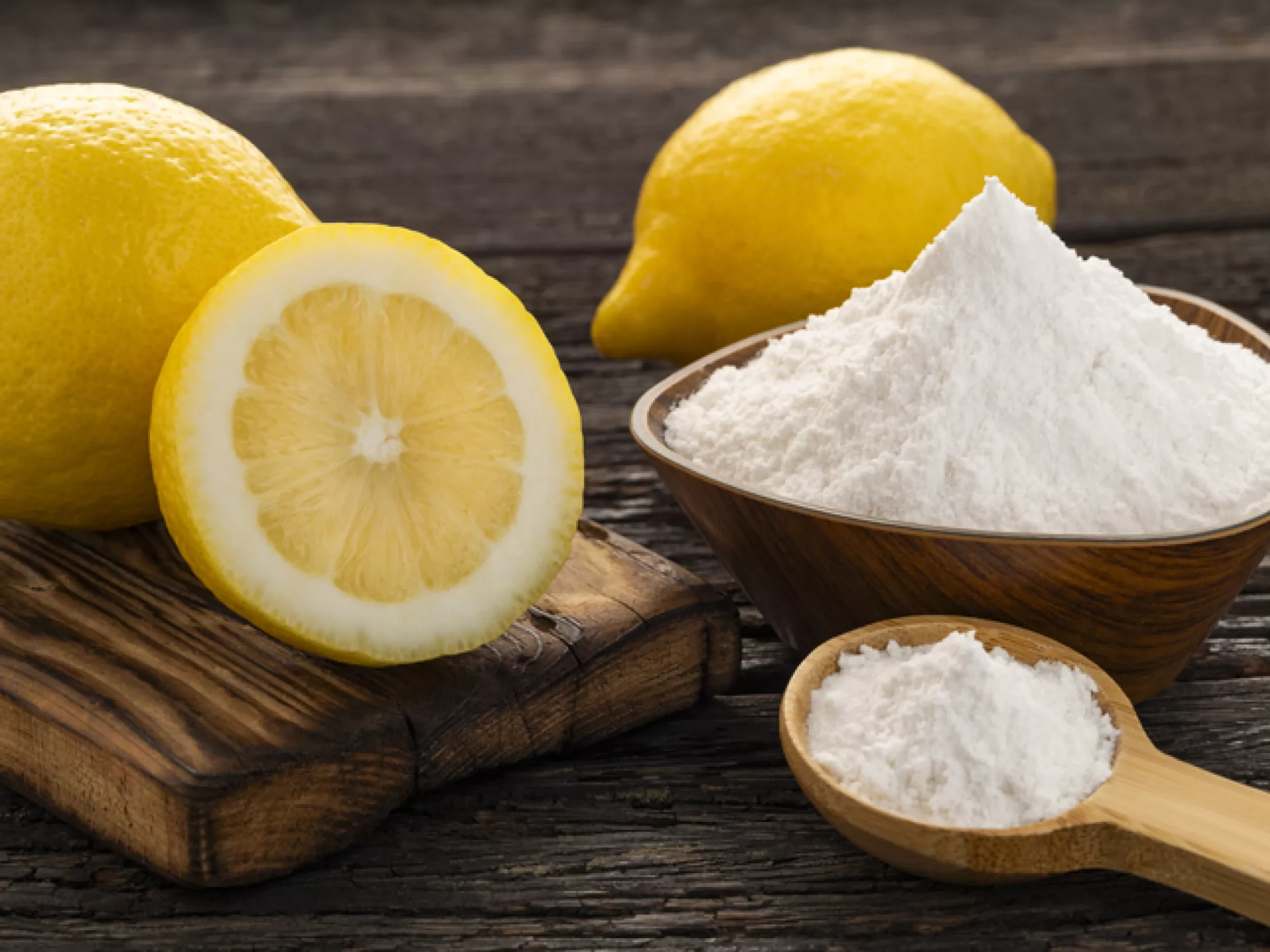
Baking soda has only one ingredient: the chemical compound sodium bicarbonate. It is a base that reacts with acids, like buttermilk, yogurt or lemon juice to form carbon dioxide when heated.
What's the Difference Between Baking Soda and Baking Powder?
Whereas both baking soda and baking powder require a liquid to be activated (ie: to start doing their jobs), baking soda also needs an acid. Baking powder, on the other hand, already has an acid as part of its chemical compound.
Can I Just Leave Out the Baking Soda?
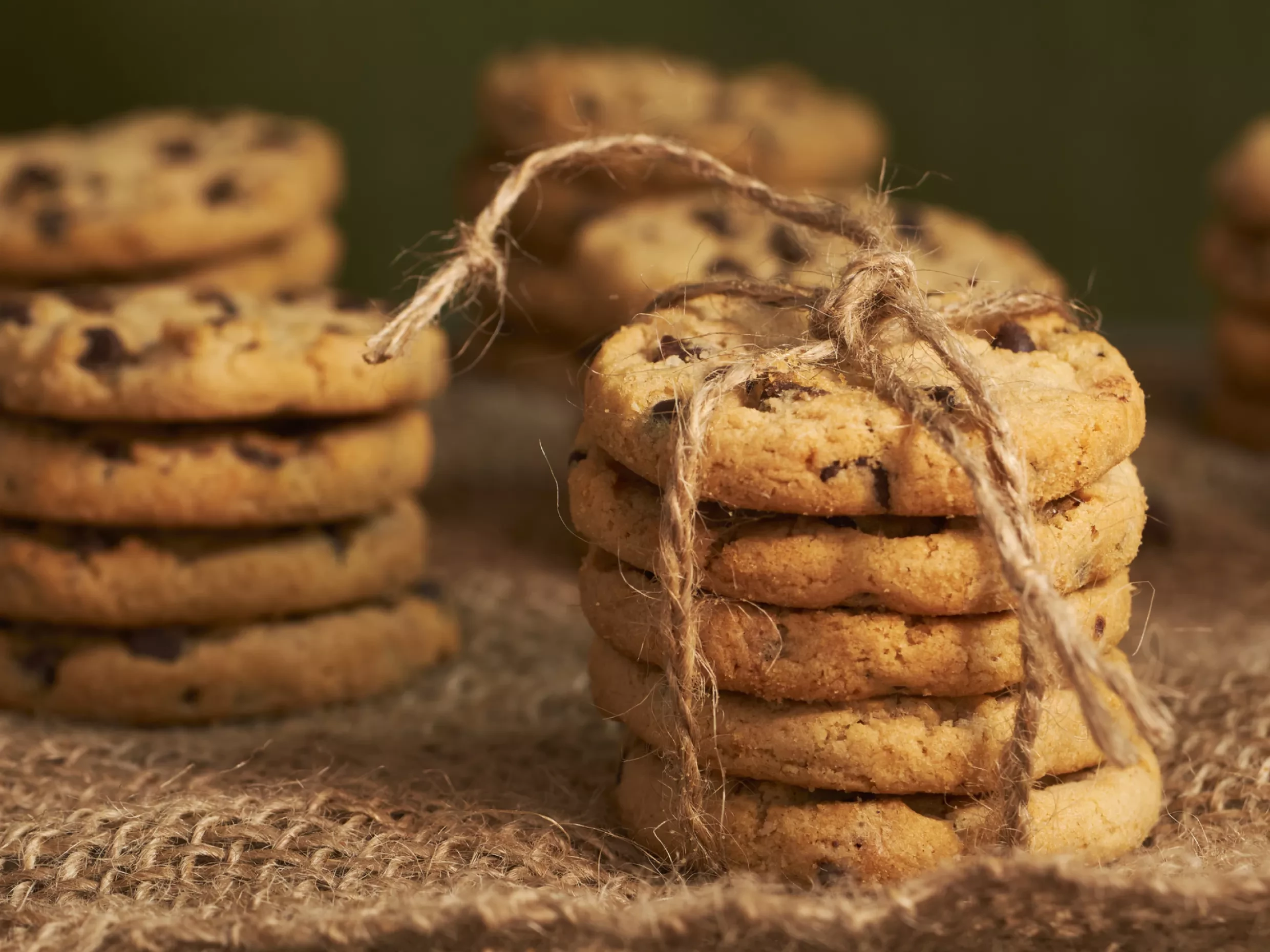
Yes: you can leave out the baking soda in recipes, if you do not have any, BUT only in very simple baked goods such as some cookies and pancakes. But keep in mind, your pancakes will be more like crepes and your cookies might need to be flattened down a bit, after they are scooped and placed on the baking sheet, as the rounded, humped shape won’t really change without the soda to help it do so.
Baking Soda Substitutes
We have 6 different suggestions for baking soda substitutions, but keep in mind that none of these options are perfect - in other words, none of them will exactly replicate what baking soda can do. But each is great in a pinch.
1. Baking Powder
When to Use It: Baking powder can be used as a baking soda substitute in any baked good where the recipe calls for soda and you find yourself without any (cakes, cookies etc.).
Why It Works: Baking powder works because it too, is a leavening agent and helps baked goods expand and rise. Baking powder, however, will make your baked goods a tad fluffier than soda will so, for instance, your cookies will be a tad cakier.
How to Substitute: To substitute baking powder for baking soda in a recipe, triple the amount of soda called for and substitute with that much powder. In other words, if the recipe calls for 1 teaspoon of soda, use 3 teaspoons, or one tablespoon, of baking powder. And if the recipe originally called for both soda and powder, you need to add both the original amount of powder called for, plus the amount you are substituting for the soda.
2. Self-Raising Flour
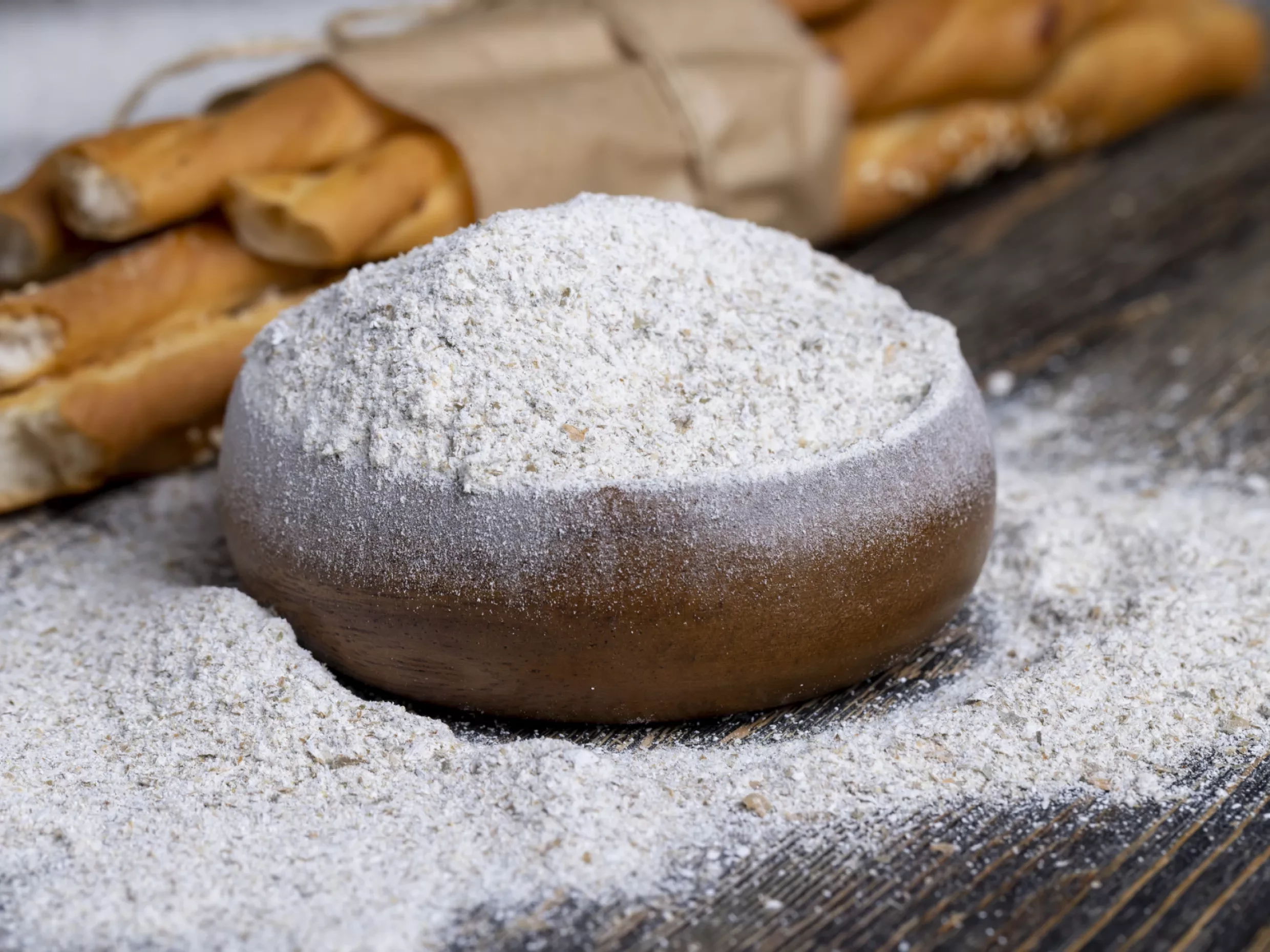
When to Use It: Only use self-raising flour as a substitute for baking soda in recipes that call for flour.
Why It Works: Self-raising flour works as a baking soda substitute because it already has 1 1/2 teaspoons of baking powder and 1/4 teaspoon of salt in every cup. In other words, the flour is already leavened.
How to Substitute: To substitute self-raising flour for baking soda in a baking recipe, swap the self-raising flour for the amount of regular flour called for in your recipe one for one. Then calculate how much baking powder you have now added (remembering that there are 1 1/2 teaspoons in every cup). Once you know how much baking powder you have added, check to see how much baking soda was originally called for in the recipe. Next, confirm that you have used 3x as much baking powder than the original amount of soda called for in the recipe. For instance, if your recipe calls for 2 cups of flour and 1 teaspoon of baking soda, once you have added 2 cups of self-raising flour, you have added 3 teaspoons, or 1 tablespoon, of baking powder and so you are all set.
3. Whipped Egg Whites
When to Use Them: Use whipped egg whites as a substitute for baking soda in baking recipes that are not too complex: simple cakes, cookies, muffins, etc.
Why They Work: Whipped whites work as a substitute for baking soda because they cause baked goods to expand and add lightness and lift, just like commercial leaveners.
How to Substitute: To substitute whipped egg whites for baking soda in a recipe, add two whipped egg whites for every 1 teaspoon of baking soda called for in your recipe. First, because you do not want to add extra liquid to the recipe, in the form of the whites, you must measure the whites in weight or volume. Once measured, remove their weight or volume from the liquid called for in the recipe (ie: if the whites measure about 2 tablespoons, remove 2 tablespoons of the recipe's liquid). Then whip the whites to stiff peaks and gently fold them into the batter or dough by hand, towards the end of the mixing process so as not to deflate them. With cookies that call for eggs, but do not call for a liquid ingredient in the recipe, you can separate the eggs and whip the whites to stiff peaks, and then gently fold them in.
4. Club Soda
When to Use It: Substitute club soda for baking soda when a recipe calls for at least ½ cup of liquid (so preferably not in a chocolate chip cookie recipe).
Why It Works: Club soda works as a substitute for baking soda because club soda is water that has had carbon dioxide added to it. And just like the carbon dioxide that baking soda creates, the carbon dioxide in club soda will give your baked goods lift and help them to expand in the oven.
How to Substitute: To substitute club soda for baking soda, substitute 1/4 cup club soda for an equal amount, 1/4 cup, of the liquid called for in the recipe. And once you have added the club soda, work quickly to mix and get the baked good in the oven, as the bubbles will start popping immediately, and the faster you get your treat in the oven, the faster the bubbles will be able to work their magic.
5. Potassium Bicarbonate
When to Use It: Potassium bicarbonate can be substituted for baking soda in any baking recipe that calls for baking soda, such as recipes for cakes, cookies, muffins, etc.
Why It Works: Potassium bicarbonate works as a substitute for baking soda because it has the same leavening capabilities as baking soda. It is a dietary supplement available in supplement form and the only difference between it and baking soda, is that it does not contain any salt.
How to Substitute: When substituting potassium bicarbonate for baking soda, it is a 1 to 1 substitution. However, you will need to add extra salt to the recipe. You should add ⅓ of a teaspoon of salt to every teaspoon of potassium bicarbonate.
6. Baker’s Ammonia or Ammonium Carbonate
When to Use It: Baker’s ammonia should only be used as a substitute for baking soda when baking thin and crispy baked goods, like biscotti, or thin and crispy chocolate chip cookies and crackers. It’s not a great idea when making cakey cookies or cakes or muffins - or anything that has a high moisture content. It can have a strong ammonia smell and the smell will be too strong with high moisture items, but bakes off with low-moisture ones.
Why It Works: Just like baking soda, when baker’s ammonia is combined with an acid and with heat, it produces carbon dioxide and makes baked goods rise and expand.
How to Substitute: To substitute baker’s ammonia for baking soda, add it to your recipe in a 1 to 1 ratio.