
















Maybe you recognise Marmite from the jar’s diminutive size and retro-looking label. Or maybe you know that Marmite is a popular yet polarising staple in households across Britain. Maybe Marmite has even been the subject of intense debate among your foodie friends. But what exactly is Marmite, and what’s in it? And how is Marmite different from Vegemite? Here we answer all your Marmite-related questions, including how to eat it and how to cook with it (yes, really!)
What Is Marmite?
Marmite is a savoury spread made from yeast extract and fortified with B vitamins. It’s especially popular in the United Kingdom, where it’s frequently spread onto toast, crackers and sandwiches. Its strong, salty flavour profile makes it divisive too - either you love it or you hate it.
Marmite was invented in the late 19th century by Justus von Liebig, a German scientist who discovered that leftover brewers' yeast could be concentrated and consumed. In 1902, the Marmite Food Company was founded in England and launched the production and packaging of Marmite. Today, Marmite is produced by Unilever.
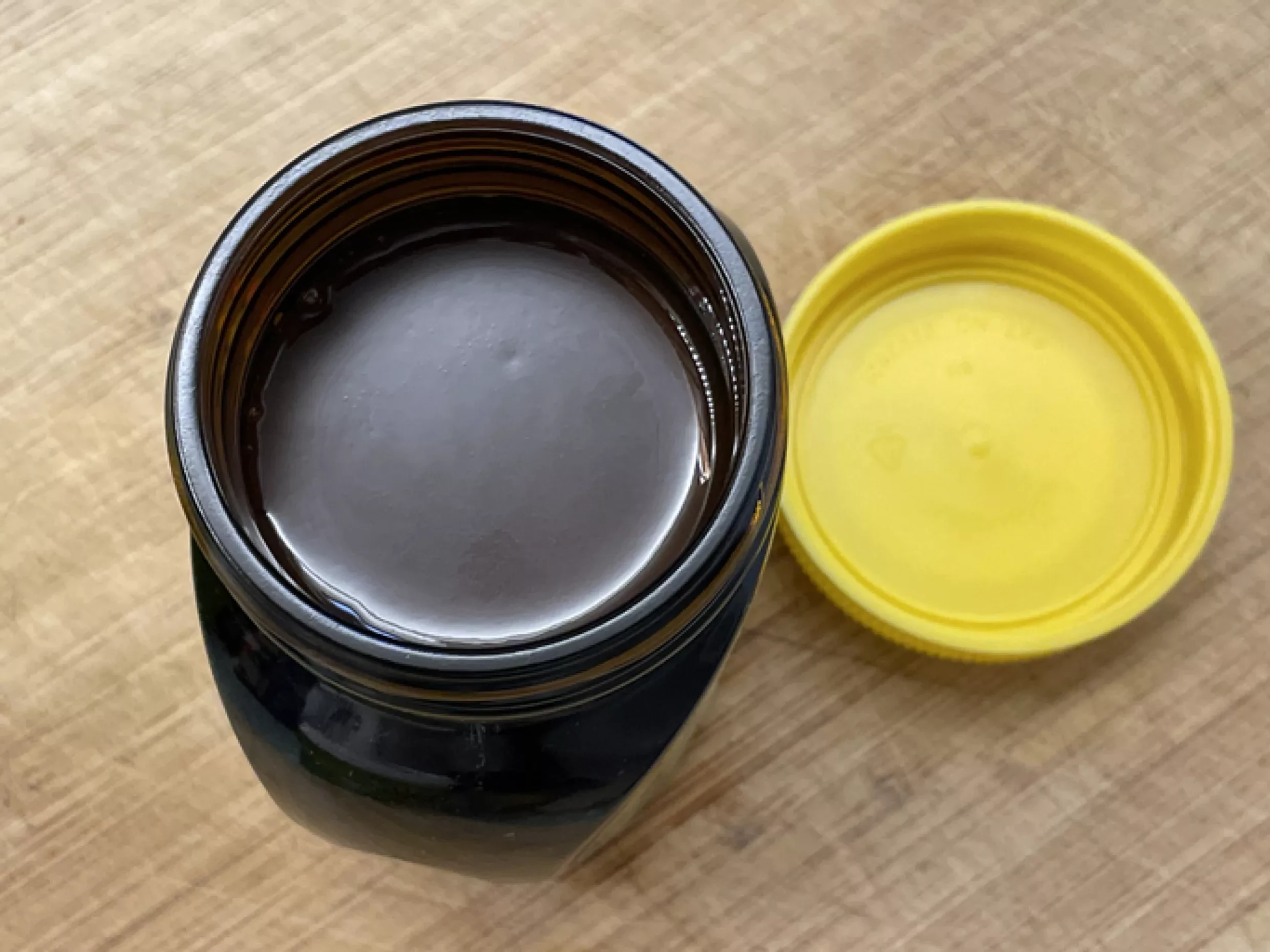
What Is In Marmite?
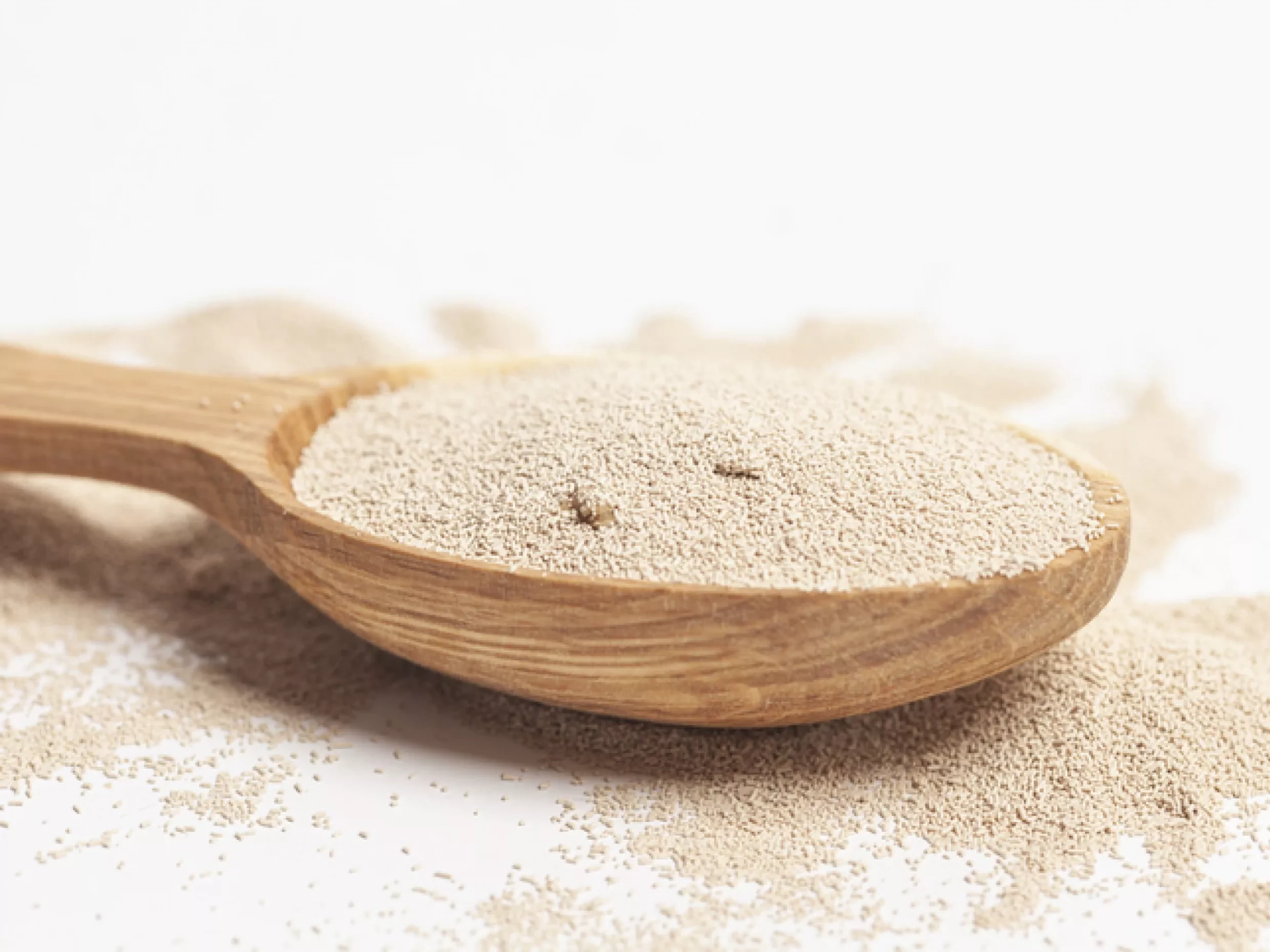
Marmite’s ingredient list includes yeast extract, which contains barley, wheat, oats, and rye; salt; vegetable juice concentrate; vitamins, including thiamin, riboflavin, niacin, vitamin B12 and folic acid; and natural flavouring (which contains celery). Marmite is a vegetarian spread that is halal and vegan (except for the 70g jar, according to the product website). Marmite is not gluten-free.
Are There Different Flavours of Marmite?
In addition to the original flavour, the Marmite product line-up also includes Marmite Truffle, Marmite Crunchy Peanut Butter, Reduced Salt Marmite, Marmite Chili and Marmite XO, which has been aged to develop an even more concentrated flavour.
How to Eat Marmite
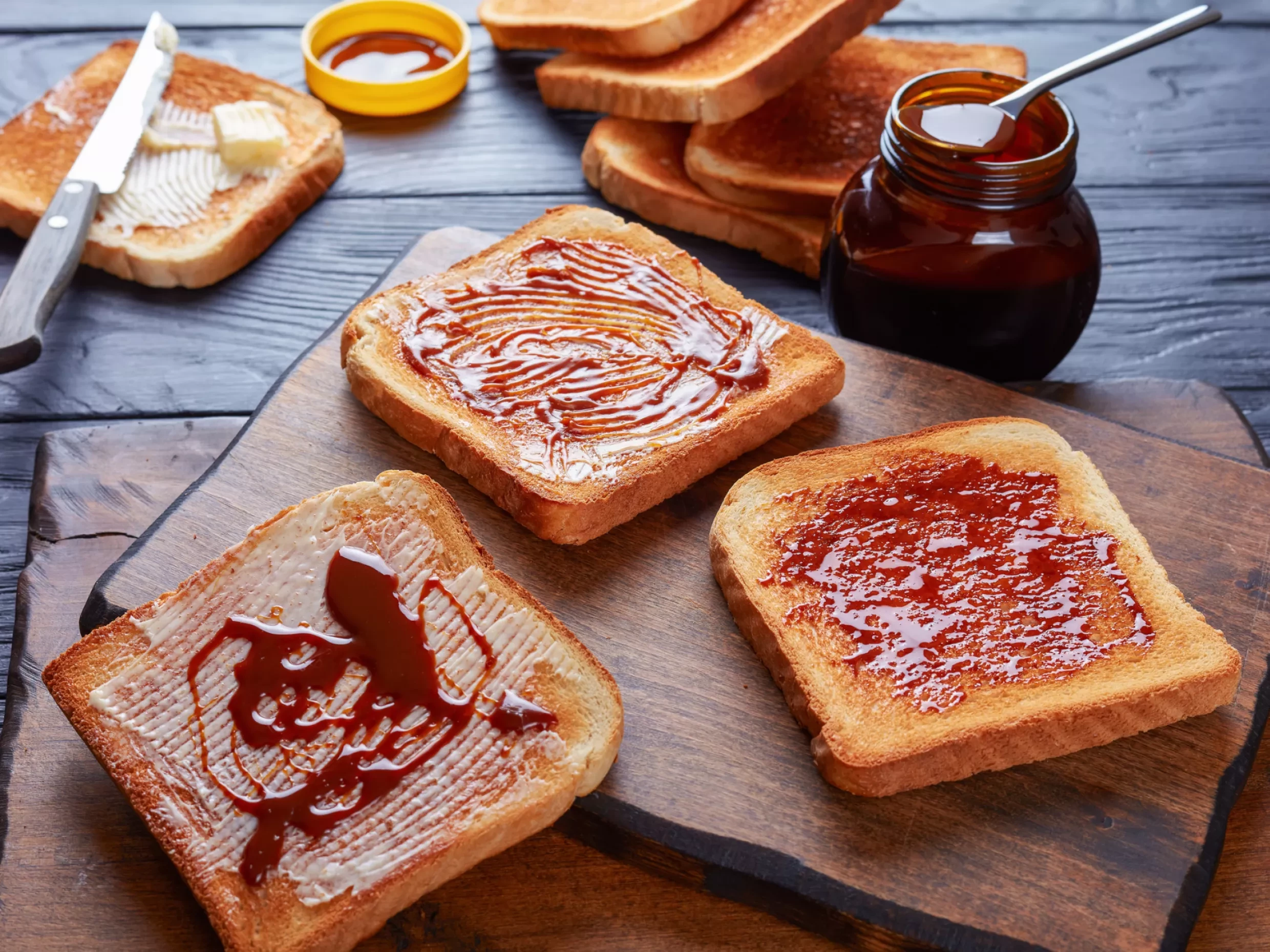
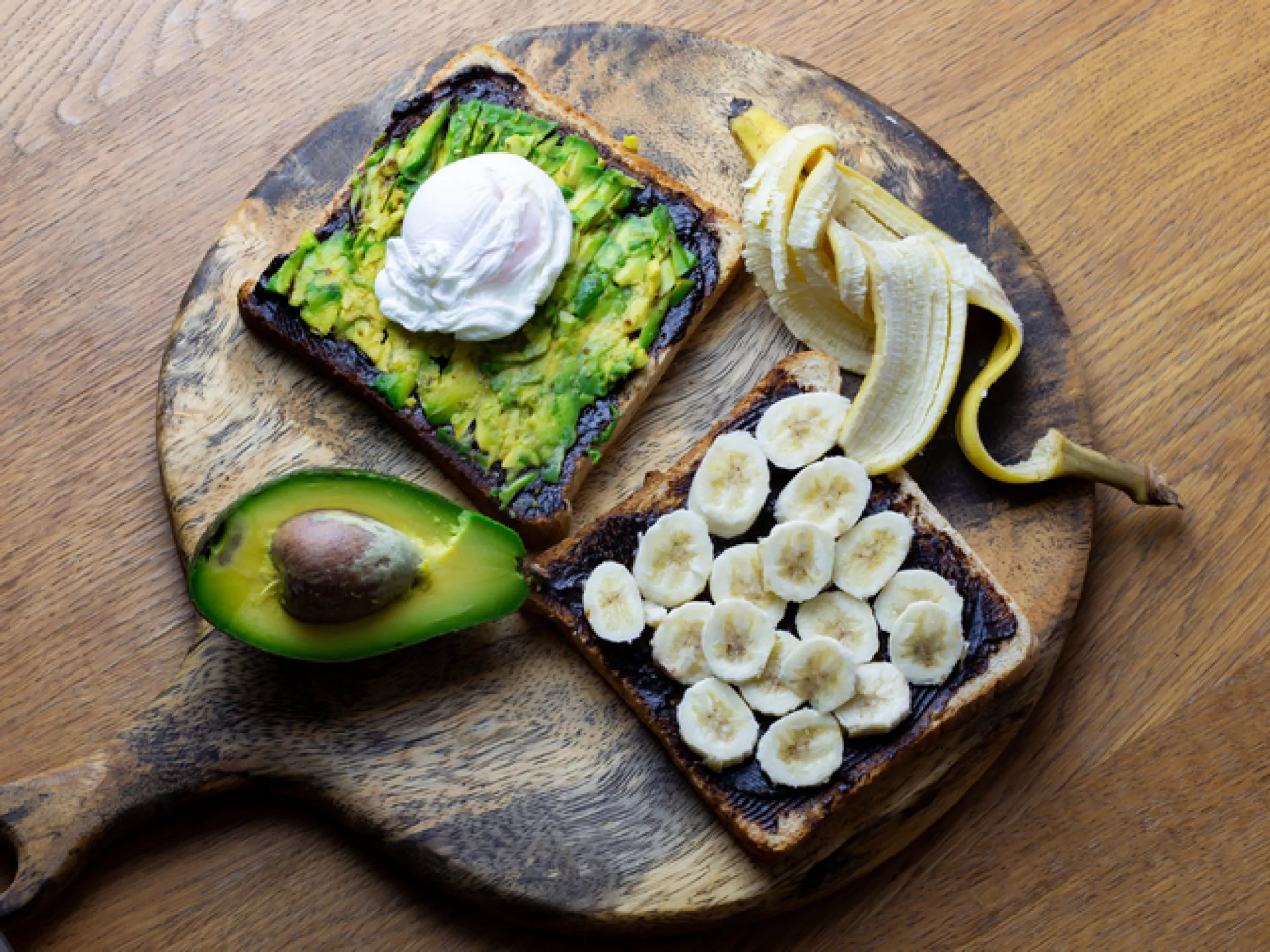
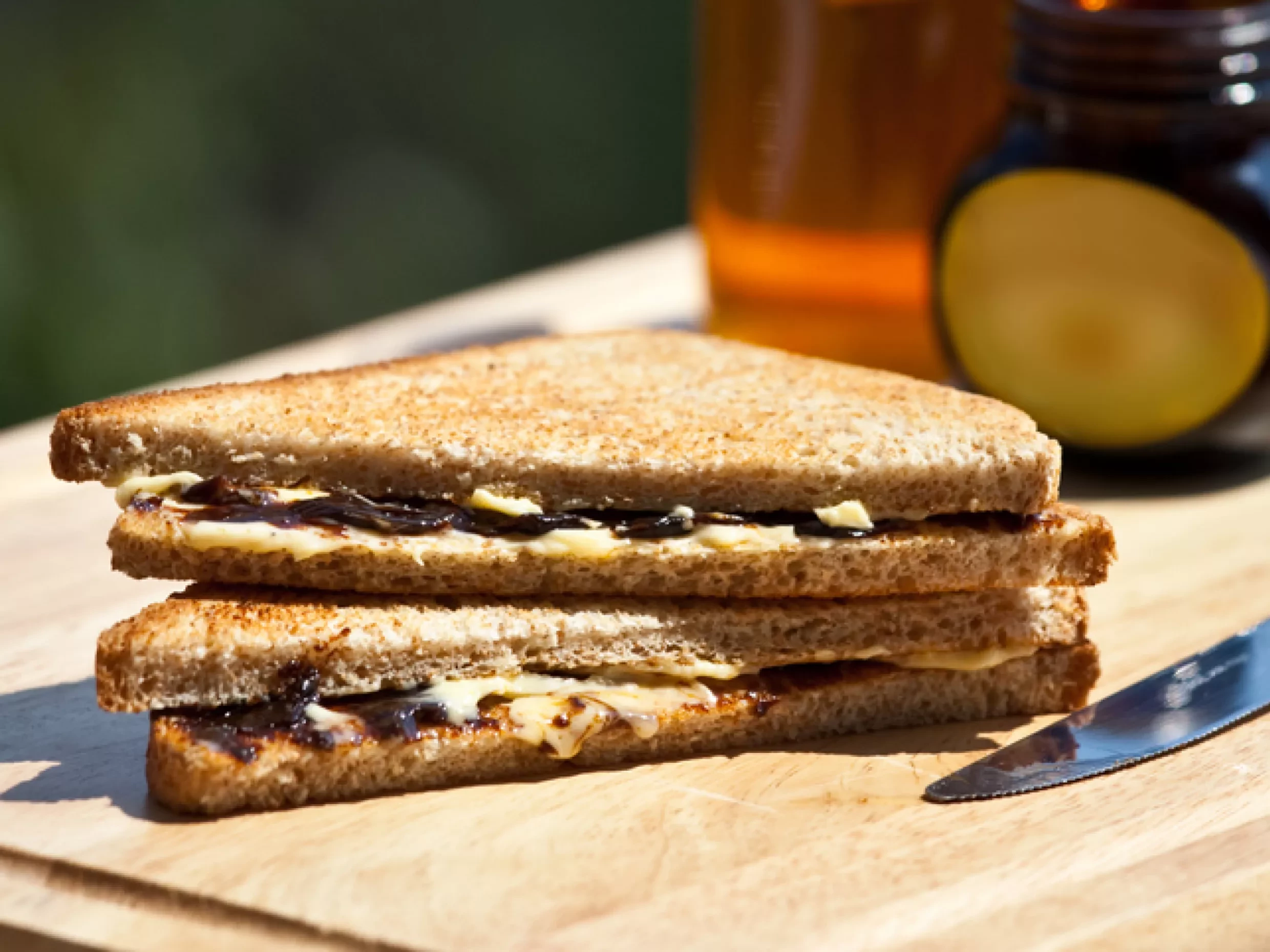
In the UK, Marmite is commonly used as a spread for toast, sandwiches or crackers. Sometimes it’s used as a dip for veggies or stirred into boiling water to make Marmite tea (some people believe that it helps you sleep, so they drink it before bed). If it’s your first time trying Marmite, use it sparingly and spread a thin layer onto a piece of toast or a plain cracker. If the flavour is too strong for your liking, try spreading butter on a piece of toast or a cracker first to diffuse the pungency.
Marmite vs. Vegemite
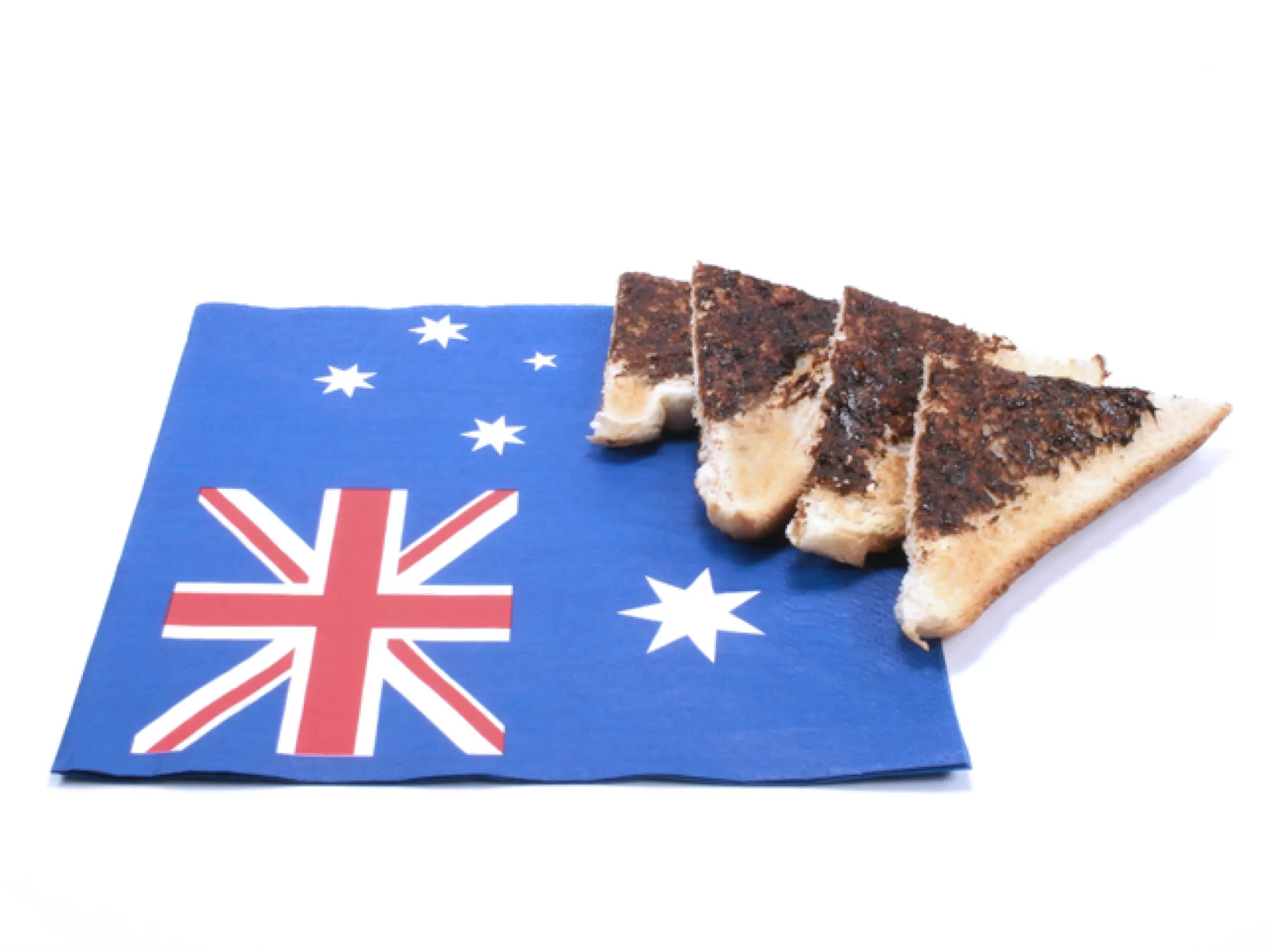
Both Marmite and Vegemite are savoury spreads made from brewer’s yeast. The main difference is that Vegemite’s ingredient list also includes onion, malt and celery extracts, giving it more of a vegetal flavour profile and more umami notes, akin to aged soy sauce or tamari.
Vegemite, which hails from Australia, is also much darker in colour (it’s nearly black in the jar) and has a thicker, paste-like consistency. Marmite, a favourite in the UK, is dark brown in colour, has a more spreadable, sticky consistency and tastes a touch sweeter when compared to Vegemite. Both Marmite and Vegemite are used as a spread for toast, sandwiches and crackers, but have different culinary applications too. Marmite is also used in packaged snacks, such as a filling for savoury crackers (which are biscuits in the UK) or as a savoury topping with cheese for flatbreads. Vegemite is used to make cheesymite scrolls, a popular Australian swirled pastry with a vegemite-and-melted-cheese filling.
Marmite Recipes
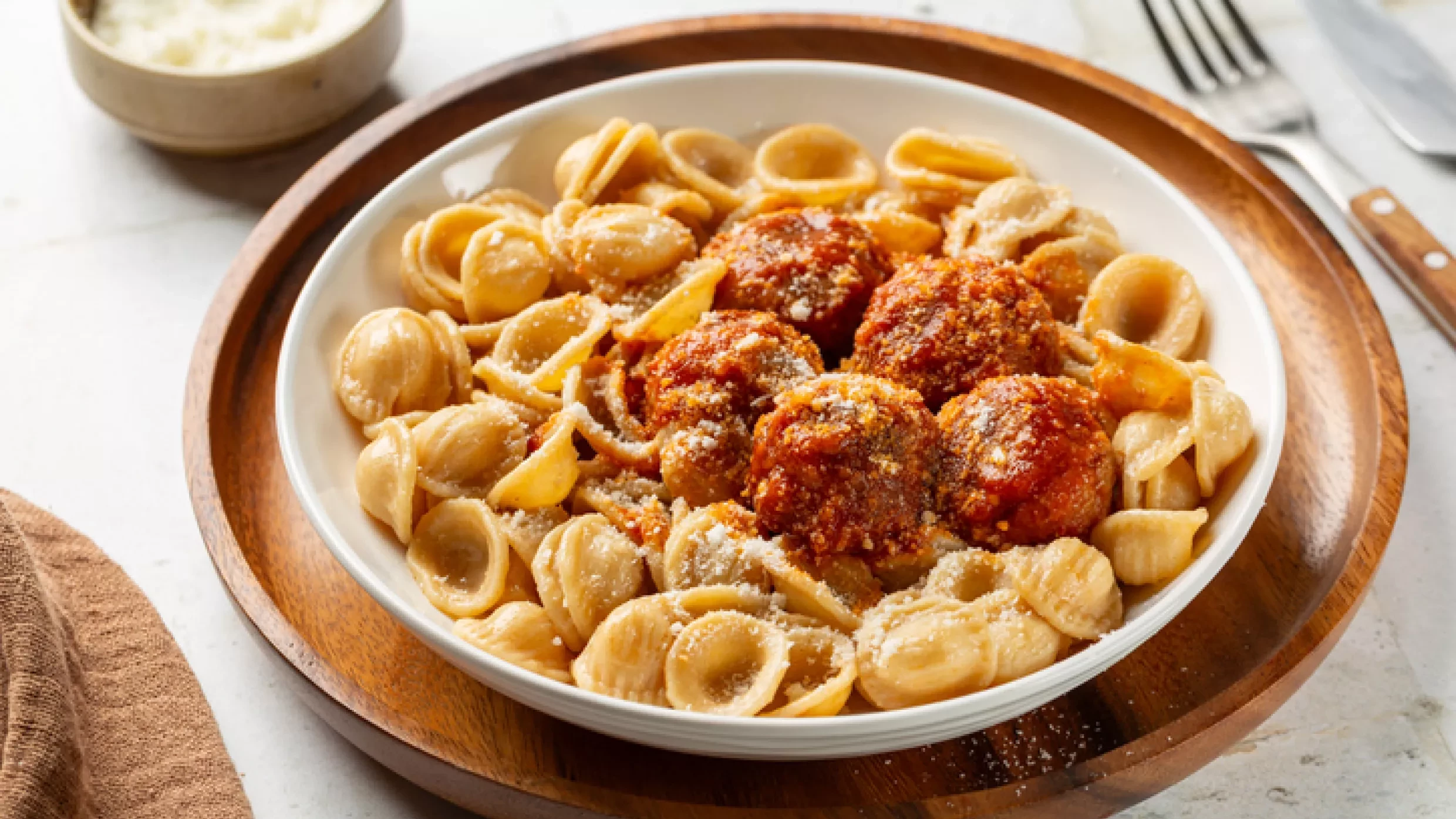
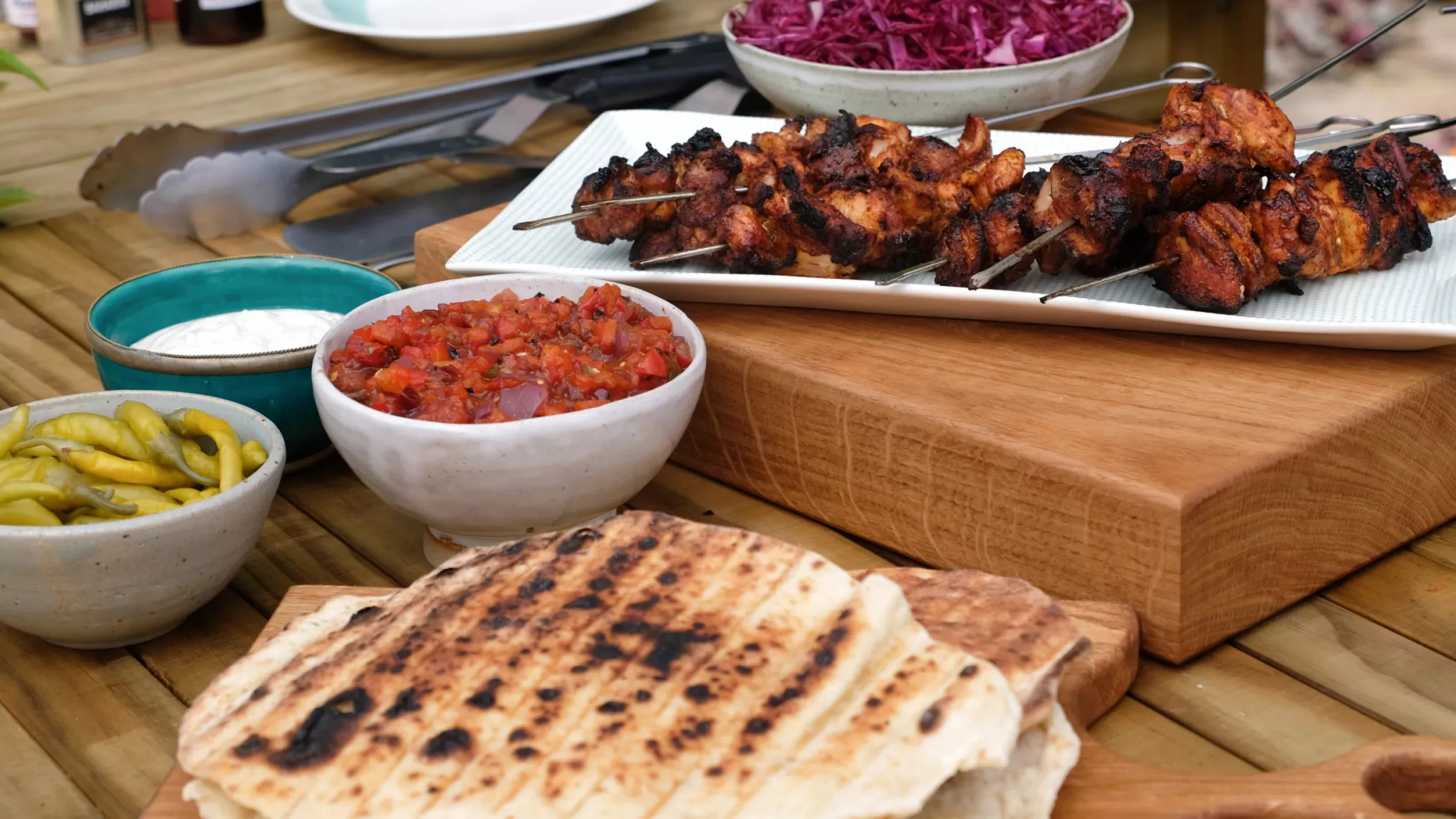
Besides using Marmite as a spread for toast and crackers, try cooking with it to add savoury depth to dishes. Keep in mind that since Marmite has a salty, concentrated flavour, you’ll want to use it sparingly. Try adding a touch of Marmite to caramelised onions, melt some in oil to coat potatoes for roasting or add a spoonful to bolster slow simmered dishes such as beef stew, short ribs, chili or Bolognese. You can also whisk in a bit of Marmite to add a salty component to dressings or marinades for grilled meats, stir-fries or hardy roasted vegetables. For a low-lift Marmite fix, try using it to jazz up a bowl of plain noodles or slick some onto a grilled cheese sandwich. Speaking of cheese, opt for Marmite as an accompaniment to your next cheese board - it pairs especially well with aged cheddar.