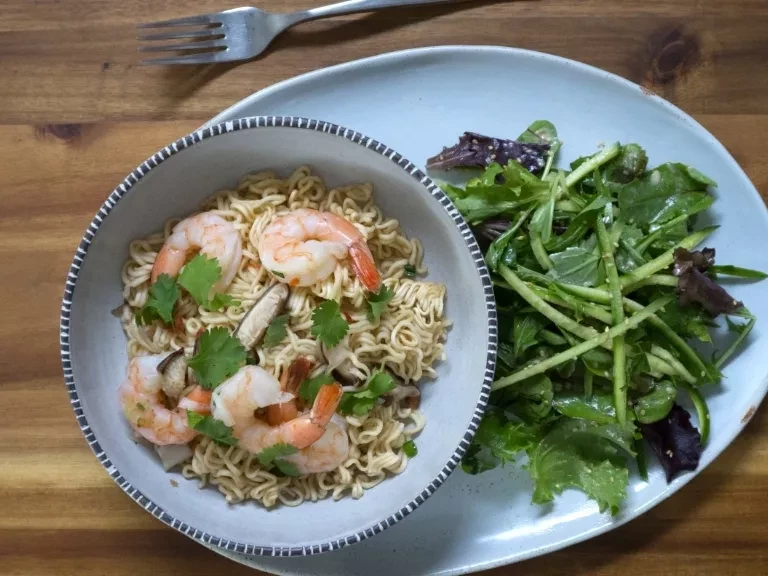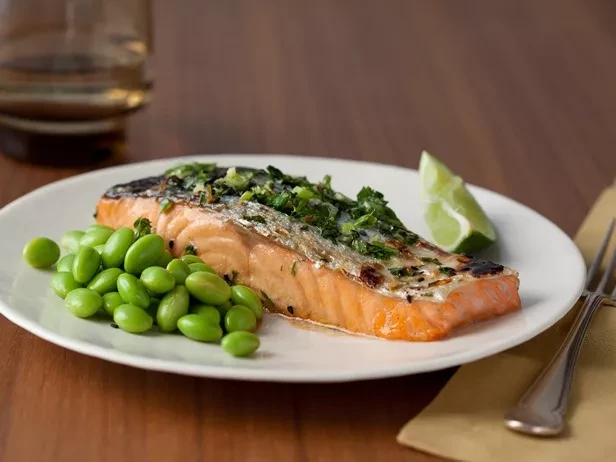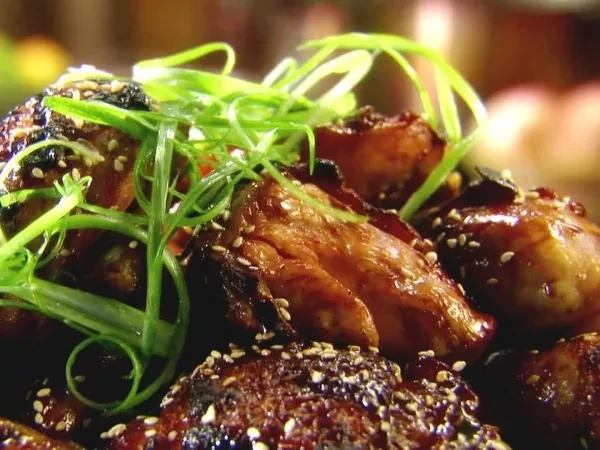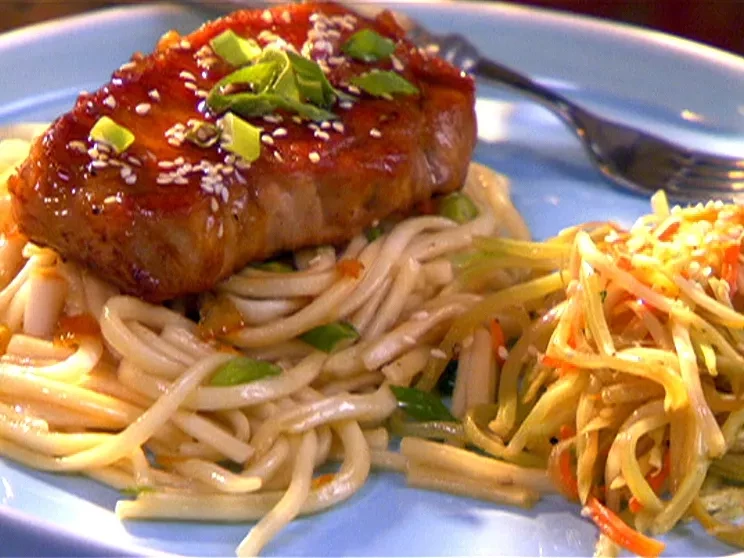













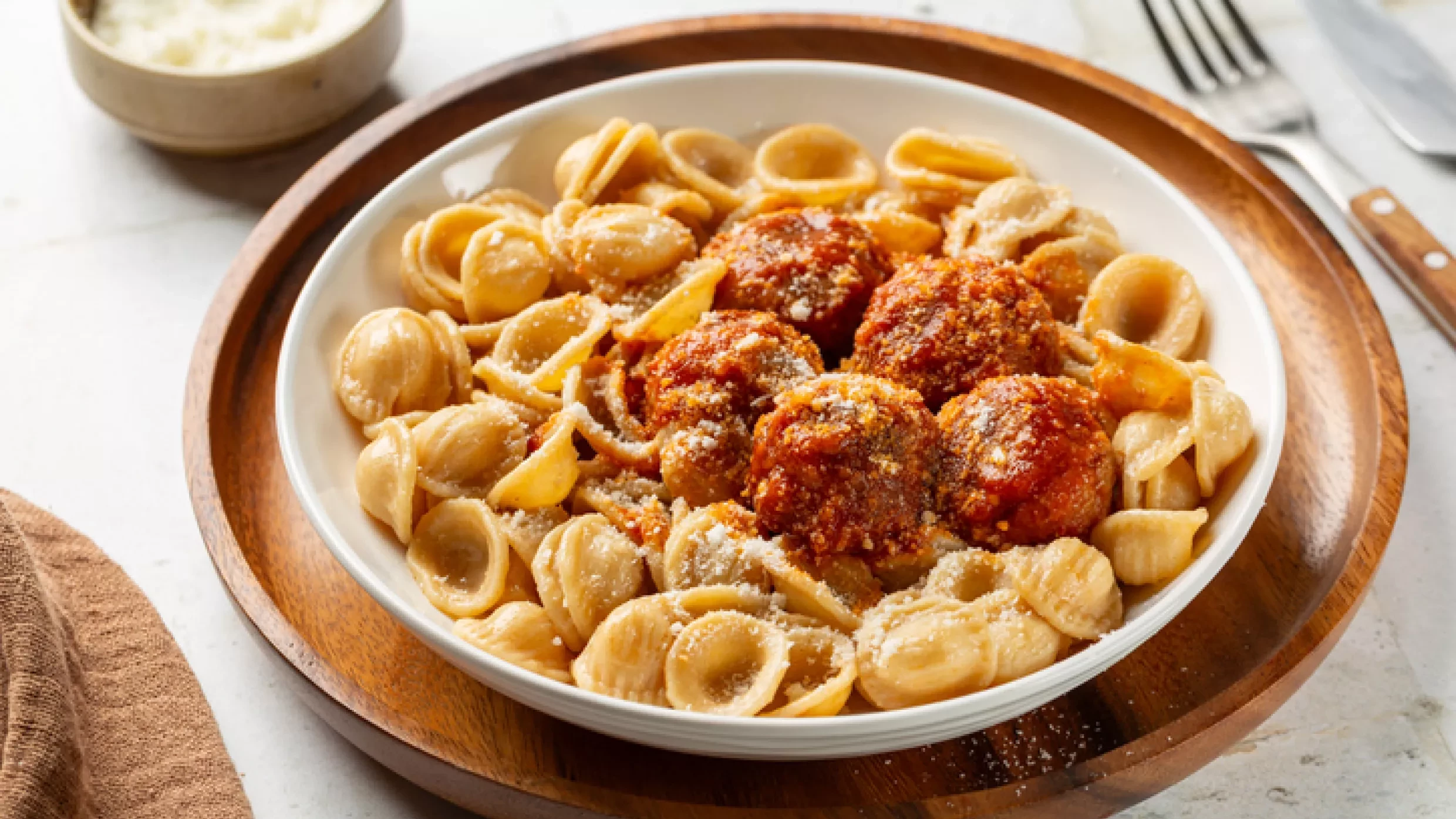



Perhaps you’ve read the ingredient list for a teriyaki recipe and wondered what mirin is. Maybe you’ve wondered how to use the Japanese ingredient. We consulted Pascale Yamashita, a recipe developer, food stylist, food photographer and avid food lover based in Japan to answer all of your mirin-related questions.
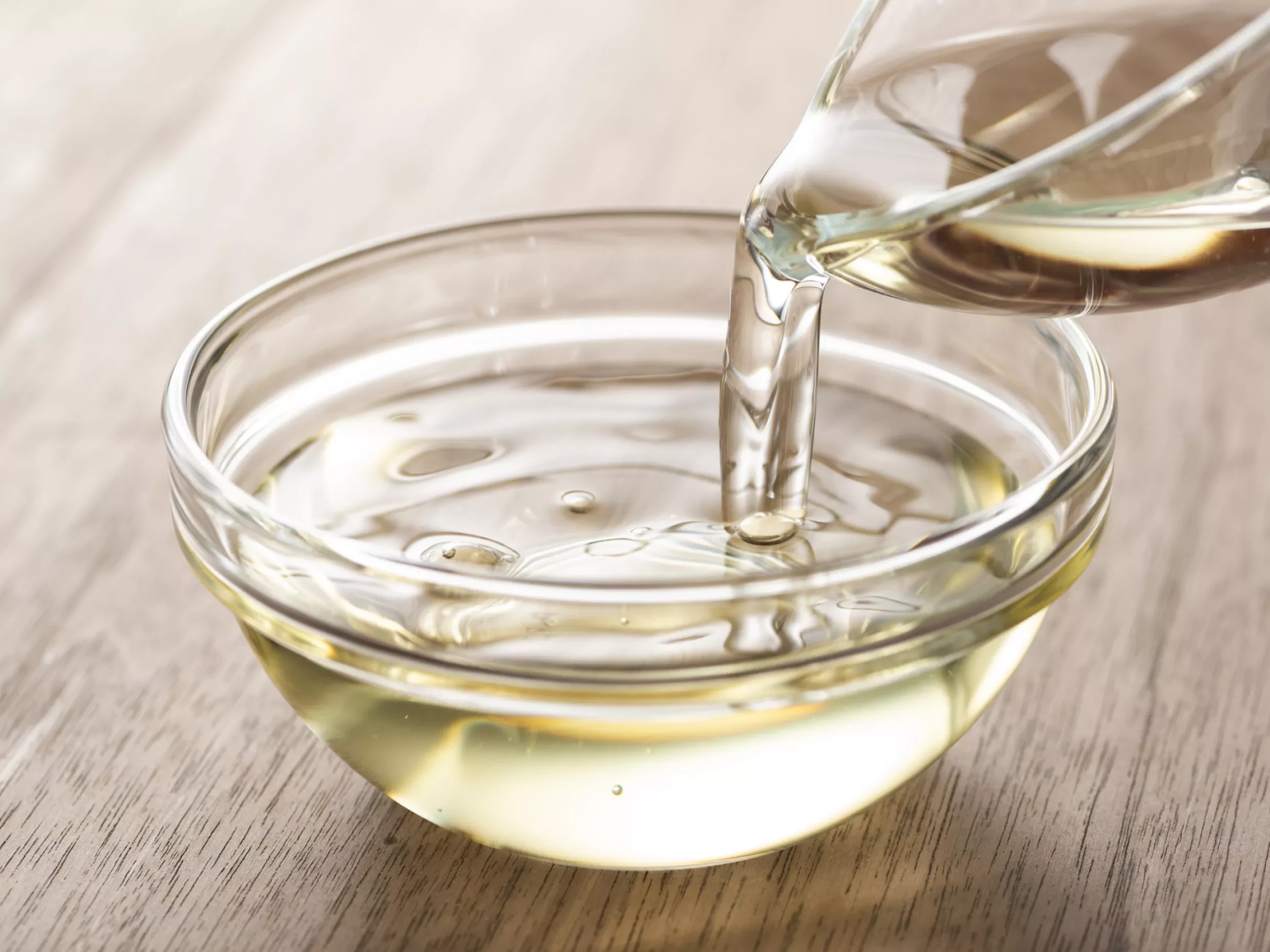
What Is Mirin?
Mirin is a Japanese sweet rice wine made by fermenting a combination of steamed mochi rice, koji (fermented rice) and shochu (sweet potato alcohol) for 40 to 60 days. During this period, the starch in the rice is broken down, creating sugar, umami amino acid and organic acid, yielding mirin’s distinctive tangy-sweet flavour. Mirin contains up to 14 percent alcohol - as a result, it is taxed as alcohol in Japan. The first kind of mirin, also known as hon-mirin, was first made in Japan in the 16th century and was considered a luxury. It became common in the early 1900s, when it became frequently used in soy-sauce-based fish dishes and paired with fish stock and soy sauce to make a dipping sauce for soba.
In the international aisle of grocery stores, you’ll likely see bottles labelled ‘aji-mirin,’ which translates to "tastes like mirin.” These products may have added sweeteners but will still work in recipes. You can purchase traditional Japanese mirin in Asian markets, specialty grocery stores or online.
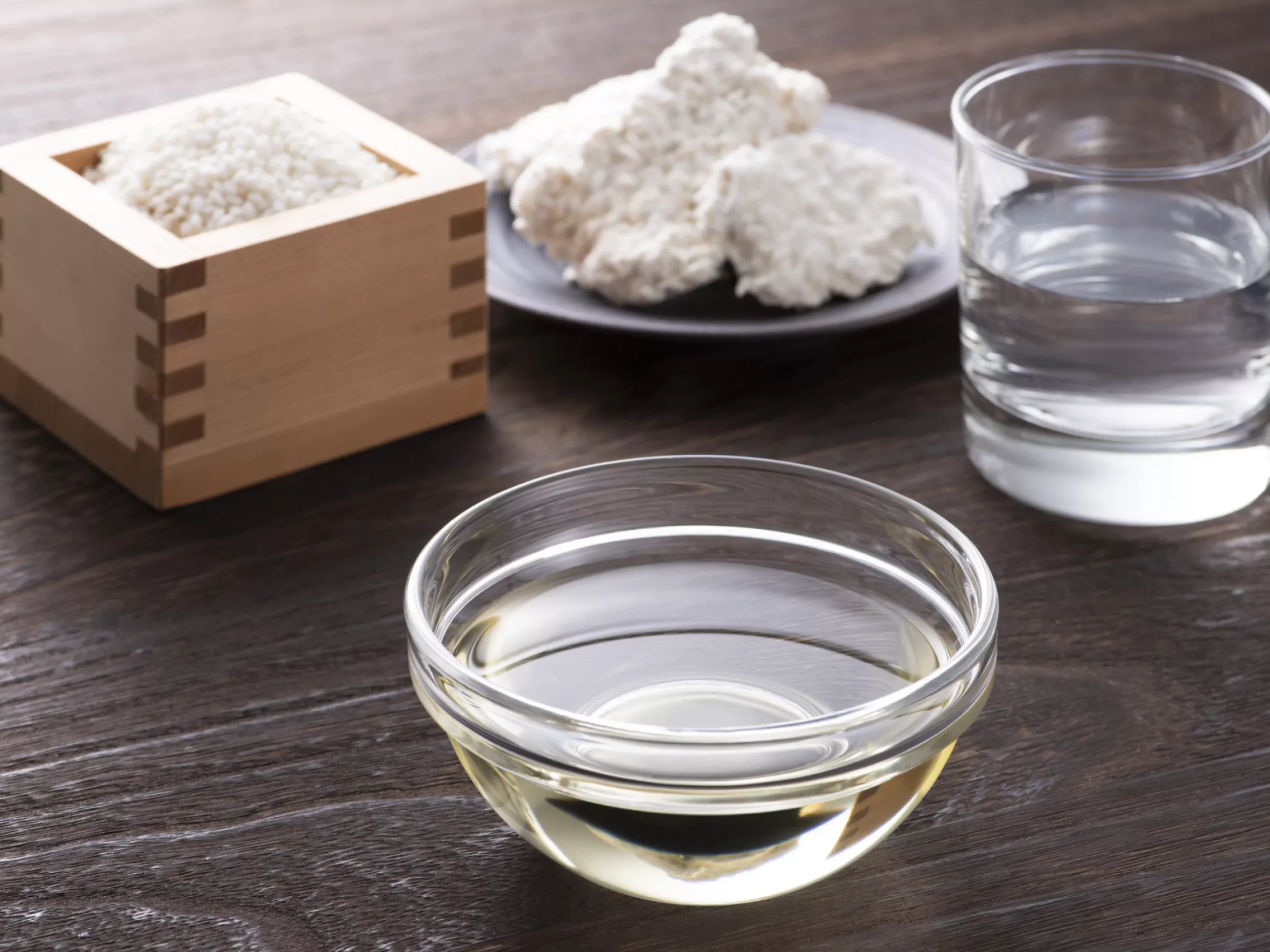
What’s the Best Mirin Substitute?
If you can’t find mirin or have run out, Yamashita recommends using a mixture of sake and sugar as a substitute. To create a balance between fermented tang and sweetness, her formula calls for 3 parts sake and 1 part sugar. You can also try replacing mirin with rice vinegar or dry white wine vinegar mixed with sugar (about 1/2 teaspoon sugar per tablespoon of vinegar). In a pinch, dry sherry or a sweet marsala wine also works as a substitute for mirin.
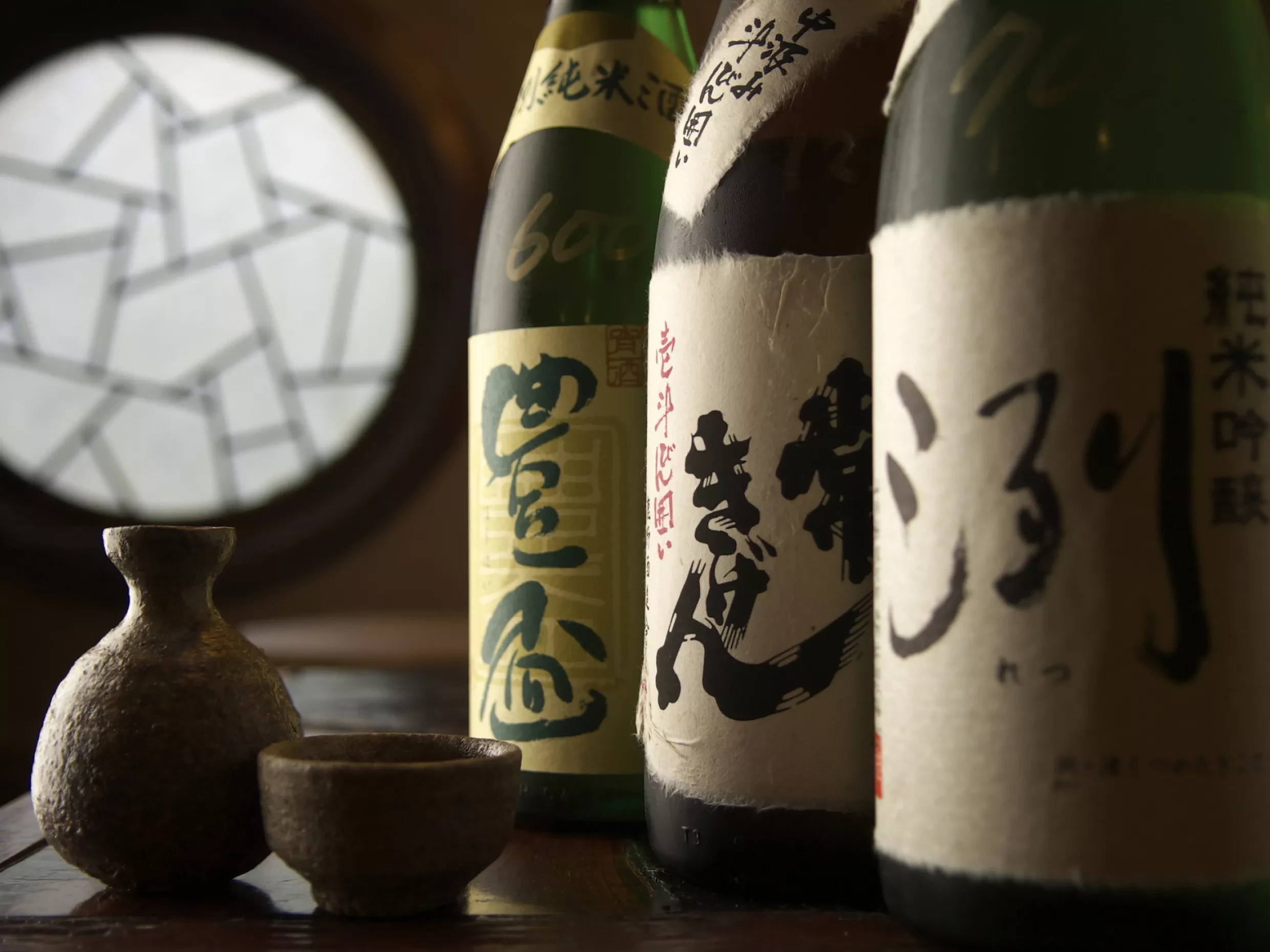
How to Use Mirin
In Japanese cuisine, mirin is used in savoury cooking.
Braises
Mirin is often paired with soy sauce to make a braising liquid.
Cooking Fish
Yamashita also reports that in Japan, mirin is used to remove fishy or meaty smells in the preparation stage of cooking. When used to cook fish, she says that mirin also helps the fish to hold its shape.
Dipping Sauces & Dressings
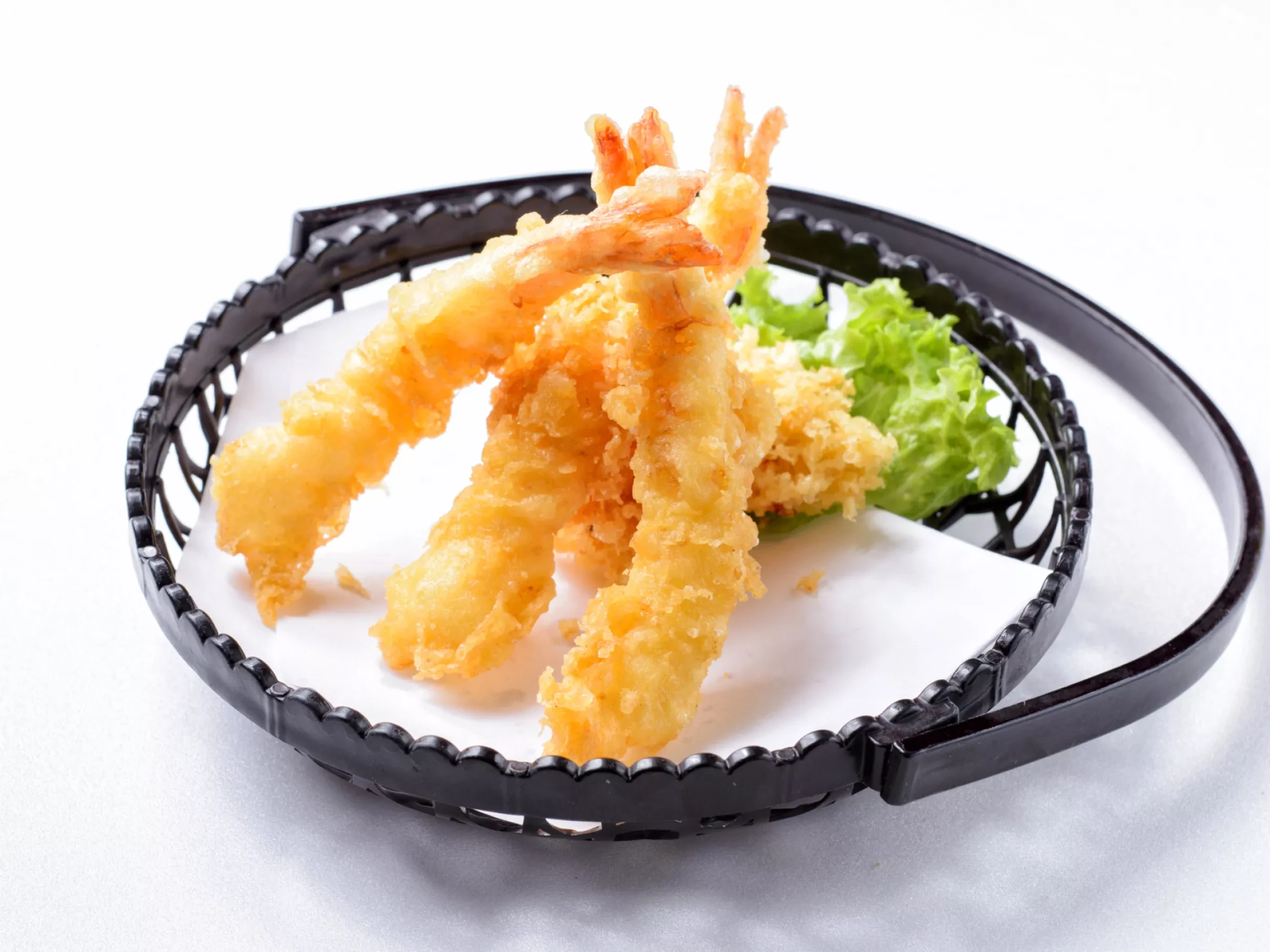
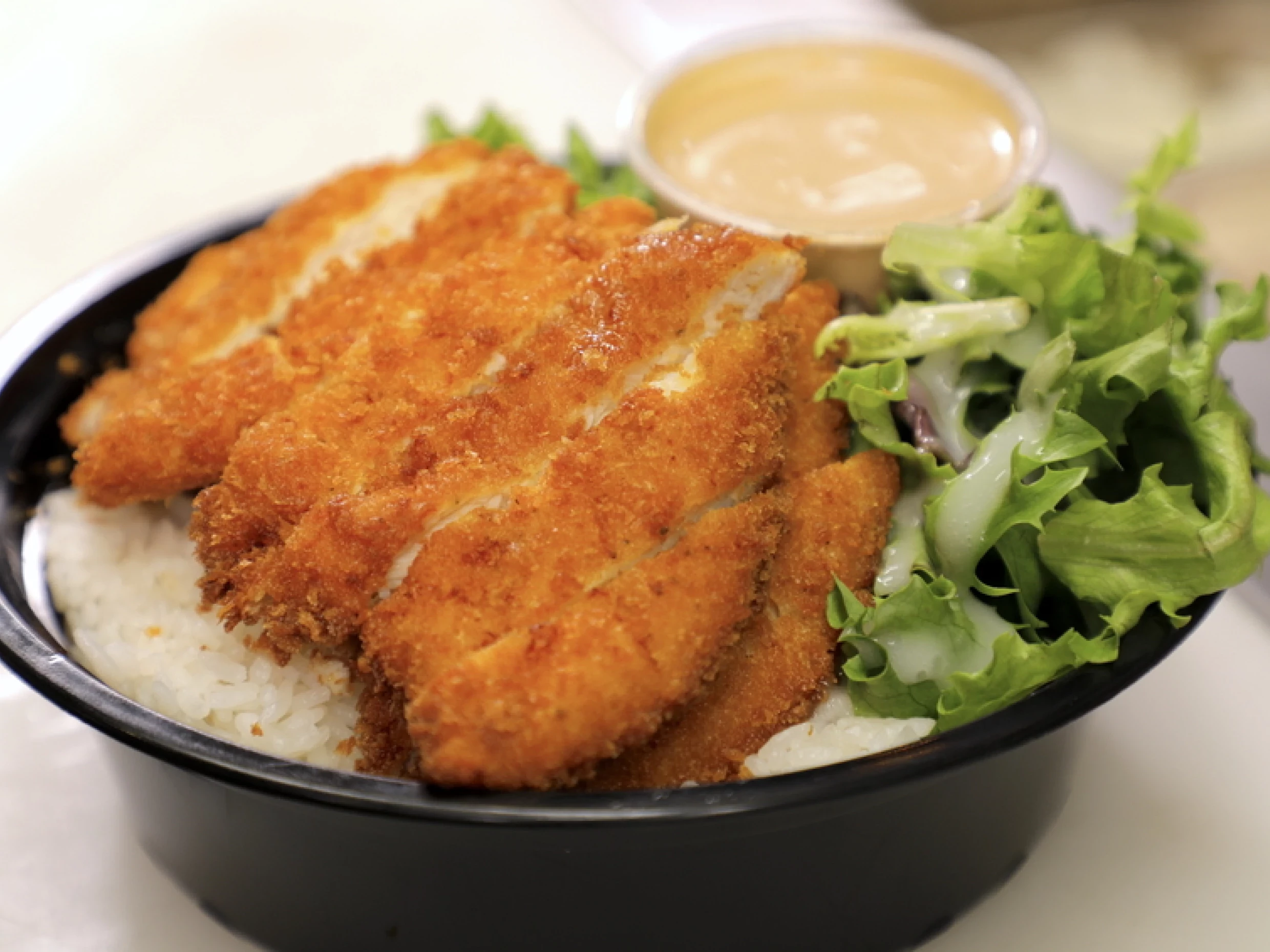
Mirin is often used as a component to make different dipping sauces for a variety of Japanese dishes, including noodles, sashimi, tonkatsu and tempura.
Sauces & Marinades
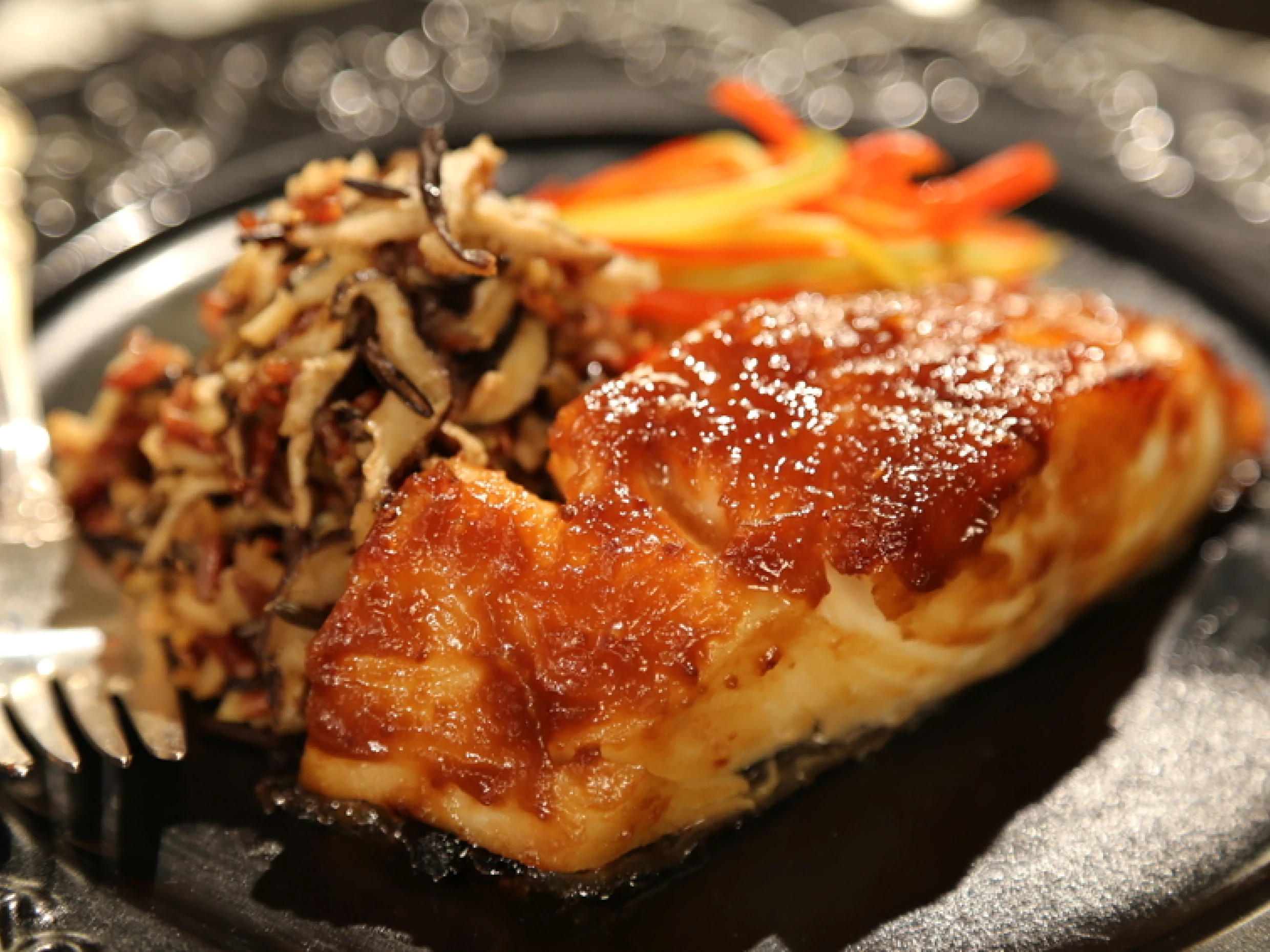
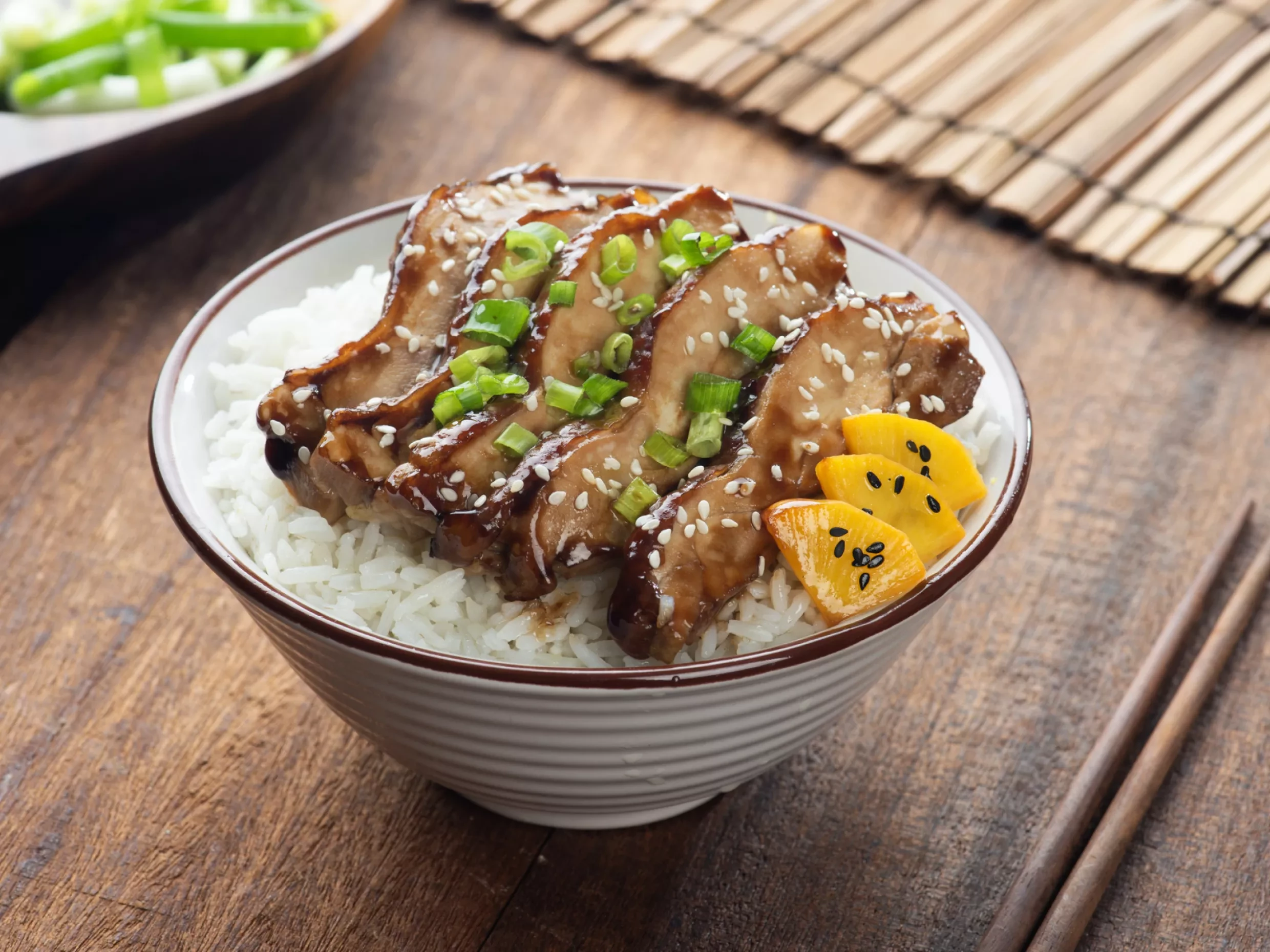
Mirin’s high sugar content makes it ideal for creating glazes, sauces and marinades. In Japanese cuisine, mirin is used to give a 'teri,’ meaning glaze, to dishes - hence, teriyaki. Try using mirin anywhere you want to add a tangy-sweet hit.
Finishing Dishes
You can also use mirin to finish dishes: try drizzling it over soup, adding it toward the end of cooking stir-fries, or deglazing a pan to make a pan sauce.
Mirin vs. Rice Vinegar: What's the Difference?
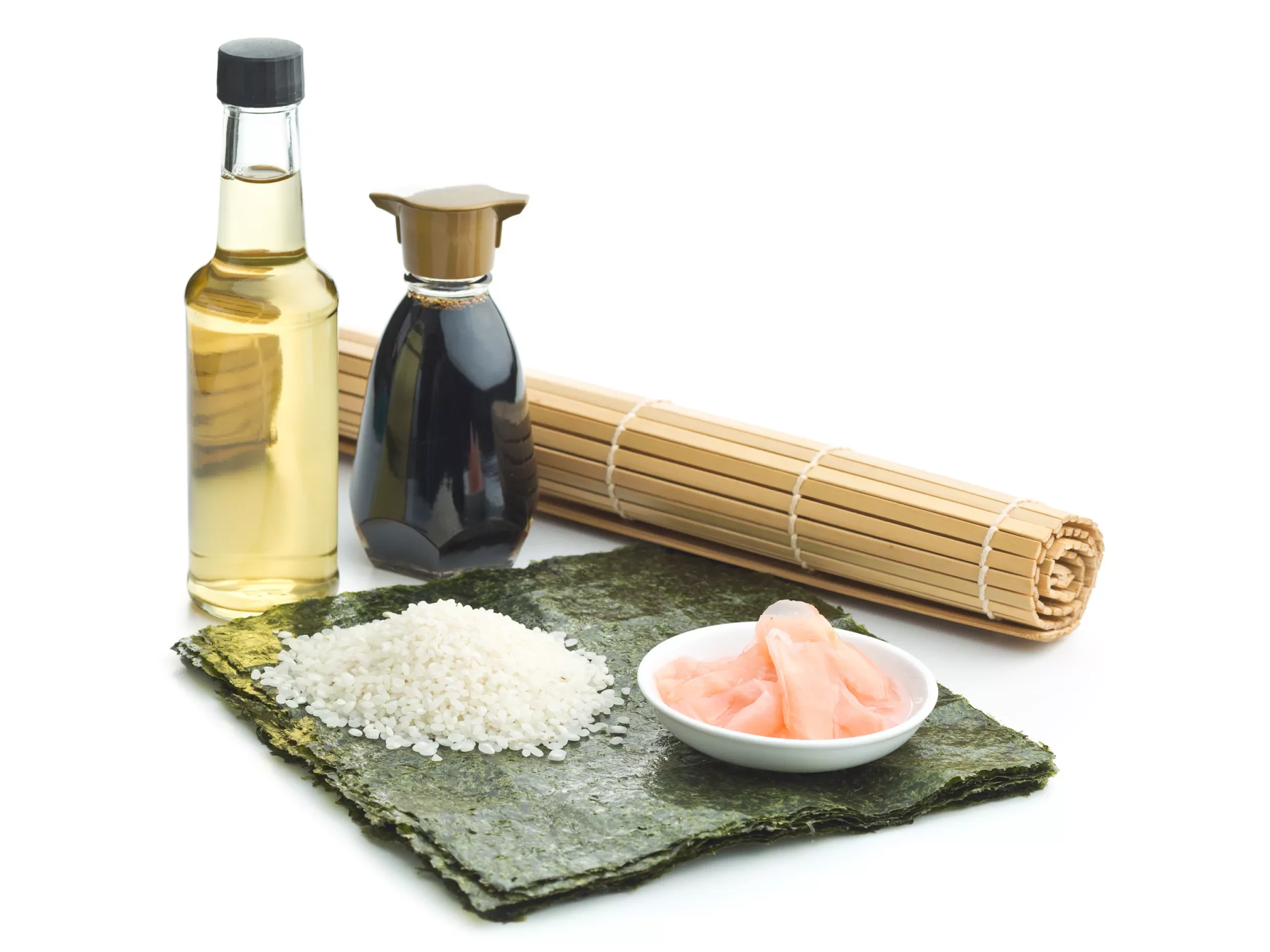
Both mirin and rice vinegar are fermented ingredients that are prevalent in Japanese cuisine. The main differences between mirin and rice vinegar are that mirin is sweet and contains alcohol, whereas rice vinegar is sour/acidic and contains no alcohol (or trace amounts). Mirin is made by fermenting steamed mochi rice, koji (fermented rice) and shochu (sweet potato alcohol) for 40 to 60 days. Rice vinegar is made by fermenting steamed rice, koji and water; the fermentation process turns the sugars in the rice into alcohol. Because rice vinegar is fermented for longer than mirin, the alcohol is converted into acid, which gives rice vinegar its tangy flavor profile and no-alcohol content.