









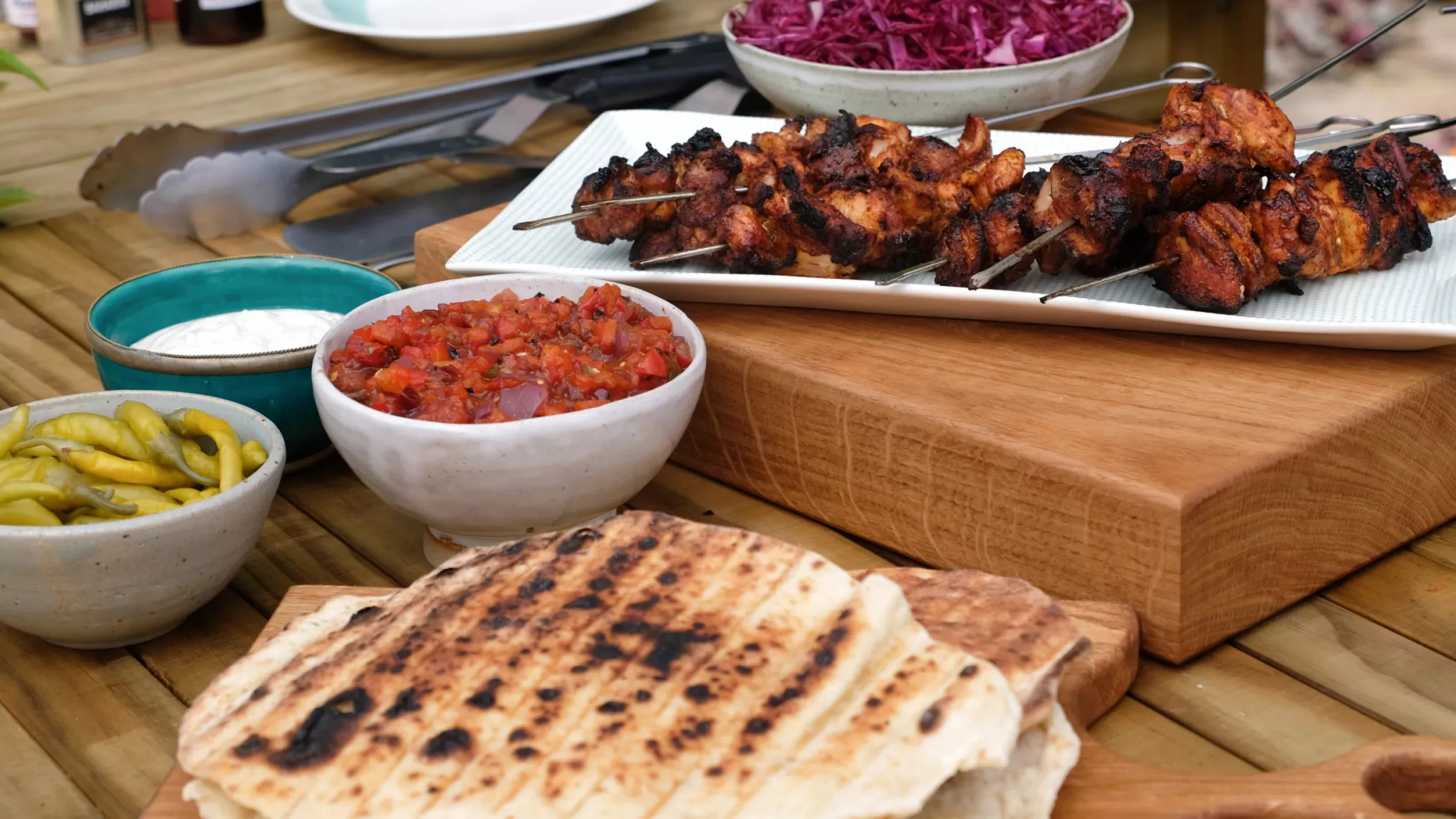
In a way, mutton is another word for lamb, but then again it isn’t. Lambs are younger, mutton are older and yield more meat, in addition to more fat. While what we know about lamb is that it is juicy and tender, mutton is older and not as tender as lamb. Let’s get all the info out in the open.
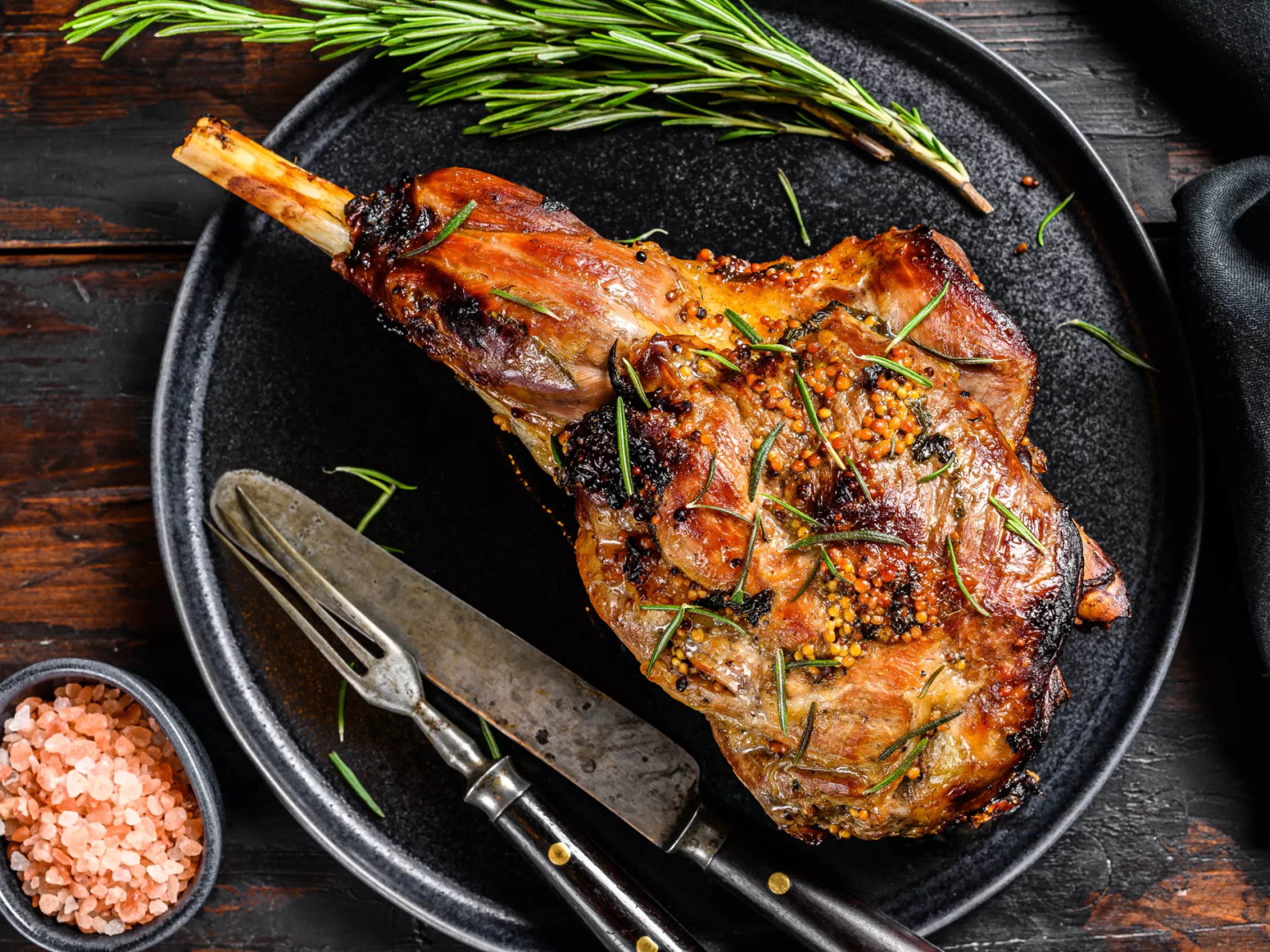
What Is Mutton?
In short, mutton are sheep that are brought to market when they are one year old or older. Before that, they’re referred to as lambs. To understand more about mutton and lamb, let’s start at the very beginning, with the easiest way to understand all the cuts of meat you can get from each. Sheep and cows are anatomically similar, so when butchered, the cuts are almost identical. That’s good for us, because when we’re at the supermarket looking at the meat counter, it’s nice to know what the names mean.
Although enjoyed in the UK, mutton is frequently consumed in China and countries in the Middle East, Central Asia, India, Australia, New Zealand, Iceland and Greece. If you like lamb and travel to any of these countries, you’re sure to see lamb and mutton prepared in a variety of ways with a wide range of spices added to create flavourful dishes.
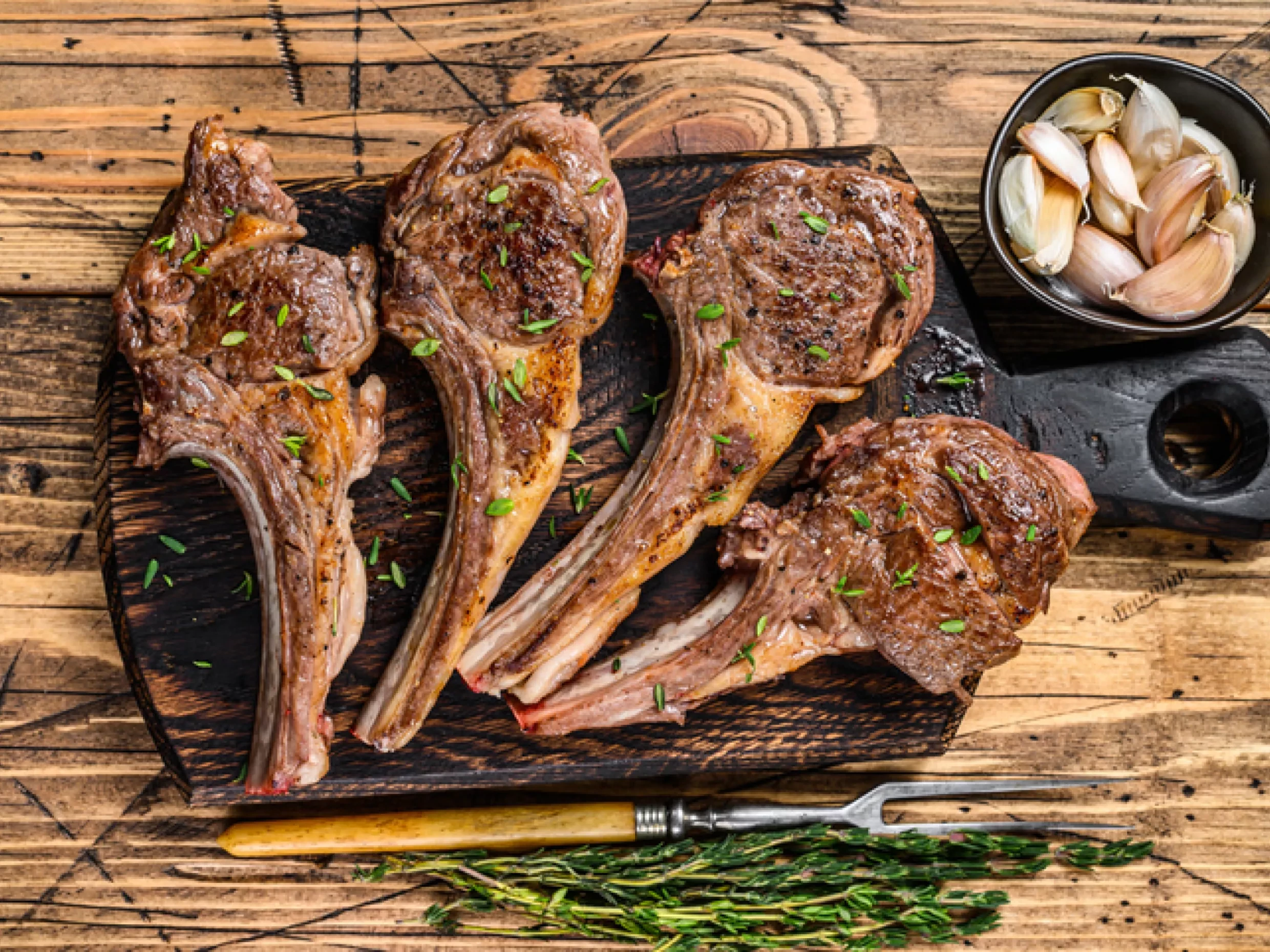
How Is Mutton Different from Lamb?
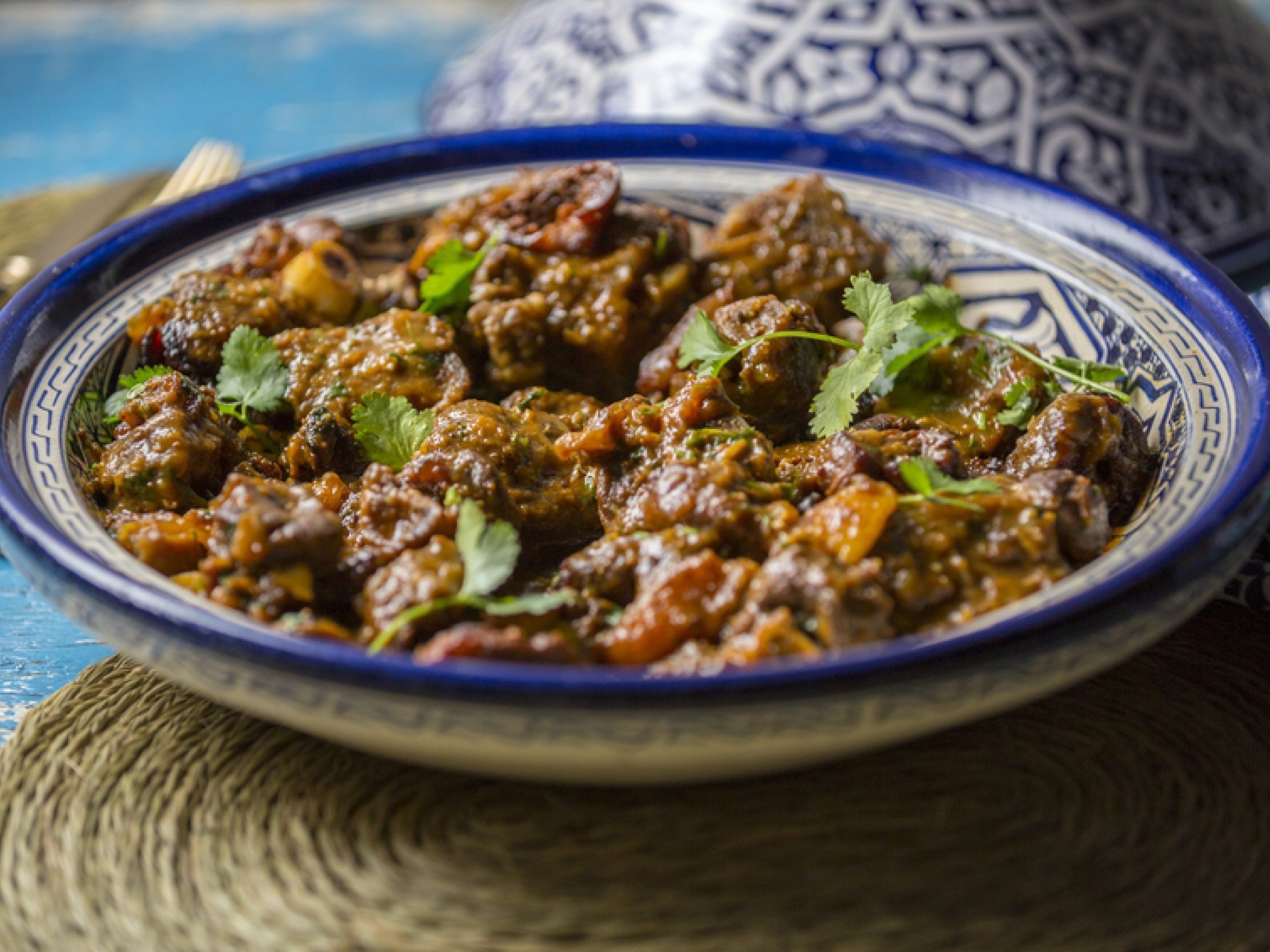
Lambs yield tender, leaner meat than mutton. In fact, it's tender enough to be cooked using the same methods as those for beef. Mutton is tougher, fattier and gamier than lamb. If you’re cooking any cut of mutton, your best bet is to braise it, no matter what the cut.
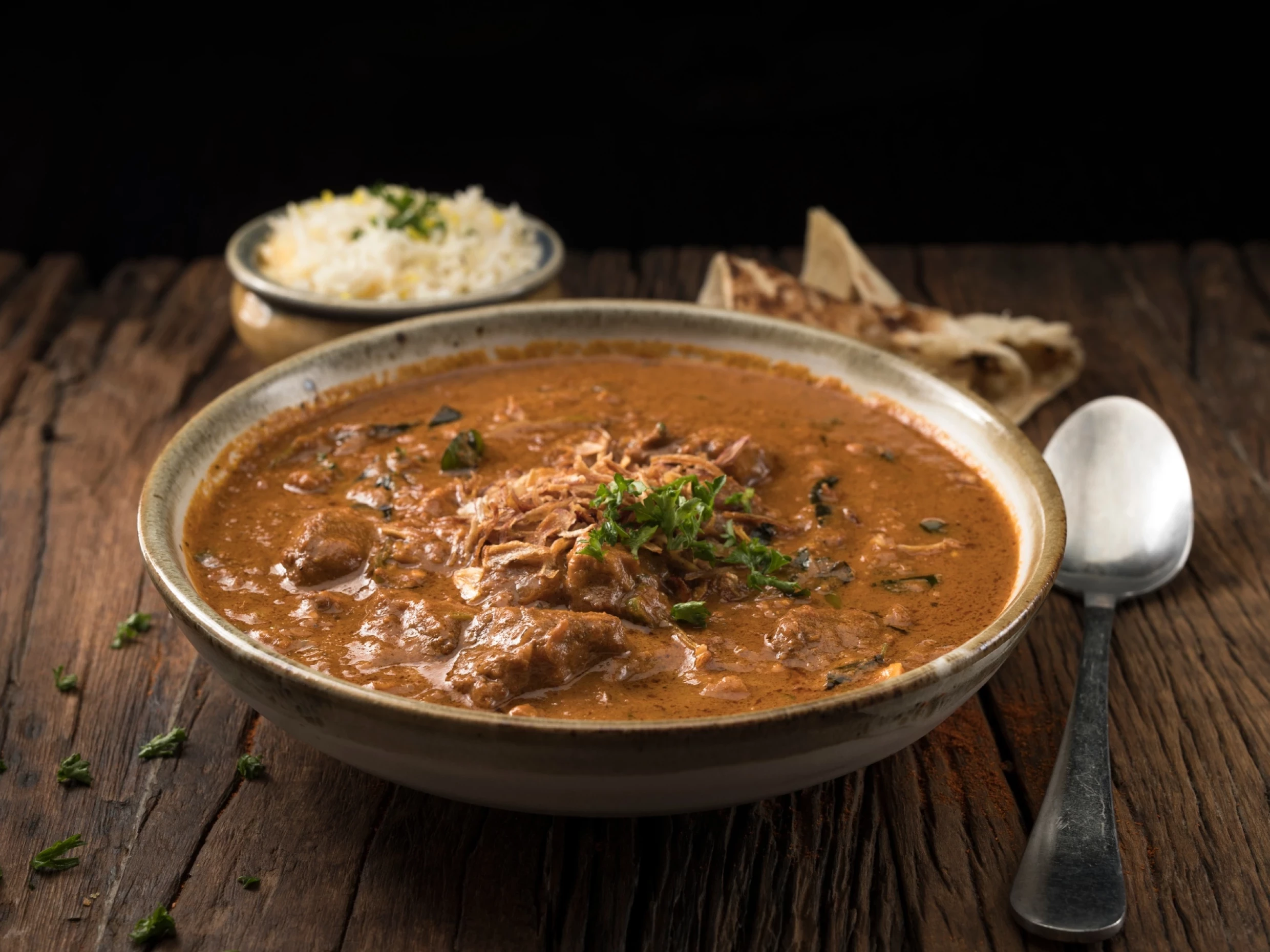
What Are the Cuts of Lamb/Mutton?
While there is a distinction between lamb and mutton, the cuts you'll see are generally the same.
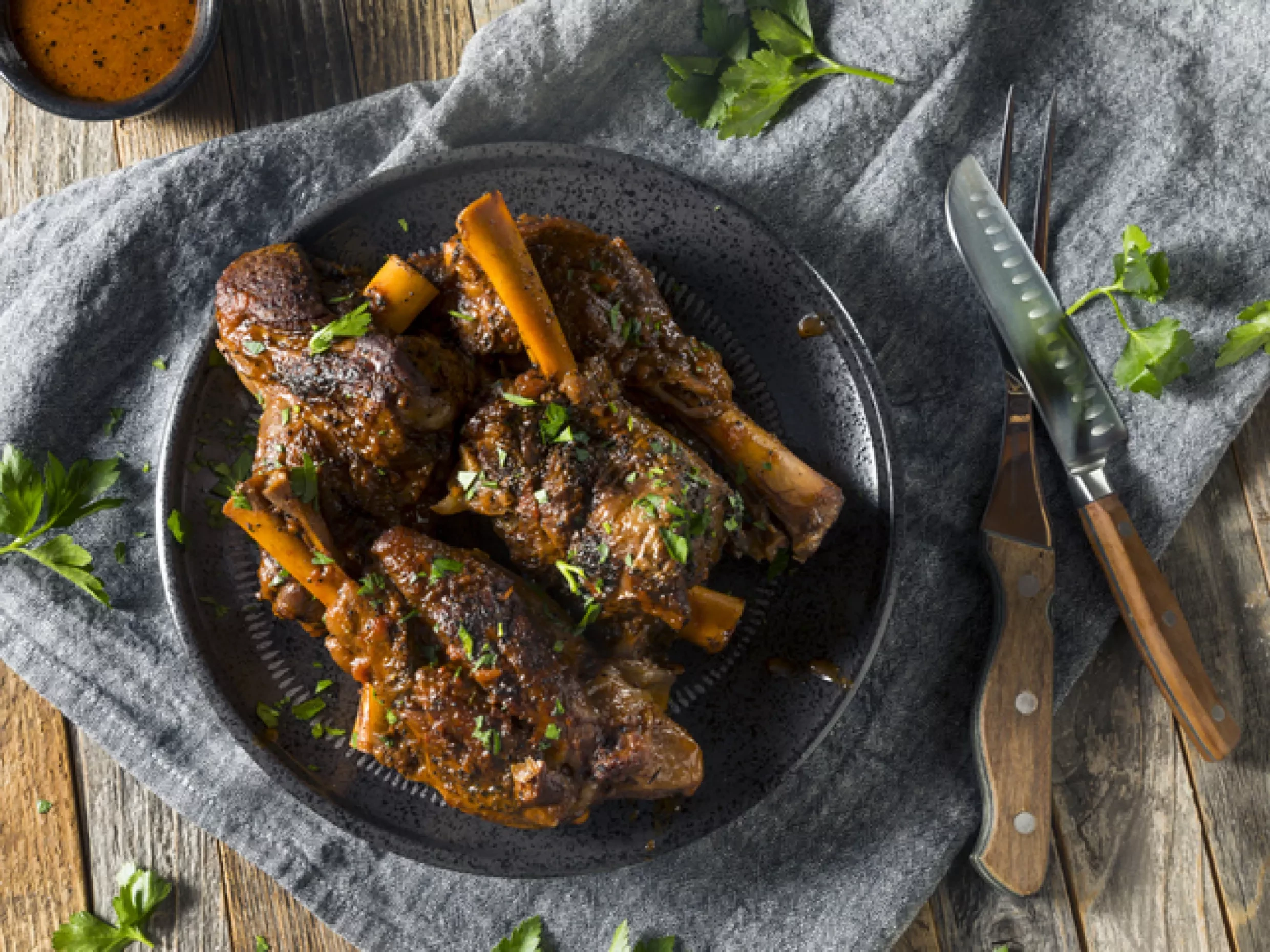
- Shank—This is the bottom end of the leg and the most used muscle of the sheep, so it's a tougher cut that needs to be braised, no matter whether you're cooking lamb or mutton. There are four shanks per sheep.
- Leg—The entire back leg of a sheep, minus the shank. When it comes to lamb, legs are sold either whole, which is a beautiful presentation for a holiday, or boneless. Both are perfect for roasting. A boneless roast can be butterflied and filled with a cooked herb that will flavor it as it roasts.
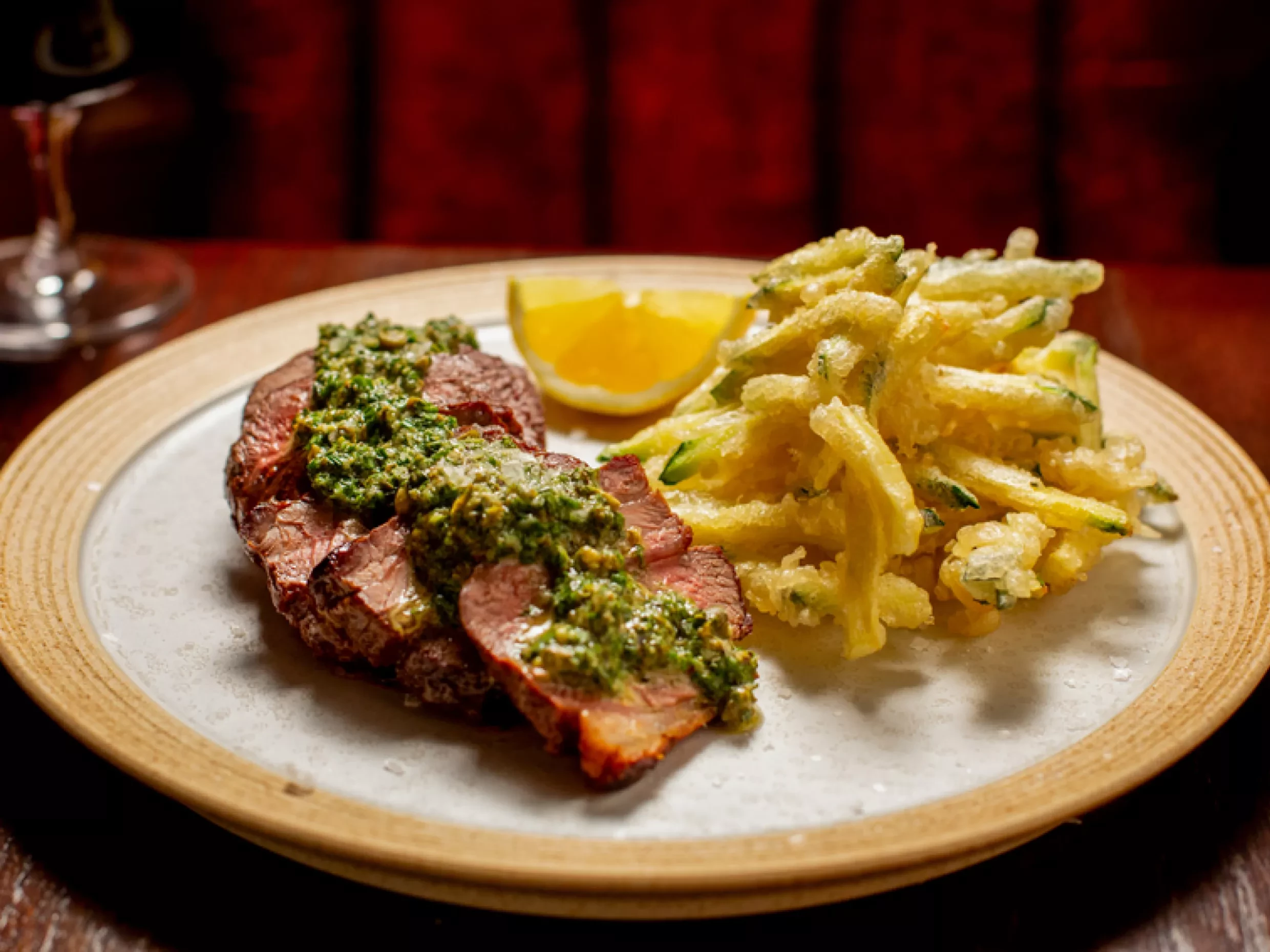
- Steak—A crosscut of the leg; it will have a small round bone in the middle. If cut from a boneless leg, there won’t be a bone. Both are excellent grilled.
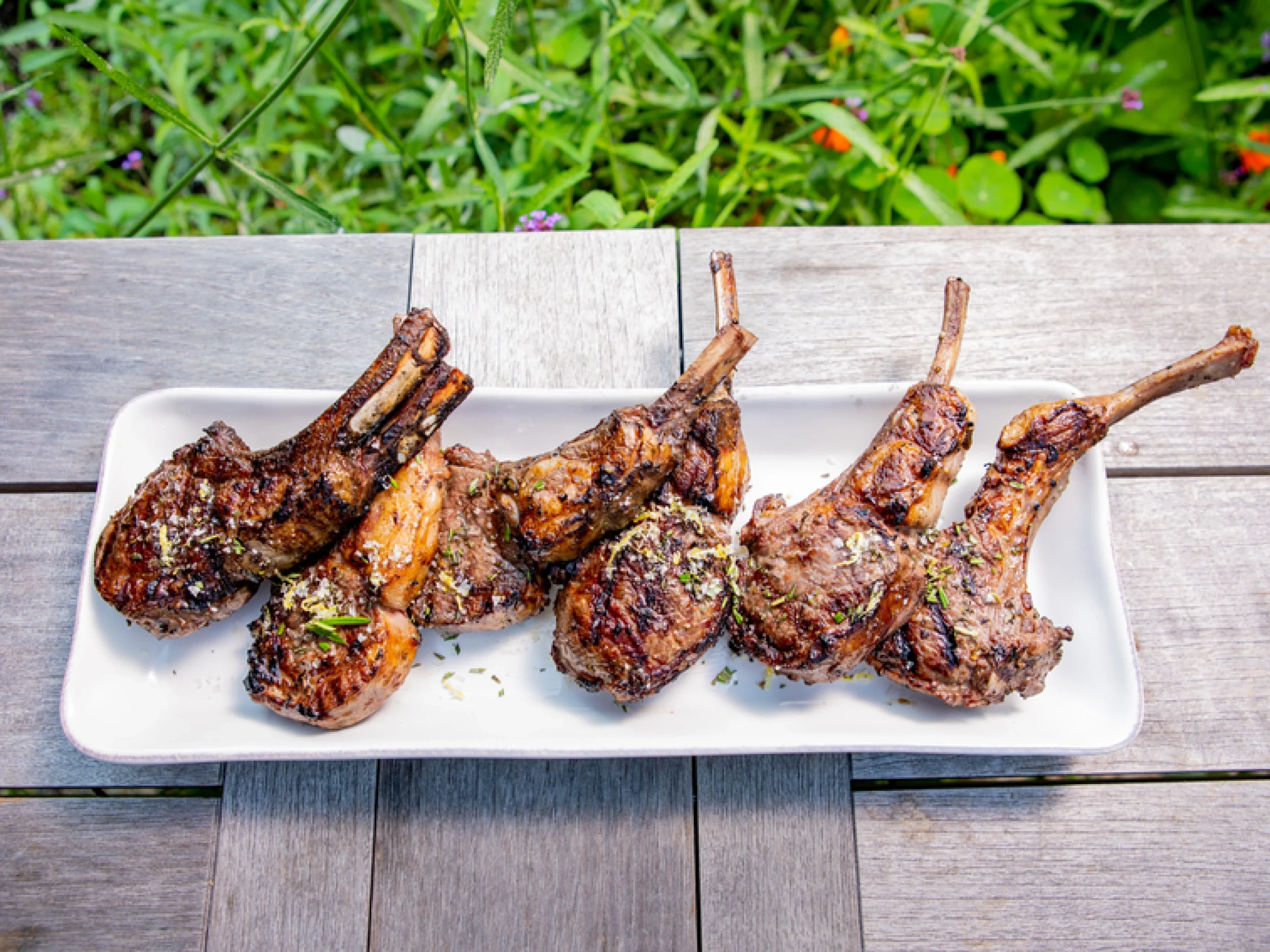
- Rack—A rack of lamb is the equivalent of a whole prime rib of beef. When cut in chops, they are basically tiny tomahawk steaks. Each is three bites at the most.
- Loin chops—The loin chops are the sheep’s porter house steaks. On one side of the bone there is the loin, and the small part on the other side is the tenderloin.
- Shoulder chops—Cut across the shoulder, these chops are tender but cost-effective.
Why Is Lamb So Expensive?
If you’ve ever been fishing, caught fish and then cleaned and cooked it, you know how little you actually get from that fish - after all that (albeit fun) labour. Imagine the process for beef, chicken, pork and lamb - of all the meat we eat, a lamb involves a ton of labour and will yield the smallest percentage of meat.
In addition, while there is lamb produced in the UK, some of our lamb supply is imported from Australia and New Zealand, and transportation adds to the cost.