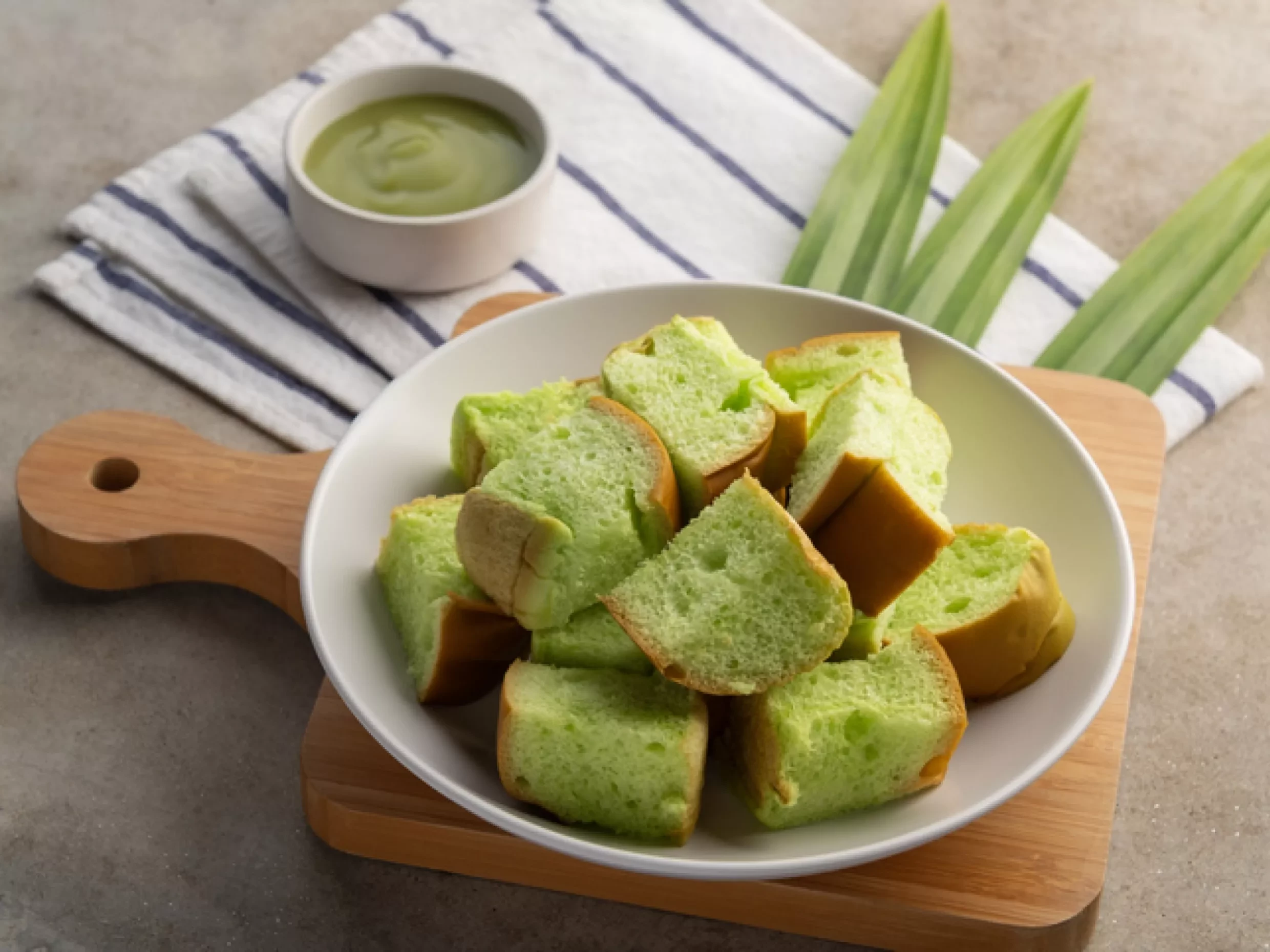

















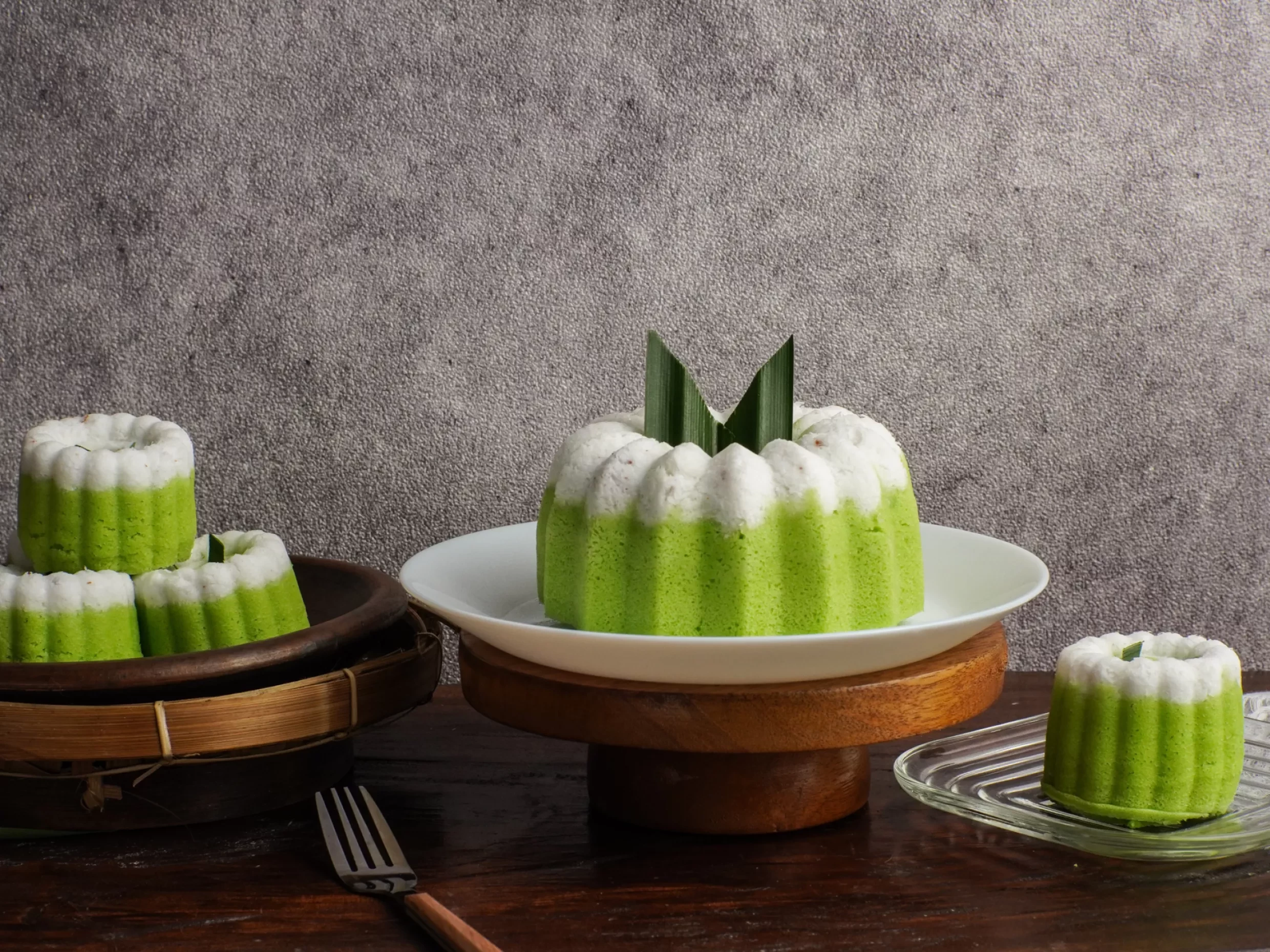
The tropical green plant provides vibrant colour and flavour. Used to flavour everything from neon green chiffon cakes to coconut rice, pandan is a glossy tropical plant commonly used in southeast Asian cooking. It can be found in raw, powdered or extract form. But what is it? Let's find out.
What is Pandan?
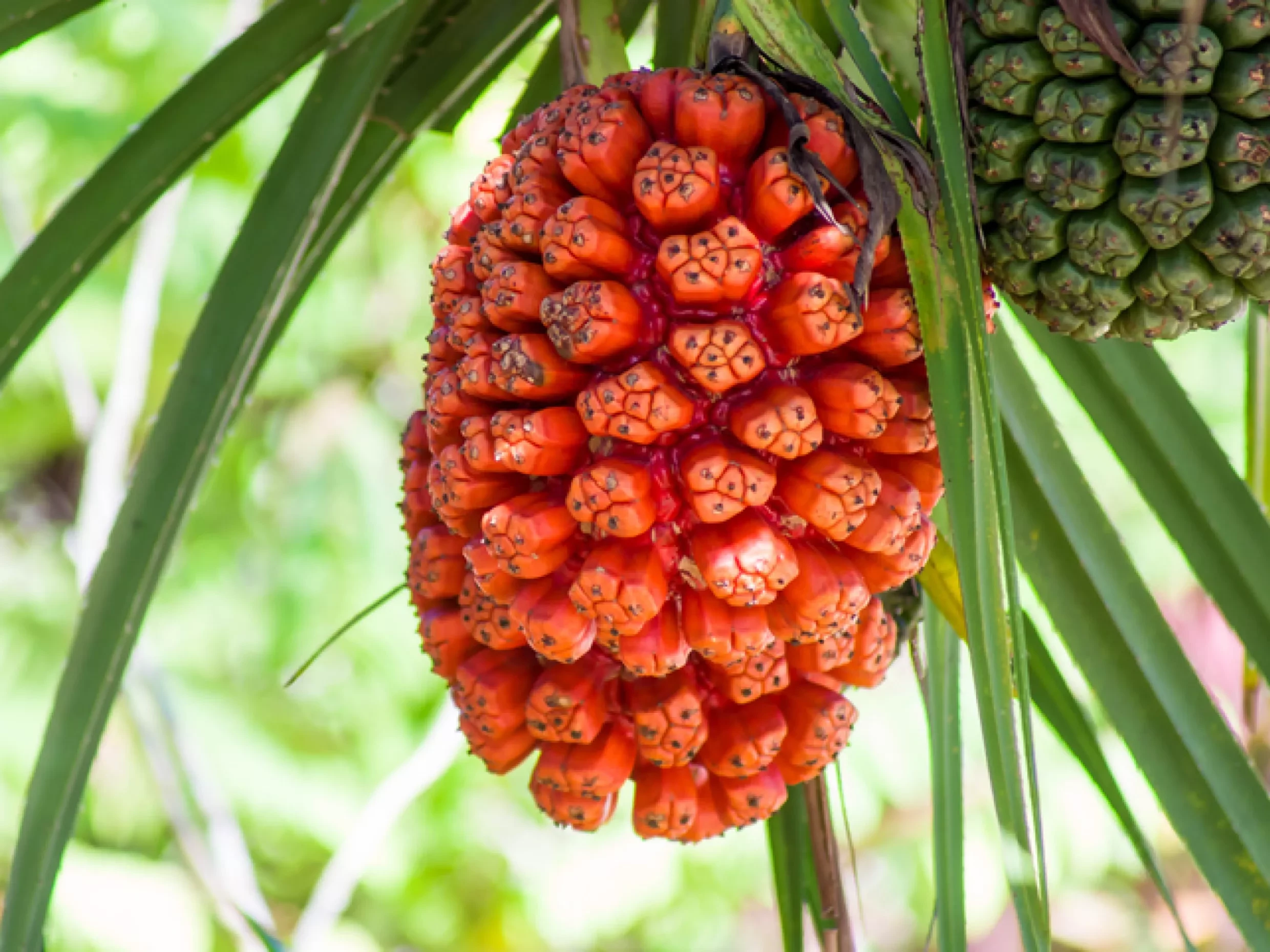
Pandan refers to Pandanus amaryllifolius, a spiky tropical plant that looks a lot like the head of a pineapple and has a nutty, vanilla-like fragrance. It is cultivated specifically for its aromatic, deep green, lance-shaped leaves, which imparts flavour into other dishes.
Pandan Uses & Products
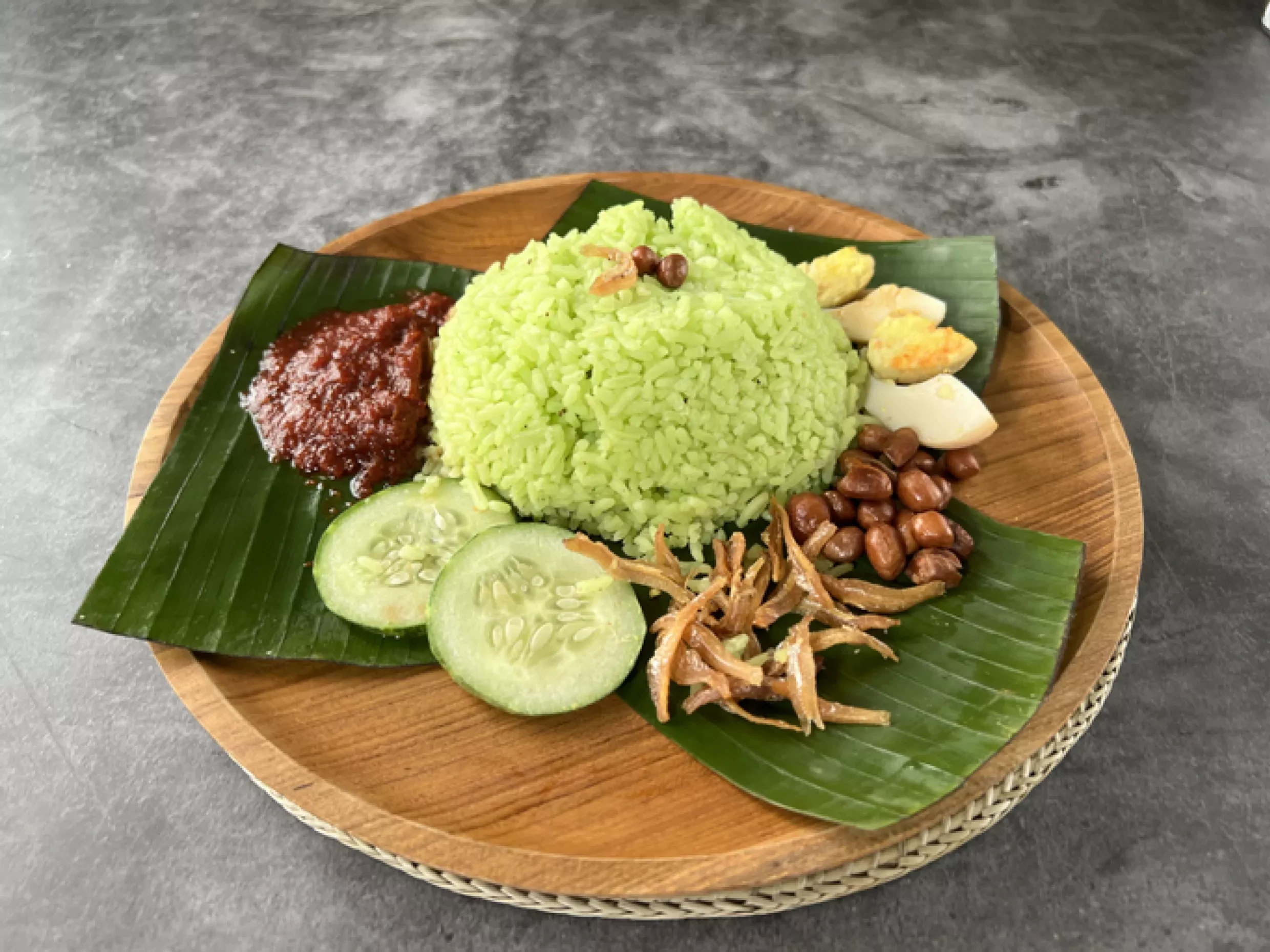
Pandan is used in both sweet and savoury applications. The leaves can be found at specialty grocers - usually in the refrigerated or frozen section, but you may also find pandan extract or powdered pandan. Whole leaves can be thrown into a pot of rice with coconut milk to make a dish called nasi lemak or used to make a jam - again with coconut milk - called kaya.
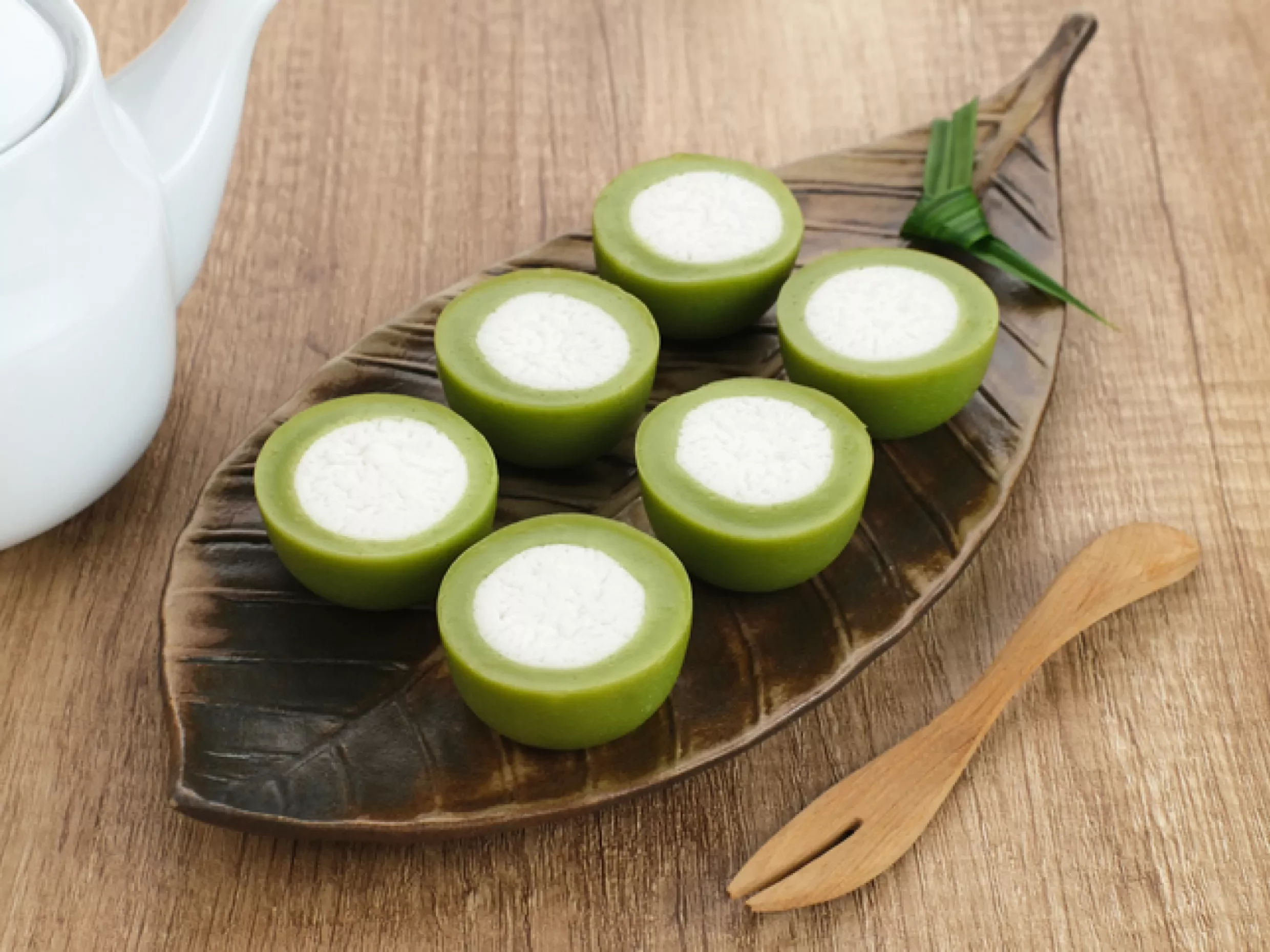
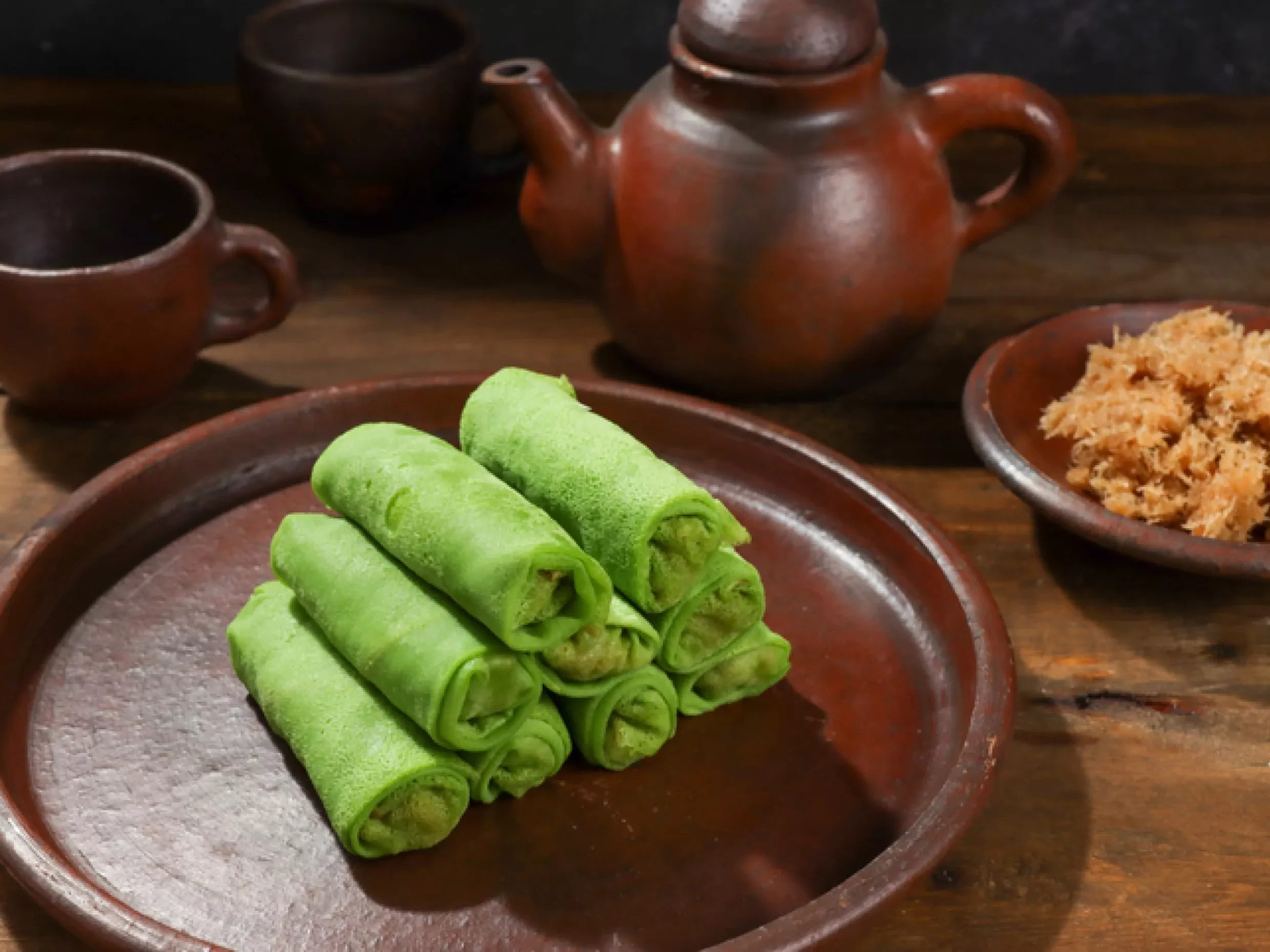
Pandan extract, juice and powders are especially great for desserts and give off a vibrant green hue. Traditionally used in southeast Asian pastries, it can be folded into cookies and cakes. Pandan pairs especially well with other tropical ingredients like coconut, brown sugar and mango, but feel free to experiment and use it in lieu of vanilla extract. Culinary treats aside, the leaves can be dried and used to weave baskets and mats.
What Does Pandan Taste Like?
Milky with whiffs of vanilla and hazelnut, pandan has a delightfully toasty flavour. The compound 2-acetyl-1-pyrroline (2AP) is responsible for its nutty aroma and has been identified in other fragrant crops like rice, soybean, coconut and taro.
How to Cook With Pandan
Knot and throw the leaves into any dish or braise for flavour, or use it as a wrap for grilling or steaming. Fresh leaves can be juiced and folded into desserts or boiled down to a shelf-stable extract. The leaves release a subtle flavour and don’t add much or any colour to dishes. Pandan extract is much more potent and is either used to impart a deep green hue to pastries or for an extra kick of flavour. A little goes a long way.
How to Buy and Store Pandan
Derived from a tropical plant that thrives in hot and humid conditions, fresh pandan leaves can be difficult to source in some areas. Check the refrigerated section of speciality shops. Use immediately or wrap in a damp towel and put in the fridge for up to four days. The leaves can also be bought frozen. Whole leaves can be juiced or boiled down, though should be used within two to three days. Shelf-stable pandan extract can be easily found online, though check the labels and make sure it contains actual pandan and not just green food dye.