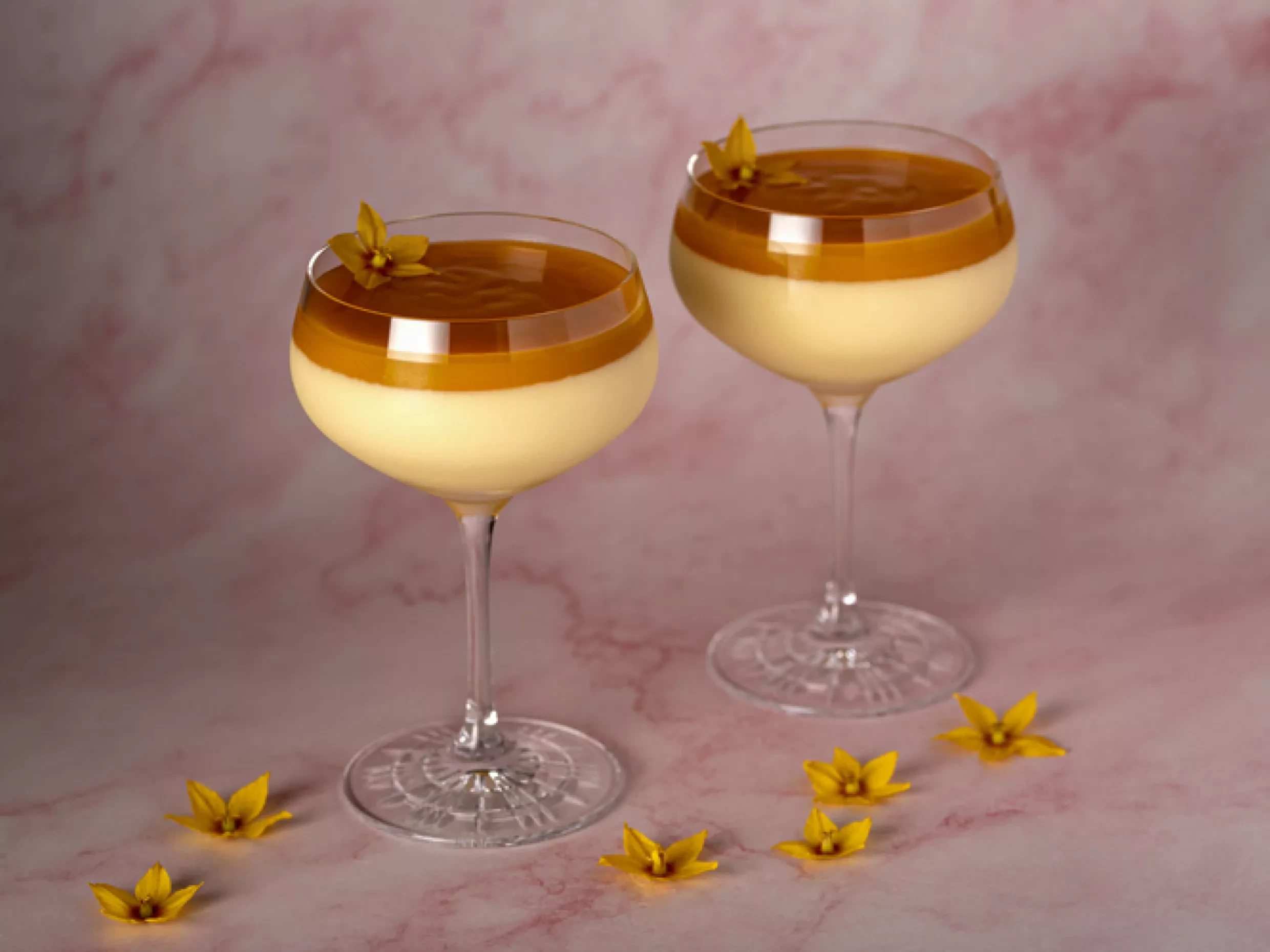




One of the most beloved Italian desserts, panna cotta is rich and silky with pure dairy flavour. When it's made carefully, it’s just a tad wobbly and set so lightly that it instantly melts in your mouth. Traditionally, panna cotta requires only a handful of simple ingredients and minutes of prep, but creative cooks have come up with any number of brilliant variations. So, what is panna cotta? Here's everything you need to know about this Italian dessert.
What Is Panna Cotta?
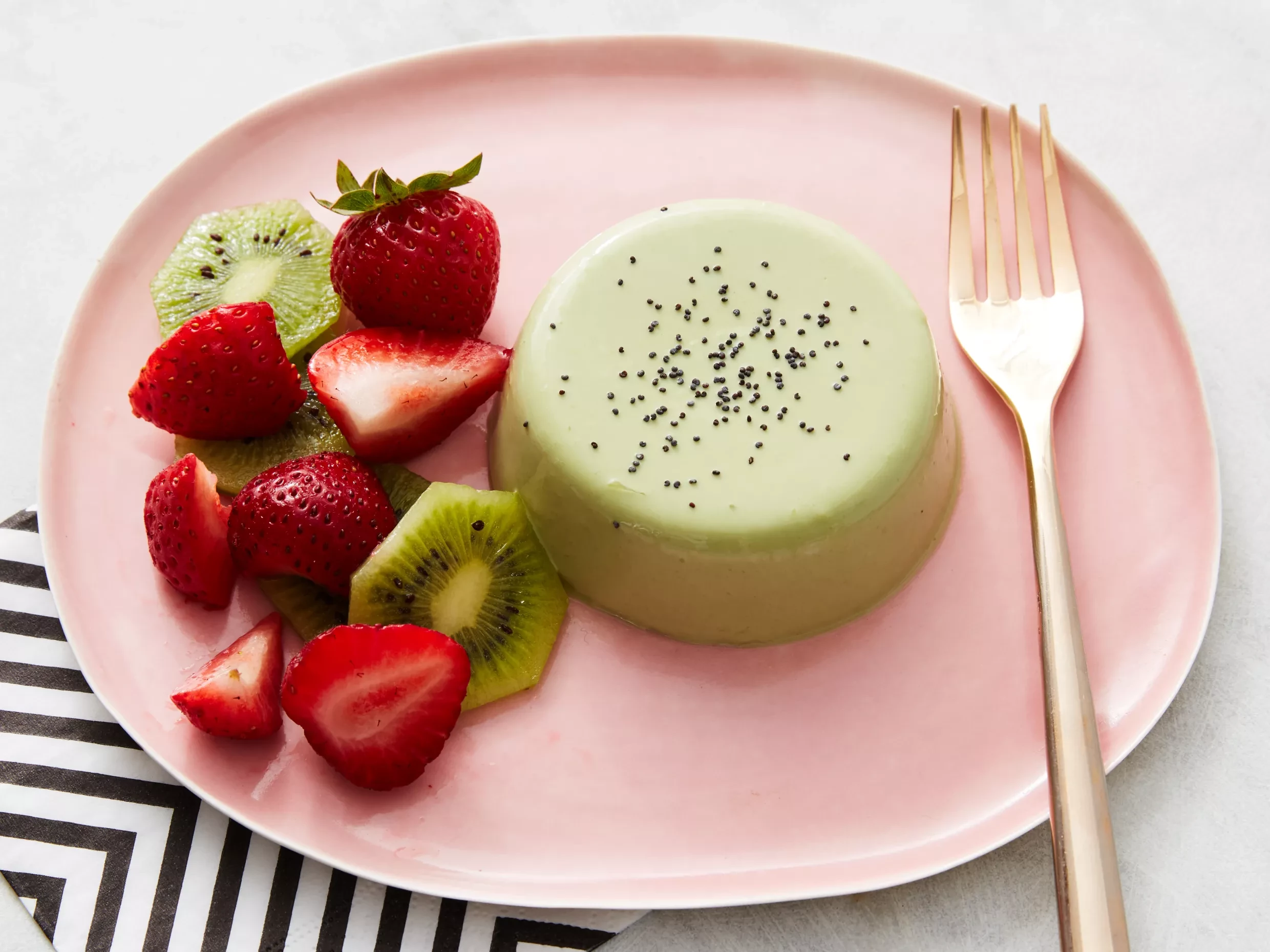
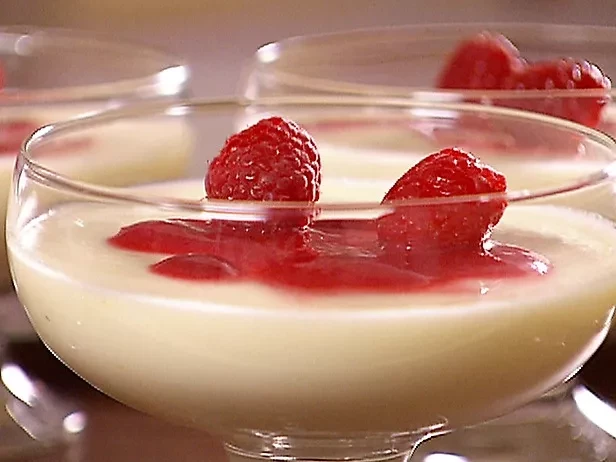
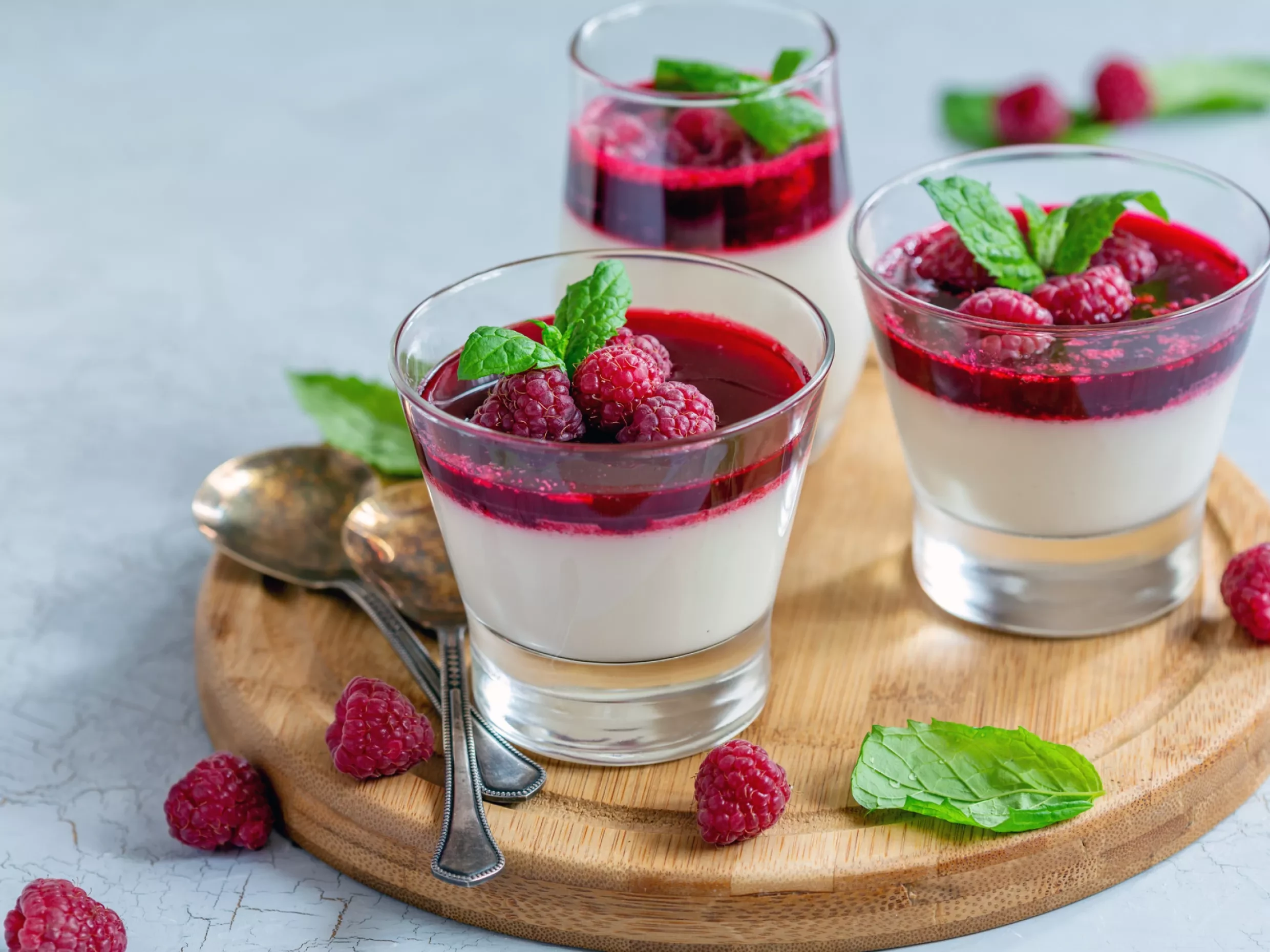
Panna cotta is a traditional Italian dessert made with either cream or a combination of cream and milk, plus sugar and gelatin. It is usually moulded in small custard cups or ramekins and can be served right from the dish or unmoulded. It is sometimes flavoured with vanilla, caramel or other flavourings and is often served with fruit or chocolate sauce. Meaning “cooked cream” in Italian, panna cotta is most associated with northern Italy’s Piedmont region but is popular throughout Italy and many other parts of the world.
Is Panna Cotta a Pudding?
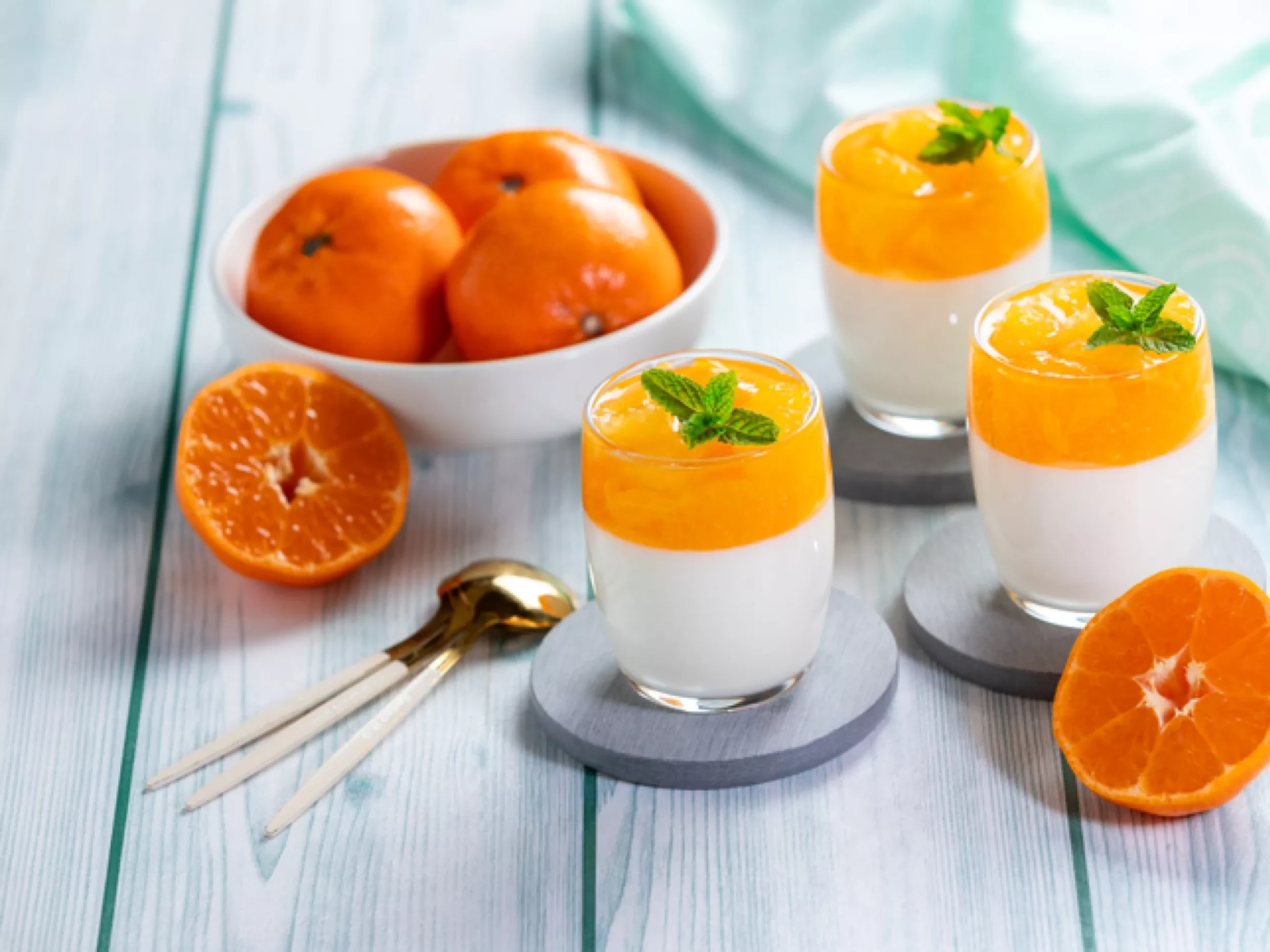
Although similar in texture and also considered a “spoon dessert,” panna cotta is not actually a pudding. Puddings are typically cooked and thickened with cornstarch or eggs, while panna cotta is thickened with gelatin and is heated only as much as is needed to dissolve the gelatin.
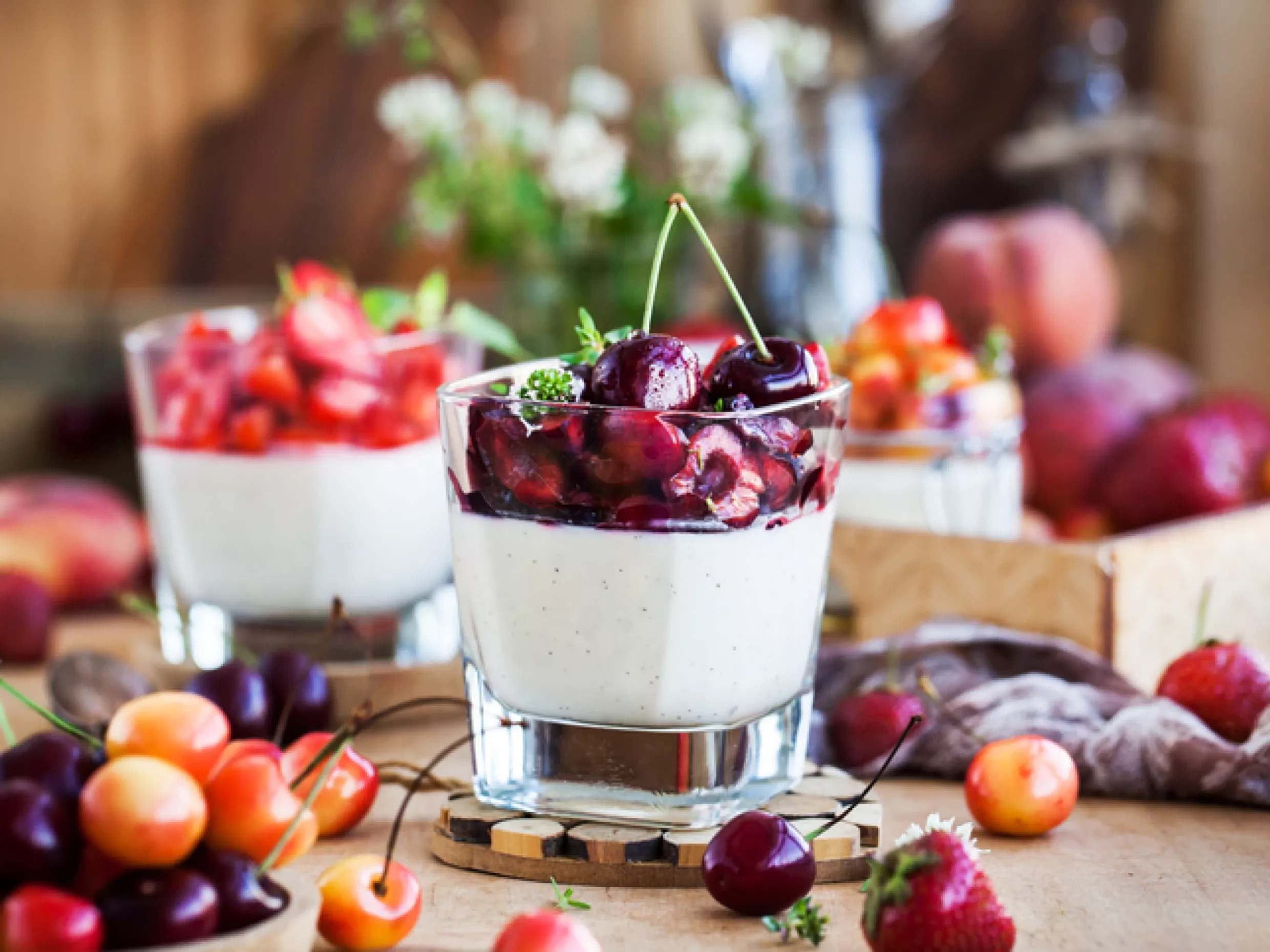
What Is Panna Cotta Made Of?
Panna cotta is traditionally made from cream or cream and milk, as well as sugar and gelatin. The dairy and sugar are heated just until they are warm enough to dissolve the sugar and gelatin, then poured into individual ramekins or custard cups and chilled until set. Its ingredients are very simple, making panna cotta famous for its silky texture and lightly sweet, milky flavour.
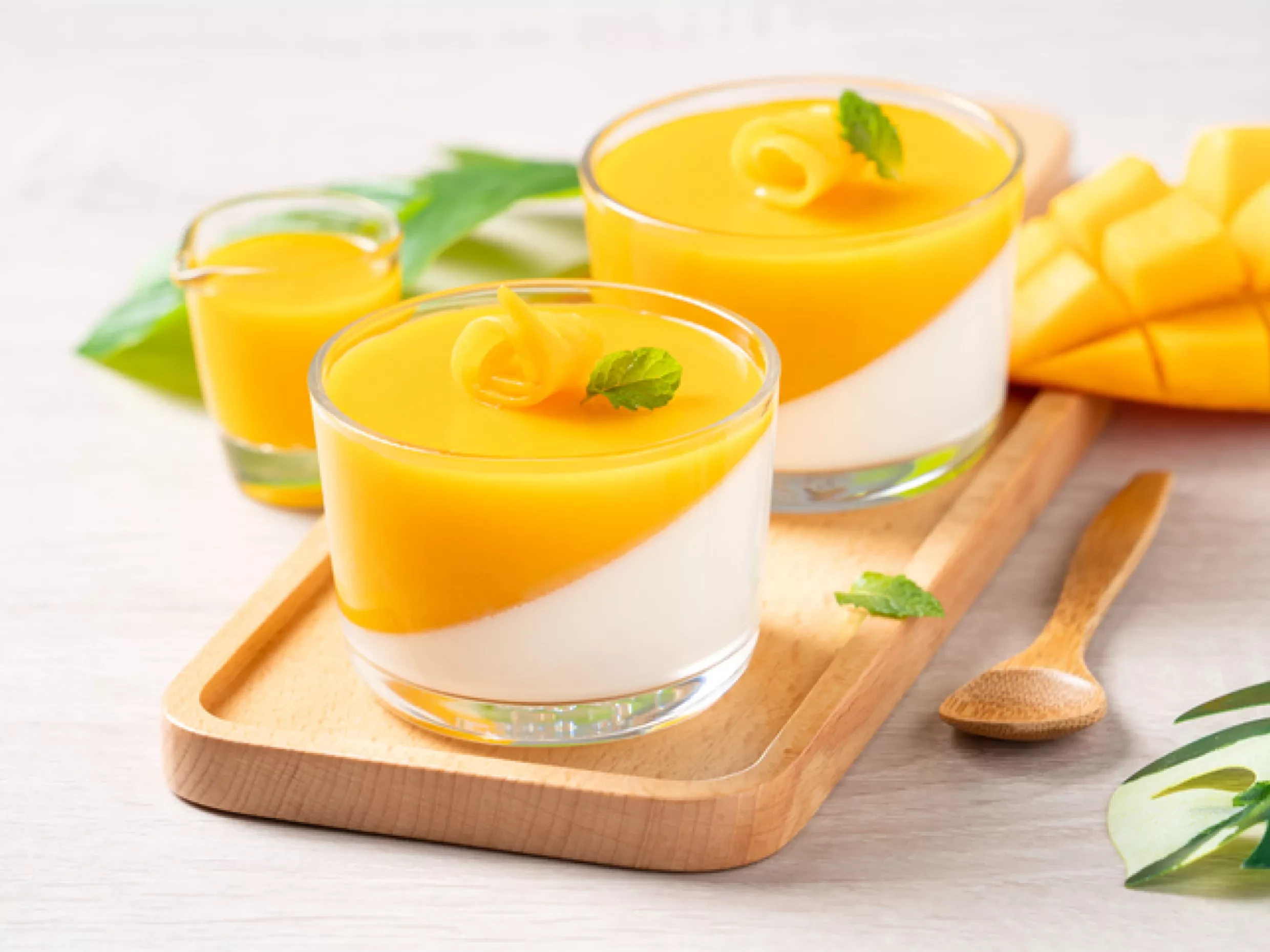
Variations on Panna Cotta
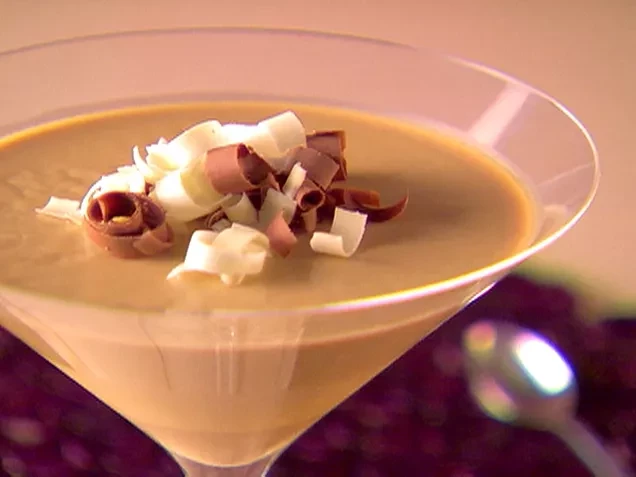
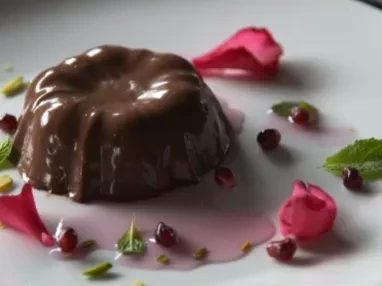
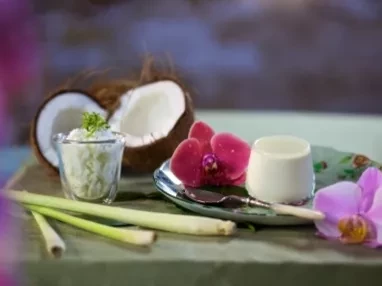
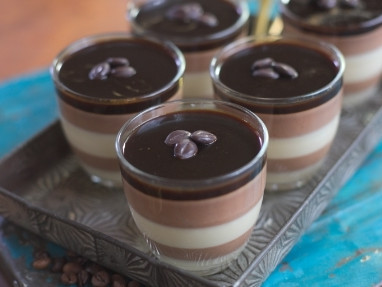
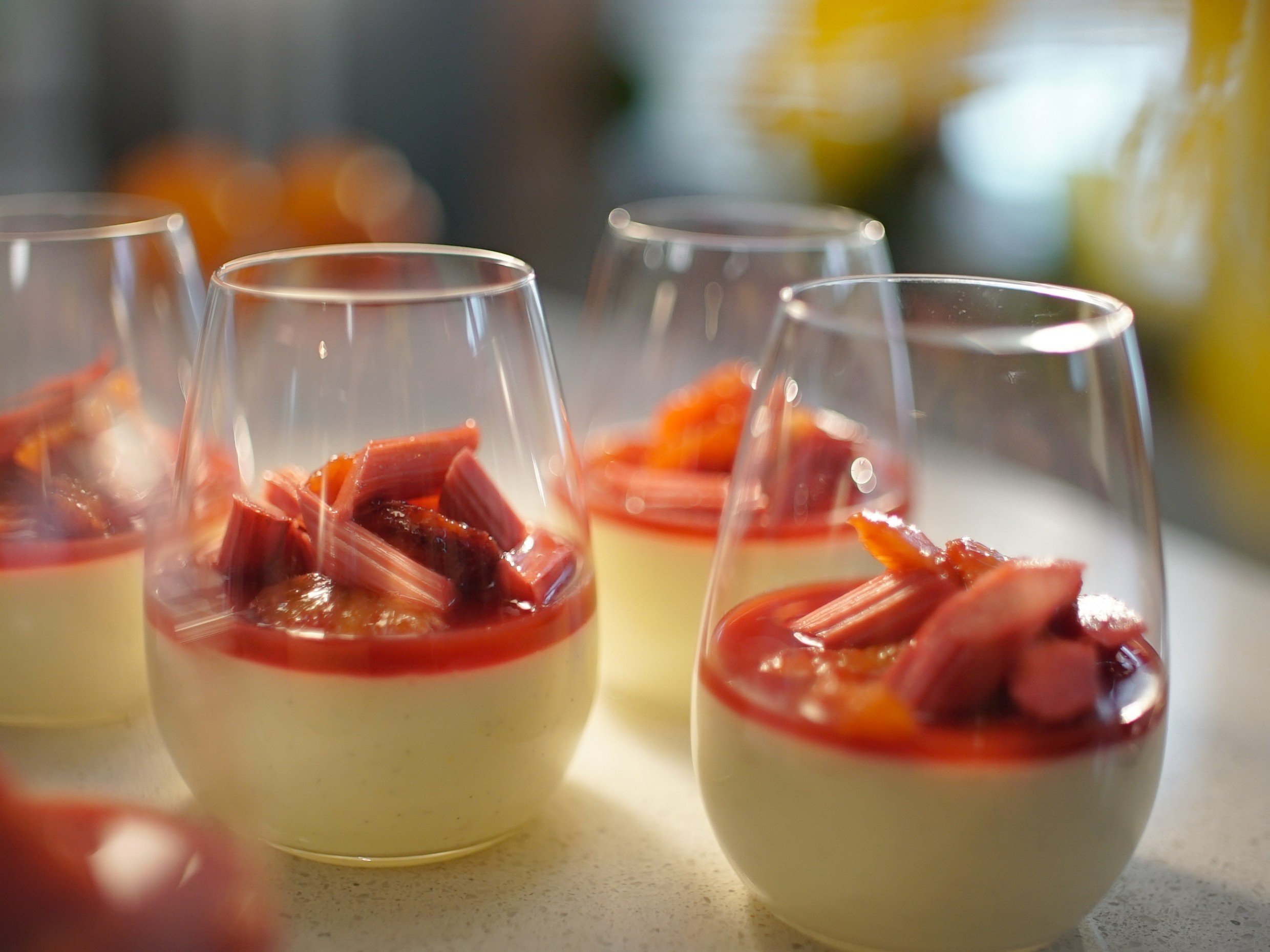
A light touch of vanilla is the most common addition to highlight panna cotta’s rich dairy taste, although caramel, coffee or liqueurs are also popular. It’s not surprising that cooks have taken panna cotta’s neutral flavour as an invitation for creativity, spawning any number of simple to intricately flavoured desserts. Lavender and other herbs, chocolate, rose petals, teas and fruits from watermelon to passionfruit can flavour the base, and toppings from rhubarb to ganache to spun sugar and beyond can accompany it.
Because panna cotta’s base is so simple, it’s easy to customise it for specific diets. Vegetarian recipes replace gelatin with plant-based thickeners like agar-agar or cornstarch, and vegan recipes can take it a step further and use coconut milk or plant-based milks instead of dairy. Buttermilk or yoghurt can replace cream for a rich-tasting base that’s lower in fat, and sweeteners like agave, honey and Stevia can stand in for refined sugar. And some cooks even take the dish in a savoury direction by ditching sugar completely and adding flavours that harmonise on an appetiser or dinner plate. The range of these adaptations are a testament to panna cotta’s universal appeal.