





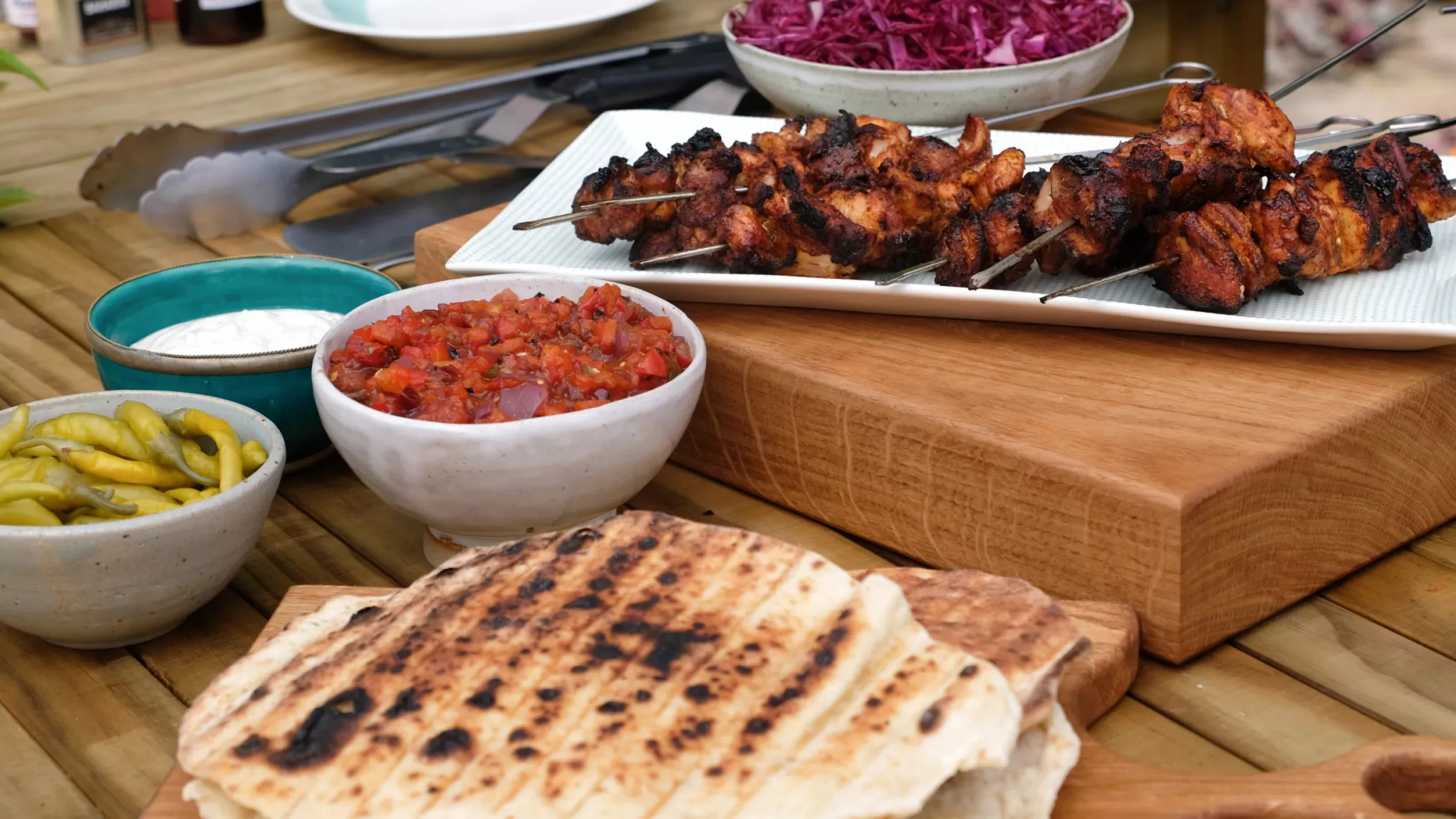
Like grits, polenta is the name of an ingredient and the dish made with it. You may have seen polenta served at restaurants, or spotted it at grocery stores near the cornmeal. So, what is polenta, exactly? Is it the same thing as grits? Here's everything you need to know.

What is Polenta?
Polenta is a type of cornmeal made from ground flint corn that shares its name with a dish of cornmeal porridge that originated among farmers in northern Italy.
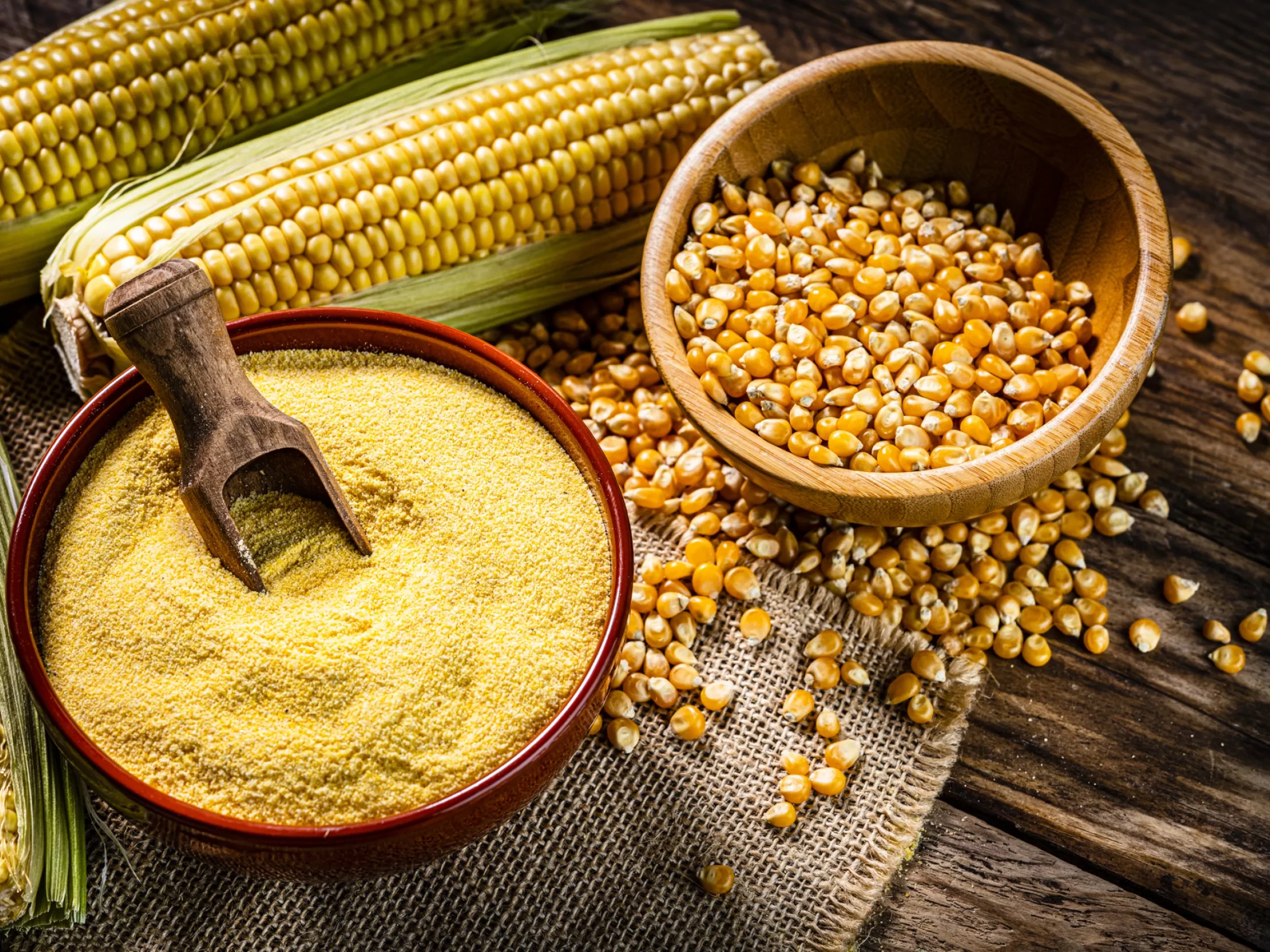
In recipes, the term polenta is often used interchangeably with cornmeal, but the two aren't necessarily the same thing. Polenta is cornmeal made from ground flint corn. Typically, it’s coarsely ground yellow corn, but sometimes it’s finely ground yellow or white corn. Grocers will often stock polenta as well as quick-cooking and pre-cooked varieties like instant polenta (which you cook by rehydrating it with boiling water) or pre-made polenta sold in a tube.

What Does Polenta Taste Like?
Polenta has a mild corn flavour. Its neutral flavour profile means it readily soaks up other flavours while cooking, such as chicken or vegetable broth, milk, butter or cheese.

Polenta vs. Grits
Polenta is made from flint corn, while grits are made from dent corn. Flint corn contains less starch than dent corn, which is why cooked polenta is less creamy than cooked grits.

Is Polenta Gluten-Free?
Polenta’s primary ingredient - cornmeal - is gluten-free, but if you have gluten sensitivities or coeliac disease, be sure to check package labels to ensure that it is processed and packaged in a dedicated gluten-free facility.
How to Make Polenta
Polenta is made by boiling coarsely-ground cornmeal in water following a four- or five-to-one water-to-cornmeal ratio. Look for packages that are labeled as polenta or coarse-ground cornmeal. The basic steps to preparing polenta on the stovetop are:
Step 1
Boil the cooking liquid. Bring four or five parts salted water to a boil. For additional flavour, you can use broth instead of water, or replace some of the water with milk.
Step2
Add the polenta. Add one part cornmeal and reduce the water to a simmer.
Step 3
Stir and simmer. Stir the polenta occasionally, until the water has been absorbed and the polenta reaches a smooth consistency, about 45 minutes.
Step 4
Season. If you’d like, you can stir in butter or cheese at the end for additional richness and creaminess.
Polenta can also be baked in the oven for a more hands-off approach.
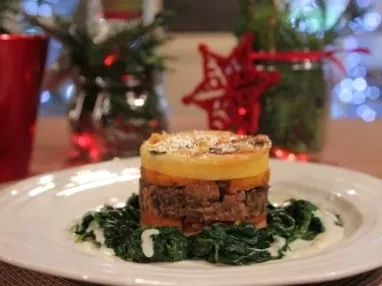
Cooked polenta can be cooled and then cut into wedges, squares or rounds and then baked, grilled or pan-fried. You can also buy pre-made polenta, which comes packaged in a tube, and slice rounds of polenta to bake, grill or pan-fry.

What to Serve With Polenta
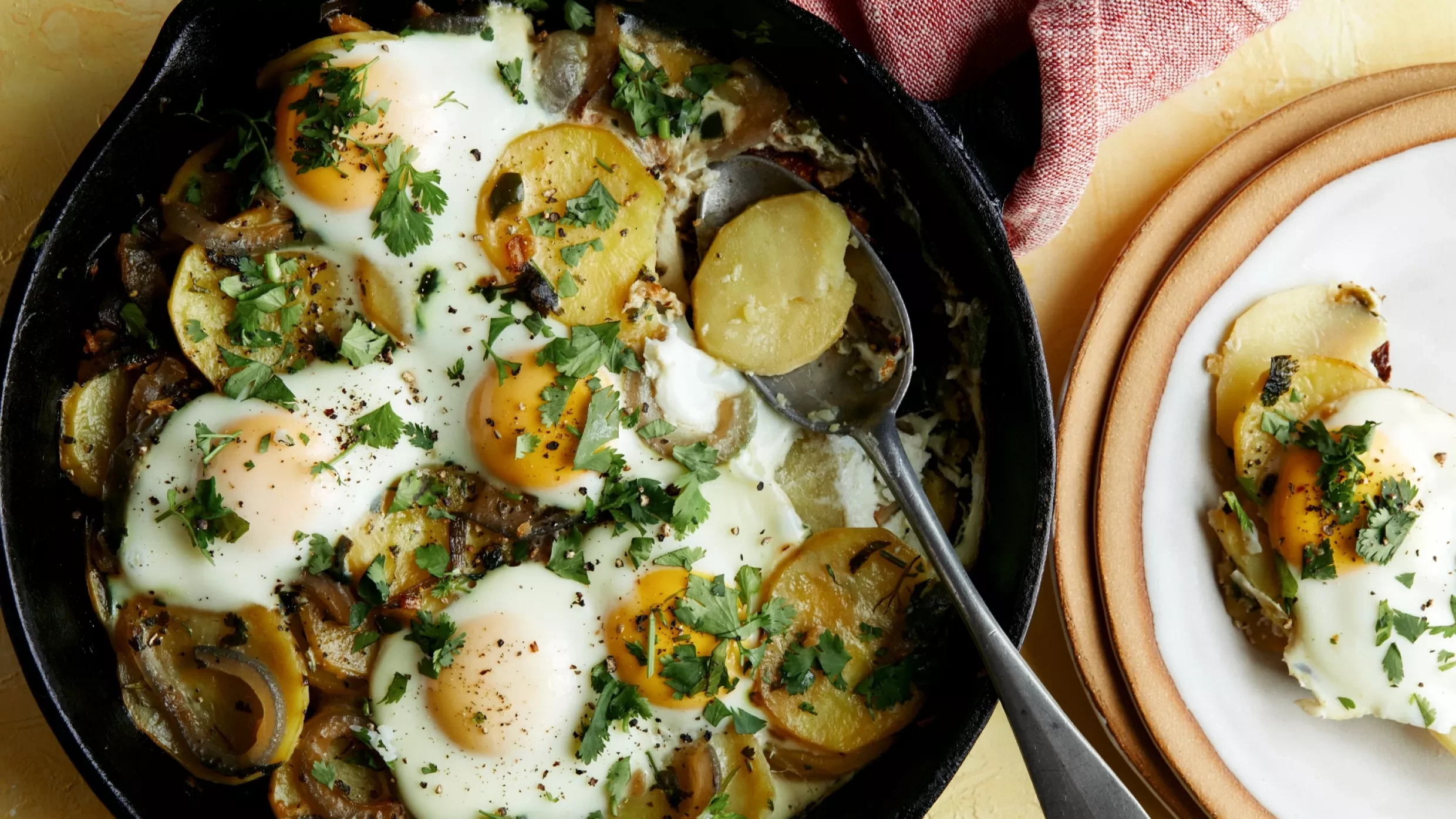
Polenta is extremely versatile. It can be eaten for breakfast as porridge; serve it as you would oatmeal or other warm breakfast cereals with toppings like dried or fresh fruit, nuts, milk or nut milk, and honey or maple syrup. Or, take things in a savoury direction and make a polenta breakfast bowl with a runny-yolk egg and butter.
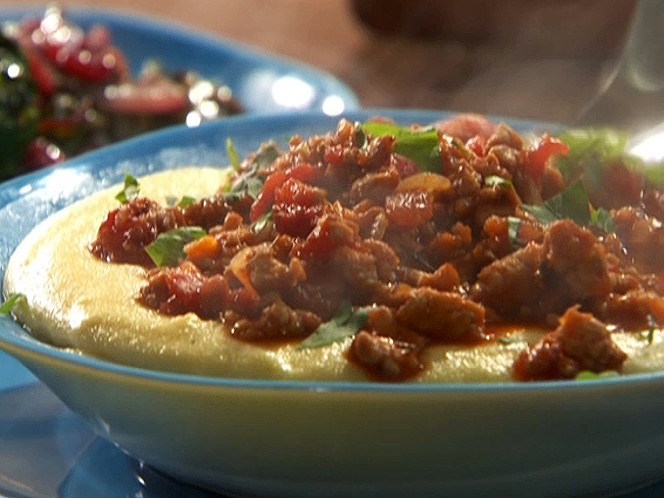
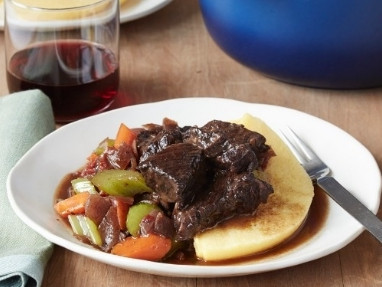
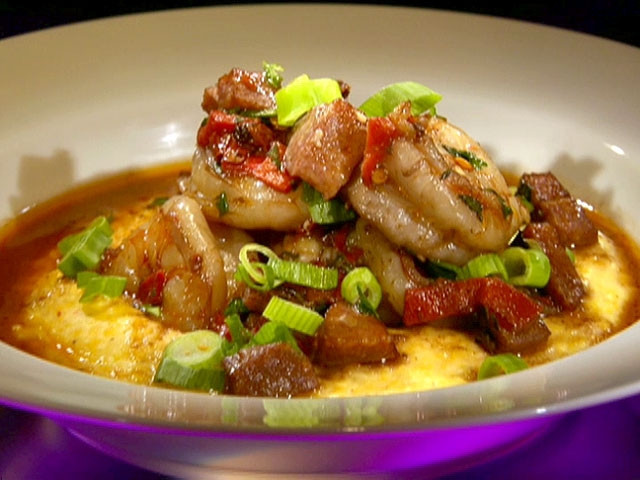
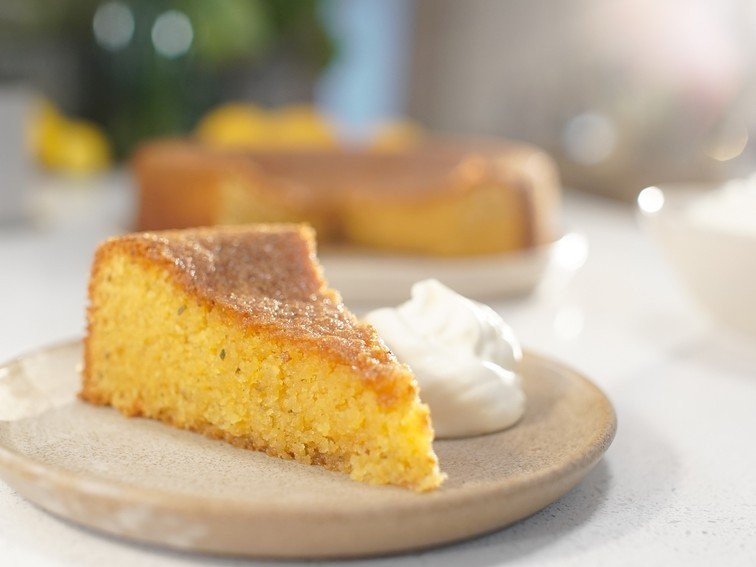
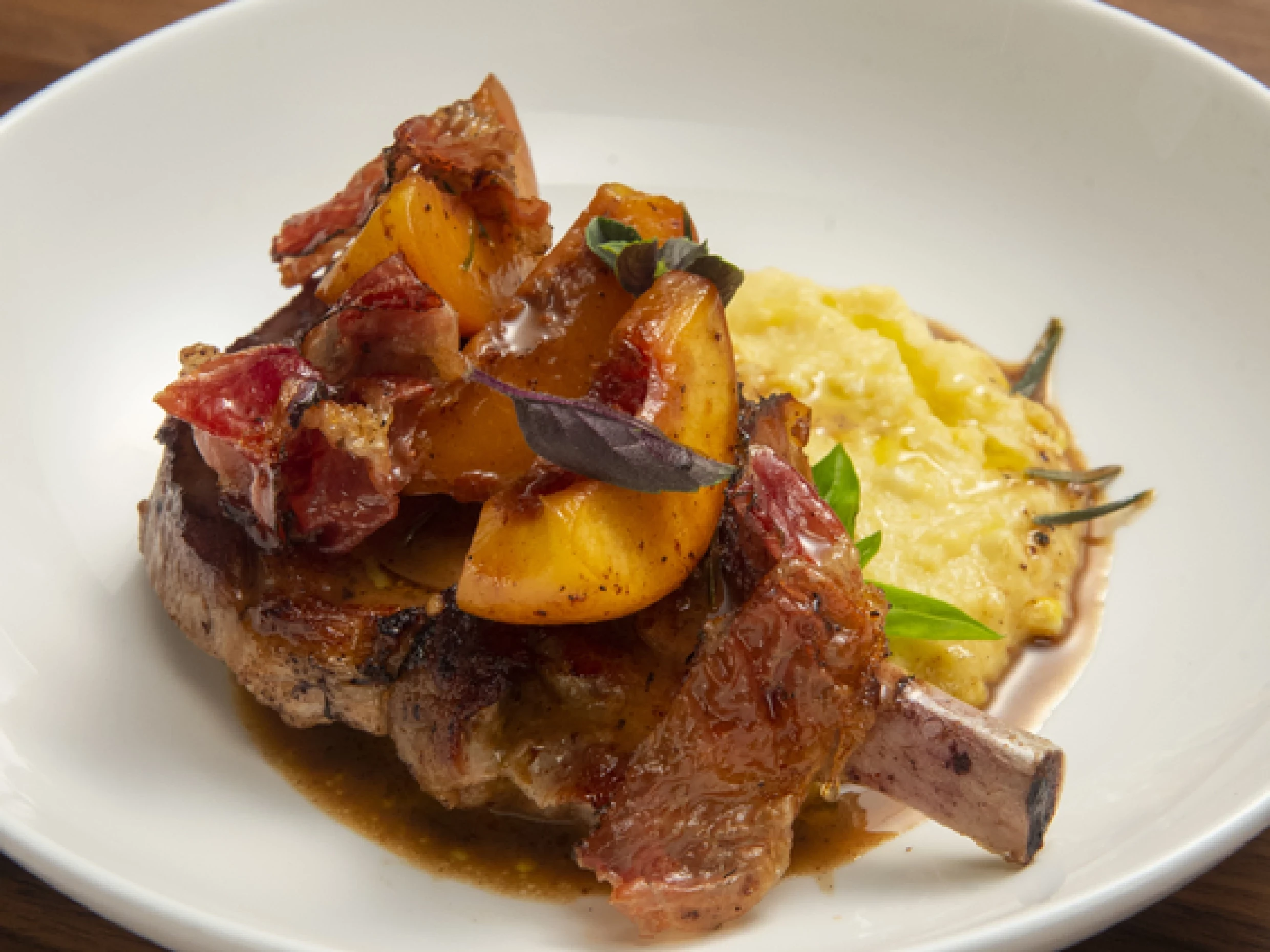
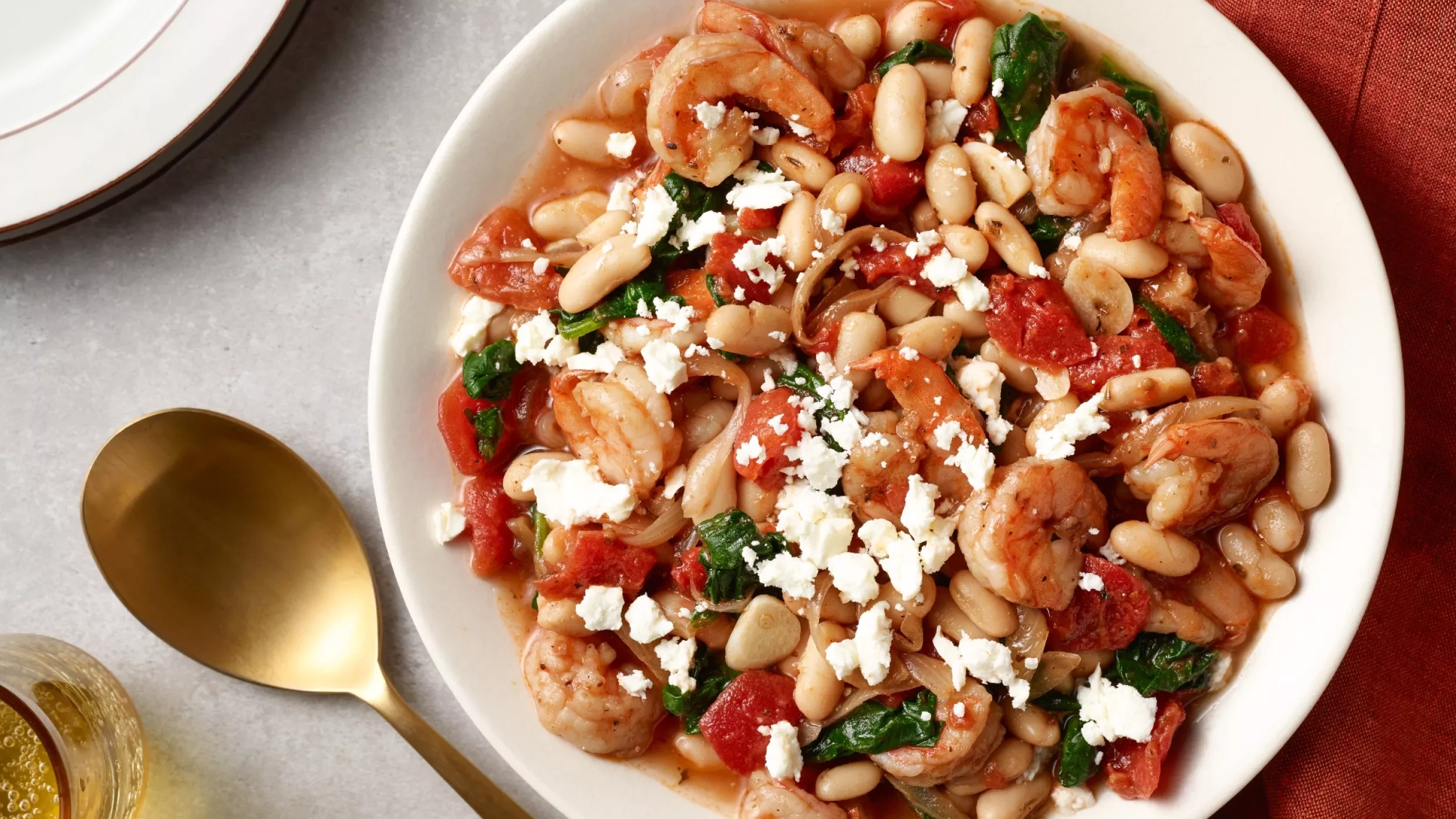
Polenta also makes for an easy side dish at lunch or dinner. Try seasoning it with cheese or herbs, and it’s ideal for pairing with roasted pork chops or chicken. Because of its neutral flavour, polenta makes a great base for saucy dishes. You can serve polenta with dishes you’d typically serve with rice or pasta, such as stews, chili and ragout. It also works well in cakes.