






Among summer’s bounty of delectable fruit, stone fruit season is one of the most highly anticipated. It’s hard to beat the pleasure of biting into a just-ripe peach and letting the juices run down your chin and arm. And you can’t deny how slices of tangy-sweet nectarines beautifully elevate your morning bowl of granola or shake-up your apple-a-day snack routine. But what’s the difference between nectarines and peaches? And how can you tell the difference just by looking at them? Here, we answer all your peach and nectarine questions.
What’s the Difference Between Nectarines and Peaches?
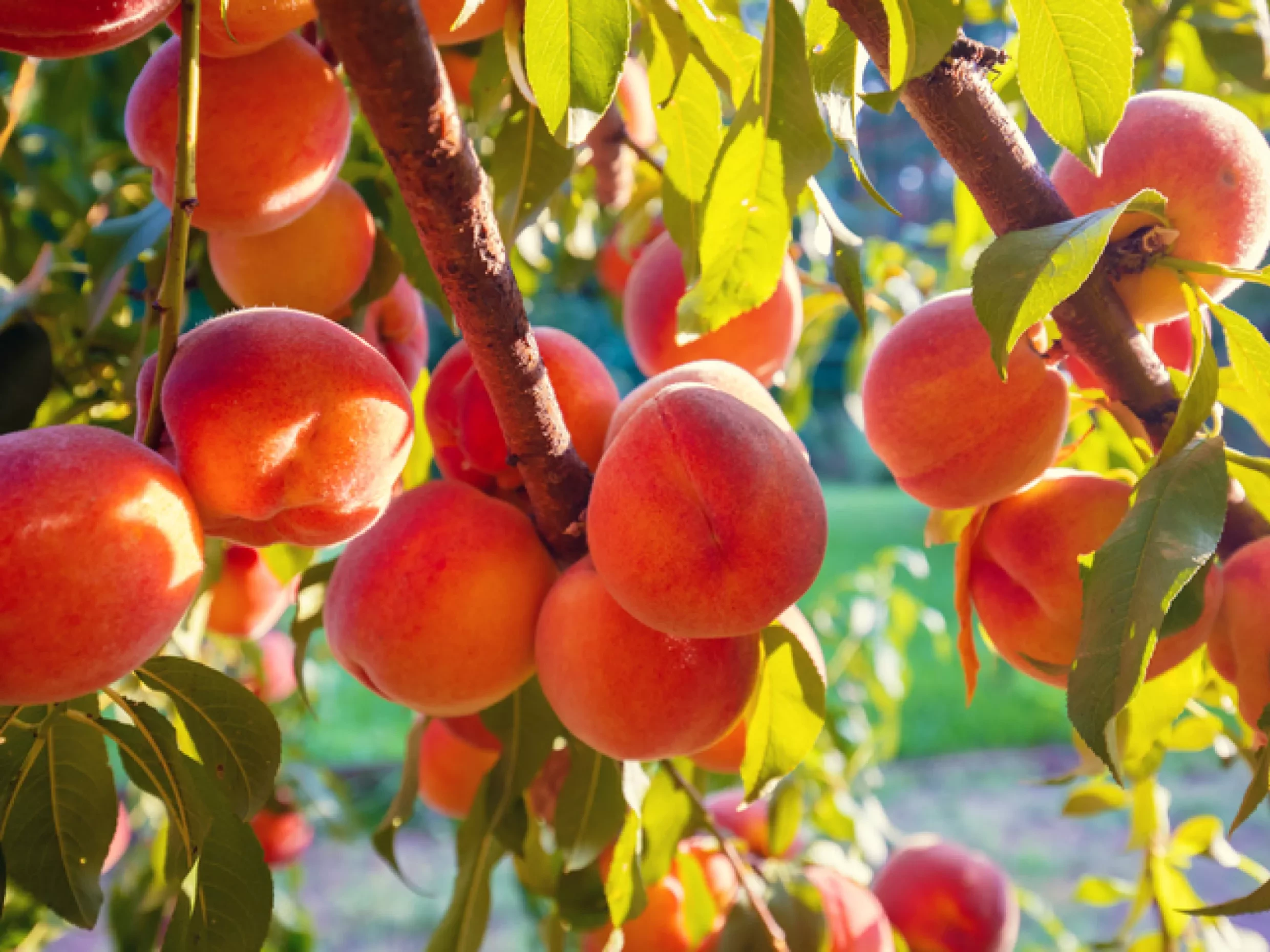
Peaches are said to have originated in China, but today they’re grown in warm climates in both the Northern and Southern hemispheres. Nectarines and peaches are fruit trees belonging to the Rosaceae (rose) family. Both nectarines and peaches are also part of the Prunus genus, which is characterised by a hard shell that encases the seed inside the fruit’s flesh, which is why peaches and nectarines are commonly referred to as stone fruit. Peach and nectarine trees blossom in the spring and bear fruit between May and late September, though some heirloom varieties may only be available during the peak season months of July and August.
Nectarines and peaches are nearly the same genetically, but a gene variant between the two causes peaches to have a fuzzy skin and nectarines to have a smooth skin. Nectarines are not genetically modified peaches. Instead, you can think of nectarines as a fuzz-free peach. Nectarines also tend to be a bit smaller than peaches. Both nectarines and peaches can be classified as “clingstone,” which implies that the pit clings to the flesh, or “freestone,” which means the pit pulls away easily from the flesh. Both nectarines and peaches can have either white or yellow flesh.
How Can You Tell the Difference Between a Peach and a Nectarine?
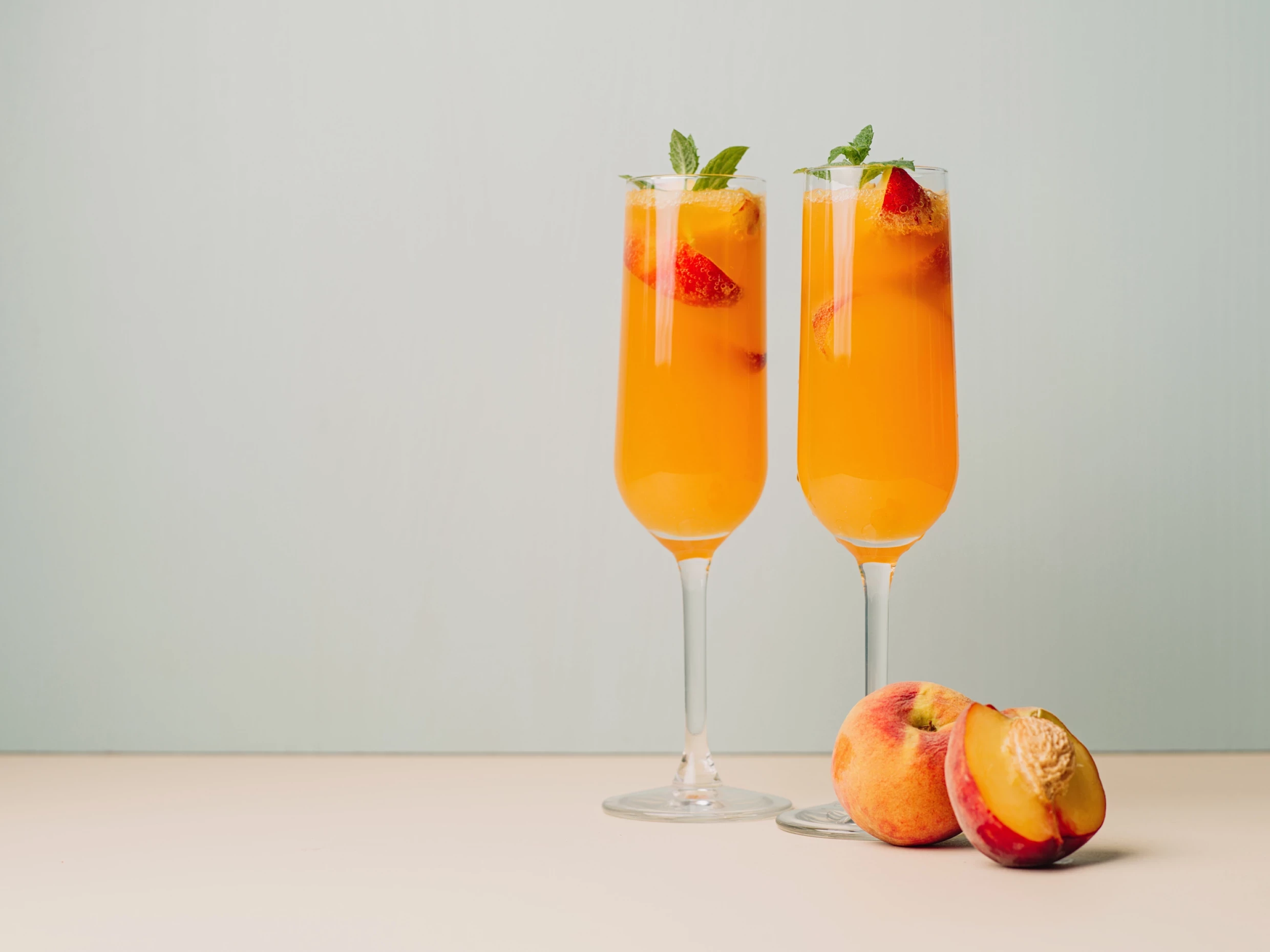
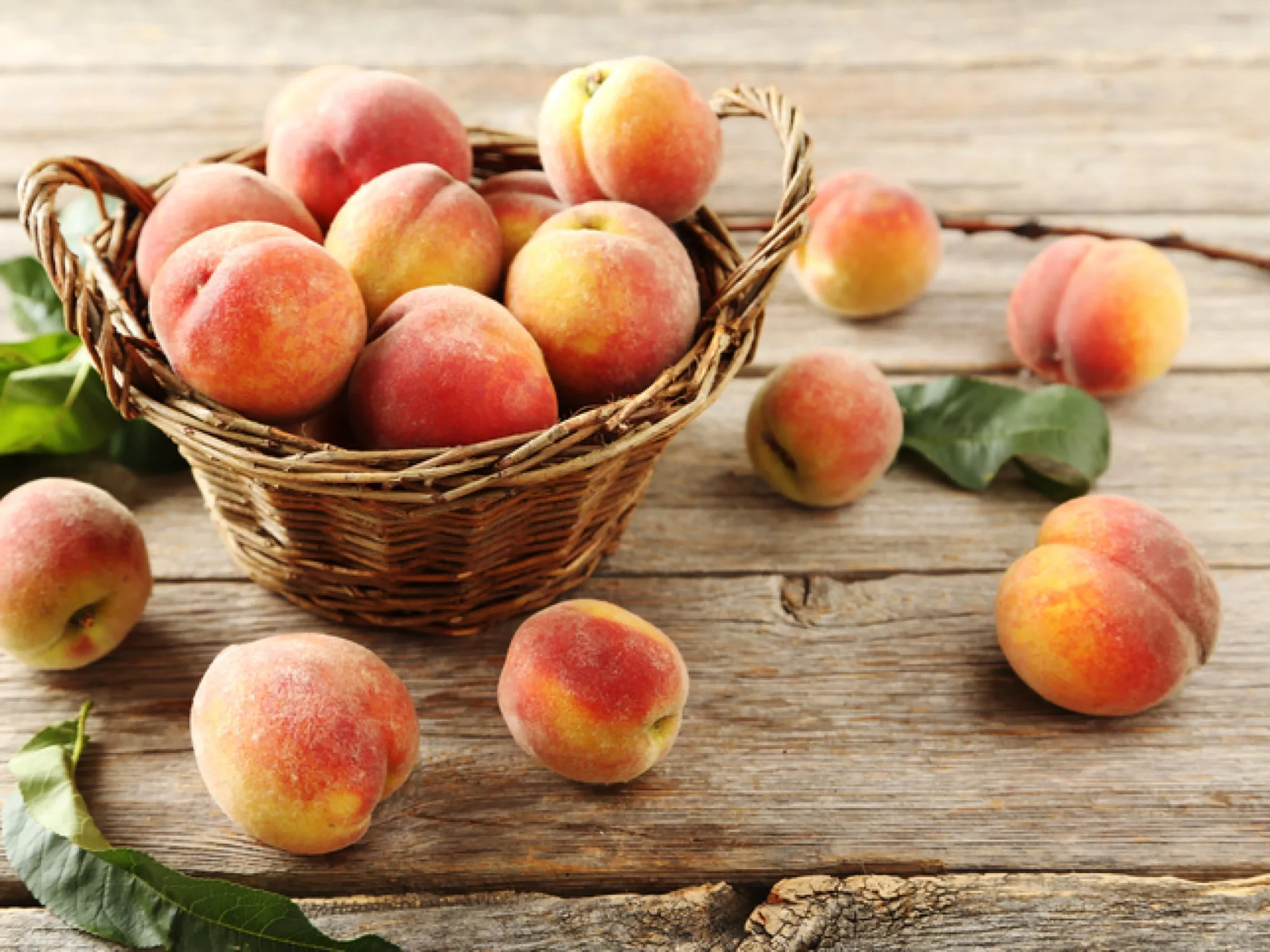
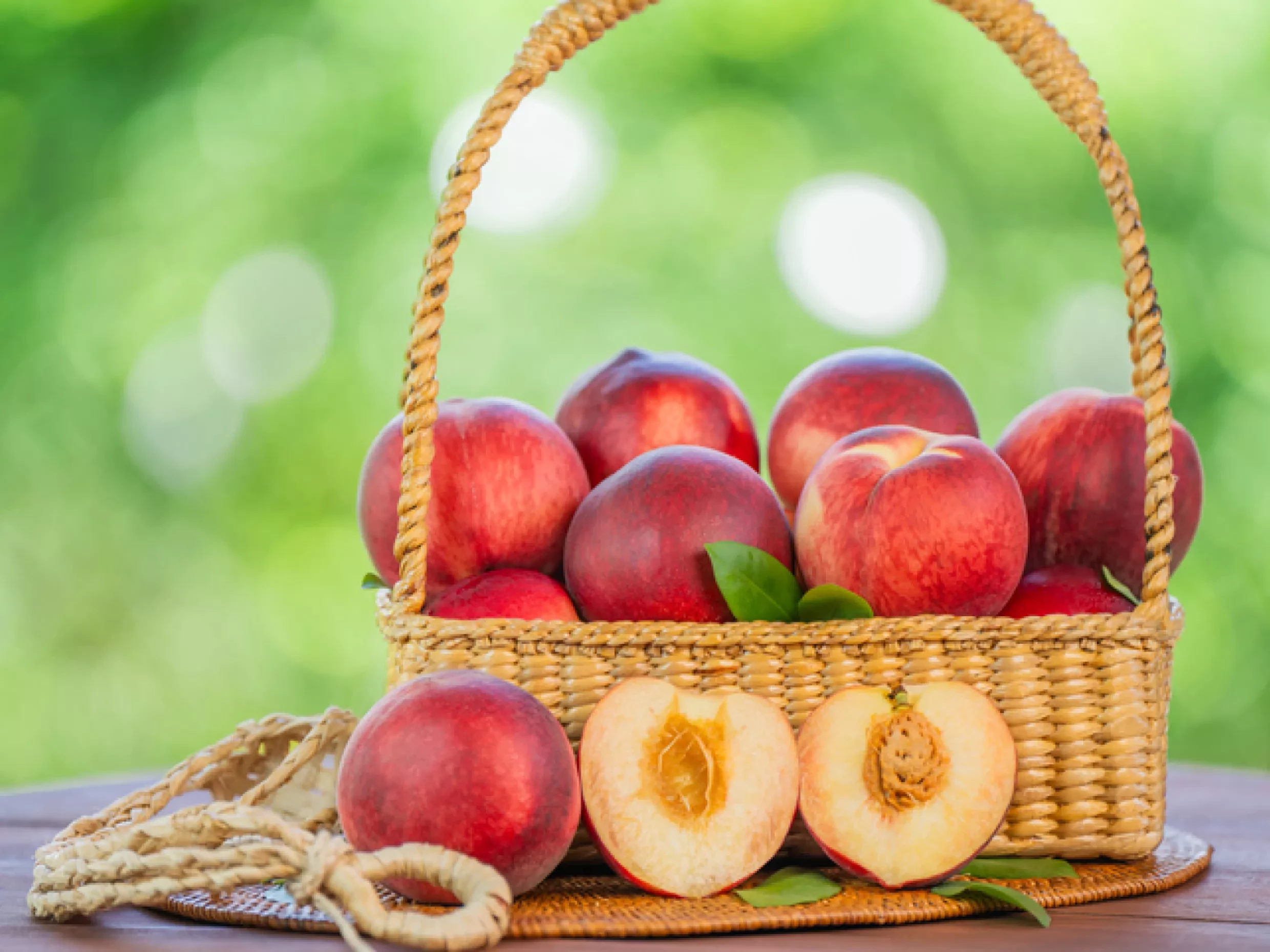
Nectarines and peaches may look the same, but there’s an easy way to tell the difference. The outside of a peach has a soft, fuzzy skin whereas a nectarine has a smooth skin with no fuzz. When peaches are ripe, their fuzzy skin will yield slightly when pressed and you should be able to smell the distinct aroma of peaches. Nectarines are also highly aromatic and have their own distinctive fruit perfume.
Do Peach and Nectarines Taste the Same?
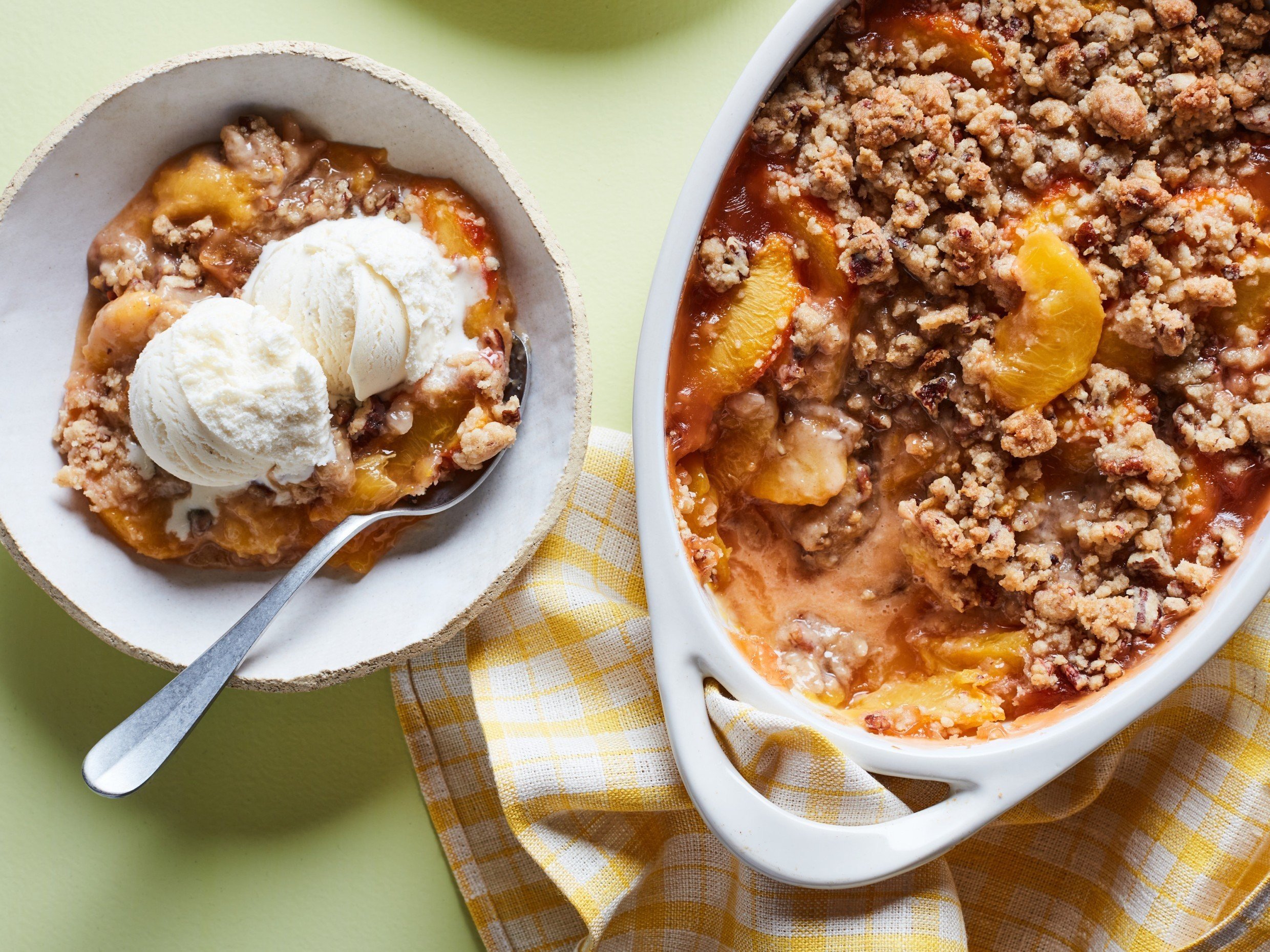
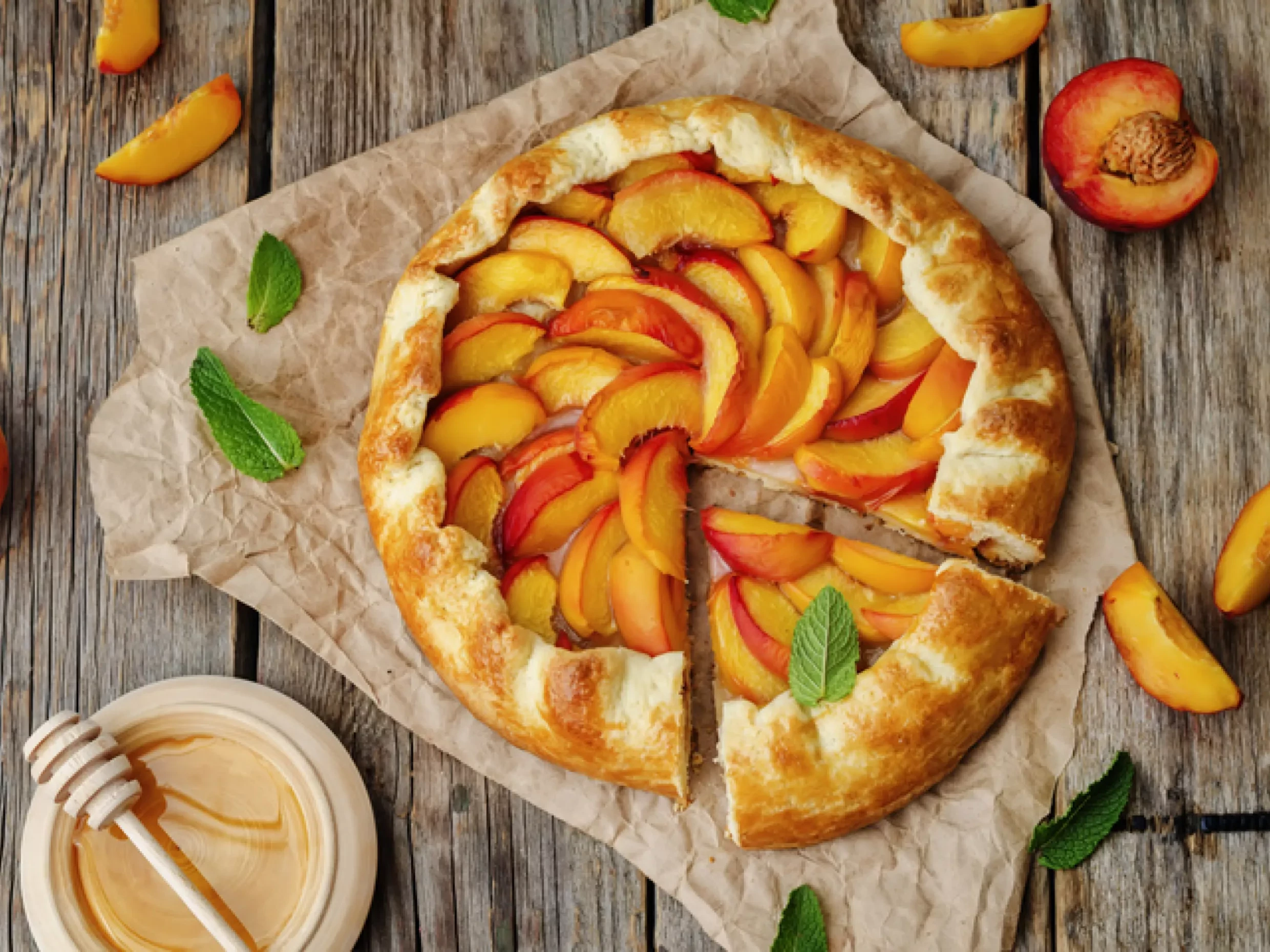
Both peaches and nectarines can have either white or yellow flesh. Both types are sweet, but yellow varieties have a touch more tartness. Nectarines lean toward more of a tangy-sweet flavour profile overall whereas peaches have a straight-up sweet flavour profile (though yellow peaches have more acidity compared to white peaches). Peaches and nectarines can be used interchangeably in many recipes calling for stone fruit such as smoothies, cobblers, crisps and tarts, like this recipe for peach and cardamom Bakewell tarts.
When peaches are cooked, the fuzzy skin can become tough, so it’s best to remove it before making baked goods or jams. (You can make peaches easy to peel by boiling a large pot of water, blanching them in simmering water and shocking them in an ice bath.) Since nectarines have a thinner skin, they’re a better choice if you want to skip peeling.
Nectarine vs Peach Nutrition
Nectarines and peaches have similar nutritional benefits, including similar protein and carbohydrate counts and a high fibre content. They’re also both rich in vitamin C and A and contain small amounts of potassium. Nectarines and peaches also have similar calorie counts.
Types of Peaches
There are hundreds of different types of peaches, but they can be classified as either “clingstone,” “freestone” or “semi-freestone,” which indicates whether the flesh clings to the pit or pulls away easily. As the name implies, freestone peaches release the fruit more easily, making them a great choice for snacking, baking or when you need the fruit to retain its shape when chopped or sliced. Clingstone peaches tend to be favoured for canning, processing or eating whole. Semi-freestone peaches are a hybrid of the two, where the flesh loosens from the pit as the peach ripens.
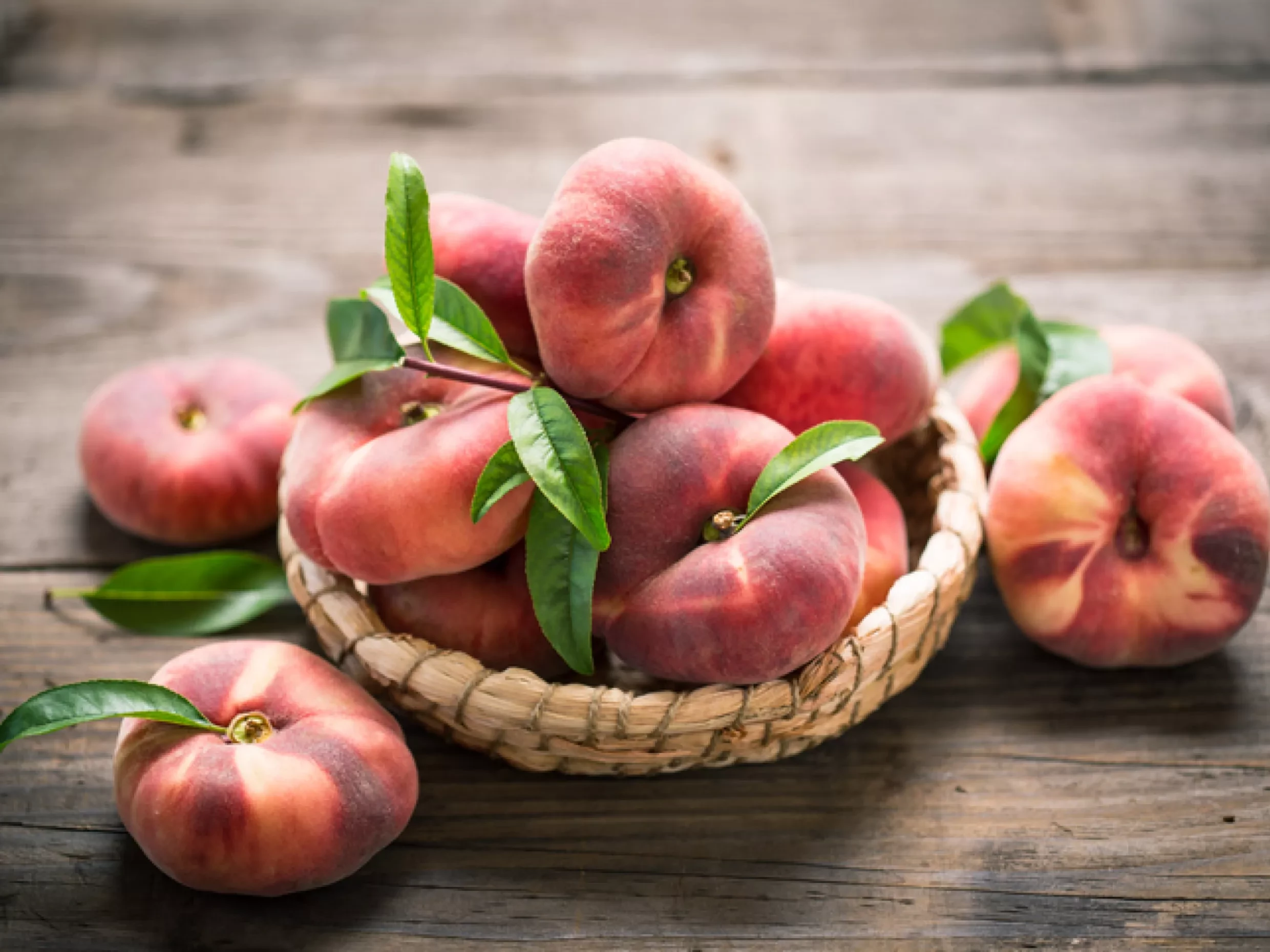
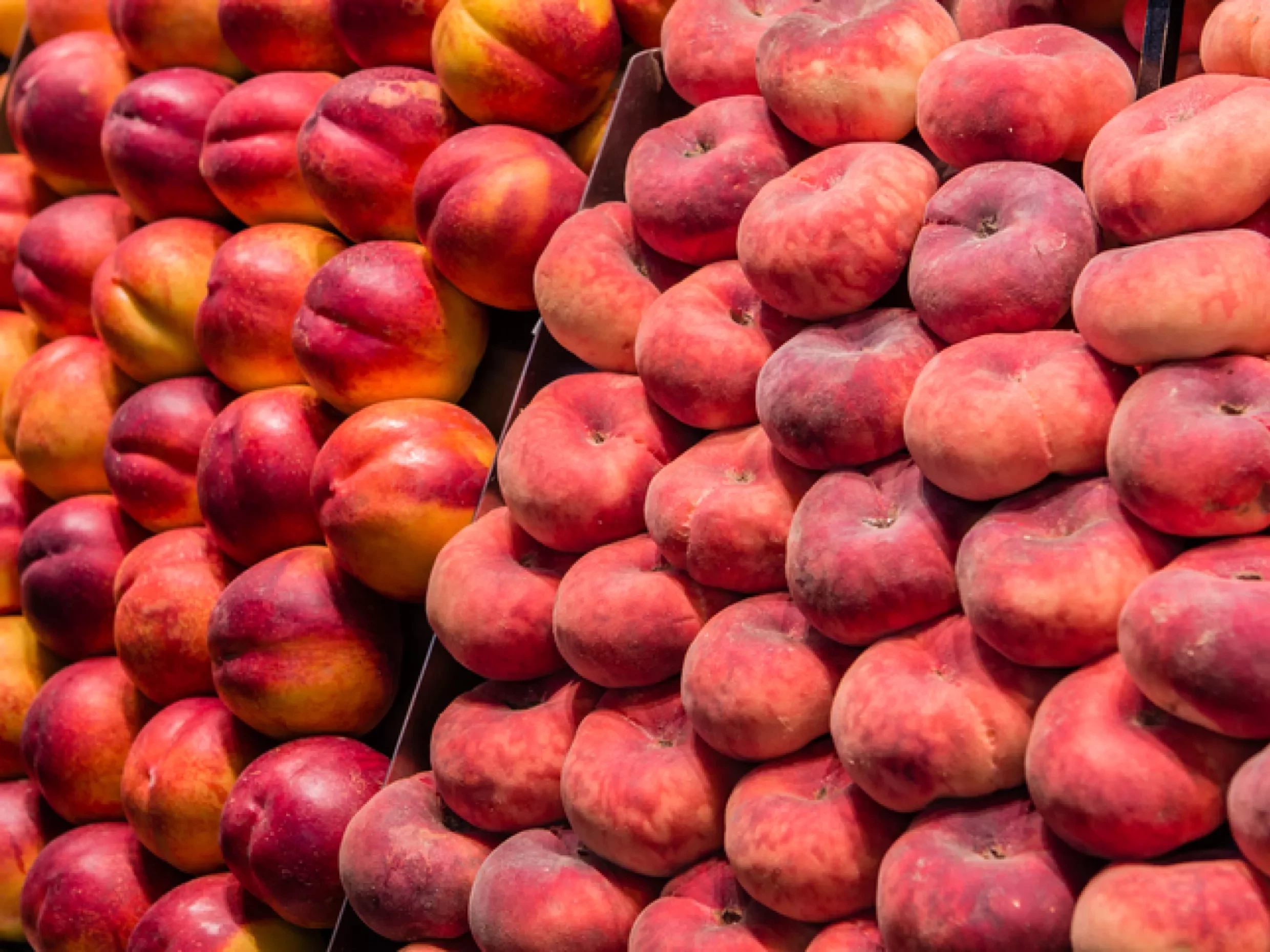
Peaches can be yellow, with skins that are mainly yellow with a reddish or pinkish blush, or white, which have paler skins with a reddish or pinkish blush. The concentration of the blush varies depending on the peach variety. Both yellow and white peaches are sweet, though yellow peaches tend to have a slightly more acidic profile that yields a bit of tartness. One heirloom variety you may have heard of is the donut peach (aka Saturn peach). It looks like a typical peach but is somewhat flattened, making it resemble a donut. Many consider donut peaches to have the sweetest flavour profile of all.