




If any food is deserving of its own celebration, it’s the humble dumpling. These small parcels of perfection are lovingly created in kitchens from Beijing to Buenos Aires. But when and where did our love affair with dumplings begin, and what makes these bite-sized bundles such a favourite all over the world? Steamed, fried, boiled, or baked. Meat, fish, veggies or fruit. Dumplings come in all manner of different combinations. Welcome to a whistle stop tour of a dozen deliciously different dumplings from all around the world.
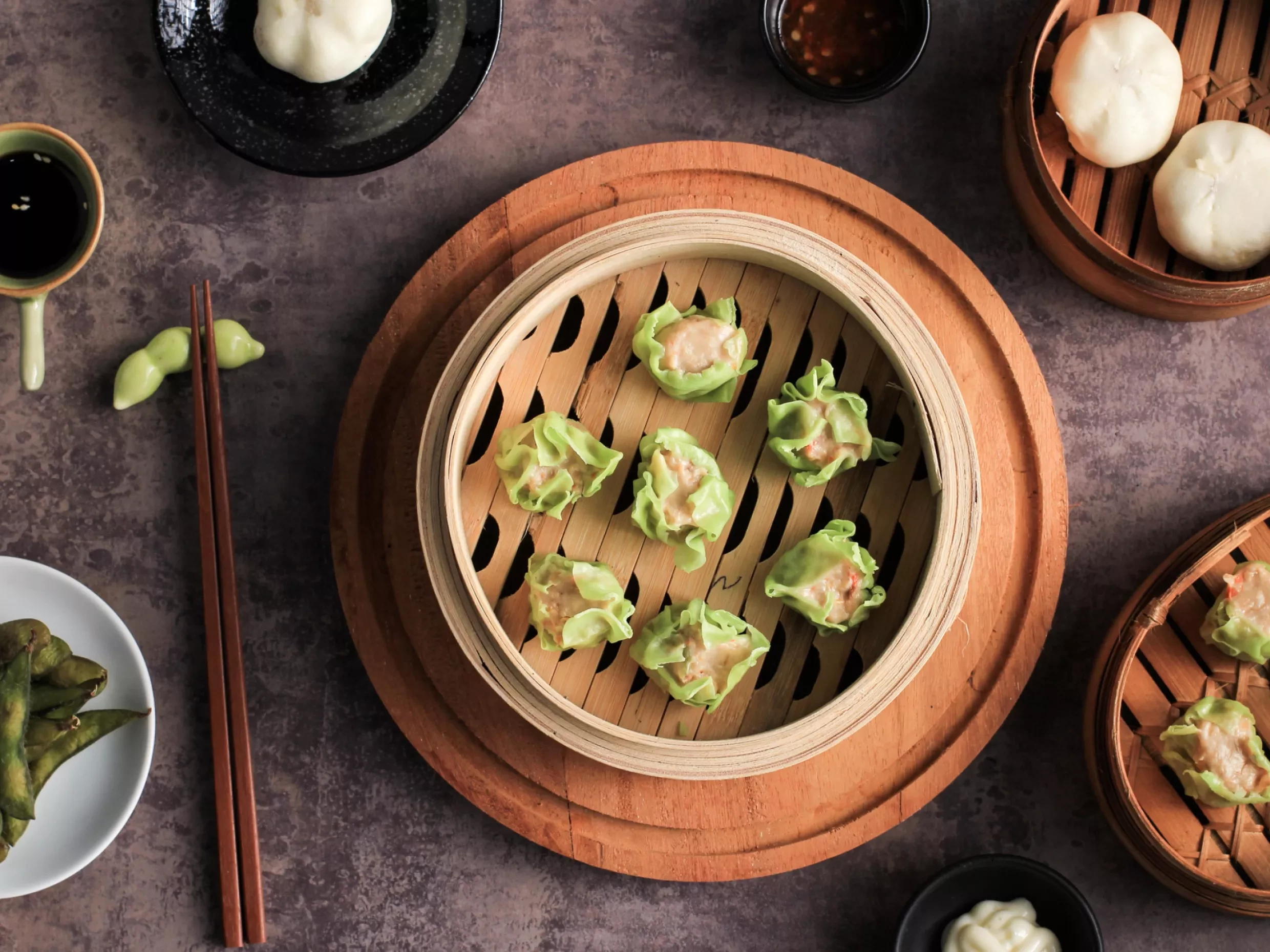
The Wonderful World of Dumplings
It’s fair to say that dumplings have a long history. In China, their story stretches back at least 1,800 years, and possibly further. One popular legend credits the physician Zhang Zhongjing with creating ear-shaped parcels of dough stuffed with lamb and herbs to help villagers suffering from frostbite. Similar dough-based dishes also appear in Chinese writing from around the third century AD. From there, dumpling tradition travelled, changed and picked up new flavours along the trade routes of Asia and beyond. Of course, not every dumpling shares the same family tree, and many cultures almost certainly came up with their own tasty dumpling-esque dishes independently.
What Exactly is a Dumpling?
There’s no one-size-fits-all for dumplings. Some insist a dumpling must be dough wrapped around a filling. Others count any small mass of dough cooked in liquid, with or without stuffing, as a dumpling. Some say they shouldn’t be fried because that makes them fritters. The dough might be wheat, rice, corn, potato or bread-based. They can be boiled, steamed, pan-fried, deep-fried or baked. The filling might be meat, fish, cheese, veg, fruit or nothing at all. In short, there’s no single definition - just a broad category of bite-sized comfort food.
Around the World in a Dozen Dumplings
With that delightful ambiguity in mind, we’re taking a taste tour of twelve iconic dumplings from around the globe. Each has its own origin story, signature shape, go-to filling and ideal cooking method, plus the dip or sauce its fans swear by. So grab your passport and come with us on a fun, global roll call of the world’s most delicious dumplings.
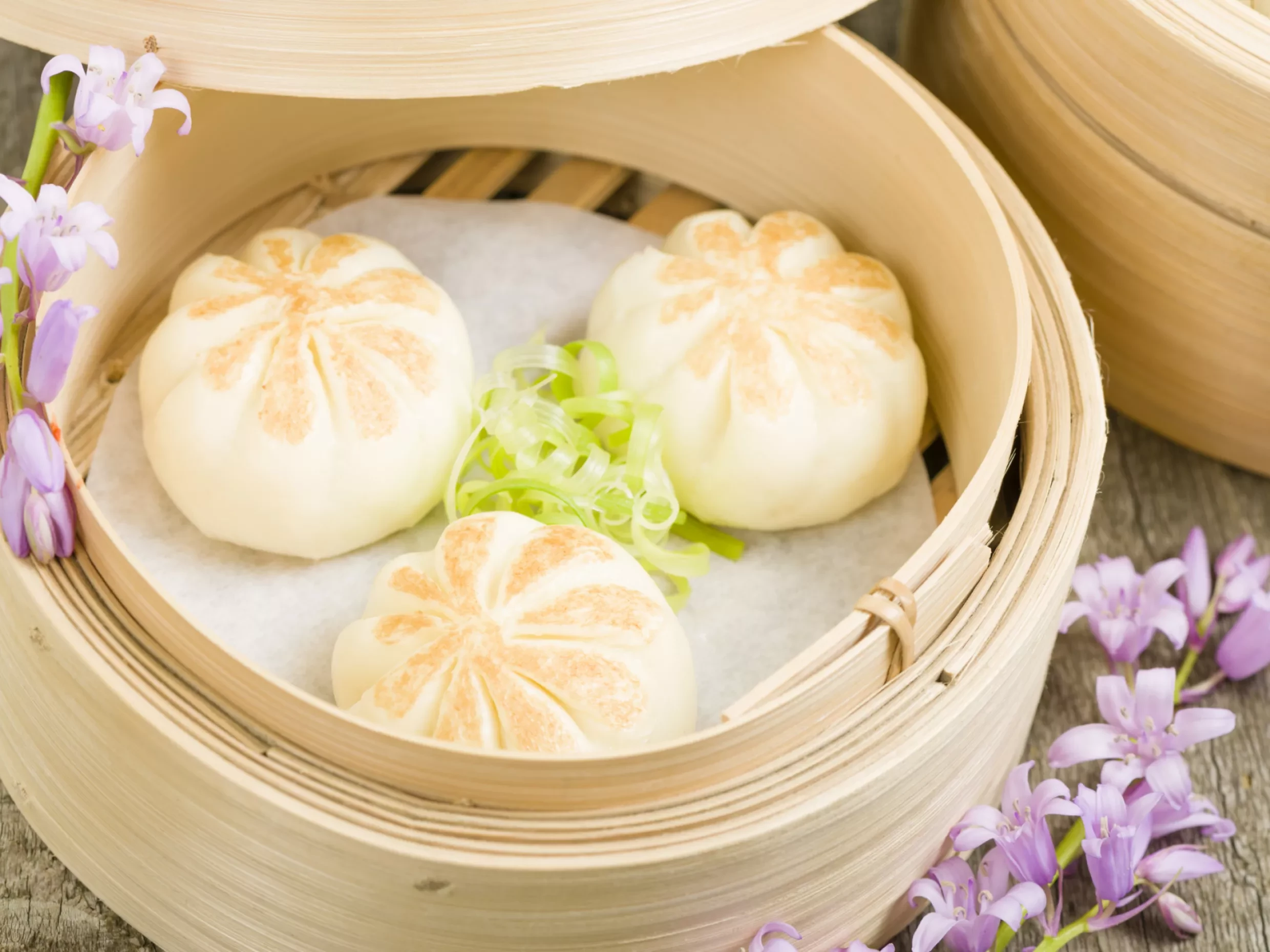
Pierogi | Poland
Pierogi are Poland’s national dumpling, with roots stretching back to at least the seventeenth century and possibly earlier via the Central Asian trade routes. The name may have come from an ancient Proto-Slavic word meaning ‘feast’ or ‘party’ - fitting for a dish served at celebrations and big family gatherings.
Traditionally, they’re made with thin unleavened dough stuffed with sweet or savoury fillings, including sauerkraut and mushroom, minced meat and herbs, and seasonal fruits like strawberries or blueberries. One of the most famous varieties is pierogi ruskie, which is filled with potato, twaróg cheese and onion. There’s also a range of regional twists, including fish-filled pierogi in the lake-rich Masurian region, goose-paste kaszubskie in Kashubia, and buckwheat-mint fillings around Lublin. Pierogi are typically boiled (some people pan-fry them at the end), and served with caramelised onions, sour cream, crispy bacon bits or skwarki (fried lard).
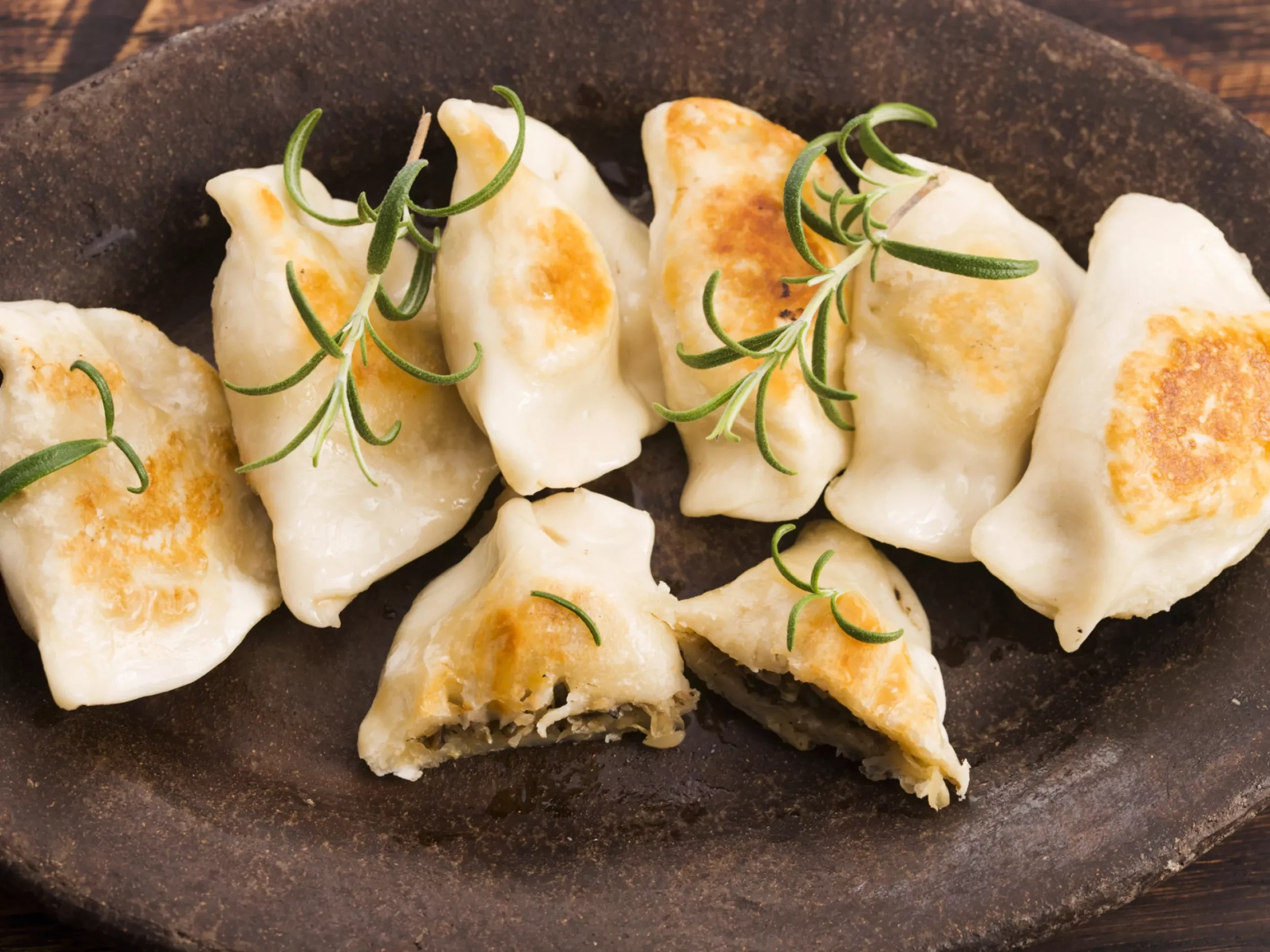
Kenkey | Ghana
Also known as kooboo and dorkunu, kenkey is Ghana’s iconic fermented maize dumpling, with origins among the Ga and Fante peoples of the southern coast. Made using dried white corn maize which is soaked, milled and left to ferment for two to five days, half the dough is cooked into a thick porridge called aflata and mixed back with the raw portion to form a smooth, slightly sour dough. The dough is portioned and wrapped, with Ga kenkey commonly formed into cylindrical or rounded parcels in corn husks, and Fante kenkey typically wrapped into rectangular parcels in plantain leaves.
Ga kenkey tends to be salted, firmer and more sour, while Fante kenkey is unsalted, softer and milder. It’s served as a staple with fried or grilled fish, hot pepper sauce (shito), okra stew, palm-nut soup or tomato-onion relish. Kenkey is also eaten in Togo, western Benin and eastern Côte d'Ivoire.
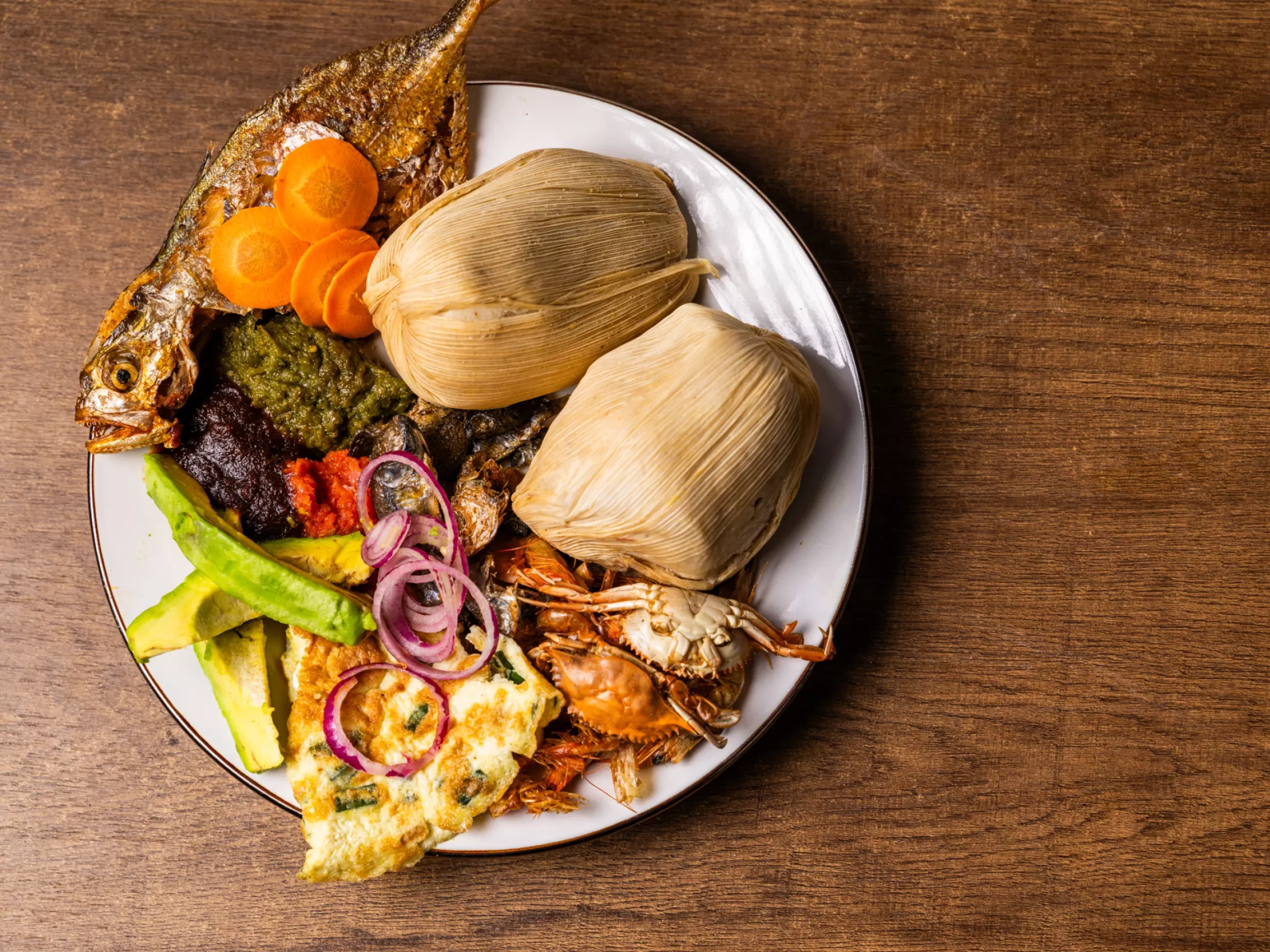
Har Gow | China
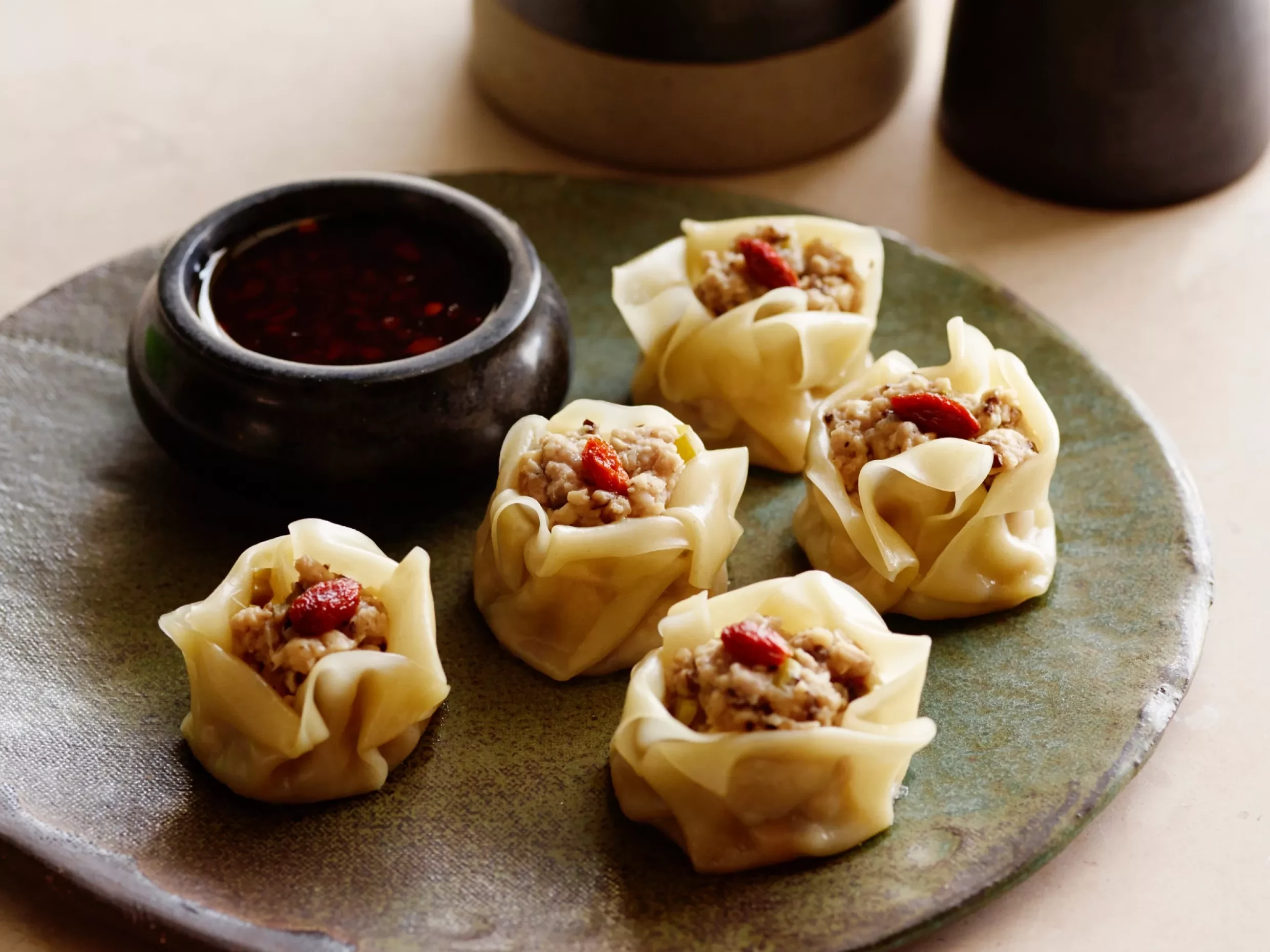
China is home to a wide array of dumplings, including jiaozi, guo tie (pan-fried jiaozi), xiaolongbao (Shanghai soup dumplings filled with meat), and shengjianbao (pan-fried pork buns with a soupy centre). Among the most popular though, and well known across the globe, is har gow.
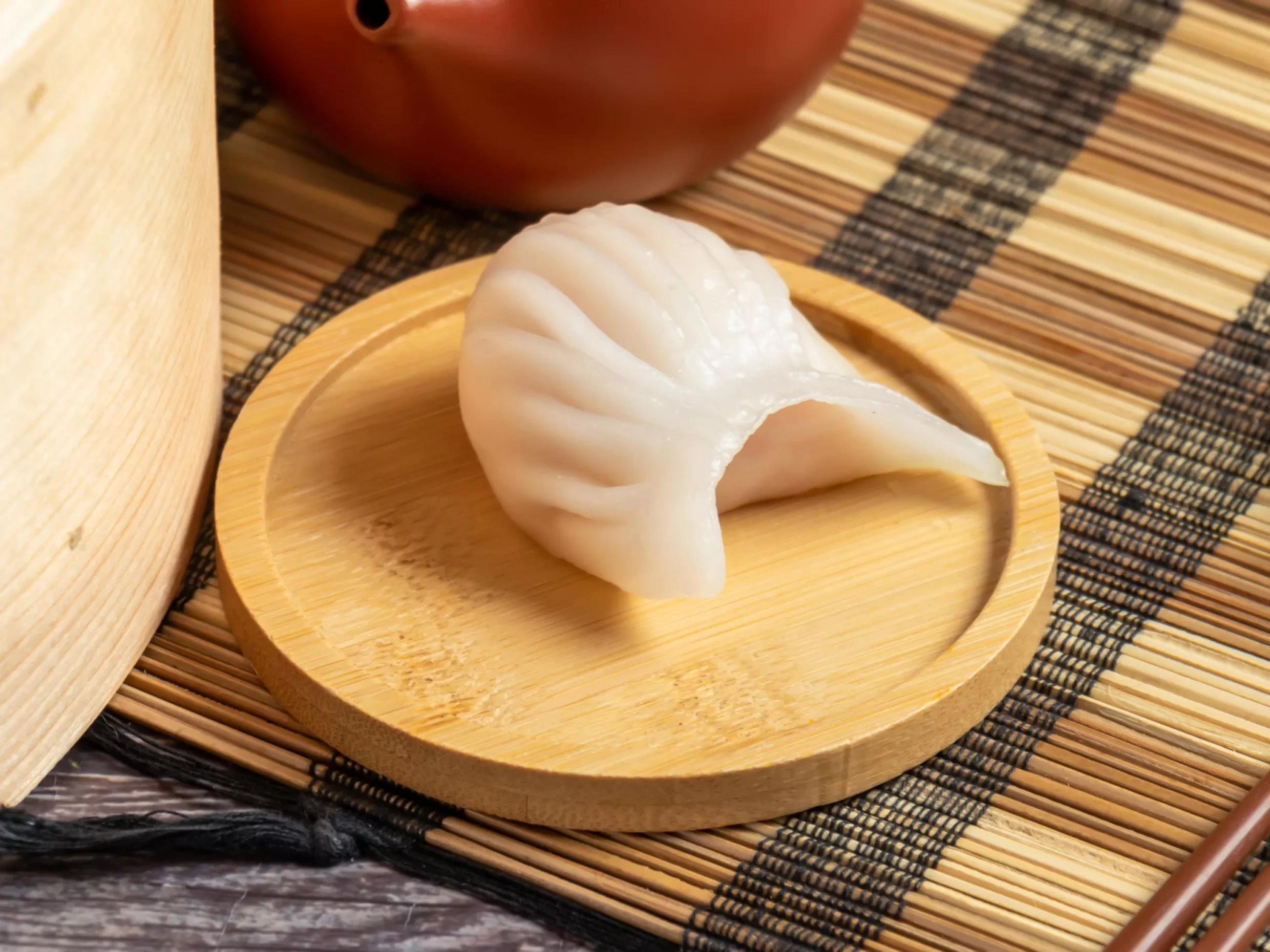
Known as the crown jewels of Cantonese dim sum, har gow were created in an early-twentieth-century teahouse in Wufeng Village on the outskirts of Guangzhou. The name is straightforward Cantonese: haa means “shrimp” and gaau means “dumpling”.
They’re made with a wrapper of wheat starch and tapioca starch giving the dish a delicate, translucent ‘crystal’ skin that’s moulded into a crescent or seashell shape. The most traditional filling is coarsely chopped fresh shrimp, finely diced bamboo shoots, a touch of pork fat (or oil in modern versions), and light seasonings such as white pepper, sesame oil and Shaoxing wine. Modern kitchens also tend to offer chicken, pork or vegetarian spins. They’re served steamed, usually with soy sauce, chilli oil and a pot of jasmine or chrysanthemum tea.
Gyoza | Japan
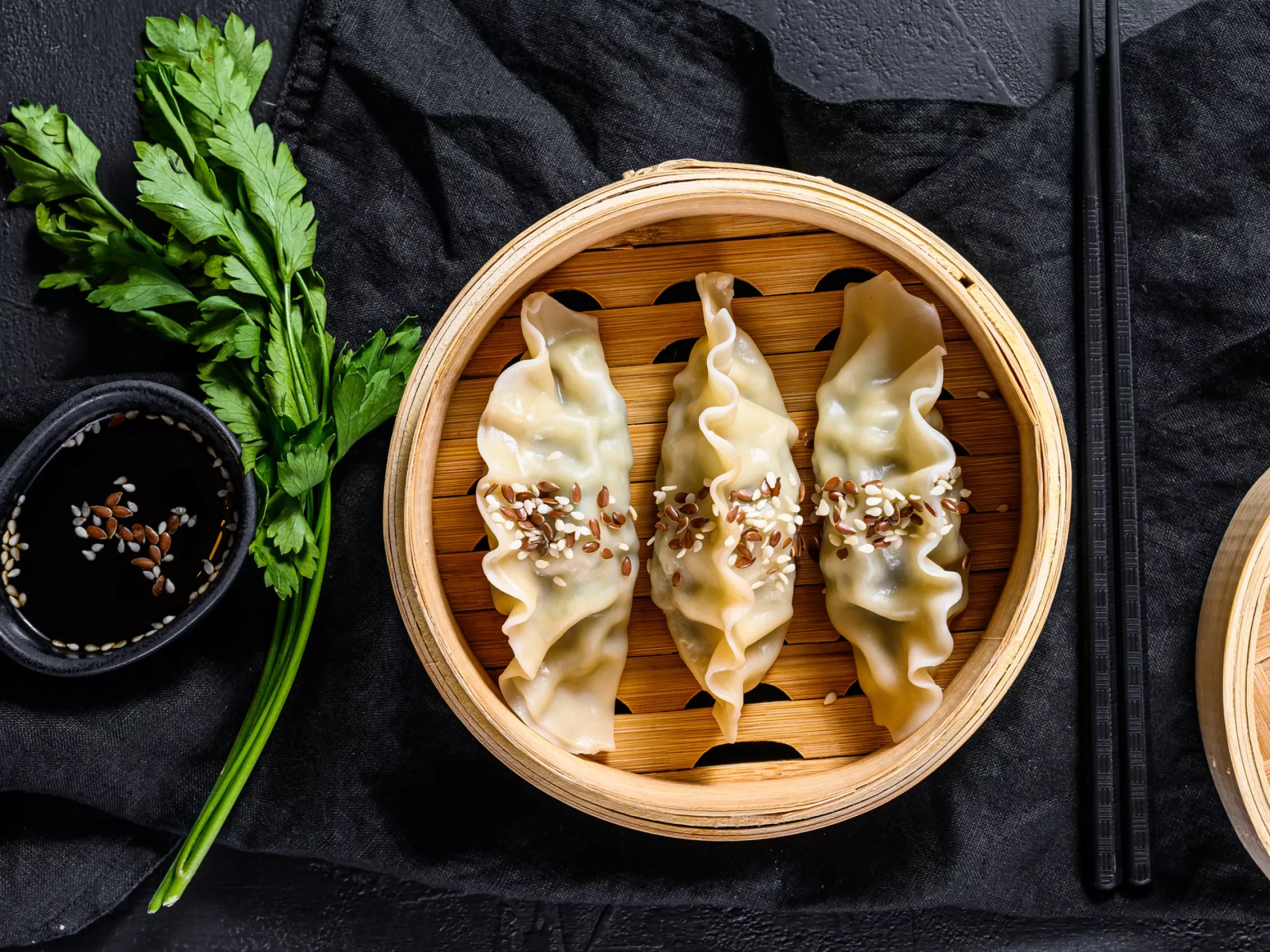
Gyoza are Japan’s iconic take on Chinese jiaozi. The most common filling is a mix of minced pork, finely chopped cabbage, garlic chives (nira), garlic, ginger, soy sauce and sesame oil wrapped in thin skins of wheat dough. The most popular type of gyoza is yaki-gyoza which are pan-fried on the bottom and steamed on top, but you’ll also find boiled sui-gyoza and deep-fried age-gyoza. The city of Hamamatsu, around 250km southwest of Tokyo, is said to eat more gyoza than anywhere else in Japan. Regional riffs include their bean-sprout-topped version, and Kobe’s miso-dipped miso-dare gyoza. Gyoza are usually served with a dip of soy sauce, rice vinegar and chilli oil (rāyu).
Ravioli | Italy
Ravioli are Italy’s most famous stuffed pasta, with written mentions appearing as early as the twelfth or thirteenth centuries in Liguria, Lombardy and Tuscany, as well as in the famous medieval Middle English cookbook The Forme of Cury. The name’s origin is disputed - some link it to rabiola or rapa (the shape of a small turnip), suggesting early fillings used humble root veg, others say it comes from raviggiuolo cheese, or the verb revolvere (“to roll or turn back”). A Genoese legend even credits a thirteenth-century innkeeper named Raviolo.
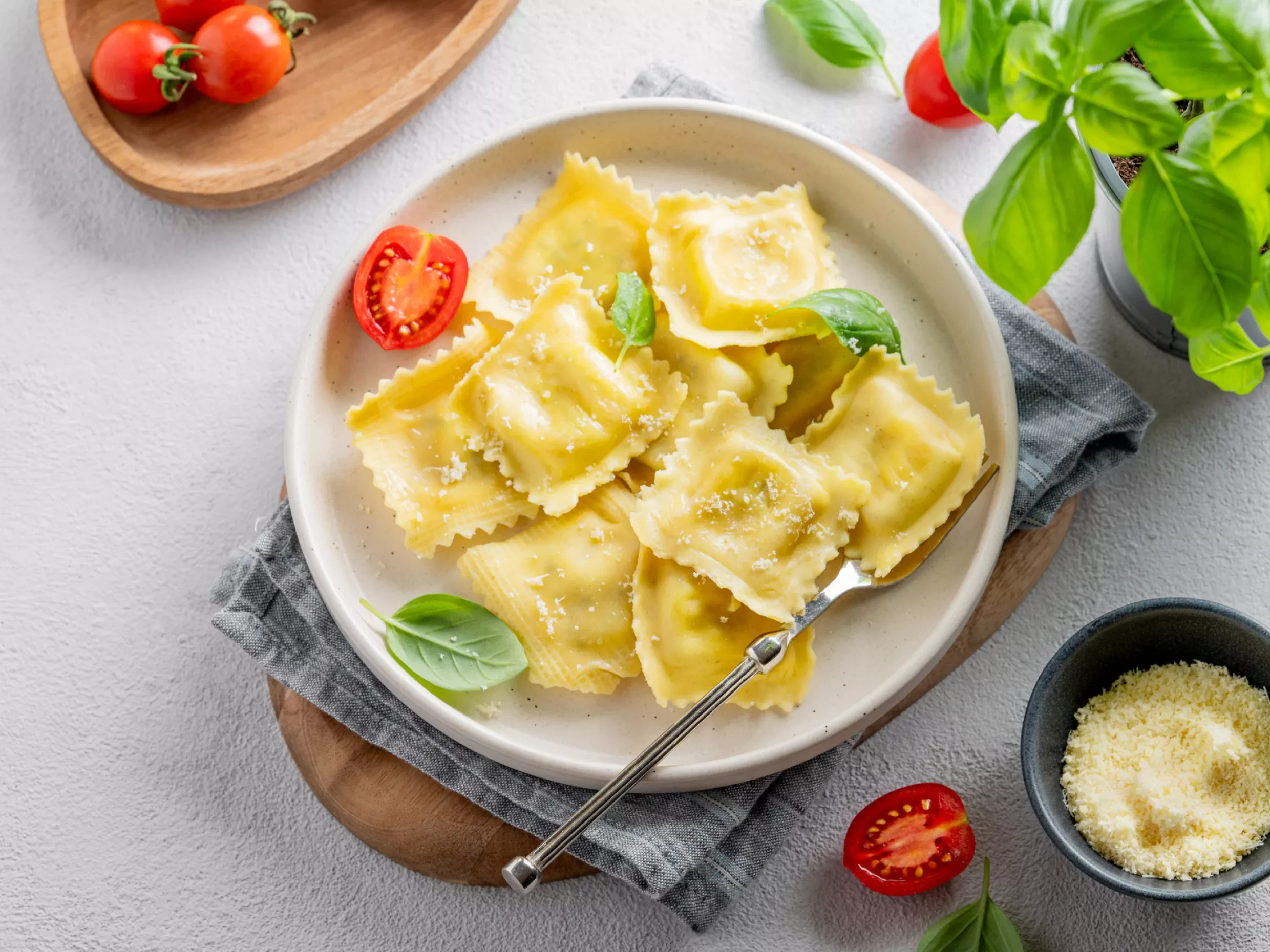
Ravioli itself is made with a thin egg pasta that’s rolled, filled, sealed and cut into squares, circles or half-moons, and traditional options for the fillings tend to vary by region. Ricotta and spinach with nutmeg and black pepper in Rome; ricotta with grated lemon rind in Sardinia; pumpkin and amaretti in Mantua; meat, prosciutto or mortadella in the north; and sweet ricotta with sugar and citrus in the south. They’re served simply - in broth, with butter and sage, or dressed in tomato sauce, ragù or a light cheese emulsion.
Souskluitjies | South Africa
Souskluitjies (literally “sauce dumplings” in Afrikaans) are a beloved South African comfort dish with roots in the Cape’s Dutch and German settler communities. The dish is widely thought to have evolved from German dampfnudel, adapted at the Cape when milk was scarce and water became the default cooking liquid.
Traditionally, a soft batter of flour, baking powder, butter, eggs, milk (or water in older versions) and a pinch of salt is spooned into boiling, lightly salted water and cooked under a tight lid until soft. The dumplings are then layered into a bowl, sprinkled with cinnamon sugar, then drenched in a warm, spiced syrup made from the cooking water, sugar, butter, cinnamon, a splash of vinegar or citrus, and sometimes thickened with custard powder. Variations include orange- or lemon-zest dumplings, brandy-spiked sauces, and versions served with custard or ice cream.
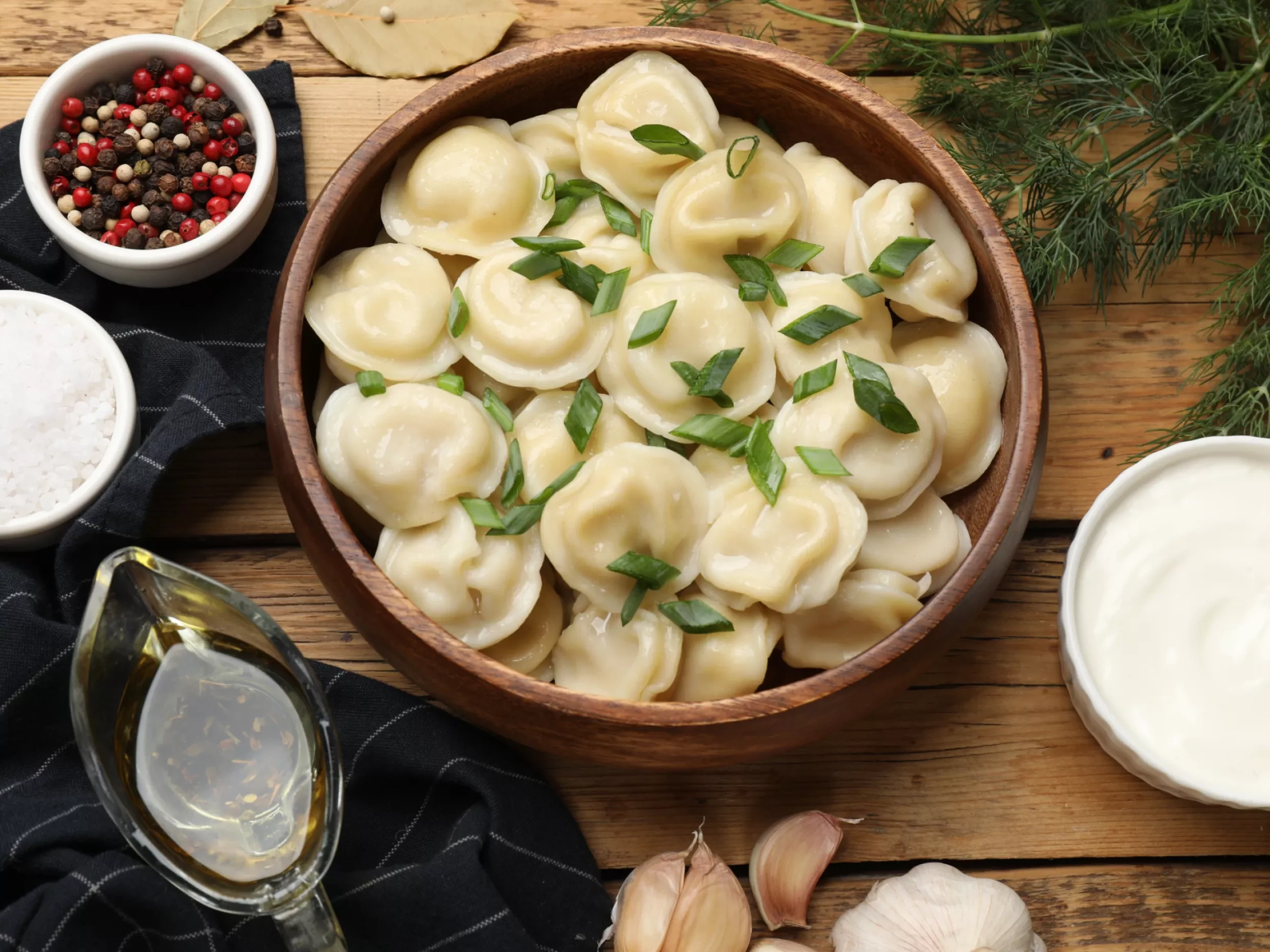
Pelmeni | Russia
Considered to be one of Russia's national dishes, pelmeni are meat dumplings that may trace their roots to the Ural Mountains and Siberia between the fourteenth and fifteenth centuries. However, their true birthplace is the topic of some debate. The name translates to ‘ear bread’ or ‘dough ears’, a nod to their shape when they're folded.
The dough is simply flour, water and sometimes egg, while the filling is traditionally a mix of pork, beef and lamb. Some versions contain venison, elk, fish, or mushrooms. Once prepared, they’re boiled in salted water or broth, then served with sour cream (known as smetana), melted butter, vinegar, mustard, dill or a sharp onion relish. Regional spins include smoked pelmeni and game-meat versions.
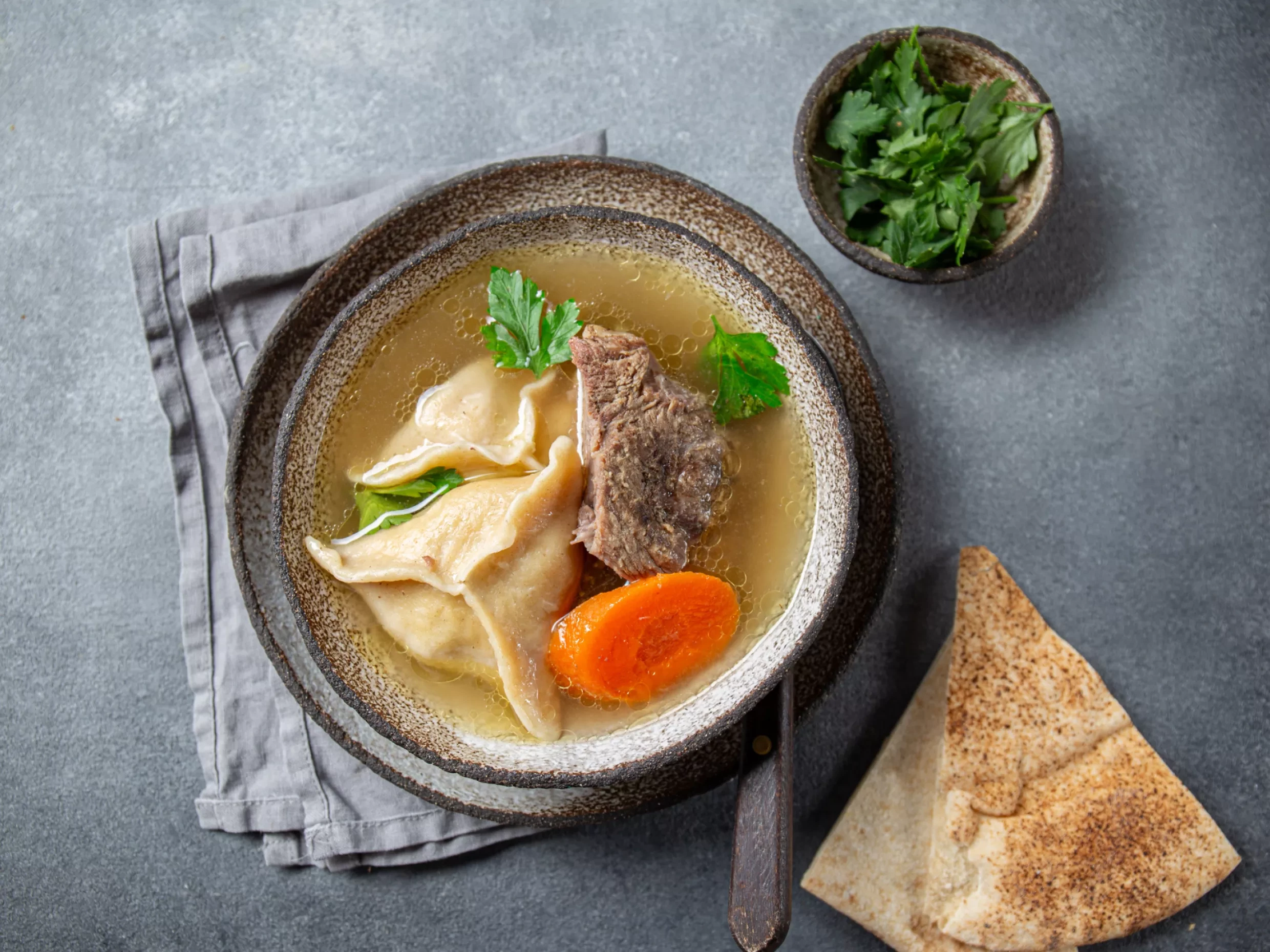
Kreplach | Jewish Cuisine
Kreplach are the classic stuffed dumplings of Ashkenazi Jewish cuisine, with roots in Central European stuffed pasta traditions and the rich and varied dumpling cultures of Eastern Europe. The name comes from the Middle High German krapfe, meaning ‘a piece of pastry’ or ‘fritter’.
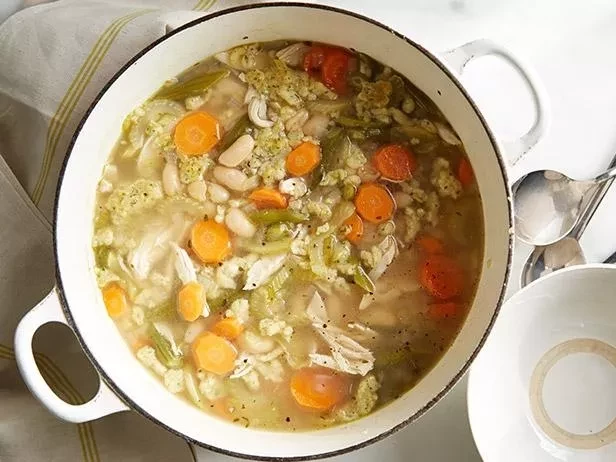
A flour, water and egg dough is rolled thin, cut into squares or triangles, filled with seasoned ground beef or chicken (sometimes brisket), mashed potato, or sweet farmer’s cheese for dairy meals. Once ready, they’re then sealed and boiled. Often served floating in chicken soup, some fried versions appear instead as a side dish. Variations include turkey, liver, mushroom, or cheese fillings, with sour cream, caramelised onions or a simple broth as accompaniments.
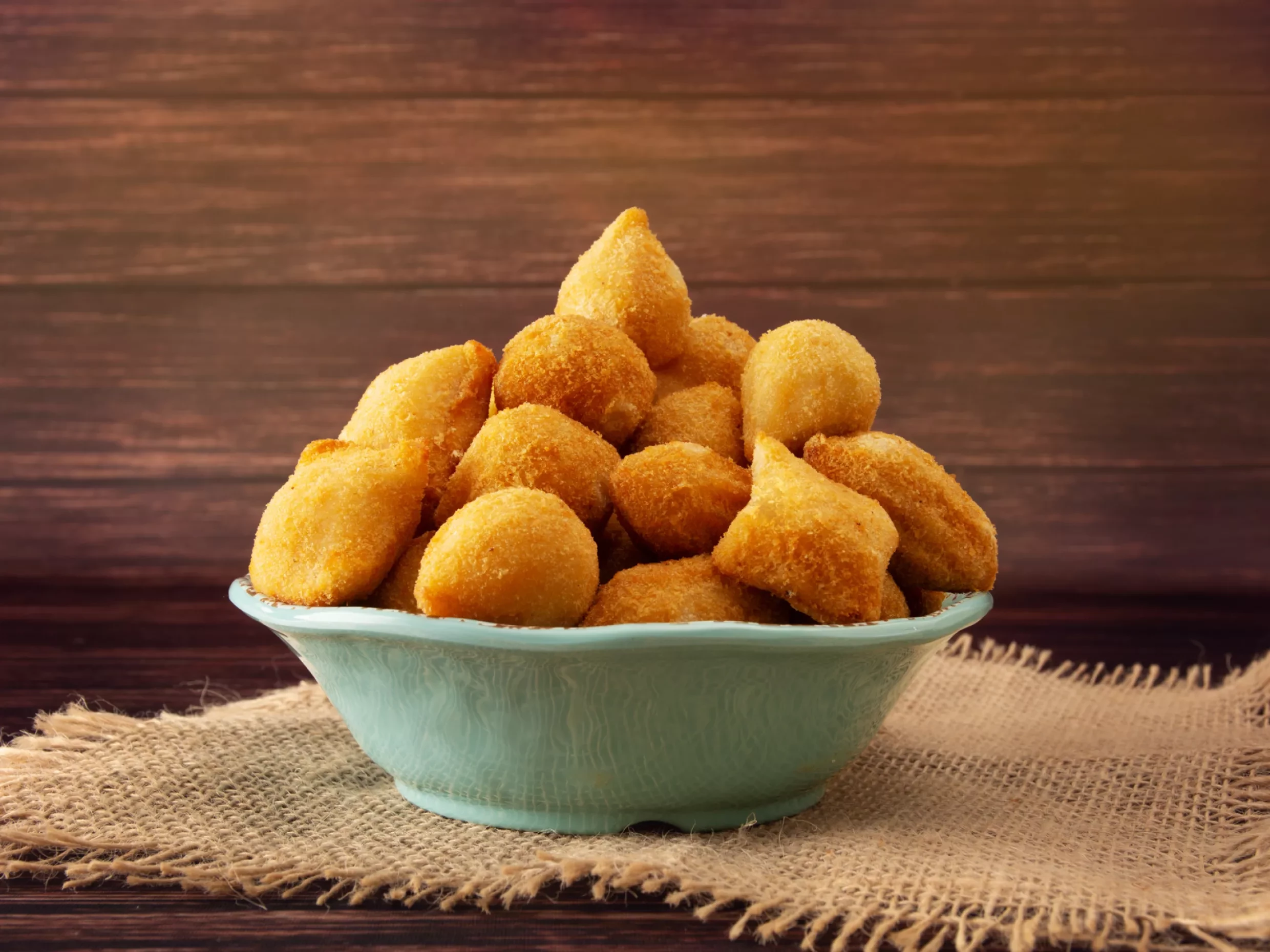
Coxinha | Brazil
Coxinha are Brazil’s beloved teardrop-shaped street snack. The name means “little thigh” in Portuguese, which is a nod to both the drumstick-like shape and the original filling of shredded chicken. Legend has it that they were invented by a cook to a picky young prince who would only eat chicken thighs. When he ran out, the cook shredded other cuts of chicken, wrapped them in dough and fried them, so the boy wouldn’t notice!
Coxinha are made from a soft dough of wheat flour (sometimes enriched with mashed potato or yuca), simmered in chicken broth, and filled with spiced shredded chicken, onions, parsley and creamy catupiry or requeijão cheese. They’re then shaped, breaded and deep-fried. Modern coxinha fillings vary widely, including cheese, vegetables and other local ingredients. They’re typically served hot with ketchup or hot chilli sauce (molho de pimenta).
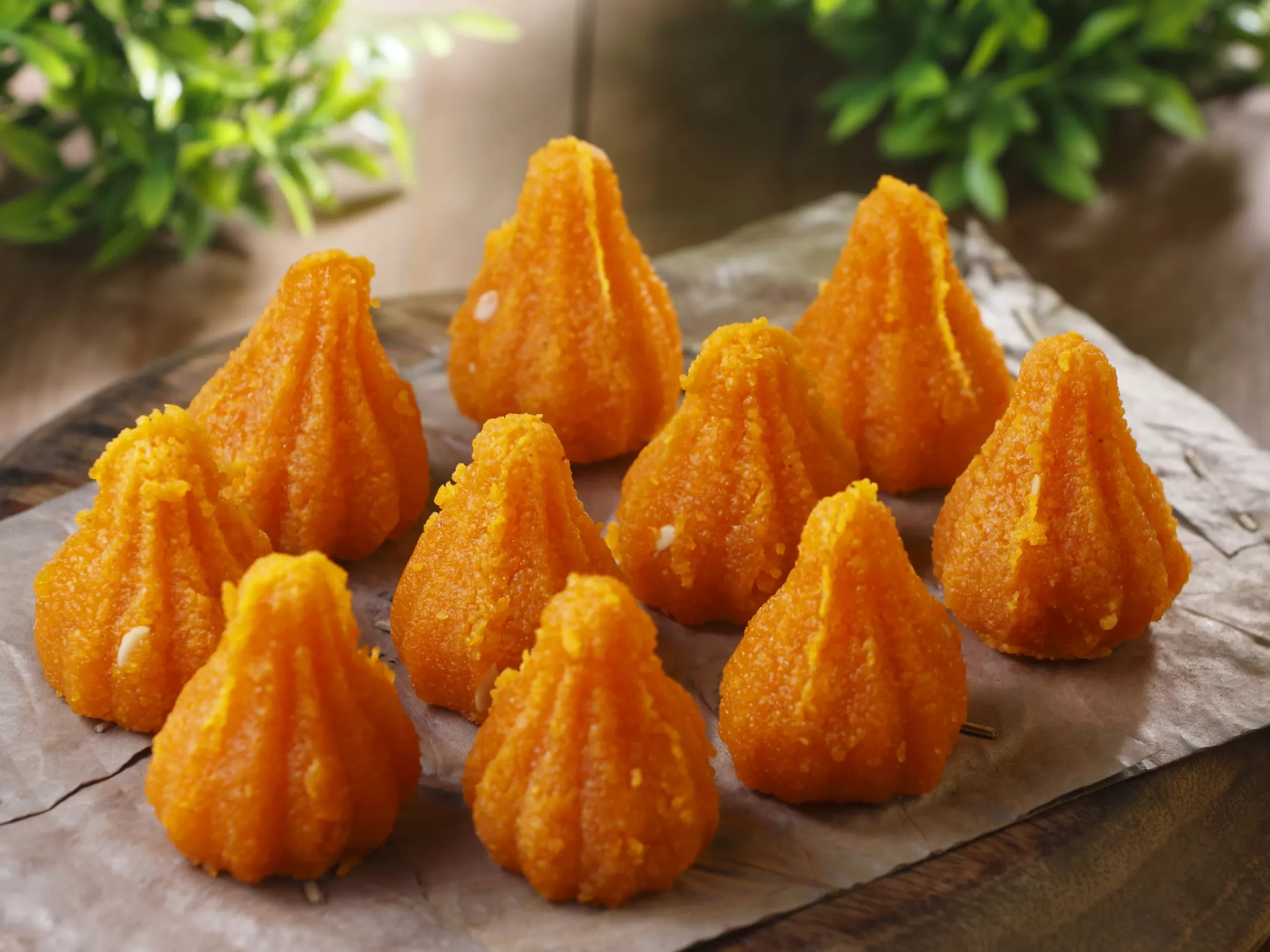
Modak | India
Modak are teardrop-shaped sweet dumplings. The classic Maharashtrian version, ukadiche modak (“steamed modak”), uses a soft outer shell of rice flour dough (sometimes wheat or maida in other regions) wrapped around a fragrant filling of freshly grated coconut, unrefined sugar known as jaggery, cardamom and ghee, then shaped into pleated cones either by hand or using a special mould, before being steamed.
Regional spins include kozhukattai in Tamil Nadu (often half-moon shaped, sometimes savoury with lentils and pepper); sesame-jaggery, peanut-jaggery or chana-dal fillings in Karnataka and Andhra, and festive upgrades with khoya (concentrated milk solids), saffron, nuts or even chocolate. Once ready, Modak are traditionally served warm with a drizzle of ghee.
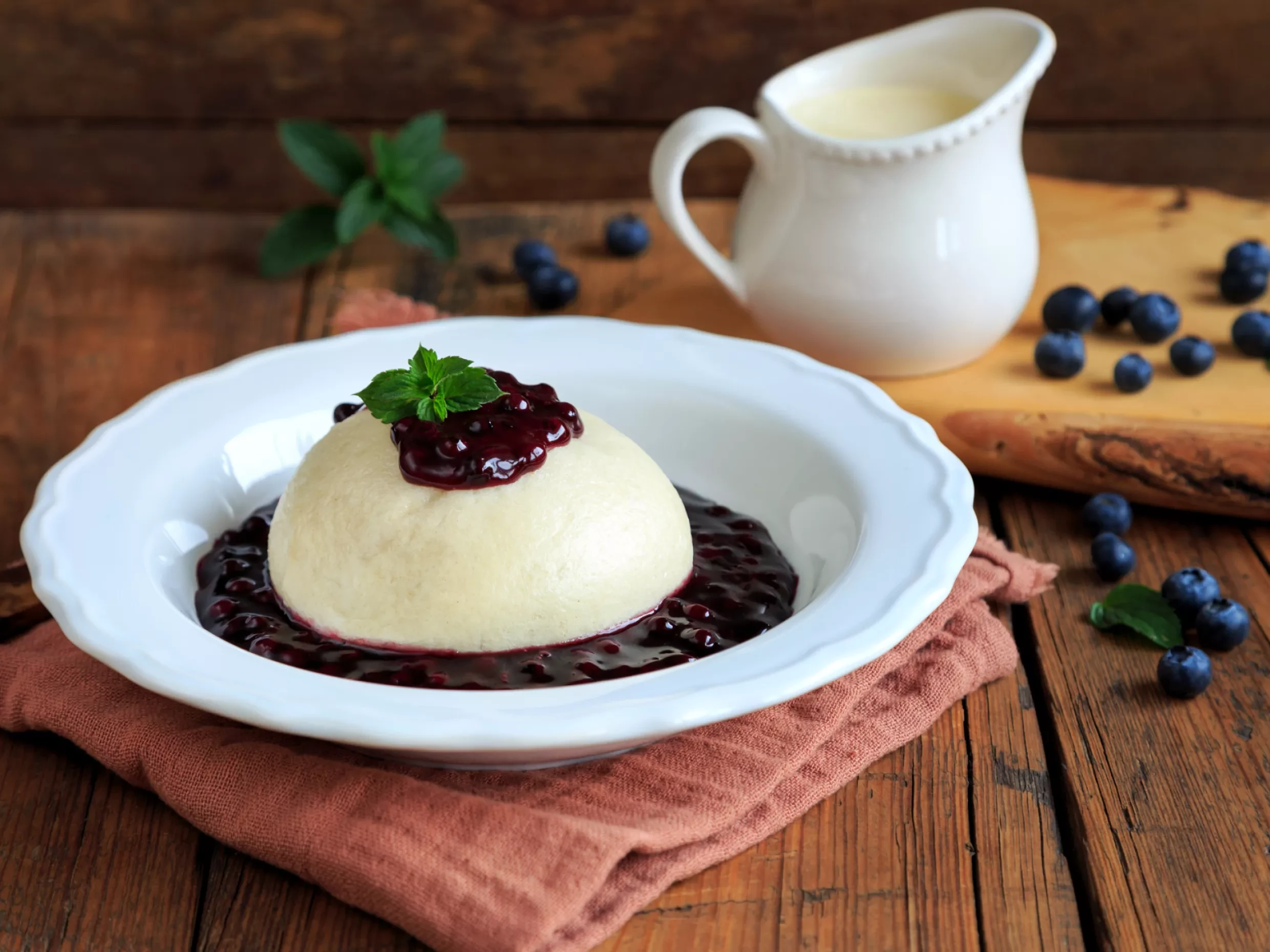
Dampfnudel | Germany
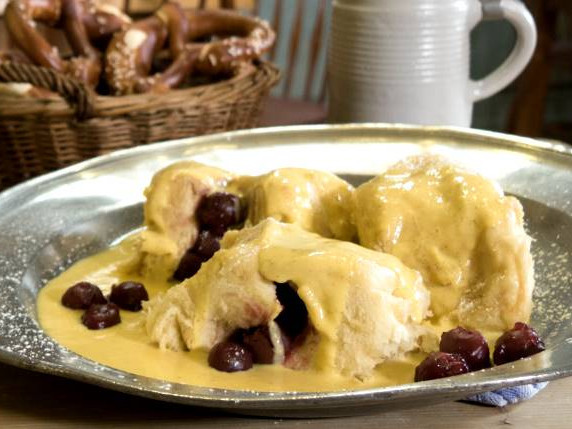
Literally translated as ‘steam noodle’, it’s actually a steamed yeast dumpling. These soft, pillow-like dampfnudel hail from southern Germany, with roots stretching back several centuries as a hearty peasant dish. They’re eaten all across the region, including in Austria, Switzerland and the Alsace-Moselle area of northeastern France.
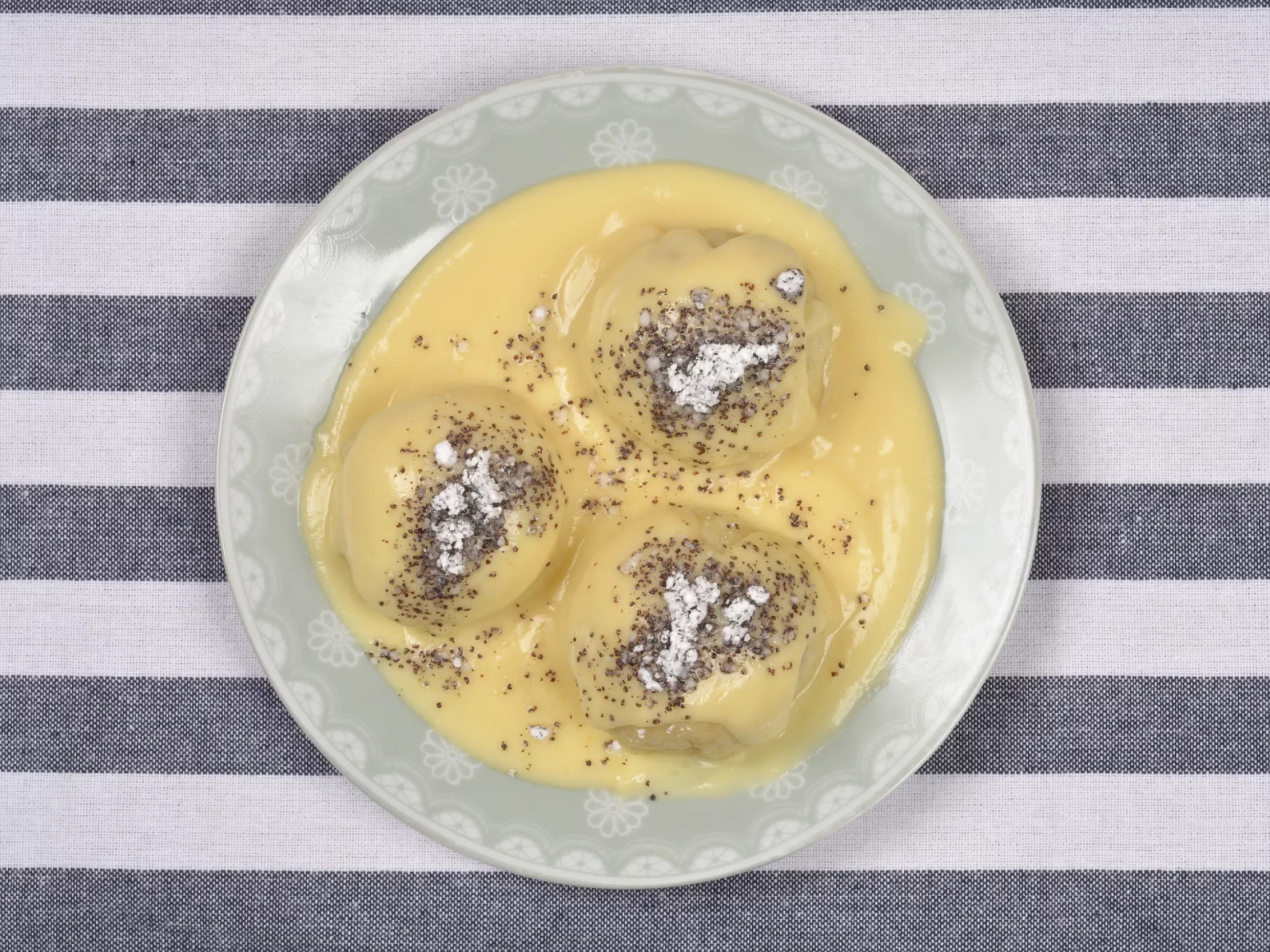
The dough is a simple enriched yeast mix of flour, milk, butter, sugar, salt and sometimes egg, left to rise until fluffy. In Bavaria and Swabia, they’re steamed in milk, butter and sugar, then served sweet with warm vanilla sauce (Vanillesoße), fruit compote or poppy seeds. In the Palatinate in southwestern Germany, they’re often cooked in a covered pan with a little water, oil and salt until the liquid evaporates and a crisp salt crust forms underneath, then served with accompaniments such as potato soup or a wine sauce.
Palt | Sweden
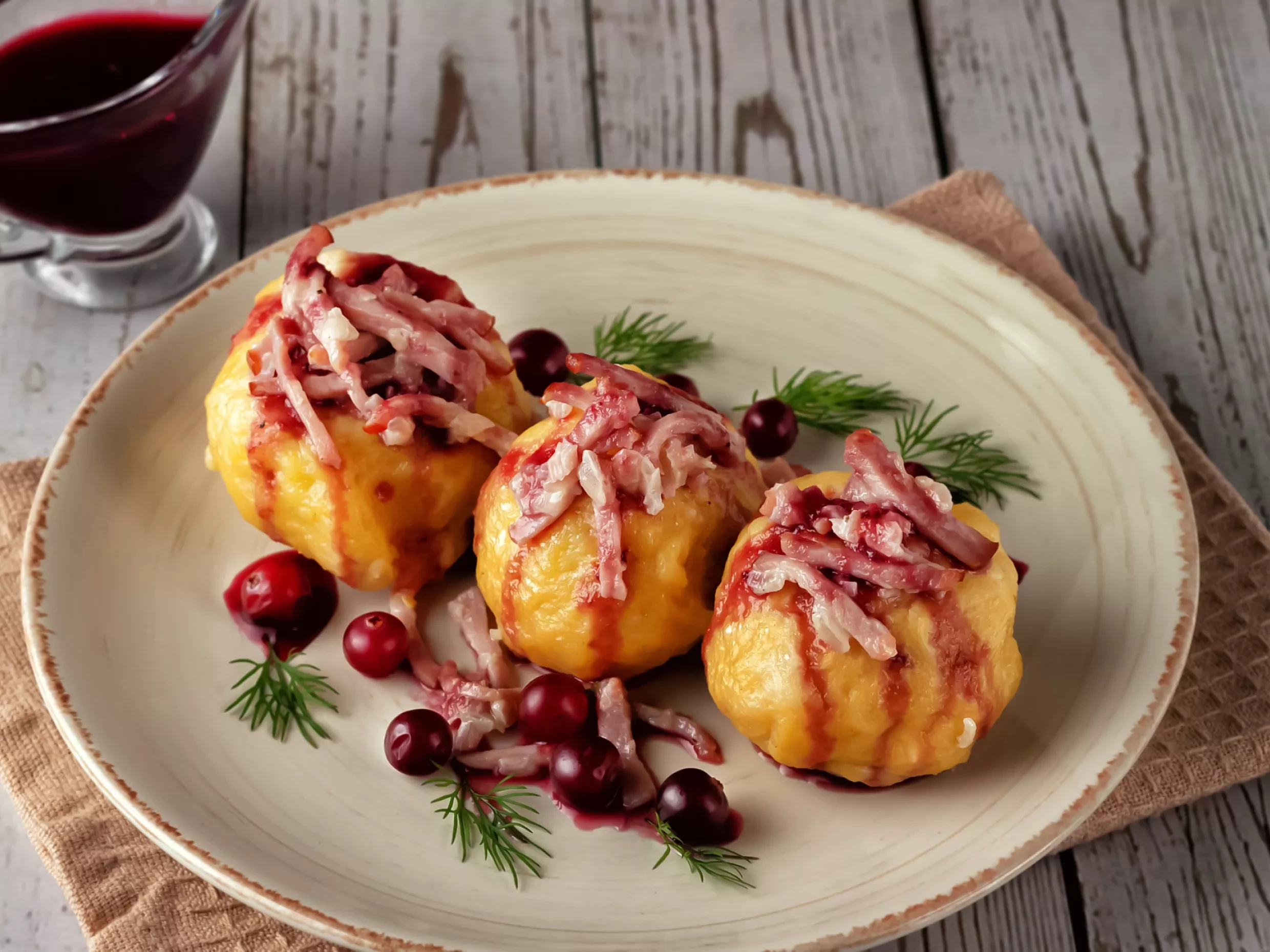
Palt are hearty Swedish potato dumplings, with roots in the barley- and rye-based dough balls once eaten across Sweden before potatoes became widespread in the nineteenth century. Northern palt generally uses more raw grated potato with barley, rye or wheat flour, while the related southern kroppkakor typically use a greater proportion of cooked potato and, in modern recipes, wheat flour. They’re then formed around a filling of diced salted pork or bacon and boiled until cooked through.
Regional varieties include pitepalt from Piteå (raw potato with barley and/or wheat flour), blodpalt (blood-enriched dough, historically reindeer blood in Lapland, now often pork or cattle blood), and unfilled flatpalt. They’re usually served hot with melted butter and tart lingonberry jam, sometimes with a glass of cold milk.