

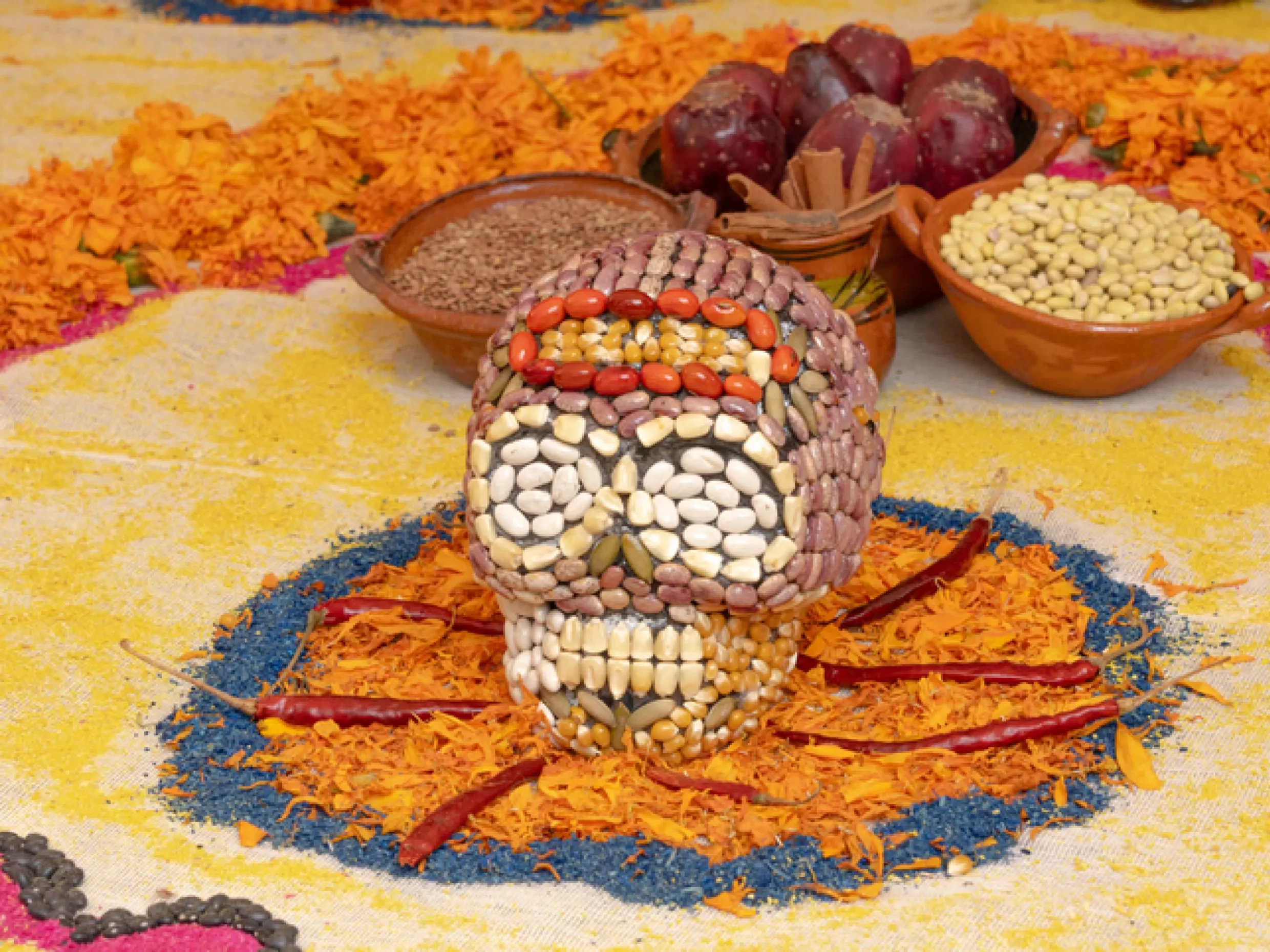
Día de los Muertos - Day of the Dead - is one of Mexico’s most lively annual traditions, where families get together to honour loved ones who have died. Far from being a sad occasion, it’s celebrated with music, candles, and of course, food! But what’s on the Día de los Muertos menu? From pan de muerto to spooky sugar skulls, there’s plenty to sink your teeth into!
What is Día de los Muertos?
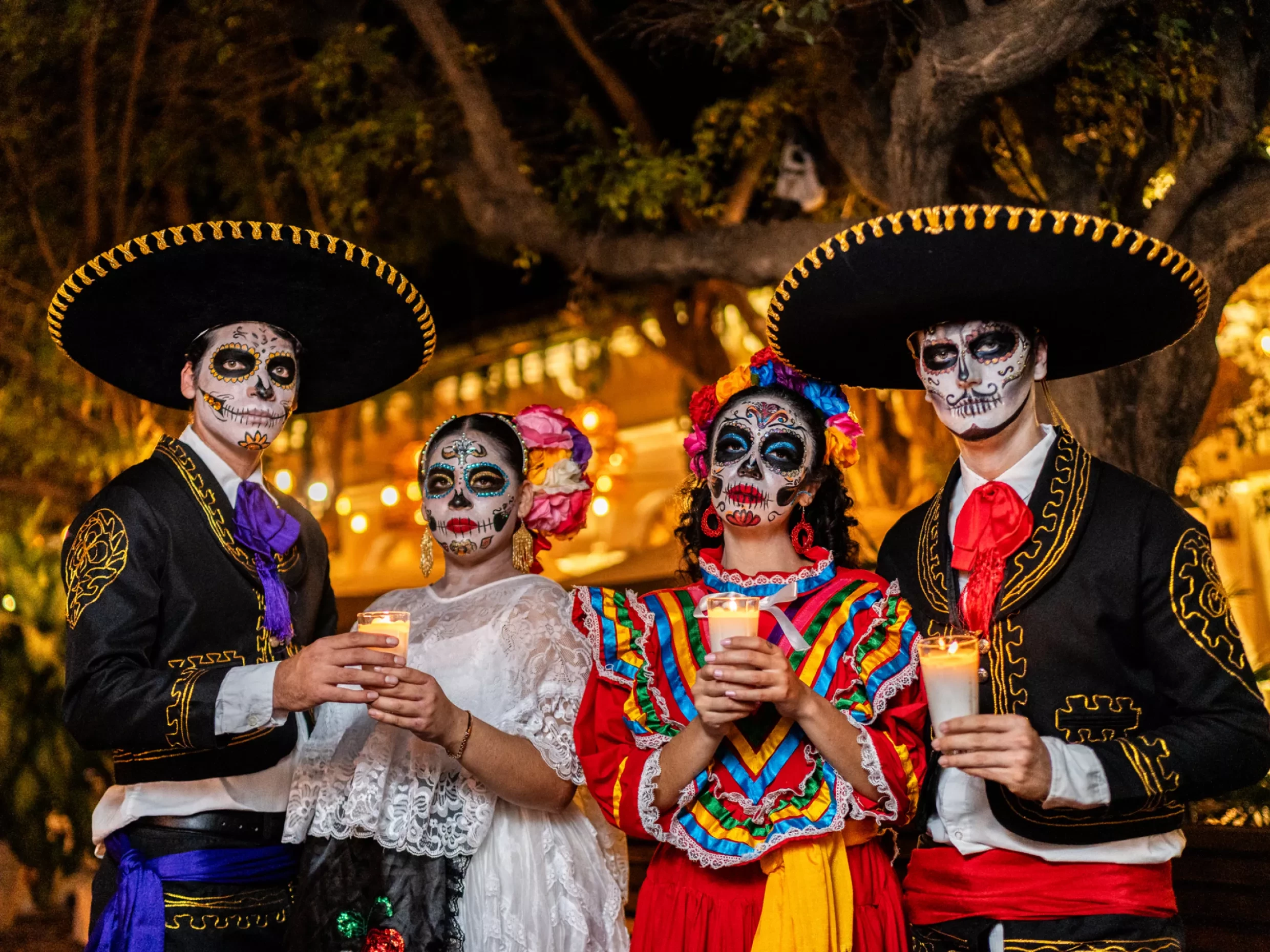
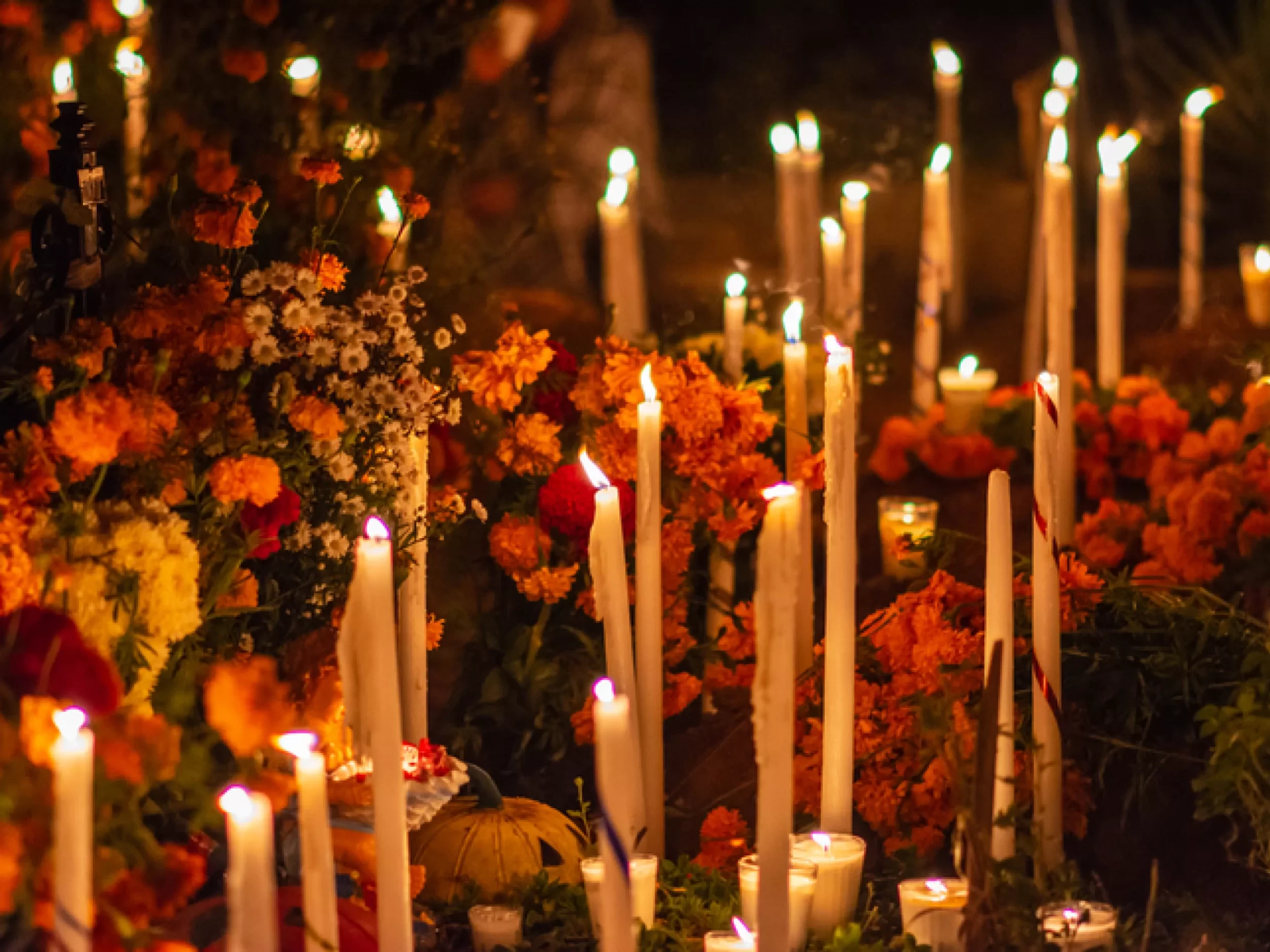
Día de los Muertos, or Day of the Dead, is a Mexican celebration usually held each year on November 1 and 2. Despite the name, it’s not about mourning in the way many people might expect, nor is it a witches and ghouls terrorfest like Halloween. It’s actually a warm, colourful occasion when families remember relatives and friends who have passed away, celebrating their memory and remembering their lives. It’s widely celebrated all over the country and in other Spanish and Mexican diaspora communities around the world.
But as well as traditional celebrations, there’s also the food. So what are the traditional recipes associated with the Day of the Dead? Let’s dig into the details behind the day’s delicious dishes.
A Feast to Remember
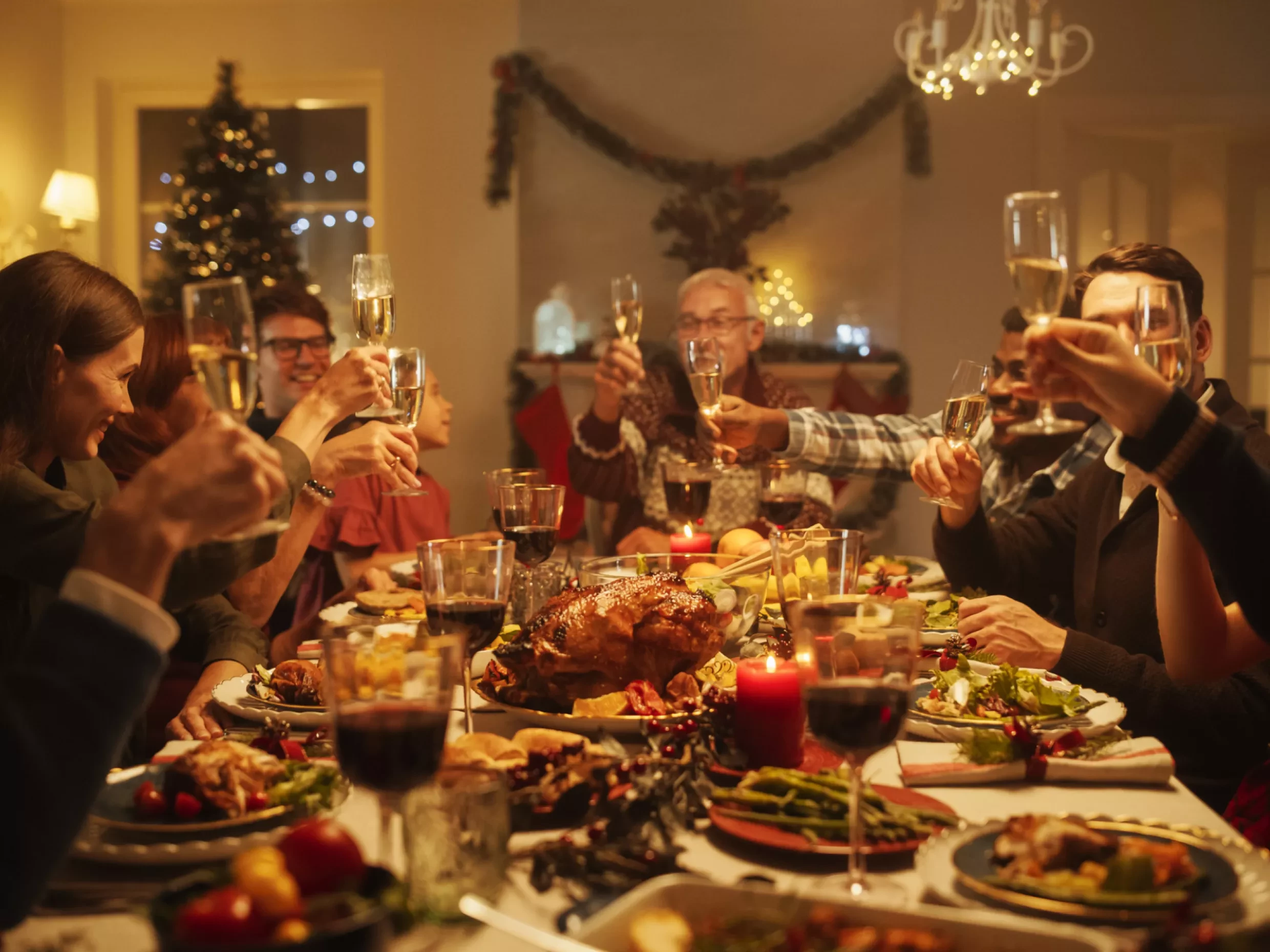
Food plays an incredibly important role in Day of the Dead celebrations, and there are loads of amazing dishes that form part of the traditional Día de los Muertos menu. Here’s a round up of some of the most popular DOTD fare.
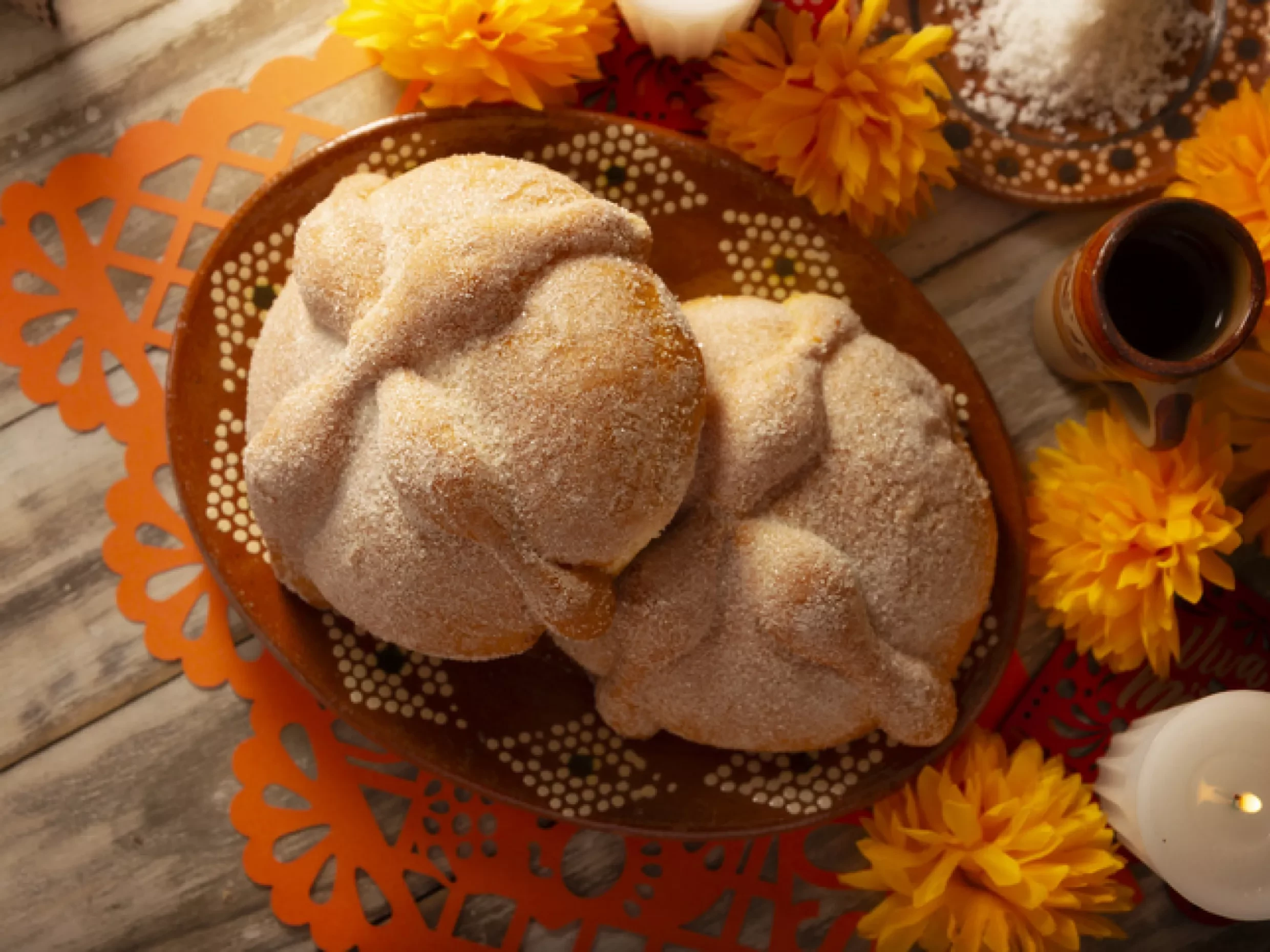
Pan de Muerto
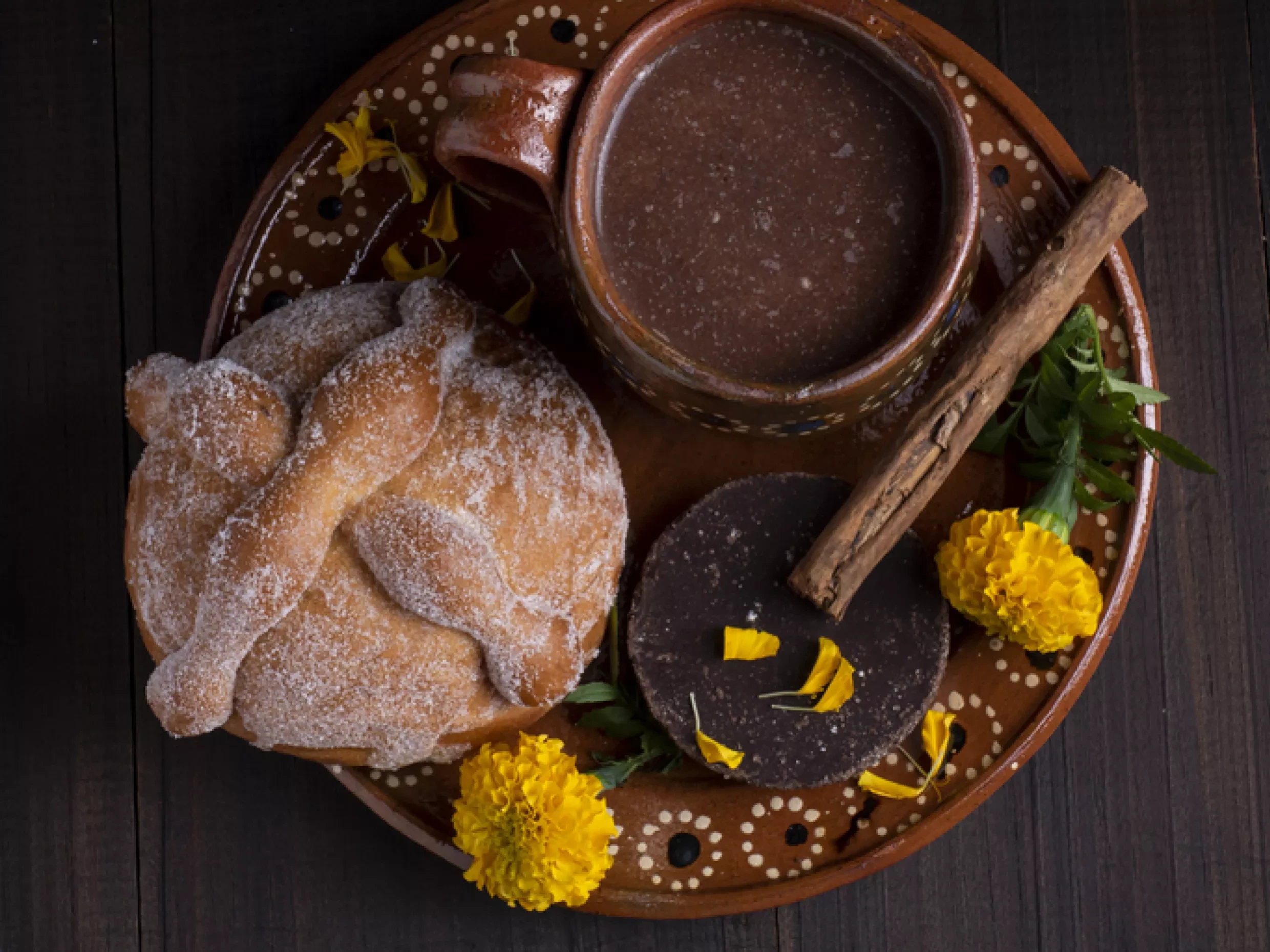
Literally ‘bread of the dead’, pan de muerto is a sweet Mexican bread sometimes flavoured with orange zest or orange-blossom water. It’s a classic rounded or dome-topped loaf made with flour, yeast, eggs, butter and sugar, then brushed with butter and coated in sugar. It’s decorated with dough shaped like bones or a skull.
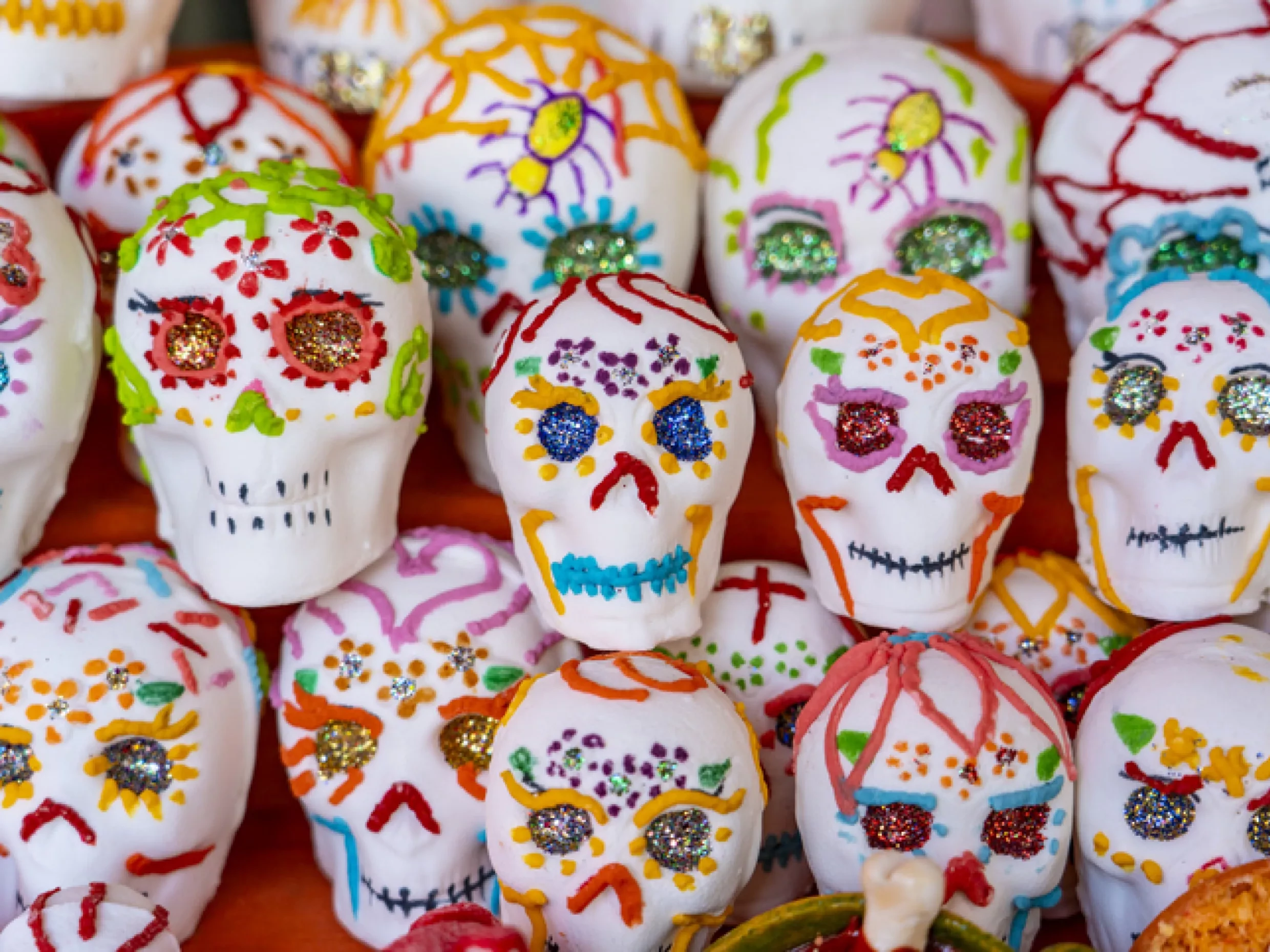
Calaveras de Azúcar
Calaveras de Azúcar, or ‘skulls of sugar’, are made by pressing a mixture of granulated sugar, water and meringue powder into skull-shaped moulds, which are then left to dry and harden. Once out of the moulds, they’re decorated with colourful icing, foil, sequins, beads and floral designs, while a loved one’s name is often written across the forehead.
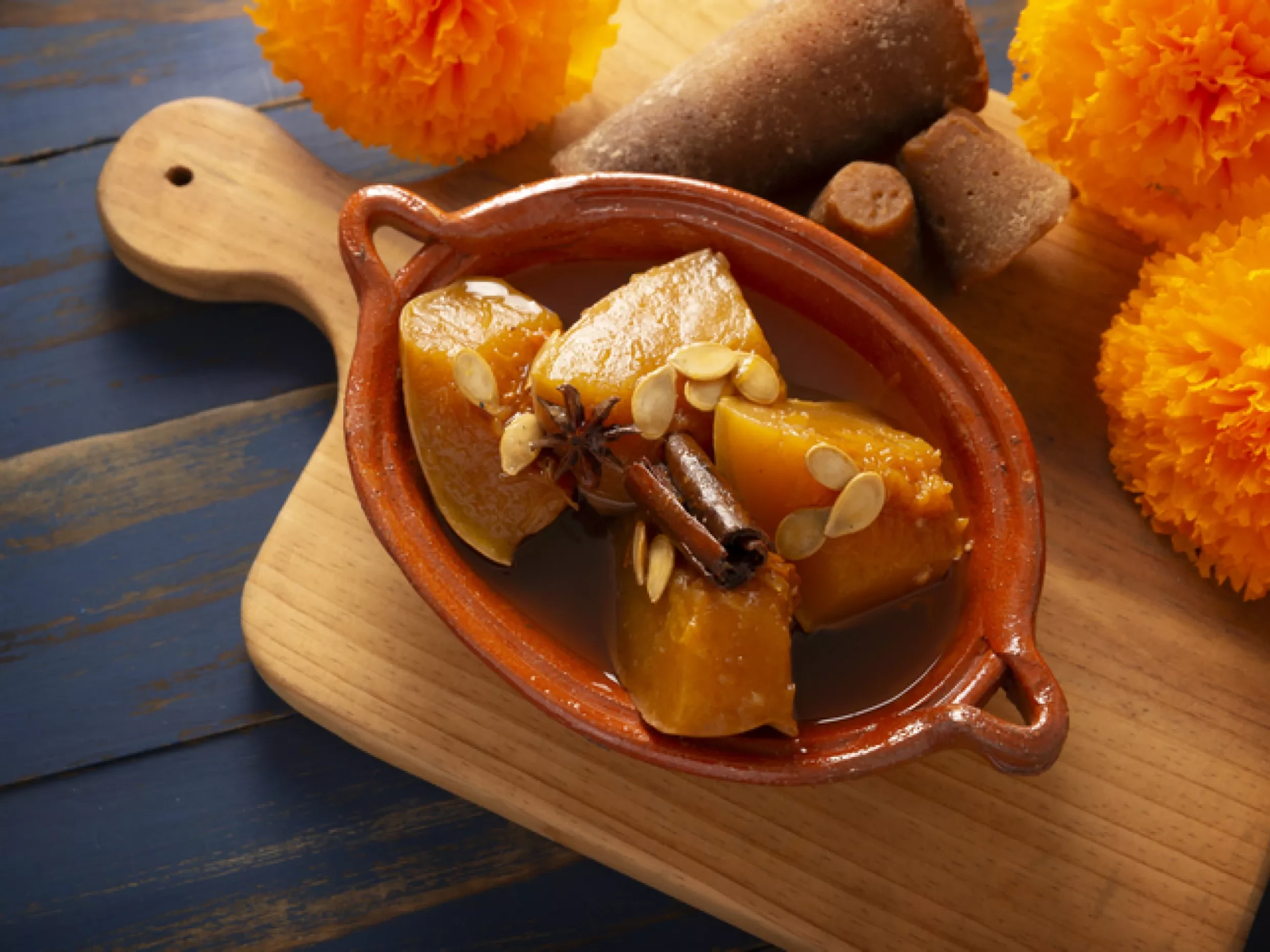
Calabaza en Tacha
Taking its name from calabaza, the Spanish name for pumpkin, squash or gourd, and tacha, the large copper cauldrons used in sugar mills, calabaza en tacha is an iconic Día de los Muertos recipe. It’s made with pumpkin or winter squash cut into big chunks with the skin on, then slowly simmered in a molasses-like syrup made from piloncillo - unrefined cane sugar - with cinnamon and sometimes orange peel, cloves, guava or anise. It’s often served drizzled with more syrup as well as milk, cream or sweet condensed milk, or even vanilla ice cream.
Tamales
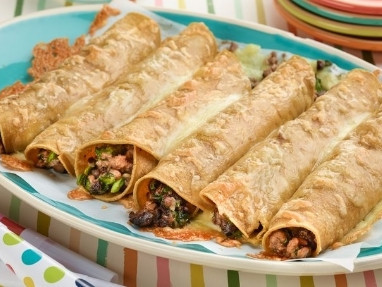
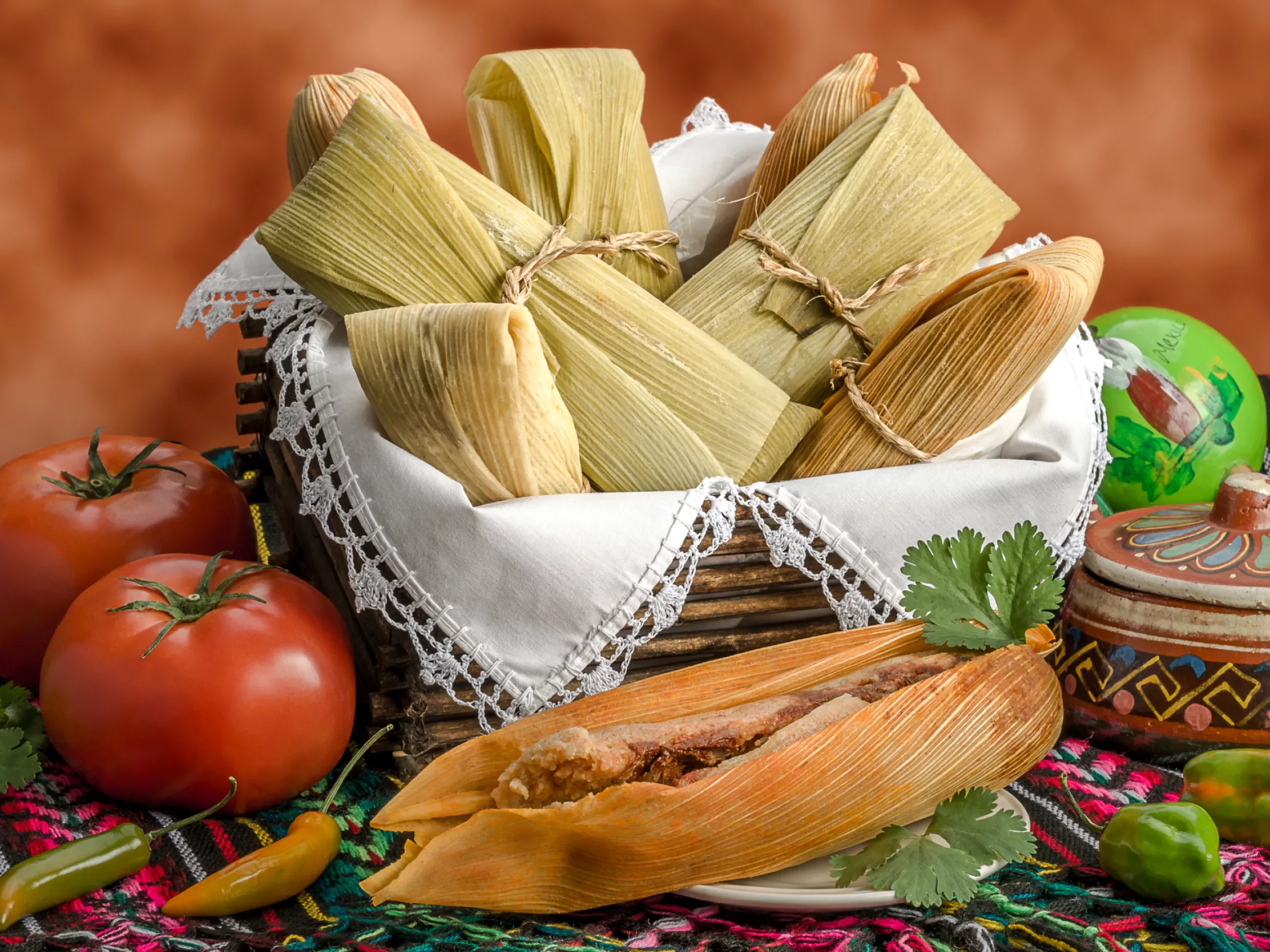
Tamales have fed Mexico for millennia, from ancient Mesoamerican festivals to Aztec and Mayan celebrations and modern-day parties. They’re made by spreading seasoned corn dough, known as masa, onto a corn husk or banana leaf, adding a filling, then folding and steaming the parcel until tender. Fillings vary widely, from beef, chicken or pork in a rich chilli sauce to cheese, beans, vegetables or sweet versions flavoured with cinnamon, fruit or chocolate. Their significance lies as much in the communal cooking as in the eating, and if you want the full story of tamales, read on.
Mexican Hot Chocolate
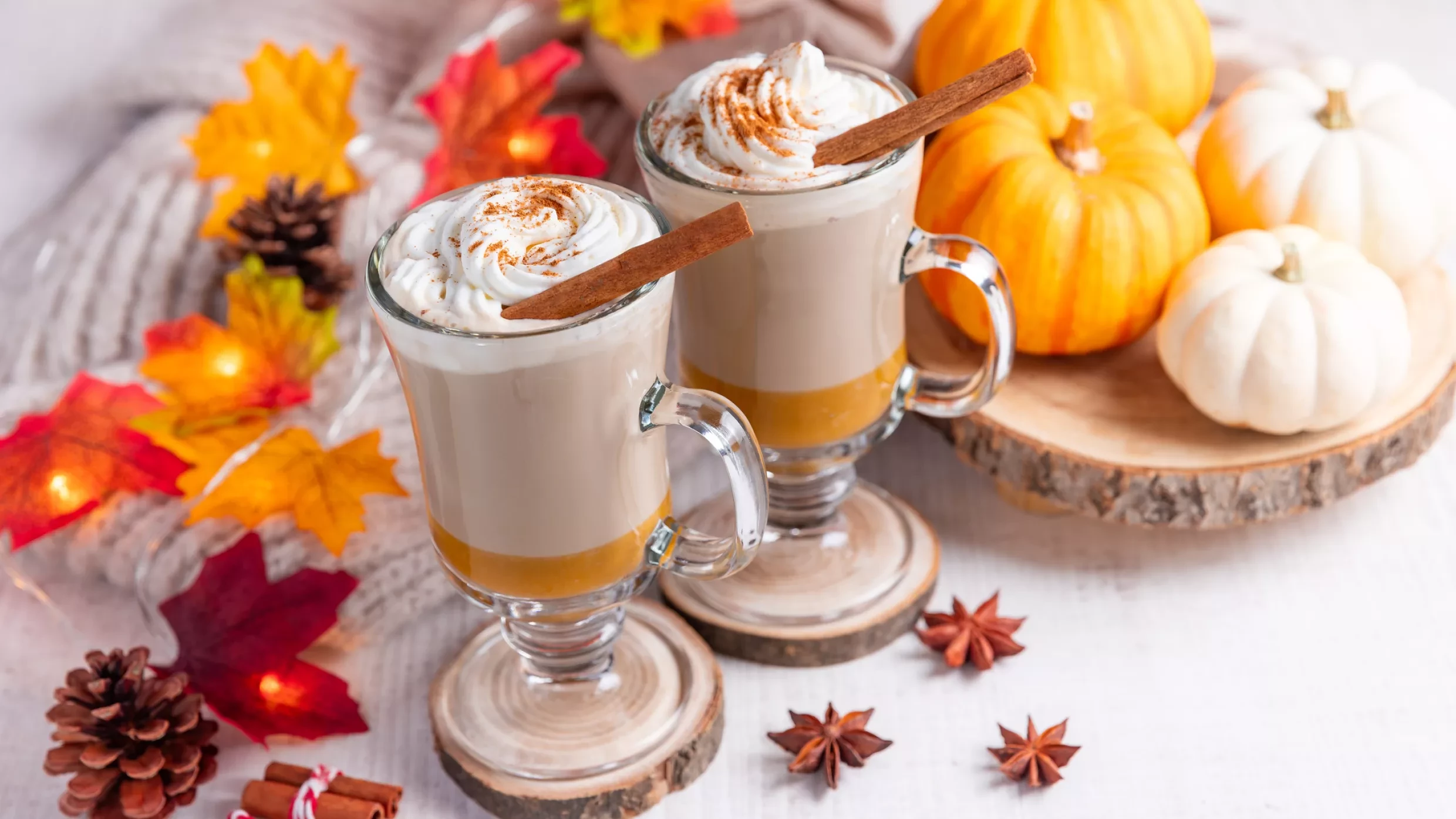
This is most definitely not your standard mug of bedtime cocoa! Recipes vary, but one of the most popular versions is made by melting Mexican chocolate tablets containing coarse-ground cacao, sugar and cinnamon in hot water (chocolate de agua) or milk (chocolate de leche). Sometimes spices are added, including chilli, just to give it a bit of warmth. It’s whisked with a molinillo, a carved wooden tool rolled between the hands to create its frothy top. It’s usually served with pan de muerto.