




There are more than 3,000 Michelin-starred restaurants around the world, and in each dining room, every detail is deliberate. But beyond the crisp linen and the immaculately-presented plates sits another area entirely - one that doesn’t simply embrace perfection, but redefines it. Each year, The World’s 50 Best Restaurants crowns a global number one. But what does it take to become the best restaurant in the world? Let’s find out.
Favourite or Best?
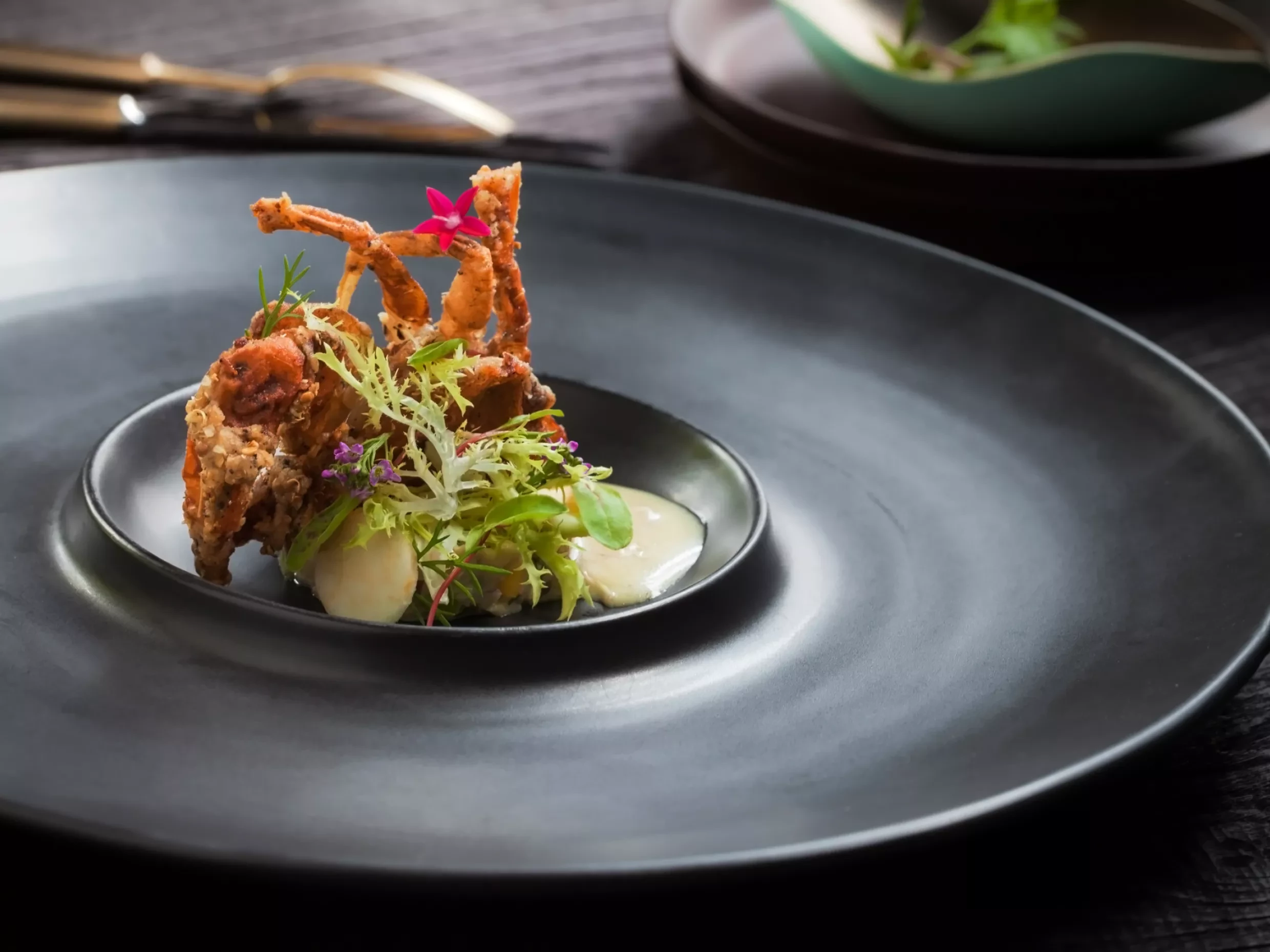
Most of us have a restaurant we swear by. It could be a local, family-run favourite, a well-worn greasy spoon, or a place where you know you’re going to get a warm welcome and great food. But ‘favourite’ isn't always the same as ‘best’. And when it comes to food, ‘best’ isn’t straightforward, at all.
It’s easy to crown the best 100 metre runner in the world because it’s the person who crosses the finish line in the fastest time, but who decides when one restaurant truly surpasses another? In the fiercely competitive world of fine dining, that question has fuelled decades of debate. This article explores how restaurants are judged, what inspectors really look for, and how The World’s 50 Best Restaurants became one of the most powerful voices in global gastronomy.
A World With Many Voices
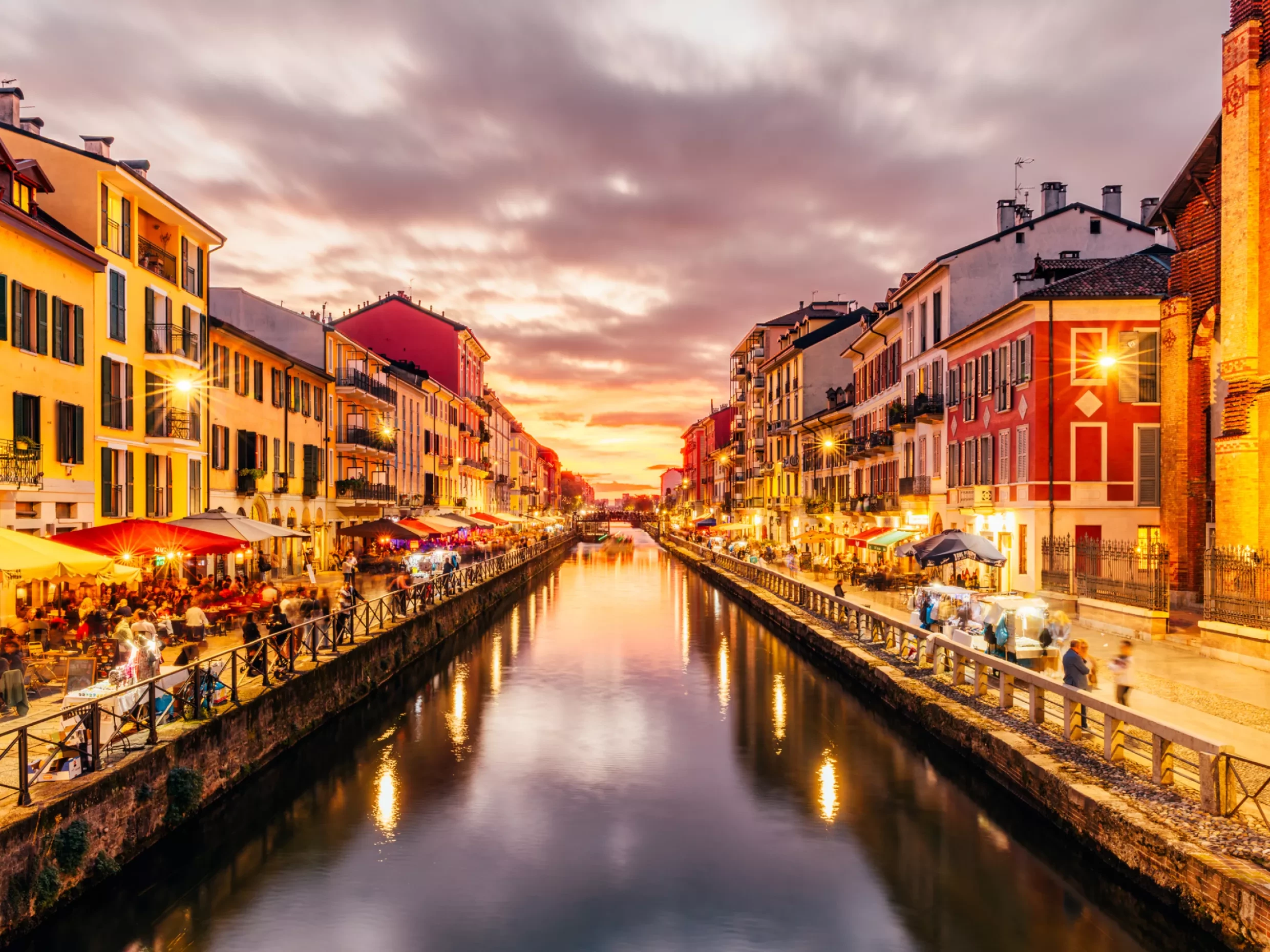
For all the prestige attached to great dining, there’s no single, globally agreed-upon way to define what makes a restaurant ‘the best’. The Michelin Guide may be the most recognisable authority, with its famously secretive inspectors and coveted stars, but it’s far from alone. Around the world, national and regional restaurant guides champion their own culinary standouts, each guided by different criteria and priorities.
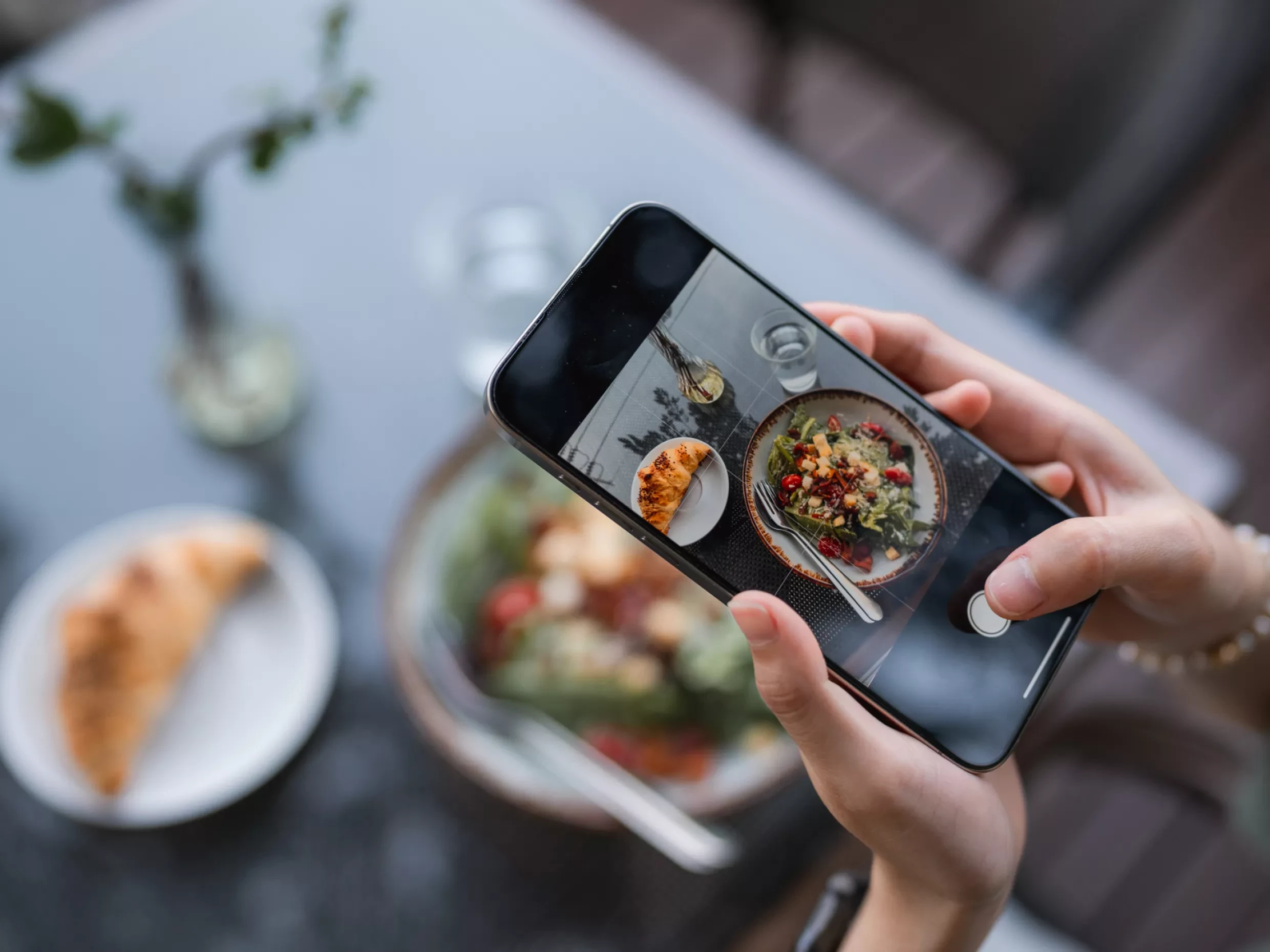
Then there’s the digital age, where opinion is everywhere. Platforms such as TripAdvisor and Google Reviews have handed a voice to everyone, while professional critics continue to make and break reputations in print and online. More recently, a new wave of food influencers has added another cohort, turning personal experience into highly visible endorsements or criticism that can elevate or undermine a restaurant overnight.
Amid this crowded and conflicting culinary landscape, one list has risen to global prominence. In the early 2000s, The World’s 50 Best Restaurants emerged, and the industry paid attention.
The World’s 50 Best Restaurants
The World’s 50 Best Restaurants began in 2002 as a list created by the British magazine Restaurant to highlight the world’s leading dining experiences. It soon grew into an annual global awards platform which expanded into a major showcase of culinary trends and talent.
In terms of voting criteria, there’s no fixed checklist. Voters, of which there are over 1,000, are experienced industry figures (including chefs, restaurateurs, food journalists and critics, and well-travelled gourmets) who choose restaurants based on their own dining experiences, with emphasis on quality, consistency, originality and overall experience. Its aim is not to measure food by a rigid formula, but to spotlight restaurants it sees as shaping modern dining. Indeed what constitutes ‘best’ is up to each voter to decide.
More Than Food
The beating heart of the world’s best restaurants is the food, but at the highest level, that alone isn’t enough. So what sets the Fat Duck apart from the Dog & Duck?
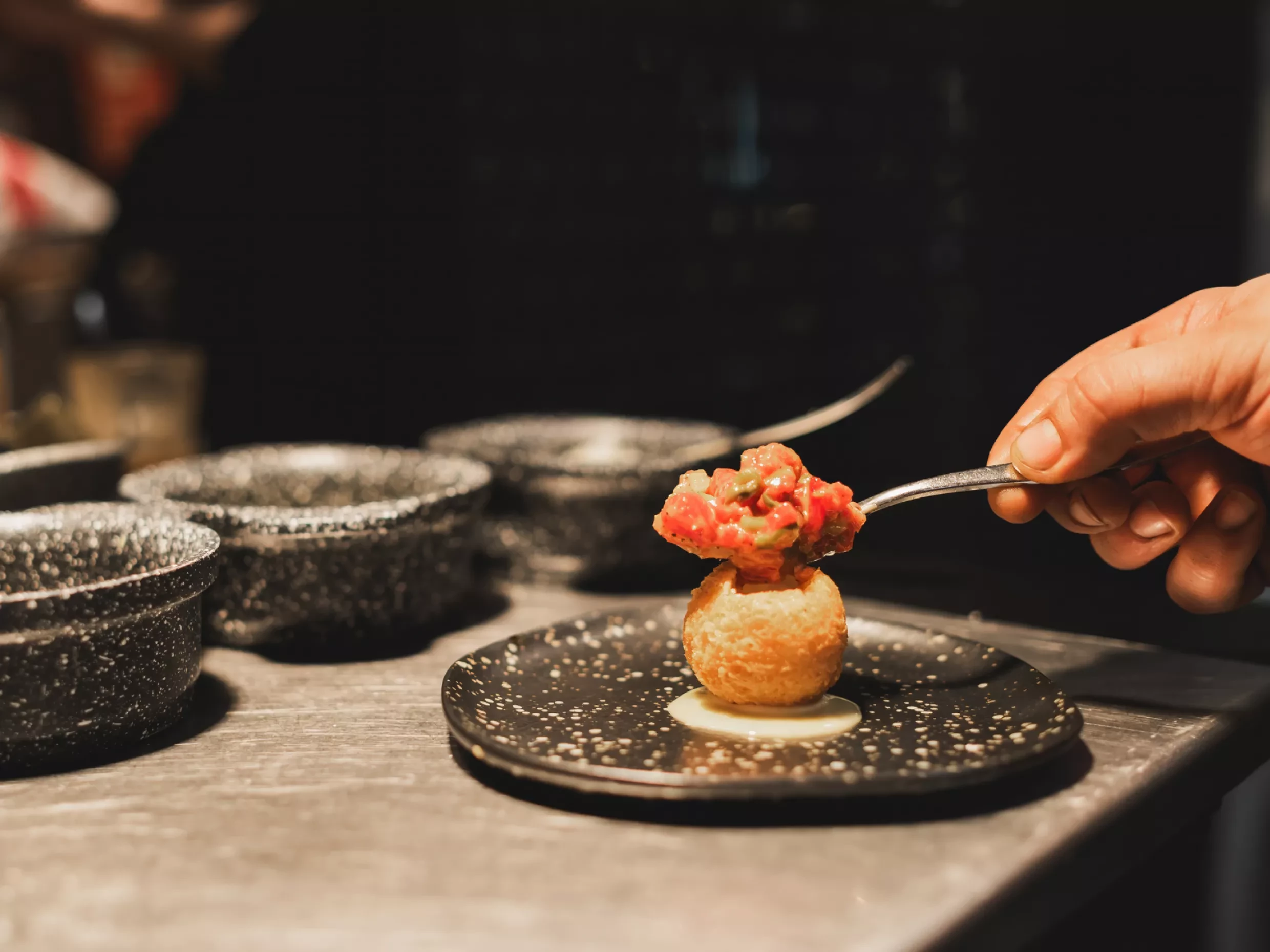
To stand out among Michelin-quality dining rooms and to be part of the conversation around the world’s best, a restaurant has to excel across several fronts. Voters are not only looking for extraordinary cooking, but also for - among other things - service, consistency, atmosphere, originality, and a sense that every detail has been considered. It’s this combination that turns a superb meal into a truly unforgettable one.

Impeccable Hospitality
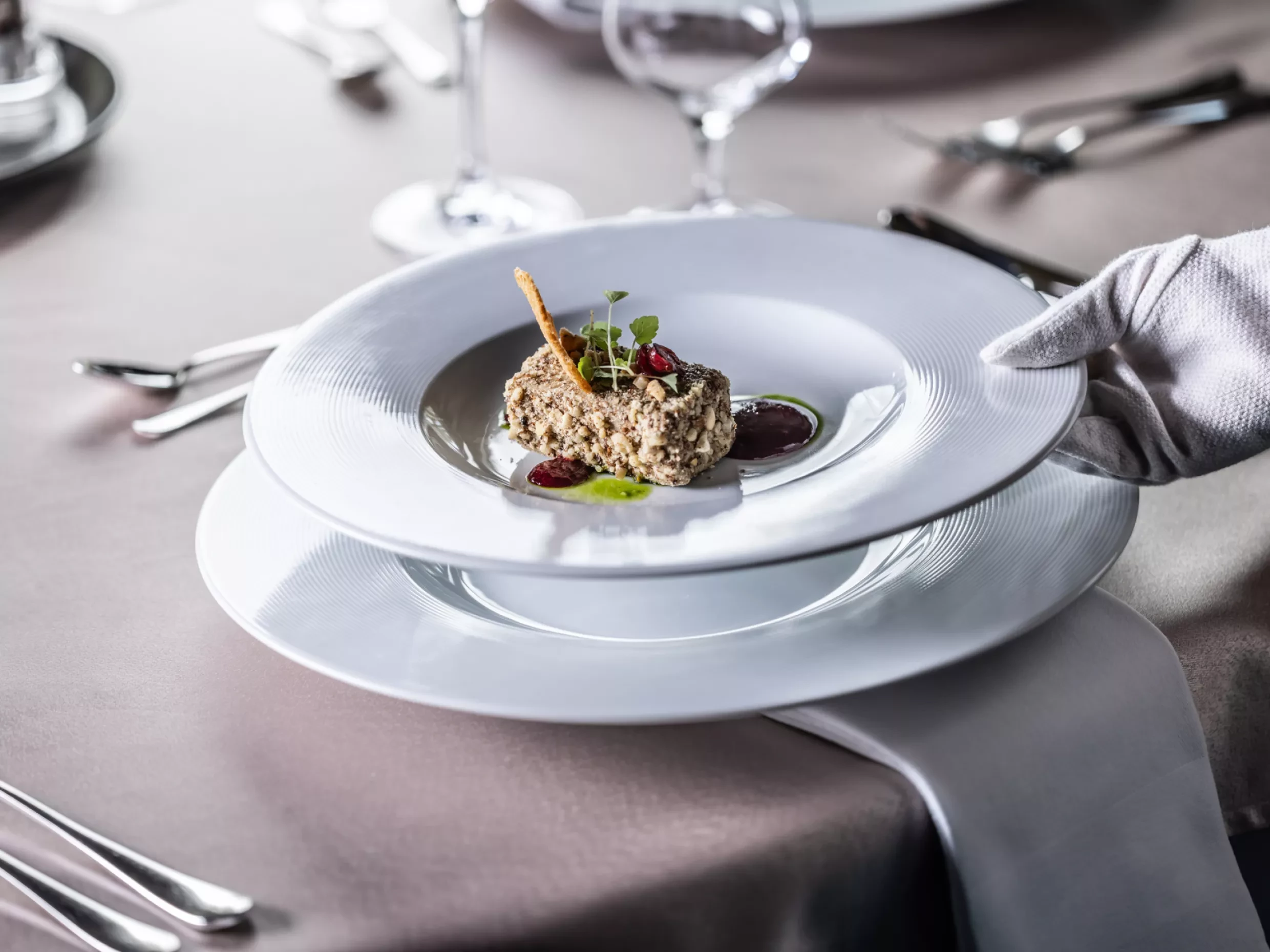
At the world’s best restaurants, hospitality is polished but never mechanical, attentive but never intrusive. The best front-of-house teams anticipate needs before they’re spoken, guiding guests through the experience with confidence, warmth, and precision. Great service also helps shape the meal, ensuring every course arrives at exactly the right moment. When it works well, service disappears into the background and allows the food and experience to shine.
Exceptional Ingredients
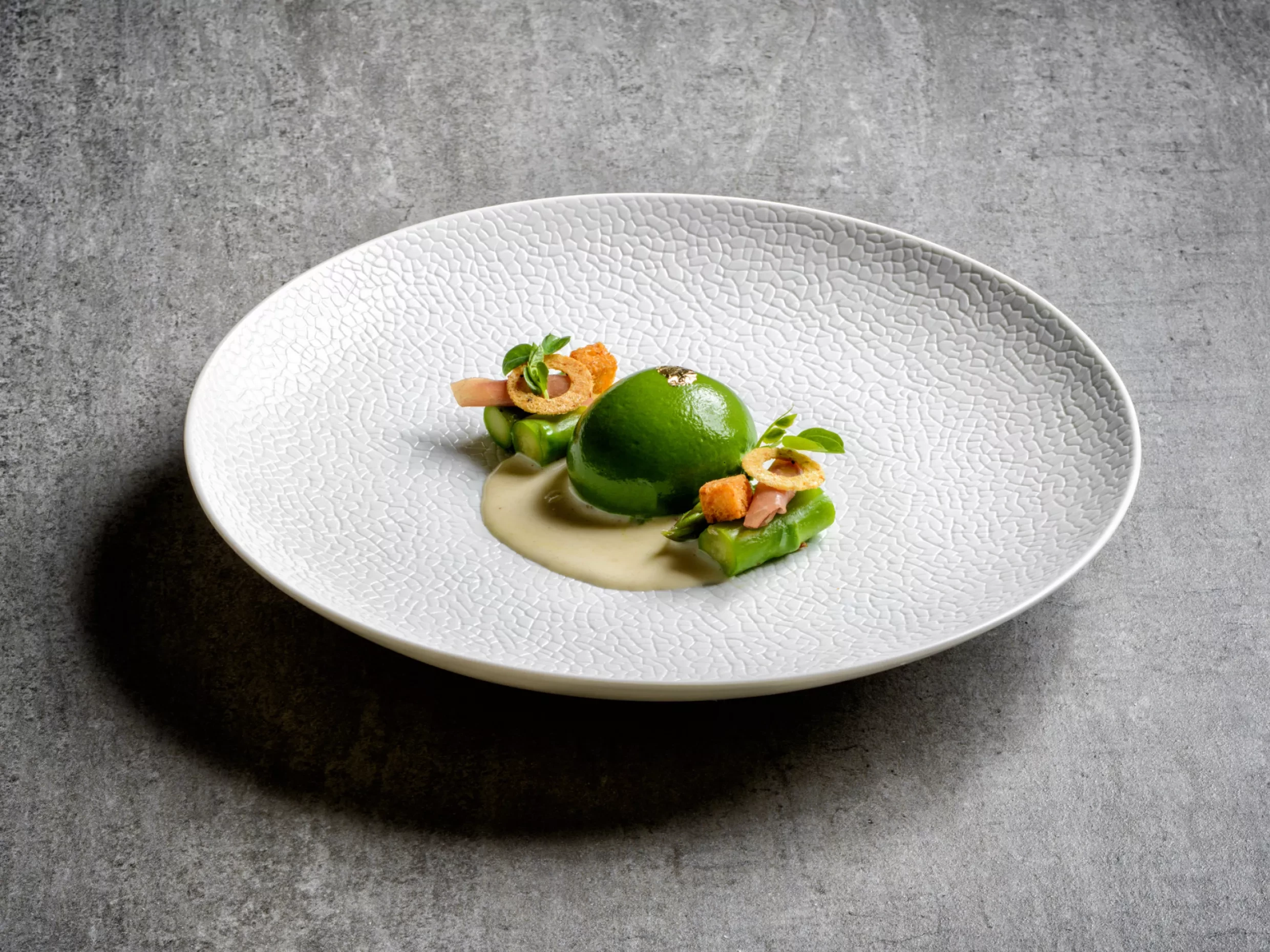
At this level, ingredients matter immensely. The world’s best restaurants often begin with produce, fish, and meat which are sourced with extreme care and used at the peak of their season. But rarity alone isn’t enough. Voters notice when a kitchen understands provenance, freshness, and restraint. Exceptional ingredients provide the foundation, but the chef’s judgment is what turns them into something special.
Unwavering Consistency
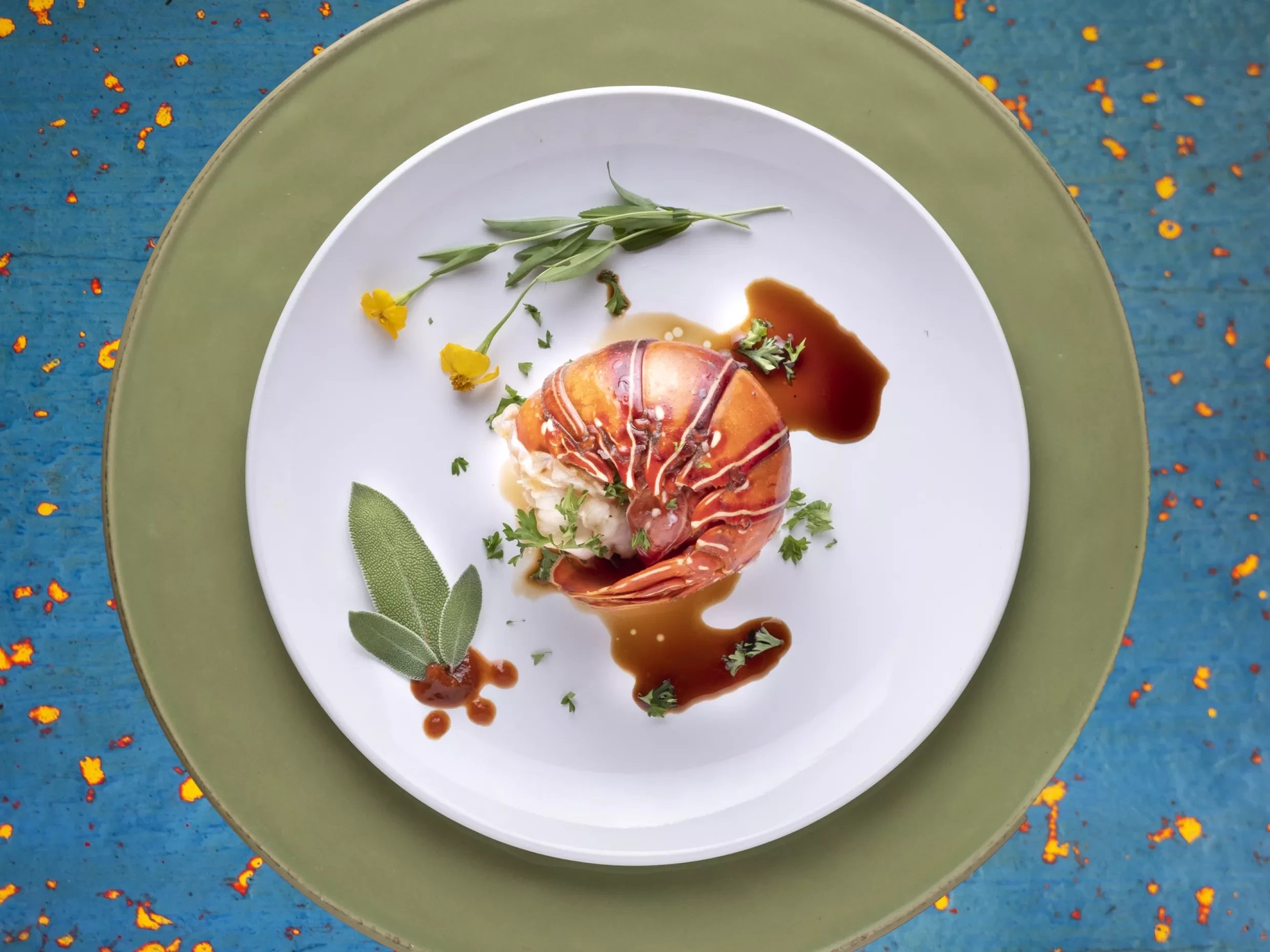
Consistency is another factor which separates a strong reputation from a lasting one. The best restaurants deliver the same level of precision, flavour, and attention in every dish, every single time, without fail. Consistency speaks to the discipline of the kitchen and proves that excellence isn’t accidental.
Astonishing Culinary Talent
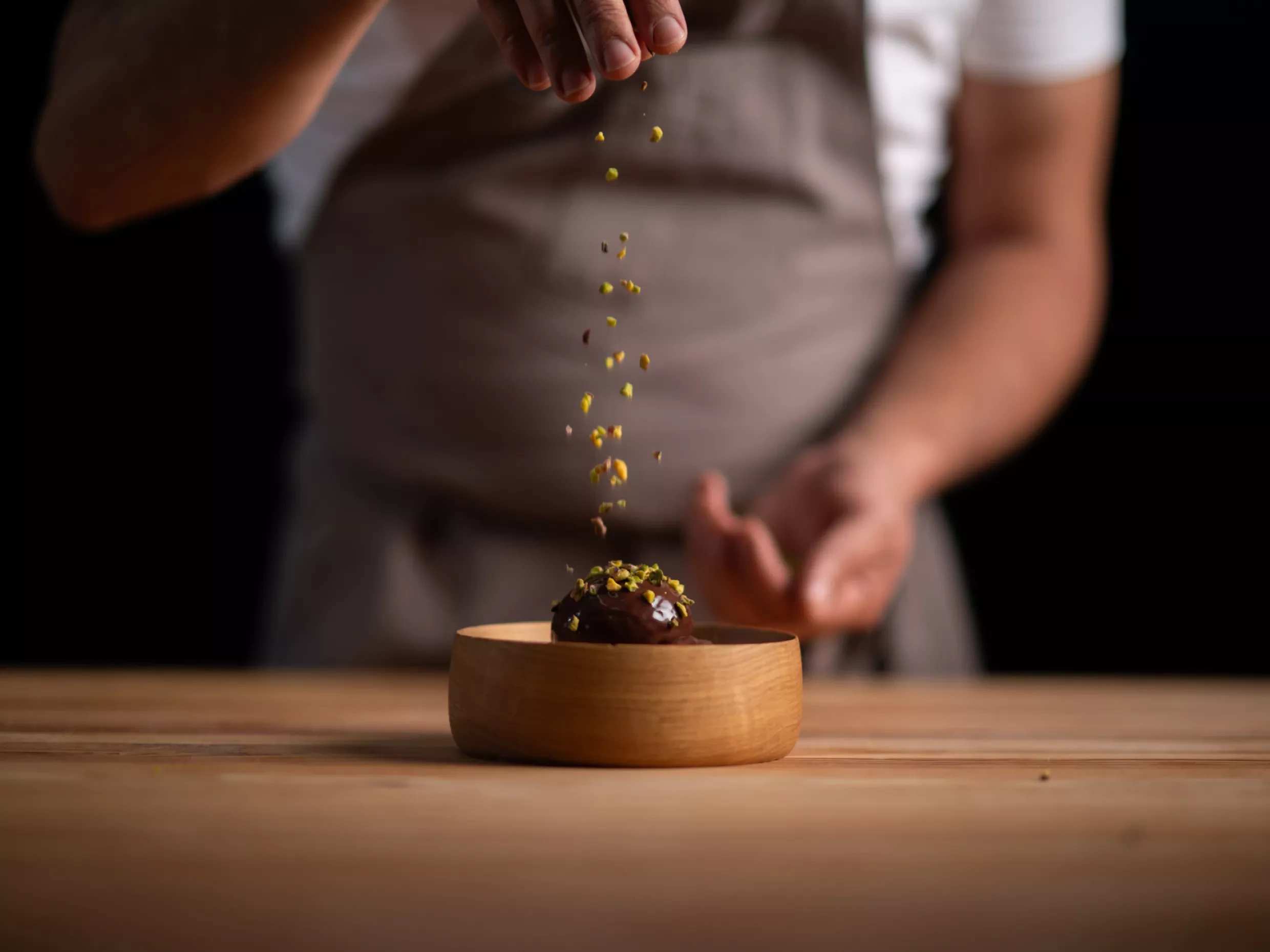
Behind every great restaurant is a kitchen led by extraordinary talent. That includes not only the head chef, but also the wider team responsible for execution, creativity, and discipline. The best restaurants are often driven by chefs who combine technical command with a clear personal voice, creating dishes that feel both accomplished and distinctive. It’s no coincidence that the best restaurants over the last twenty-five years have or have had at their helms the world’s most innovative, imaginative and pioneering chefs, including Heston Blumenthal, Ferran Adrià, Thomas Keller, René Redzepi, Joan, Josep and Jordi Roca, and Massimo Bottura.
Creative Innovation
Innovation is one of the most important markers of a restaurant operating at the highest level. This doesn’t always mean using dramatic techniques or unusual ingredients. Often, the most impressive innovation is subtle - a new way of presenting a familiar flavour, a smarter approach to sustainability, or a menu format that changes how guests experience the meal. These innovations make people feel that they are seeing something original, not just expensive.
Responsible Sustainability
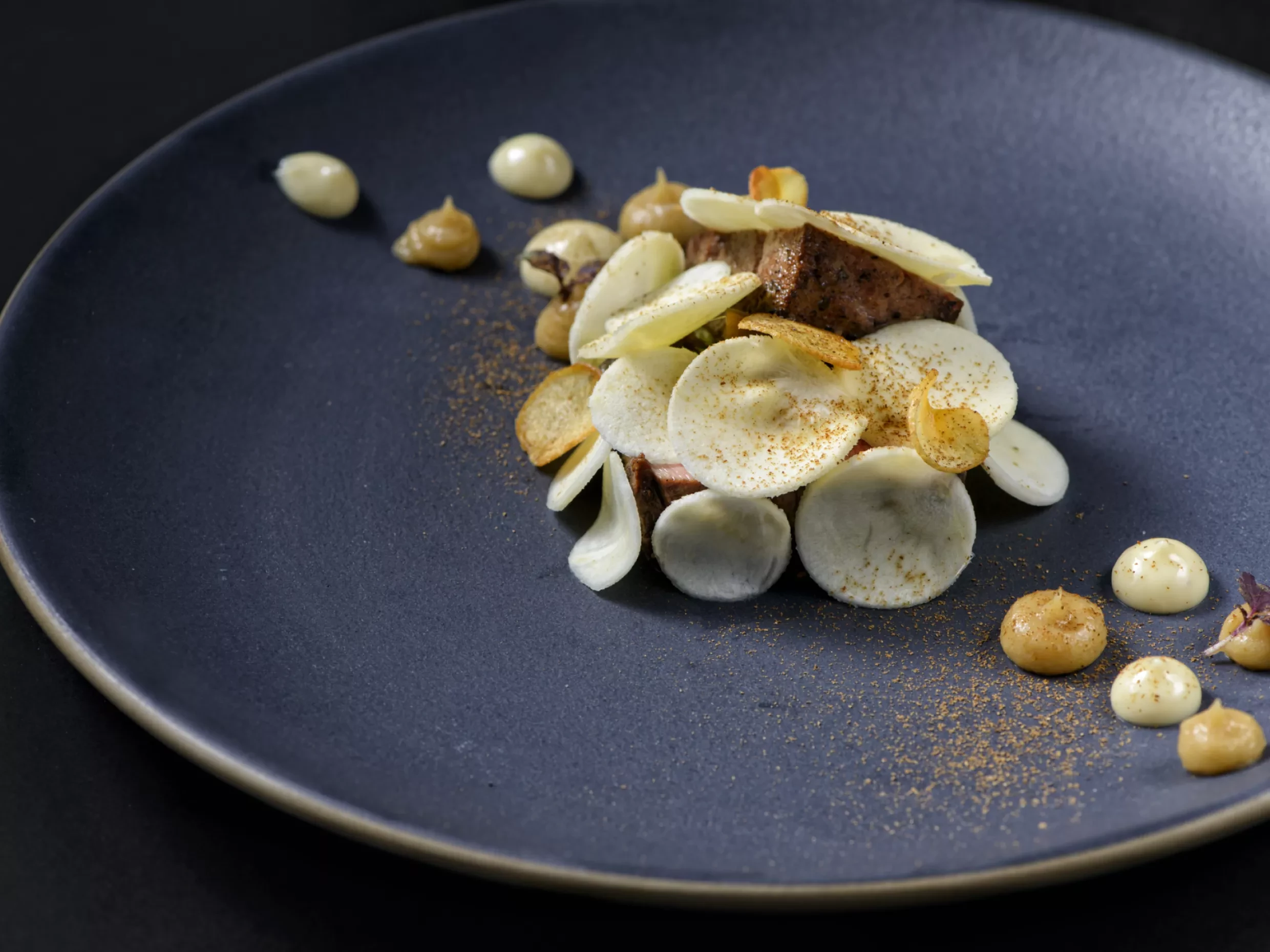
Sustainability has become increasingly important in defining modern excellence. The world’s best restaurants are expected to think carefully about sourcing, waste, seasonality, and their broader impact on the environment. The strongest restaurants find ways to be responsible without compromising quality or ambition. In some cases, sustainability even sharpens creativity, encouraging chefs to work more intelligently and reveal the full value of every ingredient.
The World’s Best Restaurants
So what are the world’s best restaurants? Since 2002, there have been just twelve finest of fine-dining establishments which have reached the number one spot, and here they are with the head chef listed -
2002, 2006 - 2009 | El Bulli | Spain | Ferran Adrià
2003 & 2004 | The French Laundry | USA | Thomas Keller
2005 | The Fat Duck | UK | Heston Blumenthal
2010 - 2012, 2014, 2021 | Noma | Denmark | René Redzepi
2013, 2015 | El Celler de Can Roca | Spain | Joan, Josep and Jordi Roca
2016 & 2018 | Osteria Francescana | Italy | Massimo Bottura
2017 | Eleven Madison Park | USA | Daniel Humm
2019 | Mirazur | France | Mauro Colagreco
2022 | Geranium | Denmark | Rasmus Kofoed
2023 | Central | Peru | Virgilio Martínez and Pía León
2024 | Disfrutar | Spain | Eduard Xatruch, Oriol Castro, Mateu Casañas
2025 | Maido | Peru | Mitsuharu Tsumura

The Best of the Best
The world’s best restaurant is not simply the one with the prettiest dishes or the most famous name above the door. It’s the one which brings together exceptional food, effortless service, unwavering consistency, eye-watering creativity, and a sense of purpose into one unforgettable experience. That’s why the debate will never be entirely settled. And good luck trying to get a table!