






















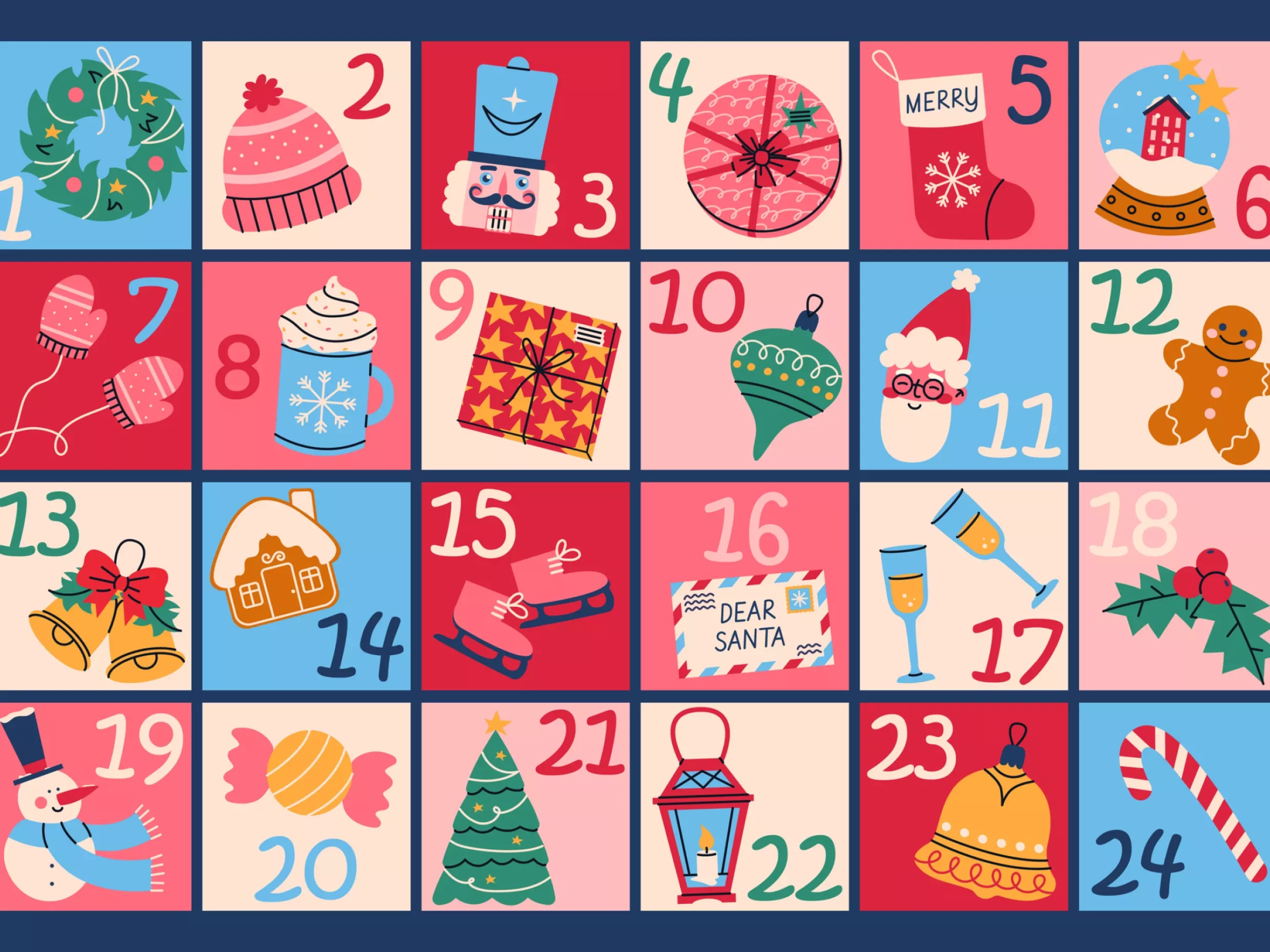
Nothing’s guaranteed to light up a December morning like opening an advent calendar window for a tiny chocolate treat. But where did this delicious tradition come from? We’re unwrapping the festive story behind Advent calendars, tracing their journey from tiny chalk marks on a doorframe to the glossy boxes and foil-wrapped truffles of today. Ready to explore how this countdown became a celebration in its own right? Let’s begin.
The Advent of Advent
Advent’s roots stretch deep into early Christianity. The word itself comes from the Latin adventus, meaning “coming,” referring both to the celebration of Jesus Christ’s birth and the anticipation of the Second Coming. In Western Christian traditions, Advent begins on the Sunday nearest November 30, marking the start of the liturgical year. The season’s length changes annually, expanding or shrinking depending on which day of the week Christmas falls upon.
The earliest observances of Advent may date back as far as the 4th century, originally linked not to Christmas but to the baptism of new Christians during Epiphany. By the Middle Ages, Advent became firmly attached to preparations for Christmas and, over time, marking each day of Advent became part of the festive tradition.
Candles, Chalk, and Counting Down
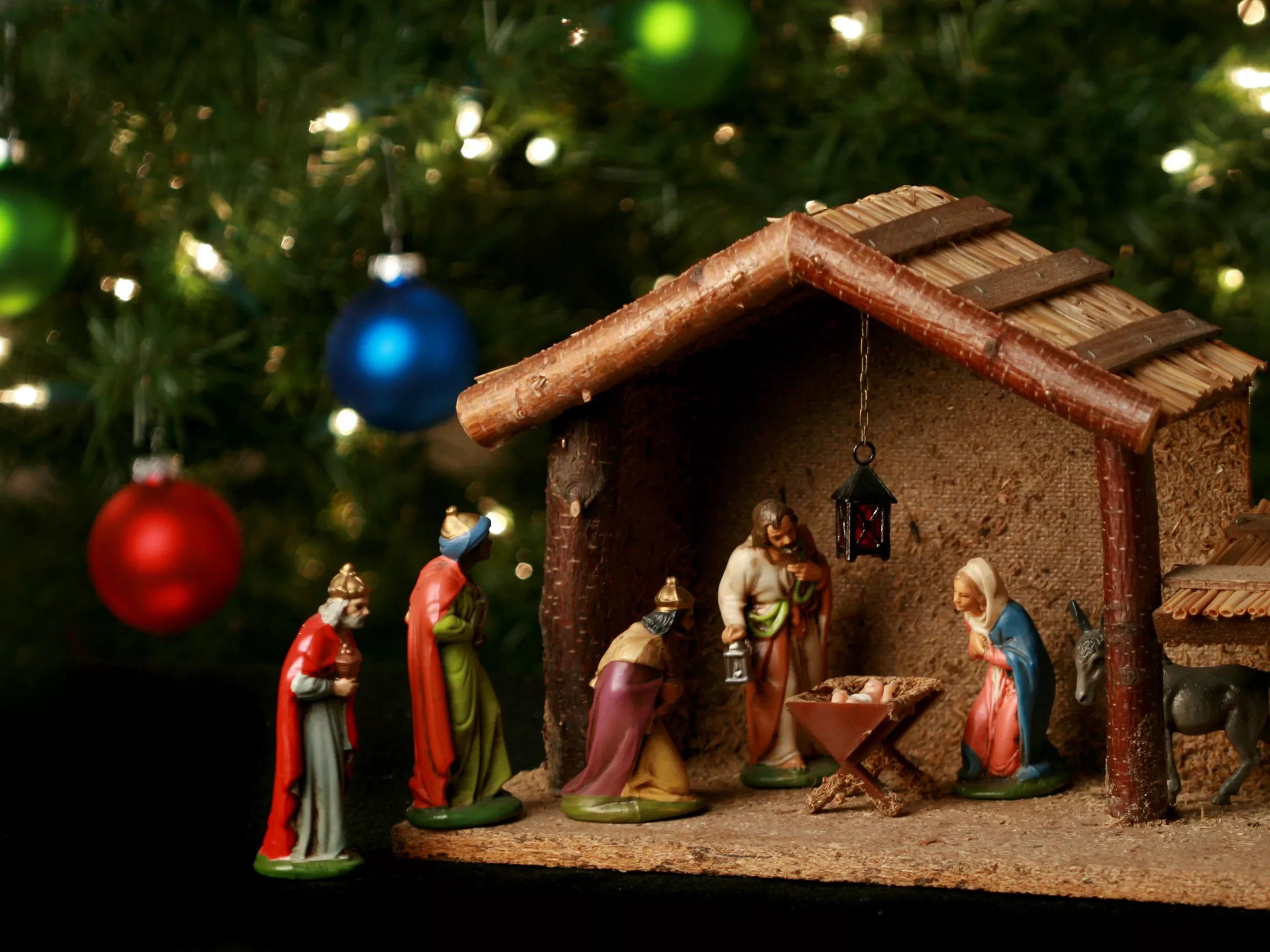
German Protestants in the 19th century introduced several inventive methods for tracking the days until Christmas. Chalk marks on doorframes, daily lit candles, images hung on walls, and even pieces of straw placed in a Nativity crib. Alongside these ideas emerged the Advent wreath, which had its roots in the 16th century and had taken its more recognisable form by the 19th century. Originally styled with 24 candles - a rather daring approach that asked a circular display of flaming wax to coexist with evergreens - it later settled into a safer four candle version, typically three violet and one rose. Families lit one candle each Sunday in the run up to Christmas itself.

The Advent Calendar Takes Shape
The earliest Advent calendars appeared in Germany in the 19th century, taking the form of simple paper arrangements. One story says it was actually invented by a Munich mother who grew tired of answering her child’s questions about when Christmas would finally arrive!
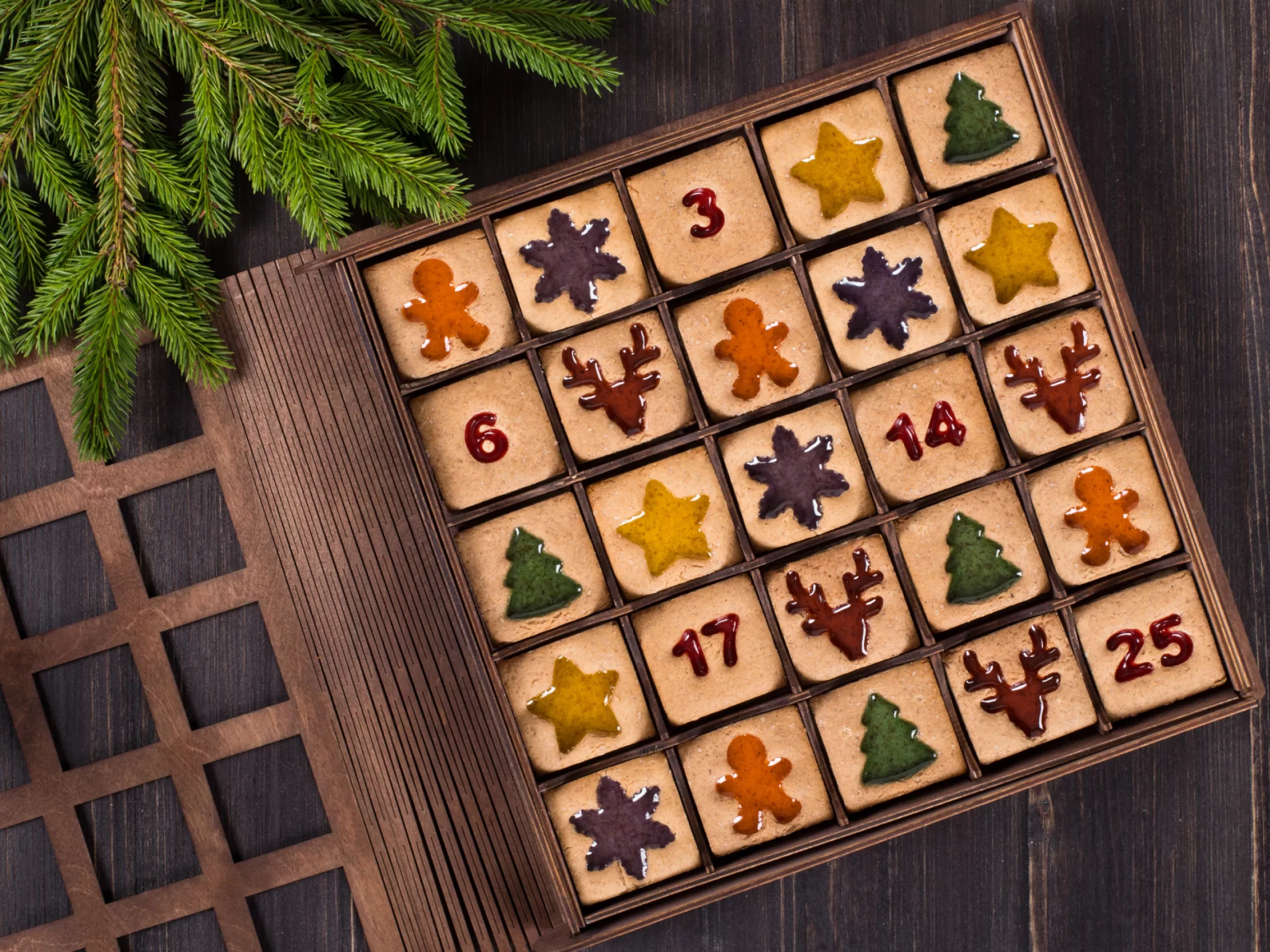
The tradition gained commercial form in the early 20th century, and one name stands out: Gerhard Lang, a German publisher whose innovations shaped the calendar’s modern identity. Inspired by his own mother - who had sewn either 24 cookies or 24 pictures onto cardboard for him as a child - Lang produced printed calendars featuring small images. By the 1920s, his designs included doors which opened to reveal these pictures, an idea that was soon adopted widely by other publishers. Bible verses and seasonal illustrations quickly found their way behind the flaps, for those who bought them to discover.
A Wartime Pause and a Post-War Revival
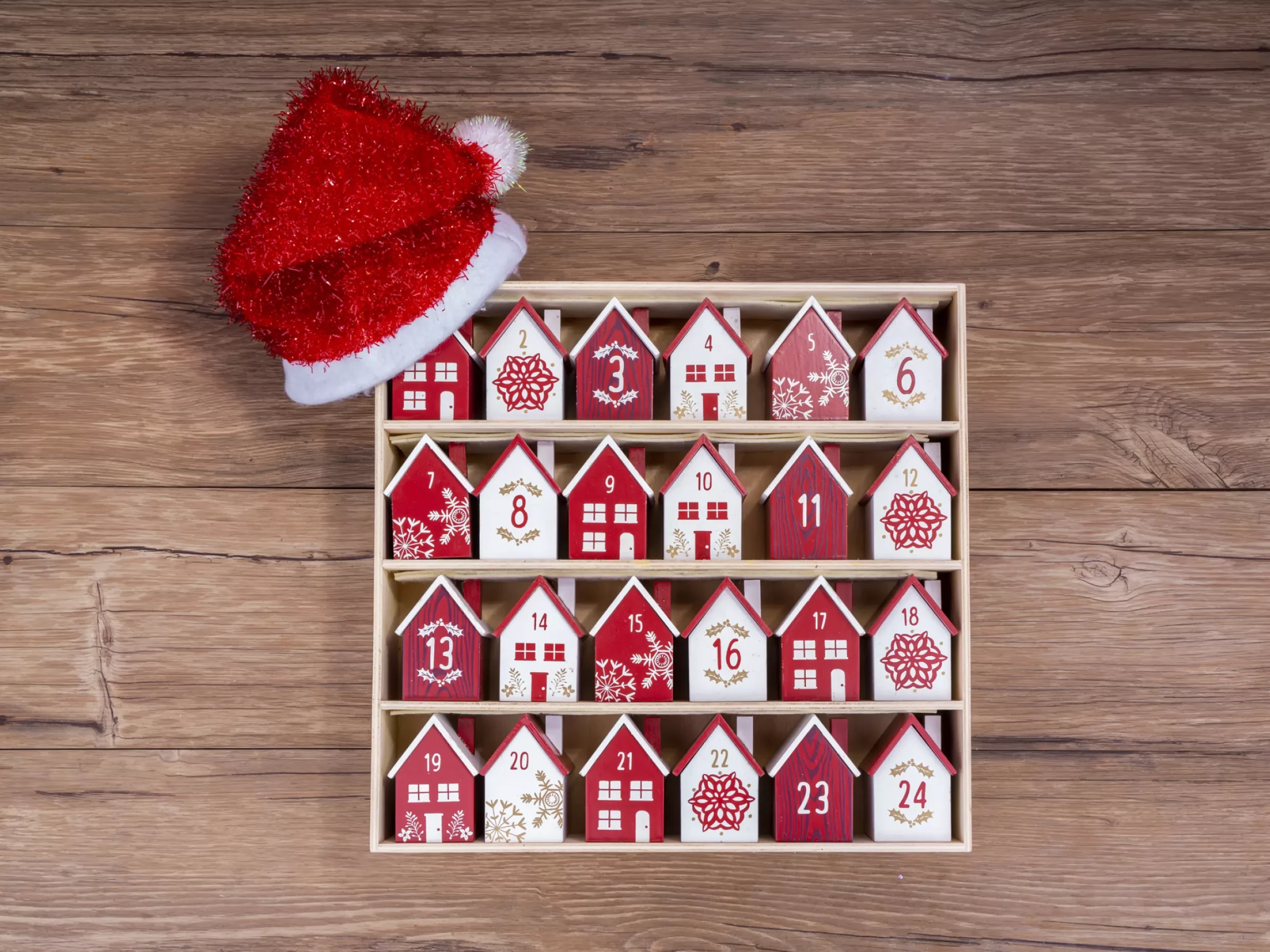
The momentum of the Advent calendar met an abrupt halt during World War II. Yet as soon as the war ended, the tradition revived. German publisher Richard Sellmer played a pivotal role in this. His post-war calendars, filled with snowy townscapes and whimsical details, captured hearts both in Germany and abroad.
Returning Allied soldiers also helped spread the idea more widely, carrying Sellmer’s calendars home to countries such as the UK and US. From those early post-war years onward, the Advent calendar began its transformation into a global fixture.
Enter Chocolate: The Delicious Revolution
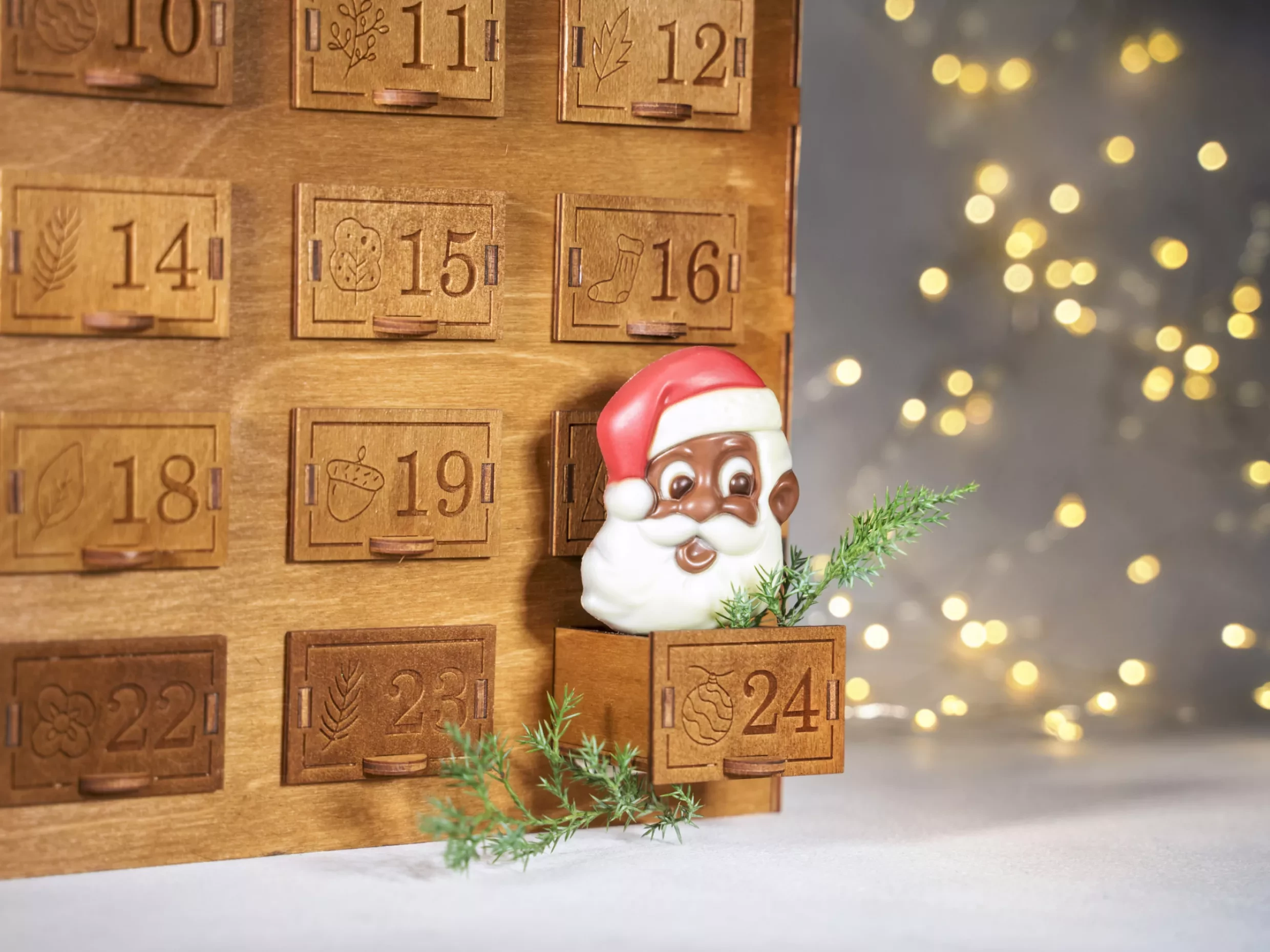
Although Lang’s calendars popularised pictures and verses, another key - and possibly the most crucial - element waited in the wings. By the 1950s, confectioners introduced chocolate-filled Advent calendars, and the ultimate Christmas countdown tradition was born!
The chocolate versions rapidly outpaced picture-only editions. Improvements in food manufacturing and packaging brought consistent quality, while longer shelf life and better packaging helped transform them into a mass market global phenomenon.
The Advent Calendar in Pop Culture and Global Imagination
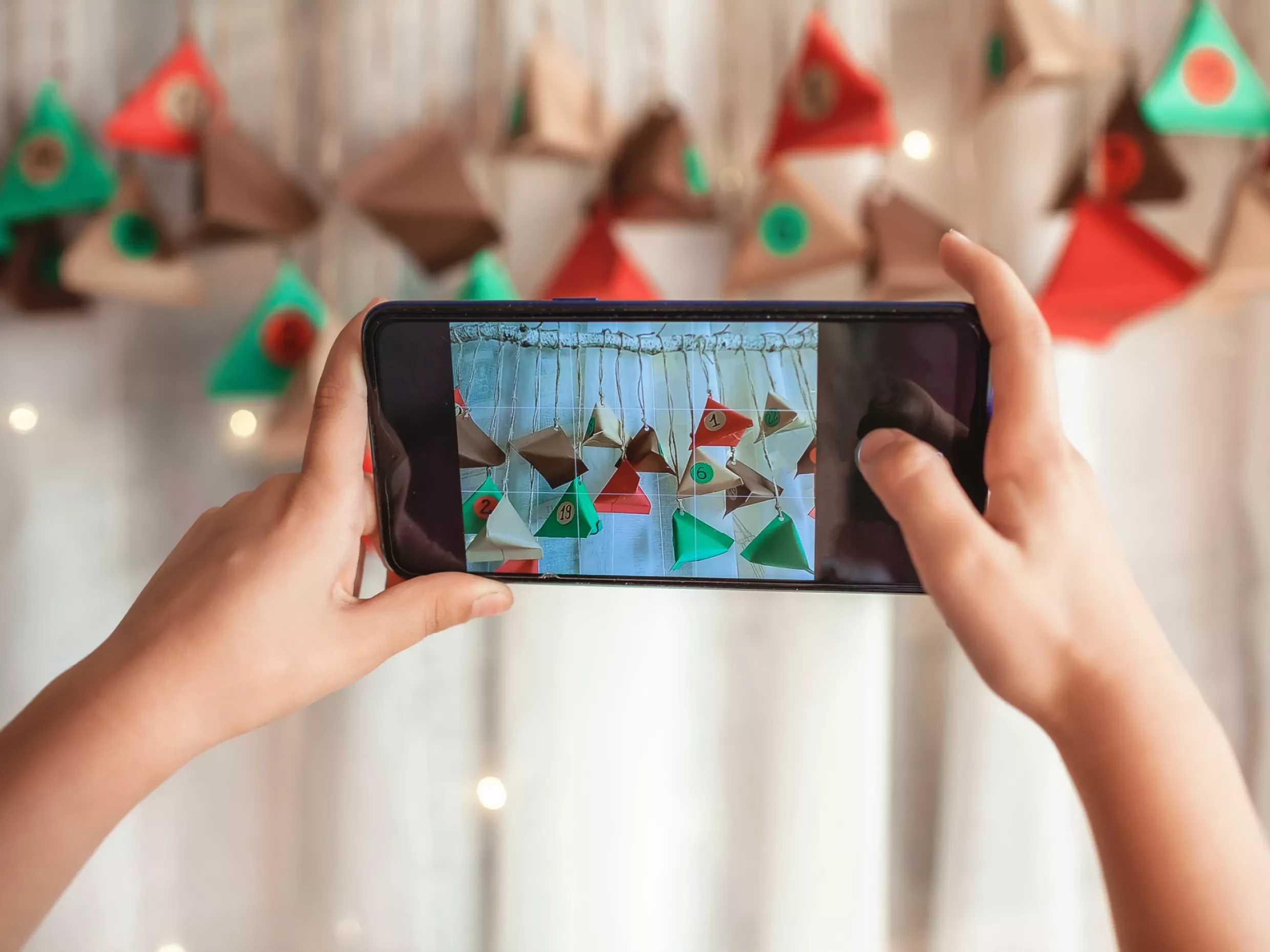
Television specials, movies, and ad campaigns around Christmas were soon full of Advent calendars of every theme and type. In more recent times, the rise of social media has taken the trend even further. Daily ‘door reveals’ and countdown videos have turned the Advent calendar into a digital experience - 24 tiny surprises, each with its own moment, fitting seamlessly into the age of unboxing.
Innovation Behind the Doors
Recent decades have seen remarkable diversification. Gourmet chocolatiers crafted calendars filled with handmade truffles, caramel-filled delights, and limited-edition flavour experiments. Luxury retailers embraced the Advent format with calendars offering beauty products, jewelry, teas, craft coffees, or artisan foods. The simple chocolate square now competes with scented candles, miniature books, pet treats, tiny puzzles, and even fitness gear. The possibilities are seemingly endless!

A Countdown Worth Savouring
From chalk marks and candlelit wreaths to printed doors and sweet surprises, the Advent calendar’s emergence reflects hundreds of years of festive celebration. And as each December arrives, the tradition continues: one door, one surprise, one mini treat at a time!