




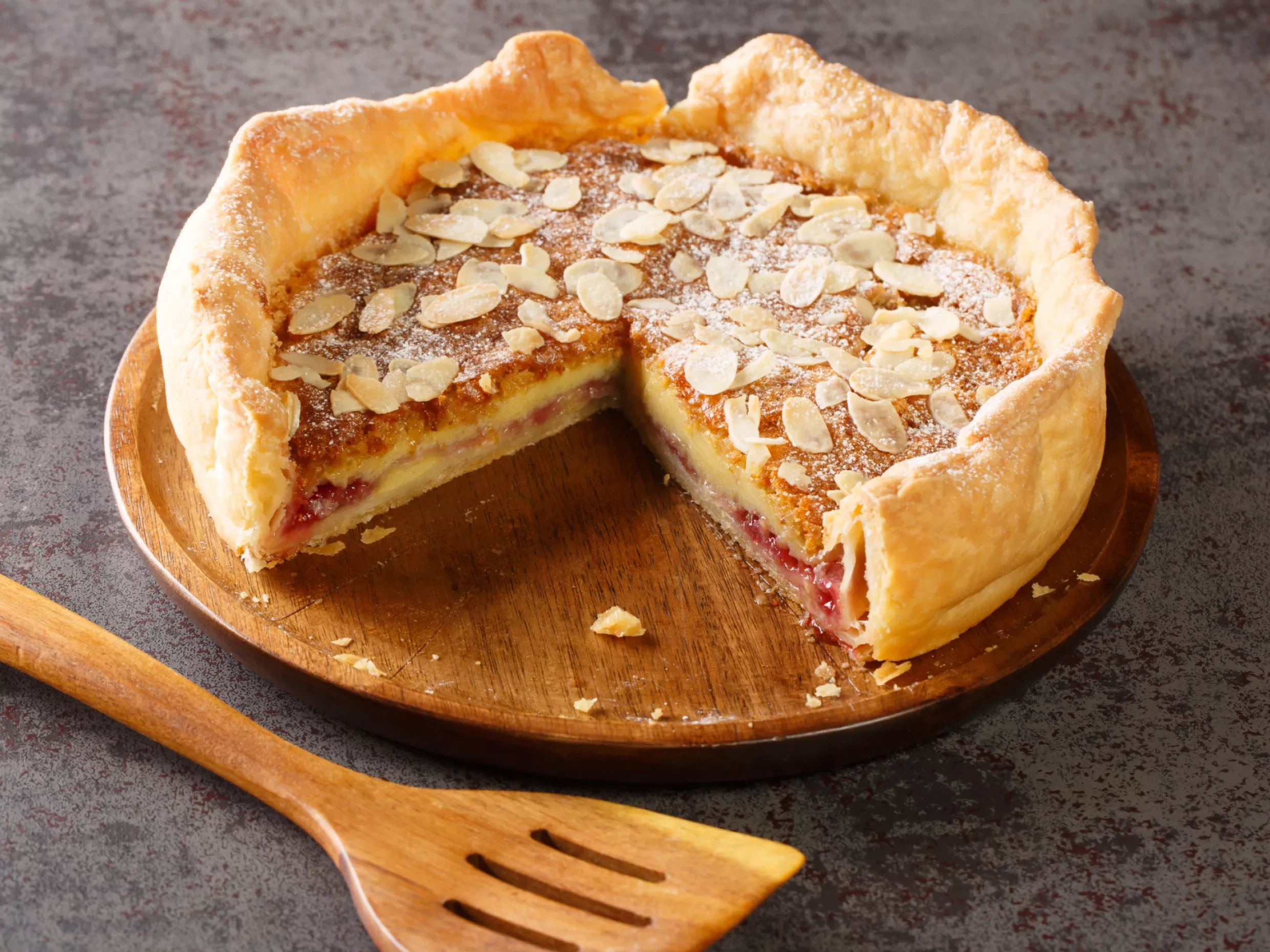
Flaky at the edges, golden, wobbly and custardy in the middle, and oozing with jam beneath a sweet almondy layer, the Bakewell pudding is a dessert with far more intrigue than its unassuming appearance suggests. Depending on who you ask, it was a happy kitchen accident, a resourceful innkeeper’s improvisation, or a carefully guarded local speciality that put a Derbyshire town on the culinary map. So how did this preserve-packed pastry evolve from a supposed slip-up in a country kitchen into one of Britain’s most beloved puddings? Let’s cut into the story of the Bakewell Pudding.
What is Bakewell Pudding?
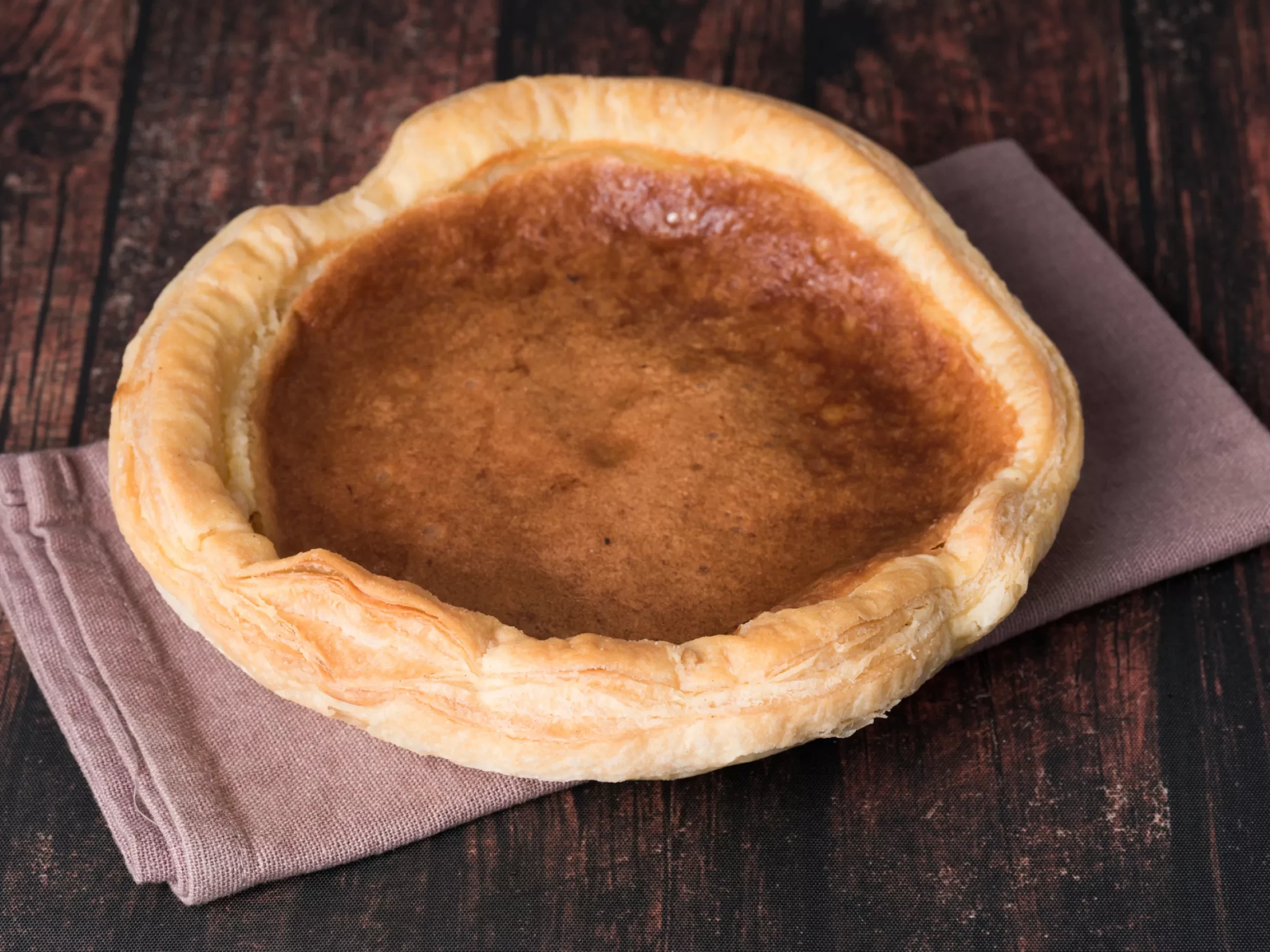
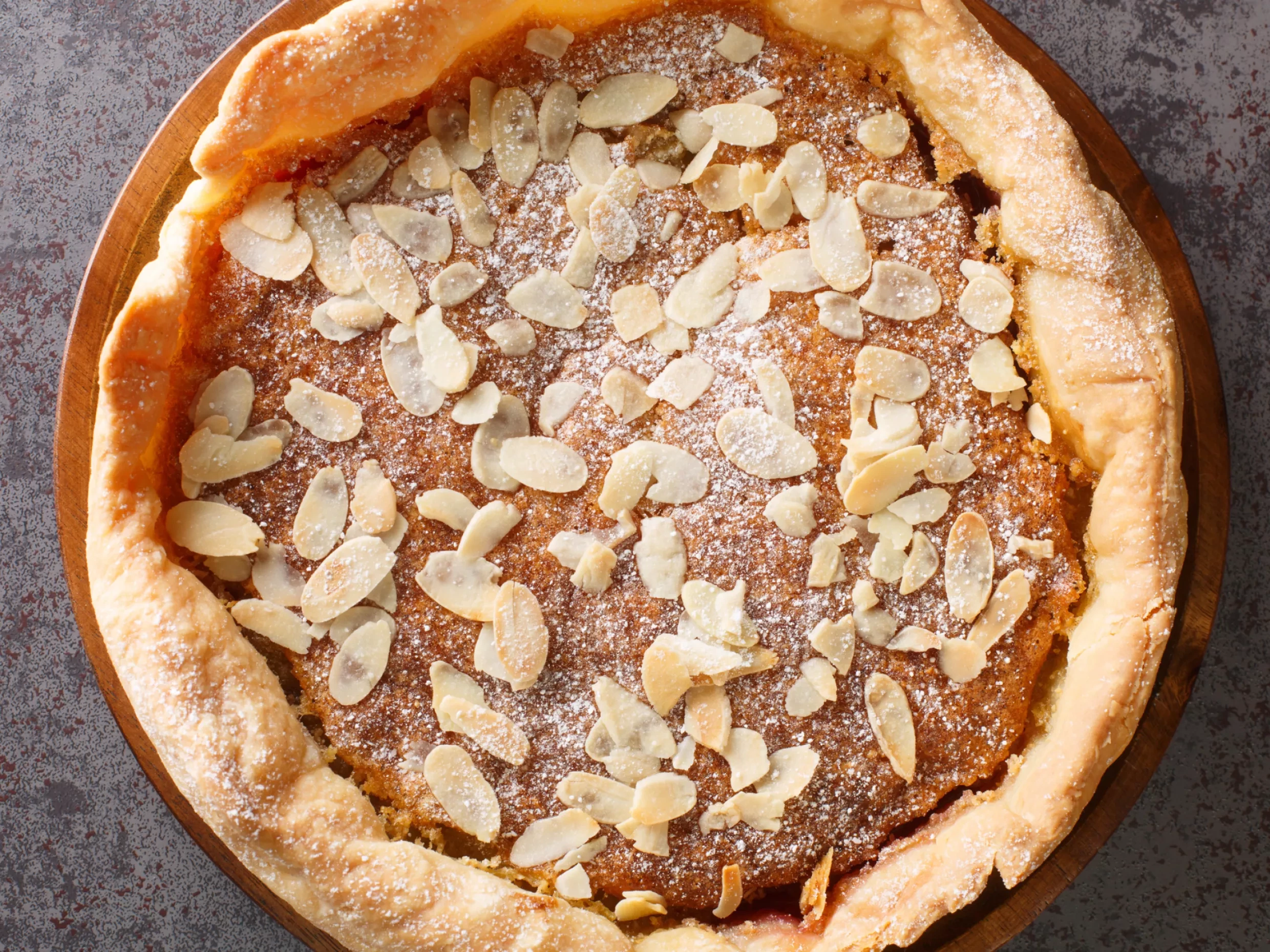
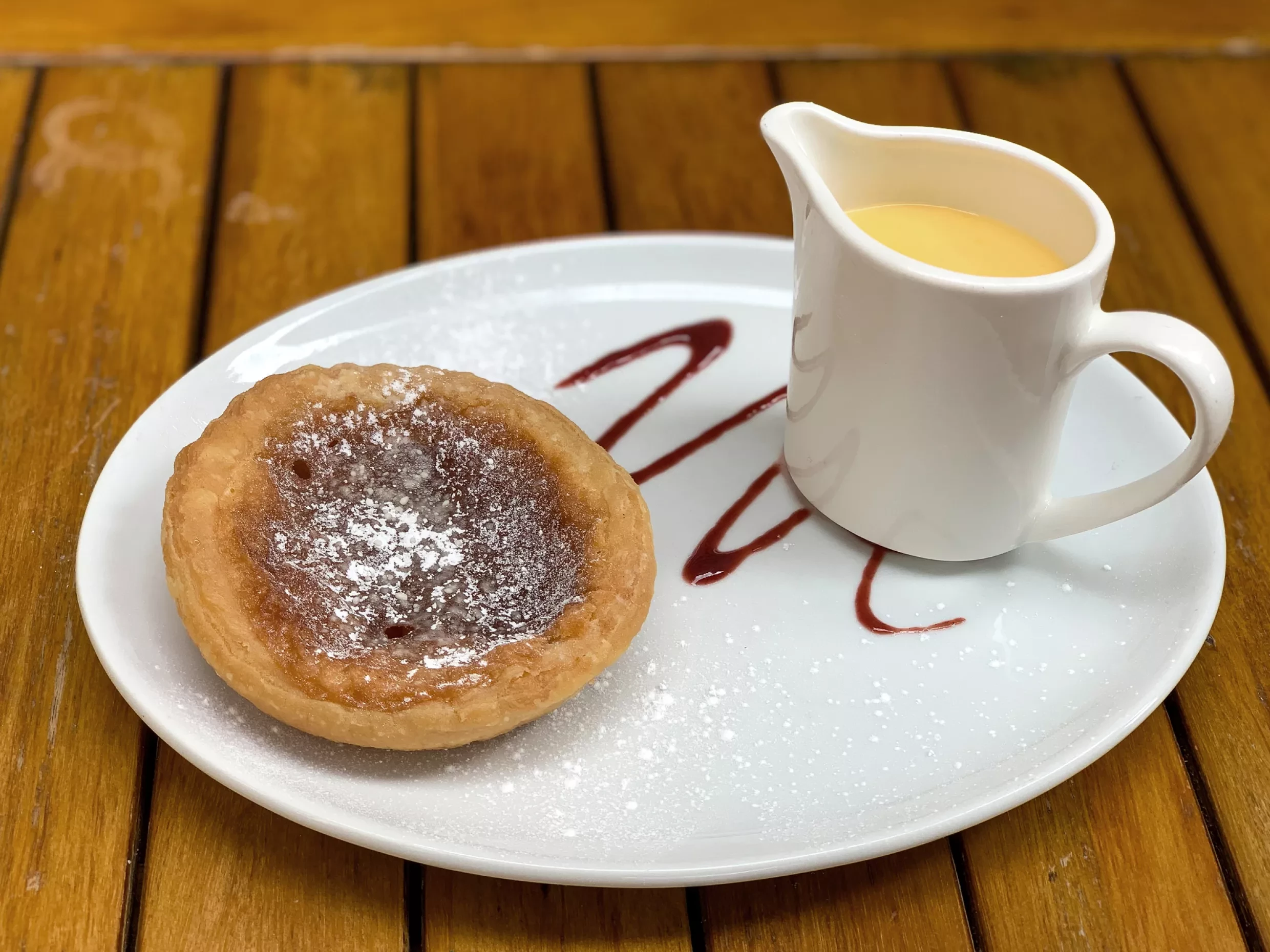
Bakewell Pudding is a rich, eggy dessert made with a thin pastry base, a layer of fruit jam, and a soft, buttery filling set with eggs and ground almonds. It’s rustic and pudding-like with the jam bleeding slightly into the custardy layer underneath. Early versions were made from simple pantry ingredients - puff pastry, raspberry or strawberry jam, butter, sugar, eggs, and ground almonds or almond essence for that unmistakable Bakewell flavour.
Over time, bakers have refined the balance of jam and filling, but the essential structure remains the same - pastry, jam, rich almondy custardy topping. From tea rooms in Bakewell to gastropub menus and home kitchens all over the country, Bakewell Pudding sits at the top table of true British classics, alongside treacle tart, jam roly-poly, apple crumble and sticky toffee pudding.
From Country Inn Kitchen to Local Curiosity
In the heart of the Peak District around twenty miles southwest of Sheffield, the market town of Bakewell hardly seems like the setting for a curious culinary controversy, yet the origin of the Bakewell Pudding begins with a story no one can quite agree on.
The most popular version centres on a cook who got the recipe for a jam tart wrong. Others credit a canny landlady or local baker with refining an existing dessert or cake into a pud that was so good it tempted visitors off the coaching roads and into town.
Even if the details are hazy, Bakewell Pudding was most likely a happy accident born in a coaching inn that very quickly became the talk of the town.
The Mixing Mistake in the Rutland Arms
The most commonly told story traces Bakewell Pudding to an early nineteenth-century mishap (some say between 1810 and 1820) in the kitchens of the Rutland Arms Hotel. It tells of Mrs Ann Greaves - variously described as the landlady, head cook, or hostess - who left instructions for a jam tart to be made for visiting noblemen, with an almond-paste layer added to the pastry base.
Instead of working the egg‑and‑almond mixture into the pastry as she was supposed to, the cook spread jam over the base and poured the sweet custard-like topping on top. What should have been a straightforward tart came out of the oven with a soft, set almond-flavoured custardy filling over bubbling jam. It wasn’t what was ordered, but Mrs Greaves felt like they had stumbled across something so delicious, it quickly became a house speciality rather than a one‑night curiosity.
A published history of the Rutland Arms Hotel suggests that by 1835 recipes were already circulating locally (with more than one Bakewell innkeeper associated with it), which implies it quickly became something multiple places could make, not a tightly controlled ‘house secret’.
It’s around this time that Mrs Wilson joins the story of Bakewell Pudding.
The Curious Story of Mrs Wilson
The next part of the tale reads like something from a mystery novel. The details are hazy and heavily wrapped in local legend, but the broad outline is consistent across most versions of the story.
It focuses on Mrs Wilson, the wife of a local craftsman who moved into a building owned by the Duke of Rutland that later became the Old Original Bakewell Pudding Shop. In fact it’s still there today, on The Square in Bakewell.
The legend goes that Mrs Wilson heard about the success of this new pudding and saw a business opportunity. She is said to have ‘acquired’ the recipe - sometimes described as buying it, sometimes simply obtaining it - and around the early to mid-1860s began making and selling the puddings commercially from her own premises which visitors could take home. This begs a further question - how did it take forty or fifty years for the recipe to cross the town square?
Food historians point out that the exact mechanics (who wrote it down, whether it was a single fixed recipe, and whether it came directly from Mrs Greaves) are impossible to ascertain, but by the late nineteenth century the Wilson family were firmly established as commercial producers.
Into Print: Bakewell Puddings in Cookbooks and Columns
Bakewell Pudding appears in print a little later than some popular retellings suggest. The often‑repeated claim that it appears in Margaret Dods’ The Cook and Housewife’s Manual of 1826 turns out to be wrong. There’s no Bakewell Pudding in the first edition, only in a much later, expanded 1847 edition.
One of the earliest verifiable printed recipes comes instead from an 1837 edition of The Magazine of Domestic Economy, and in 1841, the Derby Mercury reported that at a ball at the Castle Inn there was “no lack” of the “far-famed Bakewell pudding”.
In 1845, Eliza Acton includes a Bakewell Pudding in Modern Cookery for Private Families, and Mrs Beeton follows with two variants in her 1861 Book of Household Management, signalling that what began as a Derbyshire speciality had become familiar enough to merit space in major national cookbooks.
Alongside these printed sources, there is a paper trail in private and local manuscripts that hints at how widely the recipe was circulating. Food historian Ivan Day cites an 1835 recipe attributed to Mrs Anthony of the Castle Hotel in Bakewell, preserved in a handwritten receipt book, and the Derbyshire Record Office holds a dated 1837 Bakewell Pudding recipe in the notebook of Clara Palmer‑Morewood of Alfreton Hall. These manuscript versions don’t just precede the later printed ones, they also show the pudding moving through real households and local inns before and alongside its appearances in widely-published recipe books.
How The Bakewell Pudding Took Shape
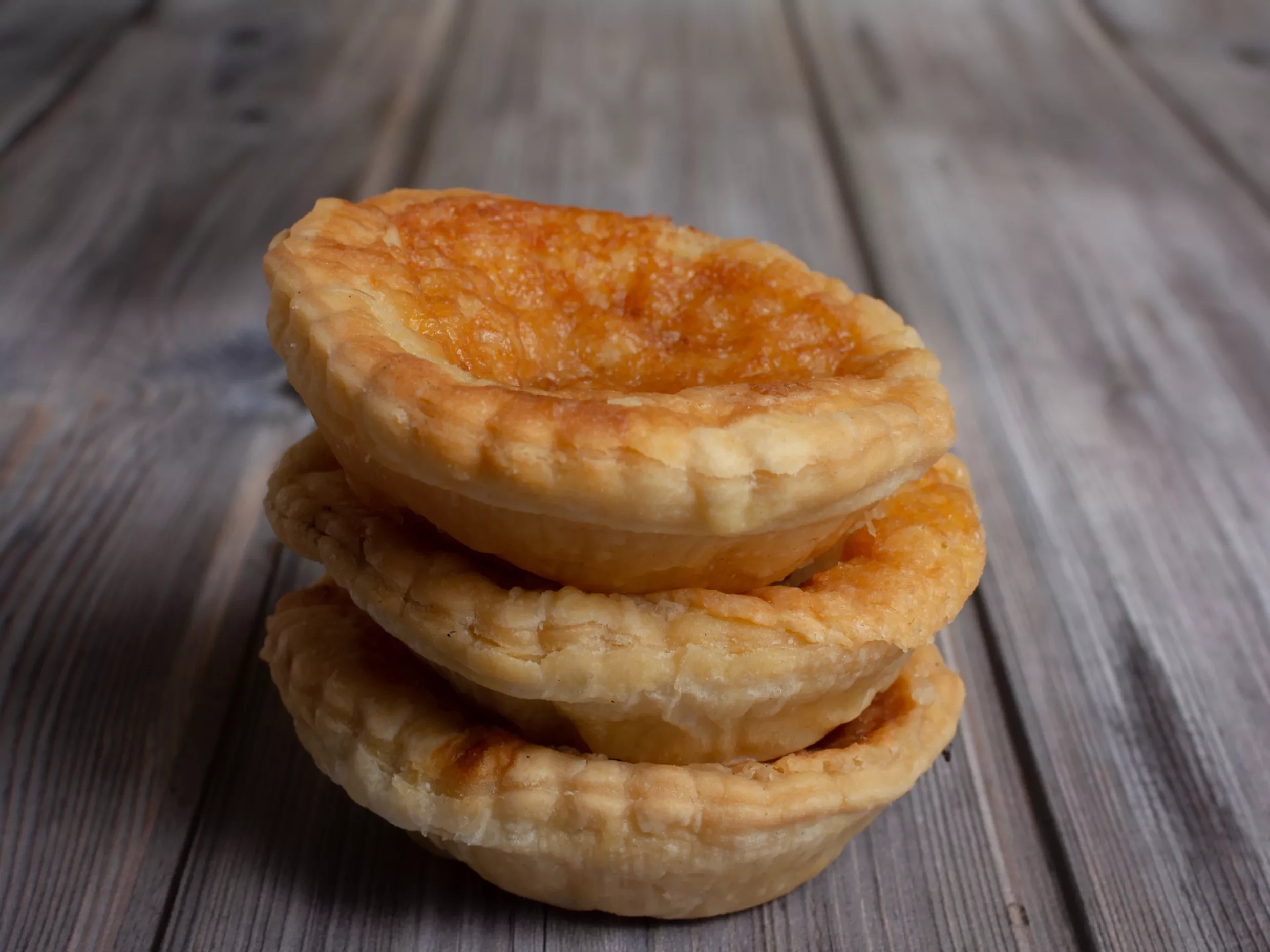
As the pudding’s reputation took flight beyond the town of Bakewell, it quickly became a takeaway souvenir for tourists visiting the Peak District. Bakewell's growing fame as a coaching stop and beauty spot meant visitors took the puddings home, spreading its reach further across Britain.
More and more local bakers capitalised on the pudding’s growing popularity, with some even claiming to have inherited the recipe from Mrs Greaves herself, sparking friendly rivalries over whose was the original. One local history legend says that Mrs Greaves left her recipe to a Mr Radford, who in turn passed it to a Mr Bloomer whose shop, Bloomers of Bakewell, is still open on Water Lane today!
By the 1890s, it was available in Bakewell shops, inns, and even posted nationwide via mail order, but it remained a regional speciality.
Into the Twentieth Century
The pudding gained national traction through cookbooks, nostalgia, and, eventually, TV chefs reviving it and putting their own spin on it, like using shortcrust instead of puff pastry for easier handling, experimenting with different jams, or adjusting the egg-almond ratio for a more custard-like consistency or a firmer, frangipane-type texture.
Commercial production expanded, both in artisan bakeries and latterly, supermarkets, but no single unified recipe emerged. Today, it's an iconic local speciality, eaten all over the world, yet fiercely guarded by Bakewell purists.
Sadly, we don’t have Mrs Greaves’ (or Mrs Wilson’s) Bakewell Pudding recipe, nor it seems can we confirm with any degree of certainty how the Bakewell Pudding came into being, but we do have some absolutely delicious variations on a theme, including Bakewell tart biscuits, an incredible blueberry Bakewell with raspberry Chantilly cream, Michelin maestro Tom Kerridge’s cherry Bakewell tart, and individual peach and cardamom Bakewell tarts that are perfect for a classic afternoon tea.
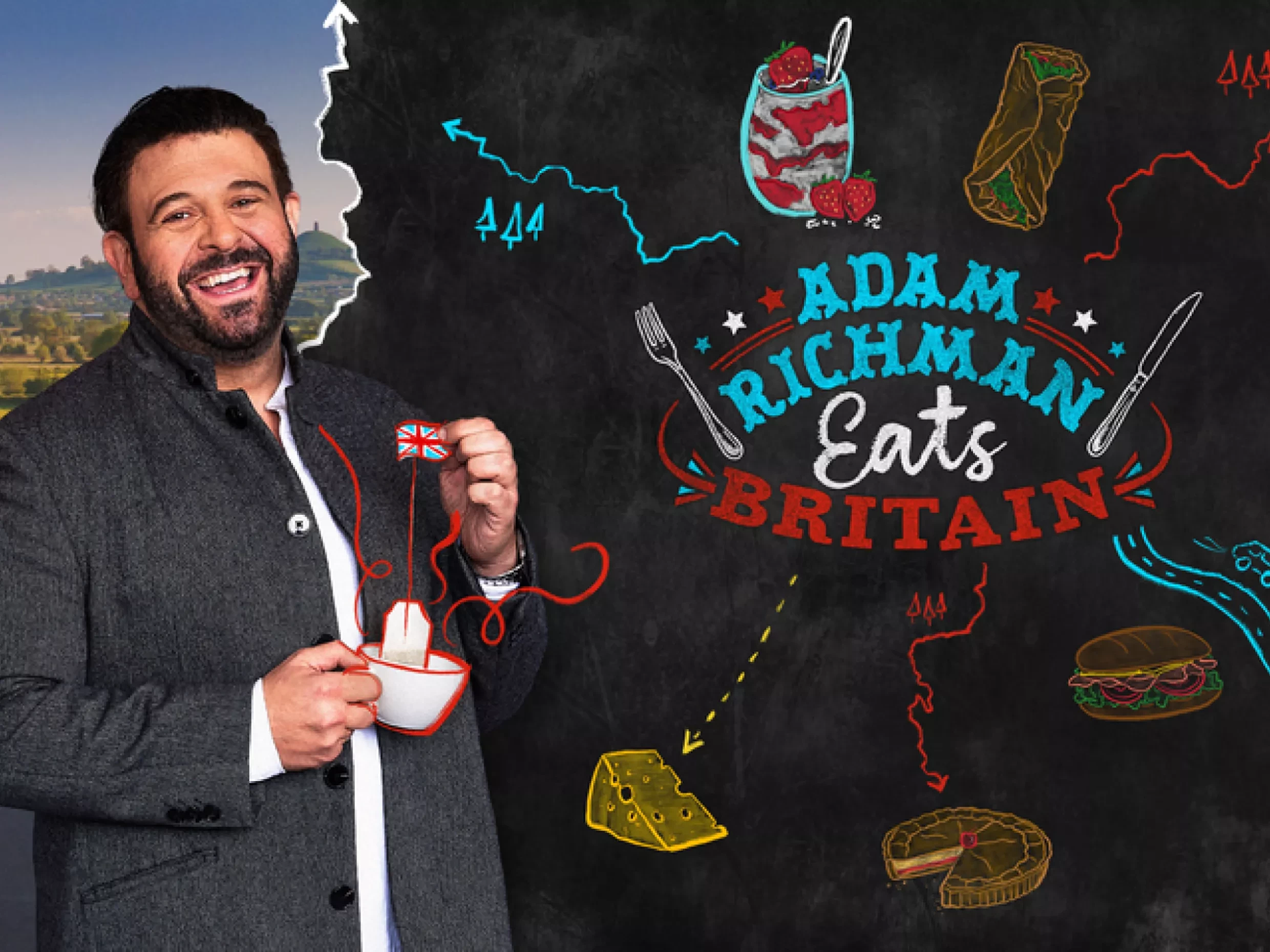
Watch Adam Richman Eats Britain On Discovery+
Man vs Food legend Adam Richman’s new show on Discovery+ uses the map as a menu as he worships at the dining table of Britain’s food superstars. In episode four, he's in the stunning Peak District to discover the accidental invention of the famous Bakewell pudding. He also visits a destination gastropub for his first taste of local grouse, and his taste-buds get unexpectedly transported to West Africa at a Cameroonian kitchen in the heart of the Derbyshire countryside.