

Crisp on top, rich and meaty in the middle, and crimped with almost architectural precision, the British pork pie is more than just a cold-cut classic - it’s a portable feast with centuries of history. Once a practical way to preserve and transport meat, it has evolved into an object of regional pride, picnic nostalgia, and fiercely defended tradition. So how did this humble hand-held pie become a national obsession, from nineteenth century bakeries in Melton Mowbray to modern eateries up and down the nation? Let’s slice into the story of Britain’s most famous pork pie.
What is a Pork Pie?
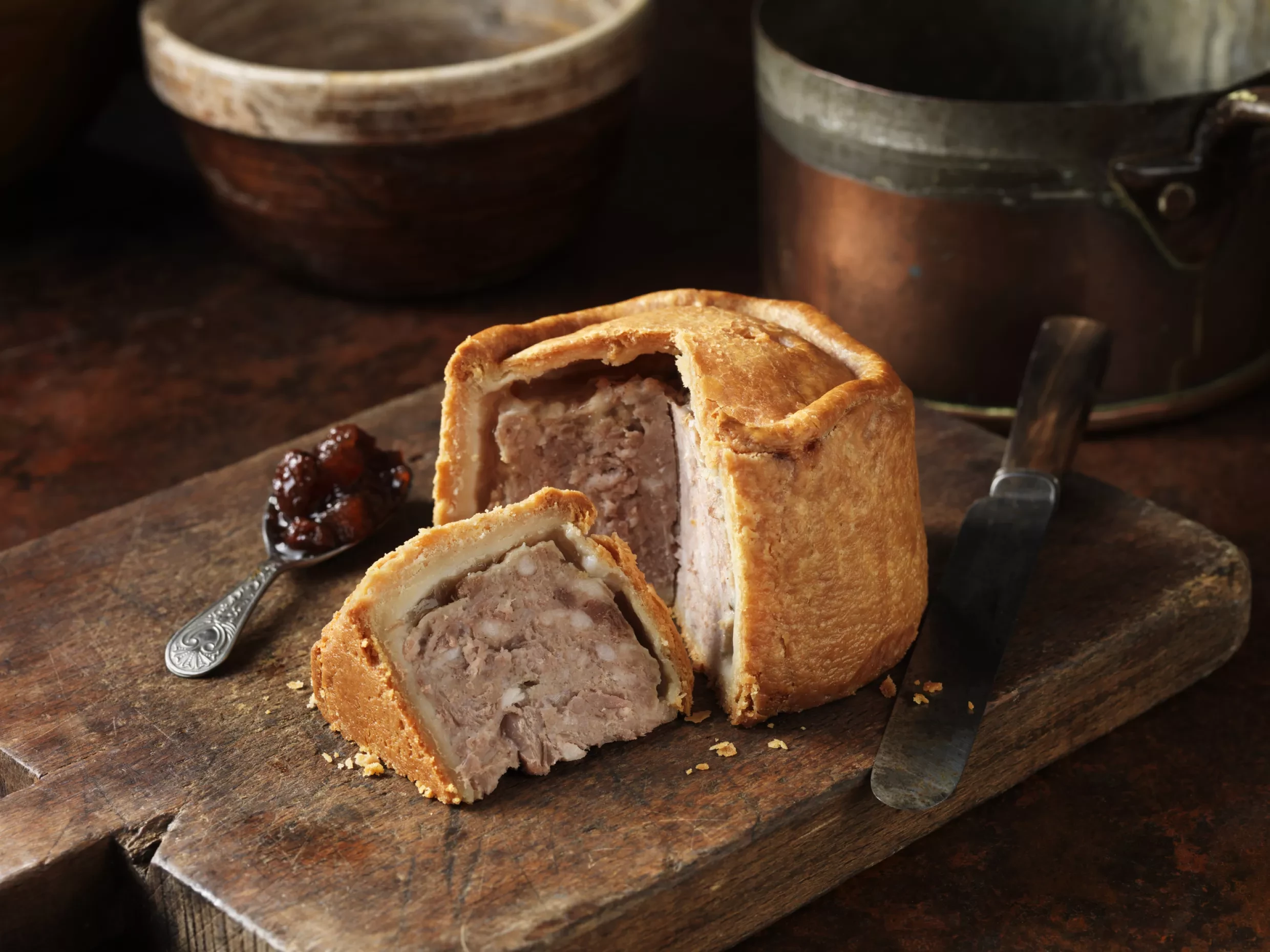
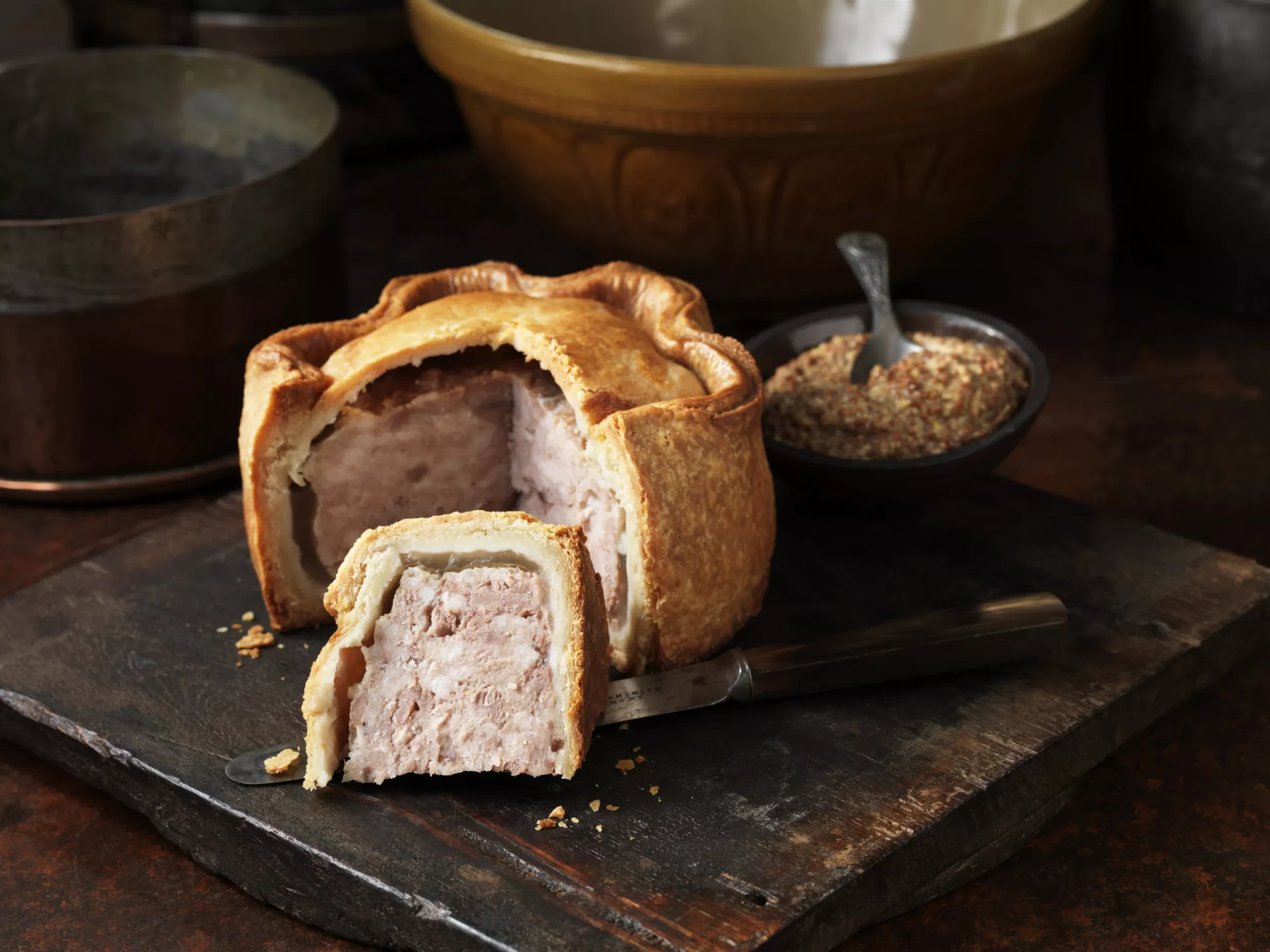
A pork pie is nothing short of a British institution. In fact few dishes connect Britain with its culinary past as closely. So without dwelling on the obvious, just what exactly is a pork pie? Simply put, it’s a pie made with hot-water crust pastry - a pliable mix of flour, lard, and scalding water - wrapped around coarsely chopped pork, then baked until crisp and crowned with a wobbly seal of pork-stock jelly. Eaten cold with a dollop of piccalilli or crunchy pickled onions, pork pies are picnic perfection and pub counter staple in equal measure. They divide opinion, but there’s no doubting the place they hold in Britain’s gastronomic canon. From medieval market stalls to protected regional icons, the pork pie carries centuries of skill, and national appetite, within its crust.
From Medieval Pastry to Portable Feast
Long before picnic hampers and ploughman’s lunches welcomed the famous pork pie, the Romans had a recipe for ham braised with figs and bay leaves, wrapped in a dough made from flour and oil and then baked. But despite these ancient precursors, it wasn’t until the fourteenth century that the pork pie as we’d recognise it today began to take form.
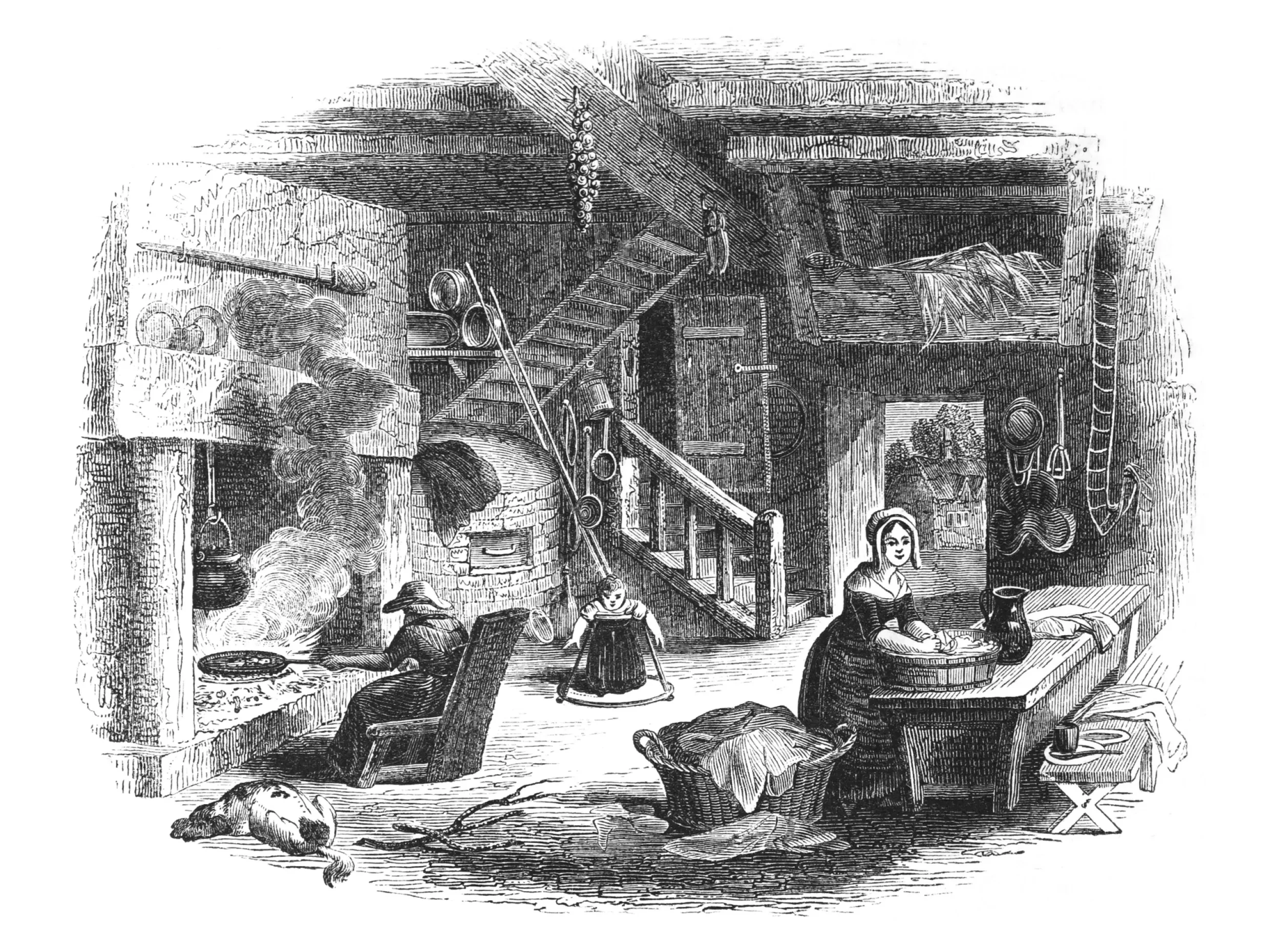
As was written in manuscripts like The Forme of Cury from around 1390, cooks wrapped chopped pork or offcuts, as well as sometimes adding eggs, cheese and spices, in coarse pastry coffyns, from the Old French word for basket or case. It was a sturdy dough hand raised around the filling that was tough enough to survive days without refrigeration. At first, it was used more as a container than as an edible crust, but it created handheld meals for peasants, pilgrims, and travellers.
Baked in communal market ovens or over open hearths, these early pies preserved the meat, with their sealed crusts trapping juices and flavour in an era when almost nothing went to waste.
As Tudor and Stuart kitchens refined the craft, pork pies gained prestige. No longer just peasant fare, they became favourites for huntsmen and labourers, easy to carry in saddlebags or market baskets. The pastry’s resilience made it ideal for long days in the field, while the fatty pork was the very model of sustenance. What began as survival baking was quietly laying the foundations for a true British classic.
Into Print: Early Recipes & Regional Fame
By the eighteenth century, printed cookbooks such as Hannah Glasse’s The Art of Cookery (1747) and, almost exactly a century later, Eliza Acton’s Modern Cookery published in 1845, refined the hot-water crust technique, creating a clear, usable recipe for the hand-raised method that produced sturdy, portable pies perfect for picnics and labourers’ lunches. What started as scribbled kitchen notes had now secured its place in Britain’s culinary record.
Around this time, pork pies started to develop distinct local identities in a number of English market towns. Melton Mowbray became especially closely linked with a particular style, shaped by the area’s farming economy and the pull of the local foxhunting scene. Rather than a single ‘standard’ pie, this period helped cement pork pies as a family of local specialities that varied from place to place.
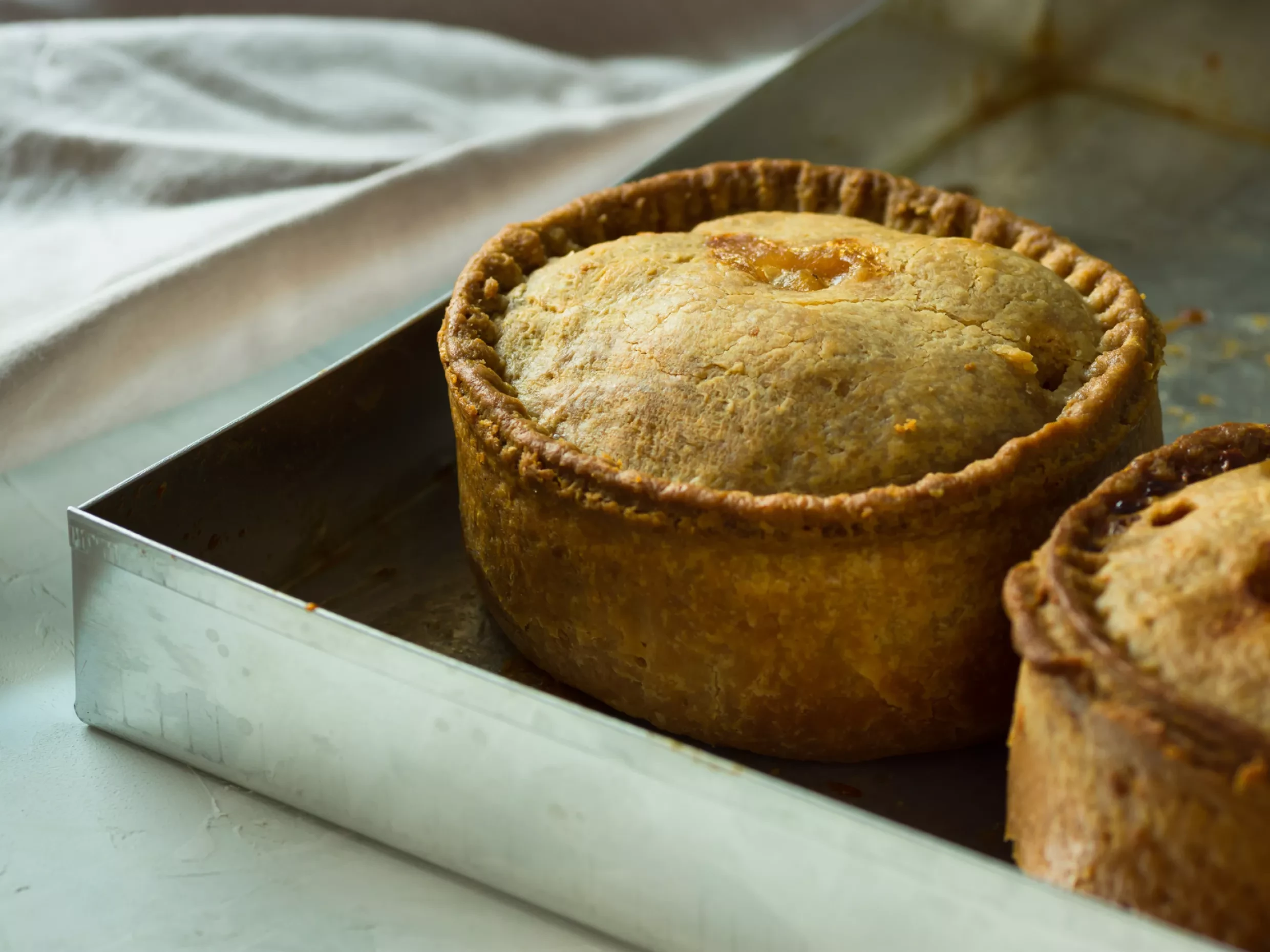
The Melton Mowbray Masterpiece
In the late eighteenth and early nineteenth centuries, Melton Mowbray in Leicestershire became closely associated with a distinctive style of pork pie. As foxhunting flourished around the town from the middle of the eighteenth century, visiting sportsmen noticed the local pies being eaten by grooms and hunt servants and began buying them too. They needed a practical food that was filling, portable and quick to eat, and Melton Mowbray’s pork pies fit the bill perfectly. At the same time, the town sat in a rich farming district, and local cheese-making produced plenty of whey that was used to fatten the pigs cheaply, helping to sustain farming and in turn, provided a ready supply of good quality pork for the local bakers.
The connection with hunting also helped the pie’s reputation reach beyond the local area. Local histories credit Edward Adcock with being among the first to send the pork pies to London by stagecoach in 1831, and the mid-nineteenth century expansion of rail transport helped turn a regional speciality into something that could be ordered, packed and carried far beyond Leicestershire. It remains a topic of debate as to whether the rich and well-to-do did in fact carry pies in their saddlebags when they went out hunting, or perhaps more likely it was used as valuable publicity, but the eventual end result was the same - you couldn’t say ‘Melton Mowbray’ without adding ‘pork pie.’
What is a Melton Mowbray Pork Pie?
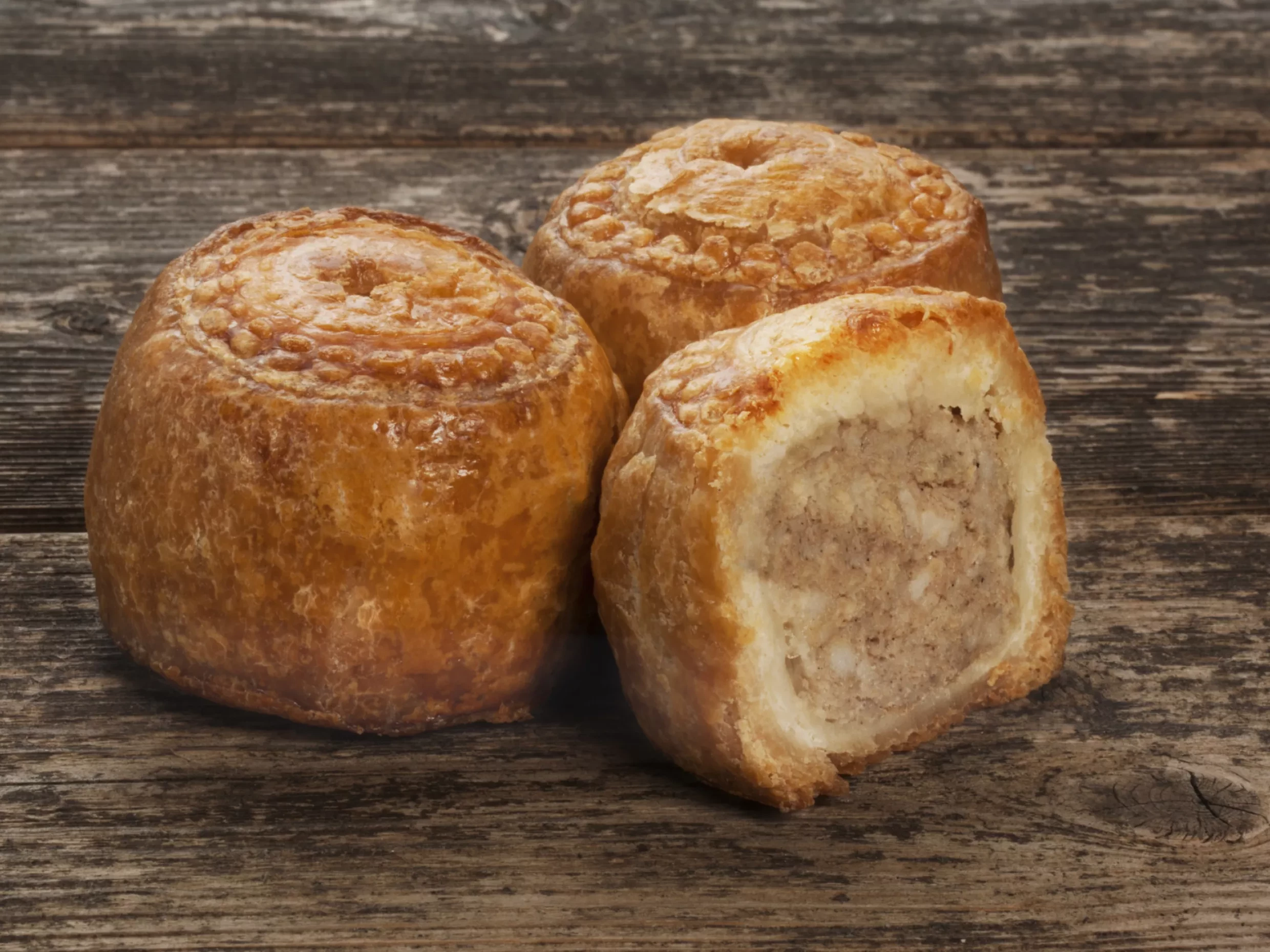
What makes a Melton Mowbray pork pie different is not just where it’s from, but how it’s made. The crust is a traditional hot-water pastry, hand-raised around a wooden dolly or mould, then baked in the oven, which gives the pies their slightly squat, bow-sided shape and irregular, artisan look. The filling is fresh, uncured, roughly chopped, and simply seasoned pork, and after they come out of the oven, a rich pork stock jelly is poured through a hole in the lid to set around the meat, filling any air pockets and helping preserve the pie.
Today, strictly defined production rules and protected status in law mean that only pies made in a specific region, to these traditional methods, can bear the Melton Mowbray name, turning a once-humble snack into one of Britain’s most fiercely defended regional specialities.
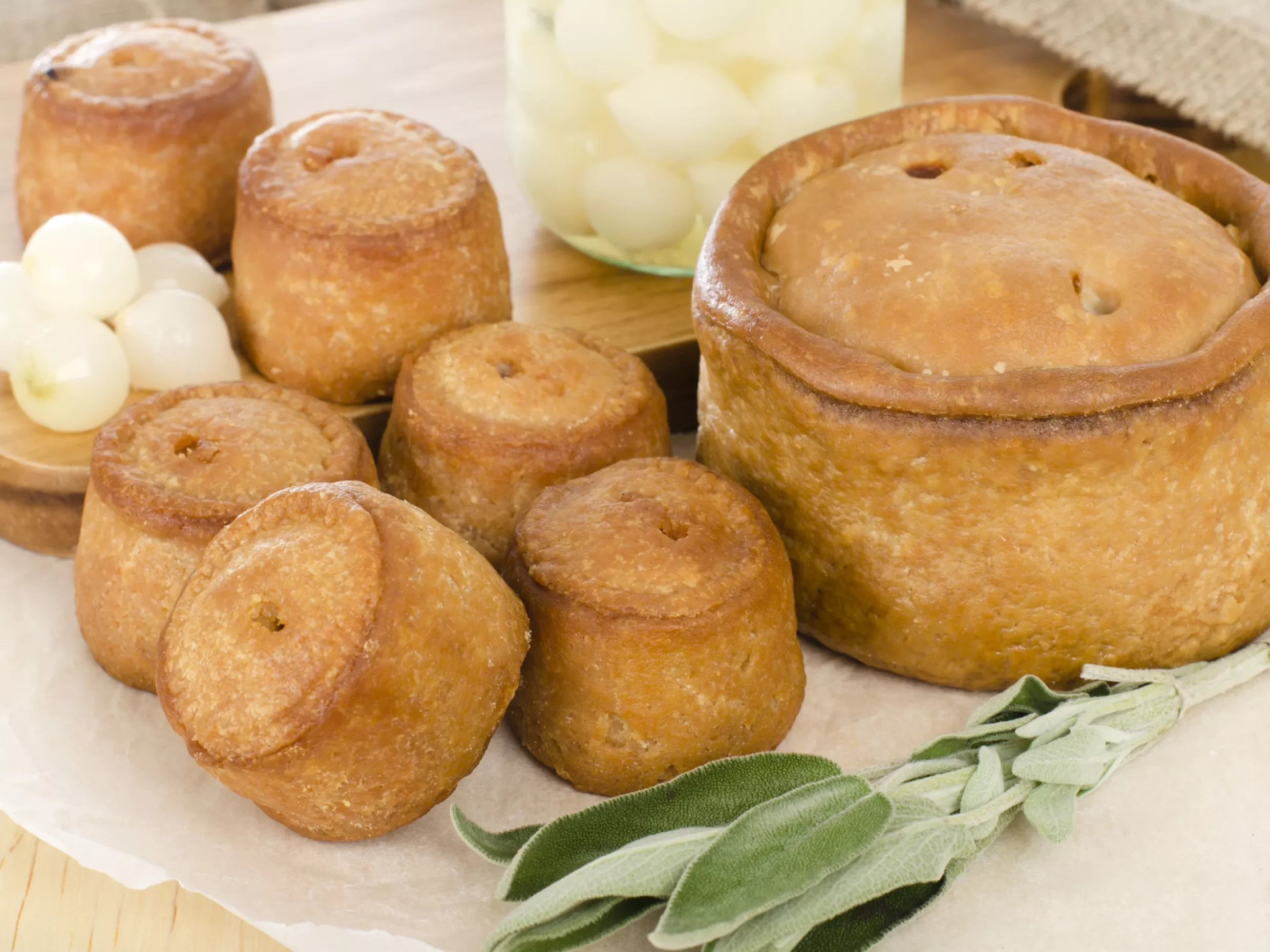
The Democratisation of the Pork Pie
By the late nineteenth and early twentieth century, the pork pie (Melton Mowbray or otherwise) had escaped the hunting field to become a fixture of leisure as well as labour. Neat, self-contained and served cold, it was perfectly suited to railway journeys, Victorian outings and, later, wicker-hampered picnics at the seaside. Tucked alongside chutneys, pickles and wedges of cheese, pork pies became shorthand for a ‘proper’ British spread - hearty, unfussy, and ready to slice and share.
And as pub culture flourished, the pork pie found another natural home. A pile of glazed, golden pies under a glass dome promised something more substantial than half-filled bags of crisps or tiny packets of peanuts, and ‘a pie and a pint’ made for perfect bedfellows. From miners’ lunchboxes to office Christmas buffets, it evolved into popular fare and sat equally comfortably on a silver-plated hotel buffet tray as it did on a paper plate in a village hall. That winding journey from practical provisions to beloved pub and picnic staple is how the pork pie secured its place on tables and blankets all across Britain.
If you’re keen on more British pastry perfection, you can also explore our range of delicious options, including a pork, bacon and apple pie, a classic country lamb pie, Michelin maestro Tom Kerridge’s individual venison pies, and traditional black pudding and pear pies from Lancashire.
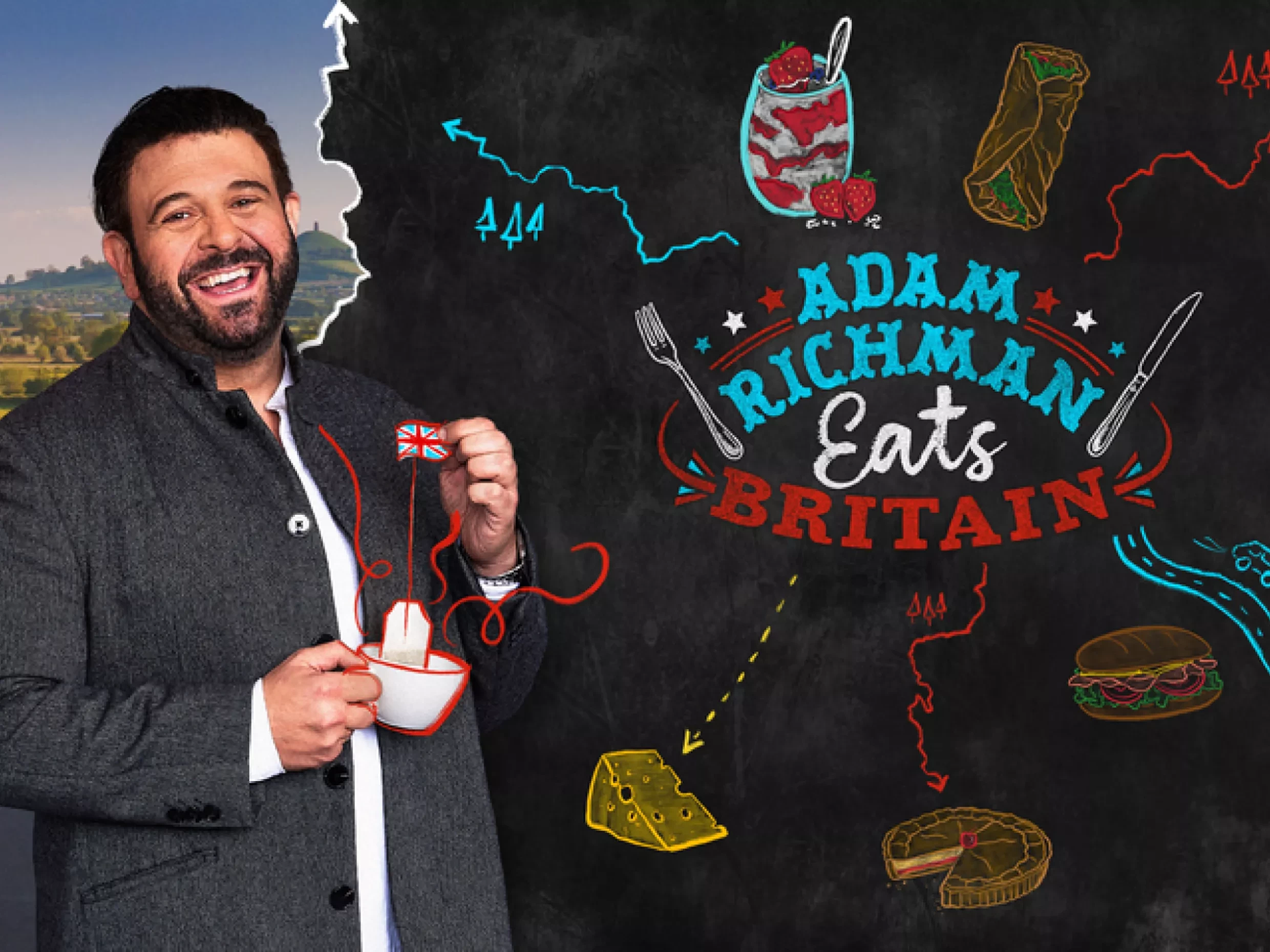
Watch Adam Richman Eats Britain On Discovery+
Man vs Food legend Adam Richman’s new show on Discovery+ uses the map as a menu as he worships at the dining table of Britain’s food superstars. In episode nine, he journeys to Melton Mowbray to sample the famous pork pie, crafted in a bakery that opened in 1851, before sampling beloved boiled sweets. He then tucks into a chicken curry at an award-winning restaurant in Leicester, made by a son using his father's recipe, before discovering a fabulous foodie mash-up mac and cheese doughnuts crafted at a delightful village restaurant.