

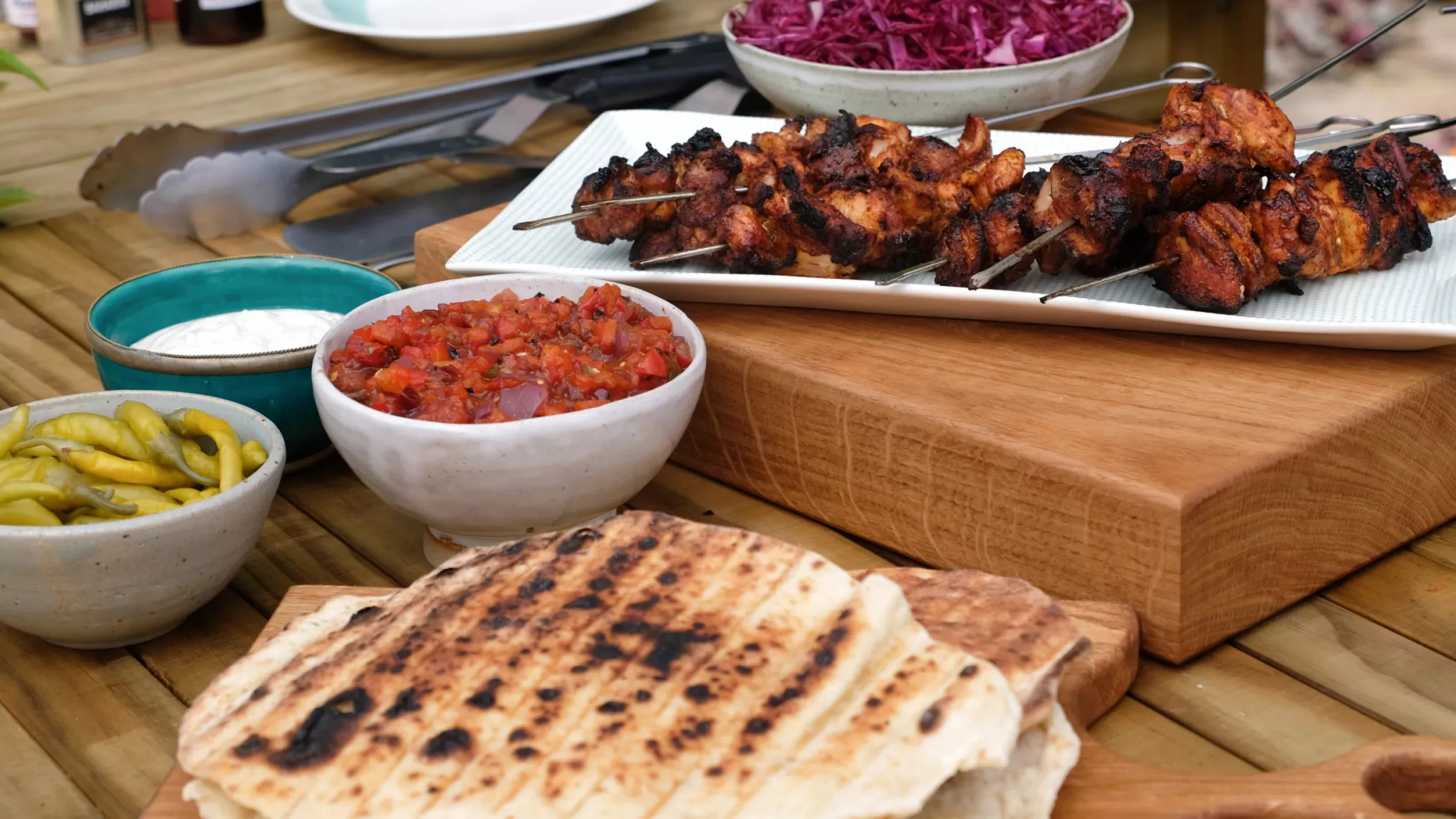
Golden and crunchy on the outside, soft and cheesy on the inside, the Glamorgan sausage is the true taste of Welsh culinary tradition. Born from thrift and necessity in the days when meat was scarce - and later boosted by wartime rationing - this simple mixture of breadcrumbs, cheese and leeks has become a symbol of national pride, vegetarian ingenuity and cosy pub comfort. But how did a meat-free make-do become a menu mainstay? Let’s fry up the story of Wales’s most famous meatless sausage.
What is a Glamorgan Sausage?
Some have called it a sausage like no other. Others question whether it is a sausage at all, but one thing’s for certain, the Glamorgan sausage (Selsig Morgannwg) is as deeply embedded in Welsh culinary heritage as cawl, Bara Brith, laverbread, and Welsh rarebit. But what exactly is a Glamorgan sausage?
Glamorgan sausages are a vegetarian classic with roots that go way deeper than their simple ingredients suggest. Made mainly from breadcrumbs, leeks, and sharp Caerphilly cheese bound with egg, they’re soft on the inside and crunchy on the outside, and call them whatever you want - a sausage, a rissole, or even a croquette - they’re mouthwateringly moreish.
Traditionally served with mustard or chutney and often found at breakfast tables, on pub menus and more recently on gingham cloths at farmers’ markets, the Glamorgan sausage has travelled far beyond its South Wales roots. It began as a clever way to make the most of local dairy and vegetables, but today it’s become a point of culinary pride - a rare example of heritage cooking that aligns perfectly with modern appetites for sustainable and meat‑free cookery.
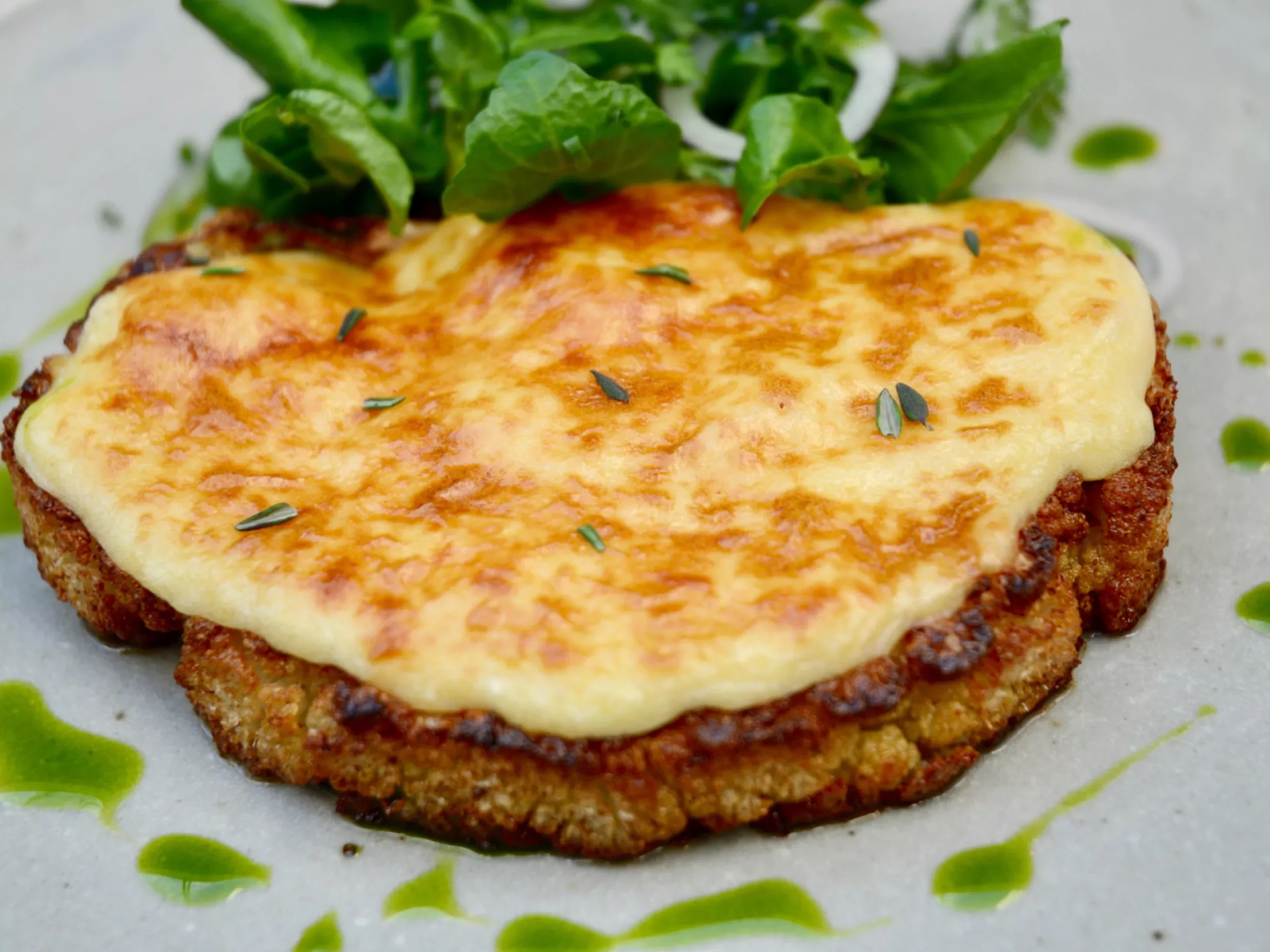
Into the Cookbooks: From Farmhouse to Folklore
The origins of this scrumptious, albeit modest, sausage are in Glamorgan, the former Welsh county and the historic heartland of South Wales - the coastal-and-valleys belt that today includes places like Cardiff, the Vale of Glamorgan, Merthyr Tydfil, Bridgend, Neath Port Talbot and Swansea. It was in these farmhouse kitchens that thrifty cooks turned leftover cheese and stale bread into something worth celebrating. Leeks, already a national emblem and a staple of rural gardens, lent the mix a distinctly Welsh flavour.
While records from the Glamorgan Archives make mention of a recipe that includes pork, cloves, sage, mace and ginger, the first known reference to Glamorgan sausages in print comes from Wild Wales (1862) by the English travel writer George Borrow. He ate them - legend has it at the Tregib Arms in Y Gwter Fawr, now called Brynamman - during a walking tour through South Wales.
By the late 1860s and early 1870s, their popularity spread through local newspapers and regional cookbooks, but some still referred to meat-based versions, while the now-familiar vegetarian recipe took firmer hold later. They’re thought to have been originally made with Glamorgan cheese from Glamorgan Cattle, but the breed all but died out in the 1920s (a remnant herd was found sometime in the 1970s). Early versions of the sausage didn’t specify which cheese should be used, but eventually, Caerphilly became the standard, and breadcrumbs from home‑baked loaves added both texture and thrift. What began as practical resourcefulness soon became part of Welsh folklore.
Born of Necessity: Wartime & Thrift
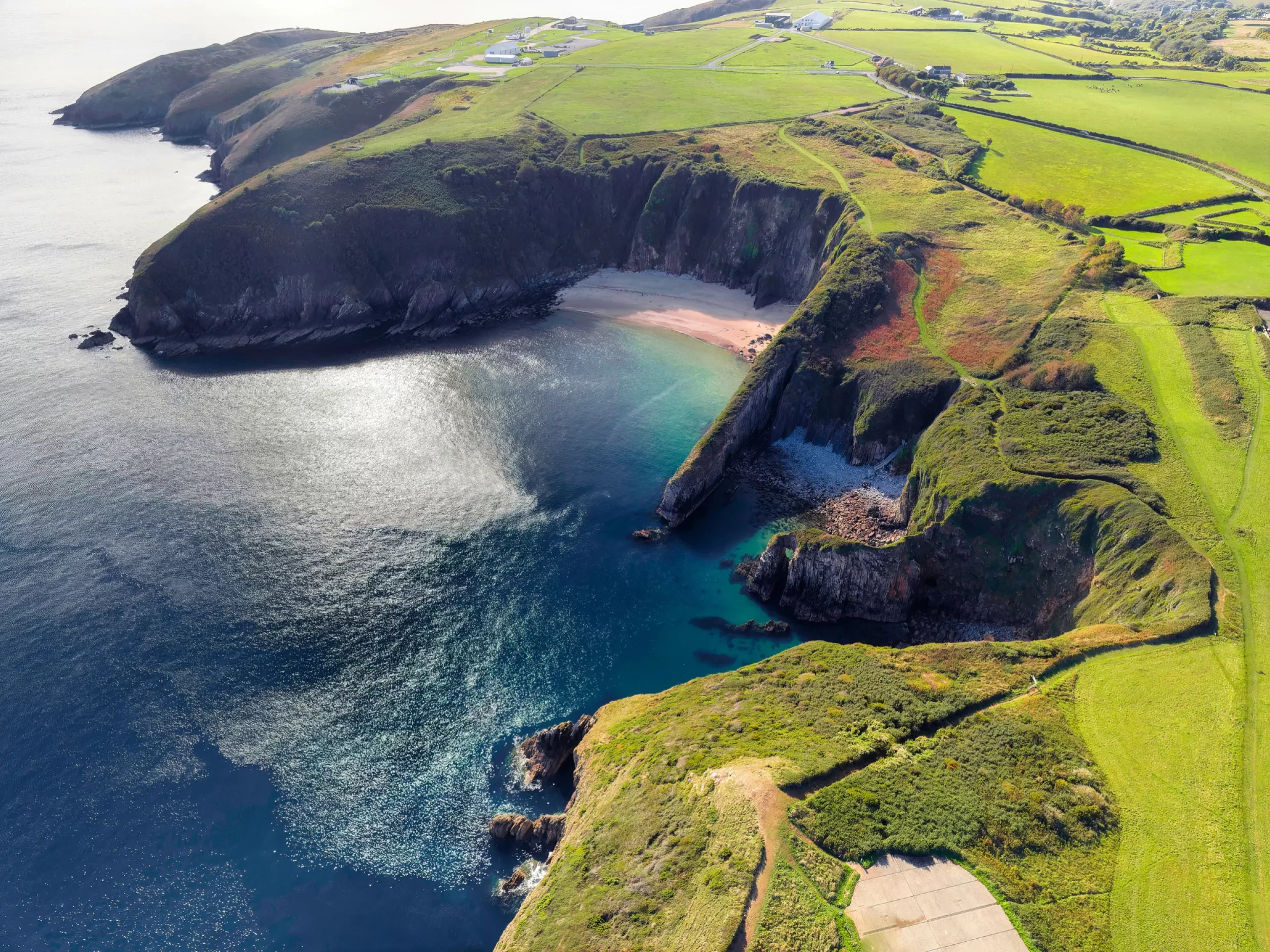
Through the later decades of the nineteenth century and the first three or four of the twentieth, Glamorgan sausages quietly cemented their place at Welsh tables, but as rationing took hold during World War II, they were thrust into the limelight as a national necessity.
The scarcity of meat and money meant that households had to get creative with their cooking, and the Glamorgan sausage, with its unassuming blend of cheese, leeks and breadcrumbs, became a symbol of home‑front ingenuity. Welsh families who had made the sausages out of habit for decades now shared the method as a patriotic act of resourcefulness. In ration-era kitchens, versions of the recipe appeared in wartime cookery writing and household cookbooks, championing a budget-friendly, meat-free meal that still felt hearty.
When meat returned to post‑war kitchens, many expected the dish to fade back into obscurity. Instead, the compromise became a constant, loved for its flavour, simplicity, and roots in Welsh identity. In the 1950s, the Welsh Gas Board included a recipe for Glamorgan sausages in a promotional cookbook, but they didn’t specify which cheese should be used.
How do you eat Glamorgan Sausages?
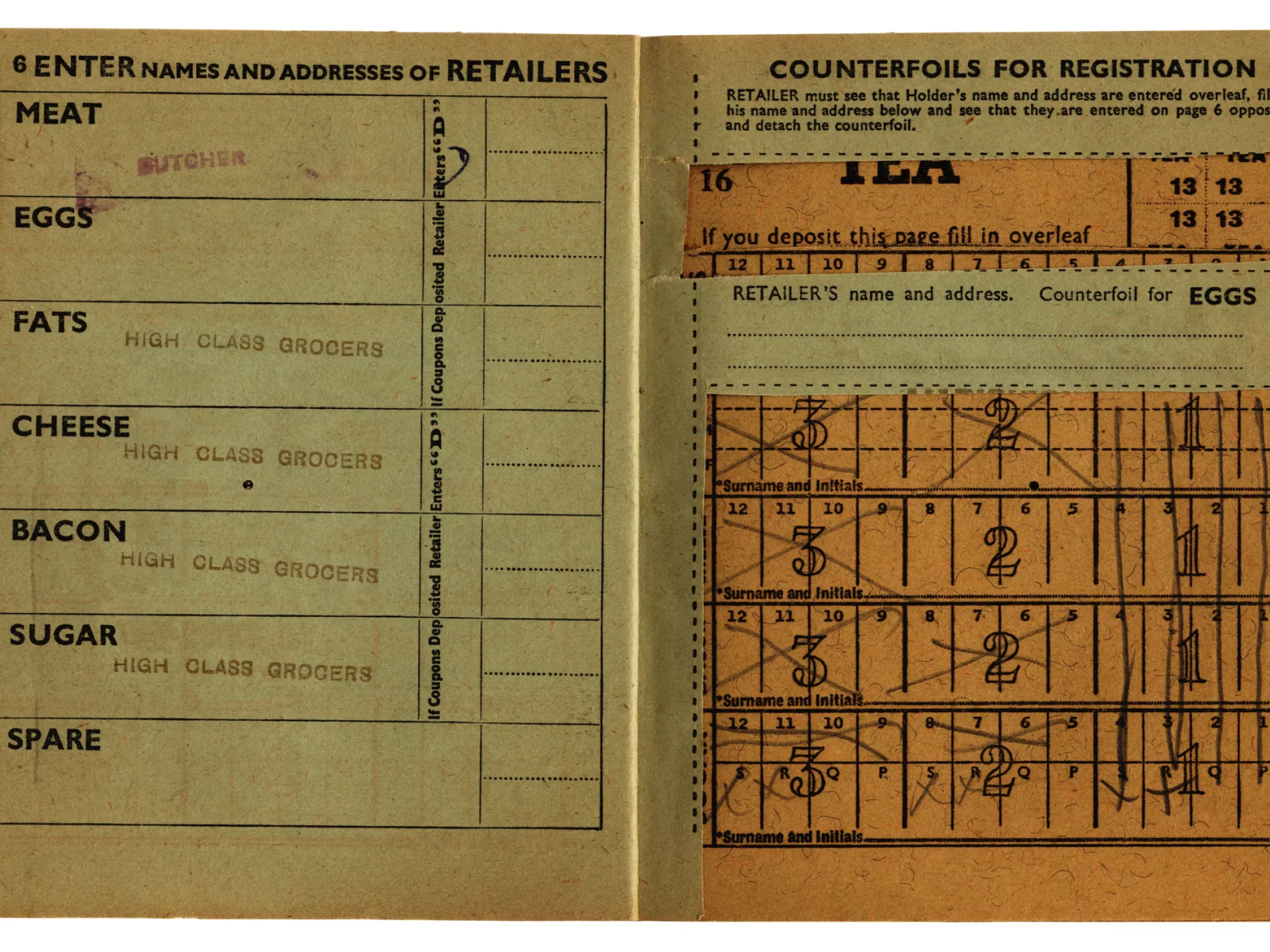
The beauty of Glamorgan sausages is that there are no rules about when to eat them, or what with! George Borrow said he ate them for breakfast with tea and toast, and the legendary twentieth century Irish food writer Theodora FitzGibbon said they should be eaten hot, with fried puréed potatoes or, more indulgently, for breakfast with bacon.
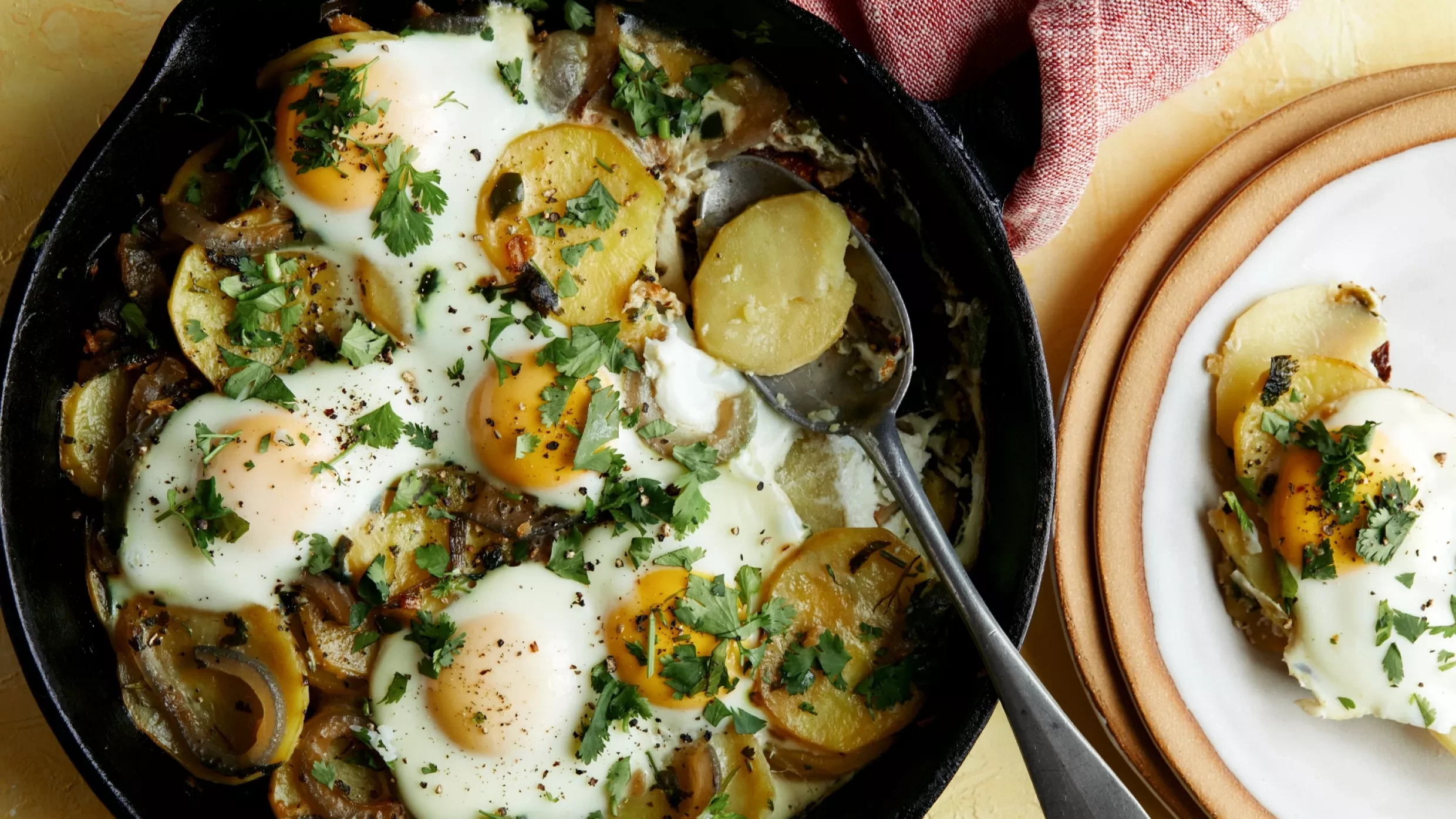
Modern interpretations have included eating them for brunch with poached eggs, sliced avocado and sourdough toast, as an indulgent snack with chutney, pickles, apple sauce, mustard or a sweet chilli jam, or even as a main, with roasted vegetables, greens, creamy mash or an onion gravy.
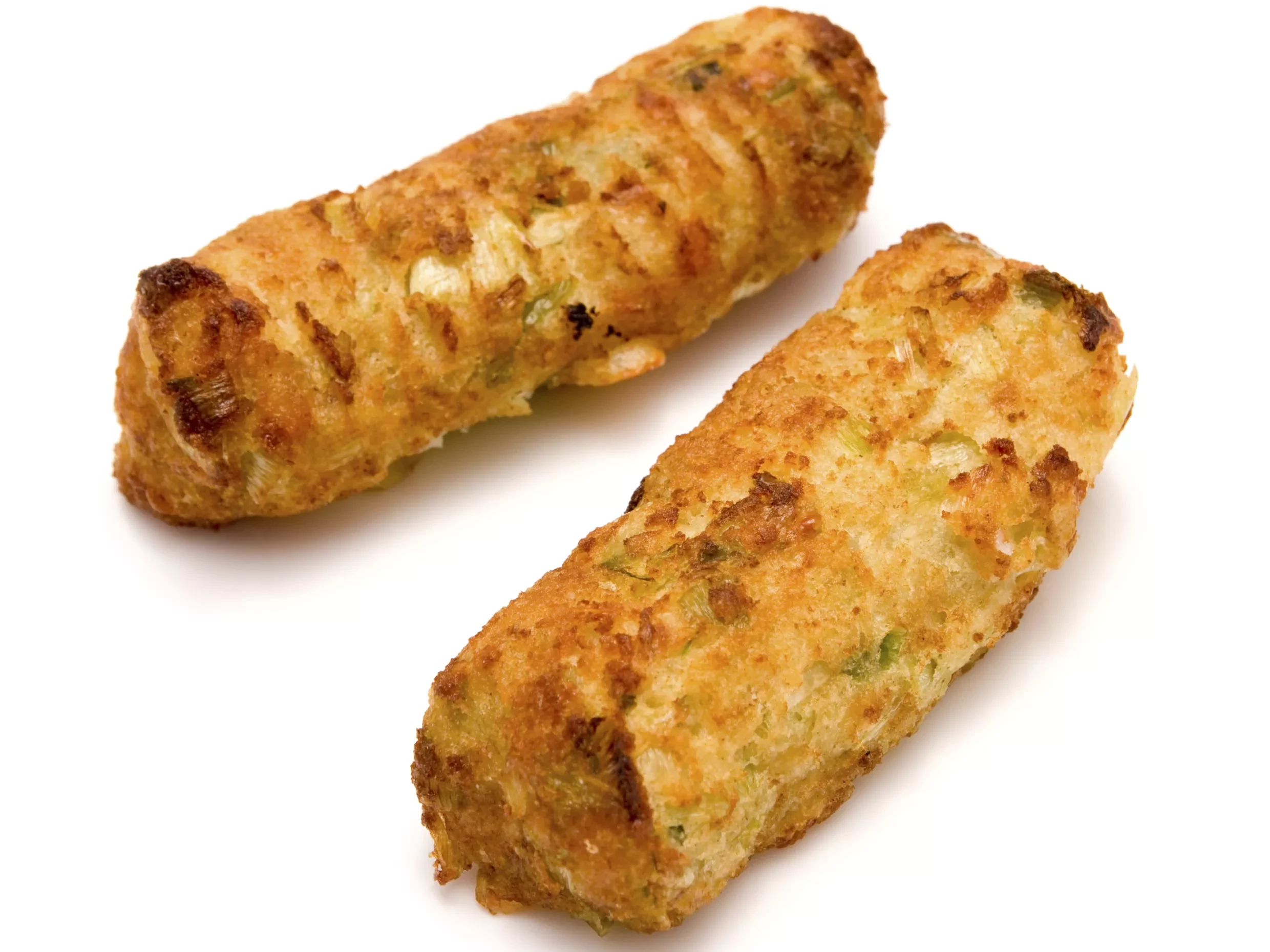
Pride on a Plate: The Glamorgan Sausage
From humble farmhouse fare to modern kitchen and gastropub favourite, the Glamorgan sausage has become a quiet and timeless icon of Welsh culinary identity.
For many people, it’s a reminder of a rural Wales defined by self‑sufficiency and pride in local produce, but in recent years, chefs and artisans have pushed the boundaries even further. They’ve experimented with aged Caerphilly, new Welsh cheeses and fresh herbs such as parsley, thyme, and even wild garlic, while keeping its rustic charm intact. It fits neatly into the modern appetite for sustainable, meat‑free and plant-based food (without the egg and using vegan cheese) yet it still carries the warmth of its history in every bite.
The Glamorgan sausage is proof that simple ingredients and enduring pride never really goes out of fashion.
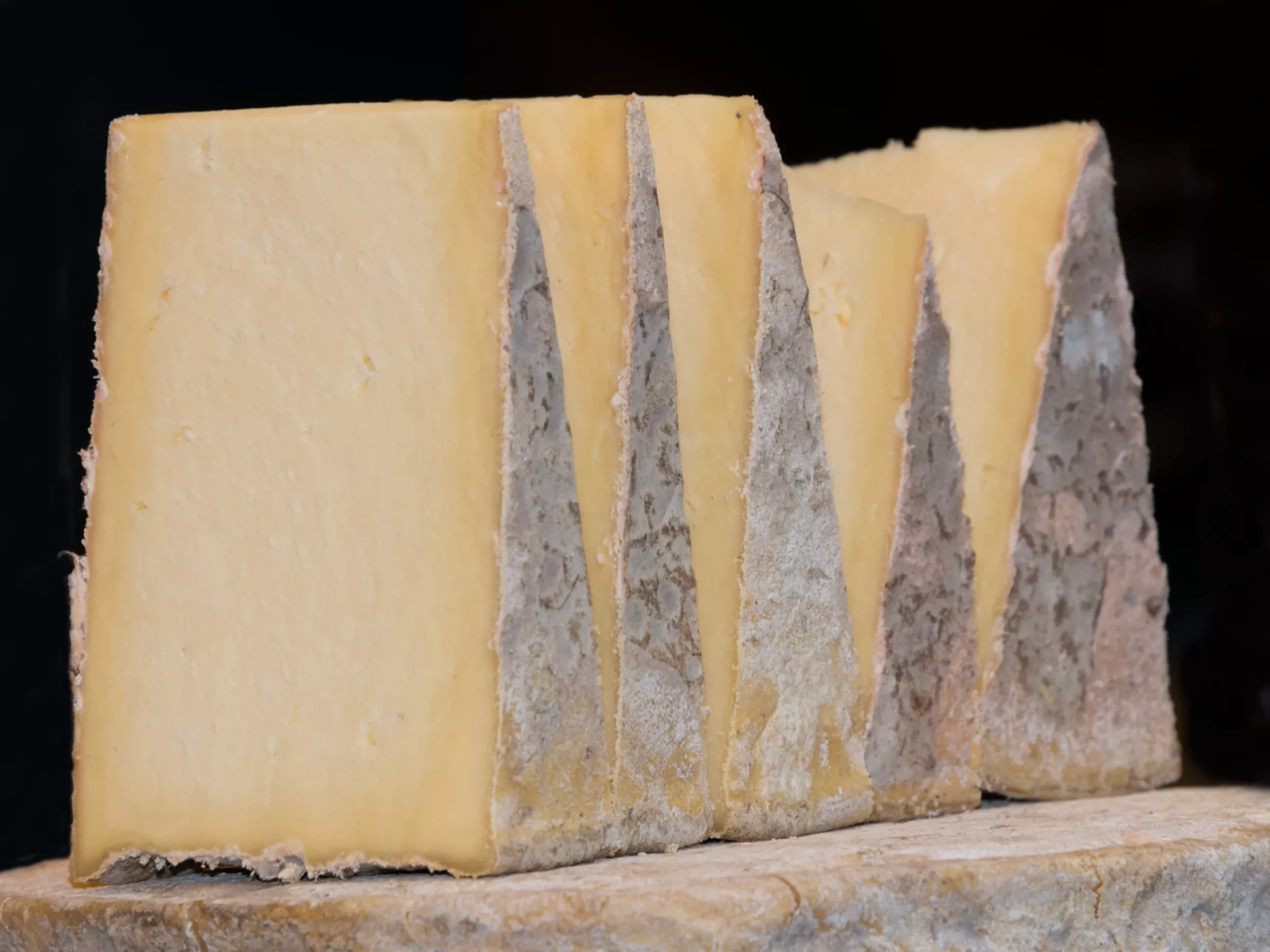
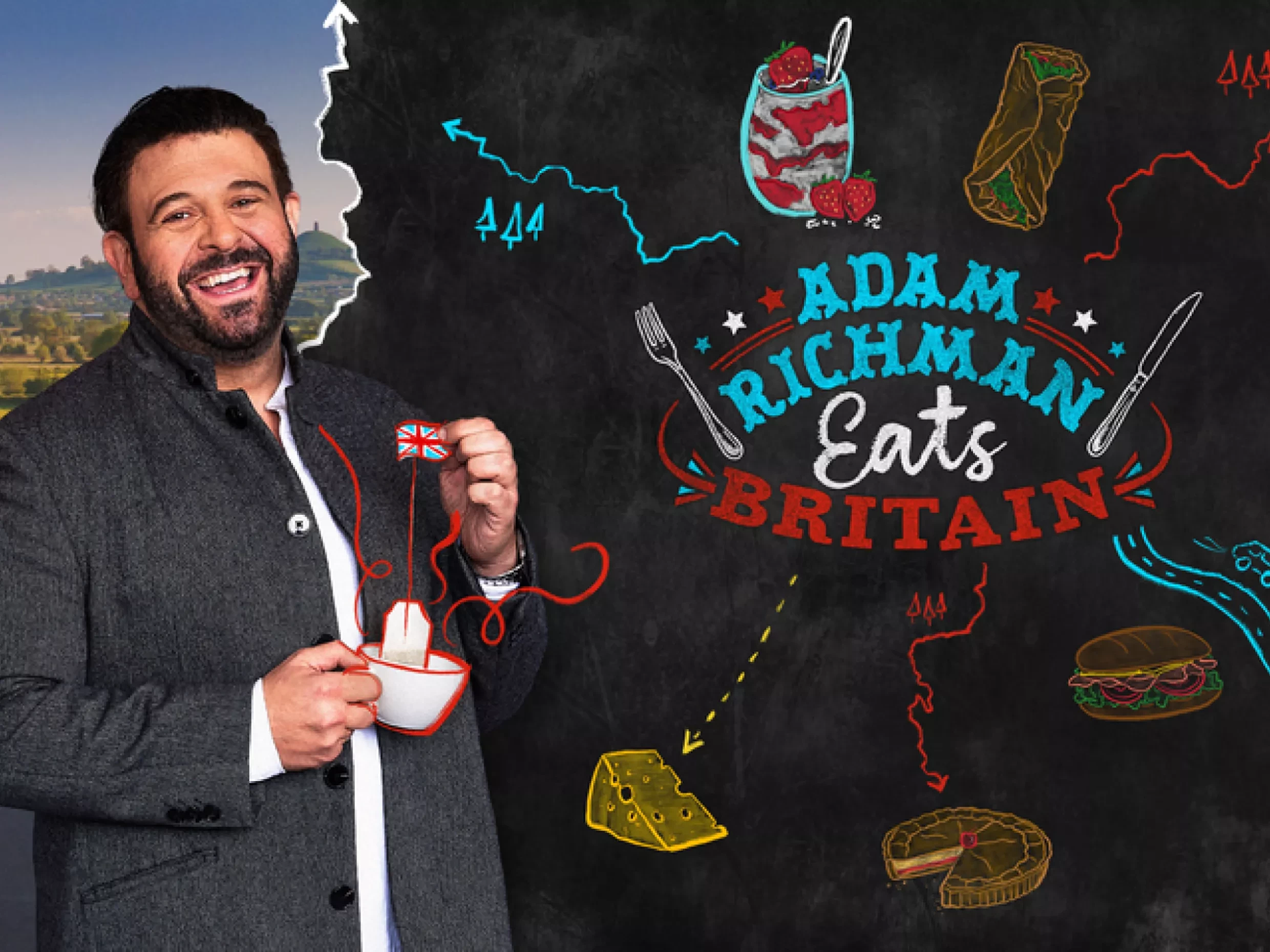
Watch Adam Richman Eats Britain On Discovery+
Man vs Food legend Adam Richman’s new show on Discovery+ uses the map as a menu as he worships at the dining table of Britain’s food superstars. In episode six, Adam is in Glamorgan for the glorious Glamorgan Sausage. He also tucks into more traditional fayre, eating Welsh lamb faggots, Welsh rarebit and Welshcakes, before biting into his Polish heritage with a plate of perfect pierogis.