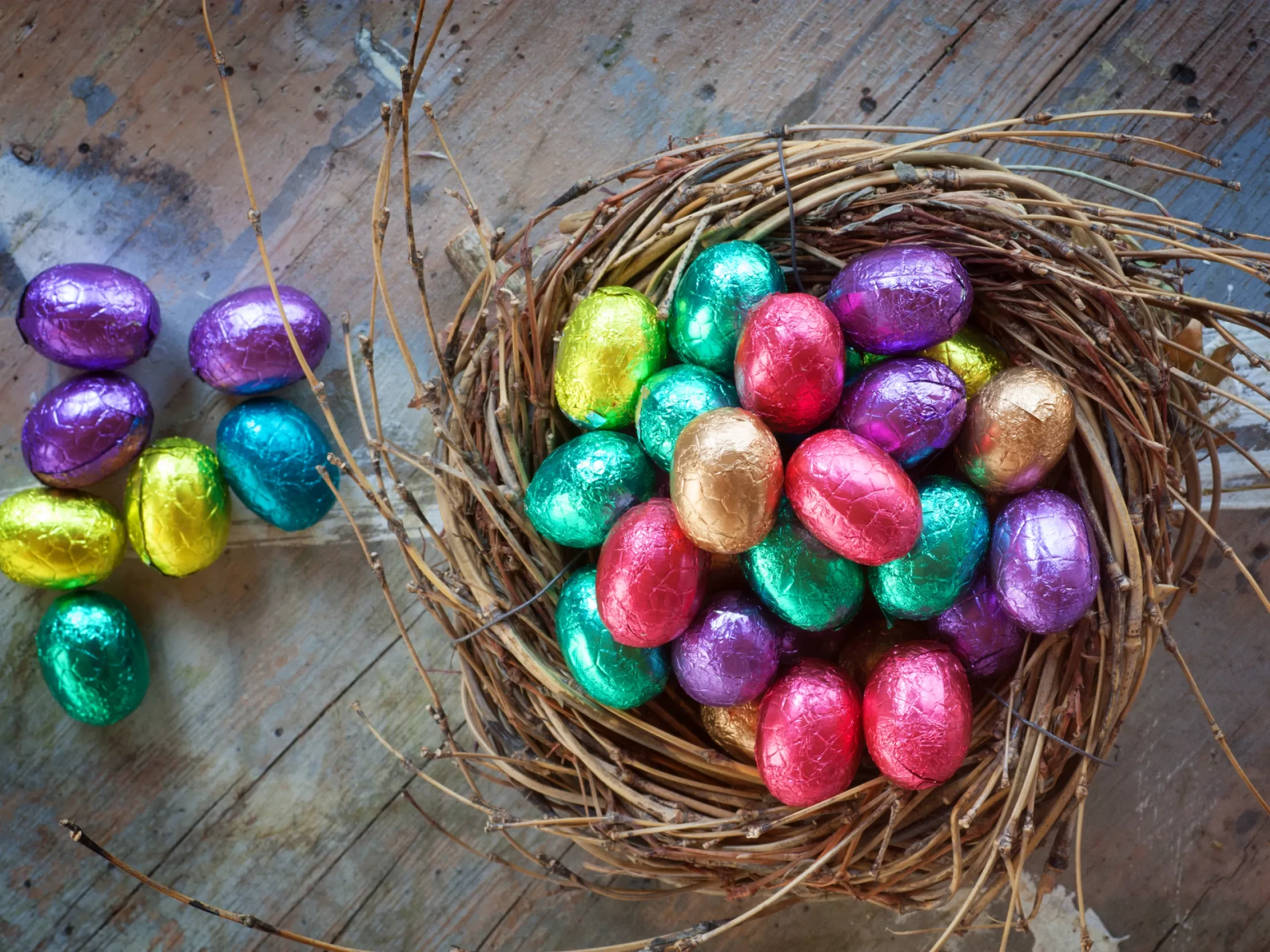



Few celebrations are as tasty as Easter. All over the world, the season brings a sensational spread of sweets and savouries. From Britain’s fruit-flecked hot cross buns and layered simnel cakes to Italy’s dove‑shaped Colomba di Pasqua, Greece’s braided Tsoureki, and Spain’s syrup‑soaked Torrijas, Easter’s a feast of faith, family, and fabulous food. Join us as we take a look at some of the eggstra special Easter eats on this gastronomic globe-trot.
Epic Easter Eats
Long before the Easter Bunny hopped onto the scene and supermarket shelves were piled high with foil-wrapped Easter eggs, Easter itself marked the end of Lent - a time of abstinence and self-reflection - making its festive tables all the more joyful.
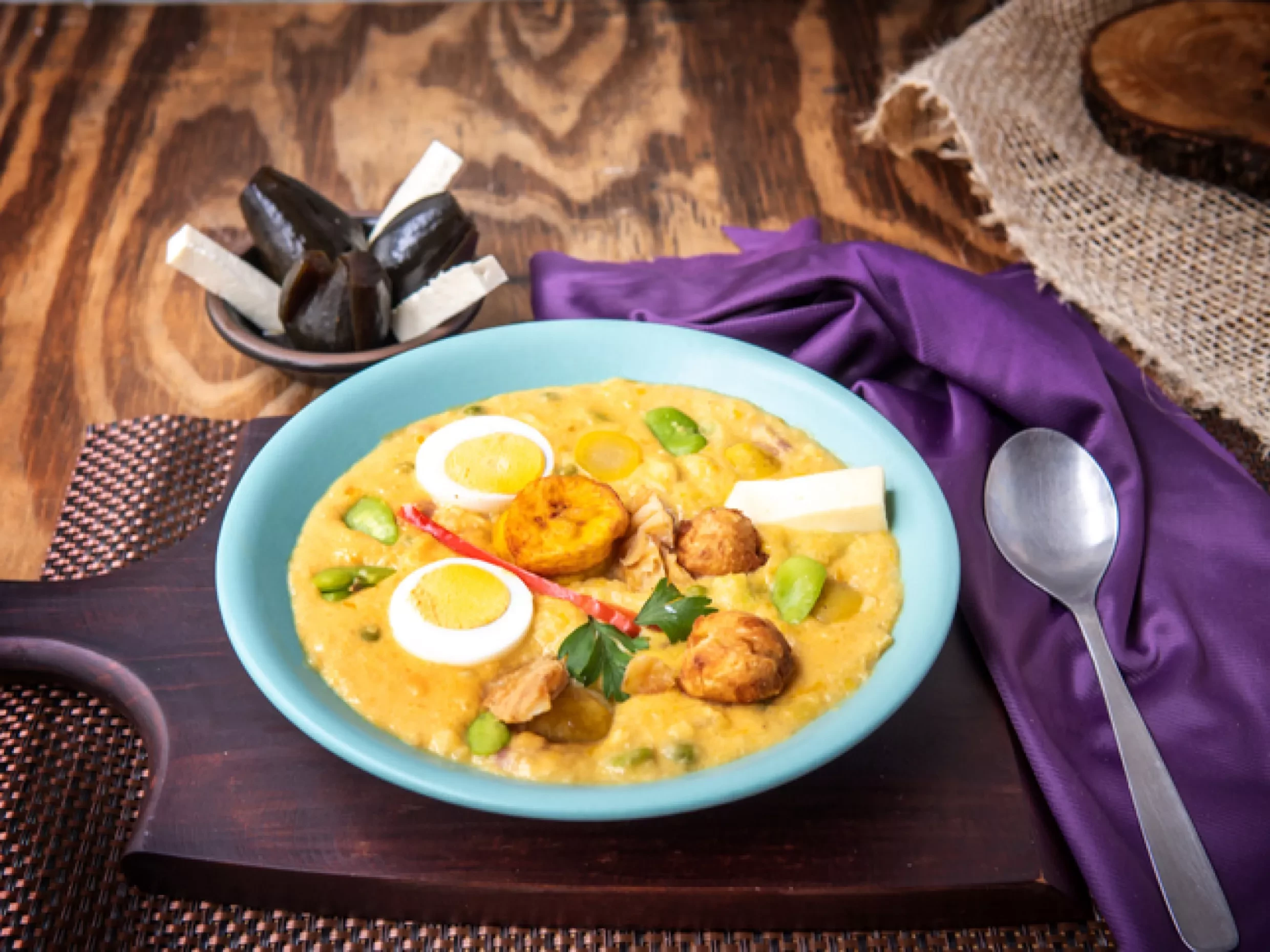
Today, Easter is celebrated all across the globe with a wide array of foods and flavours. In Ecuador, for example, people eat fanesca, a soup made with twelve grains and beans to represent the apostles. In Germany, kerbelsuppe, a chervil soup, is eaten on Gründonnerstag, or Green Thursday, the day before Good Friday.
From breads and buns, to soups and savouries, let’s embark on a global taste trip to find out what mouthwatering marvels people are cooking up for the Easter holidays.
United Kingdom
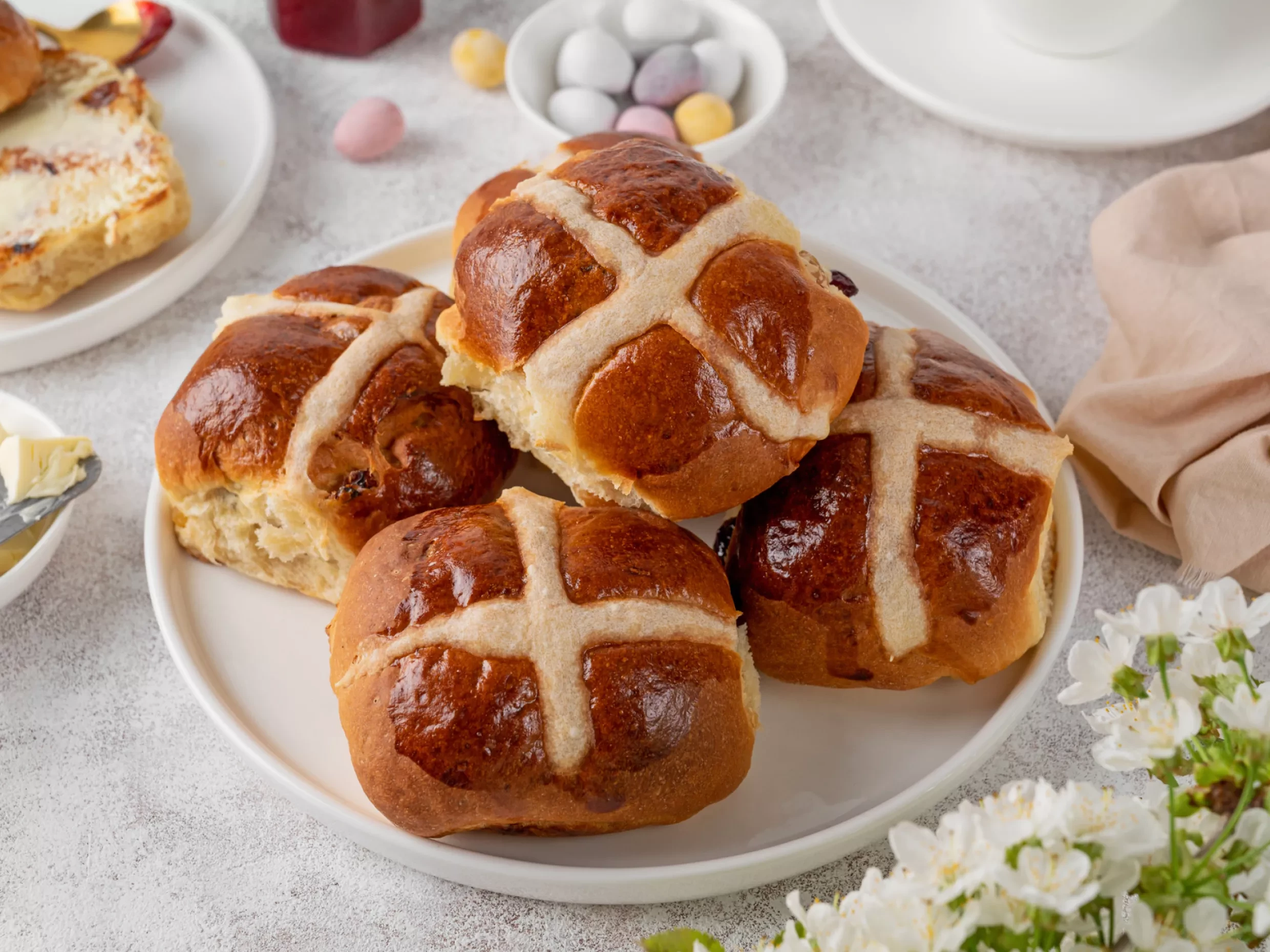
In the UK, Easter wouldn’t be complete without the wonderful scent of spiced dough and dried fruit wafting from the oven. You can also buy them…! Hot cross buns, marked with their distinctive white cross, are one of the most instantly recognisable Easter staples. They’re traditionally eaten on Good Friday, with the cross symbolising the crucifixion.
Simnel cake is another classic British Easter bake - a rich fruit cake layered and topped with toasted marzipan and eleven marzipan balls representing the apostles (minus Judas). It was traditionally made on Mothering Sunday (the fourth Sunday in Lent, and different to Mother’s Day) and eaten on Easter Sunday, and it’s the bridge between the restraint of Lent and the indulgence of Easter.
Italy
In Italy, Easter is celebrated both for seasonality and spirituality, and the most famous Easter dishes are a nod to both. The Colomba di Pasqua, or ‘Easter Dove,’ is a soft, yeasted cake shaped like a bird, flavoured with citrus zest and topped with almonds and pearl sugar. You can find modern variants stuffed with chocolate or fudge, and it’s a close cousin to Panettone, the delicious Christmassy sweet bread.
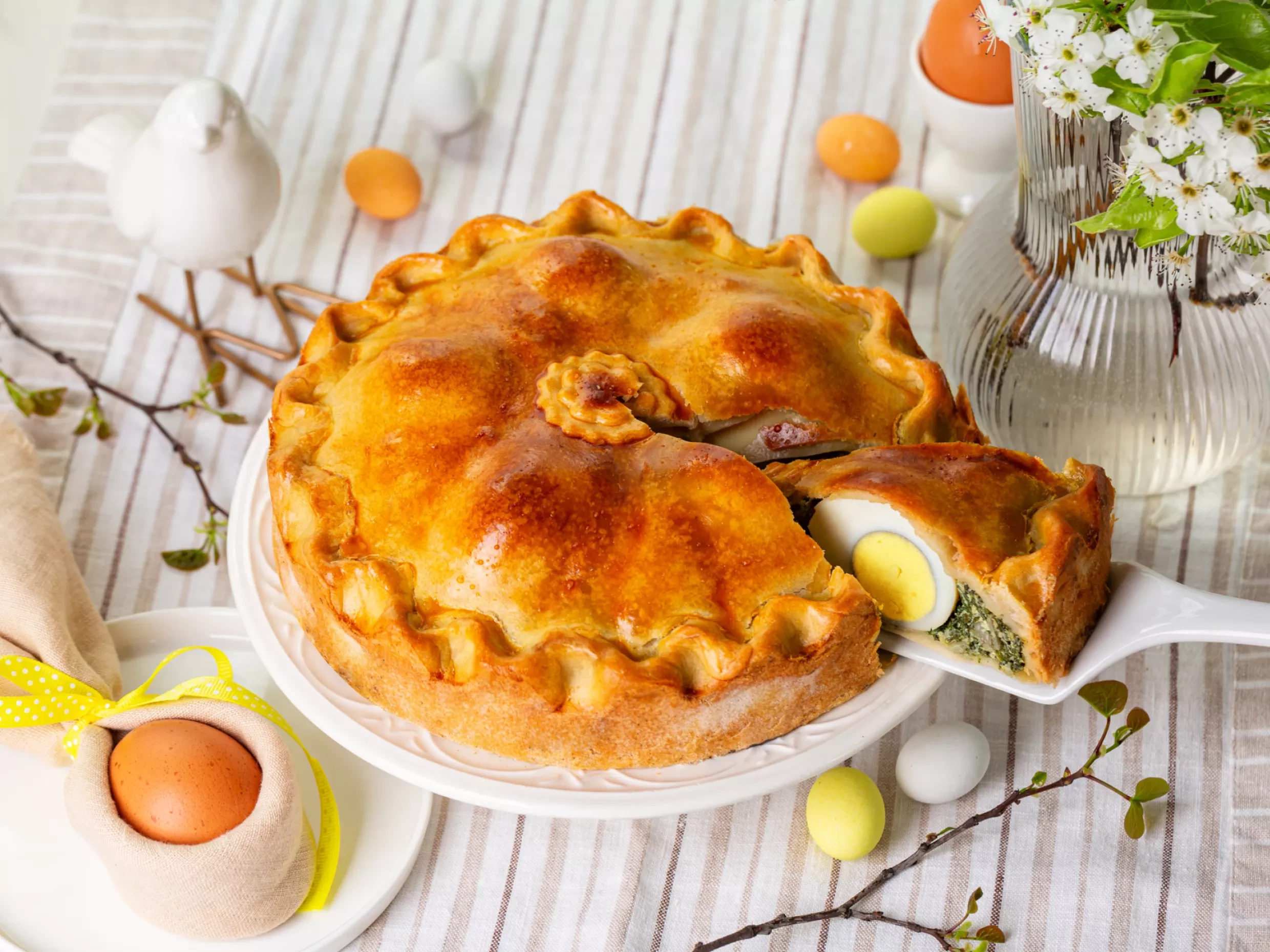
From sweet to savoury, take a trip to Liguria in northwestern Italy for a Torta Pasqualina, a rustic pie layered with pastry, spring greens, cheese, and whole baked eggs. It was historically made for the Easter table and often eaten again at Easter Monday picnics. Some older versions were made with many thin pastry layers, which helped turn it into a real celebration bake rather than an everyday pie.
Greece
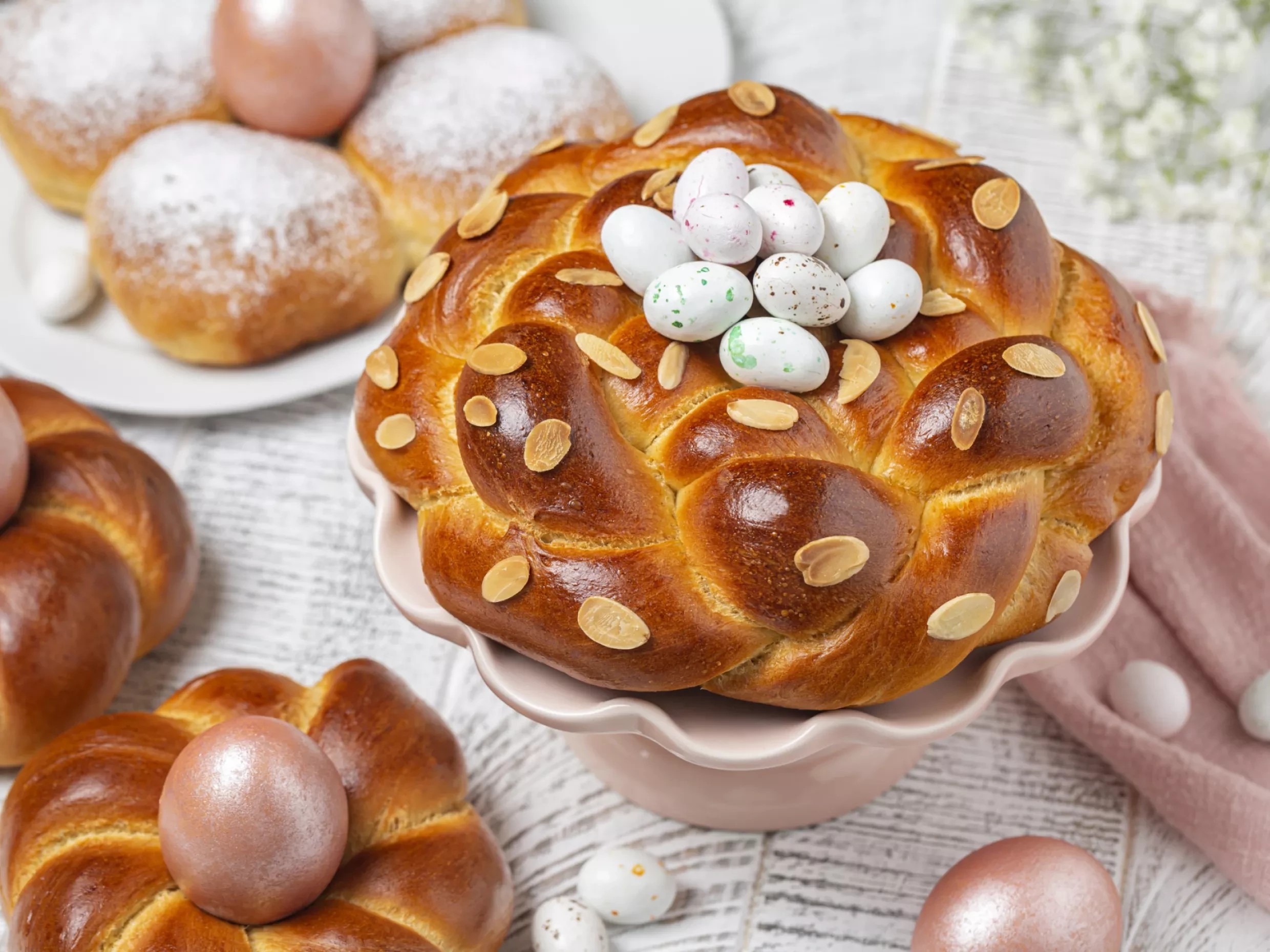
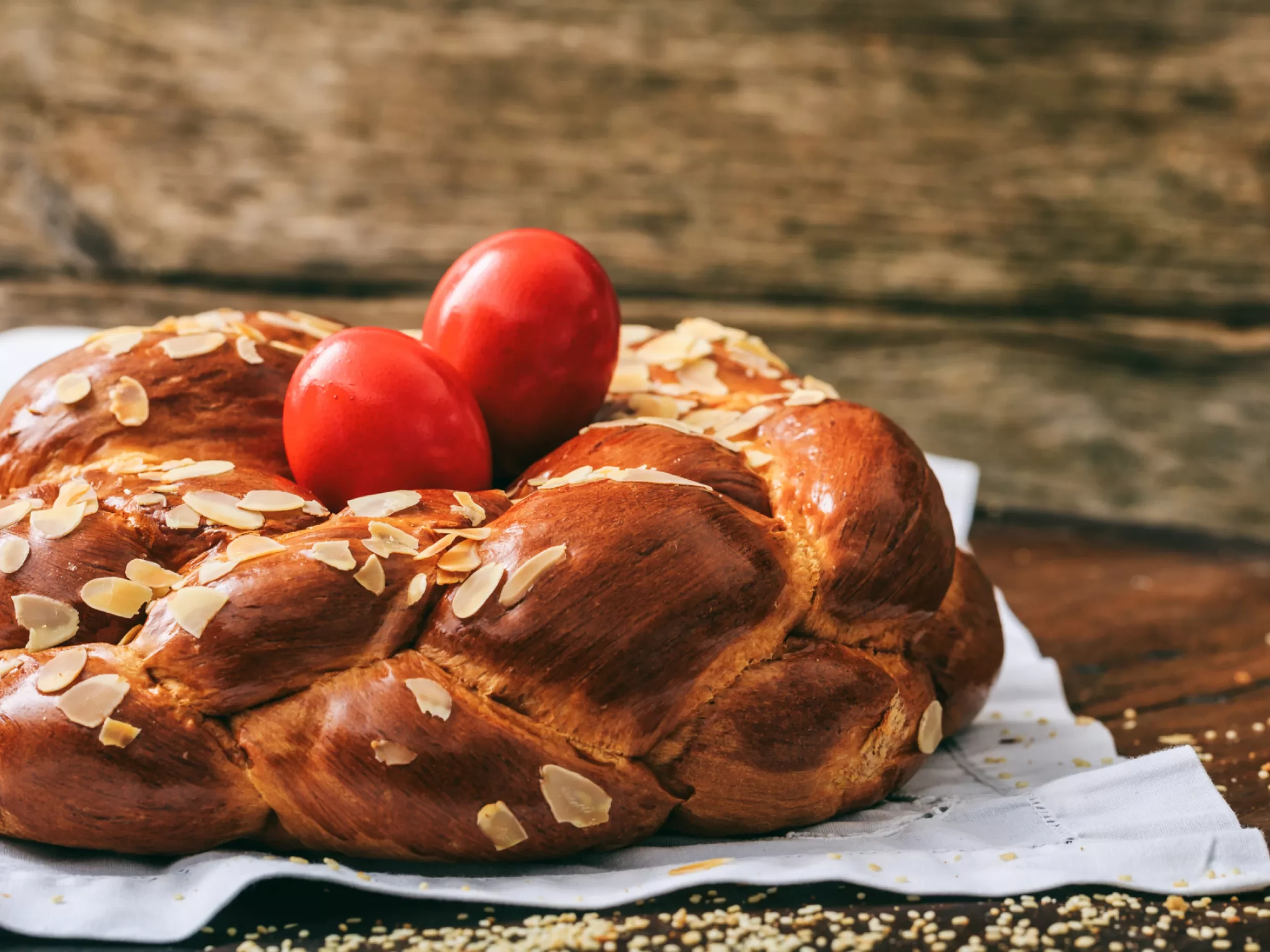
The Easter spirit in Greece is captured in the most delicious way with tsoureki, a sweet, three-braided bread (representing the Holy Trinity) flavoured with citrus zest, a resin called mastic, and mahleb, a spice made from cherry stones. It’s sometimes made with a bright red egg baked into the crust. After the midnight Easter service, families gather to share Mageiritsa, a comforting soup made from lamb offal, herbs, and lemony broth to break the fast of Lent. Greek communities around the world, particularly in America and Canada, call it Easter Sunday soup, or Easter lamb soup, and it’s often eaten at breakfast on Easter morning with tsoureki, salad, and red hard-boiled eggs.
Spain
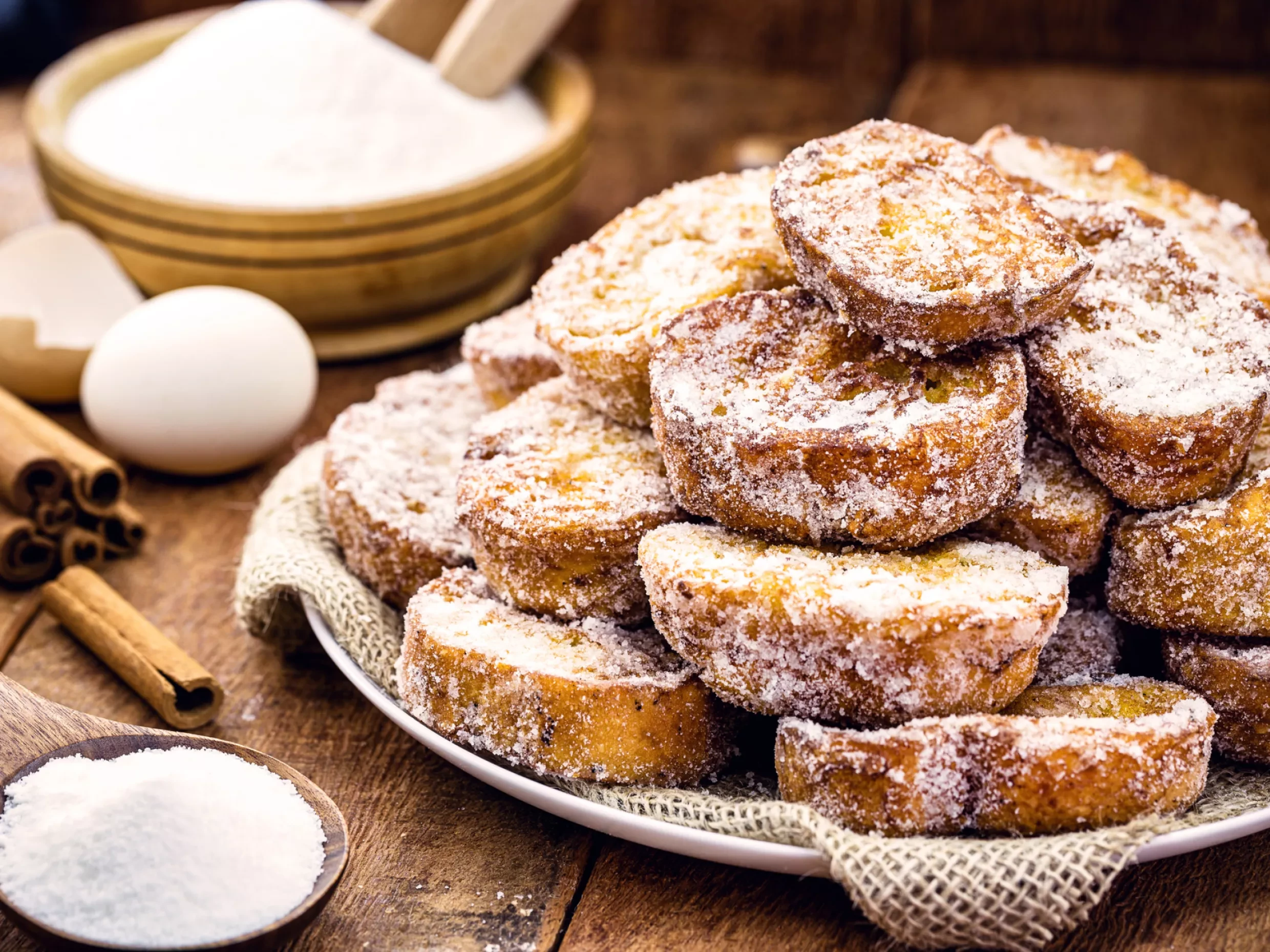
In Spain, Easter - or Semana Santa - is celebrated with equal measures of devotion and deliciousness. Torrijas, Spain’s answer to French toast, are slices of day‑old bread soaked in milk or wine, dipped in egg, and fried until golden brown before being dusted with cinnamon and sugar. It was once a thrifty way to use up leftovers during Lent, but now they're pure comfort food!
Again we go from sweet to savoury with Hornazo, a hearty meat‑filled pastry popular in Salamanca and across central Spain. Packed with chorizo, pork, and hard‑boiled eggs, it’s baked and shared during the Lunes de Aguas festival, and like most Easter foods, it’s a celebratory hat-tip to the joy of indulgence after forty days of Lent.
Poland
Polish Easter tables are a mix of tastiness and tradition. At the centre of it all is Żurek, a lightly sour rye soup that signals the end of Lent and the return of big flavours. Made with fermented rye flour, white sausage, and boiled eggs, it’s hearty and smacks of home‑cooked comfort.
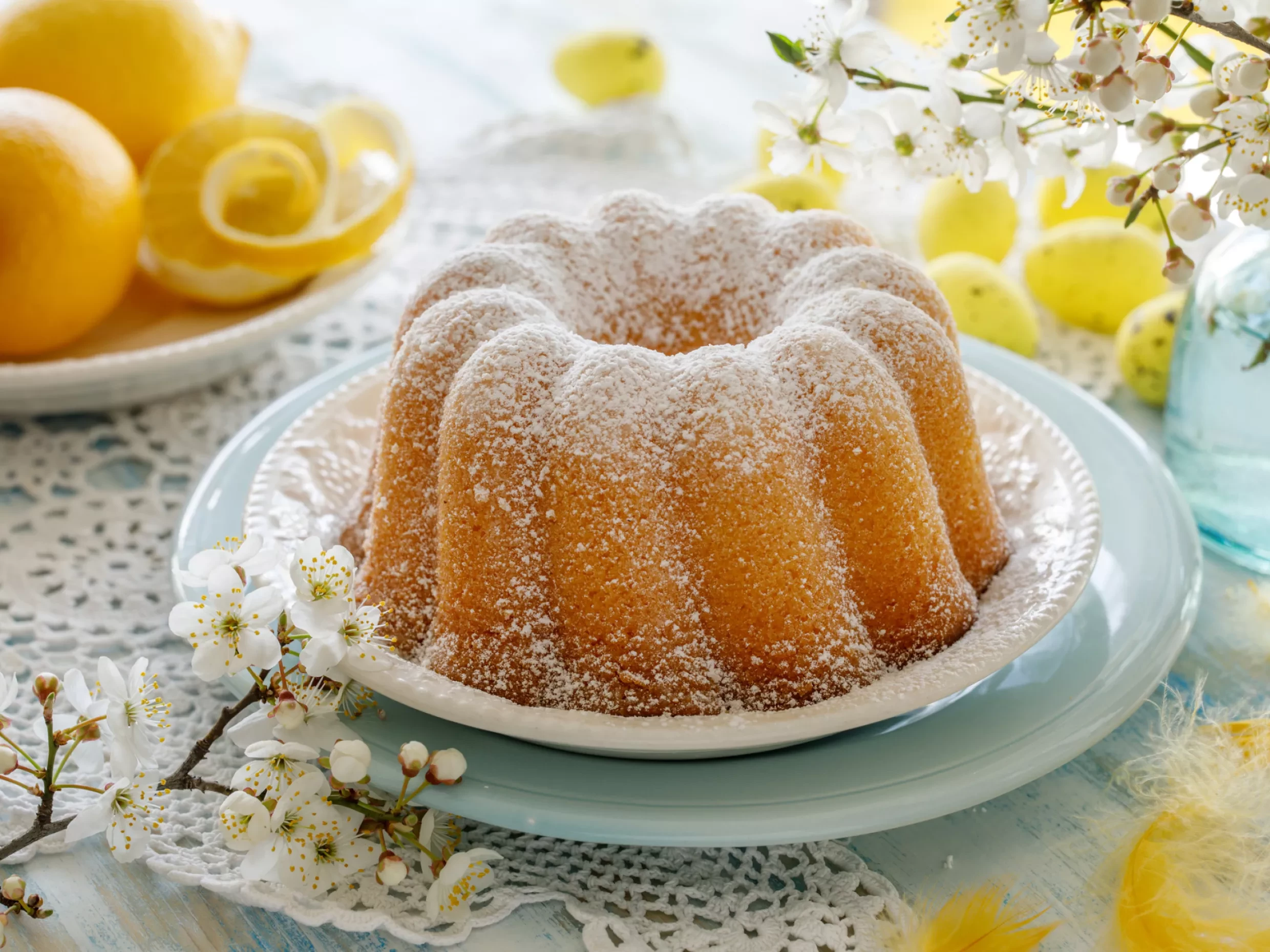
For something sweet, there’s Babka Wielkanocna, a tall, buttery cake baked in a fluted tin and drizzled with icing or sprinkled with sugar. Light but indulgent, it’s often scented with vanilla or citrus and eaten after Easter Mass.
Russia
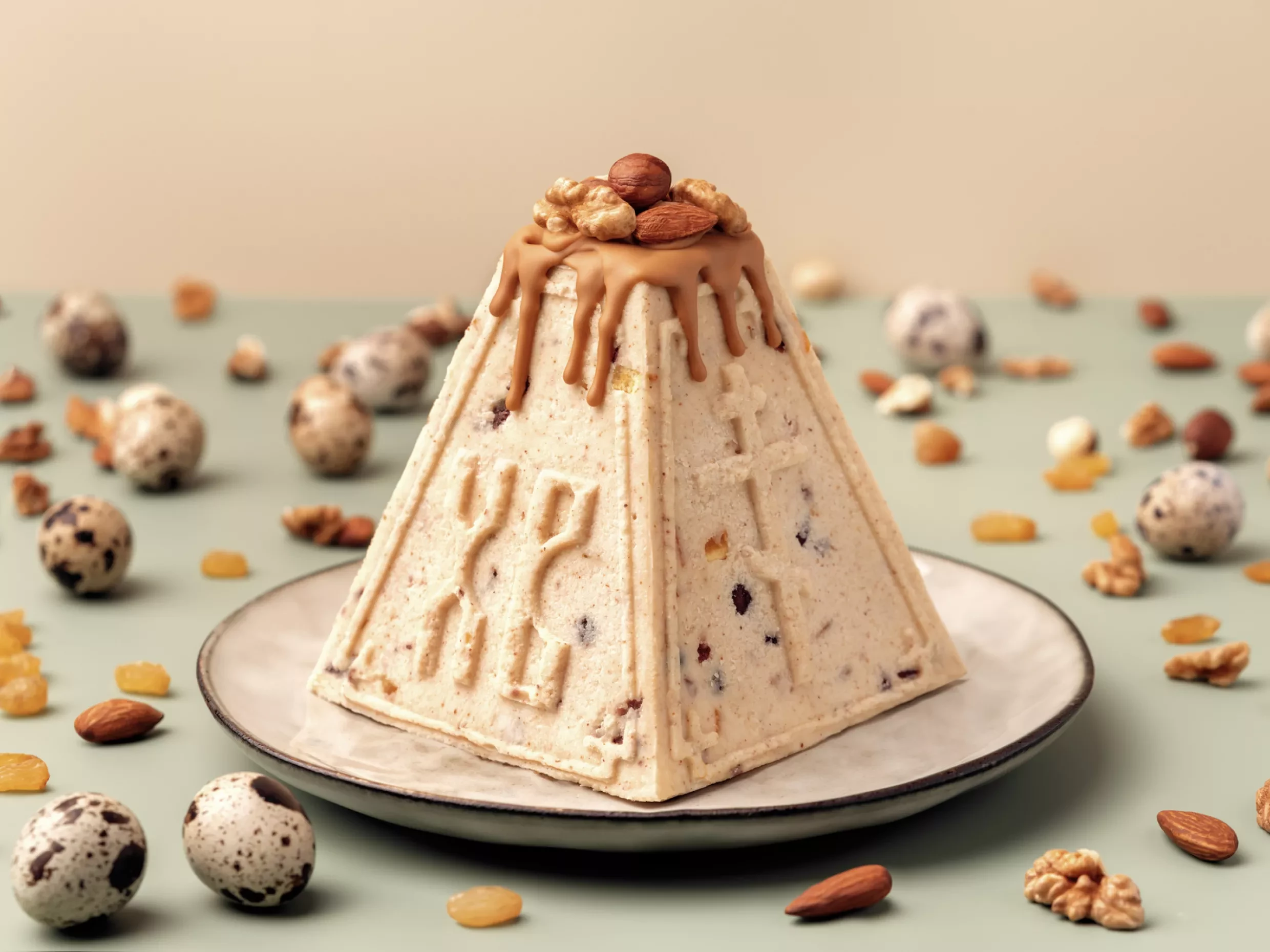
Russian Easter tables are all about generous, once-a-year treats, and two stars always share the spotlight - creamy Paskha and towering Kulich. Paskha is a rich, no-bake dessert made from sweetened curd or cottage cheese, as well as butter, sour cream, raisins, spices, candied fruits, and nuts, shaped into a pyramid and decorated with religious symbols. It’s often served with slices of sweet bread and usually made during the holy week and brought to church in an Easter basket on Great Saturday (the day between Good Friday and Easter Sunday) to be blessed.
Kulich, meanwhile, is a tall, cylindrical sweet bread, somewhere between a brioche and a panettone, scented with citrus and packed with dried fruit. Baked in special tins and crowned with white icing and colourful sprinkles, it’s sliced and enjoyed with paskha, but only eaten between Easter and Pentecost, forty-nine days after Easter Monday.
Latin America
Across Latin America, Easter’s celebrated with a mix of regional dishes that showcase local ingredients.
Ecuador
In Ecuador, fanesca is the season’s star - a luxuriously thick soup made with twelve types of grains and beans to represent the apostles, squash or pumpkin, and salted cod known as bacalao to represent Jesus. It’s usually served in the week leading up to Easter and is garnished with hard-boiled eggs, fried plantain, and fried cheese empanadas.
Mexico
In Mexico, capirotada, a spiced bread pudding layered with syrup, cheese, nuts, and dried fruit, fills homes with cinnamon-scented warmth. It’s usually eaten during Lent as a way to use up stale bread, as well as being served on Good Friday, and it’s believed the dish’s origins are from a type of medieval European stew that itself was born from a fourth century Roman stew.
Argentina
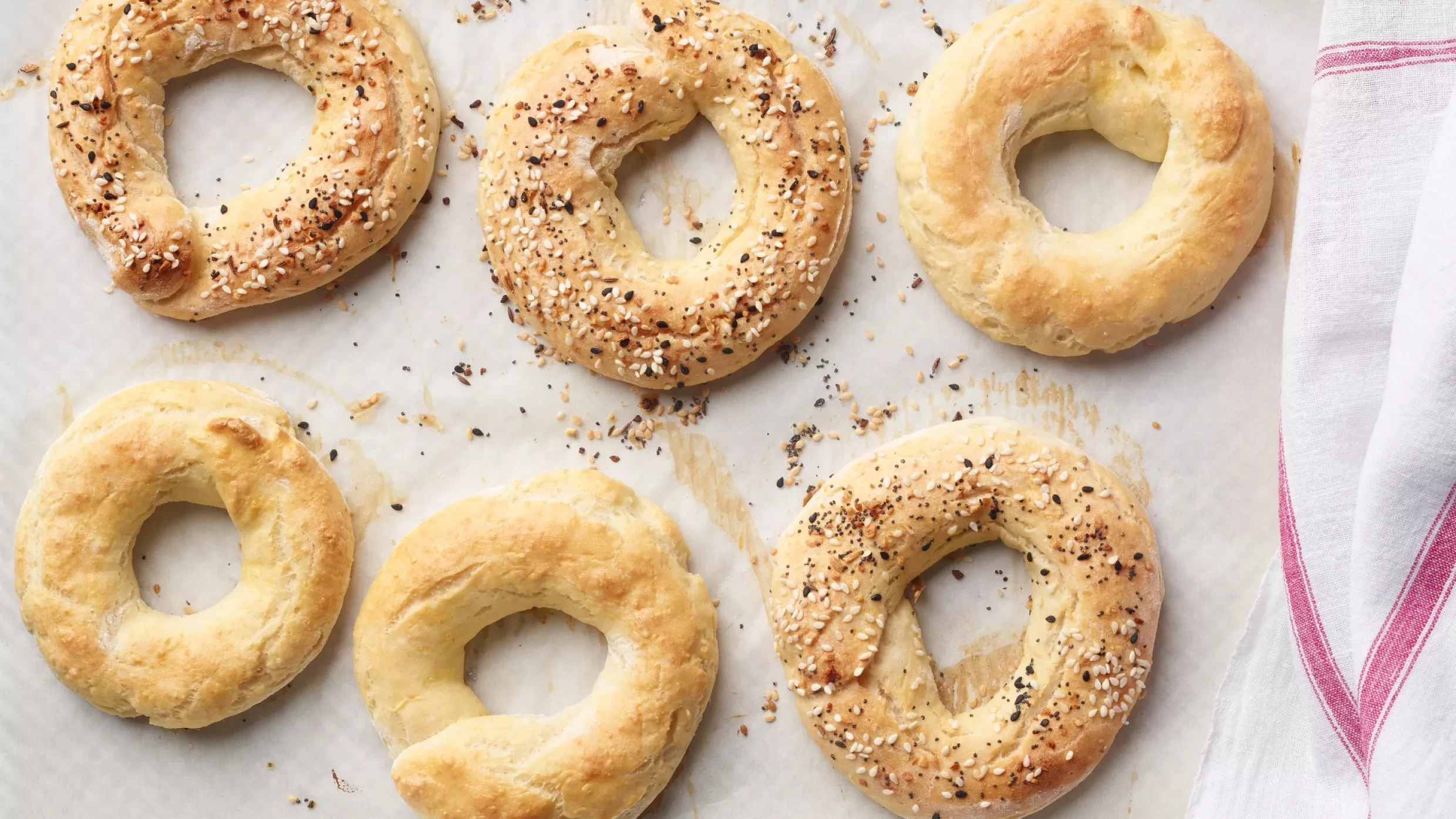
Argentina’s rosca de Pascua is a soft, ring-shaped enriched bread, shaped to represent eternal life, and often topped with creamy custard called pastelera, and glacé cherries. Sometimes it’s topped with chocolate eggs and filled with dulce de leche. A bakery-window favourite, while it’s an Easter Sunday tradition, it’s actually popular throughout Holy Week (Semana Santa), typically served for breakfast or as a snack with tea, coffee, or hot chocolate.
Brazil
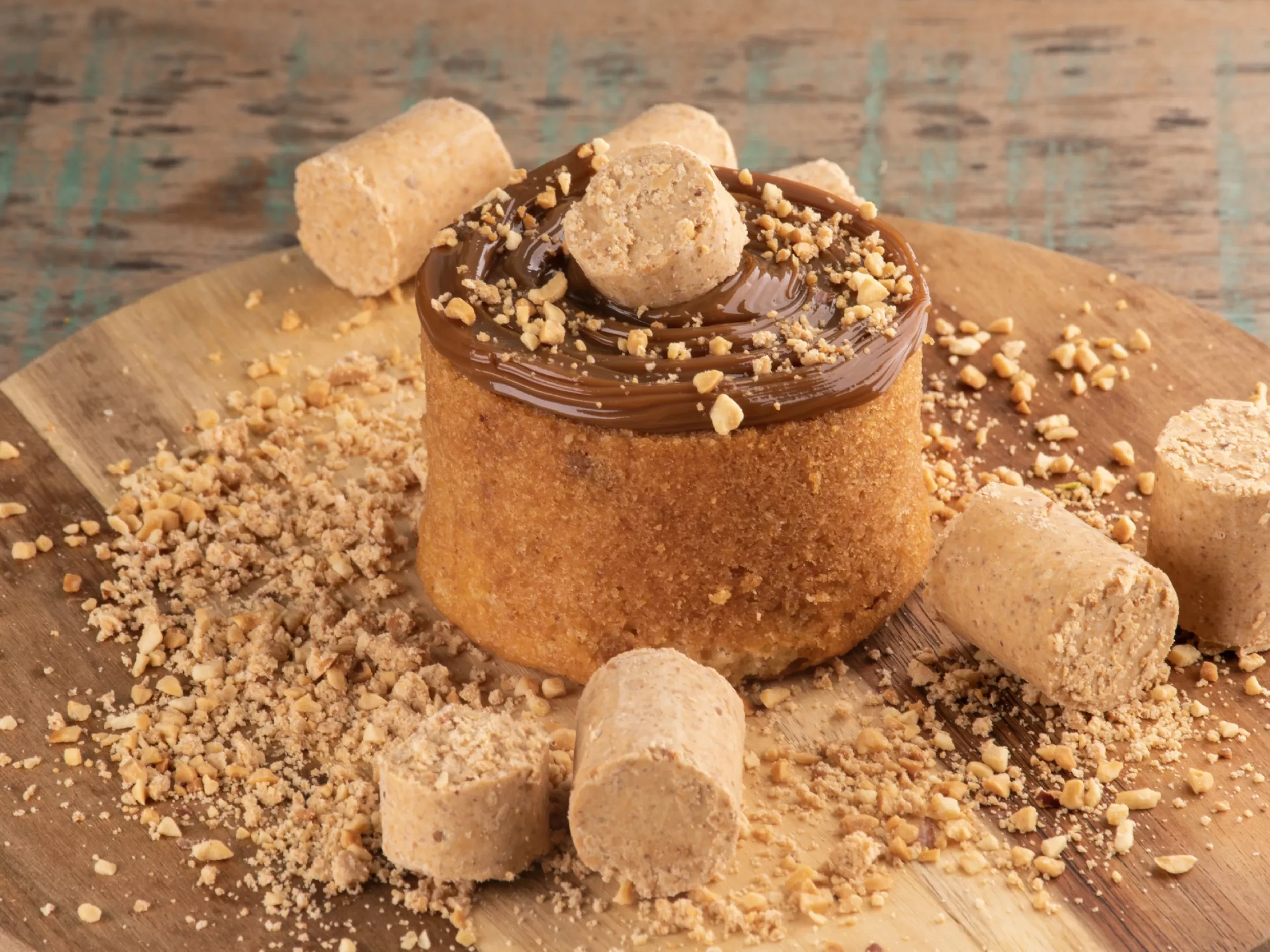
From Brazil, paçoca are crumbly sweets made from cassava flour, peanuts and sugar that are simple, nostalgic, and moreish. There’s a savoury version, also made with cassava flour but the peanuts and sugar are replaced with carne de sol, or sun-dried beef. It’s not a nationwide Easter staple, but in parts of southeastern Brazil - especially the Vale do Paraíba and around Resende - it’s traditionally eaten during Lent and Holy Week.
Around the World
Beyond Europe and the Americas, Easter tables are just as rich with amazing food, shaped by local ingredients, climates and histories. Here are a few standout dishes giving the season a deliciously global twist.
Jamaica
Bun and cheese is a nod to the classic hot cross bun. It’s made with slices of a dense, fruit-rich spiced loaf with a thick slab of processed cheddar cheese in the middle. The salty-sweet-savoury sensation is most popular during Easter but is eaten year-round.
South Africa
Cape Malay pickled fish is a South African Good Friday favourite. Christians traditionally ate fish rather than meat, and the Cape’s sweet-sour, spiced pickled fish (usually kinglip or snoek) slotted neatly into that custom. Over time, the dish’s classic Cape Malay flavours - vinegar, curry spices and onions - also became part of the Easter ritual, helped by the fact that it can be made ahead and keeps well over the long holiday weekend.
India
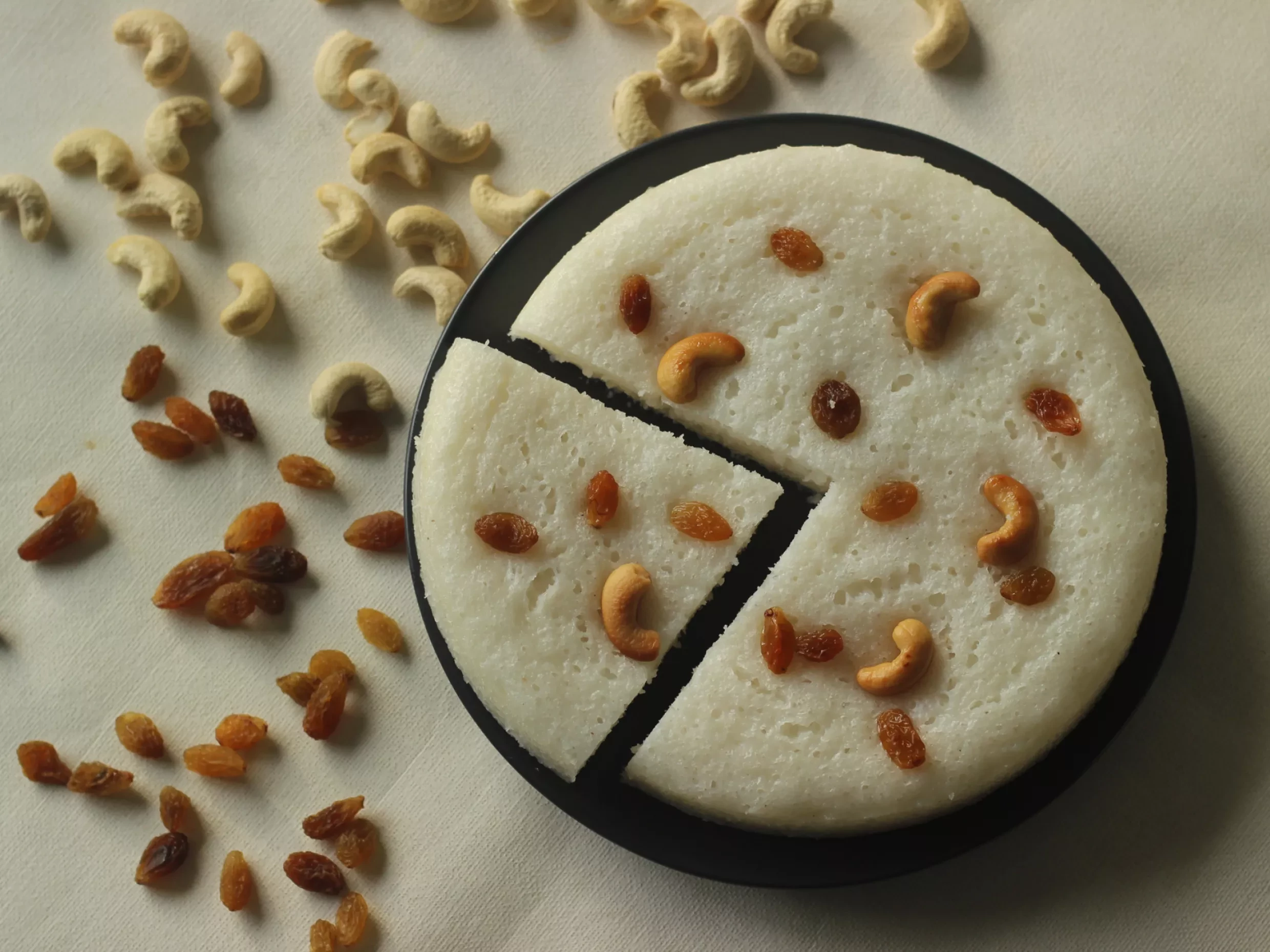
In parts of India, especially among Kerala’s Syrian Christian community, Pesaha Appam is a special unleavened rice cake made from ground rice batter and coconut milk, often steamed and served with a jaggery-coconut syrup. Usually prepared on Maundy Thursday, it’s a simple family meal that marks the close of Lent.
Ethiopia
From Ethiopia, Difo Dabo is a large, round, slightly sweet festive bread, sometimes flavoured with spices like fenugreek or coriander and wrapped in banana or enset leaves while it bakes in a traditional clay pot. It’s blessed and shared at Easter as part of the feast that ends a long period of strict fasting.
Happy Easter!
There are loads of outstanding Easter dishes from all over the world to eat over the holidays, so whatever you’re doing and however you’re celebrating, we wish you a very happy Easter!