


















If you’ve ever followed a chicken piccata recipe, you know that capers are indispensable for finishing the dish. Or maybe you recognise the name from the mysterious jars in the pickle aisle that contain these pea-sized green orbs. But what are capers, exactly? Here’s everything you need to know.
What Are Capers?
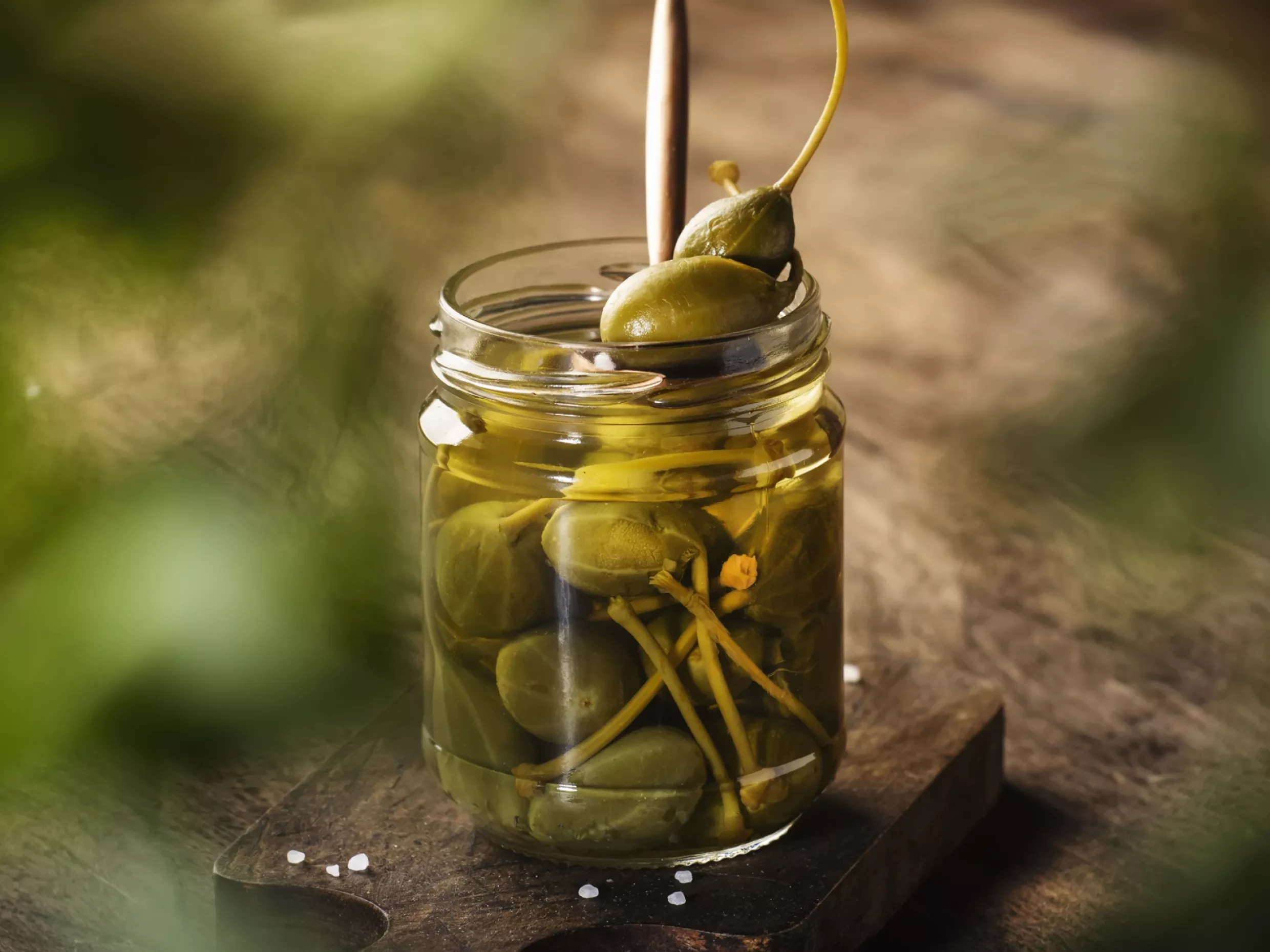
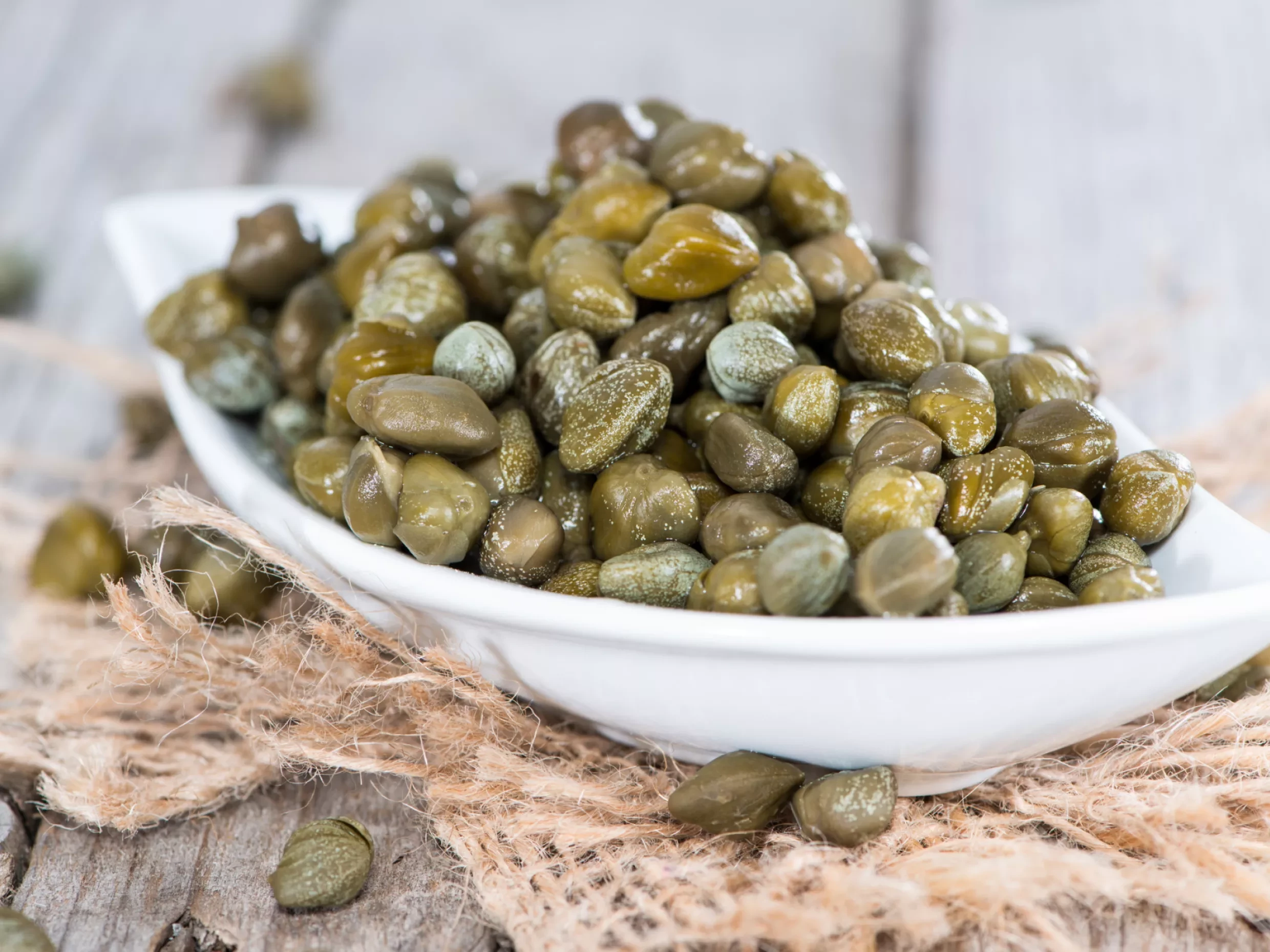
Capers are the unripe green buds of a prickly bush called capparis spinosa that grows wild across the Mediterranean and parts of Asia. Those briny globes we buy in jars at the grocery store start as flower buds, then get picked, dried and preserved. Capers are either cured in salt or pickled in brine, which gives them their trademark savoury, briny flavour.

What Do Capers Taste Like?
The taste of a caper is reminiscent of the lemony tang and brininess of green olives, but with a smack of floral tartness all their own. Because they’re packed in brine, capers also have a very salty, savoury flavour profile.
What are Capers Used For?
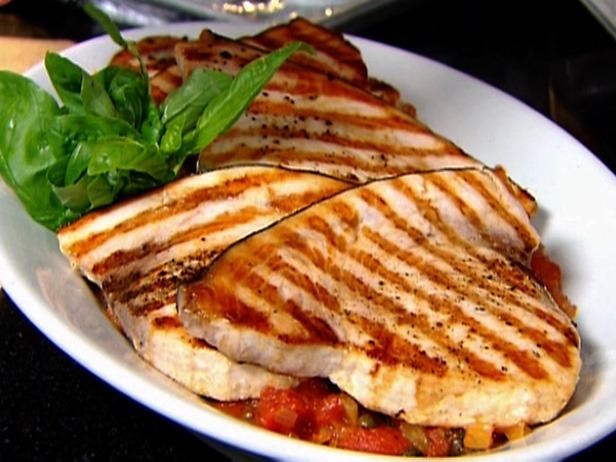
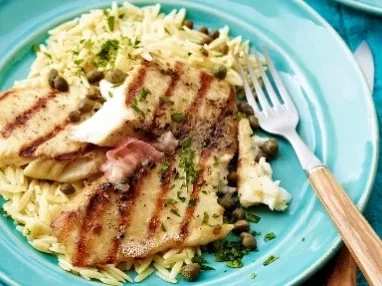
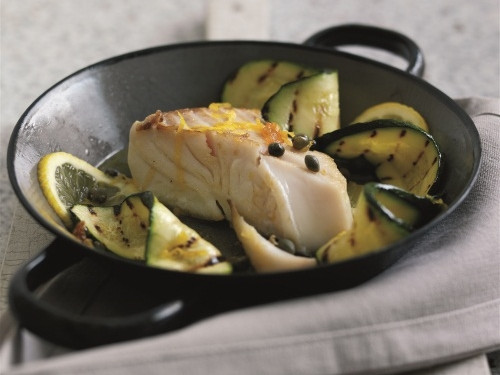
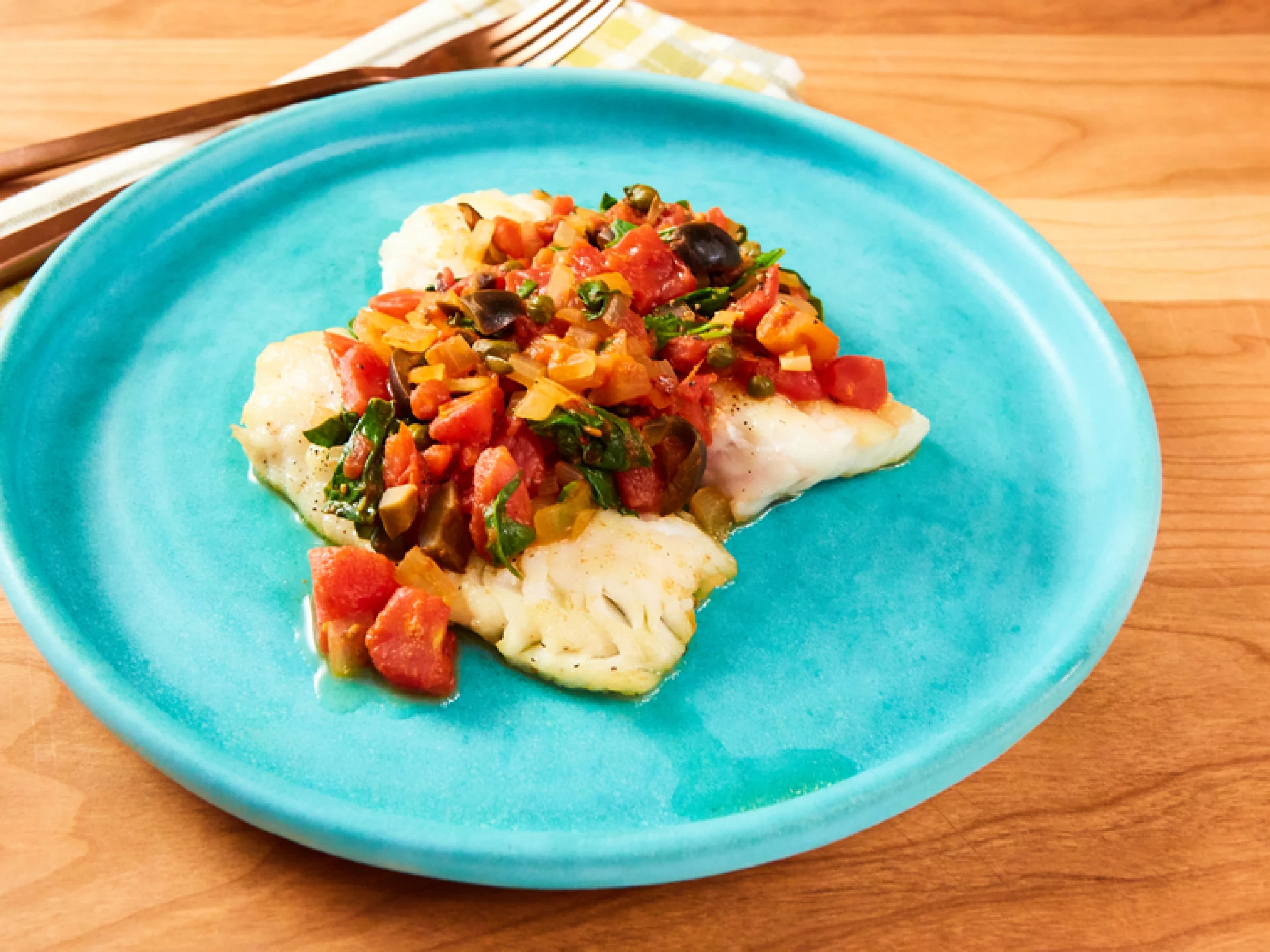
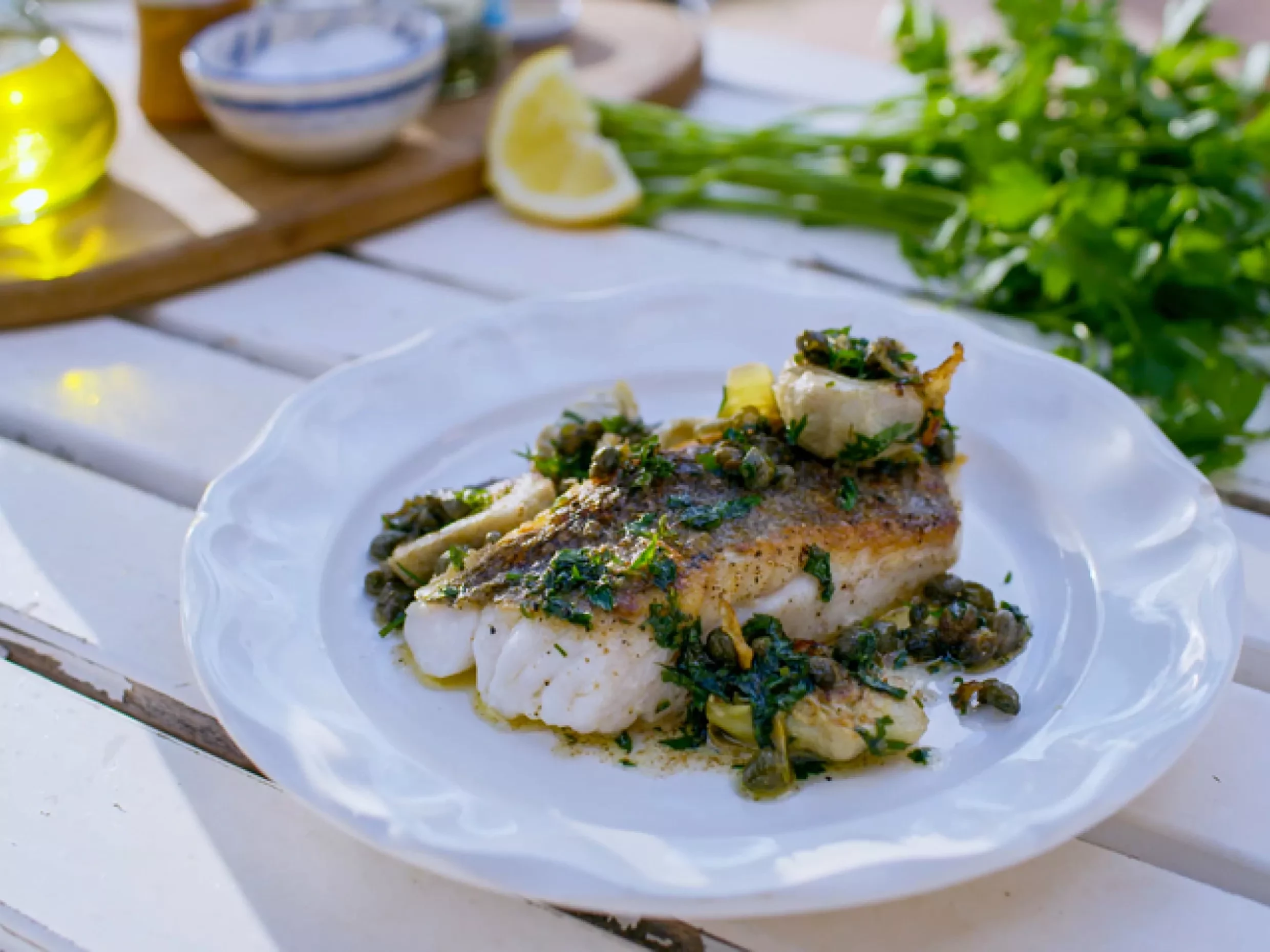
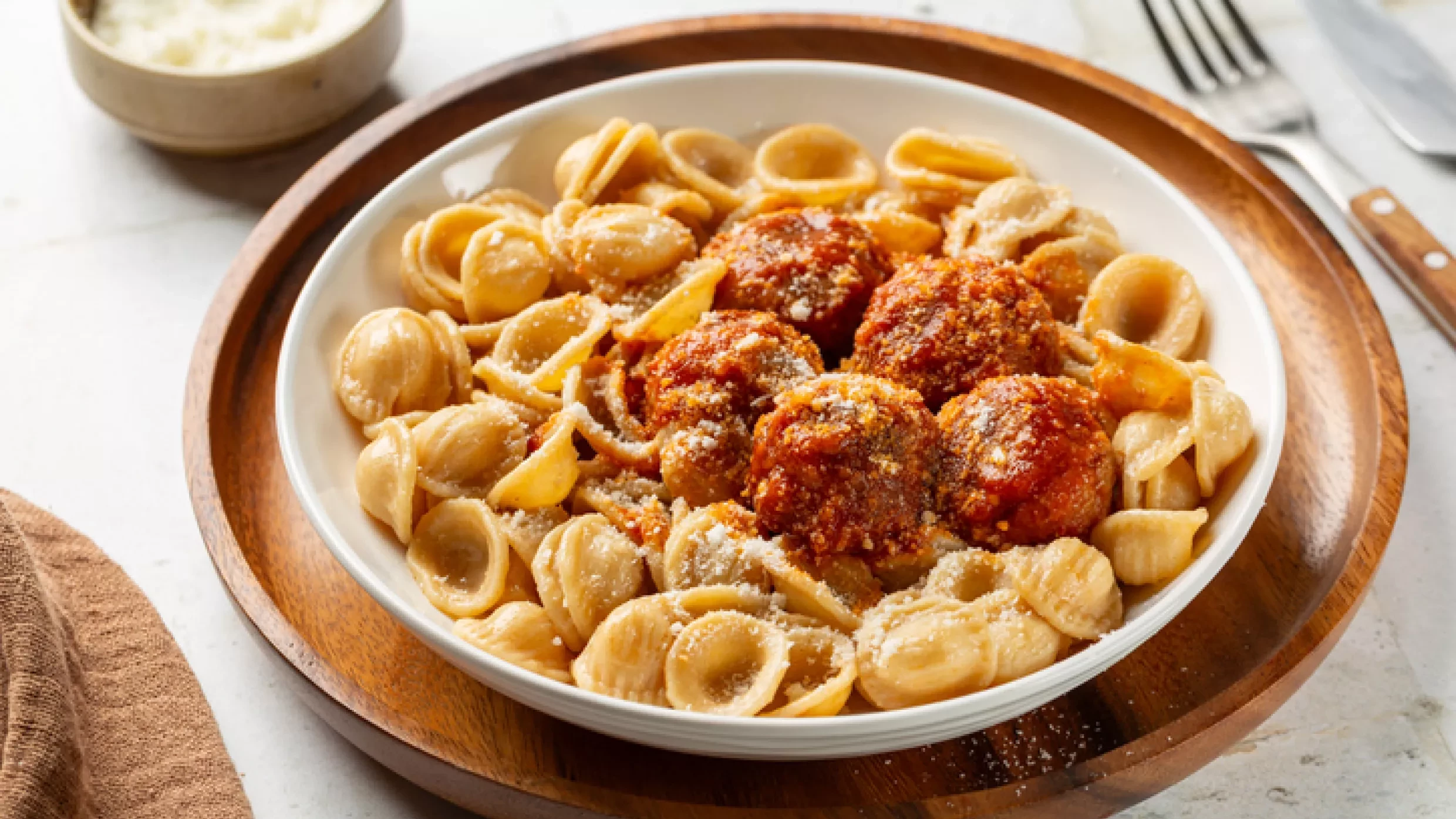
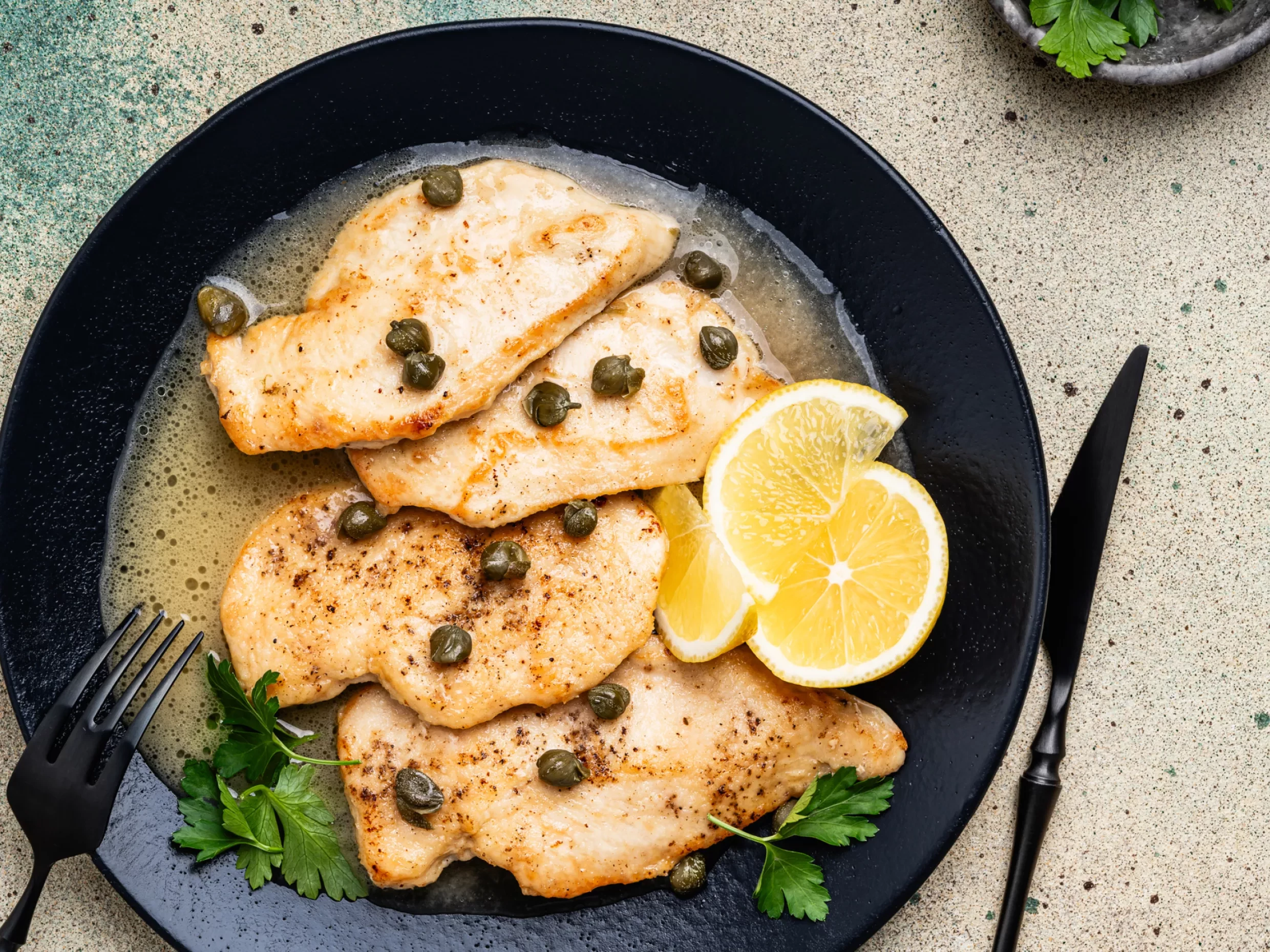
Capers are commonly used in Mediterranean cuisine, particularly in seafood dishes such as baked fish and pasta sauces such as puttanesca sauce. But they also add a briny, savoury, lemony hit to all kinds of dishes, including signature caper recipes like chicken piccata. They also provide a tangy counterpoint to rich dishes such as hearty stews, lamb or cheese. In the USA, capers are often served with appetizing spreads and used to garnish bagels, cream cheese and lox. When they’re finely chopped, capers provide a bright, briny backbone to tapenade, sauces, dressings and compound butters. Capers can also be fried to create a crispy garnish.
Capers have a unique, some might say acquired, flavour, but they are versatile, too. If you’re hoping to preserve their shape, color and flavour, it’s best to add capers later in the cooking process, or to finish a dish. If the capers are large or you’re cooking with other assertive flavours, some recipes might call for rinsing the capers first. Some recipes also make use of the flavour-packed brine, so don’t toss the good stuff.

Caper Varieties and Sizes
Capers come in different varieties according to size. They include nonpareils, which are about 1/4-inch / 7mm in diameter and come from the south of France (you’ll also see them labeled as French nonpareils). This is the smallest variety available, and they tend to have a more concentrated flavour and delicate texture. As a result, they tend to be more prized and have a higher price tag to match.
Other readily available caper varieties include surfines (7mm to 8mm), capucines (8mm to 9mm), capotes (9mm to 11mm) and fines (11mm to 13mm). Grusas, which measure over 14mm in diameter, are less common. Larger capers tend to be more acidic, so adjust your recipe accordingly or use sparingly.
Capers vs. Caperberries
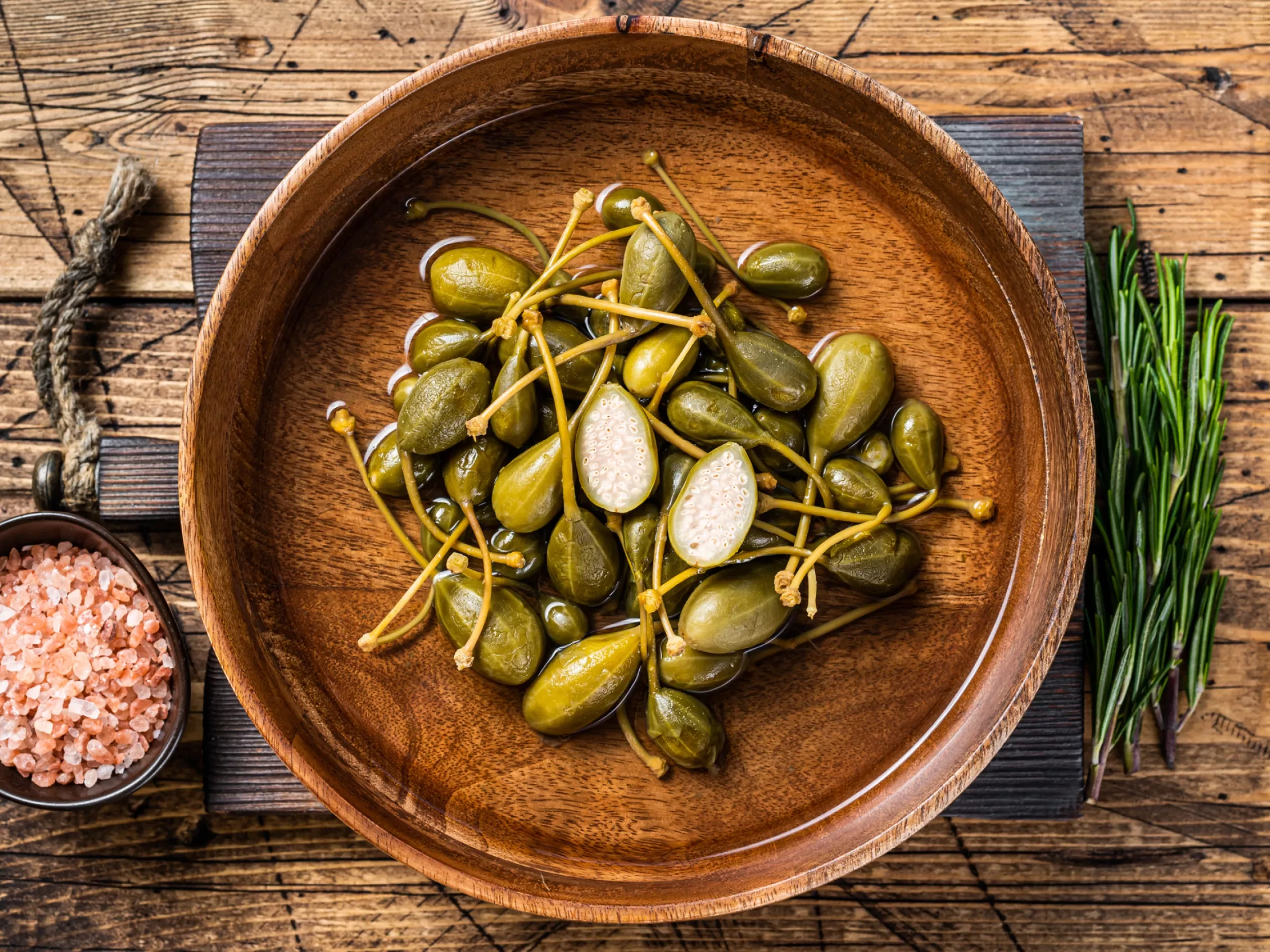
If the caper isn’t harvested as an immature bud, it grows into a caperberry. A caperberry is about the same size as a small olive and has a long stem. Caperberries also have small, kiwi-like seeds inside. Their larger size makes them softer in texture than capers, and they don’t have the same piquancy, so they shouldn’t be used interchangeably in recipes that call for capers. Like capers, caperberries are pickled; try adding them to an antipasto platter or to garnish savoury cocktails like a Bloody Mary.
Substitutes for Capers
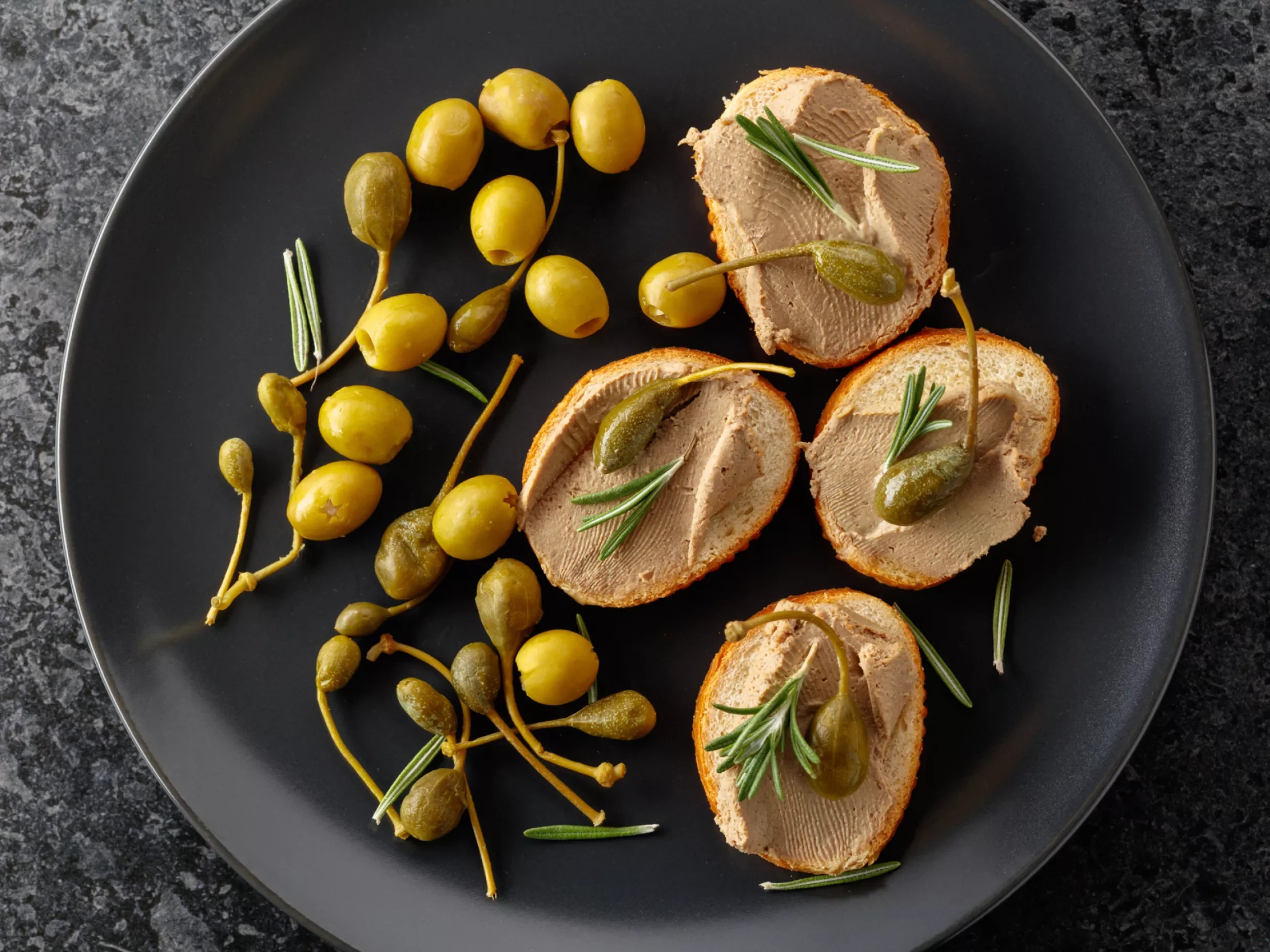
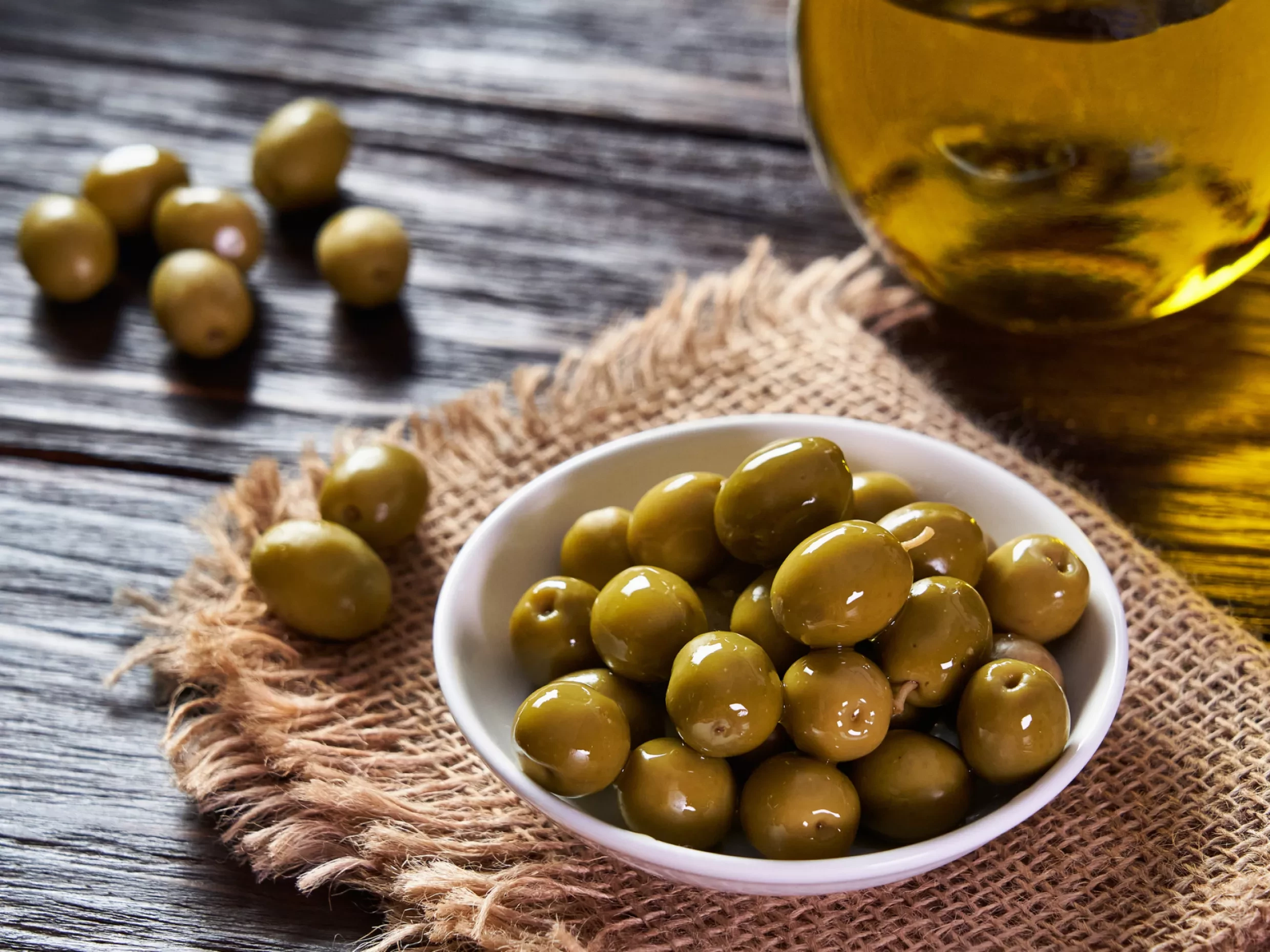
Because capers have such a distinct bright, briny flavour, it can be challenging to find an exact substitute, so it’s worth keeping a jar in your pantry. If you’re in a pinch, substitute a 1:1 ratio of finely chopped green olives. (For example, one tablespoon of chopped green olives for one tablespoon of capers.) Kalamata olives work too, but don’t tend to be as tangy as green olives.
Are Capers Good For You?
Capers are considered a low-calorie food, but since they aren’t eaten in high quantities, they don’t offer any significant nutritional value. However, they contain nutrients such as vitamins A, E and K and are a source of copper, iron and magnesium. Because capers are packed in brine, which is made with high quantities of salt, use sparingly if you’re watching your sodium intake.