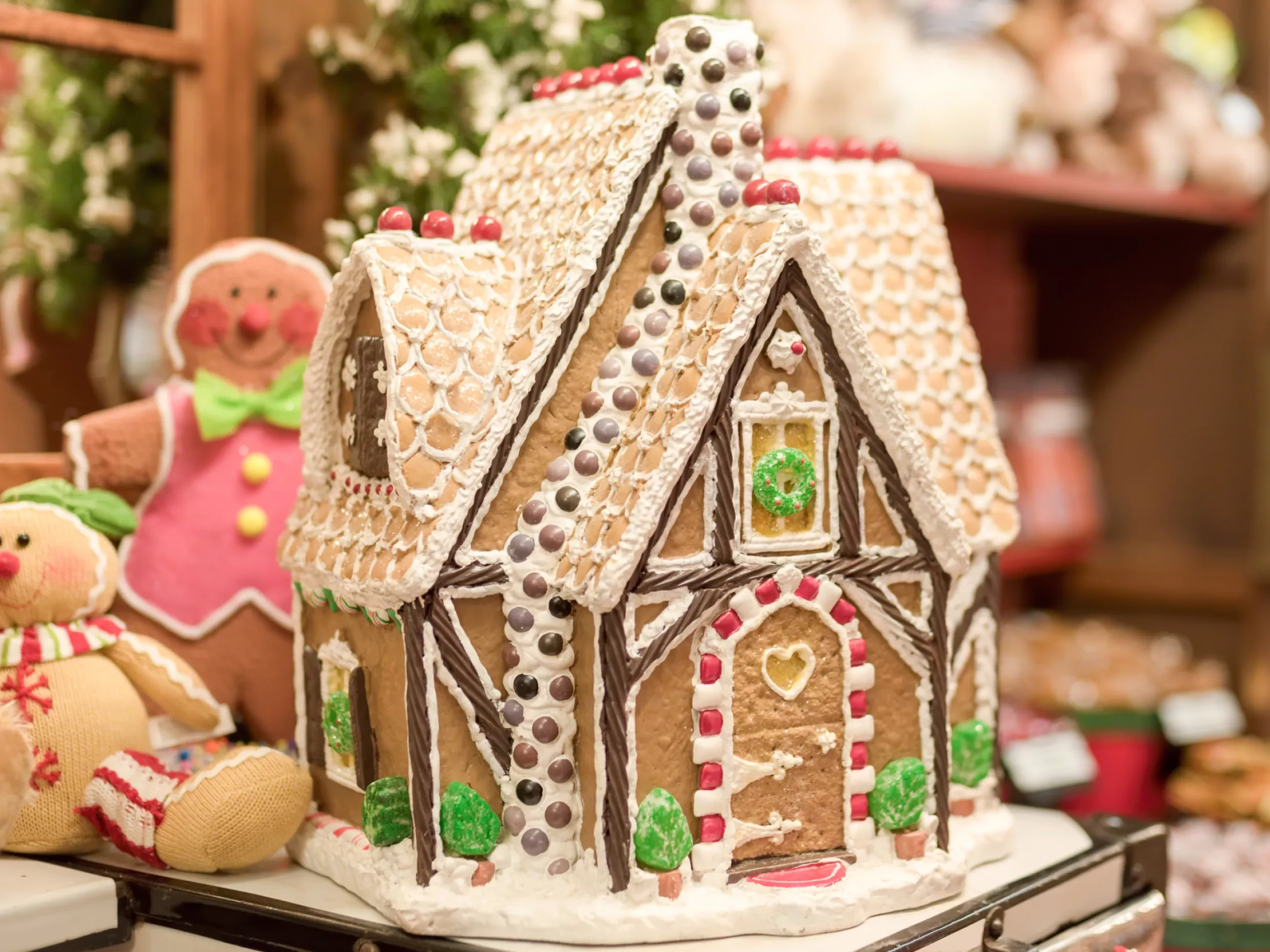















Sugar and spice and all things nice! The gingerbread house is a staple symbol of Christmas time, but where did this tasty mini-habitation come from, and was it inspired by the fairy tale of Hansel & Gretel? From medieval origins to a storybook icon, the tale of the gingerbread house is a delicious journey into festive imagination. Step inside as we explore the sweet foundation behind one of the season’s most beloved treats.
A Very Short History of Gingerbread
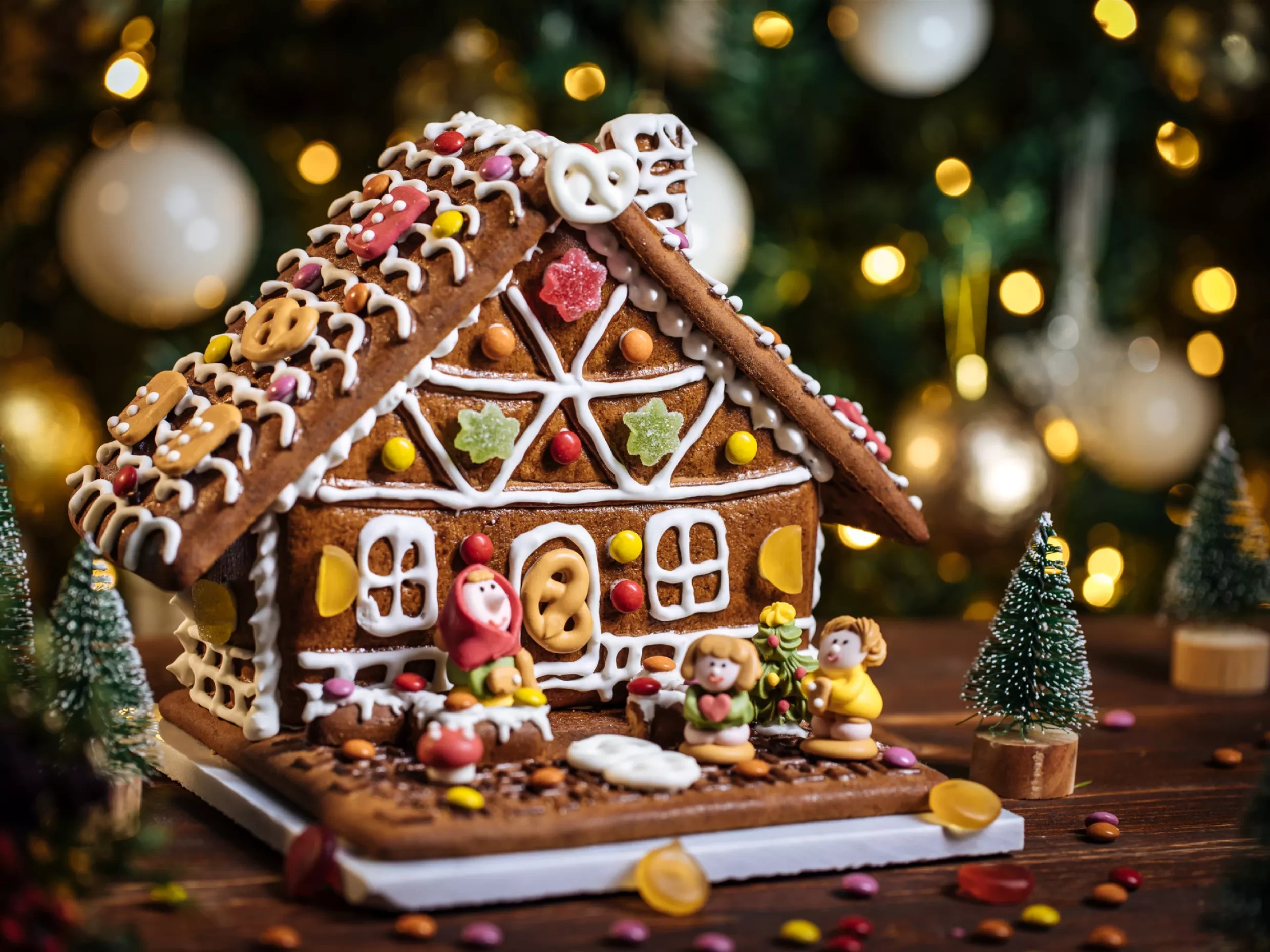
Gingerbread has a rich (and tasty) history with origins which may trace back to ancient Egypt, where honey-sweetened cakes - used for offerings and ceremonial purposes - go back roughly 4,000 years. The ancient Greeks also created honey-based cakes called melitoutta, sometimes seasoned with sesame and spices.
Leaving the ancient world, this tasty concept continued into the Middle Ages, when it spread to Europe via trade routes and the tumultuous period of the Crusades. It’s thought these European soldiers and monks brought back spiced bread recipes from the Middle East during the eleventh century, expanding the reach of ginger and other exotic spices that were highly valued and therefore, very expensive.
Gingerbread, in a form we’d broadly recognise today, was refined by medieval monks in France, who shaped and decorated it for use in religious celebrations and teaching.
By the 1300s, gingerbread was being produced more widely across Europe, especially in Germany. Over the following centuries, the city of Nuremberg became so renowned for its spiced bakes that it was dubbed the “Gingerbread Capital of the World”. Bakers moulded the dough into all kinds of shapes, often painting and elaborately decorating their creations. The custom spread north to Sweden and, by the seventeenth century, gingerbread was a staple of markets across Europe. While gingerbread figures were probably made earlier, the first recorded example comes from the court of Queen Elizabeth I, who had them shaped in the likeness of her most important guests and presented as gifts.
In the seventeenth century, gingerbread had become, quite literally in some places, a law unto itself. In several European countries, only members of the professional bakers’ guilds were allowed to make it, except at Christmas and Easter when it was a free-for-all. Sold in dedicated stalls and shops, it was a highly prized gift and even said to be worn as a good-luck charm by soldiers going into battle.
But where and when did the tradition of gingerbread houses begin?
Home Sweet Home
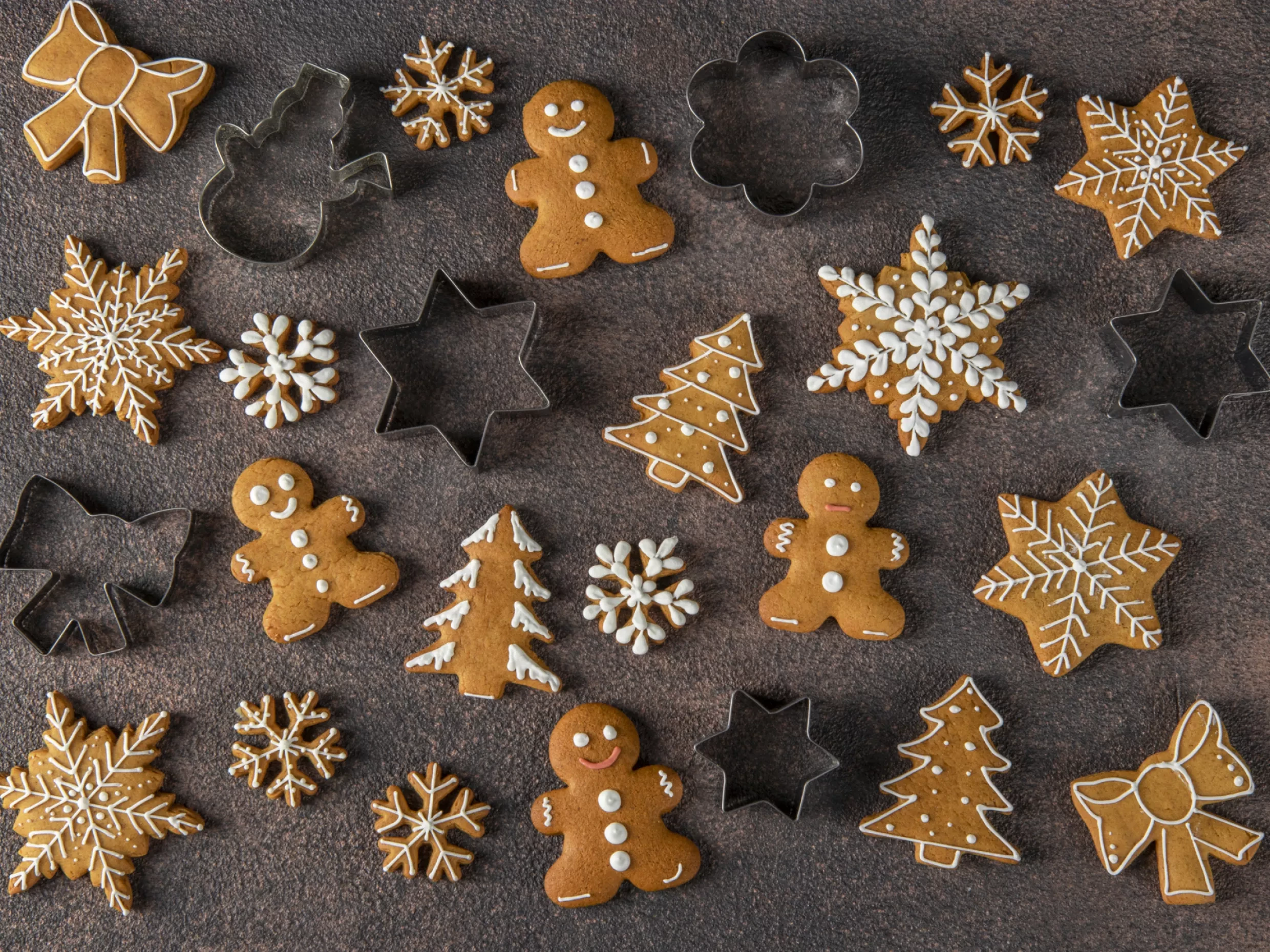
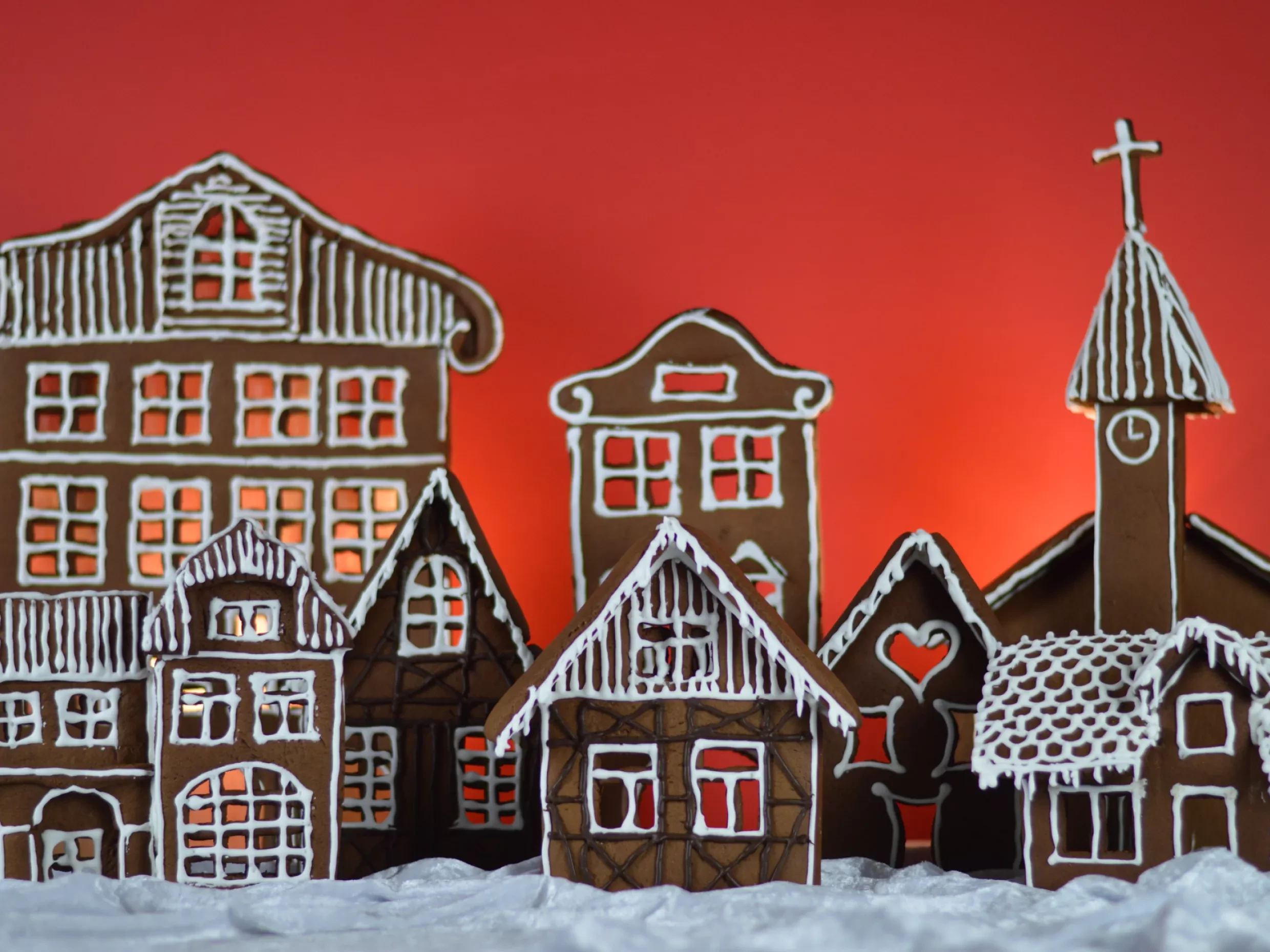
The tradition of gingerbread houses is generally thought to have started in Germany in the early 1800s and is closely linked to the Grimm Brothers' famous fairy tale "Hansel and Gretel." In the story, two children lost in the forest find an edible house made of cake, bread and sugar, which later versions changed to gingerbread and sweets. There’s some debate as to whether gingerbread houses existed before the tale, or if the tale inspired their creation, but the connection undoubtedly cemented the tradition.
After the story was published as part of Grimm’s Fairy Tales in 1812, German bakers began making ornamented gingerbread houses (called Lebkuchenhäuser or Pfefferkuchenhäuser) inspired by the story. These houses were made by cutting gingerbread dough into pieces and assembling them and decorating with icing.
The gingerbread house trend gained popularity at German Christmas markets and quickly made its way around Europe. It went to America with the Pennsylvanian German immigrants and soon became known as an integral part of Christmas, with the whole family gathering to help with the build.
Pepperkakebyen and 35.8 Million Calories
If you’re a hardcore gingerbread house fan, you’ll know exactly what we’re talking about!
Pepperkakebyen, which translates as "The Gingerbread City," is a beloved Norwegian Christmas tradition held annually in the city of Bergen since 1991. It’s a community project involving kindergarten kids, schoolchildren, local businesses, and families, and is thought to be the world's largest gingerbread town. It features around 2,000 buildings, vehicles, and landmarks mostly made from gingerbread and decorated with icing and sweets. The miniature city includes houses, hotels, museums, churches, castles, boats, and even replicas of notable local sites and historic buildings.
And what does 35.8 million calories refer to? It’s the amount you’d have consumed if you had eaten the world’s largest gingerbread house! It was made in 2013 by The Traditions Club in the town of Bryan in Texas. The 234 square metre house was 18.2 metres long, 12.8 metres wide and 3.07 metres tall. It was made from more than 1.3 tonnes of brown sugar, 820 kilograms of butter, 7,200 eggs and 3.3 tonnes of flour!
Gingerbread Recipes
Here at Food Network, we’ve got loads of incredible gingerbread recipes, including an unbelievable gingerbread and lemon curd trifle with blackberry sauce, toasted gingerbread with barbecued pears and caramel, and an adults-only gingerbread and coffee cocktail.