


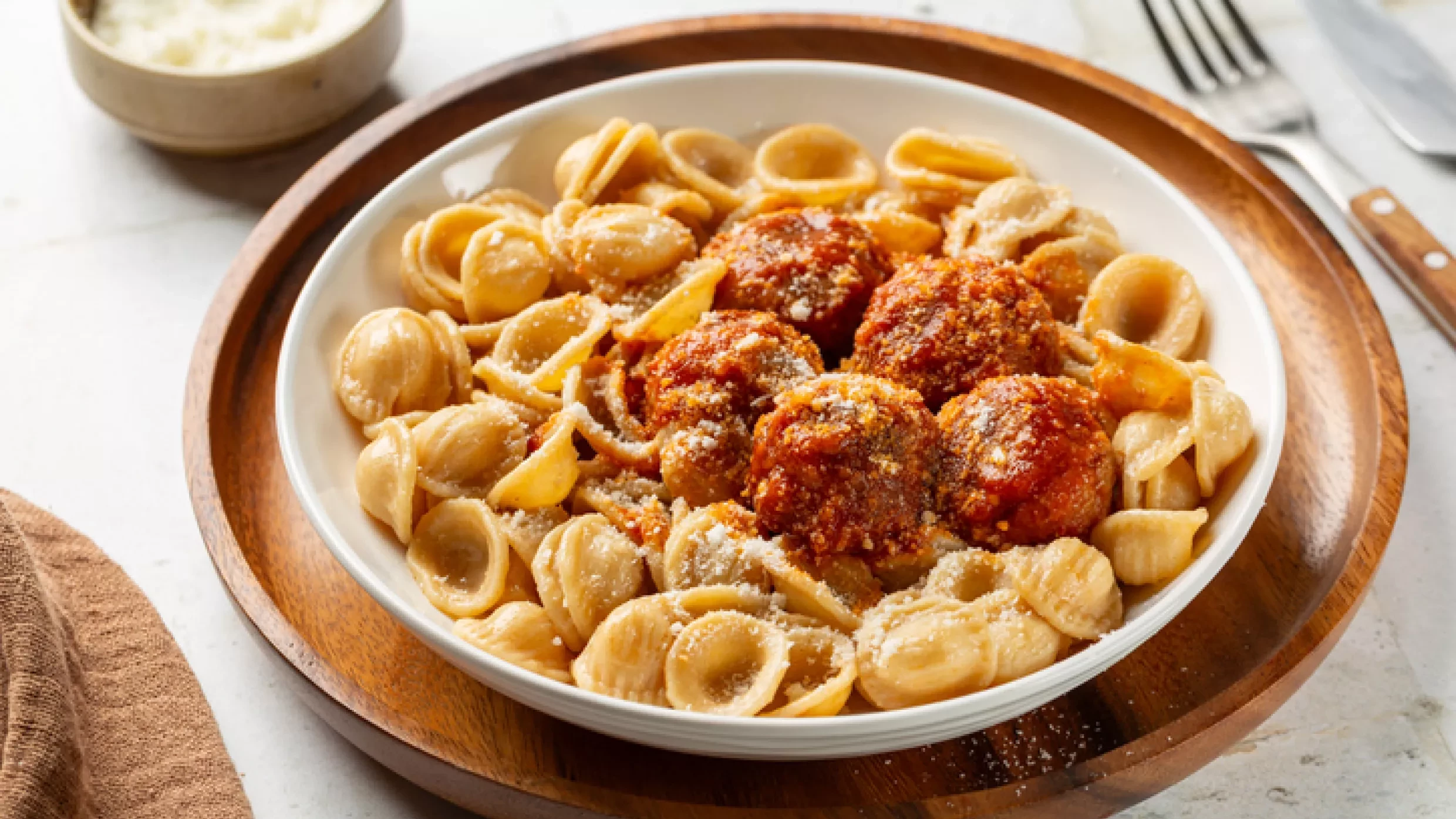

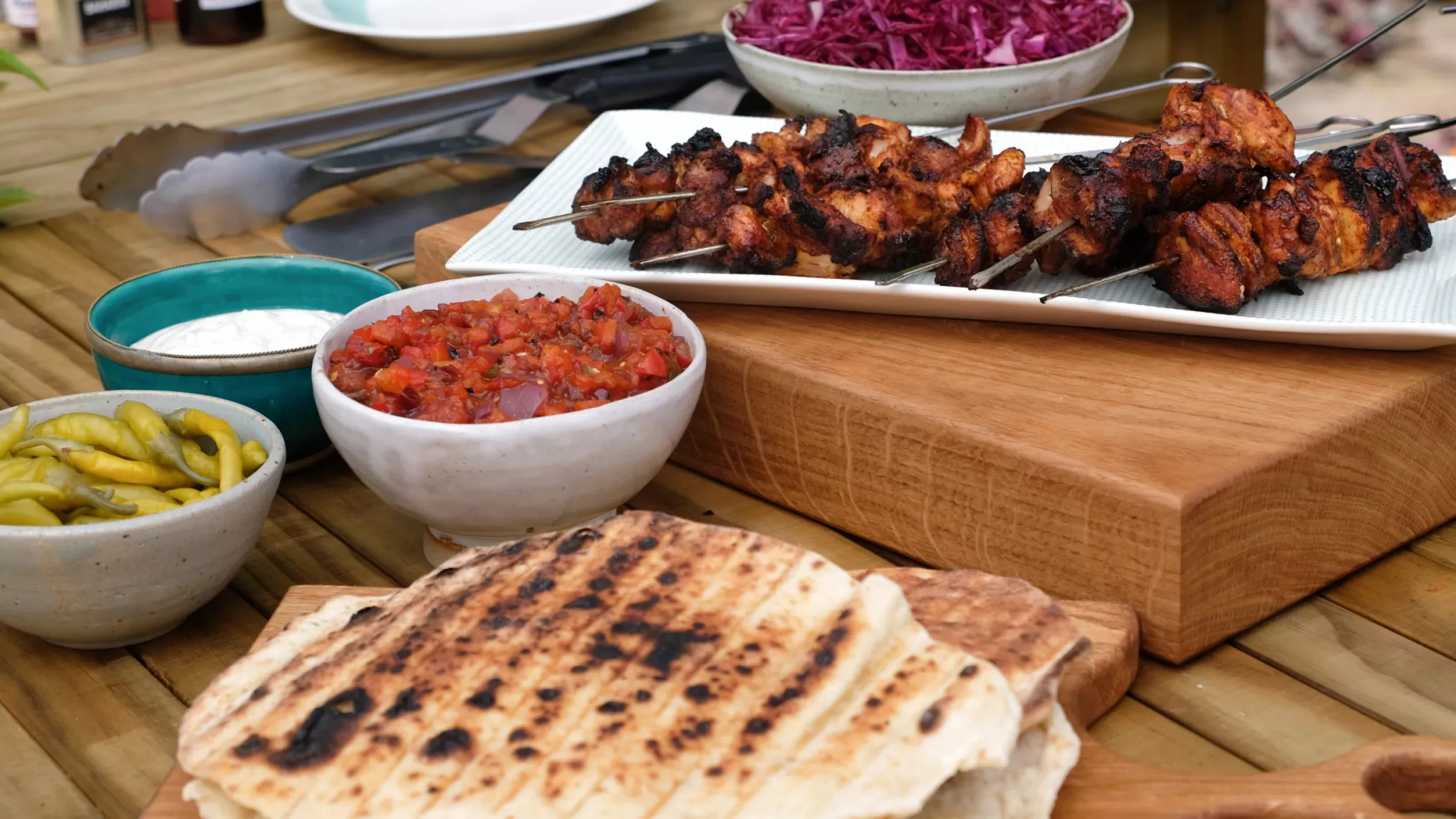
Food isn’t just fuel, it’s personal, and fiercely defended! Few things spark stronger opinions than what we eat, and one person’s go-to dish is someone else’s culinary crime, but what are the most divisive hot takes? Here are the feisty food fights that keep dinner tables - and the internet - deliciously divided!
Food For Fought
Food can bring people together, but it can also split them straight down the middle! What should be simple - milk or hot water first, ketchup on eggs, or the big one, pineapple, yes or no - can quickly turn into a surprisingly spicy discussion. Suddenly, everyone has a strong opinion on how to make a cup of tea.
From kitchen tables to group chats, and ‘let me know in the comments what you think’, these digestible disagreements show up everywhere, turning casual conversations into lively debates. When it comes to defending a foodie favourite, most people are more than ready to dig in.
Some of these opinions are hard to swallow, but remember, there’s no right or wrong. Or is there…?
The Great Pizza Debate (Not That One…)
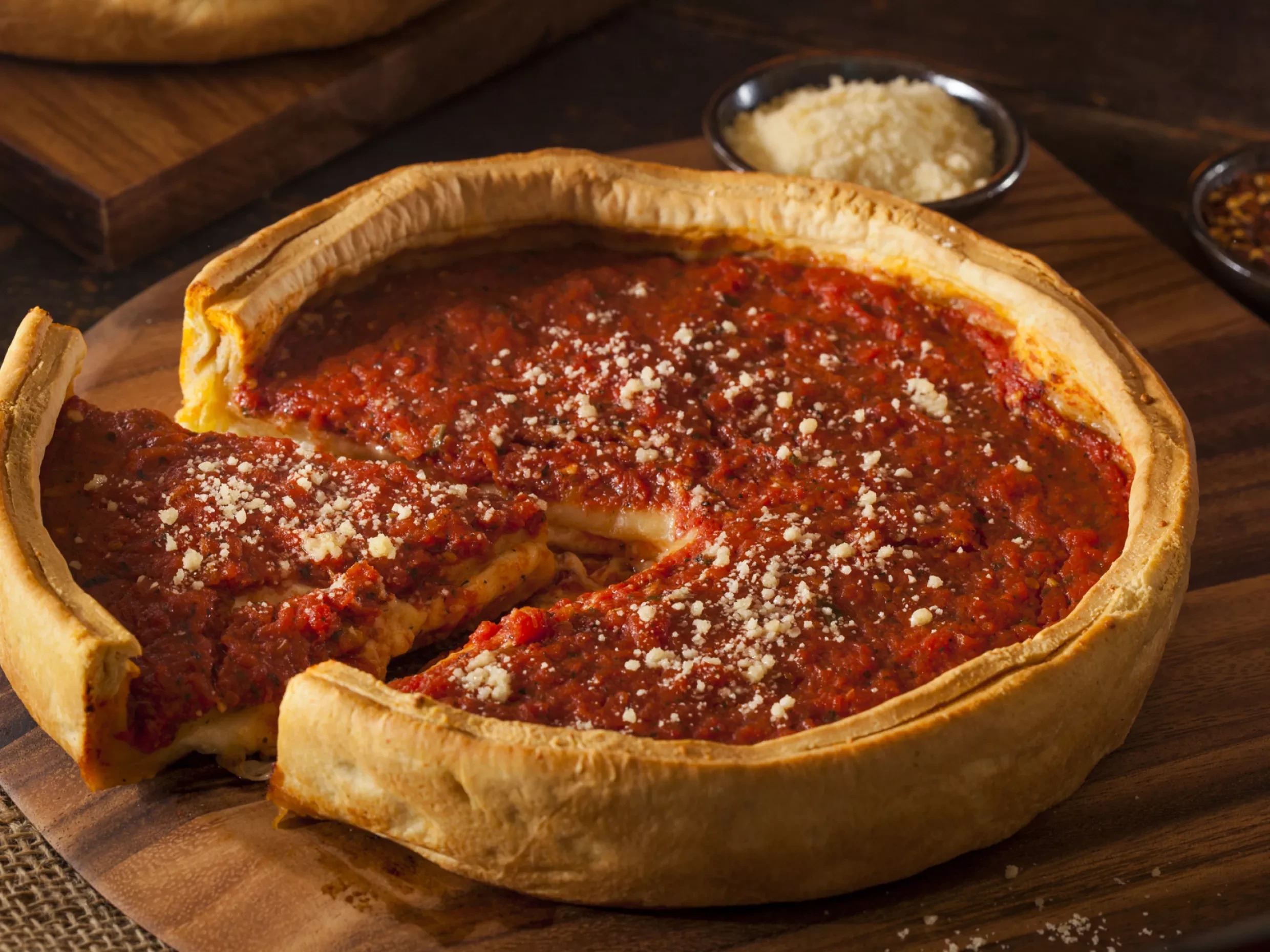
The one you’re expecting is coming up in a minute, but this one is more regional. Pizza is no stranger to debate, and another long-standing food discussion is New York pizza versus Chicago pizza. New York fans champion thin, foldable slices that are easy to grab on the go, while Chicago’s loyalists defend their deep-dish pies, loaded with sauce, cheese and all sorts of fillings that you can only eat sitting down with a knife and fork, and it’s a hill each city is prepared to die on.
Chicagoans say the toppings slide off the thin, flat New York slice, while New Yorkers are barely even able to call Chicago’s traditional dish a pizza. Both are delicious, and it’s less about one being better than the other and more about what kind of pizza mood you’re in, yet both have earned their place in pizza history.
A Very British Spat
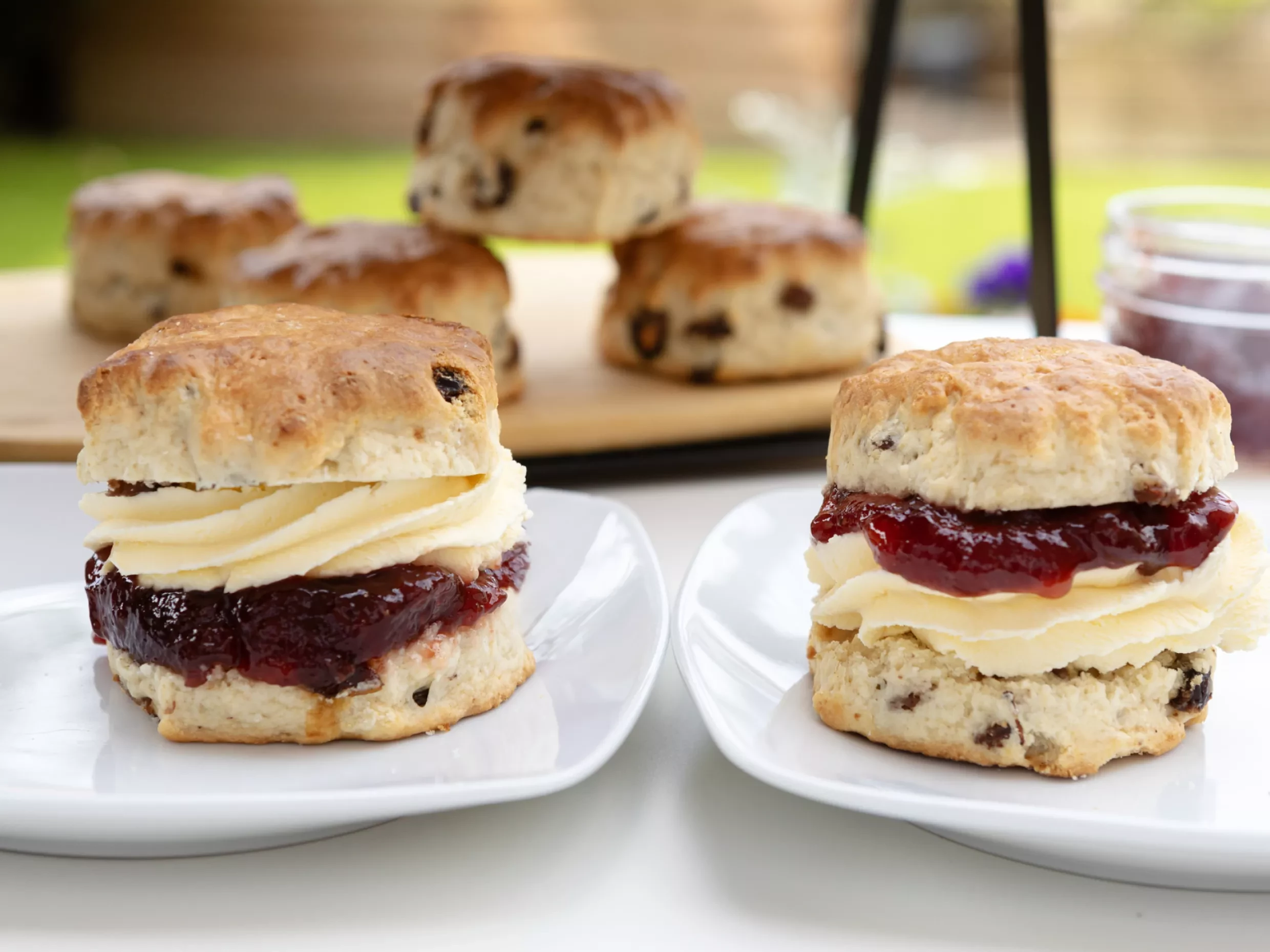
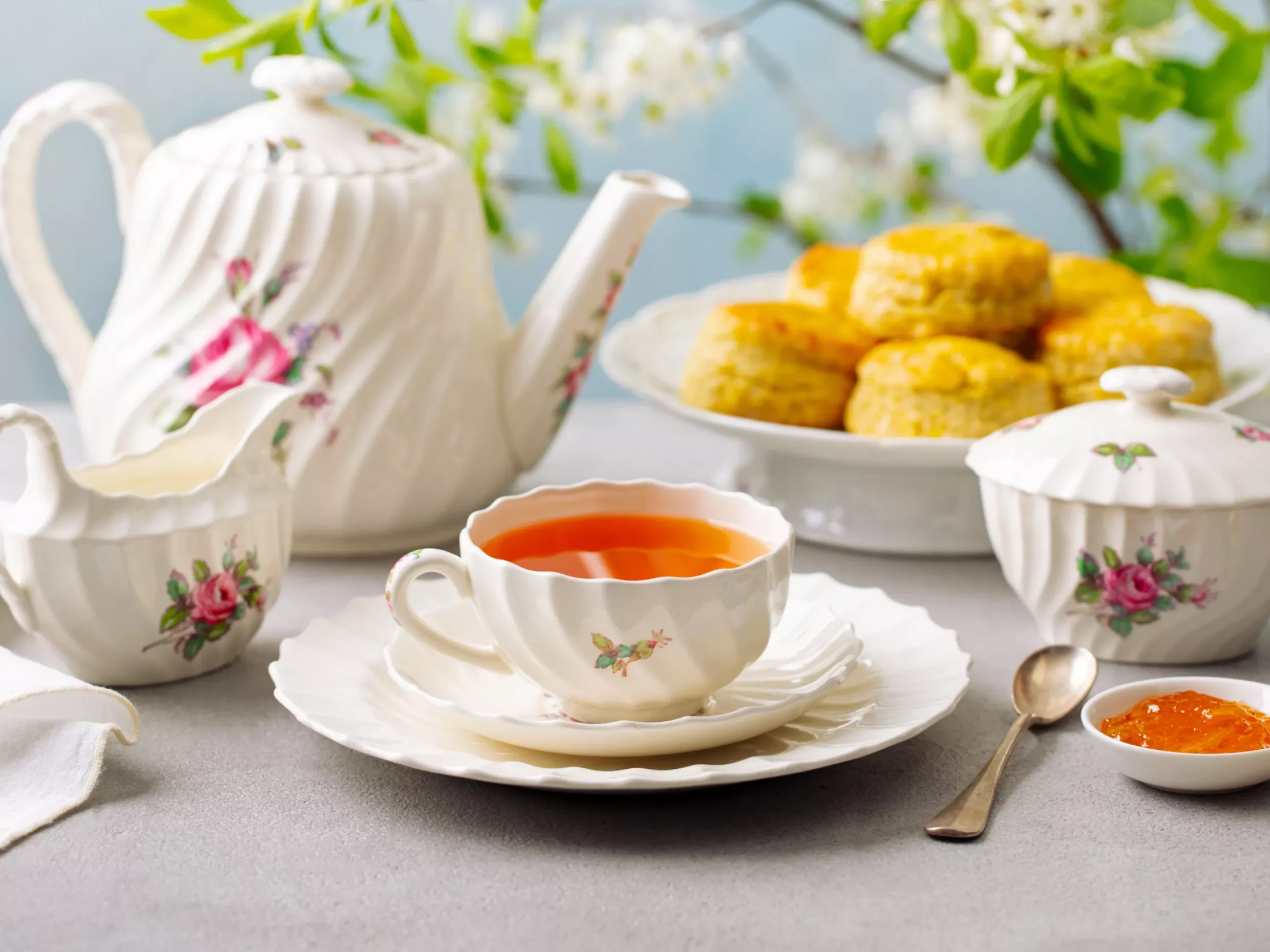
Few dishes inspire quite as much polite stubbornness as a cream tea, and at the heart of the debate is a simple question - cream first or jam first? History suggests that bread with cream and jam may have been eaten as far back as the eleventh century, but did they put the jam on first, or the cream? Devon and Cornwall disagree, with both sides arguing in favour of tradition and local pride. Indeed the whole discussion is treated with a surprising amount of seriousness for something this scrummy.
In Devon, the clotted cream goes on before the jam, so it acts like butter, creating a barrier between the scone and the jam. In Cornwall, the jam comes first, with the cream spooned on top. This, they say, is to stop the cream from melting on the warm scone.
One would usually defer to the tradition of the county one happens to find oneself in as to which way round the cream or the jam goes on, but there’s one undeniable truth that both counties can surely agree on - warm scones with jam and cream (or cream and jam) are delicious!
Italian No-No
Look, you can do what you like in the privacy of your own home, but Italian food comes with a few unwritten rules that can feel surprisingly controversial if you’re used to a more relaxed, British-style approach to eating and drinking Italian. Ordering a cappuccino after 11am? A definite red flag in Italy, where milky coffee is usually seen as a breakfast-only move.
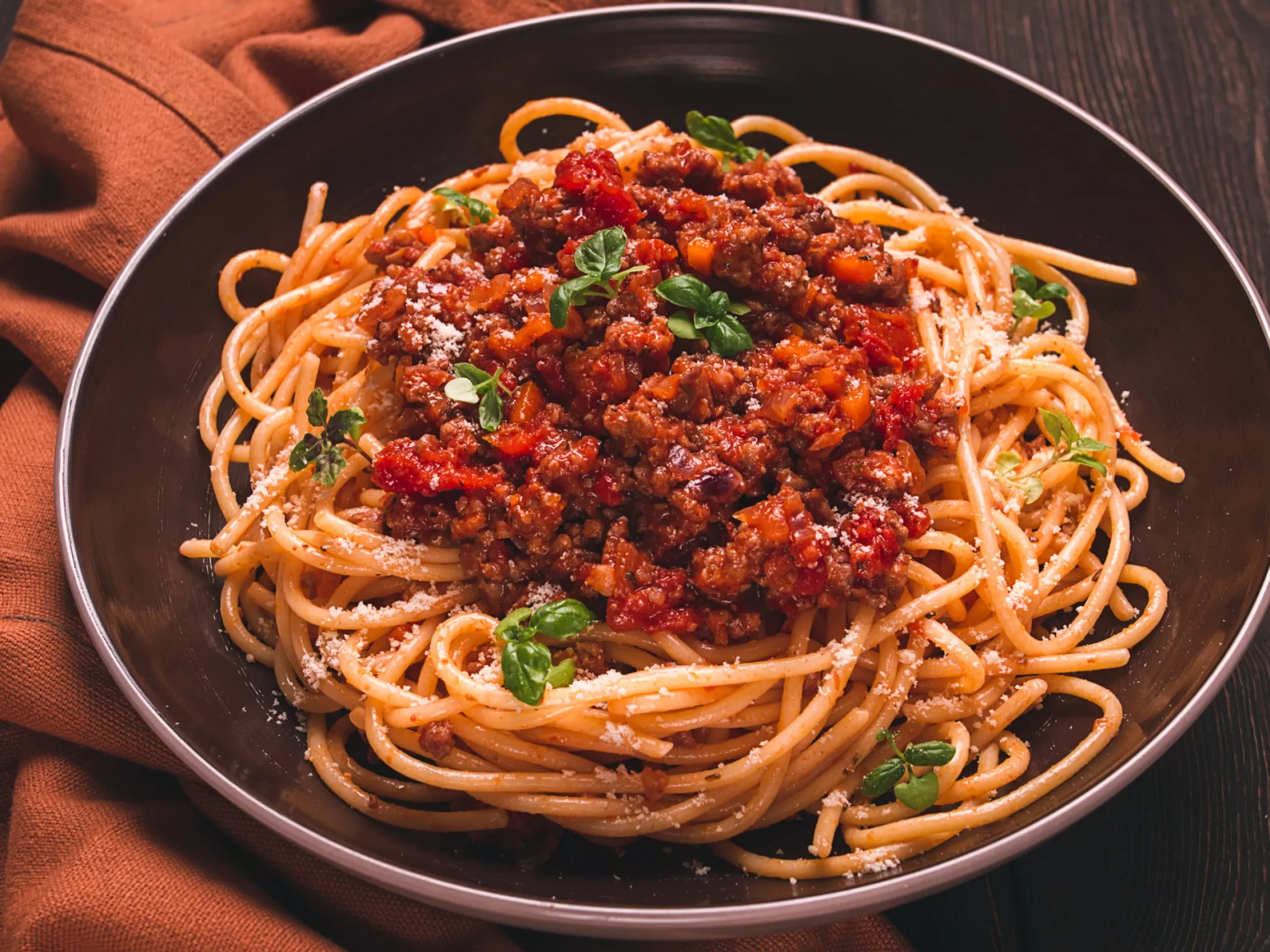
Spaghetti bolognese is another one to tread carefully with, since the classic ragu sauce is almost never served with spaghetti in the way many of us know it at home. It’s usually served with flat, fresh egg pasta like tagliatelle, whose broad surface gets smothered with the sauce. And then there’s the eternal question of cutting spaghetti, which is likely to earn you some serious side-eye and is considered the ultimate culinary crime. When in Rome, etc…
The Battle of the Brew
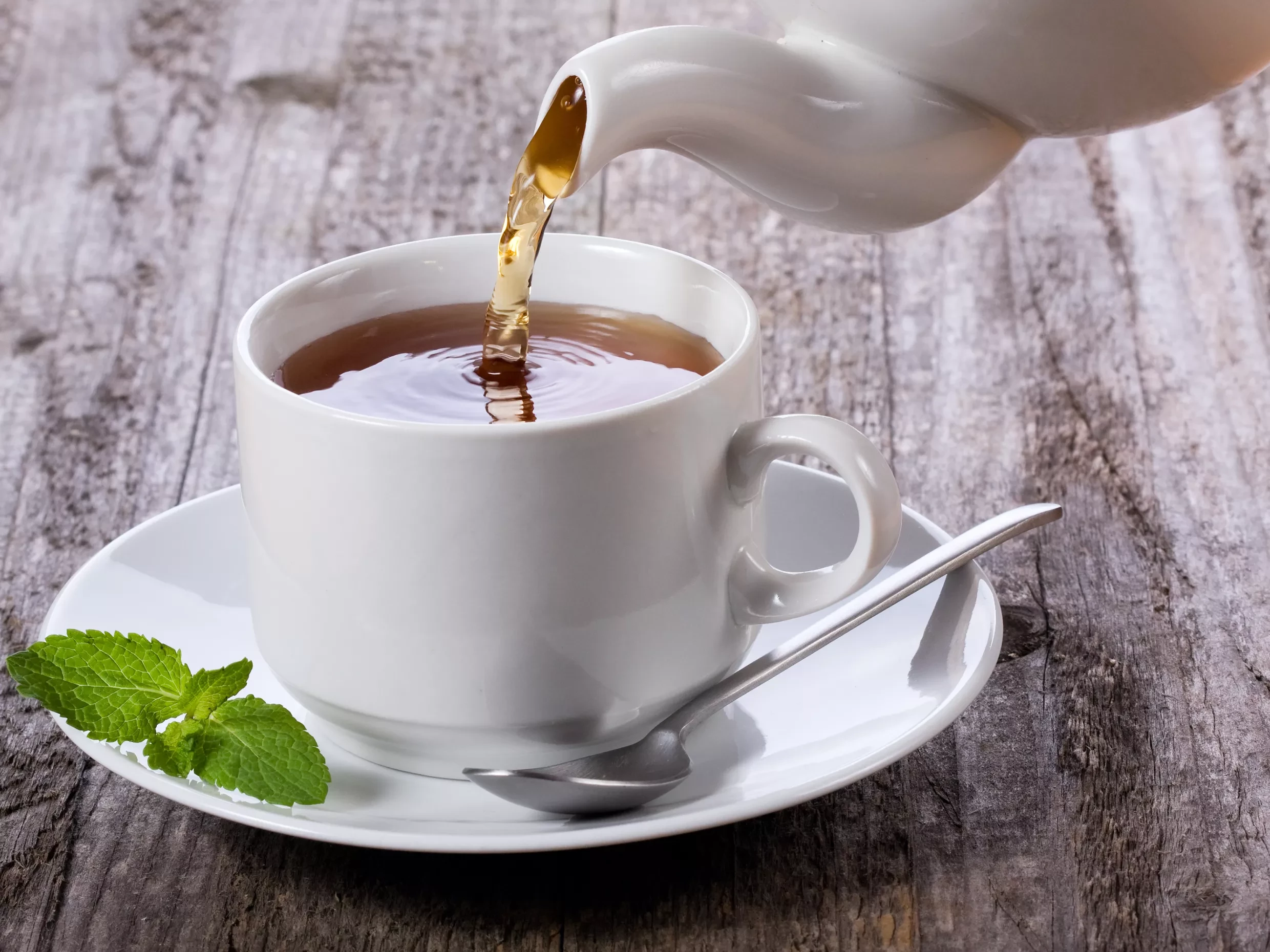
Another wonderfully British argument is whether the water goes in first, or the milk goes in first in a proper cup of tea. Around 100 million cups of tea are drunk in the UK every day, but is it an even split? It’s impossible to say, but science has spoken out on the matter.
A Loughborough University study confirmed that putting the milk in after the boiling water causes it to heat unevenly, which in turn causes the milk’s proteins to lose their structure, and you end up with that annoying film you often see on the surface of the water. So therefore, the milk should go in first, right? Not necessarily. If the milk goes in first and the tea bag is sitting in it, the water will cool too quickly which affects the brewing process.
The best advice we can give? Just keep doing what you’ve always been doing, if that’s the way you like your brew!
Breakfast: The Most Important Argument of the Day
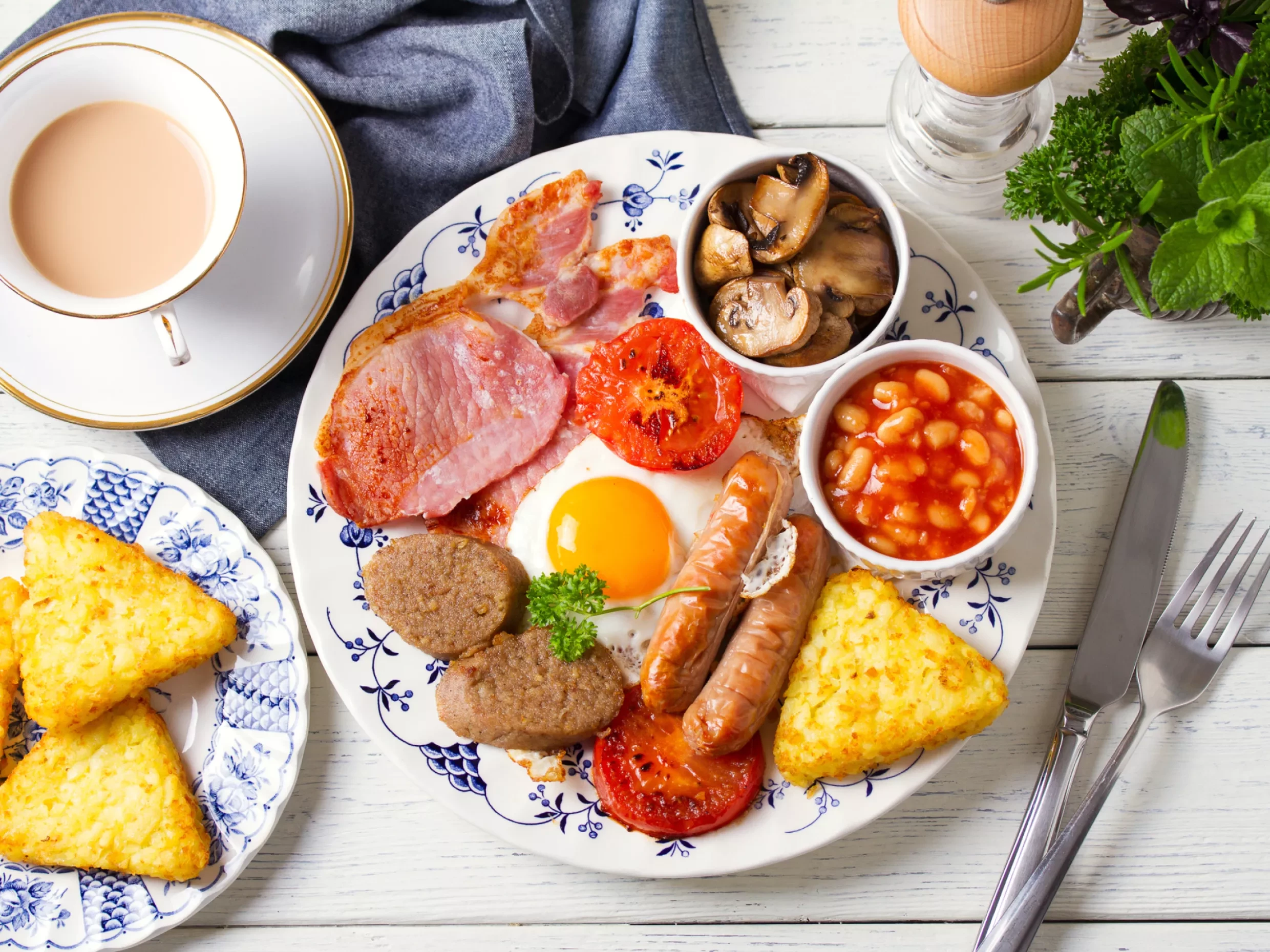
Even before the kettle has boiled for the day’s first coffee, everyone has a strong opinion on breakfast. First, ketchup on eggs. This is a classic dividing line where some see it as a perfectly normal pairing, cutting through the richness of fried or scrambled eggs with a touch of tangy sweetness, and others who believe the flavour of the eggs should be left to do its own thing, with just a twist of salt and pepper.
Next up, what should and shouldn’t be part of a full English breakfast. Purists say it should remain true to the core ingredients line-up - called the Five Pillars of Identity by the English Breakfast Society - of bacon (back, not streaky), pork sausages, eggs with liquid yolks, a traditional regional pudding (most commonly black pudding), and a heritage fried starch, such as bubble and squeak. Others say anything goes. So, do baked beans belong? What about fried tomatoes or mushrooms? How about hash browns, chips, or fried bread?
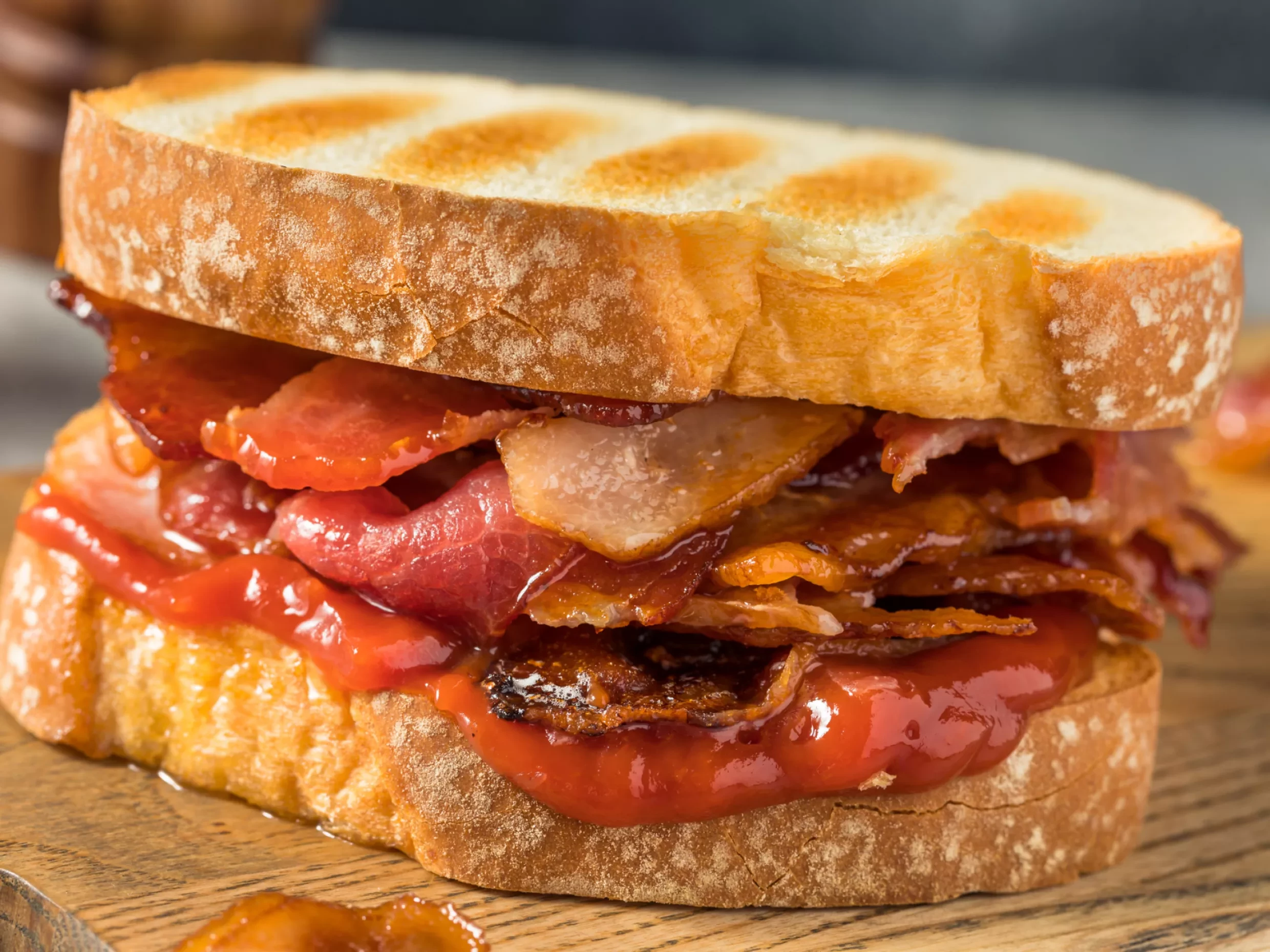
Also, should it be red sauce or brown sauce with a bacon sandwich? We’re not even going there…
The Ultimate Food Opinion Battleground
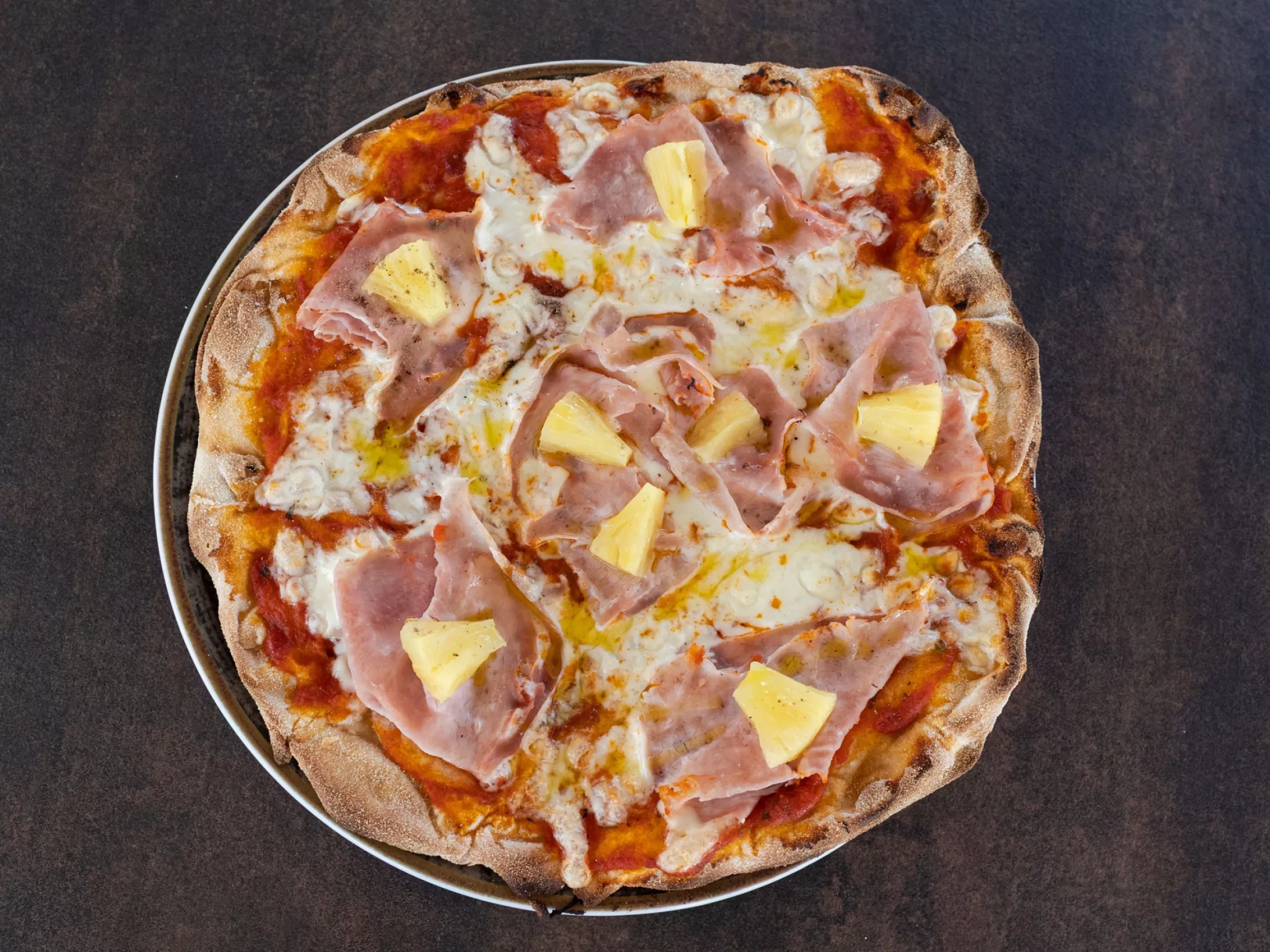
It’s the big one: Pineapple.
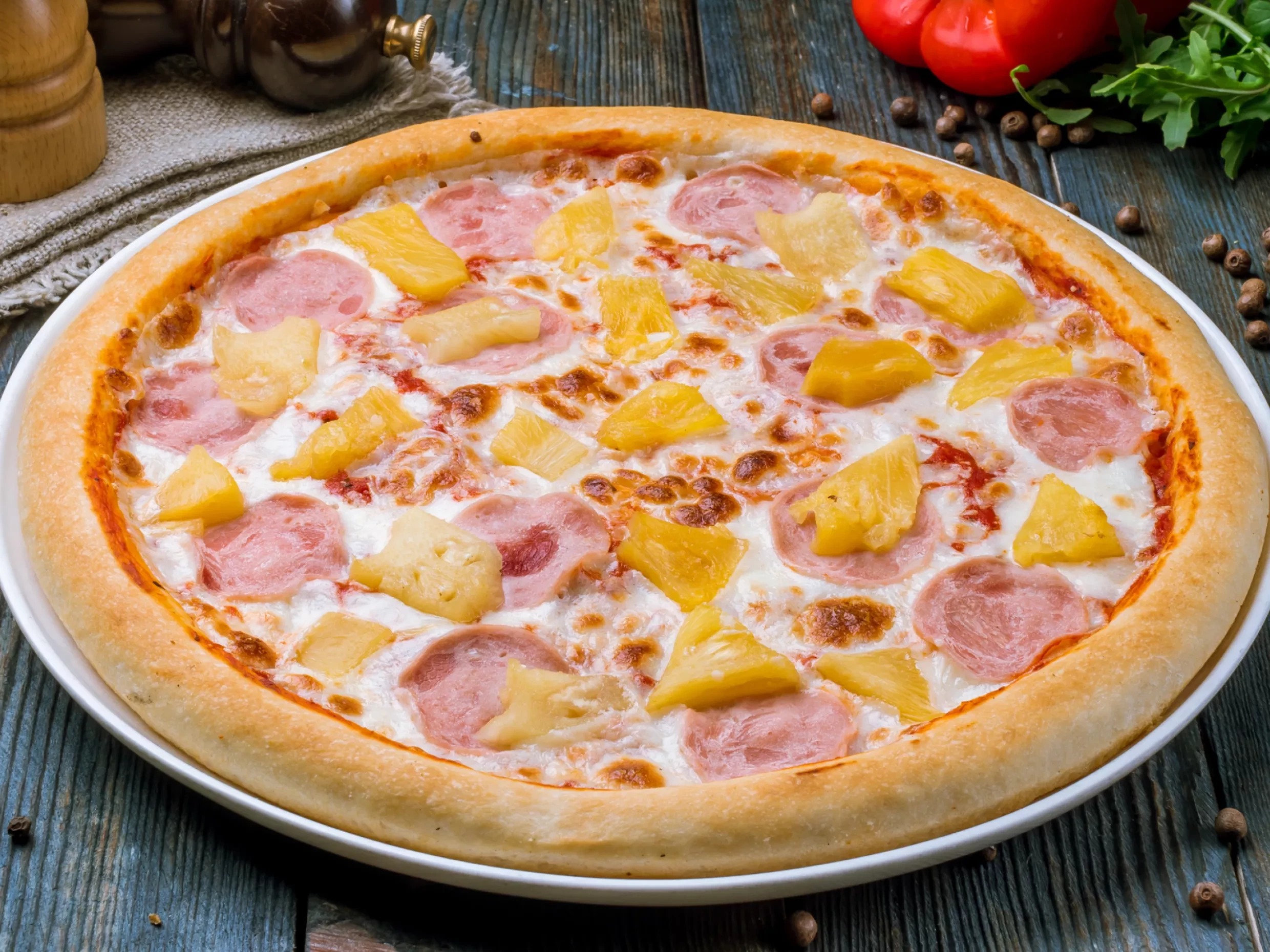
Specifically, does pineapple belong on a pizza?
The ‘yes’ camp insist it does, because it brings sweet-salty balance, and, really, you can put anything you like on a pizza. The ‘no’ camp say it clashes with the classic flavours and has no business being there at all. Ever.
The Hawaiian pizza, topped with cheese, tomato, ham (or bacon) and pineapple, was invented in 1962 at a restaurant in Ontario, Canada, by Greek‑Canadian chef Sam Panopoulos, who was inspired by the sweet and sour flavours of Canadian‑Chinese dishes. It’s now a staple in pizzerias around the world. But it massively divides diners.
In Italy, traditionalists tend to turn their nose firmly up at pineapple on a pizza, arguing it breaks the very nature of the dish. But even there, some modern pizzaioli are experimenting with roasted pineapple, so it’s not quite the taboo it once was.
Interesting fact - chef Sam didn’t actually name the pizza after the American state, he used pineapple from the Hawaiian Pineapple Company.
Controversy is all Part of the Fun!
In the end, the only real rule is that there are no rules. Whether you’re a jam-second spaghetti-cutter, or a milk-first, pineapple pizza-lover, it’s your plate so you should do whatever makes you happy! Bon appetite!