

Garibaldi and Granny Smith, Margherita and Melba Toast, Earl Grey and the Earl of Sandwich. Some of the world’s most famous dishes come with more than just a list of ingredients, they come with personality! But who were the people behind these iconic recipes, and how did their names become shorthand for culinary classics? Here’s how celebrity stepped into the kitchen and became part of the menu.
A Star-Studded Spread: The Beginning of Eponymous Food
Long before branding and social media, fame found its way onto the menu. When haute cuisine (‘high cooking’) was taking shape in the grand French and other European dining rooms in the late eighteenth and early nineteenth centuries, chefs began naming dishes after the people who ate at their tables. Aristocrats, military heroes, and the most celebrated performers of the day became culinary muses, and having their names attached to elaborate creations was both a tribute and an advertisement.
The practice gained momentum with the emergence of what we know today as celebrity culture. Figures like the Duke of Wellington or the opera star Dame Nellie Melba carried a kind of public fascination that chefs were quick to harness. Dishes with famous names attached to them drew customers in, and offered them a taste of prestige and even a fleeting connection with these well-known icons.
The most famous early adopters of this form of marketing were culinary icons Antonin Carême and later Auguste Escoffier, who refined the practice and laid the groundwork for those who came after. Yet the stories of how these dishes got their names aren’t always as neat as their presentation.
Many came from flattery or opportunism, others from genuine admiration, and some from clever reinvention long after the person in question had died. Origin legends blur, creation claims are often disputed, and food fact is often mixed with food fiction. What remains consistent, however, is the enduring appeal of a good story! From battlefield to buffet and from stage to stove, these stories have all the right ingredients.
The Sandwich
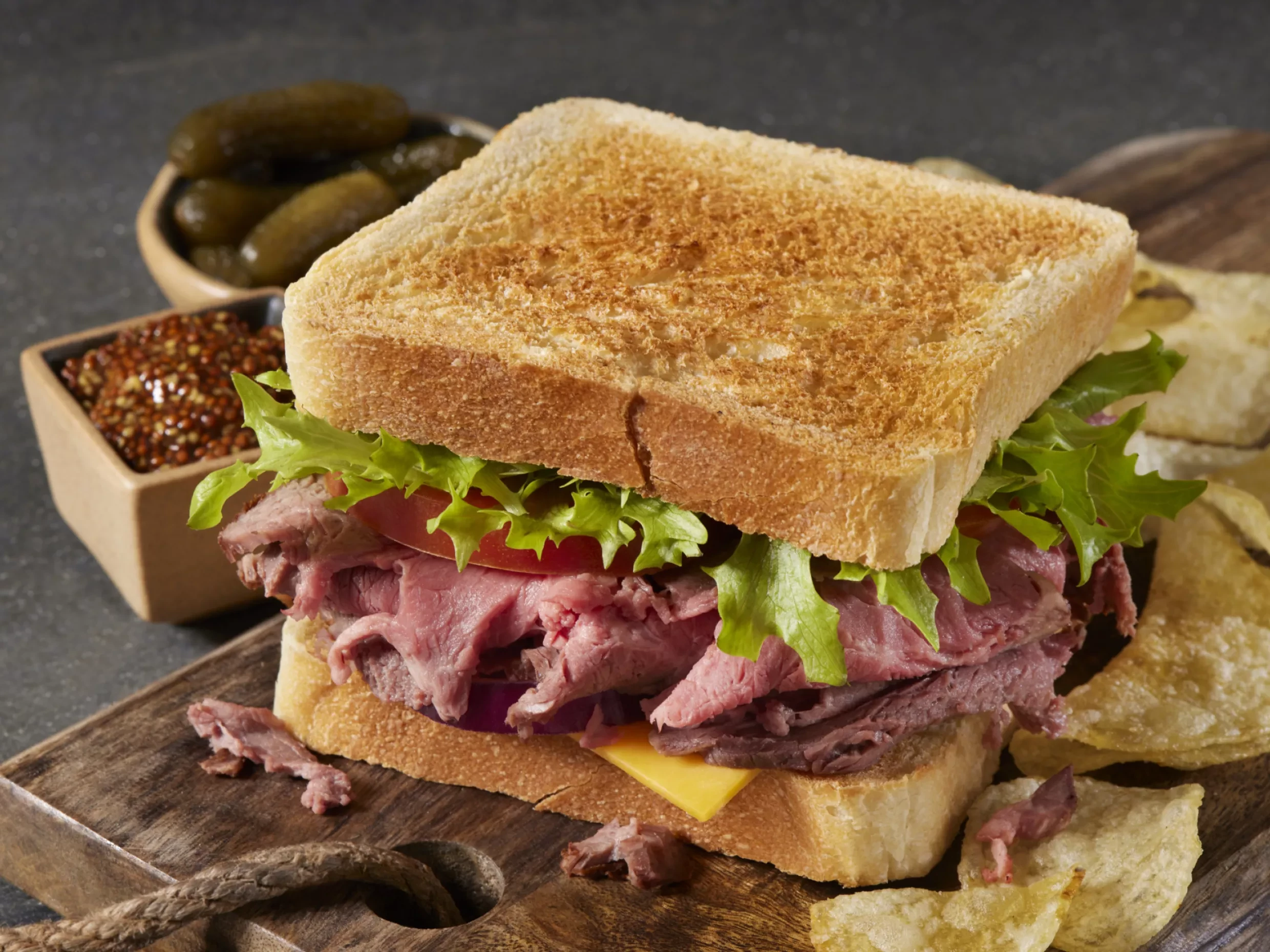
Few eponymous foods are as ubiquitous - or as literal - as the sandwich. Named for John Montagu, the 4th Earl of Sandwich, the idea is said to have emerged in eighteenth century England as one of convenience. According to popular lore, Montagu ordered his valet to bring him roast beef between two slices of bread so he could eat and play cards at the same time. Soon, others began ordering ‘the same as Sandwich’ and the name stuck. The Wall Street Journal once famously said that the sandwich was ‘Britain’s biggest contribution to gastronomy!’
Beef Wellington
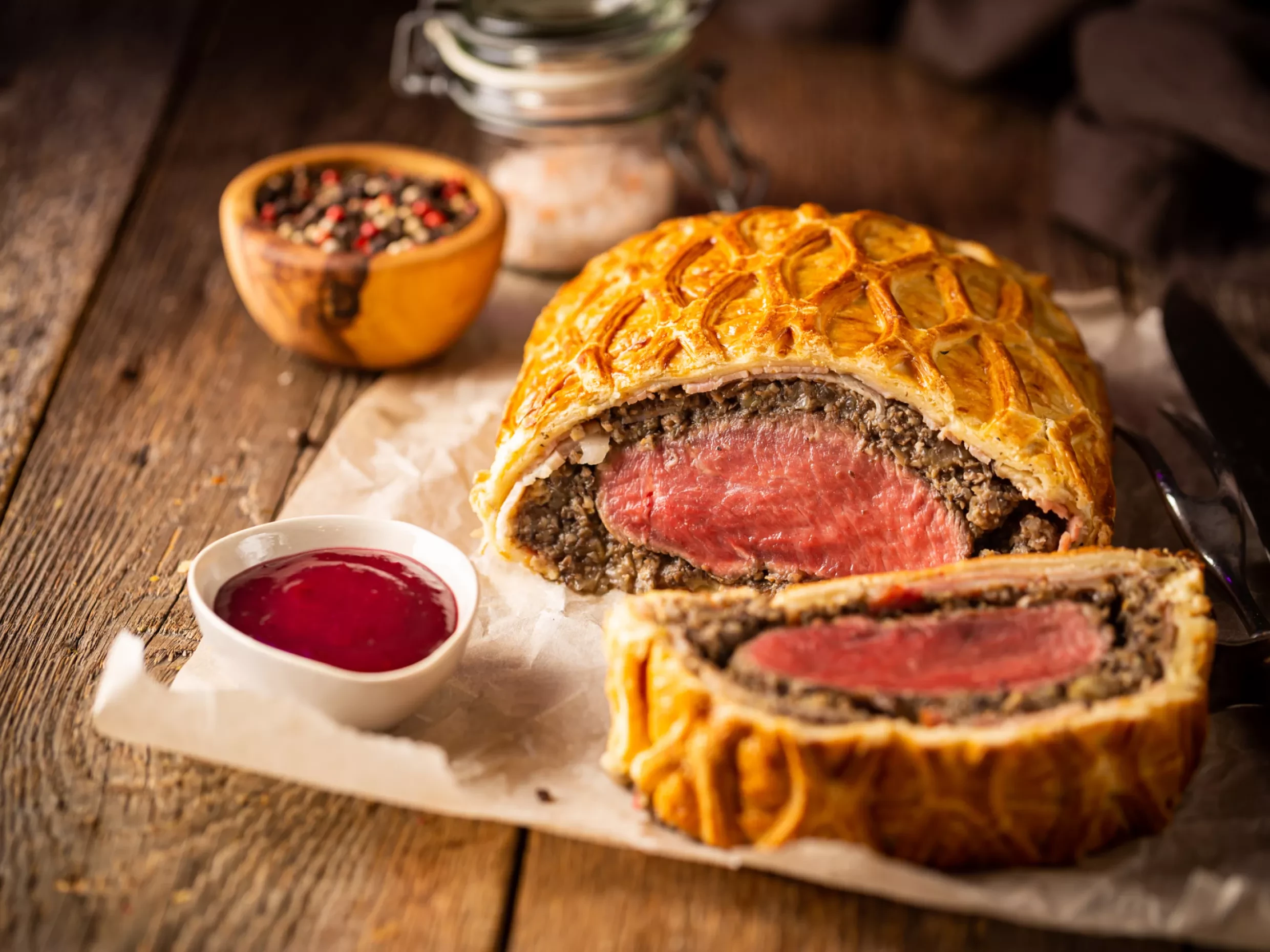
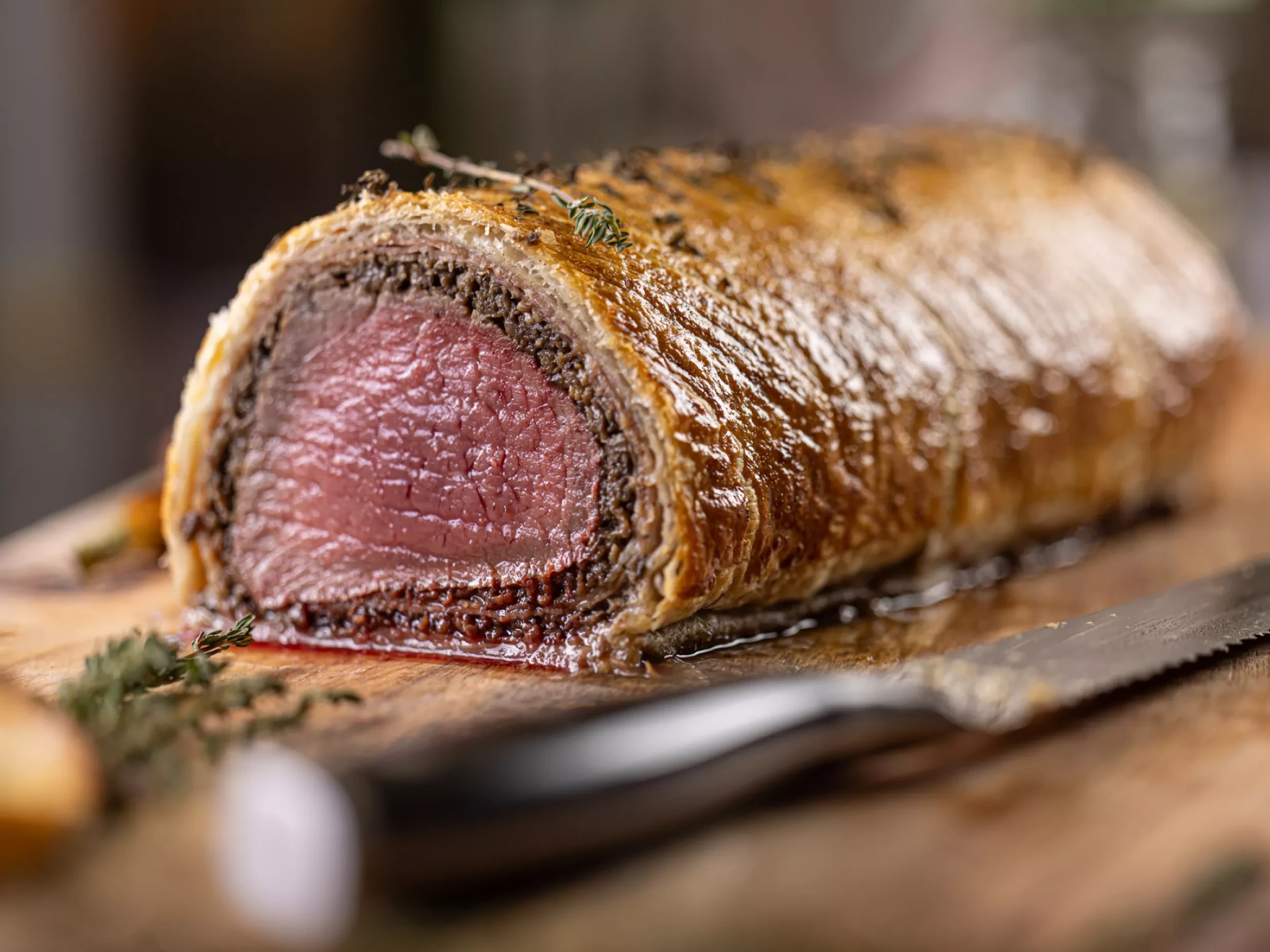
One of the most iconic dishes to bear a famous name, Beef Wellington is a fillet of beef coated with a mushroom duxelle or pâté, sometimes covered in prosciutto or dry-cured ham, and then wrapped in puff pastry and baked. However, its true origins are more hazy and still the topic of quite some debate. The name is commonly linked to Arthur Wellesley, 1st Duke of Wellington, though the connection may owe more to patriotic symbolism than to any proven link with the man himself. According to most food historians, meat baked in pastry was common long before Wellington’s time, and it may simply be a British rebranding of France’s famous filet de bœuf en croûte.
Eggs Benedict
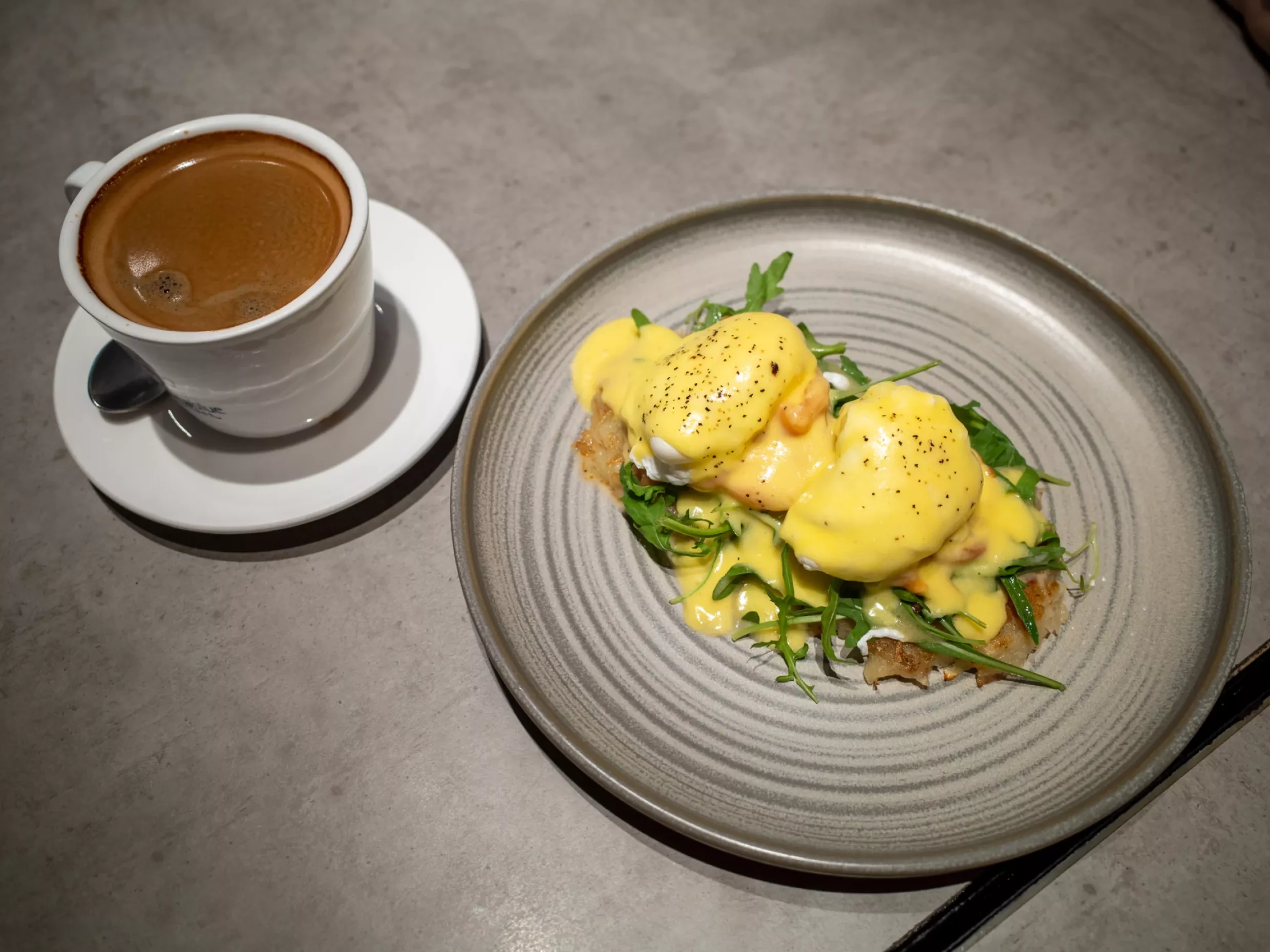
This brunch behemoth is made with a toasted English muffin, Canadian bacon or ham, a poached egg, and Hollandaise sauce, but the history of Eggs Benny is as tangled as its sauce is rich. The oldest version of the story places the dish’s creation in the kitchen of Delmonico’s, one of New York’s oldest restaurants. Head chef Charles Ranhofer may have created the dish for one of his regulars, Mrs LeGrand Benedict, in the 1860s or even later. The next contender is from the Waldorf Hotel in New York where it’s said Wall Street stockbroker Lemuel Benedict wandered in nursing a hangover and asked for “buttered toast, poached eggs, crisp bacon, and a hooker [a large pour] of hollandaise". The truth behind these two tales is far from certain, but however the dish began, Eggs Benedict has become a symbol of urban elegance - part hotel luxury, part happy accident, but completely delicious!
Garibaldi Biscuits
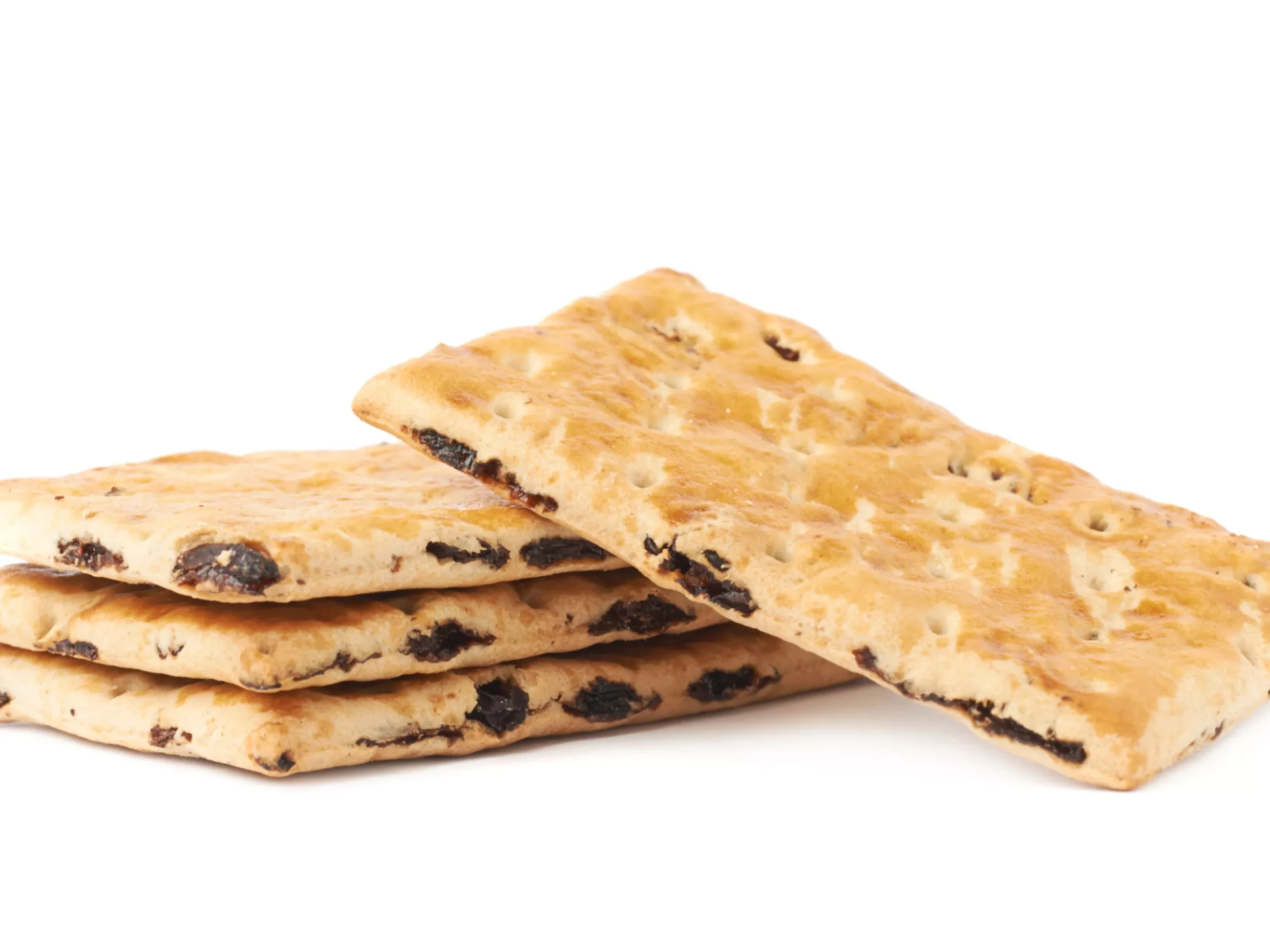
Garibaldi biscuits take their name from nineteenth century Italian revolutionary and general Giuseppe Garibaldi. These thin, crisp biscuits with a layer of currants squeezed between two sheets of dough were introduced in Victorian Britain and became (as they are today) a tea-time staple. One of the most endearing versions of the origin story (albeit almost certainly untrue) is that on a successful trip to England in 1854, Garibaldi mistakenly sat on a plate of biscuits during a meeting with Liberal politician Joseph Cowen! Garibaldi - the man, as well as the biscuit - soon became very popular in the UK, and while the nickname “squashed fly biscuits” did little for their glamour, the patriotic name did. Similar to the Beef Wellington, the link to the Italian statesman was probably as much about fashion and admiration as it was about any direct connection to the man himself.
Pizza Margherita
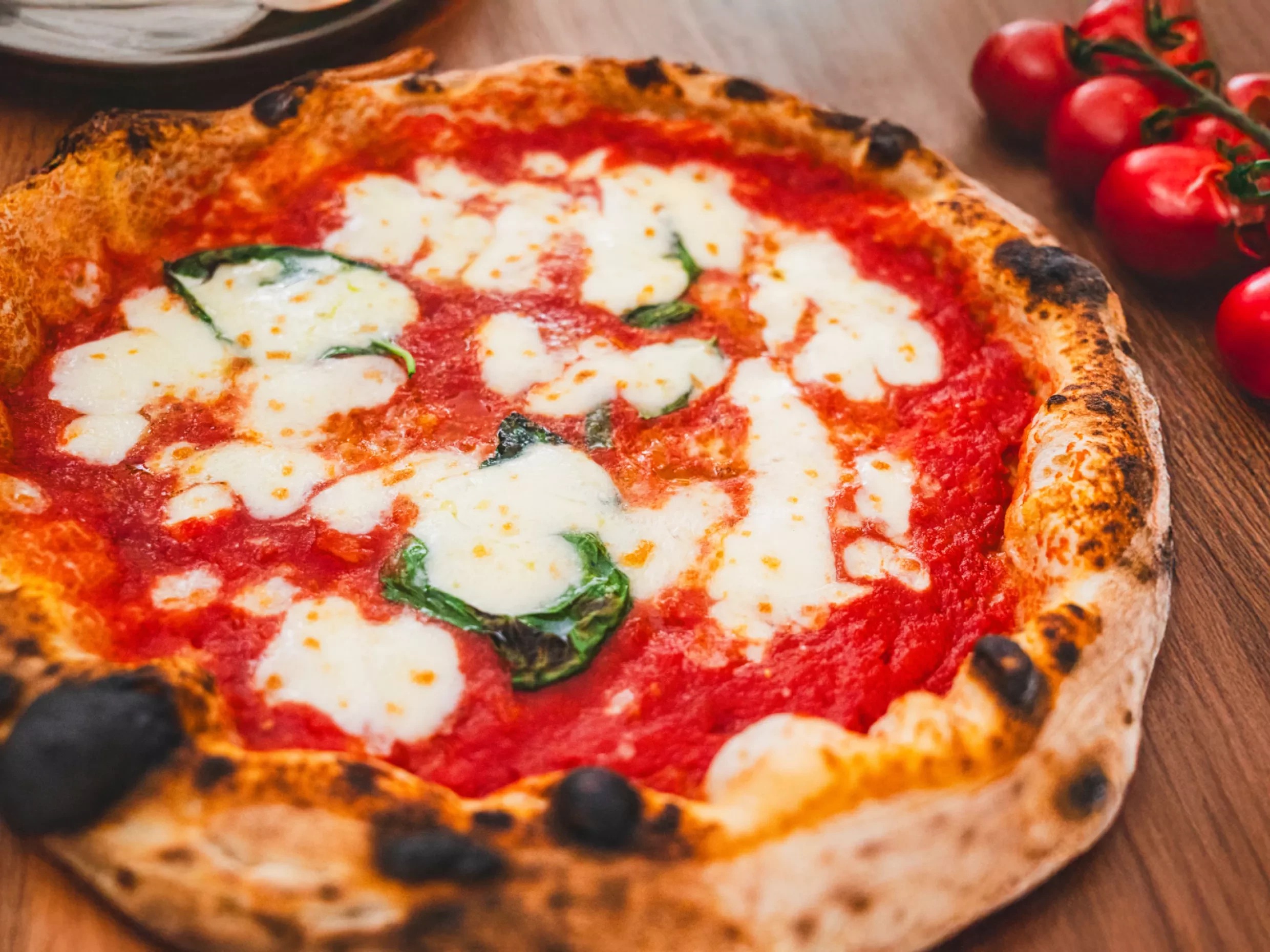
The most famous pizza of them all, with its tricolore of tomato, mozzarella, and basil, the margherita has one of food history’s most romantic origin stories, although its truth remains open to debate. The tale places its creation very specifically on 10 June 1889 in Naples, when famous Neapolitan pizzaiolo Raffaele Esposito was commissioned by the Royal Palace of Capodimonte to prepare pizzas for Queen Margherita of Savoy during a royal visit. He presented her with three pizzas, and she chose the one with the colours of the flag of Italy - red tomato, white cheese and green basil - and the pizza was subsequently named after her.
The pizza restaurant, which is still there, now called Pizzeria Brandi, is supposed to have a plaque and a hand-written thank you letter from (or on behalf of) the Queen. However, as with many famous dishes, there’s still a fair amount of debate about this particular origin story. First off, the classic combo of tomatoes, mozzarella and basil had probably been common in Naples for many years, and at least since the late 1850s or early 1860s. Second, there was no contemporary record of this famous pizza encounter, and the letter of thanks is often cited as likely to be a forgery. Many believe that the whole story may have even been created in the 1930s or 1940s as a marketing ploy to boost business.
So was the pizza named after the Queen? Maybe, but margherita is also the Italian word for the daisy flower, and the cheese was usually arranged in a floral shape on the round base...
Peach Melba
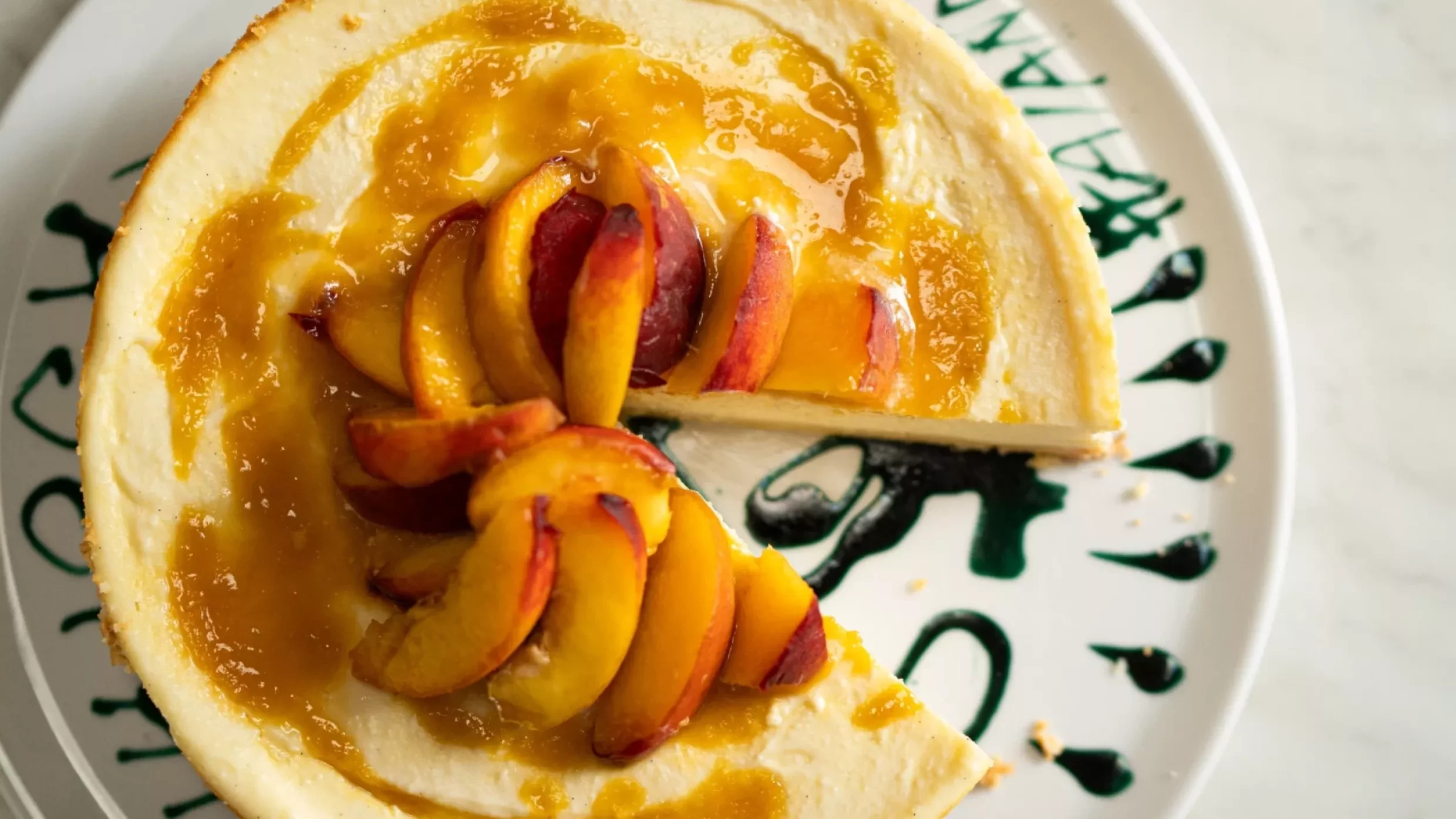
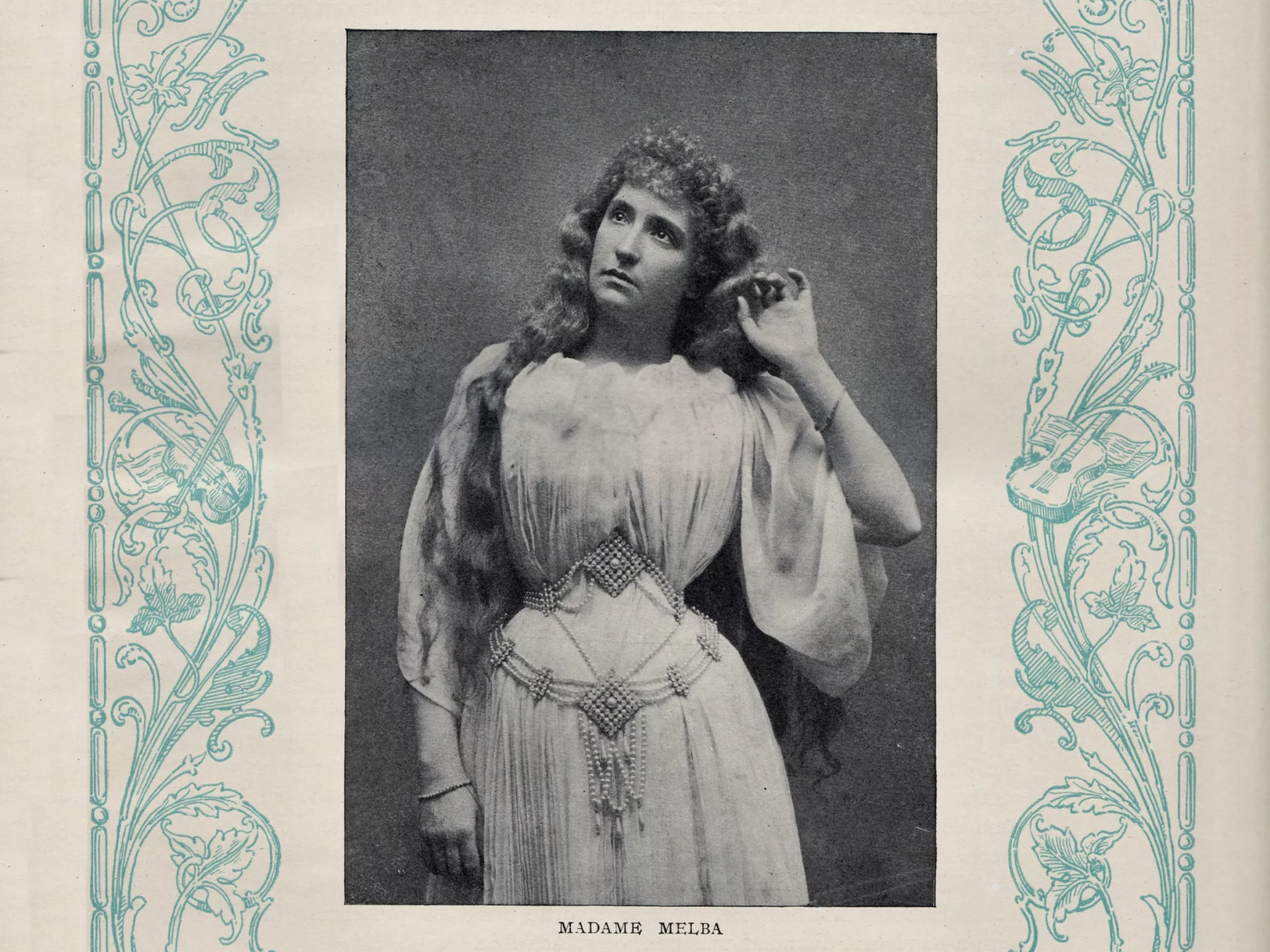
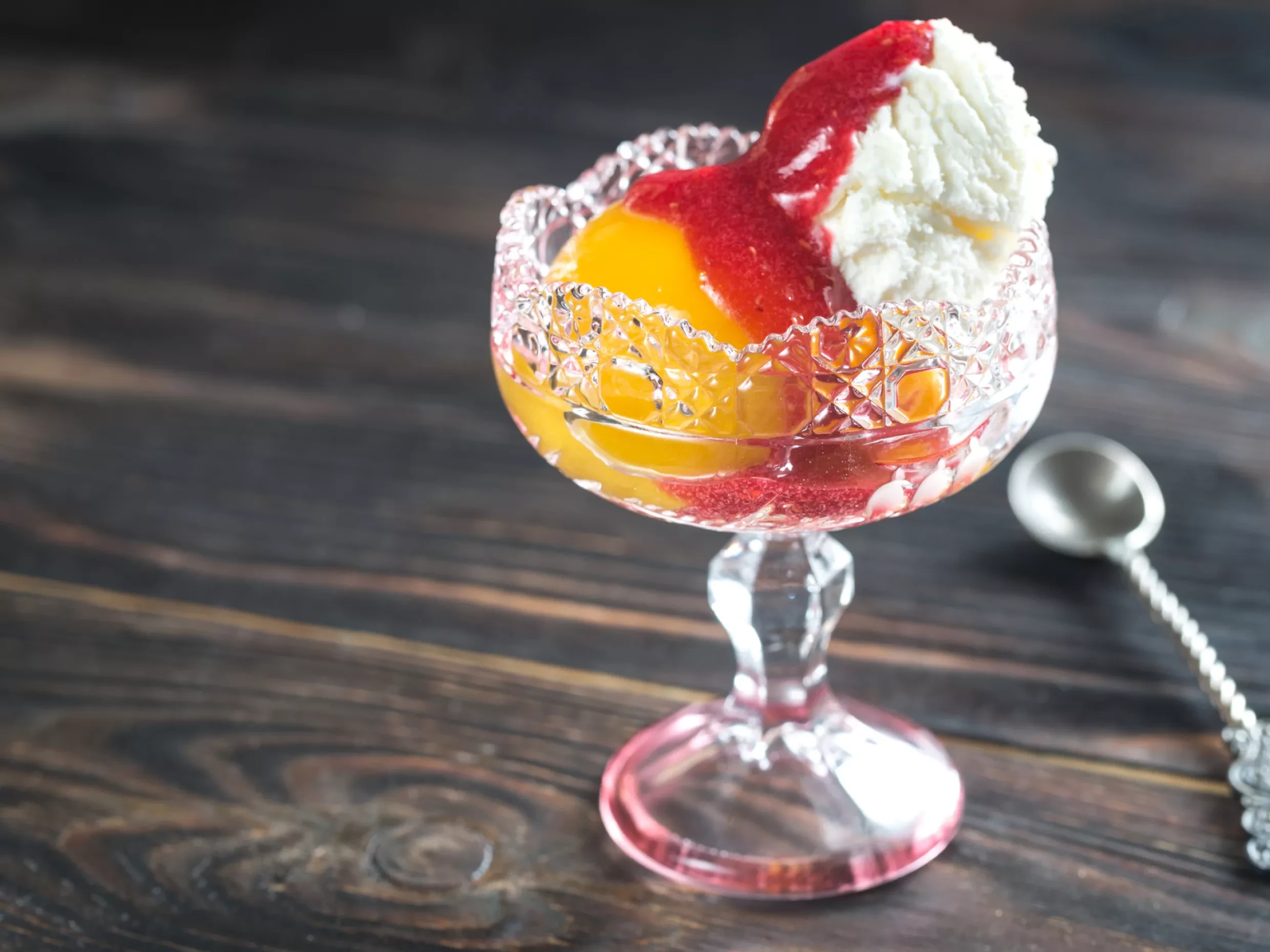
This simple dish of fresh peaches, vanilla ice-cream, and raspberry purée is perhaps the best example of chef-as-celebrity-curator at the height of the Belle Époque. It was created in 1892 (at the time without the raspberries) by master chef Auguste Escoffier at the Savoy in London to honour Australian opera star Dame Nellie Melba during her performance of Wagner’s Lohengrin in Covent Garden. The Duke of Orléans hosted a dinner party for her, and Escoffier presented the dish with an ice swan on top, a symbolic feature in the opera. He called it Pêche au cygne, or "peach with a swan."
A few years later, Escoffier and César Ritz opened the Carlton Hotel and the chef added the purée to the dish, renaming it Pêche Melba.
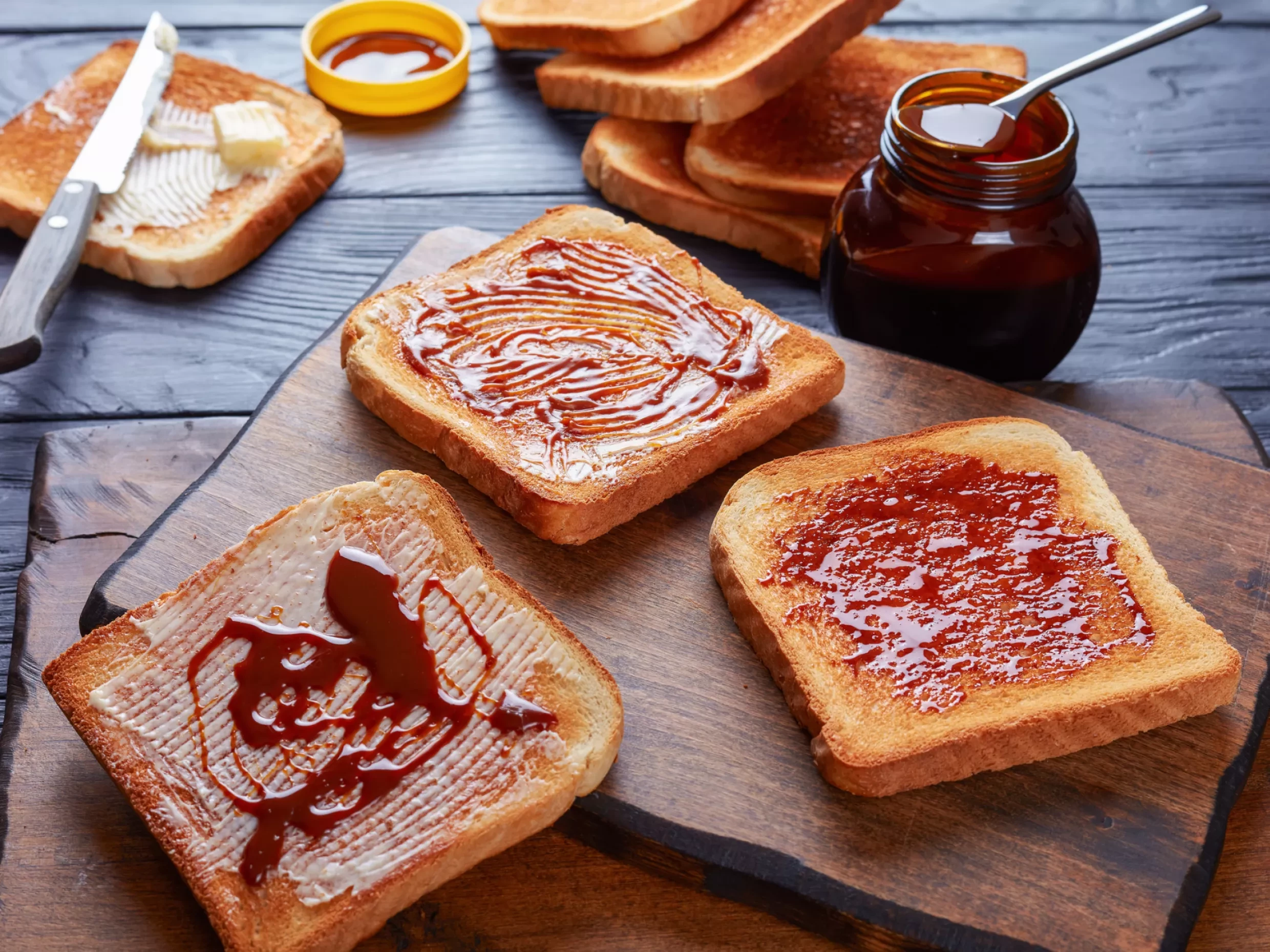
Escoffier also created Melba toast (but supposedly named by César Ritz) in Dame Nellie’s honour at the Savoy in around 1897 after she asked for dry toast to stave off illness.
Nachos
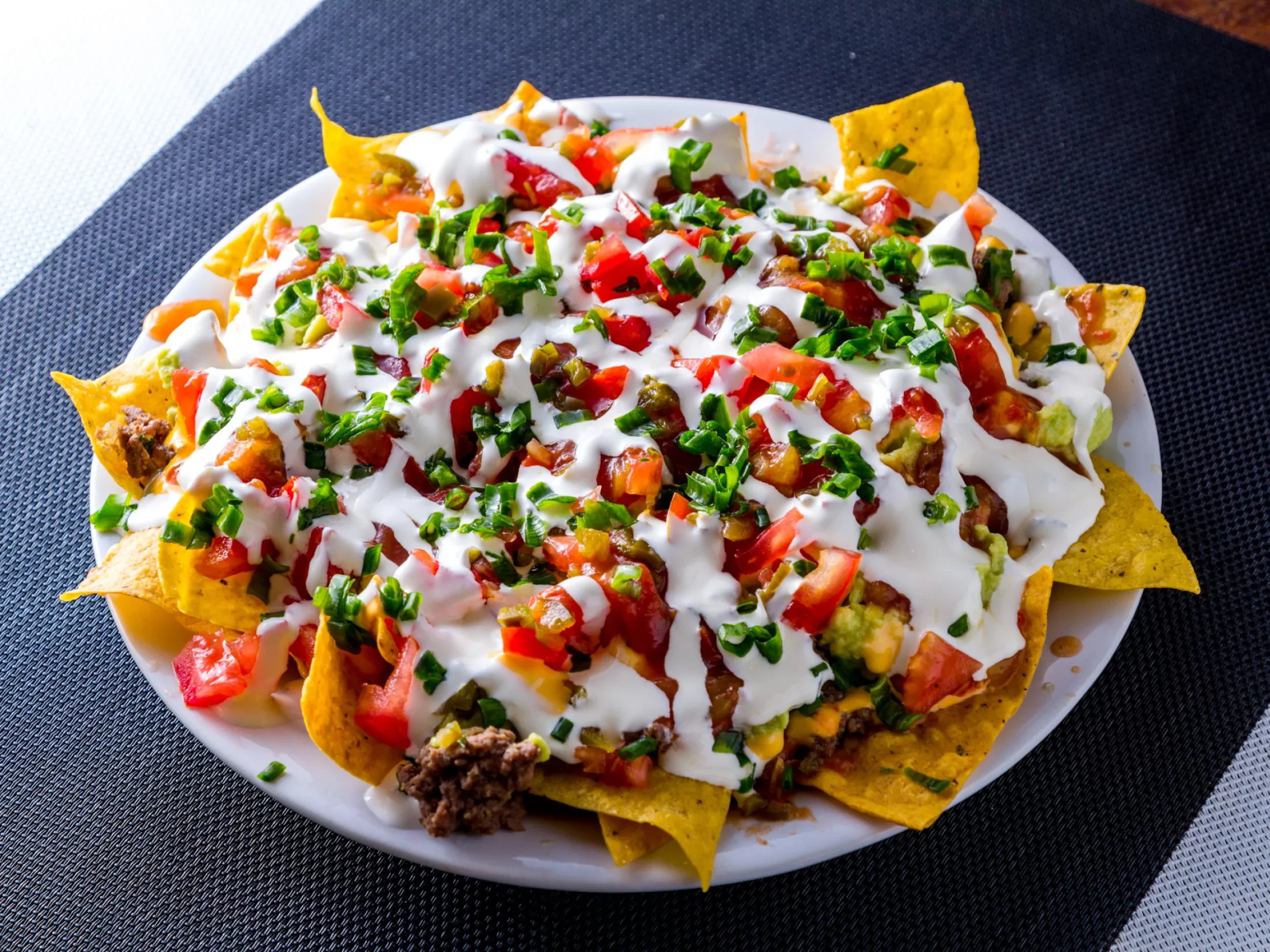
This global snack sensation was born in 1943 at either the Victory Club or El Moderno restaurant in Piedras Negras, Mexico, just across the border from Eagle Pass, Texas. When a group of hungry Americans arrived after hours, restaurateur Ignacio "Nacho" Anaya went to look for the cook, He was nowhere to be found so Anaya improvised with what was left in the kitchen - he cut fried tortillas into triangles and smothered them with Colby cheese and pickled jalapeño peppers. He called the dish ‘Nacho’s Special’ and word quickly spread to Texas and beyond. Today, you’ll find them with chicken, beef, cheese, chilli peppers, lettuce, tomatoes, sour cream and a million and one different toppings, and it all came about because a chef went home.
A Dish by Any Other Name…
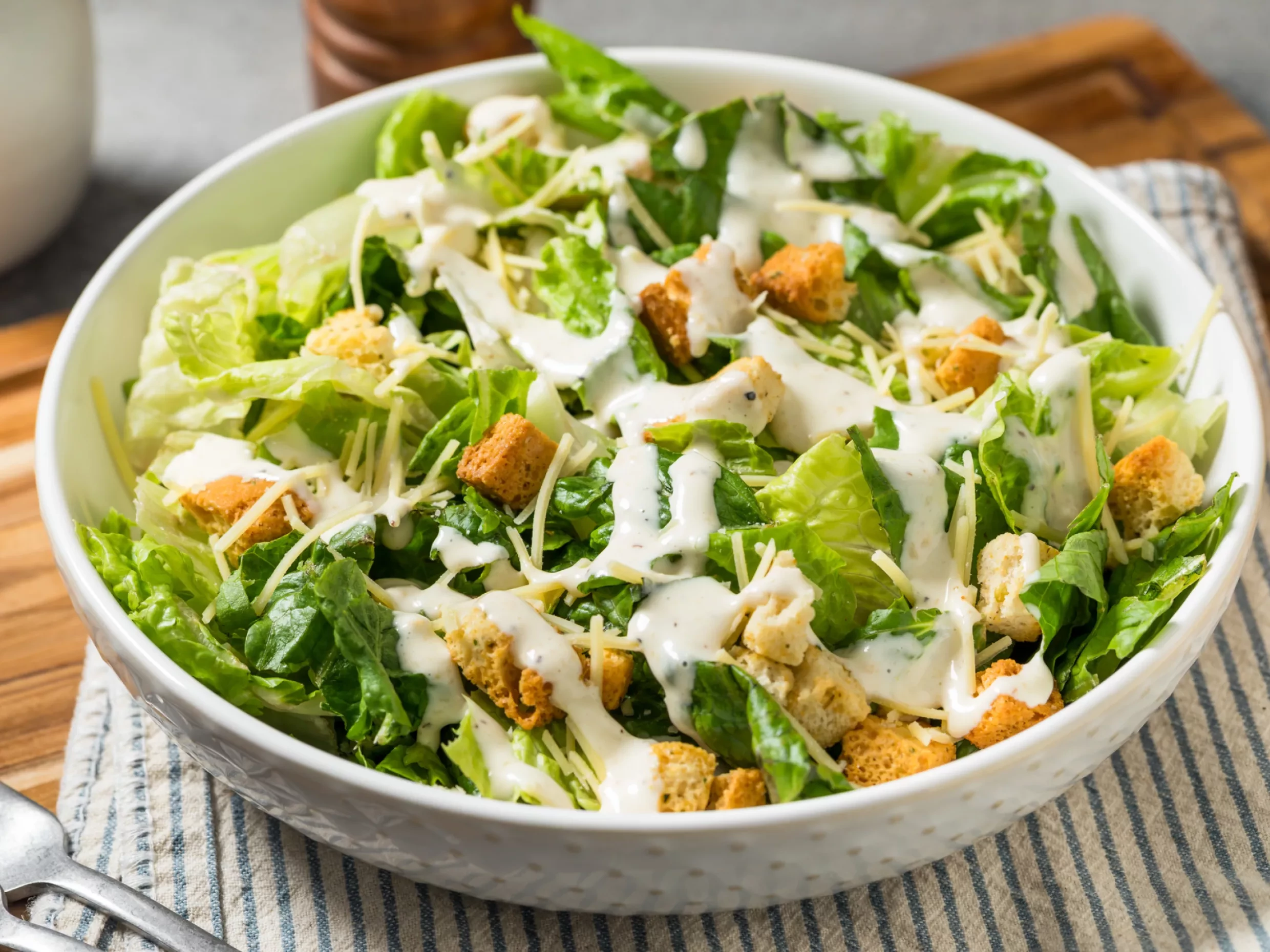
These dishes reveal how people’s names, whether royal, revolutionary, or serendipitous, can etch themselves into food history. And there are many, many more that still follow the trend, such as Omelette Arnold Bennett, created for the author at the Savoy; the Caesar Salad, named for its creator, Caesar Cardini in the 1920s (and not Julius Caesar); and Béchamel sauce, most likely named after Louis de Béchameil, a financier at the court of French King Louis XIV. In the end, every eponymous dish serves up more than flavour: it offers a bite-sized story of fame, folklore, and more than a little magical marketing flair!