




The 2026 World Cup is in full swing, and while the action’s on the pitch, the culinary stars can be seen in the restaurants, fanparks and street food stalls all across the host nations. Some committed fans have travelled halfway around the world to fly the flag for their beloved teams, and being a footie fan is a hungry business, so here’s what to look for when you’re starving in Seattle, fancy some munch in Monterrey, or you want to experience the true taste of Toronto!
Canada | 2026 FIFA World Cup Co-Hosts
Represented by Maple the Moose, a street-style artist and goalkeeper, co-hosts Canada have qualified for two previous tournaments, Mexico 1986 and Qatar 2022, and football is on the ascent in a country traditionally dominated by ice hockey and lacrosse. With matches in two major locations, fans are drawn as much by its hearty food as its footballing ambition.

Canada | Toronto
Canada’s largest city and cultural heartbeat is a natural focal point for the tournament. Matches will be held at Toronto Stadium, Canada’s first football-specific stadium which has been expanded to seat 43,000. Outside the ground, the city boasts an exciting food scene that mirrors its population - diverse, fast-evolving, and proudly local.
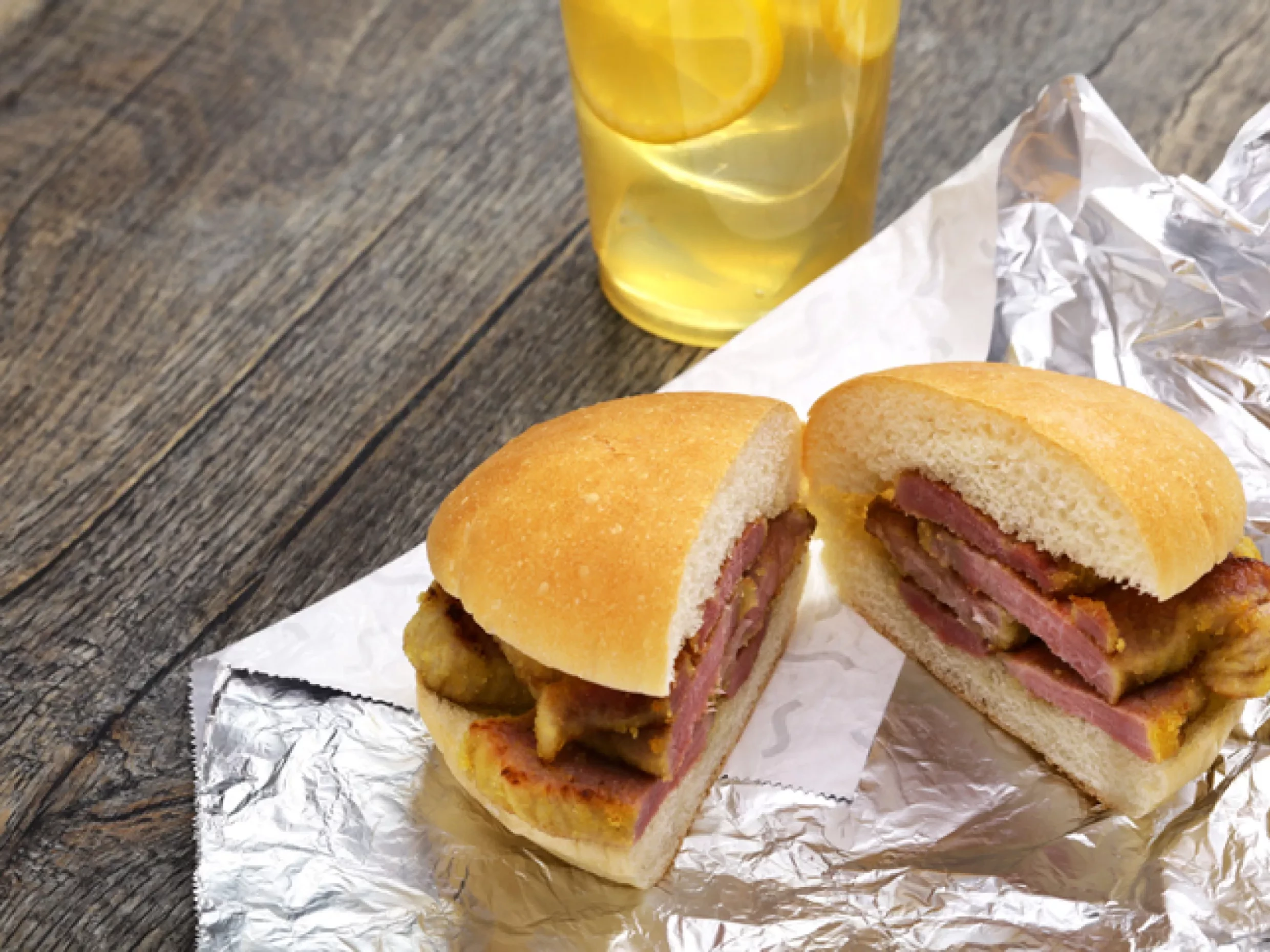
That local pride is best captured in the peameal bacon sandwich. Originating in Toronto in the late nineteenth century, it features thick-cut cured pork loin rolled in cornmeal, fried, and served on a soft bun - traditionally from the city’s historic St. Lawrence Market. It’s simple, savoury, and unmistakably Torontonian.
Canada | Vancouver
Set between mountains and ocean, Vancouver offers one of the most dramatic backdrops of any of the host cities. Matches will be played at BC Place, a stadium with a retractable roof that holds just over 52,000. Vancouver’s food scene is fresh, globally influenced, and just a stone’s throw from the Pacific.
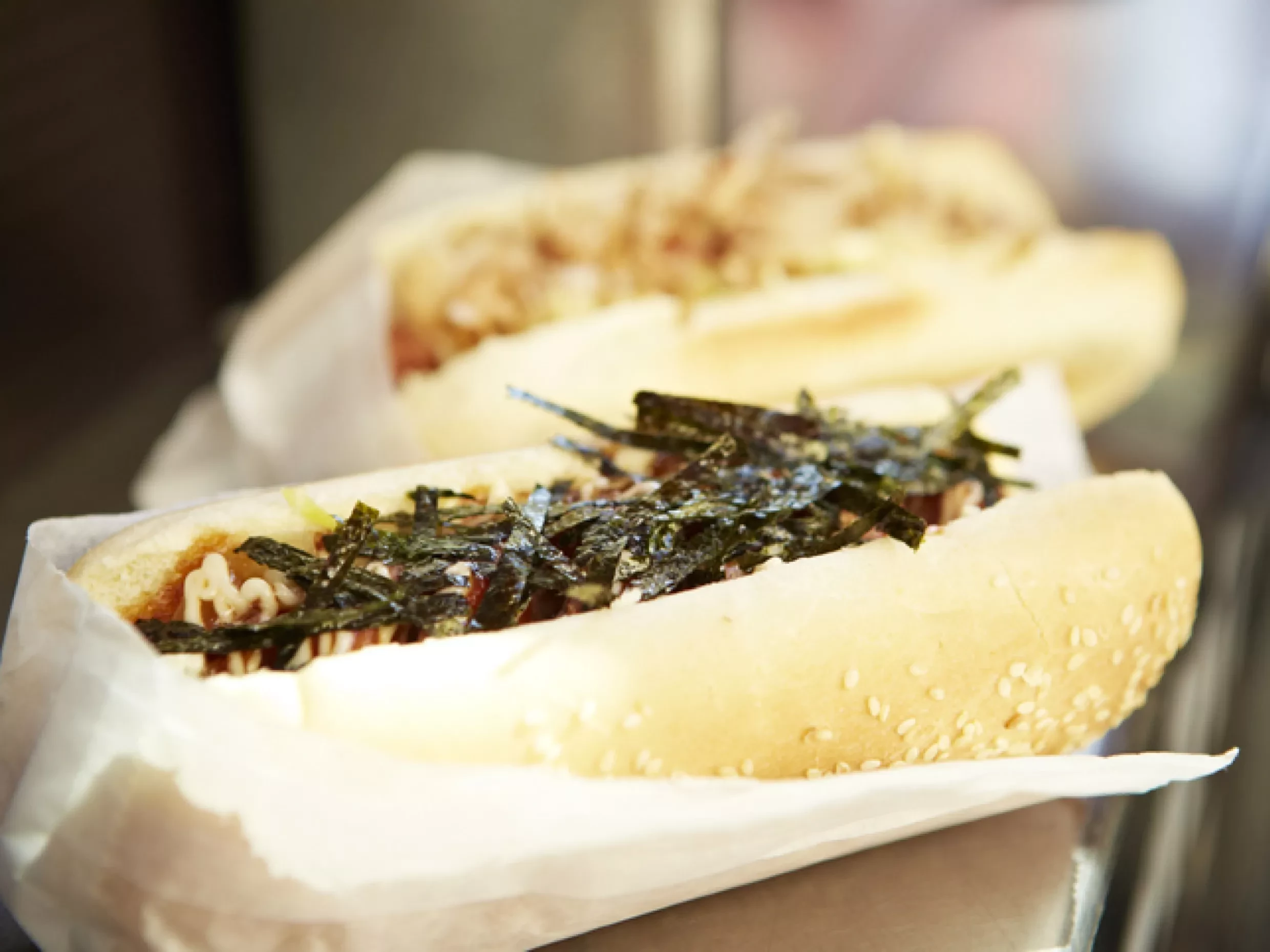
One of Vancouver’s most iconic street foods is the strangely-named Japadog. It’s a Japanese-inspired hot dog with a twist. Although it begins with a traditional North American hot dog, it’s then topped with teriyaki sauce, seaweed, and at times even fiery-hot wasabi mayo. It’s a classic East meets West fusion which certainly packs a punch.
Mexico | 2026 FIFA World Cup Co-Hosts
A seasoned World Cup host, Mexico makes history in 2026 as the first nation to stage the tournament three times. Football runs deep here, with dedicated, passionate support and iconic footballing history stretching back decades. With games in some of its most famous cities, football fans are sure to become immersed in an atmosphere where the game and national identity are inseparable. They’re also guaranteed some amazing food!
Mexico | Mexico City
One of the world’s great football capitals, matches will be held at the legendary, 81,000 capacity Estadio Azteca. And with a population of around twenty-two million people in the metro area, Mexico City’s food scene is as vast as it is vibrant - a blend of regional culinary traditions and bustling street food culture.
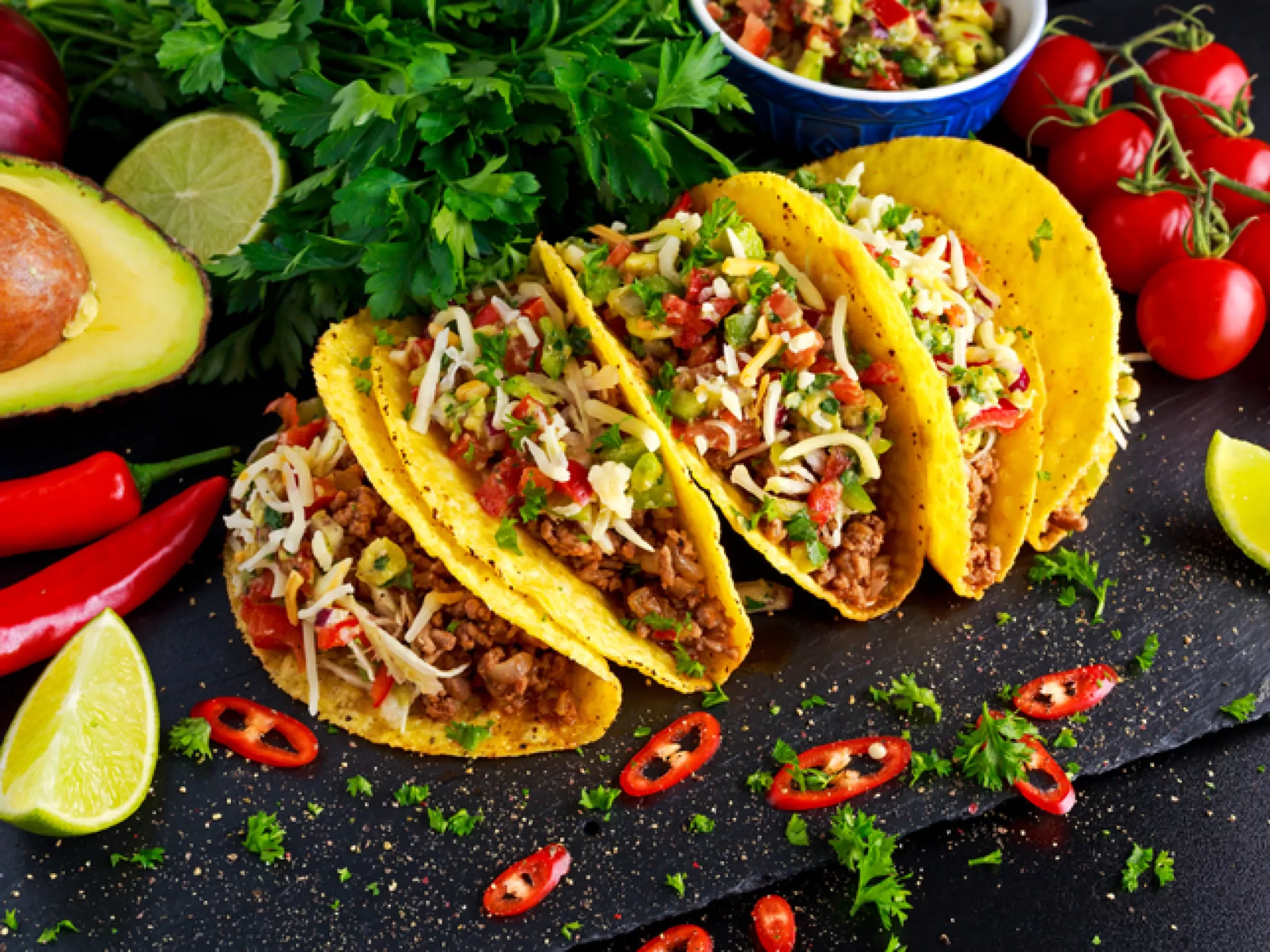
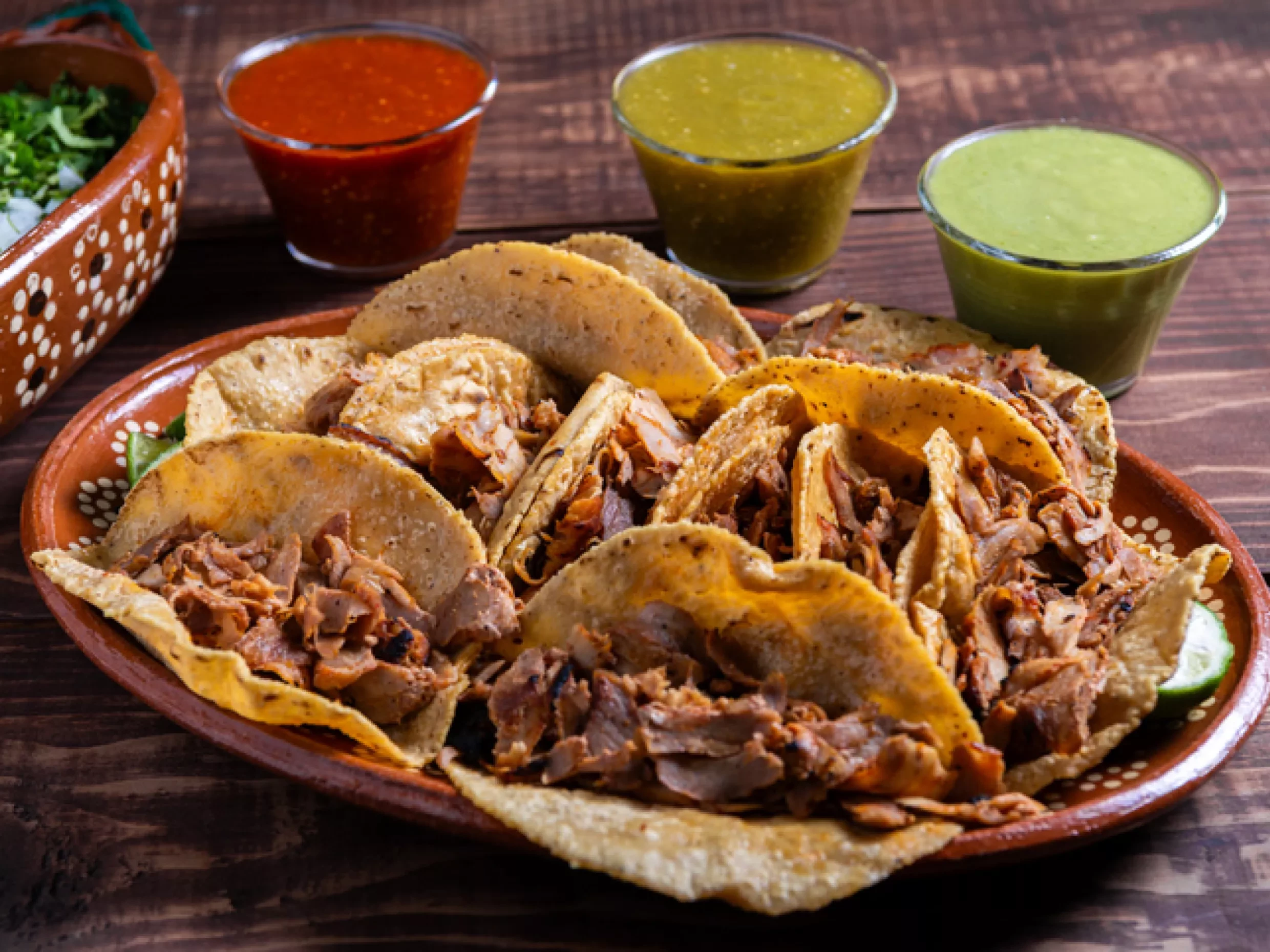
That energy is best captured in tacos al pastor, the undisputed king of the city’s street food. Introduced by Lebanese immigrants and transformed in Mexico City, this iconic dish features marinated pork cooked on a vertical spit, thinly sliced and served on corn tortillas with pineapple, onion, and coriander.
Mexico | Monterrey
Set against a dramatic mountain backdrop in northeastern Mexico, Monterrey brings an industrial edge to the World Cup stage. Matches will be held at the 51,000 seater Estadio Monterrey, a striking venue nicknamed ‘The Steel Giant.’ The city’s food scene is similarly defined by its northern roots - bold, usually meat-based, and steeped in grilling tradition.
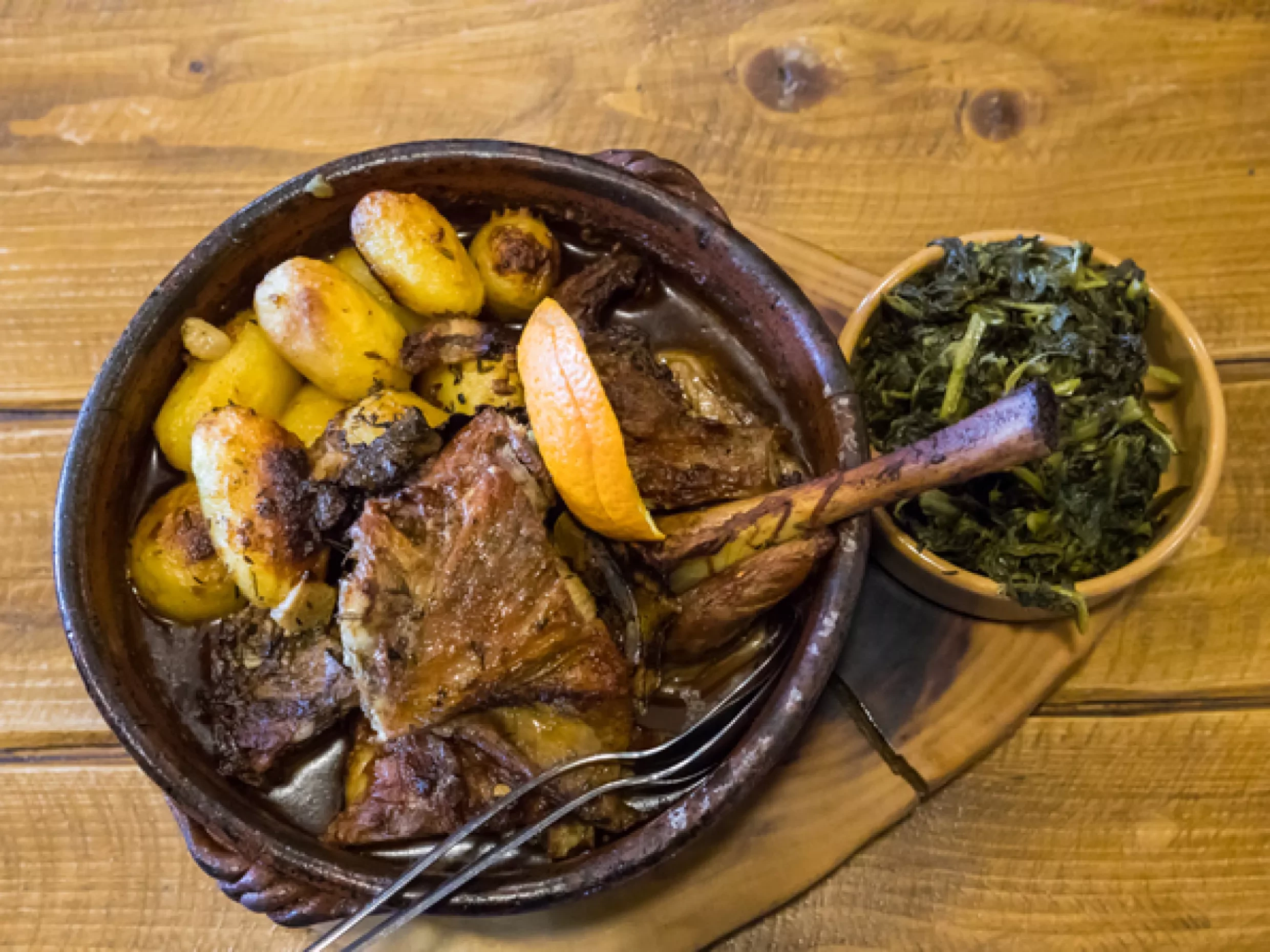
Probably the city’s stand out fare is a regional specialty known as cabrito. This dish comprises a slow-roasted young goat cooked over open flames until tender, with crispy skin and a deep, smoky flavour.
Mexico | Guadalajara
Often considered the cultural heart of Mexico, Guadalajara blends colonial charm with a deep-rooted musical and culinary heritage. Matches are played at Estadio Guadalajara on the city’s western edge, which opened in 2010 with a capacity of close to 46,000.
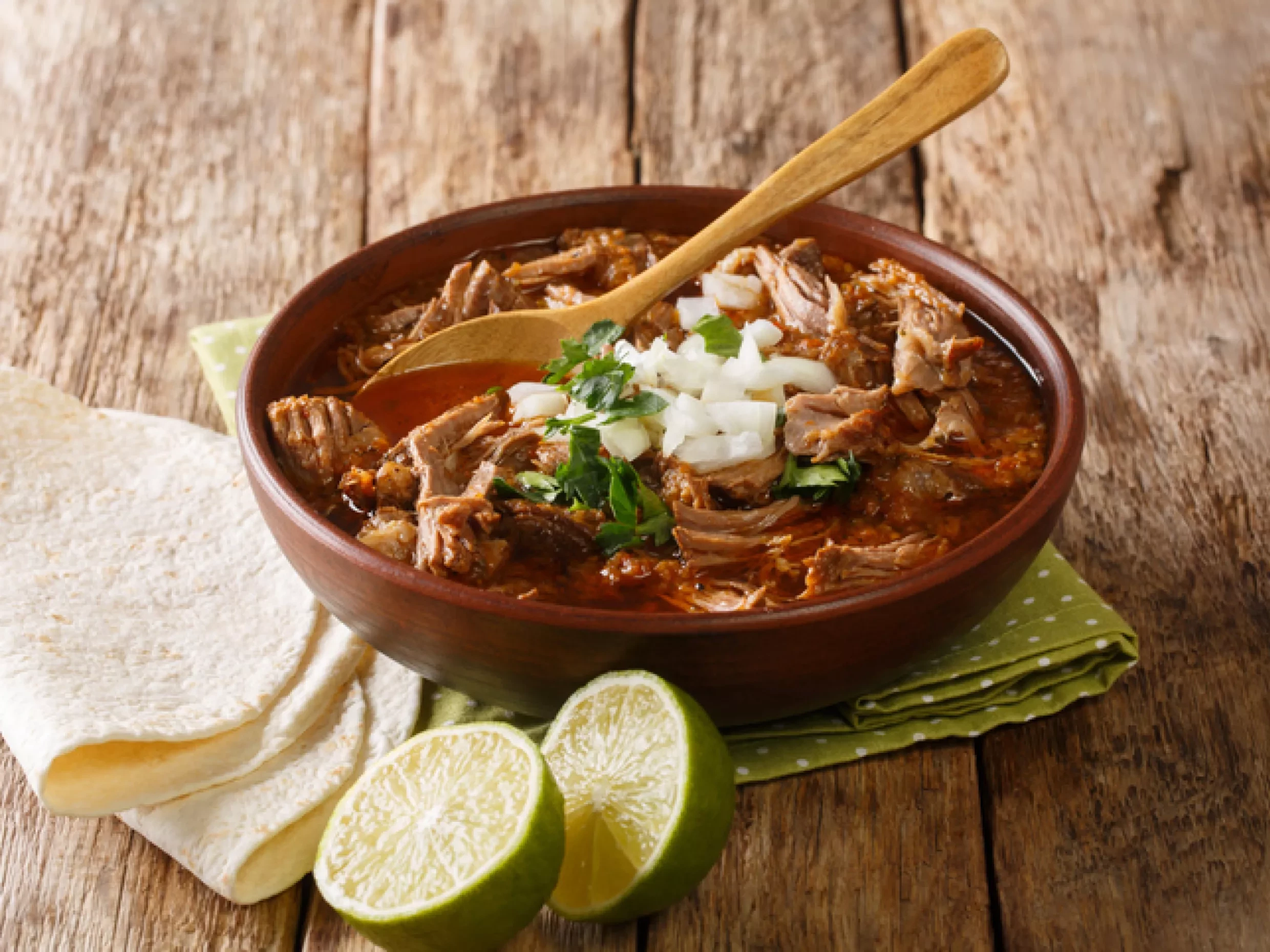
If you’re in Guadalajara for a game, the most traditional dish you can eat is birria, a slow-cooked meat stew - traditionally goat but now more common with beef - in a broth of chilli, garlic and a host of herbs and spices, served with tortillas, lime, coriander and onions. It’s packed full of flavour and synonymous with the region.
USA | 2026 FIFA World Cup Co-Hosts
Hosting the World Cup for the second time, the United States returns to the global stage thirty-two years on. In the last decade, the nation’s football landscape has evolved dramatically, with growing fan engagement and a thriving domestic league with the highest of high-profile owners and superstars. Spread across eleven host cities, the USA will welcome millions of international visitors for the tournament, and they’re probably all hungry...
USA | New York New Jersey
Spanning two states, the New York/New Jersey host region delivers World Cup football on a truly monumental scale, and will be the venue for the final. Matches will be held at New York New Jersey Stadium, a vast, state-of-the-art ground just outside Manhattan with a capacity of nearly 81,000. The surrounding food scene is as famous as its skyline - global, fast-paced, and endlessly inventive.
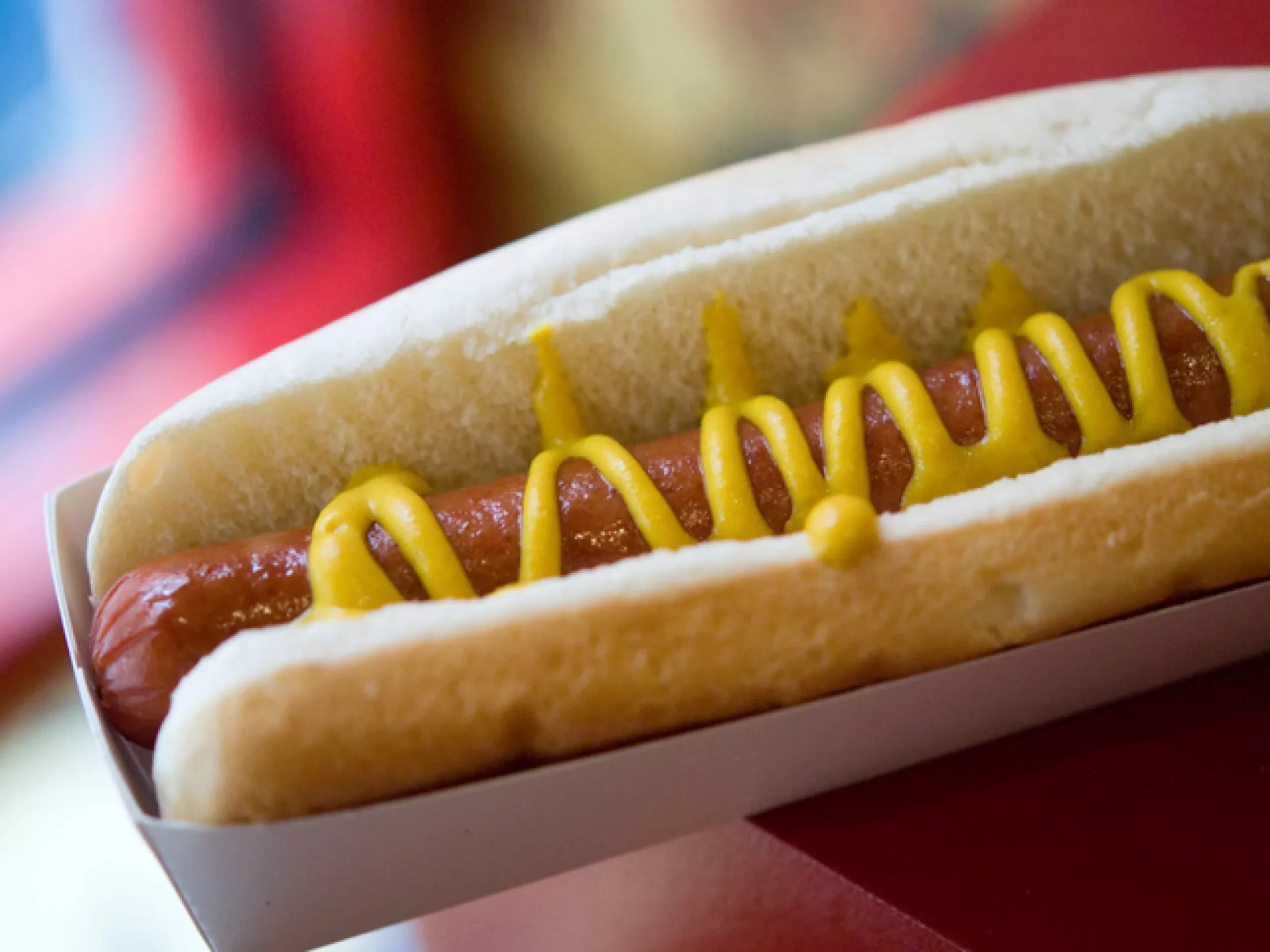
There are a few contenders for the title of the most iconic dish in New York, including the New York slice, classic pastrami on rye, and even cheesecake, but the city’s fare is probably best captured with the classic hot dog. Sold from street carts on every corner, it pairs a simple beef frank in a soft bun topped with mustard, ketchup, sauerkraut, or onions. It’s quick, no-nonsense, and woven into the fabric of everyday life in the Big Apple.
USA | Philadelphia
Rich in history and sporting fervour, Philadelphia brings a gritty, passionate edge to the World Cup. Matches will be held at Philadelphia Stadium, a 69,000-seat arena in the heart of the city’s sports complex. The local food scene is unapologetically hearty, built on bold flavours, working-class roots, and long-standing tradition.
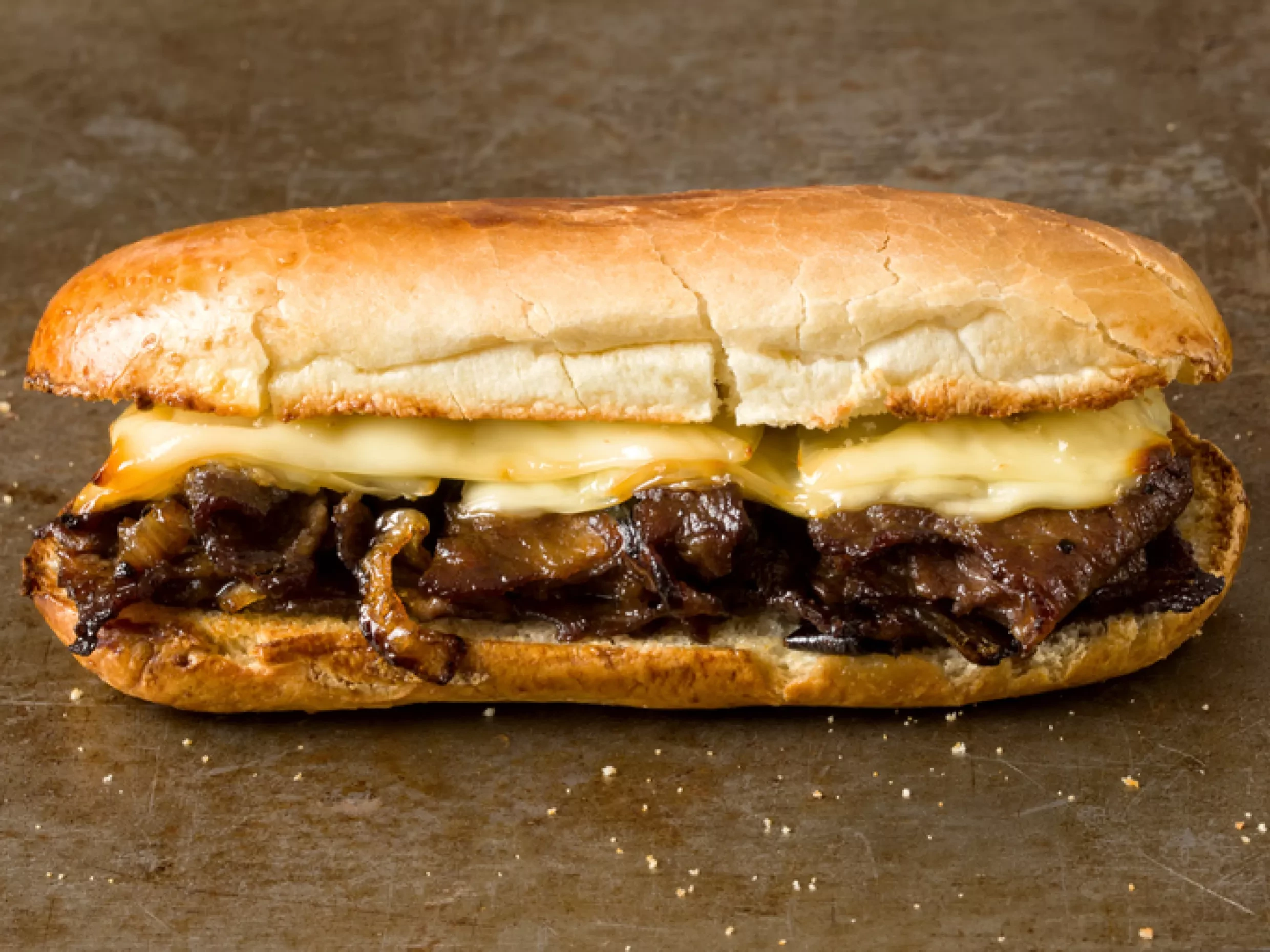
The most famous dish is so iconic, it’s named after the city. The Philly cheesesteak is an immense sandwich combining thinly-sliced grilled beef in a soft, long roll, topped with fried onions and cheese. Many locals have it with Cheez Whiz, a cheese sauce that comes in a jar, but others have it with American or Provolone.
USA | Boston
One of the oldest cities in America, Boston offers a distinctly New England vibe to the World Cup. Matches will be held at Boston Stadium in nearby Foxborough, a venue with a capacity of around 65,000 that’s also home to the New England Patriots NFL team and the New England Revolution MLS team. Not surprisingly, the state’s food scene is rooted in its coastal geography.
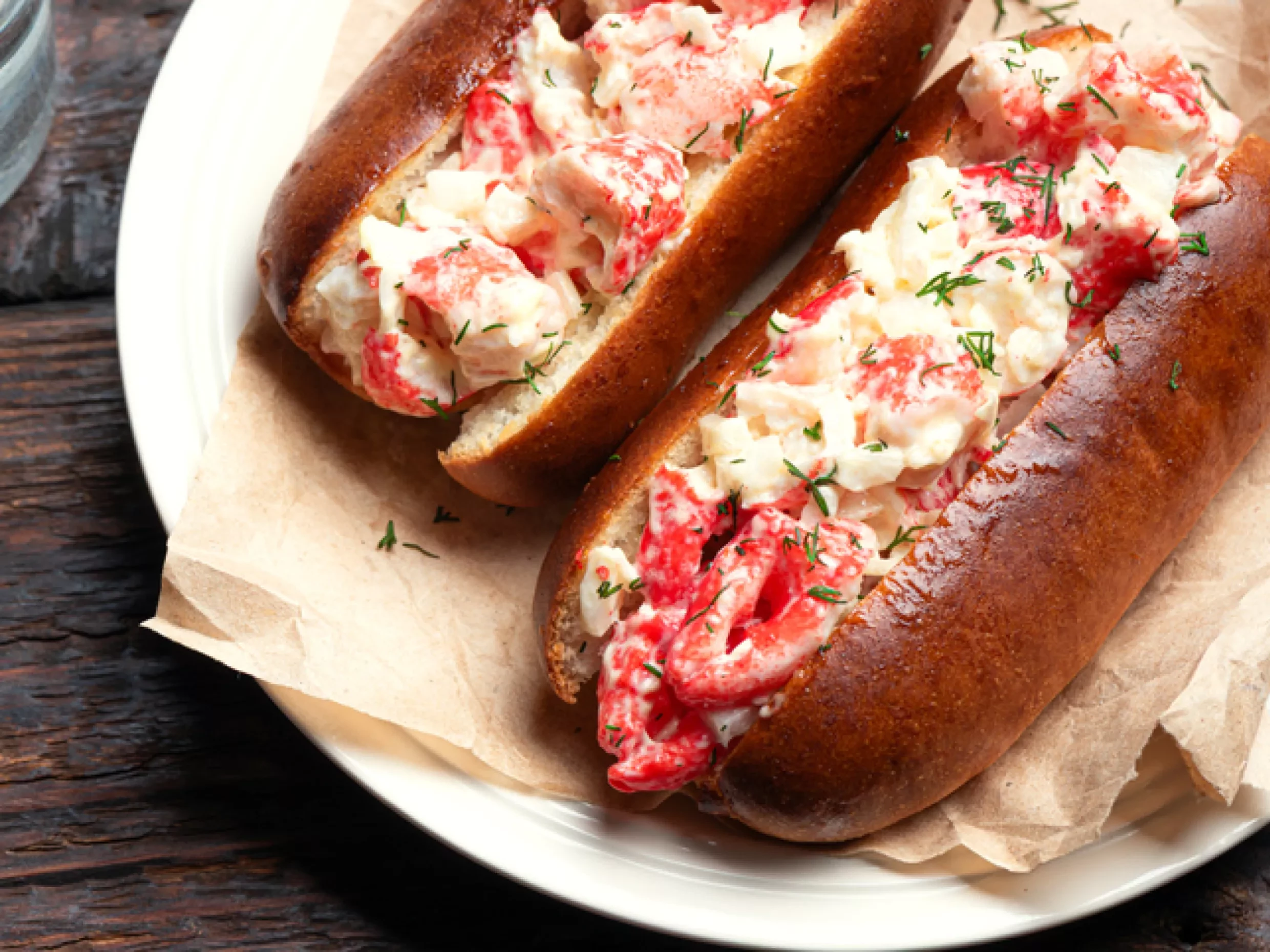
Boston Cream Pie and New England clam chowder are undoubtedly food icons, but the lobster roll is considered to be the city’s ultimate must-eat! Fresh lobster meat is lightly dressed - either with butter or mayonnaise - and served in a toasted split-top bun. It’s rich, delicious, and a true taste of the New England shoreline.
USA | Miami
With its tropical climate and Latin American influence, Miami brings a distinctly international flavour to the World Cup. Matches will be held at Miami Stadium, a 65,000-seat venue set between Miami and Fort Lauderdale, known for hosting major global sporting events including Superbowls, the Baseball World Series and even Formula 1.
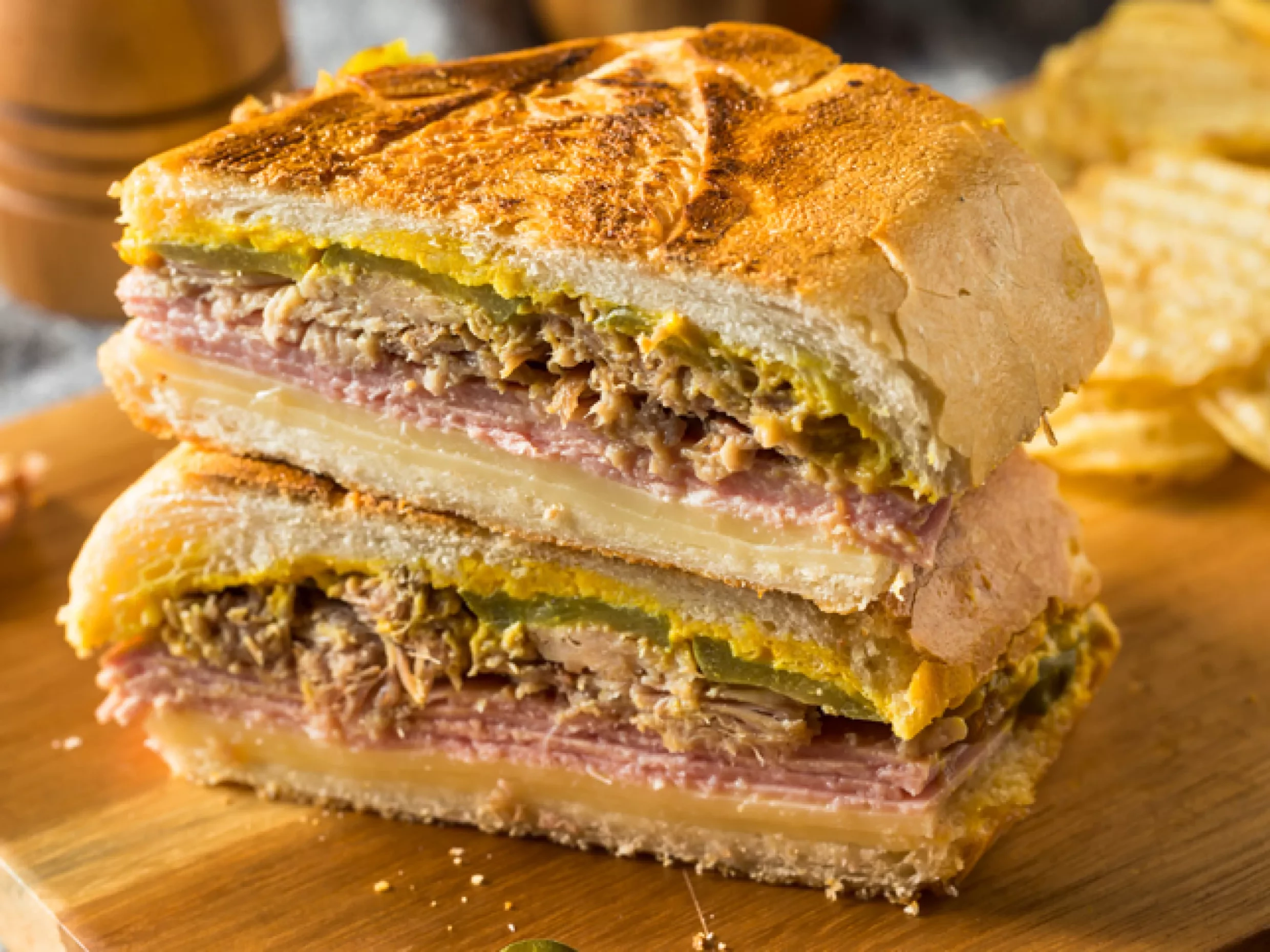
The city’s food scene is cross-cultural with a heavy lean into Caribbean and Cuban traditions. Little surprise then that Miami’s food culture can probably best be summed up by the Cuban sandwich. Layered with roast pork, ham, Swiss cheese, pickles, and mustard, then pressed until crisp, it reflects Miami’s Cuban heritage.
USA | Atlanta
A modern powerhouse of sport and culture in the American South, Atlanta brings energy and scale to the World Cup stage. Matches will be held at Atlanta Stadium, a striking, retractable-roof venue with a capacity of around 68,000, located in the heart of downtown.
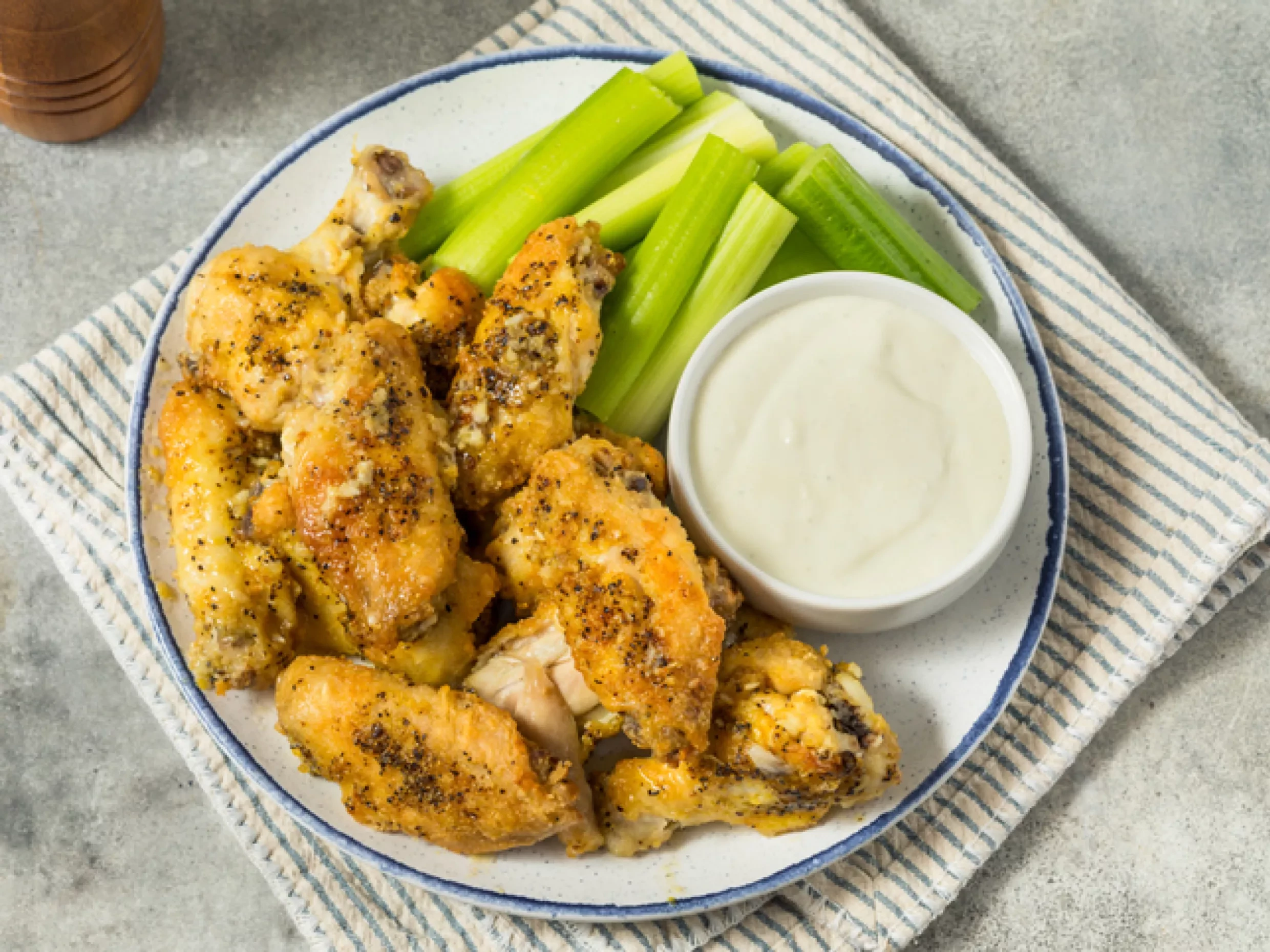
The city’s food scene blends Southern tradition with contemporary flair, and among the most stand-out of these options are lemon pepper wings. A staple of Atlanta’s wing culture, they’re typically fried until crisp, then coated in a punchy blend of lemon pepper seasoning. For the true local order, ask for ‘lemon pepper wet’ and they’ll be tossed in a buttery, tangy sauce that takes the flavour to another level. It’s rich, messy, and absolutely Atlanta.
USA | Dallas
Big, bold, and unmistakably Texan, Dallas delivers World Cup football on a grand scale. Matches will be held at the 70,000-seater Dallas Stadium in nearby Arlington, known for its retractable roof and cutting-edge design. The local food scene is defined by Texas pride - smoky, filling, and focused on the art of barbecue.
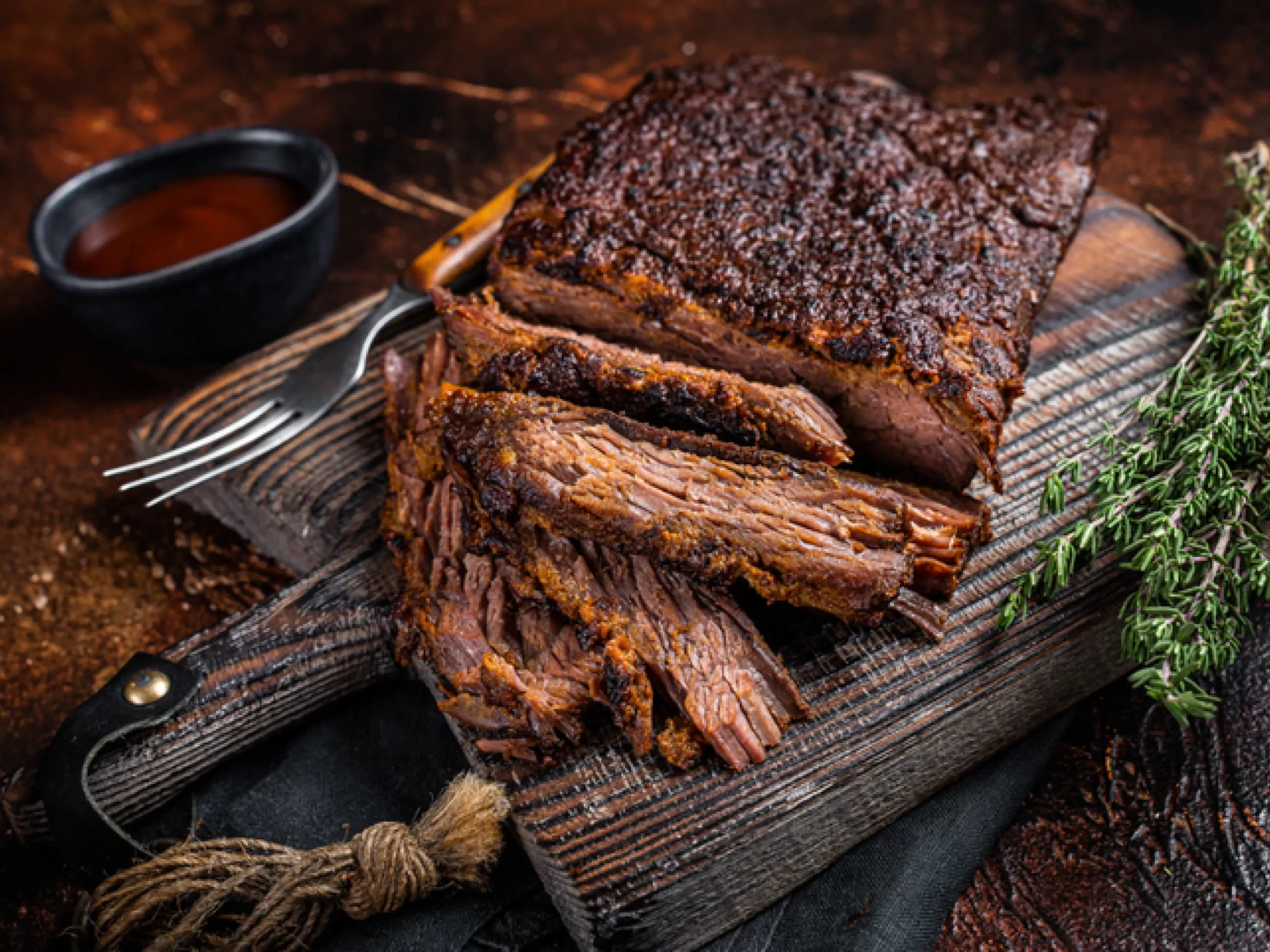
In food terms, nothing says Texas quite like brisket, where the beef is smoked low and slow over hardwood, producing that signature dark, flavour-packed bark and melt-in-the-mouth meat. Served simply, often with pickles and white bread, it’s a cornerstone of Dallas cookery.
USA | Houston
Just over 350 kilometres south of Dallas is Houston, a city full of international energy. Matches will be held at Houston Stadium, a modern, multi-purpose venue with a capacity of around 72,000 that’s held Superbowls, rodeos and Wrestlemania! And its food scene is one of the most dynamic in the US - a fusion of cultures, with strong Tex-Mex and Gulf Coast influences.
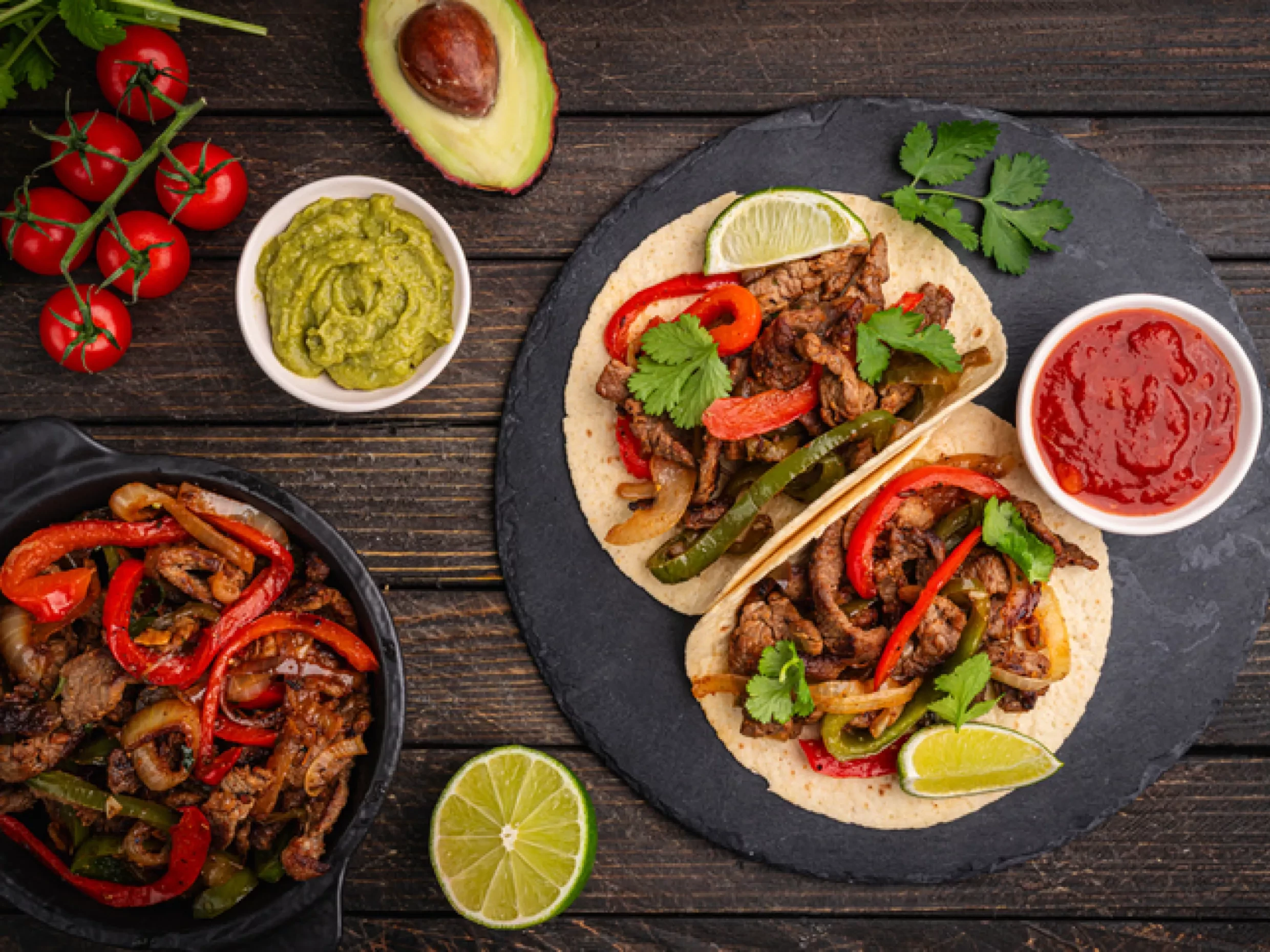
That identity is best captured in Tex-Mex fajitas. Popularised in Houston as recently as the 1970s, this sizzling dish features grilled strips of beef or chicken served with tortillas, peppers, and onions, accompanied by a spread of toppings.
USA | Kansas City
Straddling the border of Missouri and Kansas, Kansas City is all about sport and slow-smoked flavour. Matches are played at Kansas City Stadium, a traditional stadium built in the early 1970s with a capacity of just over 69,000. The city’s food scene is built on barbecue heritage - rich, smoky, and fiercely defended by locals.
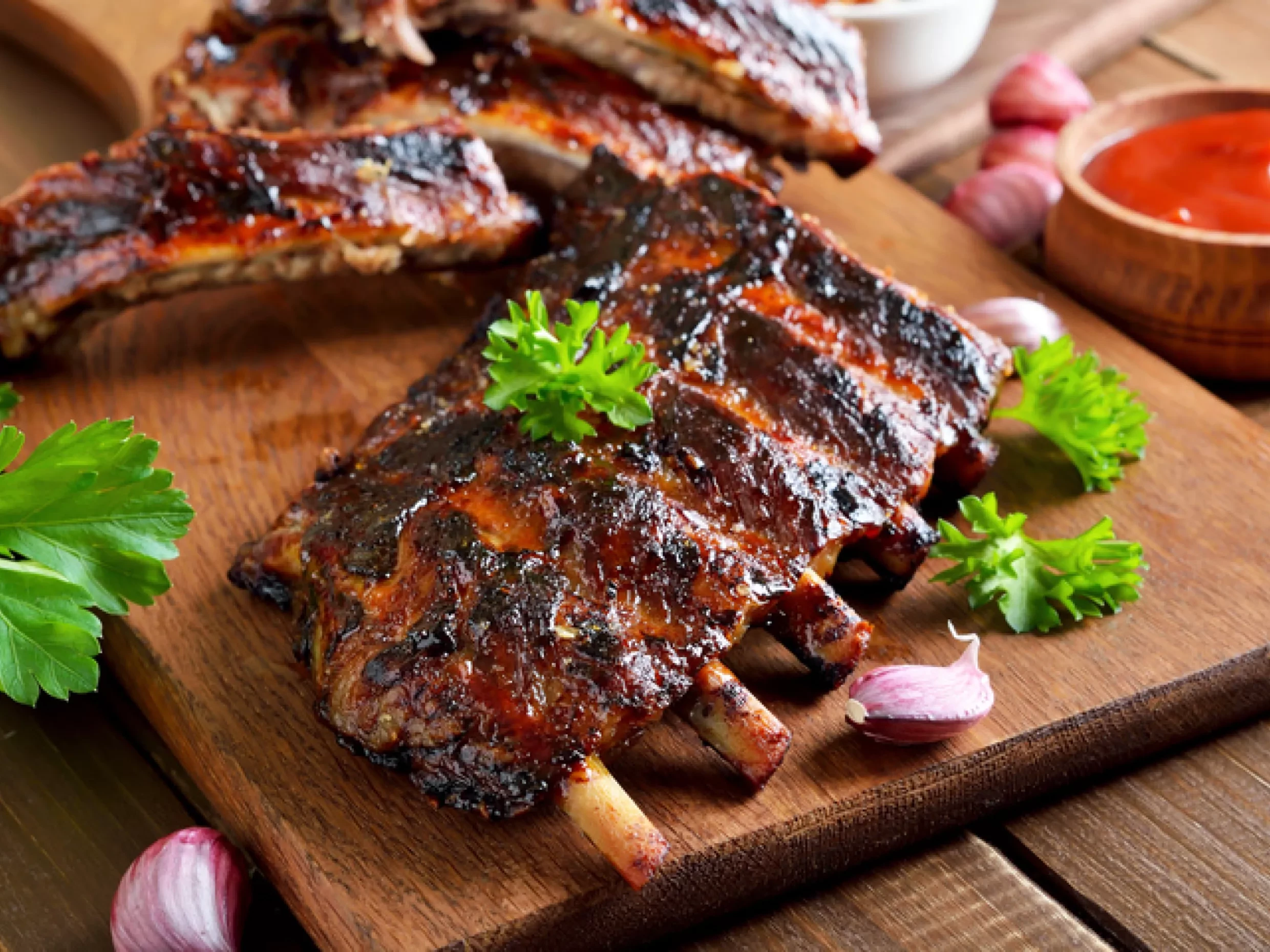
Think Kansas City, think barbecue ribs. Slow-cooked over wood and generously coated in a thick, sweet-and-tangy sauce, the ribs are tender, sticky, and packed with flavour. It’s a cooking style that defines the city and draws devoted fans from all over the country, and beyond!
USA | Seattle
Perched on the edge of Puget Sound between the water and the mountains, Seattle’s all about sea air and fresh-off-the-boat fare. Matches will be held at the 67,000 capacity Seattle Stadium, one of the loudest venues in the world - in fact Seahawks fans once held the Guinness World Record for the loudest crowd roar. And the food is all about the sea, and includes world-famous classics like Dungeness crab and wild Pacific salmon.
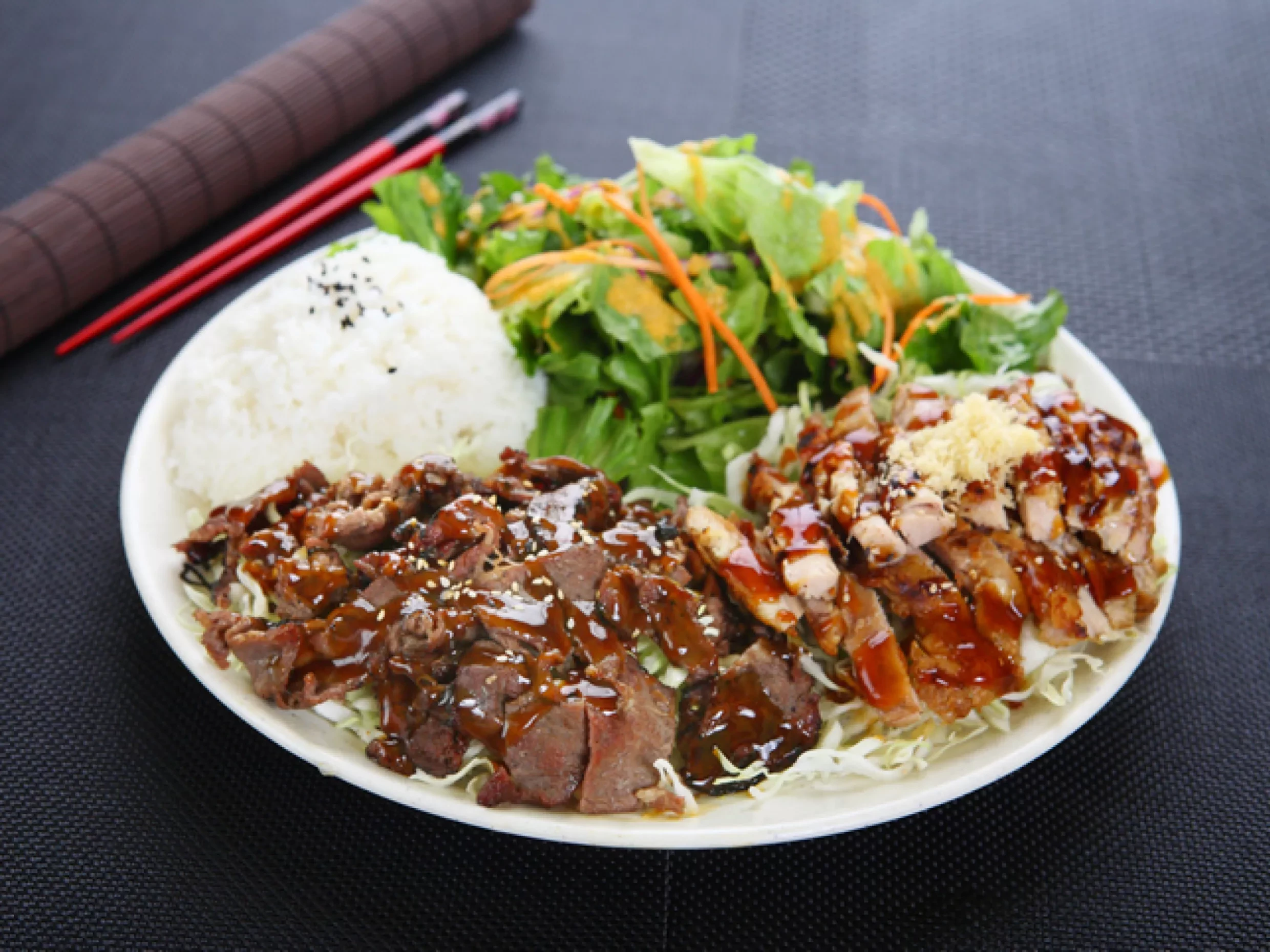
But the dish that screams Seattle is their signature teriyaki style. Unlike standard sweet Japanese glazes, this hyper-regional staple was created by Japanese immigrant Toshihiro ‘Toshi’ Kasahara in the mid-1970s and features char-grilled, sticky-sweet chicken or beef, served with steamed white rice and a tangy ginger-dressed iceberg lettuce salad.
USA | San Francisco Bay Area
Set along the Pacific and defined by its striking natural surroundings, the San Francisco Bay Area offers a uniquely scenic World Cup stage. Matches will be held at San Francisco Bay Area Stadium in Santa Clara, a modern venue with a capacity of around 68,000, located in the heart of Silicon Valley. Food in the Bay Area tends to be driven by innovation and exceptional produce from land and sea.
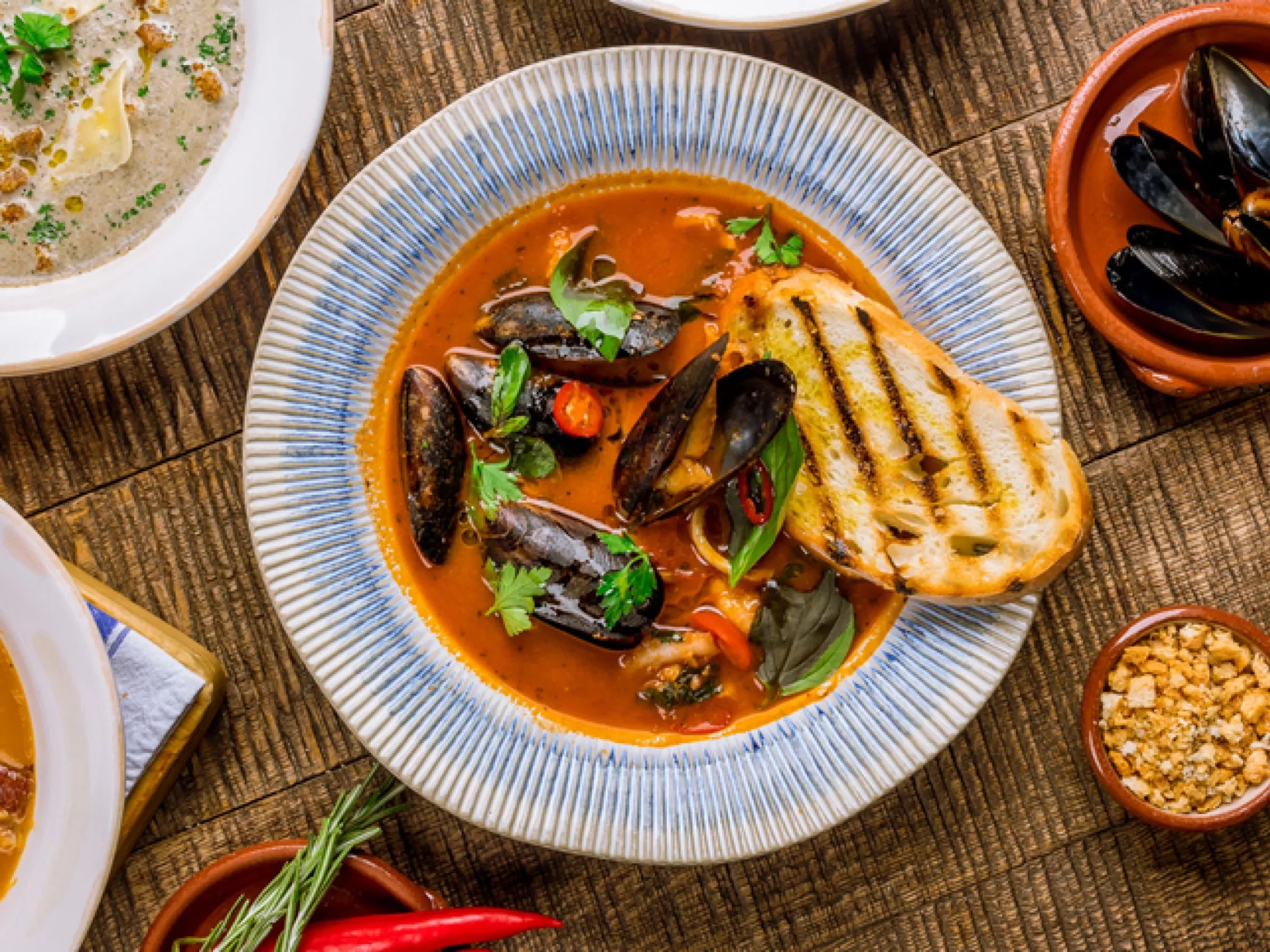
The dish that best encapsulates the area’s Italian-American heritage is cioppino, a rich tomato-and-wine stew piled with Dungeness crab, clams, mussels and whatever came off the boats that morning. It's hearty, fragrant, and packed with flavour and you’ll often find it served with sourdough bread, something else San Fran’s famous for.
USA | Los Angeles
LA brings movie star vibes to the World Cup. Matches will be held at Los Angeles Stadium in Inglewood, a state-of-the-art venue with a capacity of just over 70,000, and the city’s food scene is as diverse as its population - trend-setting, boundary-pushing, and rooted in street food.
Like Houston, the food vibe in LA is shaped by generations of Mexican influences, and the taco scene spans everything from classic carne asada to inventive modern takes, served from trucks, stands, and late-night spots all across the city.