











By: Patty Lee
Matcha has exploded in popularity over the past decade, transforming from a niche Japanese tea ceremony staple into a global trend. Today, you’ll find it not only served at traditional teahouses but also at cafes, restaurants and ice cream shops, where it’s served in lattes, baked goods, smoothies and even lemonade.
With demand surging worldwide, there have even been reports of matcha shortages. At the same time, more people are choosing to prepare it at home, which means navigating shelves and online shops to pick out a quality matcha powder. But for newcomers, all of those tins and packets can be overwhelming — how do you know if you’re buying truly good matcha? The answer lies in understanding some matcha basics, including what to look for once you open the tin, and recognising how factors like storage and taste affect the quality.
What’s the difference between ceremonial and culinary grade matcha?
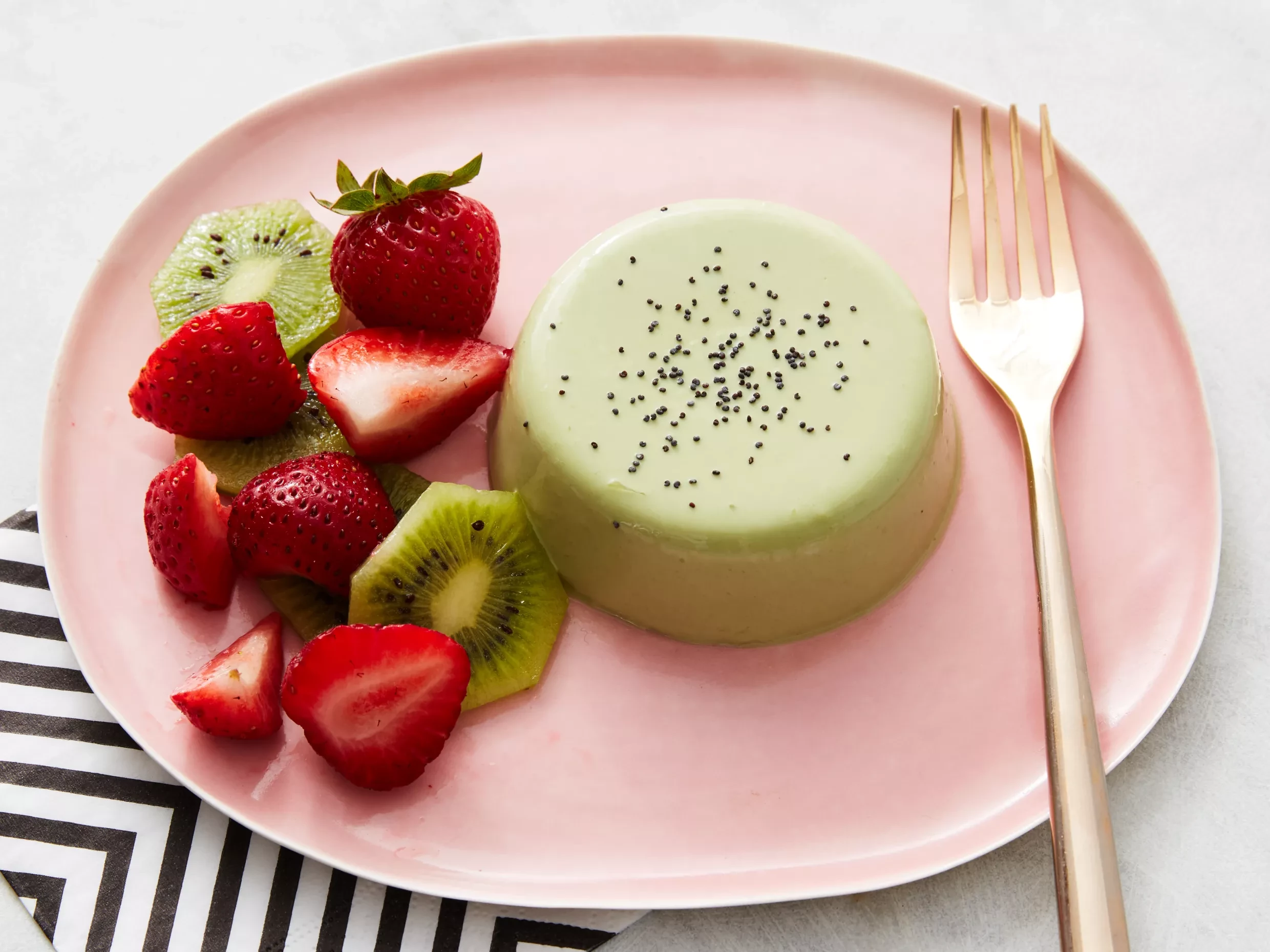
One of the first things you’ll notice when shopping for matcha is that products are often labeled “ceremonial grade” or “culinary grade.” Many assume this distinction indicates quality levels, but it’s more complicated than that.
“This is a very common question … ceremonial grade is a term that was invented for marketing matcha in the West, and it isn’t traditionally used in Japan,” says Tomoko Honda, Head of Global Operations at Ippodo, a Kyoto-based Japanese tea company. “For that reason, we don’t use it at Ippodo.”
Japan doesn’t have a standardised grading system. Instead, “some tea shops may suggest uses on their packaging, such as recommending a certain matcha for practice in a tea ceremony or for lattes, but those are guidelines created by individual brands.”
While culinary matcha is typically intended for cooking or blending into recipes and ceremonial matcha is marketed as being suitable for traditional whisked tea, the labels themselves aren’t regulated. It’s best to look beyond the terms and evaluate the tea itself.
How do you know if your matcha is good quality?
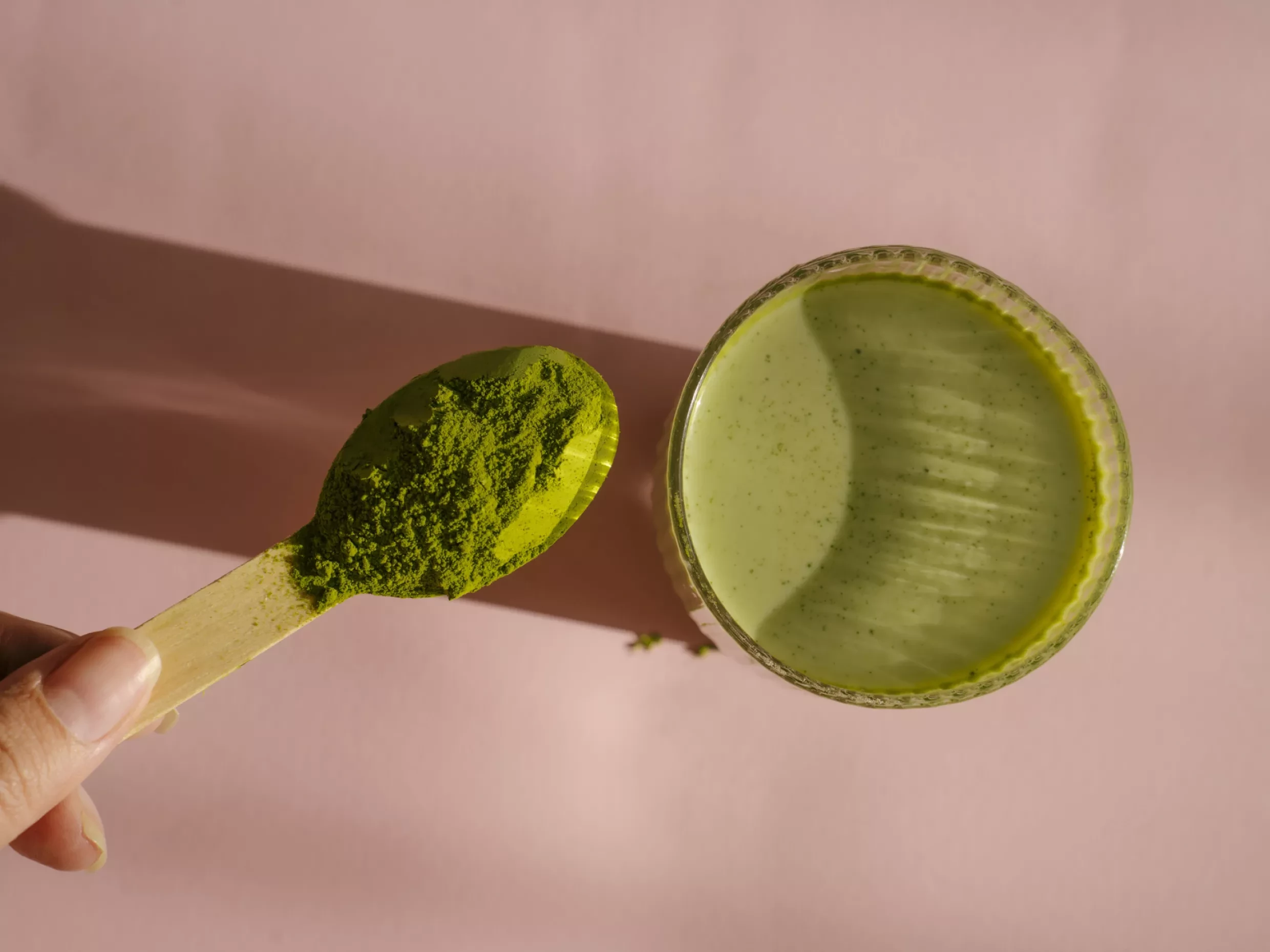
Colour is one of the easiest first indicators of quality once you open your container of matcha powder. “To be honest, it’s difficult to know the true quality of matcha until you actually open the container and see it for yourself, unless you’re able to taste it in a shop. Once you open it, though, the signs become clear: a vibrant green colour and a rich aroma are strong indicators of good quality,” Honda explains. Dull or yellow-ish green matcha powder, on the other hand, may be made from lower-quality tea leaves, or it “may be a sign that its freshness or quality has declined.”
How should good matcha taste?
While colour and aroma give you strong visual cues, taste is equally important, though it can also be more subjective. “Every brand has its own style. At Ippodo, we value bringing out the natural character of the tea leaves themselves, so even in our highest-grade matcha, you will still notice a subtle bitterness alongside its depth,” Honda notes. “That doesn’t mean bitterness indicates poor quality, or that the absence of bitterness means higher quality. For us, true high-quality matcha offers a rich fragrance and a layered, complex taste where umami, sweetness, and bitterness all come together in harmony.”
Ultimately, high-quality matcha is balanced. You might taste vegetal notes, natural sweetness and a touch of bitterness all woven together. Personal taste matters, too. Some drinkers may prefer a more mellow matcha, while others enjoy one with deeper flavour. “Rather than only thinking about how matcha should taste, it’s more helpful to focus on finding the matcha that you love,” Honda says.
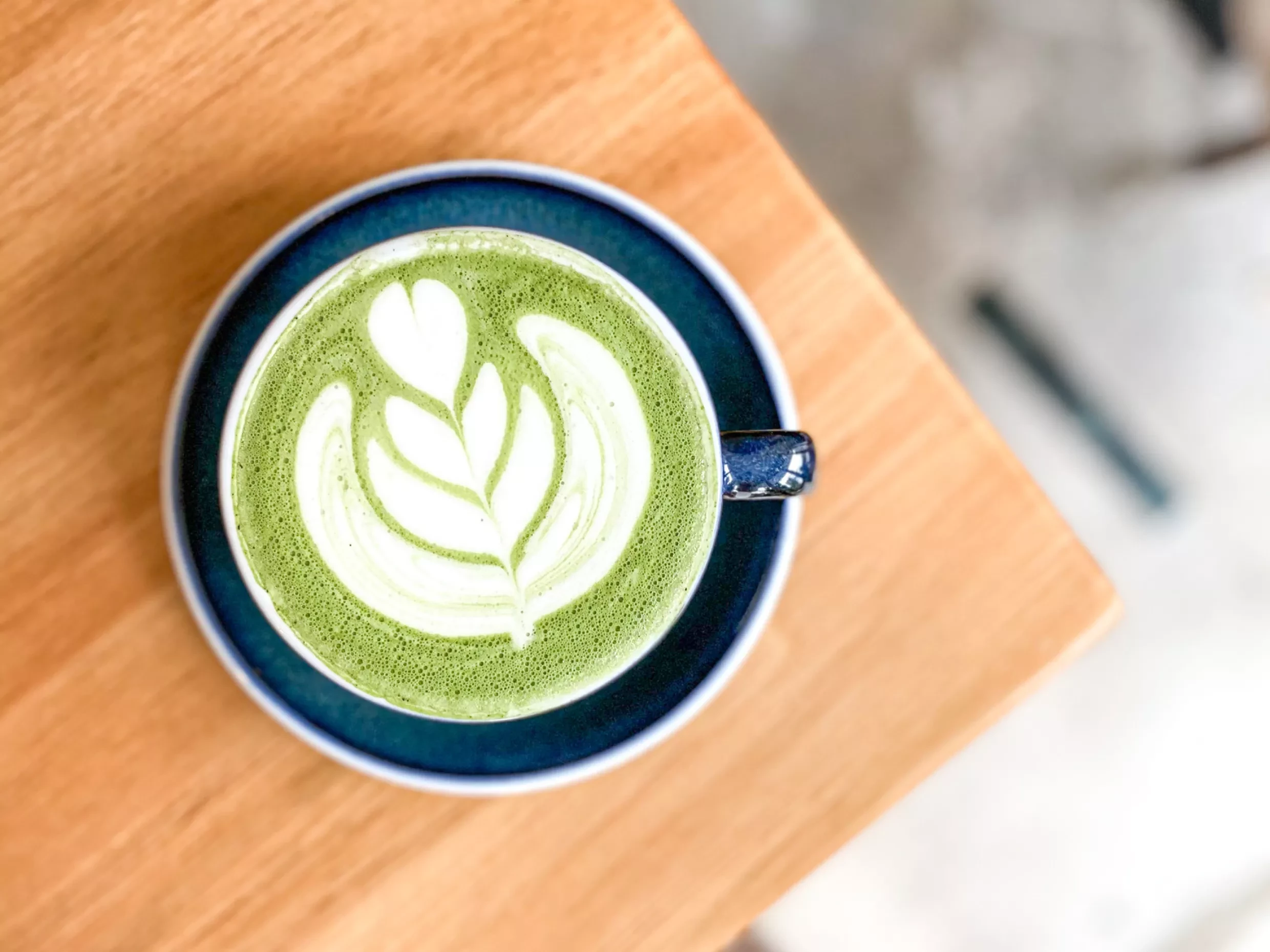
Storage matters just as much as quality.
Even the finest matcha can turn if not cared for correctly. “Even unopened, the highest-quality matcha can lose its character if it’s not stored properly. Matcha is sensitive to heat, light, humidity and changes in temperature, so it’s best kept in a cool, dark place. Once opened, it should be enjoyed as quickly as possible regardless of the best-by date,” says Honda.
That means you’ll want to treat matcha more like fresh produce than a pantry staple. Store it in a sealed container away from sunlight and heat, and try to consume it sooner rather than later for the best flavour.
Matcha’s rise in popularity means more people are seeking it out for home use, but not all matcha is created equal. While packaging and marketing terms can be confusing, the real test lies in what’s inside the tin: colour, aroma, taste and freshness. By learning to identify these qualities and storing your matcha properly, you can ensure every cup you whisk up at home captures the rich, complex experience that has made this tea beloved for centuries.