
















Whether you've had a bowl of russets on the counter for days, or just picked up a handful of fingerlings from the farmers market, your potatoes might start to sprout. Sometimes called eyes, these frilly growths can look worrisome but are entirely natural. Sprouted potatoes are safe to eat, too, just remove the eyes and check the rest of the potatoes for freshness. Here's how to know if it's safe to eat sprouted potatoes and when it's better to toss them - or if it's time to give them a new life beyond the kitchen.
Why Do Potatoes Sprout?
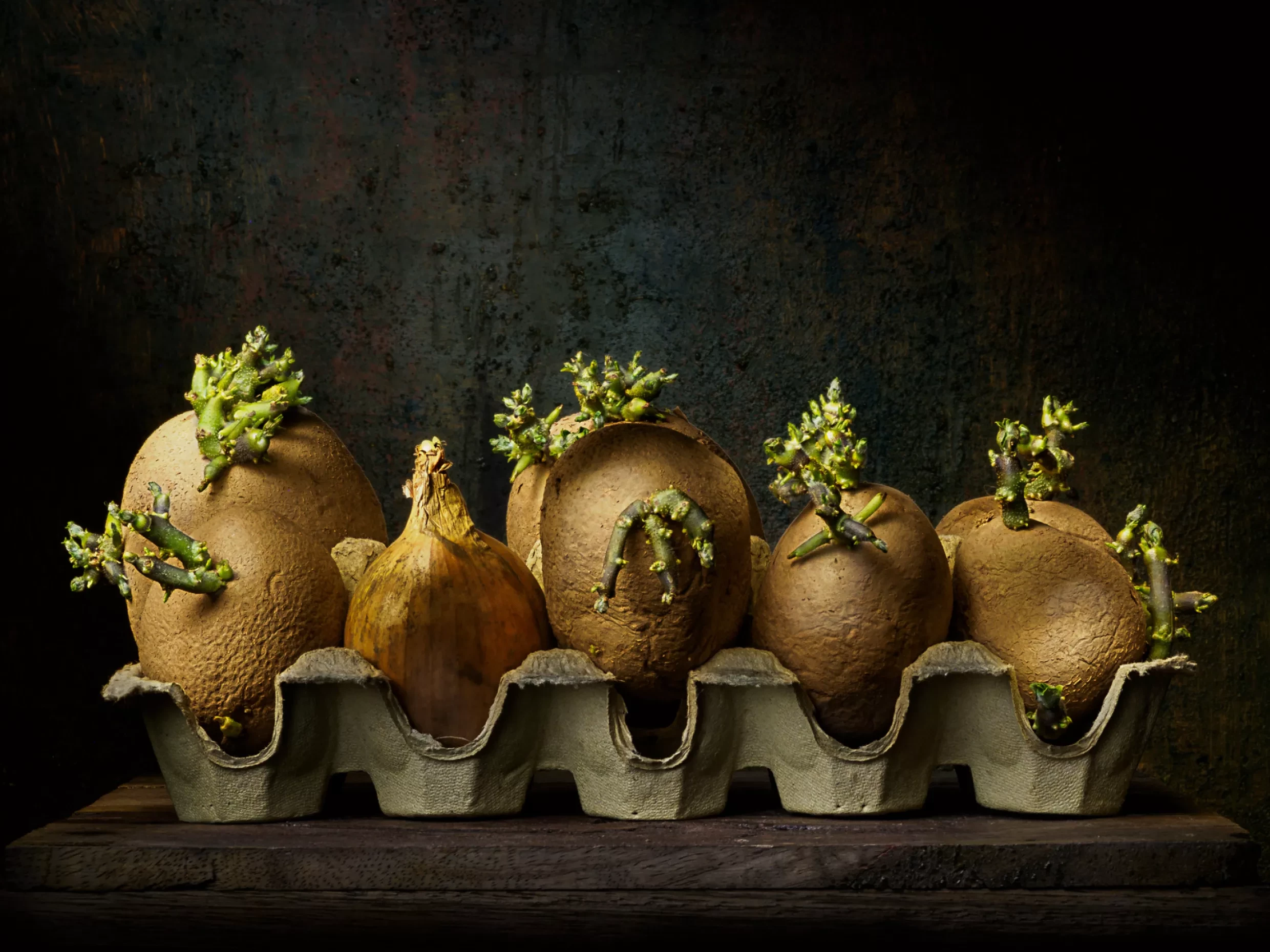
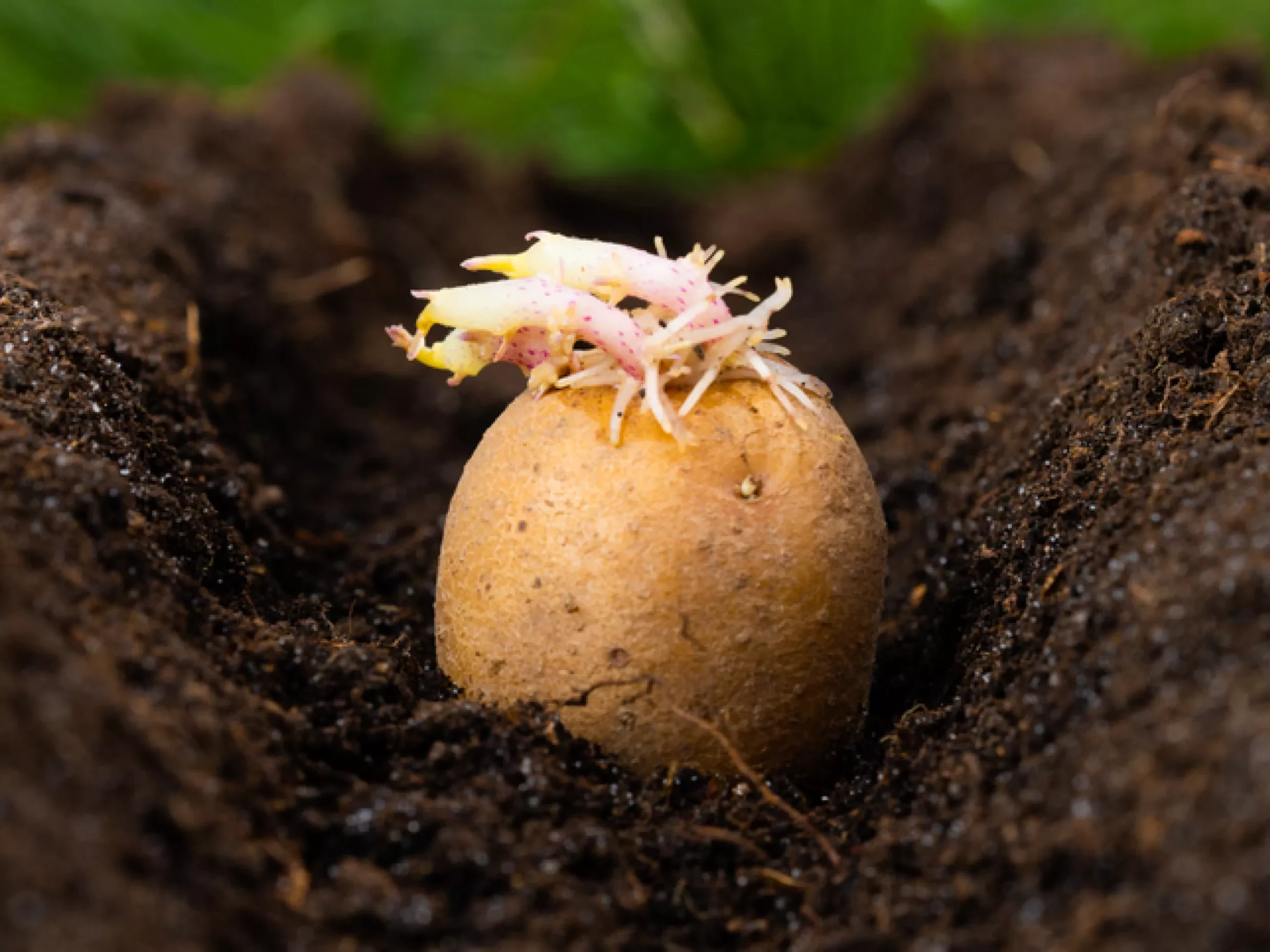
Potatoes sprout when they're stored in a space circa 68 degrees F. These conditions make the plants think that it's spring and thus time to regenerate. In fact, those fuzzy "eyes" on the surface of a sprouted potato are actually the start of new potato plants, which would grow fresh tubers if planted in soil.
A potato that has grown eyes is still safe to eat so long as it's firm to the touch and its skin isn't shrivelled. Sprouts, however, are not edible and should be removed and tossed.
How To Remove Sprouts From Potatoes
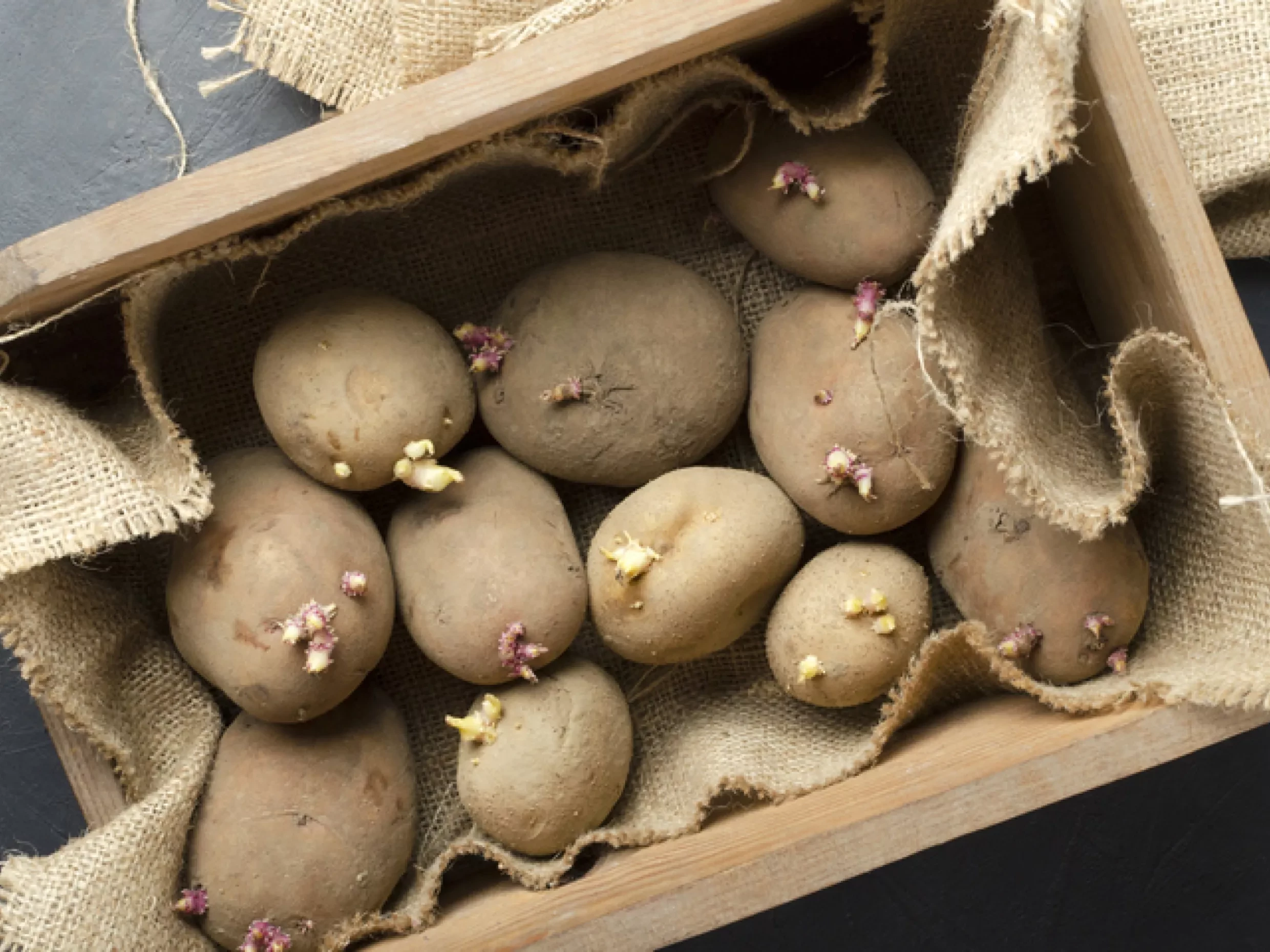
It's easy to remove sprouts from potatoes with a sharp paring knife or vegetable peeler. If you're using a paring knife, simply cut a small indentation around two sides of the sprout and pop it out with the tip of your blade. Whether you have a Y-shaped or swivel peeler, it was built to remove sprouts and brown spots. Use the intentional scoop-shaped tip of your peeler - or the plastic tab on the side of a Y-shaped peeler - to dig out sprouts.
What To Do With Sprouted Potatoes
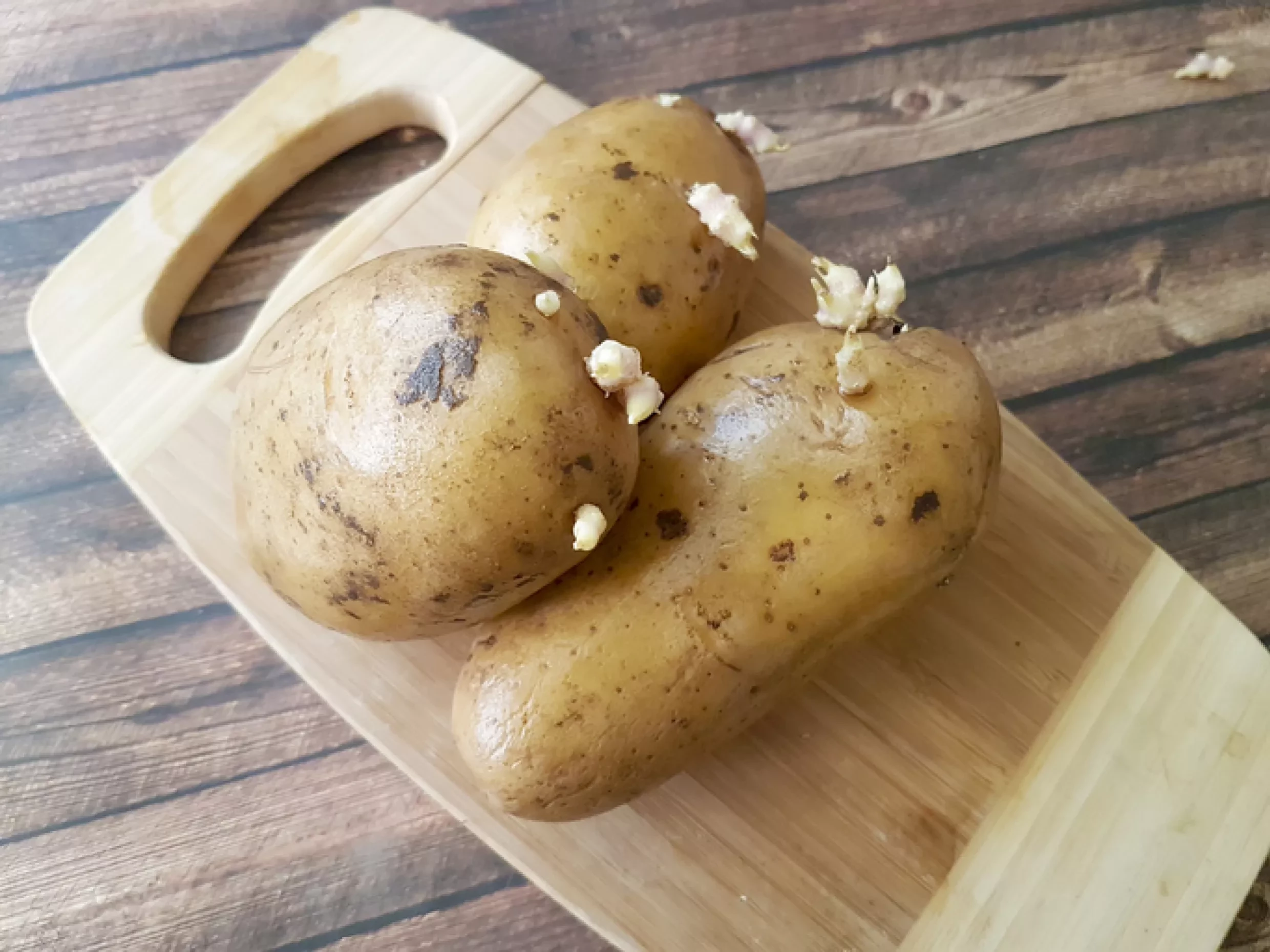
If your potatoes have sprouted so much that there isn't enough left to salvage, toss them or use them to plant new potatoes. Cut into chunks around the frilly green sprouts and plant it in your garden as if it were a seed.
Are Green Potatoes Safe?
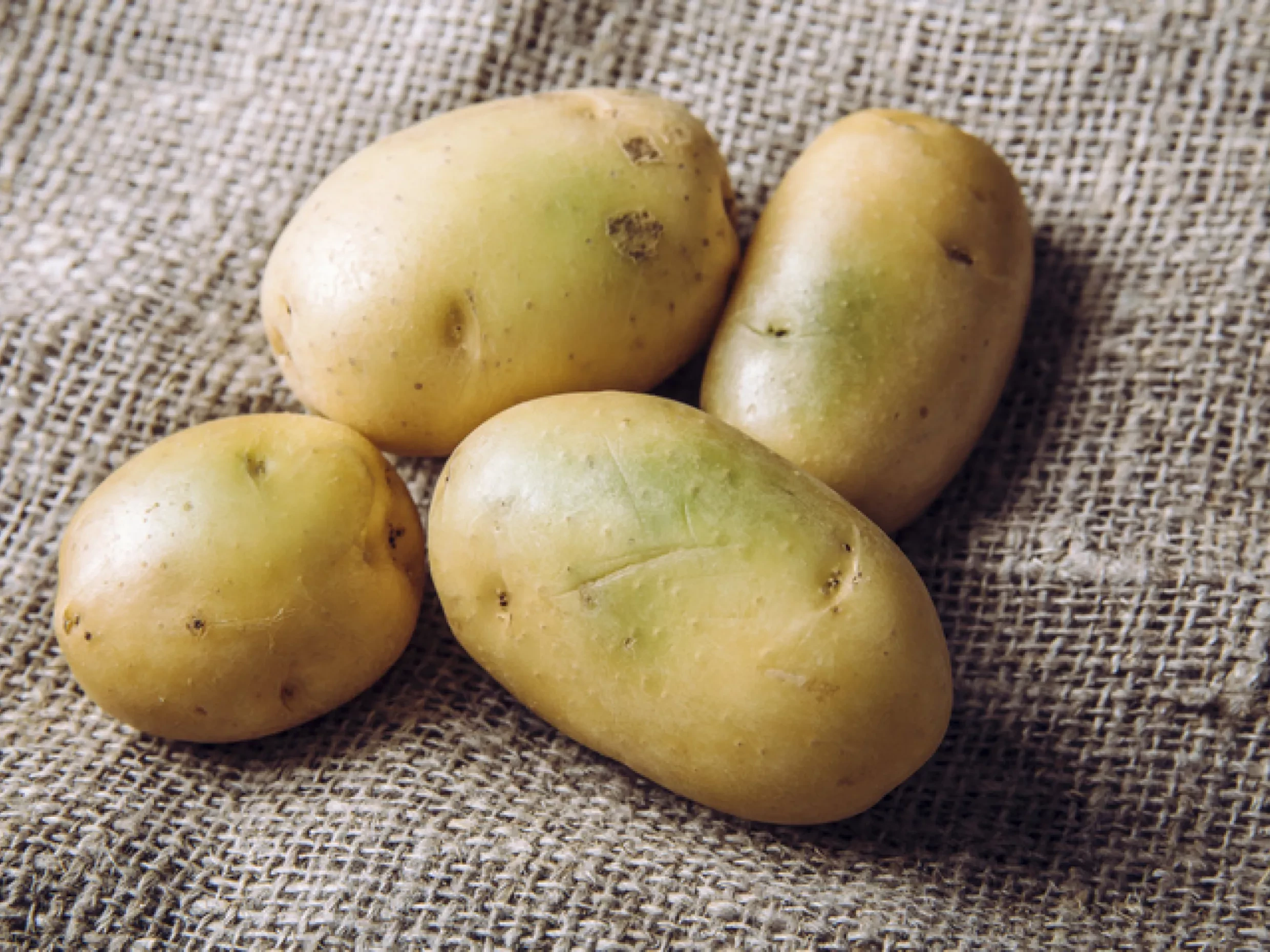
When potatoes take on a green tinge they are not safe to eat, regardless of whether they've also sprouted. Exposure to light causes potatoes to produce an excess of chlorophyll, or green pigment, but chlorophyll isn't the problem. Sunny conditions also make it possible for opportunistic glycoalkaloid toxins to thrive, and those are dangerous to consume.
How To Store Potatoes
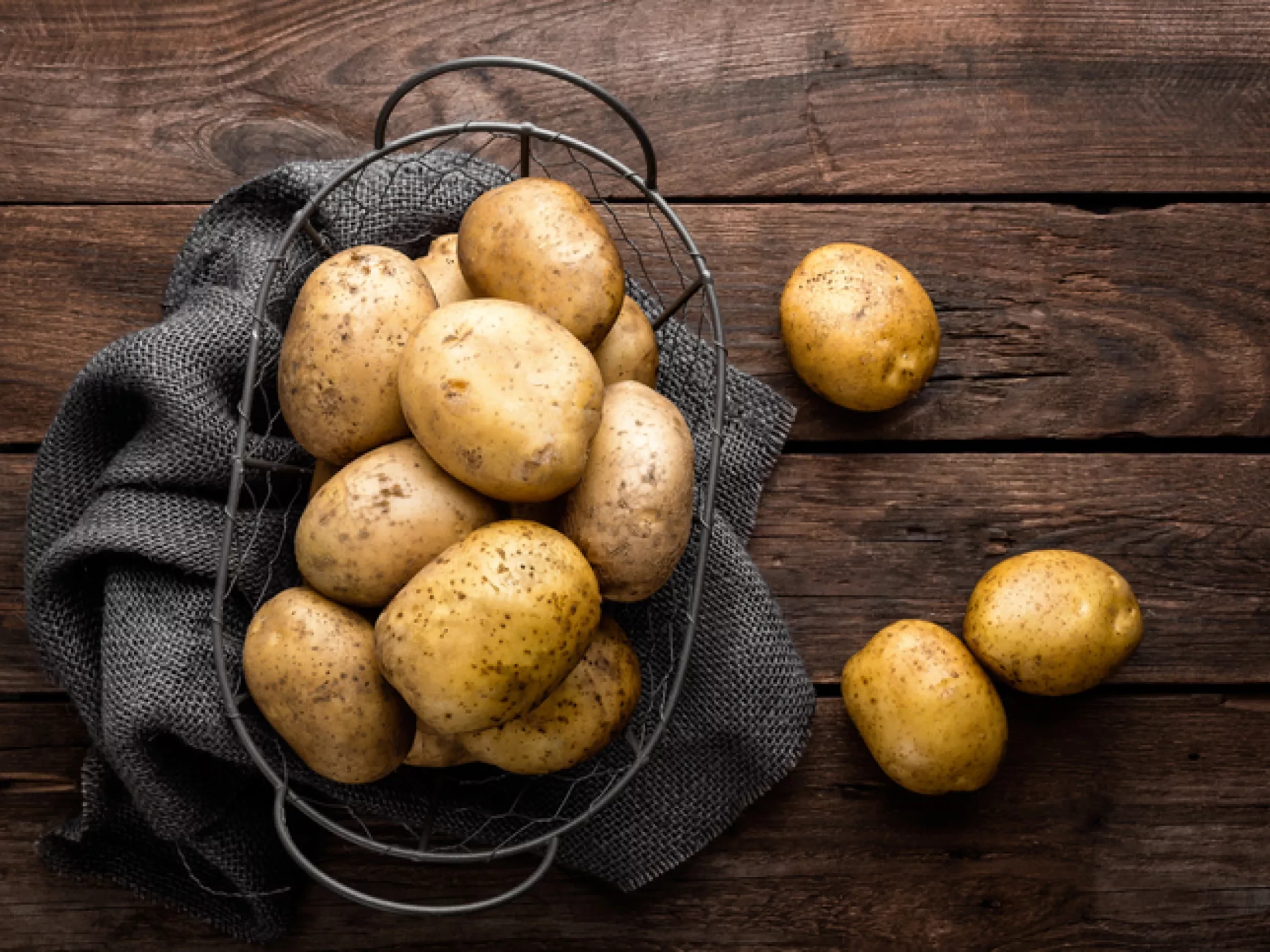
Potatoes will keep up to two months from purchase if stored in a cool, dry place. A cardboard box or breathable bag in a cool basement is ideal. Kitchens and pantries are usually too warm, and will likely make them start to sprout sooner. Be sure to store your potatoes and onions separately, too, to prolong the shelf life of your potatoes.
Do not store potatoes in the refrigerator. Cold conditions will trigger their starches to convert to sugars, which means sweeter potatoes (no, they won't turn into sweet potatoes!) that will quickly go brown when cooked.
Sprouted Potato Fast Facts
It's NOT safe to eat potatoes that are:
- Soft, squishy or wrinkly
- Greenish in colour on the outside or under the skin
- Rotten and/or smelly
It IS safe to eat potatoes that are:
- Firm when squeezed
- Normally coloured, with no greenish tint
- Sprouted - simply dig out the sprouts with a peeler