










Christmas pudding isn’t just a brandy-soaked flaming finale to your festive feast, it’s a tantalising treasure which often used to contain a hidden surprise. Was the custom of dropping a silver sixpence into the pudding mix a sweet Victorian whim or did adding tokens and charms to the bowl go back even further, to medieval feasts and kitchen superstitions? Was the lucky finder destined for good luck, wealth, or even wedding bells? Let’s dig in and see what all the coin-fusion is about.
The Origin of the Christmas Pudding (According to Legend)
We’ve got no shortage of Christmas pudding recipes on our site, but this time we’re serving up something different: the story behind the tradition.
So how exactly did this festive staple come to pass? One of the most widely shared tales about the origin of Christmas puddings claims its roots stretch back to medieval England - perhaps as early as the 1300s - when a thick, hearty dish called pottage or frumenty was served at feasts. This early mixture combined meat, grains and dried fruit and is often described as a distant ancestor of the modern Christmas pudding, though it was very different from today’s sweet, rich dessert.
Over time, layers of folklore and festive symbolism became attached to the pudding. Later traditions - often retrospectively linked to earlier centuries - included cooking rituals involving thirteen ingredients representing Jesus and the twelve apostles, and of families stirring the mixture from east to west in honour of the journey of the Three Wise Men. While these tales are charming, there aren’t any sources that can back them up and it seems these popular myths emerged much later.
What we can trace with more certainty is the emergence of recognisable plum pudding recipes in the late seventeenth and early eighteenth centuries. By this time, the dish had evolved into a sweet, fruit-laden pudding. One of the earliest written recipes appears in 1714 in Mary Kettilby’s A Collection of Above Three Hundred Receipts in Cookery, Physick and Surgery.

A Pudding Fit for a King
Another favourite slice of festive folklore stars King George I - sometimes nicknamed “The Pudding King” - who’s said to have demanded plum pudding at his Christmas feast in 1714. While it makes for a tall tale, most historians agree there’s no real evidence he single-handedly put Christmas pudding on the map. These days the story sits more in the realm of seasonal myth than hard-and-fast history.
Tokens & Coins in the Christmas Pud
While putting a coin in the pudding mix was very much a Victorian tradition, the practice of placing all kinds of tokens in festive cakes or puddings may date back to earlier centuries. These tokens included dried beans, peas, or rings, and whoever found it became king or queen of the feast!
Over the centuries, this tradition evolved into the more specific practice of hiding silver coins in the Christmas pudding, which is most commonly traced back to the Victorian era, when it became fashionable under Queen Victoria and Prince Albert. It’s even been suggested the tradition was brought to Britain from Germany by Prince Albert himself, although that may be more fanciful wish than festive fact.
The coin was meant to symbolise prosperity, luck, and occasionally marital fortune, echoing those older traditions where charms would bring good fortune to the finder.
Stir-Up Sunday
The custom of Stir-Up Sunday is wonderfully messy fun, but its roots lie in the liturgy of the Church of England. Its name comes from the opening words of a collect in the Book of Common Prayer: “Stir up, we beseech thee, O Lord, the wills of thy faithful people…that they, plenteously bringing forth the fruit of good works...” This prayer is appointed for the Twenty-Fifth Sunday after Trinity, which often - though not always - falls close to the start of Advent.
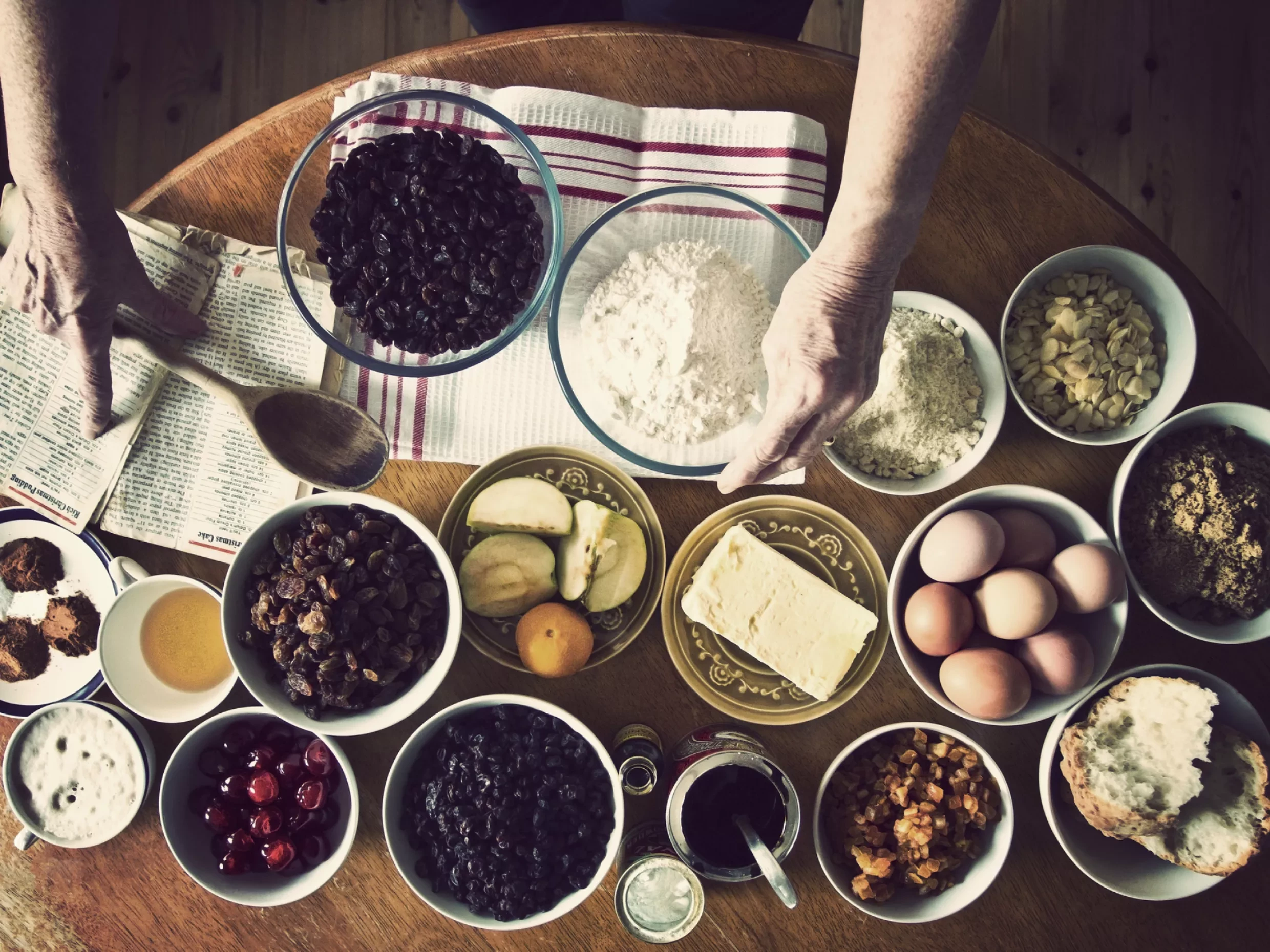
Over time, the wording became linked with the practical reminder to “stir up” the Christmas pudding in good time, even though this connection developed much later. Regardless, this link between the prayer and pudding prep gained popularity, growing into the family ritual many people still recognise today, with everyone taking turns to stir the mixture and make a wish.
Variations on a Coin
Over the years, Christmas puddings have included a range of tokens beyond coins, each with its own meaning and a touch of festive folklore. Sometimes a crown was baked in, charms such as a horseshoe or wishbone promised good fortune, while a thimble symbolised thrift and the hope of prosperity. An anchor charm conveyed wishes of safety and protection (what was known as ‘safe harbour’), and a ring suggested the finder would get married in the coming year.
Christmas Pudding Recipes
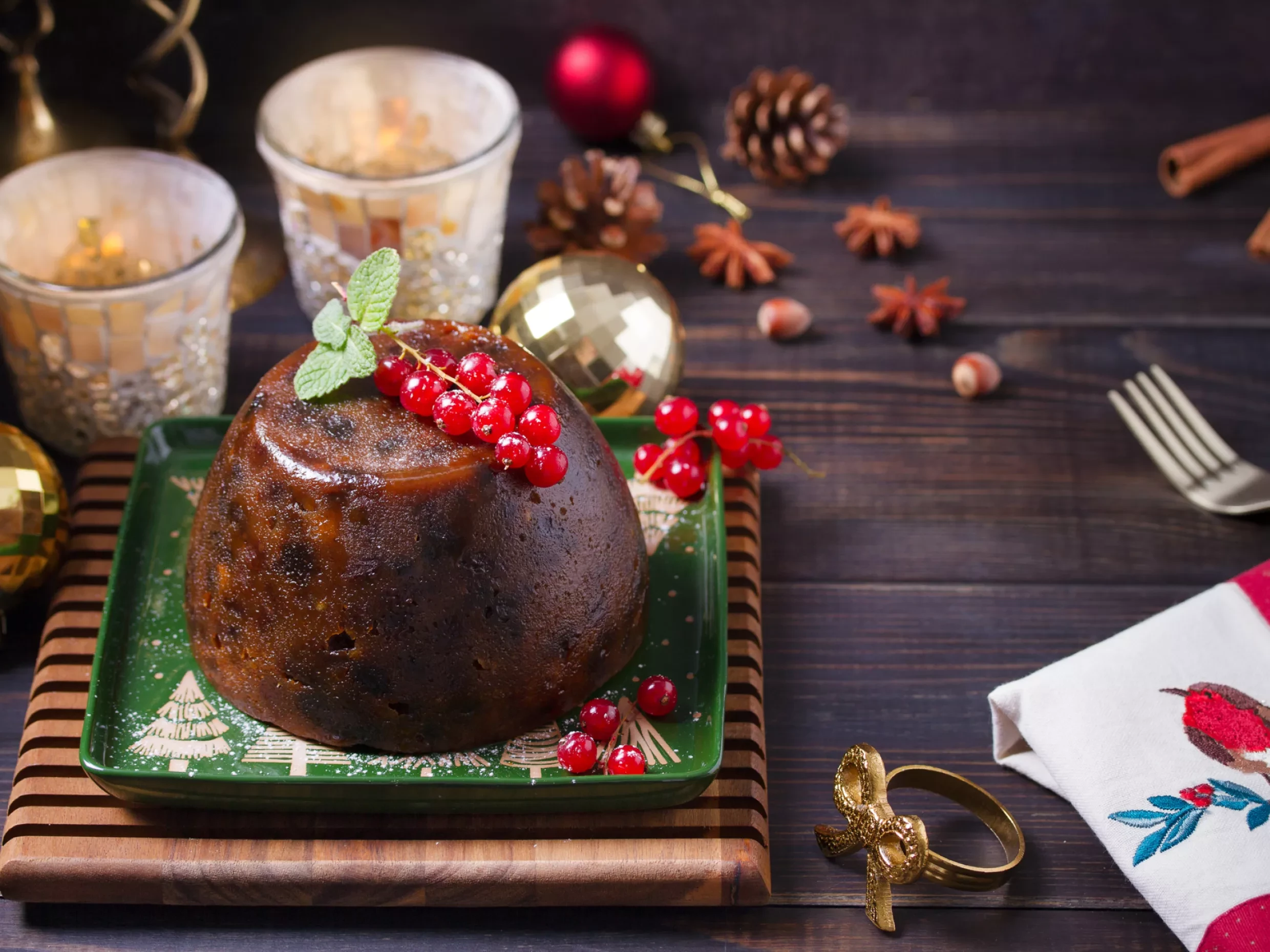
If you’re looking for classic Christmas pudding recipes, a selection of tastebud-teasing twists on tradition, or other amazing Christmas bakes, you’re in the right place!
Rosemary Schrager’s classic Christmas pudding is one of our most popular, and superstar chef Marcus Wareing has his own take on tradition, with his Christmas Pudding Eton Mess, as well as mini Christmas puddings with Chantilly cream.
We’ve also got recipes for Christmas pudding trifle, a Christmas pudding sundae, Christmas pudding ice-cream, and even a rolled shoulder of lamb with Christmas pudding stuffing!