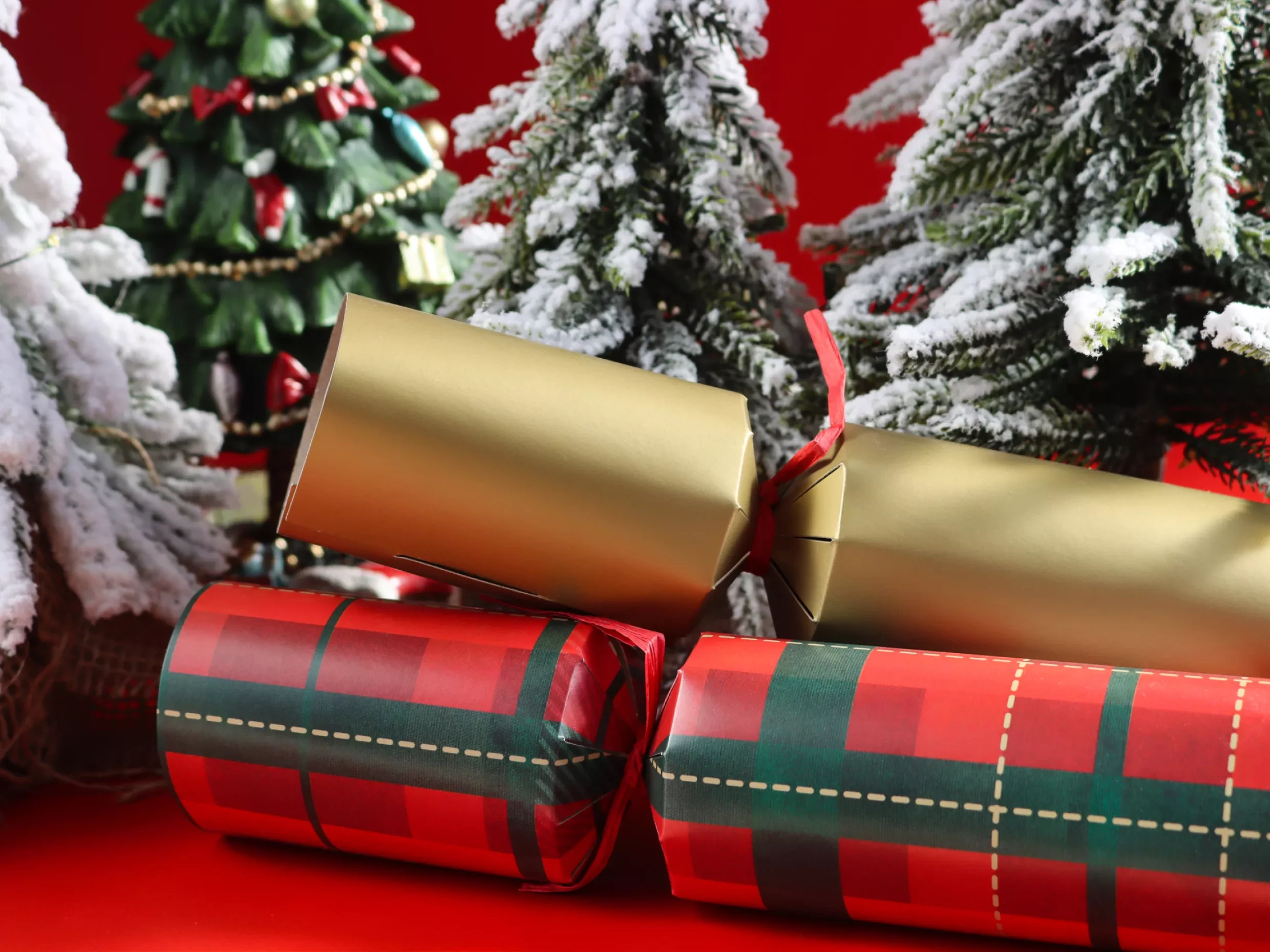






Crackling with colour, curiosity, and a dash of festive mischief, Christmas crackers have been sparking joy at holiday tables for more than a century. From Victorian parlours to present-day parties, these little paper tubes have carried jokes, trinkets, and that unmistakable pop through generations. So how did they become a seasonal staple? We’re cracking the mystery wide open.
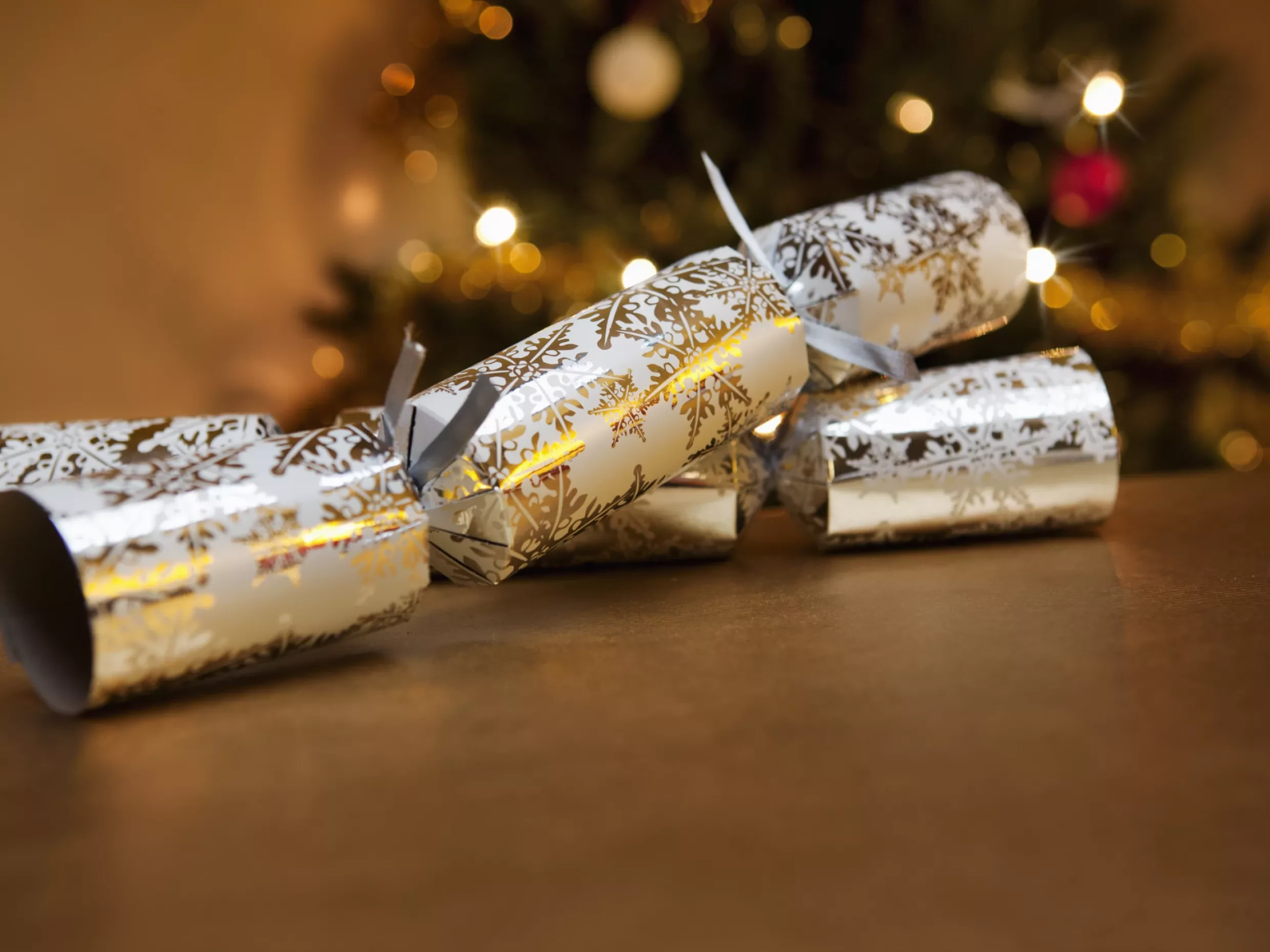
A Spark of Inspiration in Victorian London
The tale begins in the mid-19th century with a clever confectioner named Tom Smith, who ran a thriving shop in London. His business revolved around sweets of all varieties, among them stylishly wrapped bonbons that carried little messages tucked inside. The concept of wrapping a treat with a note did not originate with Smith, but he transformed the idea into something magical.
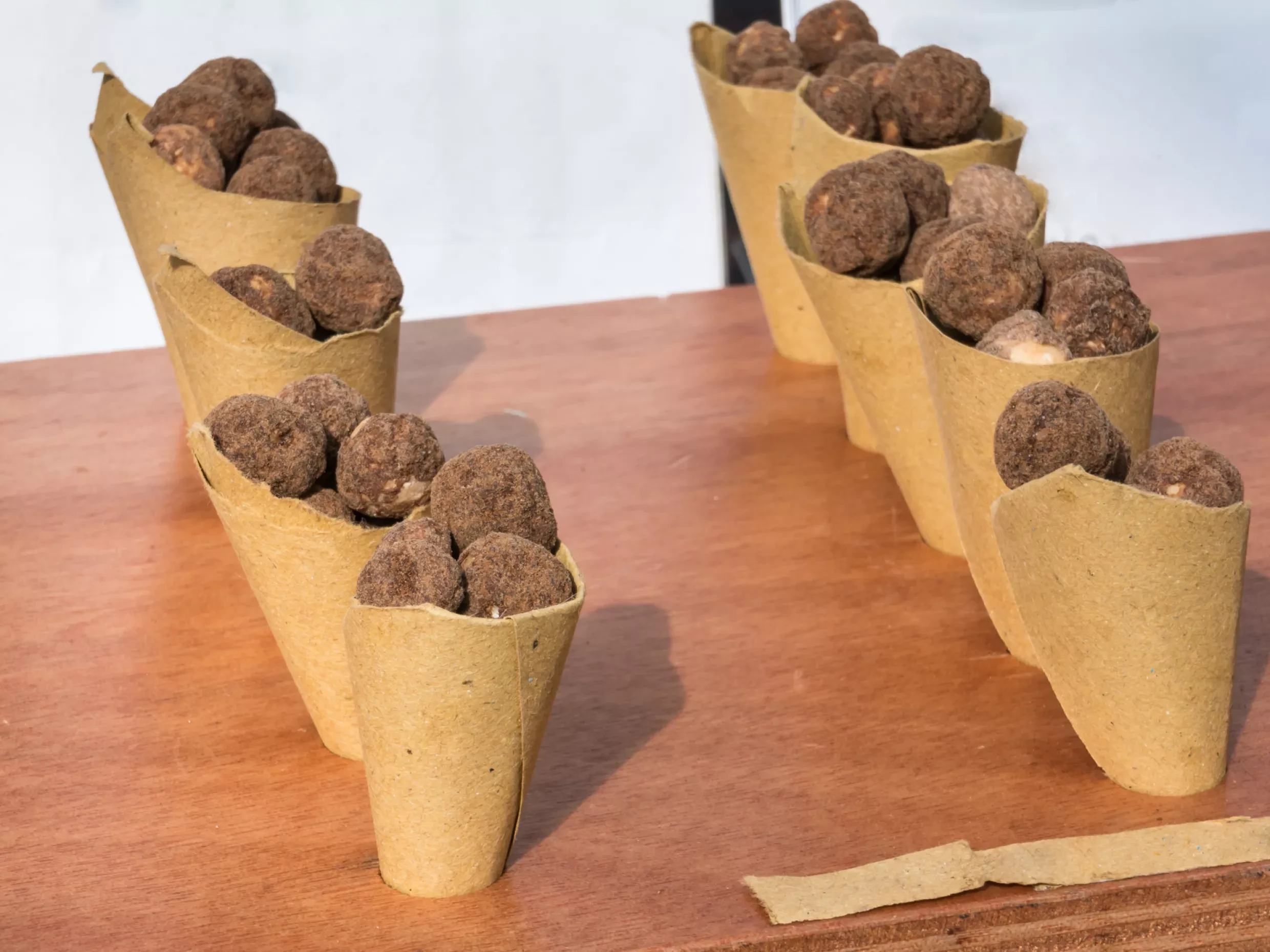
According to most accounts, Smith found inspiration during a trip to Paris, where sugared almonds encased in twisted paper wrappings caught his attention. Upon returning to London, he introduced similar confections to his shop. The simple elegance of the packaging appealed to consumers, and the thoughtful messages inside offered a charming touch.
Yet with competition in confectionery being fierce during this era, Smith sought yet more ways to distinguish his products.
The Romance Behind the Crackle
The transition from wrapped sweets to the first true Christmas crackers involved equal parts innovation and serendipity. A popular anecdote suggests that Smith, inspired by the comforting pop of a log tossed into a hearth, sought a way to incorporate sound into his creation. His logic certainly seemed “sound.” After all, the Victorian era displayed a love for novelty and surprise, and a sweet that could snap promised significant market appeal.
Smith drew on the new fashion for friction, which had seen products which used silver fulminate to make a small bang. That silver-fulminate mechanism gave the emerging Christmas cracker its now-familiar celebratory bang.
However, the transformation didn’t stop there. Over time, the edible centre gave way to a miniature gift. Messages evolved into witty riddles and seasonal jokes. The simple twist-wrapped shape expanded into the recognisable cracker form, complete with festive patterns, decorative ties, and a cardboard tube.
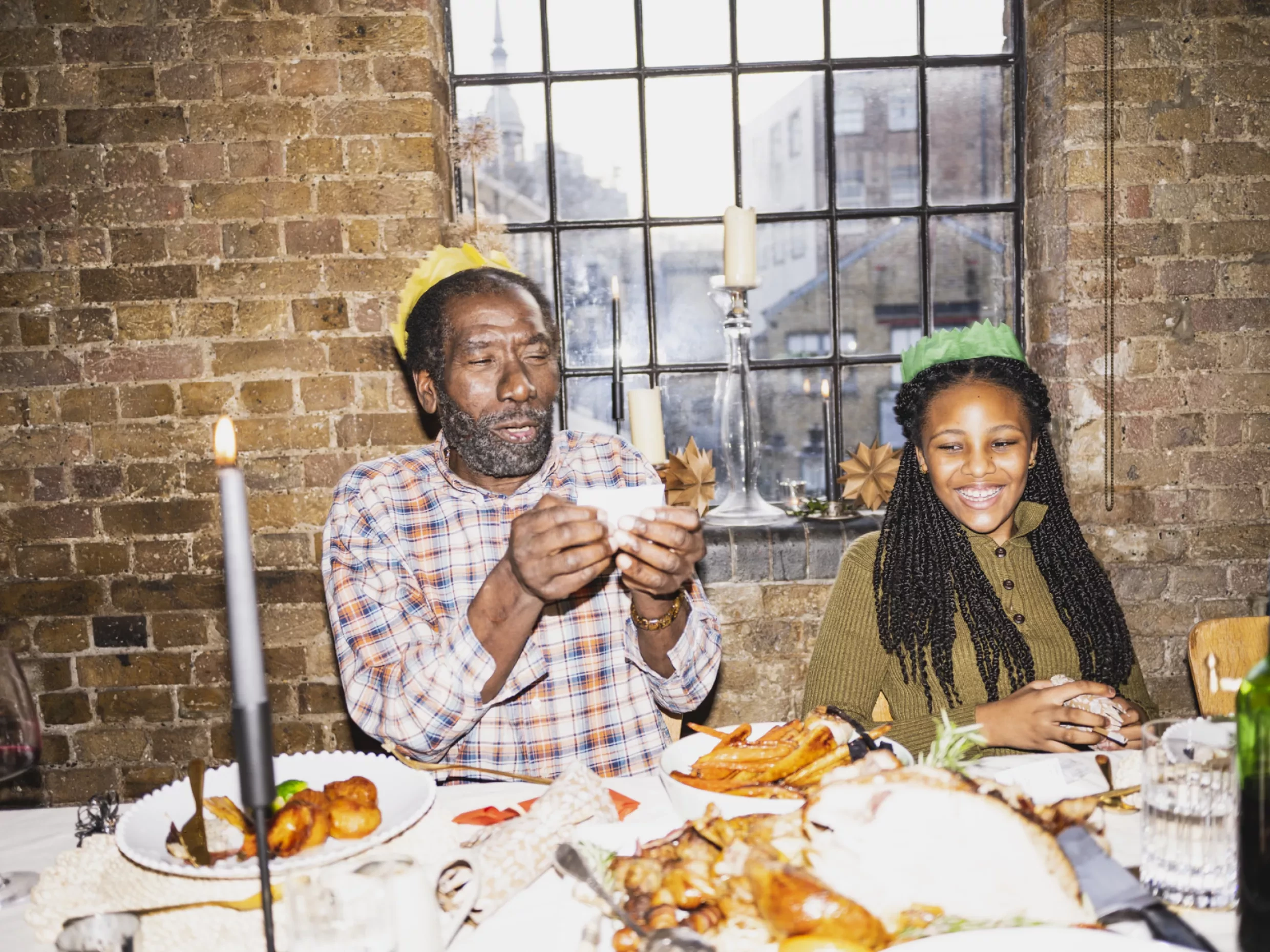
The cracker, now born, captured the imagination of Victorian society. Smith’s business expanded rapidly, and apprentices and family members contributed ideas that continued pushing the product forward. Among these, the introduction of the paper crown stands out as perhaps the most iconic.
Crackers Take Their Place at the Table
By the late 19th century, Christmas crackers had become a firm fixture on British festive tables. They popped up in homes of all kinds, tucked between the roast, the plum pudding and the greenery on the mantelpiece. As demand grew, makers started to experiment. Children’s crackers might hold tiny toys, while fancier versions for adults came with metal trinkets, small perfume vials or neatly printed mottos. There were even themed crackers for weddings, birthdays and political events, all borrowing the same simple formula: a pull, a bang and a surprise inside.
Early crackers also showed off the period’s love of detail. Many were made by hand, with decorations added one by one. Some were finished with lace, shiny foil or hand-coloured pictures, turning what was basically a paper tube and a strip of chemical “bang” into something that felt special to open.
Crossing Borders and Cultures
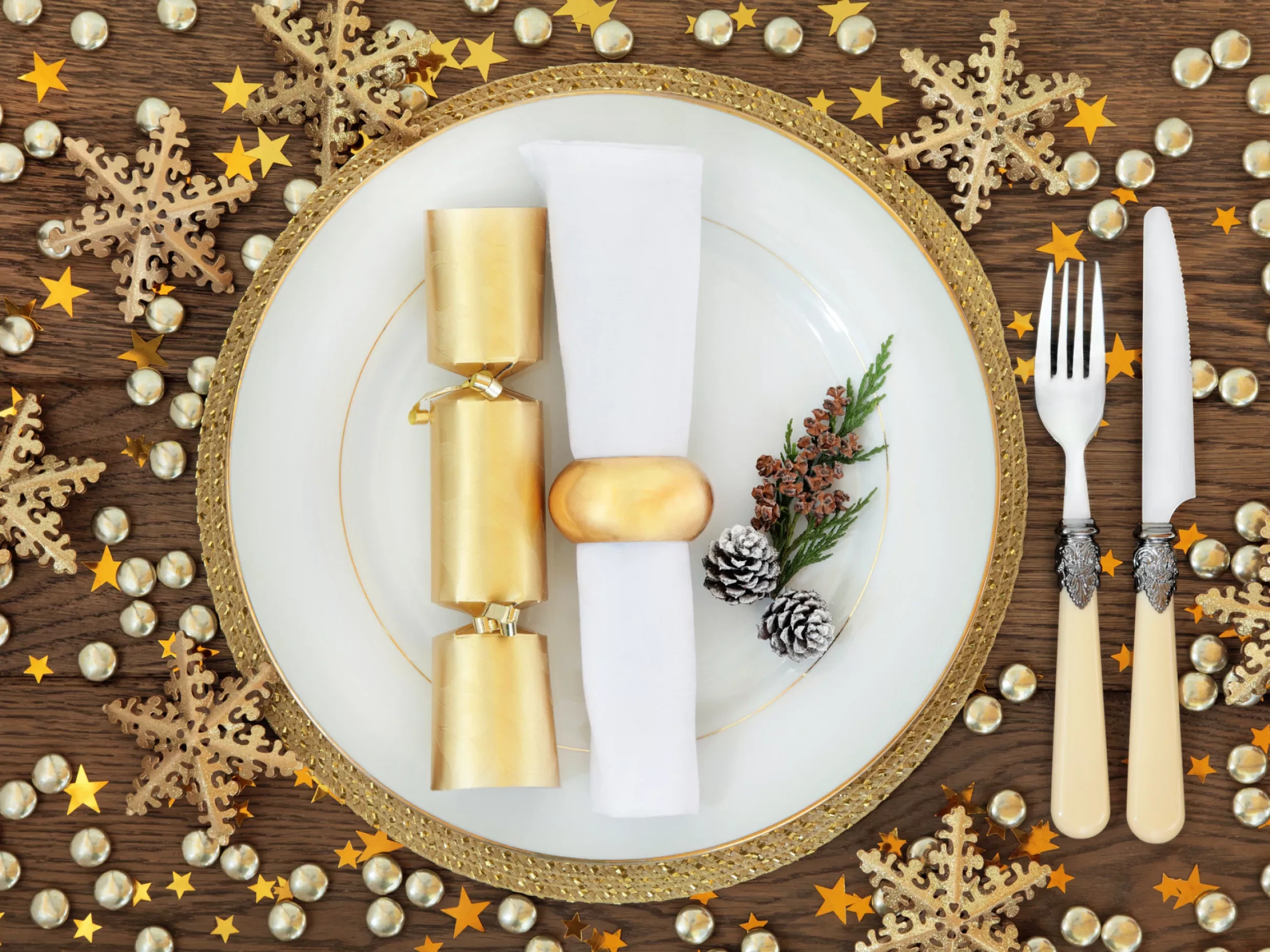
Christmas crackers didn’t stay a purely British thing for long. They spread across the Commonwealth and into parts of Europe and North America. Australia and New Zealand took to them quickly, working them into festive barbecues and laid-back summer celebrations. Canada picked them up early on too, while in the United States they were more of a niche, usually appearing at British-style or expat Christmas gatherings.

Crackers in the Modern Age
Mass production soon made crackers easy to find and affordable, and changing tastes kept pushing them in new directions. Themes exploded: you could get crackers tied to film franchises, wildlife charities, office jokes, fundraising drives and more.
These days, sustainability plays a big part in how crackers are made. Many brands have cut back on plastic, switched to recyclable materials and tidier packaging, or started selling build-your-own kits so families can choose their own gifts and messages. At the other end of the scale, luxury versions lean into metal details, hand-finished designs and carefully chosen keepsakes.
Tech has crept in too, with some crackers hiding QR codes, mini gadgets or interactive extras. But the basics haven’t really changed: a bang, a paper hat, a bad joke and a small surprise are still what most people expect when they pull one.
A Cracking Tradition
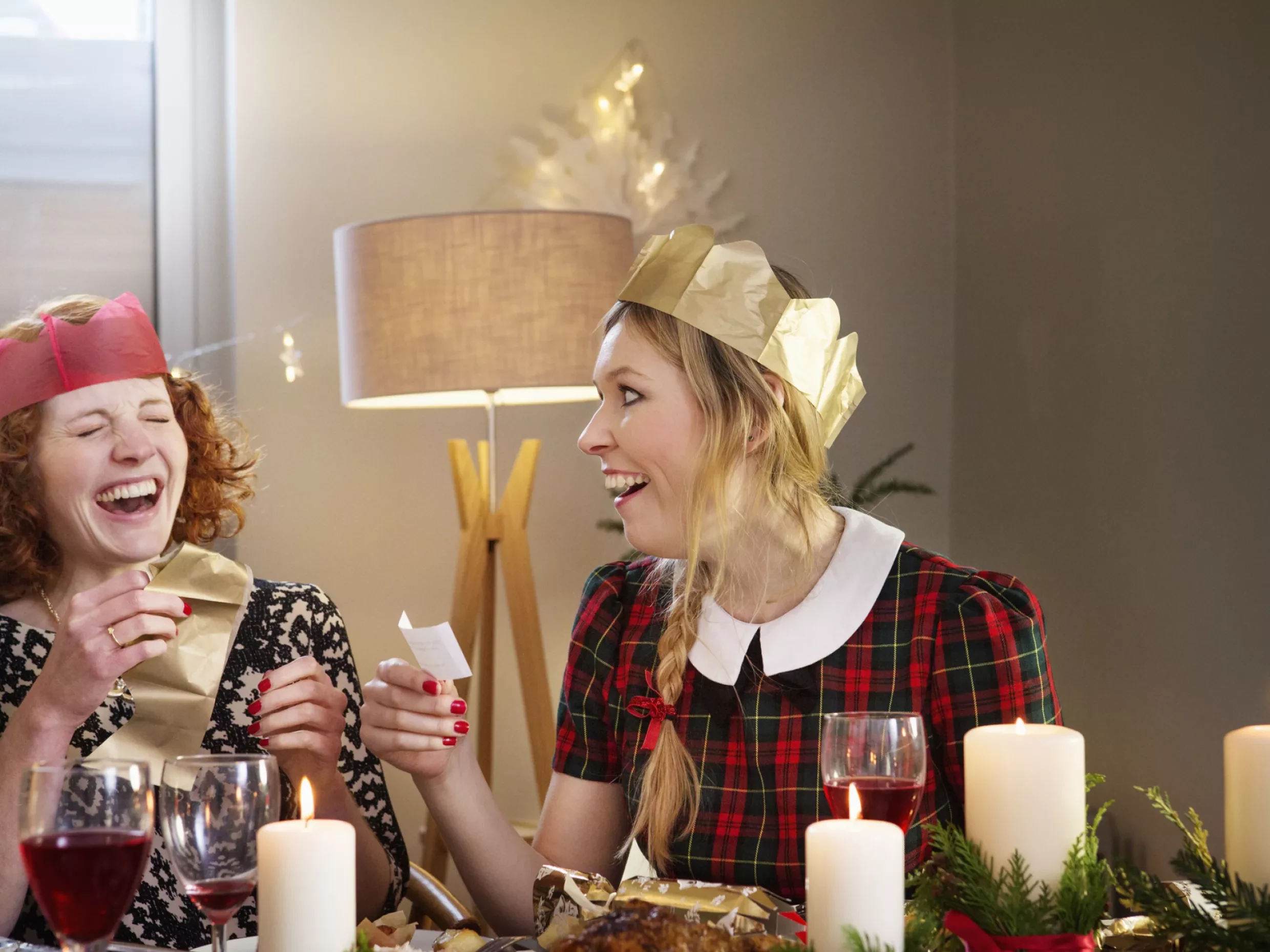
Christmas crackers have been around for more than 150 years, but the basics haven’t really shifted. They still bring people together, add a bit of colour and noise to the table, and give both kids and adults an excuse to laugh at bad jokes and wear flimsy paper crowns.