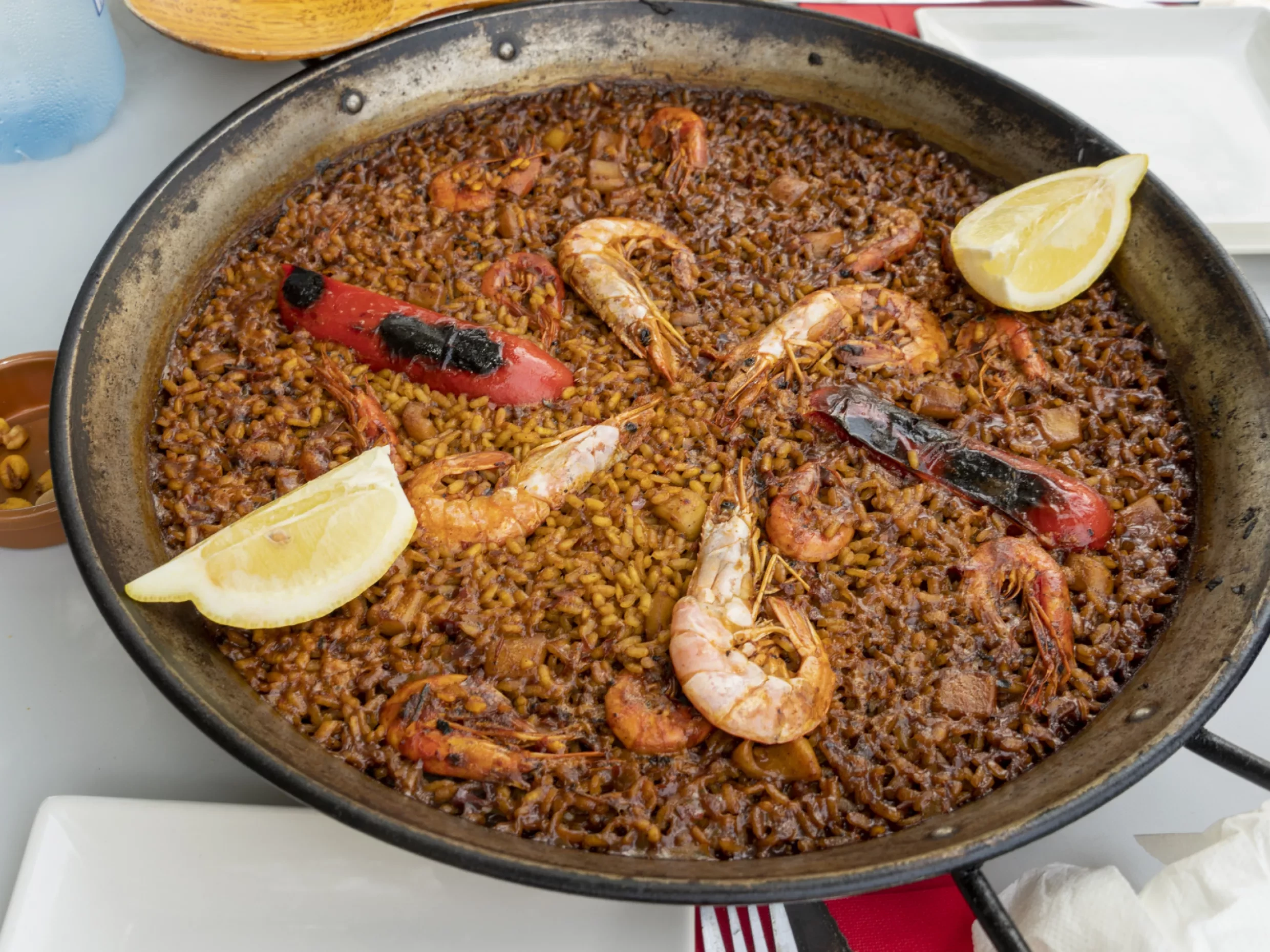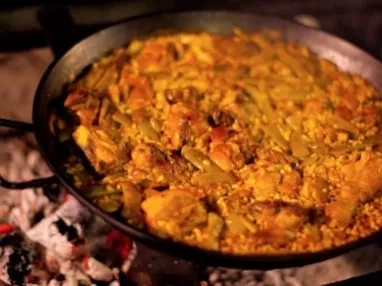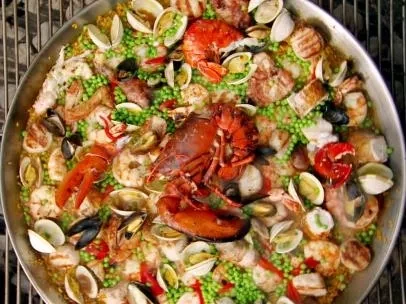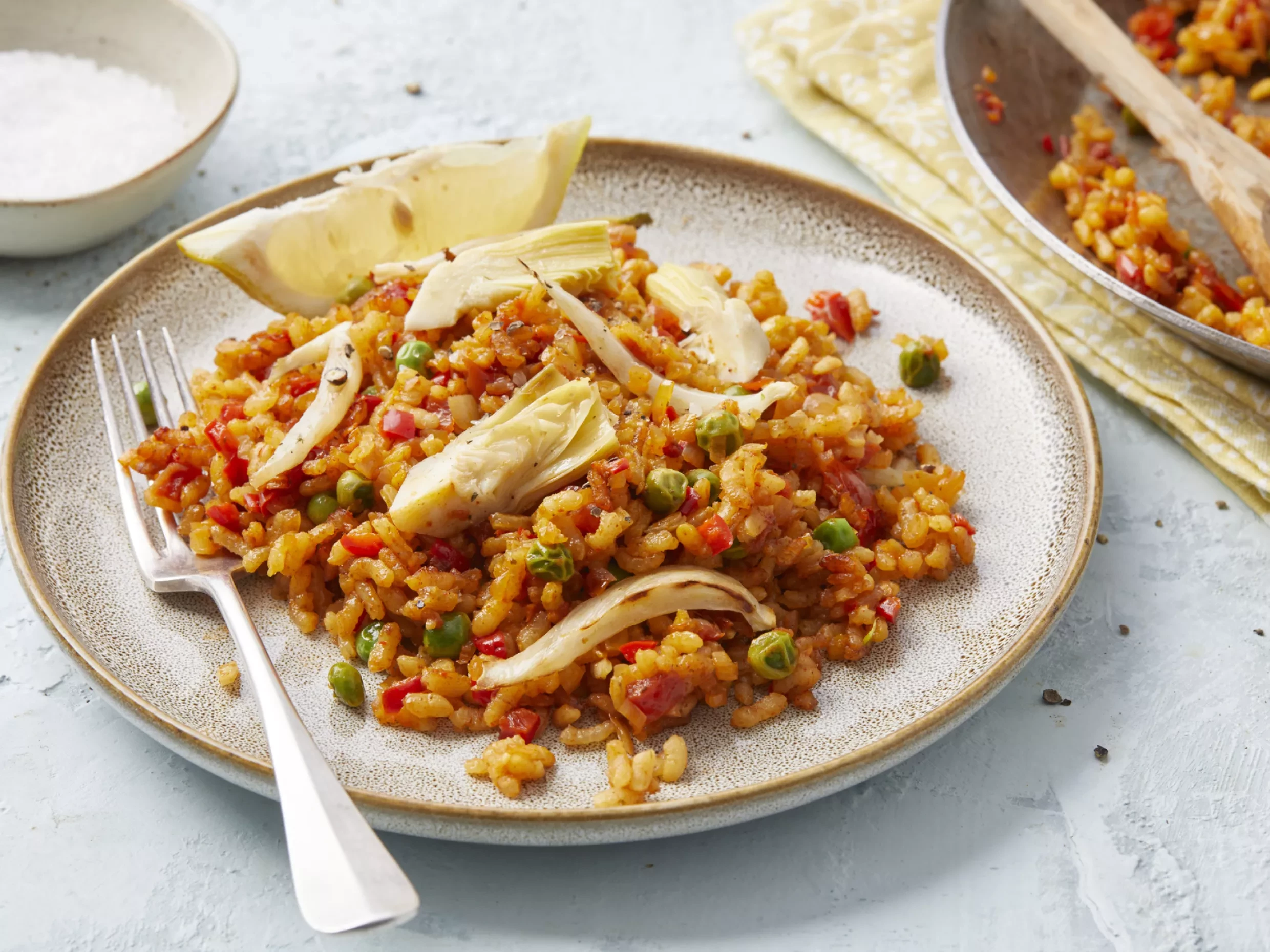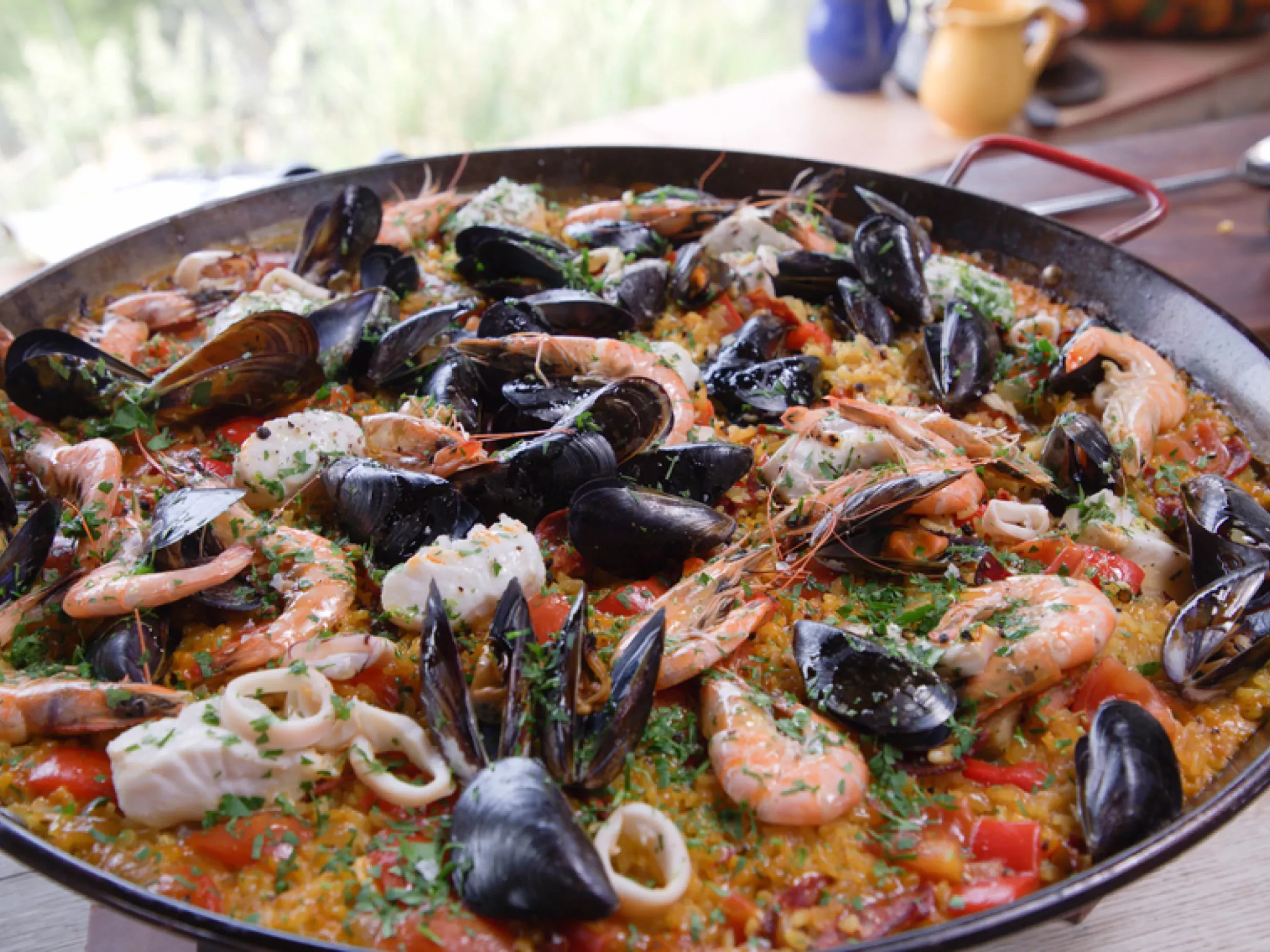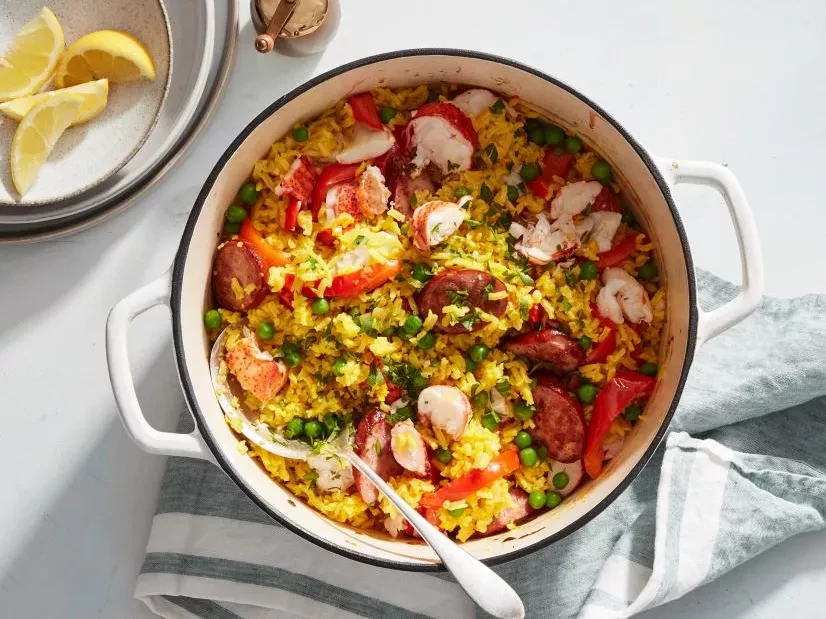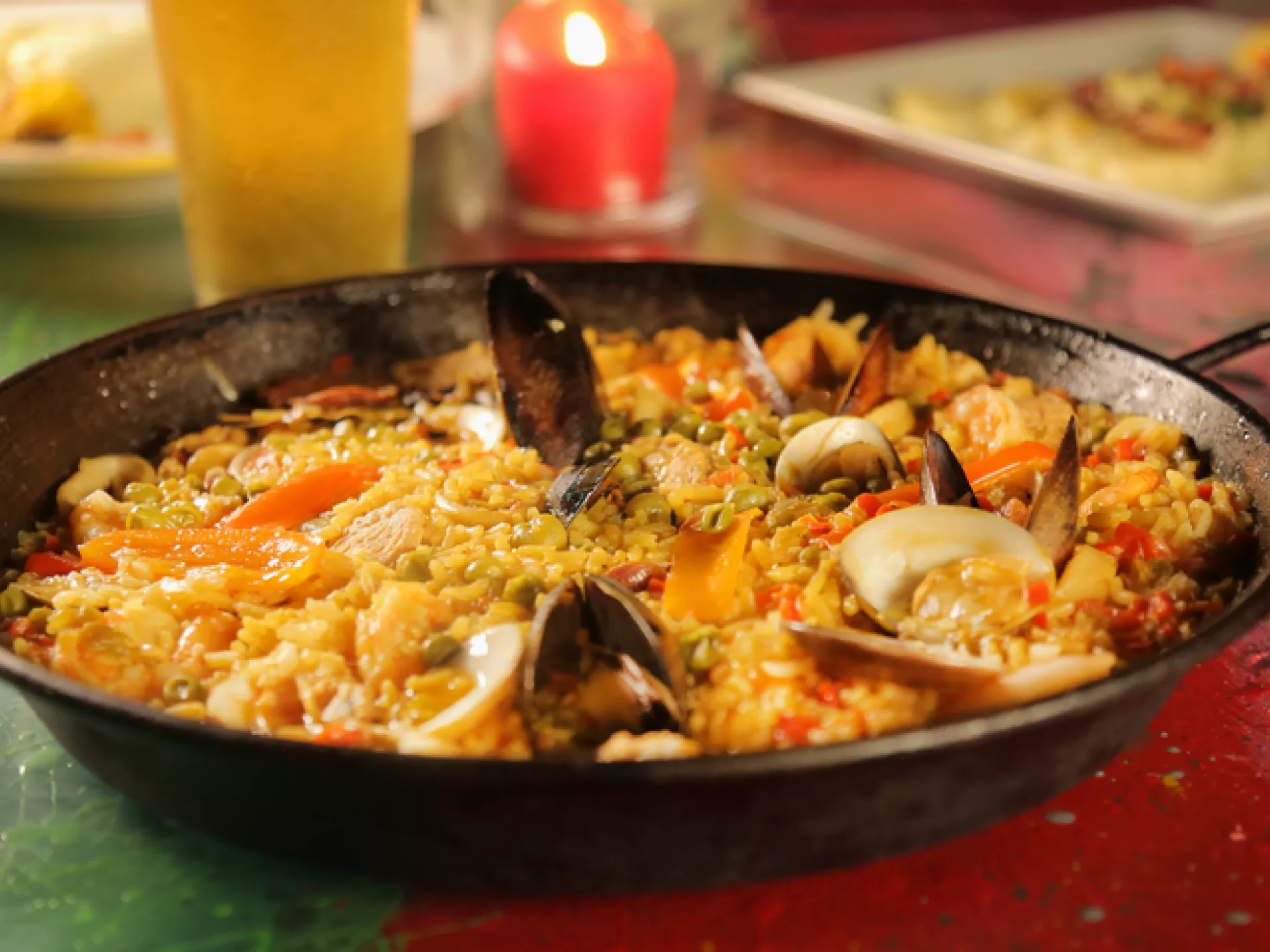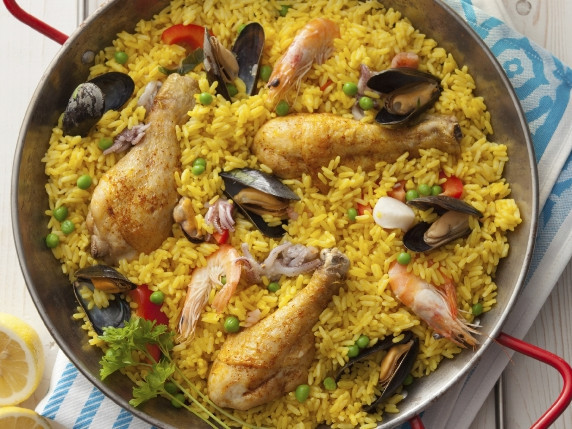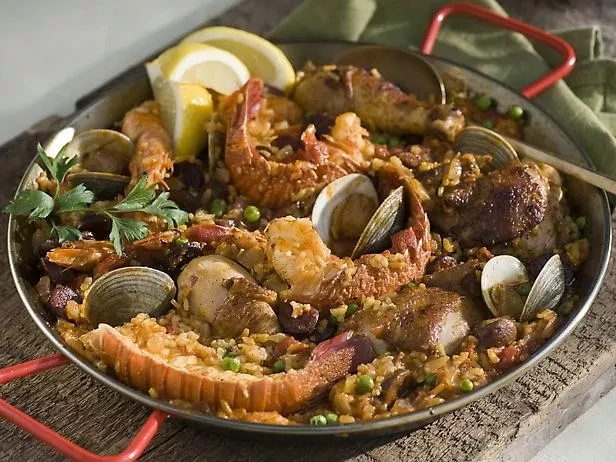



Paella is the ultimate dish with personality. Ask a Valencian how many types of paella there are and they’ll probably state simply: uno. Yet visit a thousand Spanish kitchens and you’ll probably find a thousand different paella recipes - so just how many paellas are there, and just how far can you push the pan before a purist cries fowl?
Traditions, Twists, and Tasty Takes
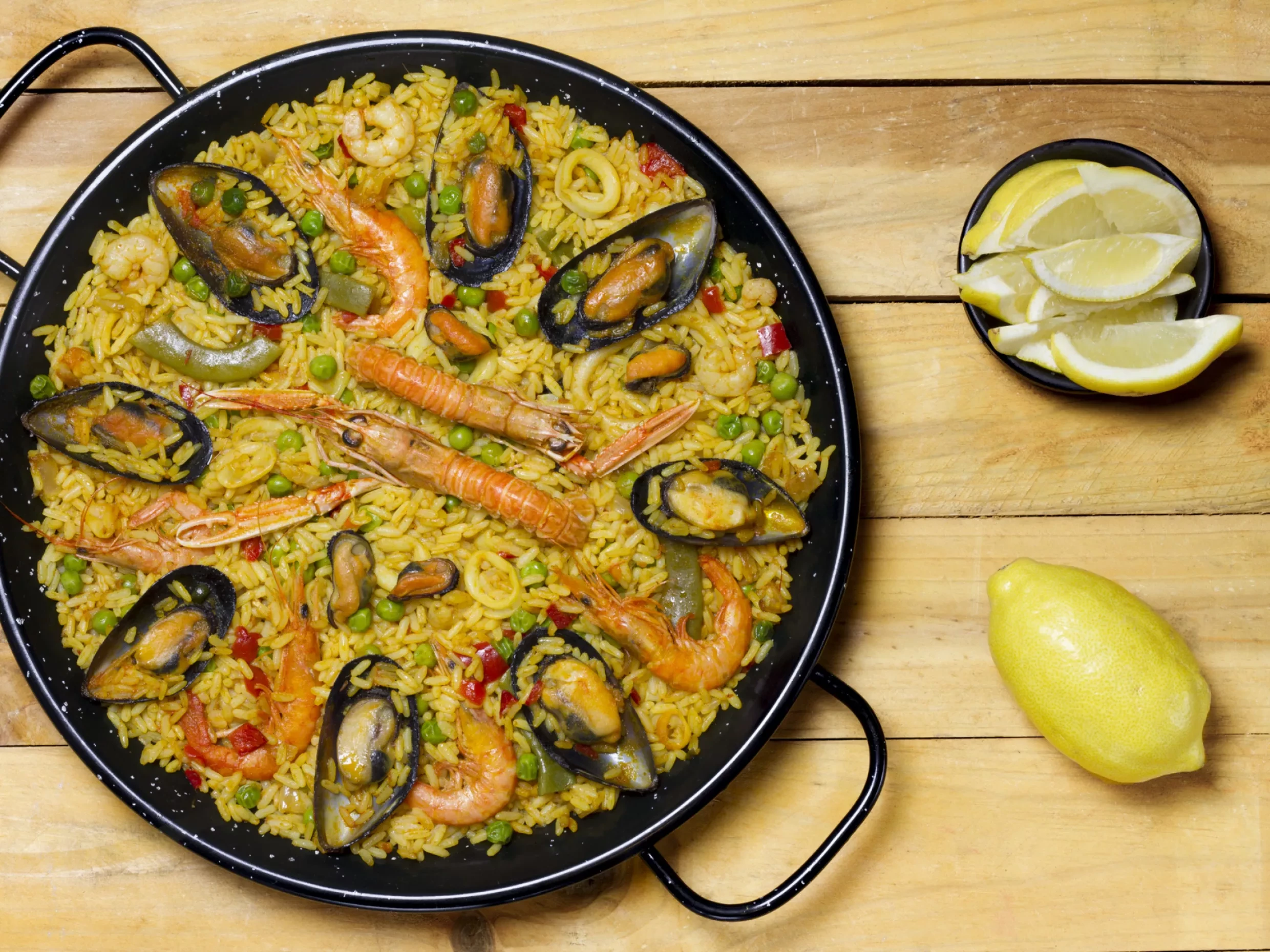
Paella is one of Spain’s most iconic dishes. From its rustic Valencian roots to the far corners of the globe, it’s found on restaurant menus and in home kitchens the world over. At its most recognisable, paella comes in three main styles - paella Valenciana, made with chicken, rabbit and beans and generally regarded as the most authentic; Paella de mariscos which is loaded with seafood; and paella mixta, which brings the land and the sea together in the same wide, shallow, two-handled pan.
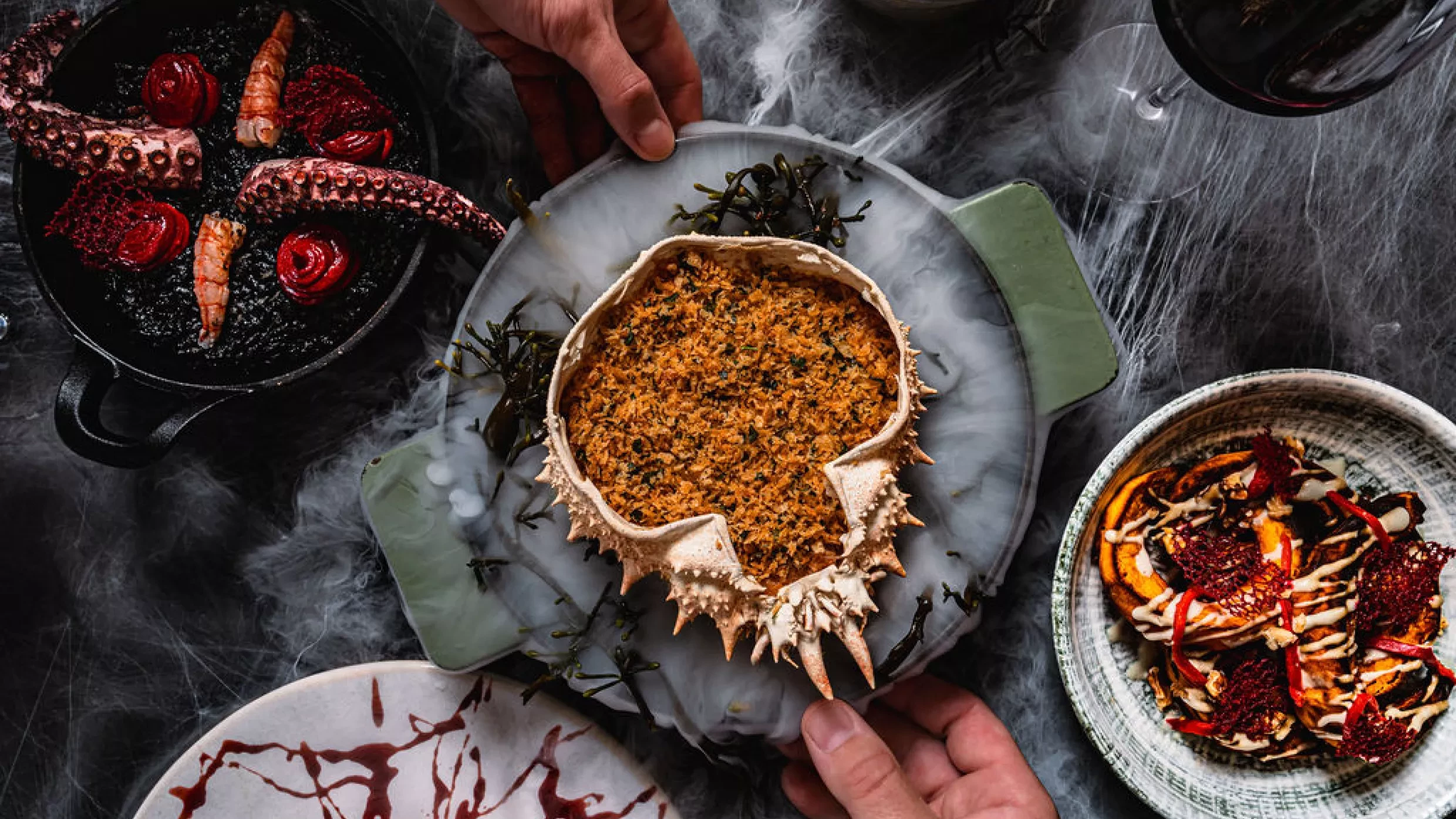
But that’s just the beginning of the paella story. Across Spain, cooks have created countless variations and imaginative riffs, including ink-black arroz negro, seafood-rich arroz del senyoret, noodle-based fideuà and rustic paella de montaña, packed with ingredients from the countryside.
Haters Gonna Hate...
Paella purists might often turn their noses up at these pretenders to the throne. In fact some Valencianos have a rather dismissive term for paella that isn’t their own - arroz con cosas, or ‘rice with things.’ Famous Spanish author Josep Pla i Casadevall once said:
“The abuses committed in the name of paella Valenciana are excessive – an absolute scandal.”
But probably the most controversial ingredient used - particularly in ‘international’ paellas - is chorizo. As delicious as it is in pastas and dozens of other dishes, chorizo has a powerful and dominant flavour. Spanish paella purists argue - with some validity - that the smoky sausage completely overpowers the subtle flavour of saffron, and also gives the rice a greasy texture. To some, the addition of chorizo turns a precise culinary art form into little more than a generic stew.
However, it seems as though the world of paella is fair game for all, so without further ado, here are some of the most popular rule-breaking paella recipes and rustic regional riffs.
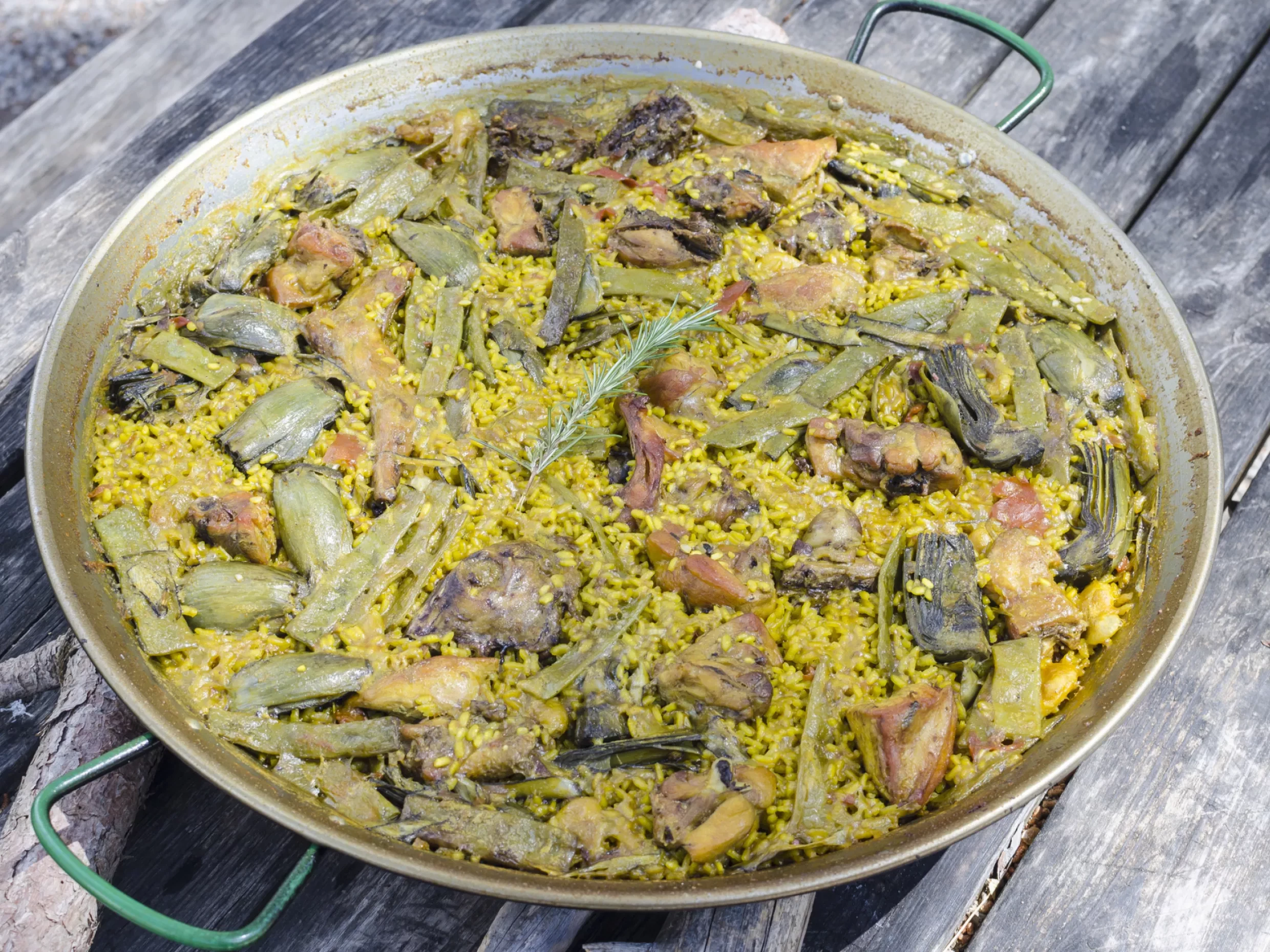
Arroz Negro
Literally ‘black rice’, arroz negro, sometimes called Arròs negre or paella negra, is a striking seafood rice dish from Spain’s Mediterranean coast, particularly Valencia and Catalonia. Similar to paella, it gets its dramatic black colour from squid or cuttlefish ink, which adds a delicate, briny flavour. Short-grain rice is cooked with squid, cuttlefish, prawns or shellfish in a rich fish stock, often alongside tomato, garlic and green cubanelle peppers. It’s usually, but not always, served in the traditional paella pan.
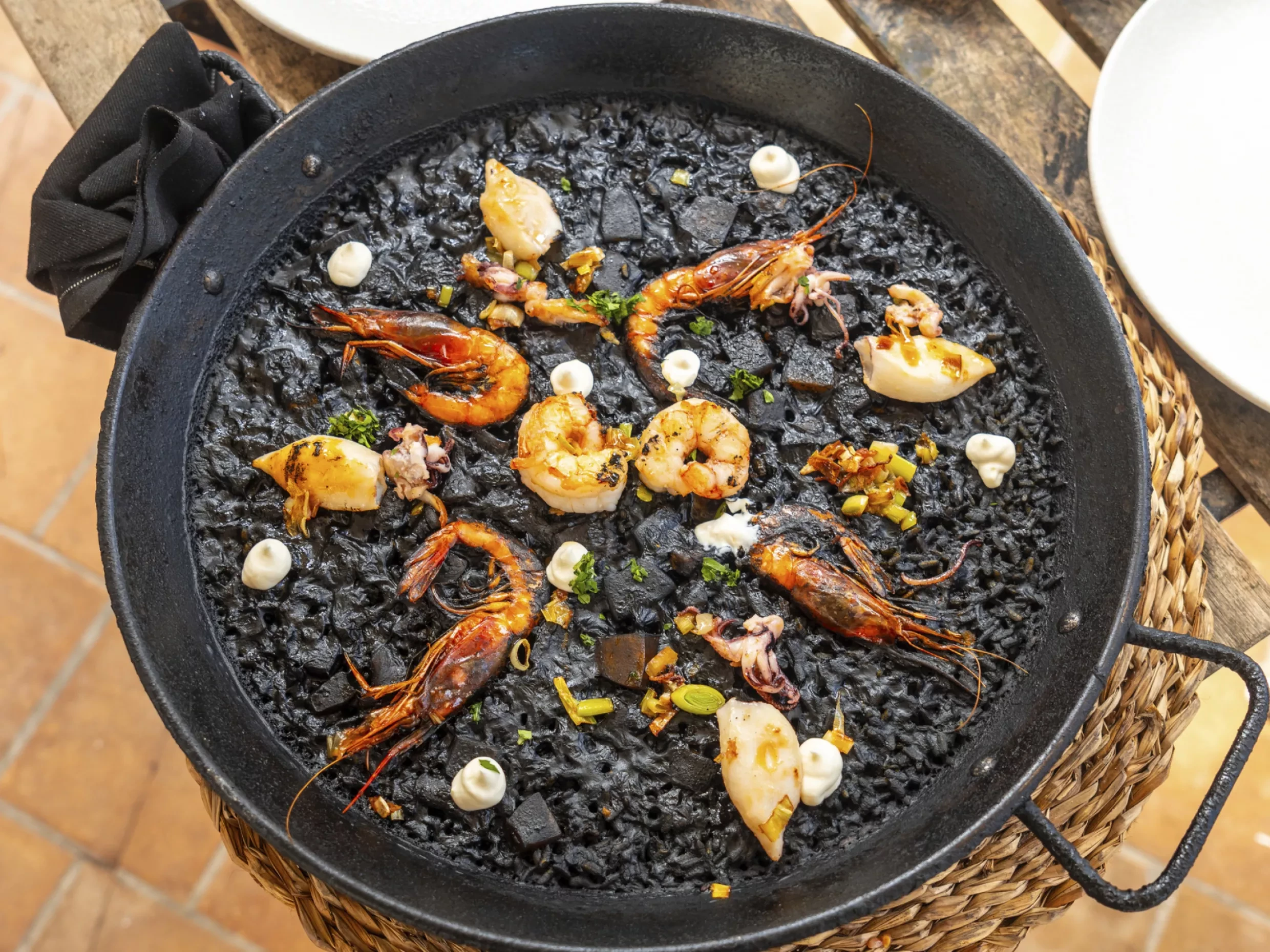
Arroz del Senyoret
Arroz del senyoret, or arròs del senyoret, is a seafood rice dish from Alicante’s coastal regions. Cooked with short-grain rice in a deeply flavoured fish stock, all the seafood - usually peeled prawns, squid, mussels, grouper or cuttlefish - is cleaned and cut into bite-sized pieces so it’s easier to eat. Its name means “gentleman’s rice”, so named that diners can enjoy it without peeling shells or picking through bones.
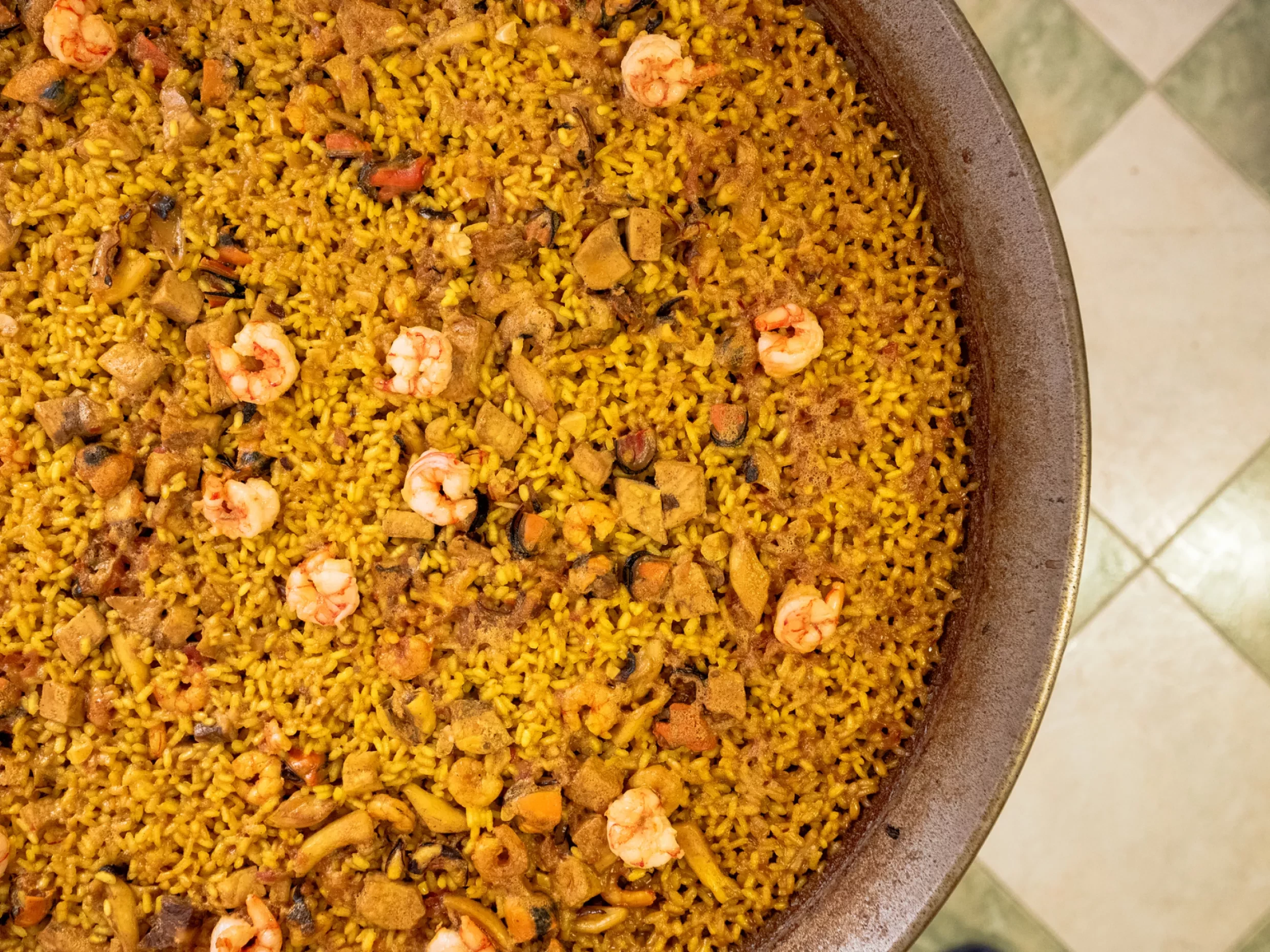
Paella de Montaña
Paella de montaña, or ‘mountain paella’, is a hearty inland version from the countryside and mountain areas of eastern Spain, including Castellón. Instead of seafood, it’s packed full of ingredients from the land, including chicken, rabbit, duck, snails, white beans, green beans, wild mushrooms, and a local Catalan pork sausage called butifarra. Some versions also include game meats, depending on the area and season. Made with short-grain rice in the traditional wide pan, it’s a rustic dish that pays homage to the produce available away from Spain’s coast.
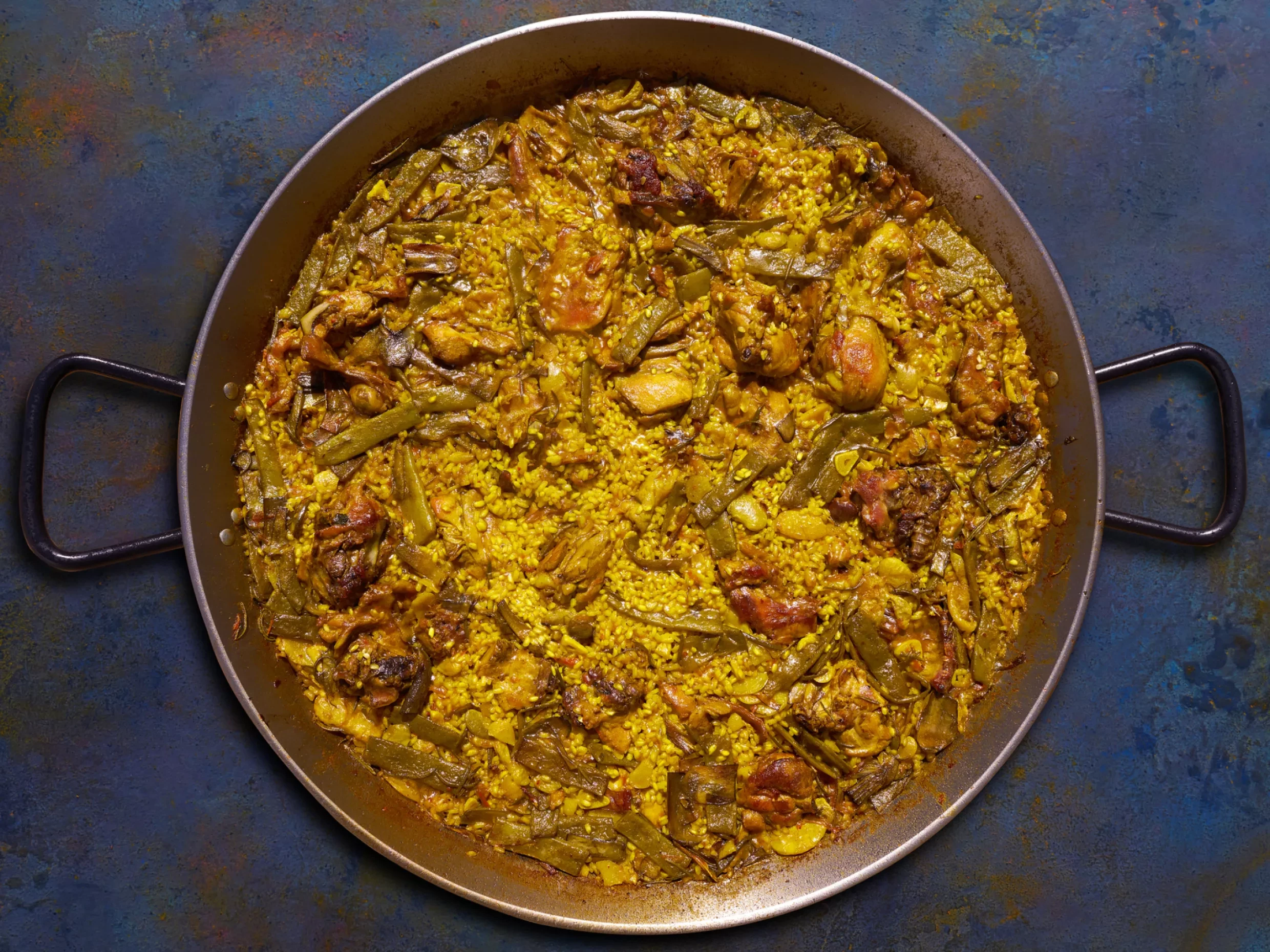
Fideuà
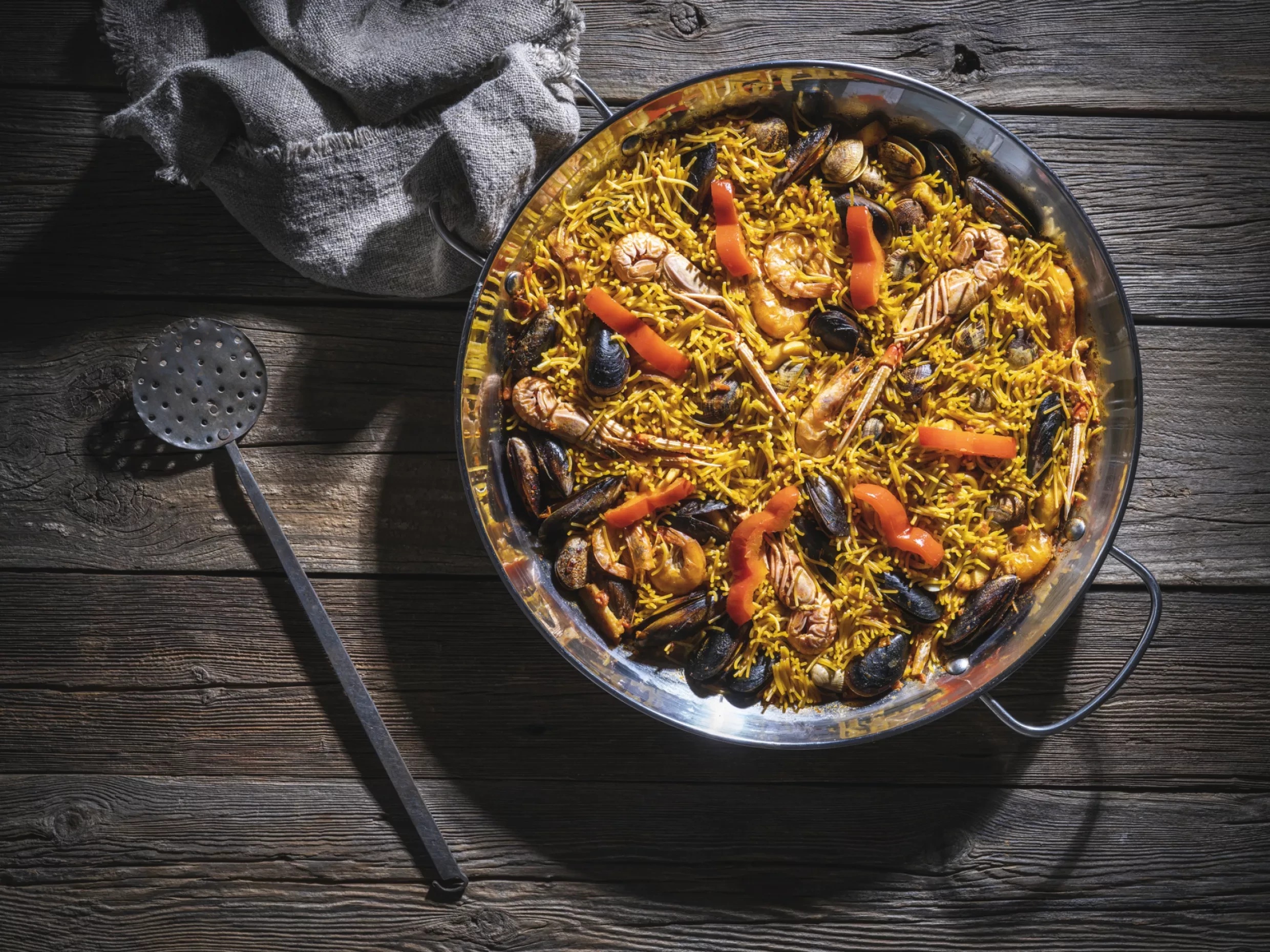
Fideuà is a Valencian seafood dish from the port of Gandia, often described as paella’s noodle-based cousin. Instead of rice, it uses short, thin pasta noodles called fideos - sometimes toasted before cooking - simmered in a rich fish stock with ingredients including monkfish, squid, prawns, langoustines or other shellfish, and seasoned with lemon. Cooked in the same wide, shallow pan as paella, one local legend about the origin of fideuà says it was invented by a cook on a boat whose captain loved rice so much, he ate way more than his daily rations, leaving very little for the other sailors. The cook then stumbled on the idea to replace rice with noodles to see if it made the dish less palatable for the captain!
Arroz a Banda
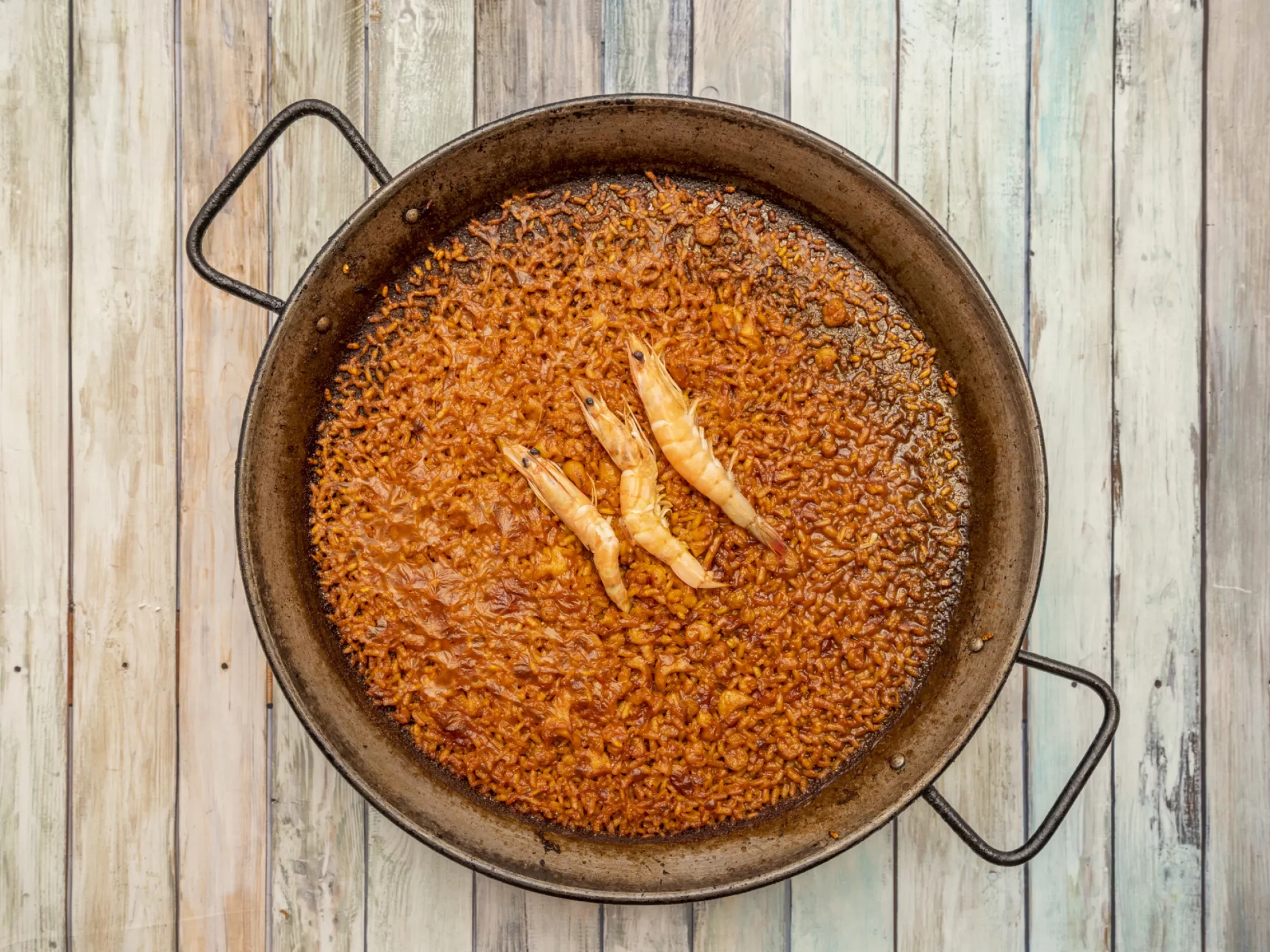
Literally ‘rice on the side’, arroz a banda is a traditional seafood rice dish from Alicante and the Valencian coast. It was created by Alicante's fishing community who would sell off the best catch before using the remaining leftovers - bones, inexpensive cuts, and small fish like whitebait - they would make a rich stock in which to cook the rice. Over the years, it was added to by better cuts of fish and became a dish in itself. It’s often served with aioli, a garlic mayonnaise-type sauce, and it’s popular up and down Spain’s eastern Mediterranean coast from Barcelona to Murcia.
Paella Alicantina
As its name suggests, this version of paella is from the city of Alicante (it’s often known locally as arroz Alicantino, or ‘Alicante rice’). Unlike the more traditional paella Valenciana, the Alicantine version uses a rich seafood and meat stock (called caldo) instead of water, and is defined by salmorreta, a paste of tomato, fried garlic, parsley and dried ñora peppers that gives the dish its intense savoury flavour and deep colour. Depending on the recipe and the local area, it may feature chicken, rabbit, pork, snails, and seafood like monkfish, prawns, squid, cuttlefish, clams, mussels and sometimes local tuna, along with vegetables, all cooked with Valencian rice like Bomba or Albufera.