






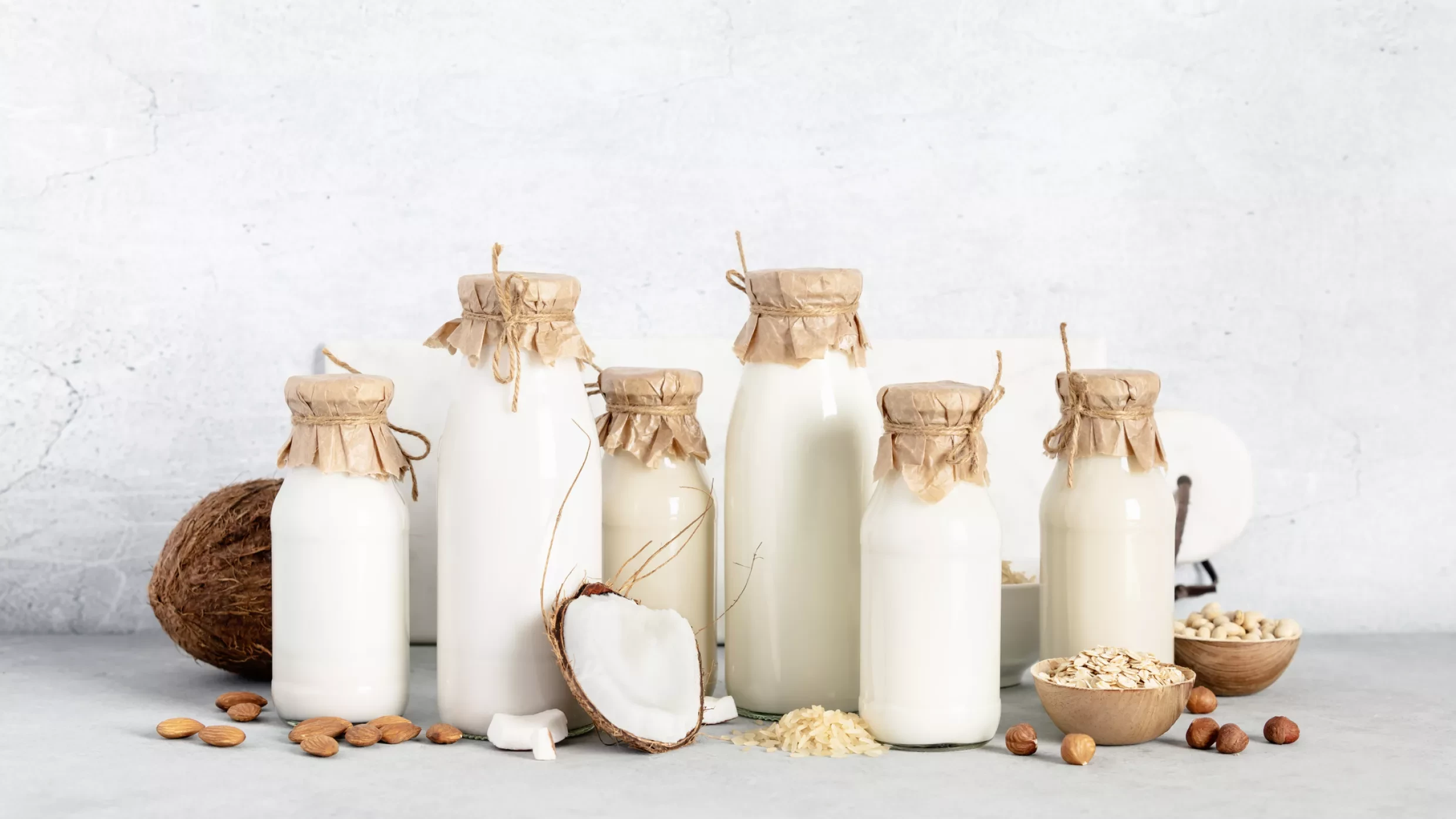











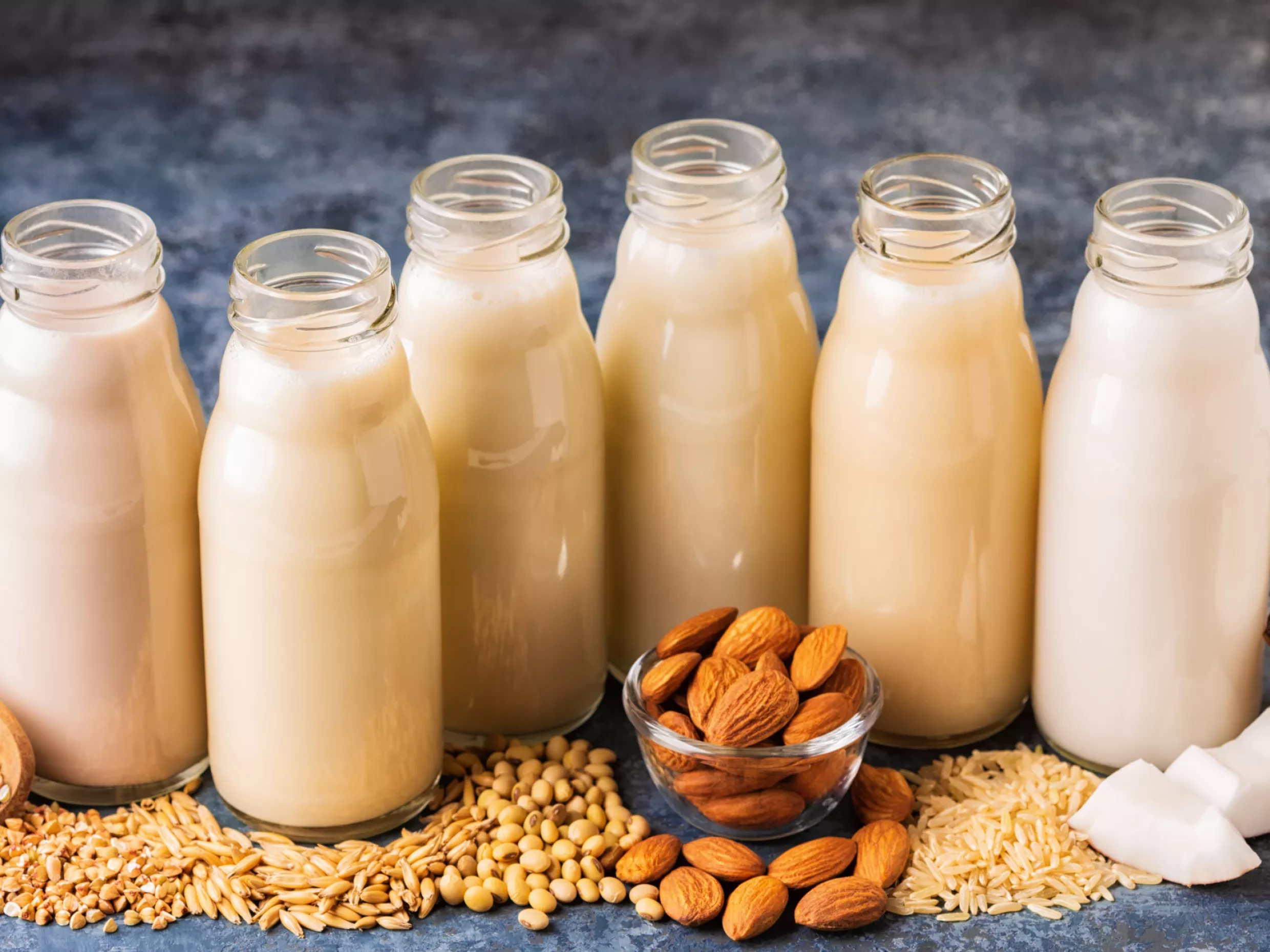
Buying milk used to be relatively straightforward. In fact it was the food equivalent of TV. There were once just three choices and they came in glass bottles delivered by the milkman - skimmed, semi-skimmed, or full fat. Now, a quick trip down the supermarket aisle brings a whole new cast of cartons, from oat and almond to soy and coconut. While they may find a home in your tea, coffee or cereal, their nutrition can be very different. So, which alternative milk is actually the healthiest for which diet, and which one best suits your needs?
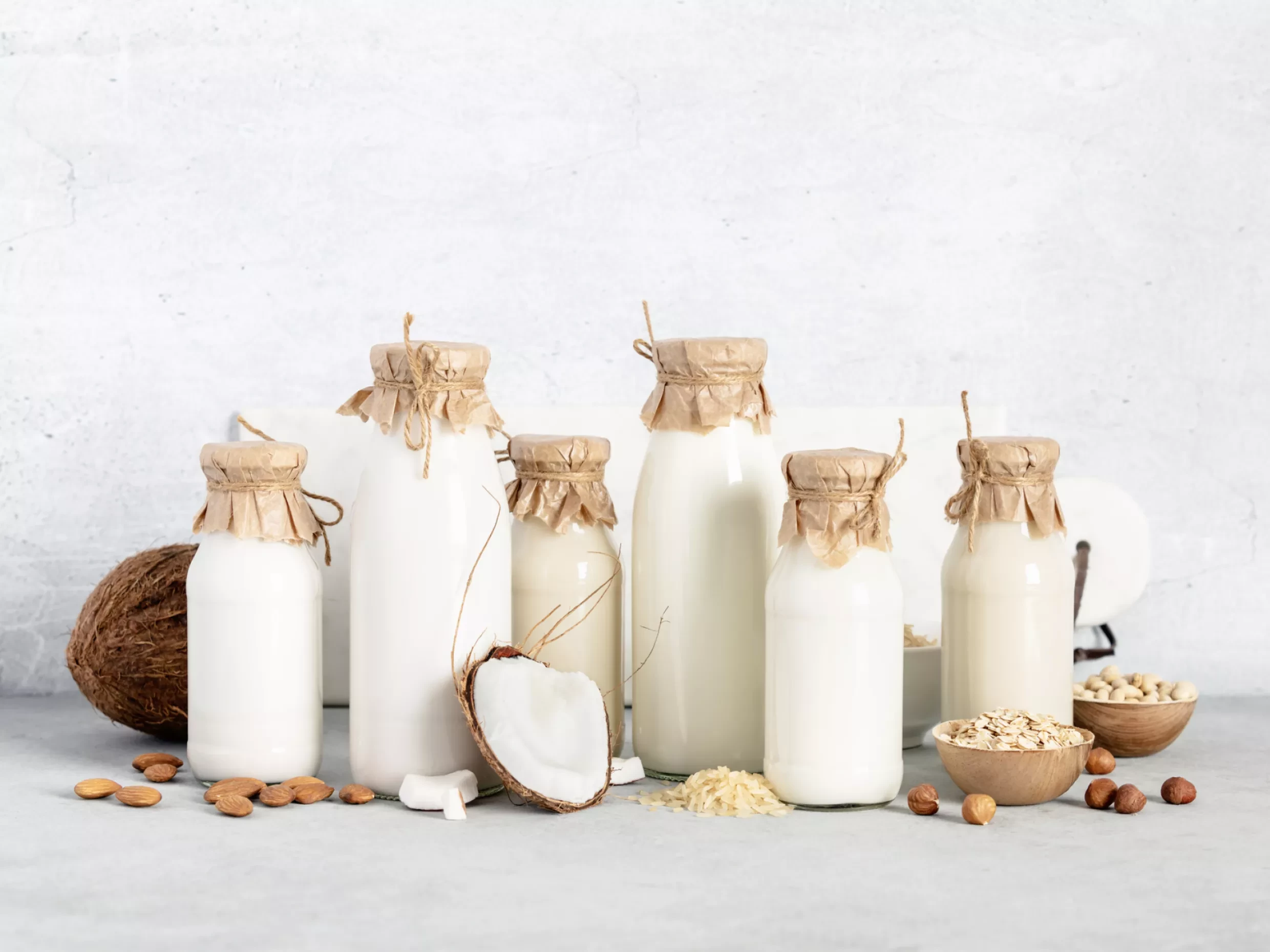
A Multitude of Milk
There are more alternative milks on supermarket shelves than ever before, and each one has its own benefits, so there’s no single one-size-fits-all ‘healthiest’ choice. It may be a desire to increase protein intake, or add additional calcium or vitamin D. It may be as simple as wanting an alternative milk that tastes great in your morning coffee!
We choose alternative milks for all sorts of reasons, and it’s believed that around 35% of UK households have consumed plant-based milks in the last year. Some follow a plant-based diet, or wish to reduce carbon footprint. Others are seeking to consume less dairy, or manage an intolerance to lactose. With so many options, each with its own nutritional strengths and flavour, the one to choose is simply the one that fits goals, taste buds and lifestyle.
In this article, we’re looking at the most popular alternative milks and assessing what they’re made from, the health benefits, and what to look out for on the labels. Remember, if you have questions about which alternative milk may be best for you, you should always consult your GP or suitable medical professional.
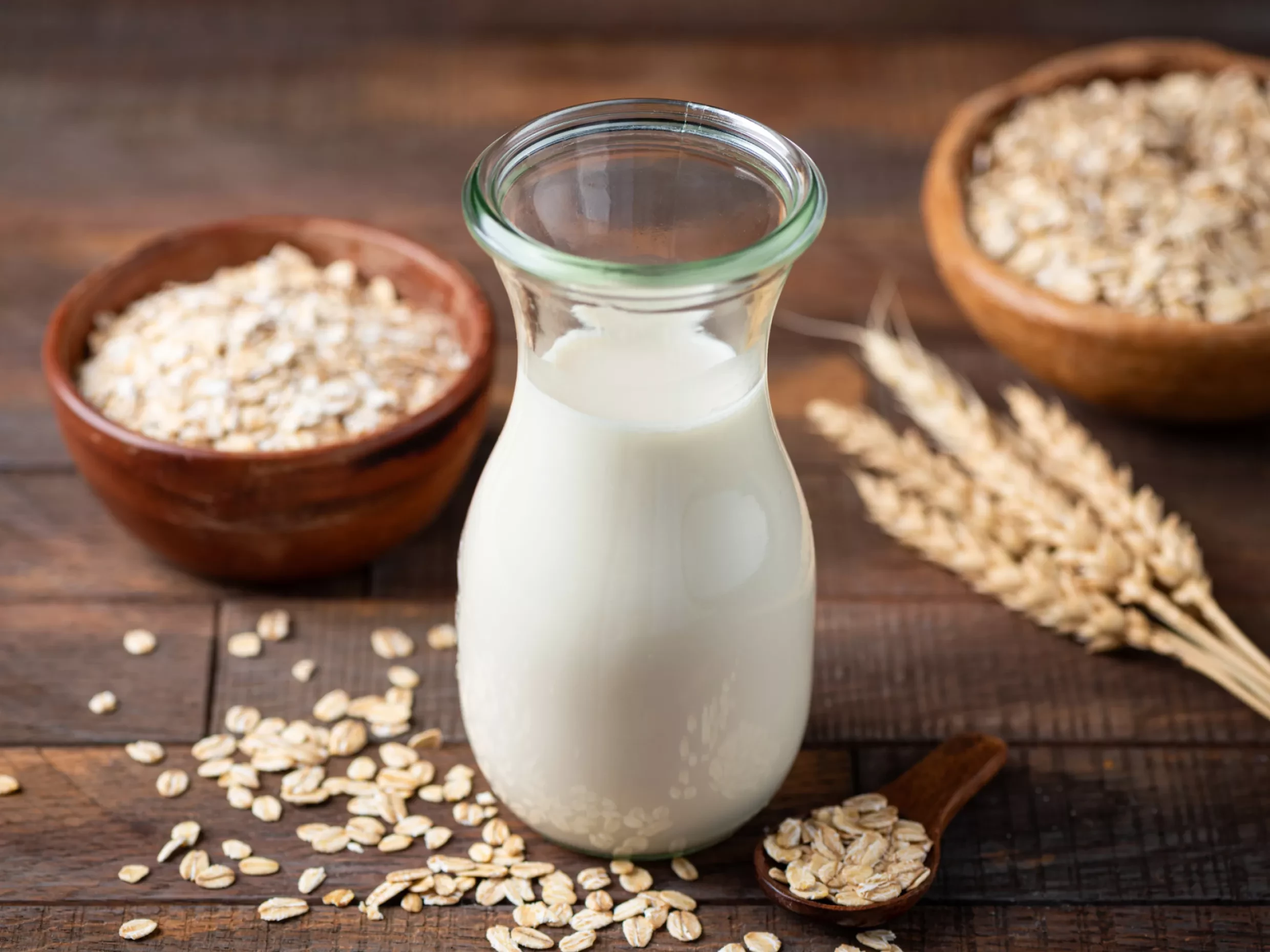
Oat Milk
Oat milk has become a supermarket staple, making up around 40% of the UK’s alternative milk market in 2025. It’s prized for its mild sweetness and creamy texture, especially in coffee and other hot drinks.
What It’s Made From
Oat milk is made by soaking, blending and straining oats with water. Brands may add oil for richness, along with salt, stabilisers and vitamins.
Health
Oat milk is very low in saturated fat, and naturally free from dairy, lactose, nuts and soy. It contains some soluble fibre, including beta-glucan, which is associated with aiding healthy cholesterol levels. Fortified versions can also provide calcium, vitamin D and vitamin B12.
What to Look Out For
Choose unsweetened varieties where possible, as flavoured options can contain added sugar. Oat milk provides very little protein compared to cow’s milk or even soy milk, and it’s generally higher in carbohydrates than many alternatives.
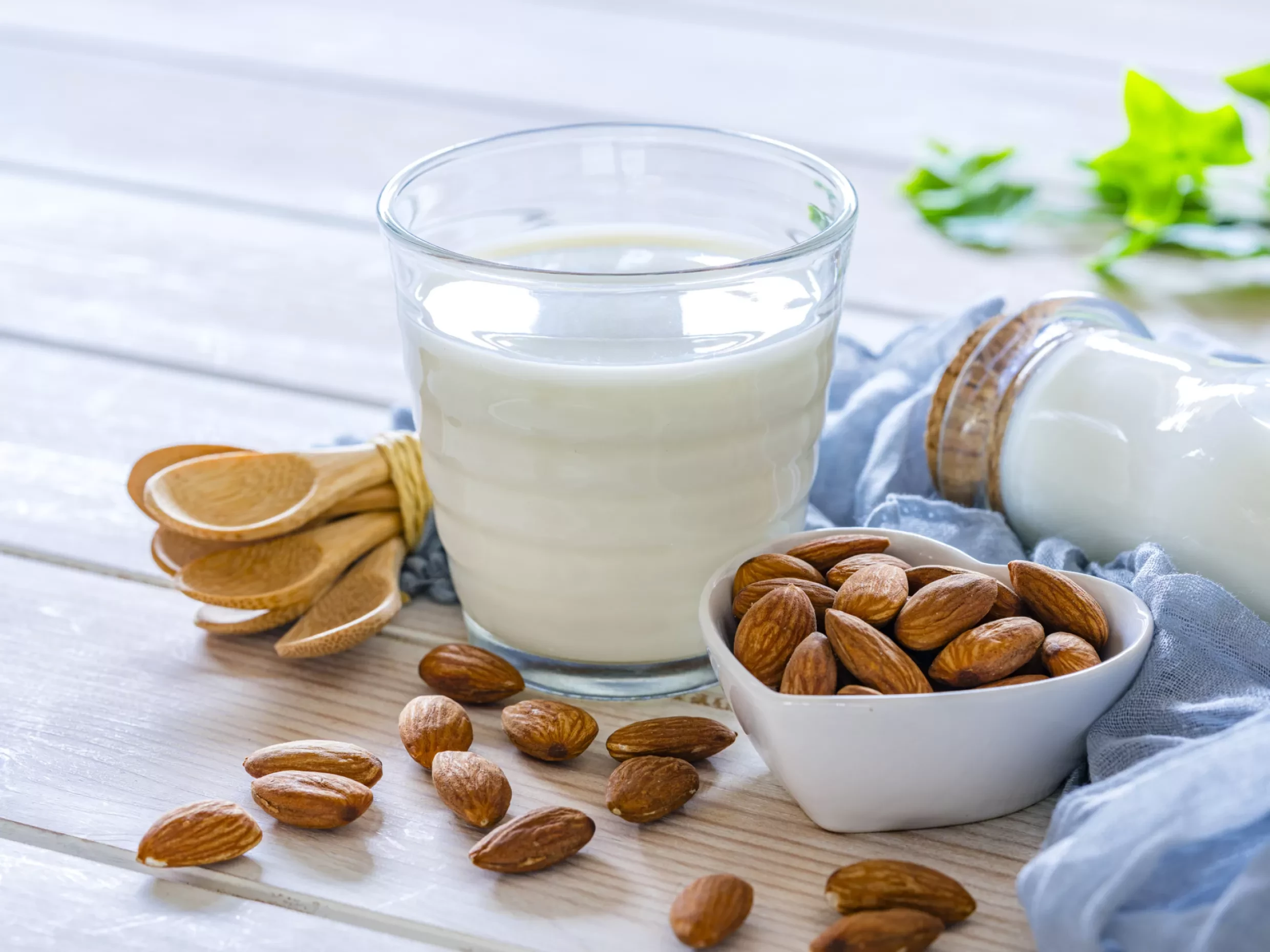
Almond Milk
Almond milk remains one of the best-known dairy alternatives and accounts for around 25% of the UK’s alternative milk market, particularly among consumers looking for a lighter, nutty-tasting option.
What It’s Made From
Almond milk is made by blending almonds with water, then straining the solid pulp from the mixture. Shop-bought versions may include thickeners, flavourings and added vitamins and minerals.
Health
Unsweetened almond milk is very low in calories and can be a source of vitamin E, an antioxidant. Many options are also fortified with calcium and vitamin D. It’s popular with those on low-carbohydrate or keto diets.
What to Look Out For
Almond milk is usually low in protein, so may not be the best choice if you want to match dairy milk’s protein content. Look for unsweetened versions and check for calcium fortification. Avoid it altogether if you have a nut allergy.
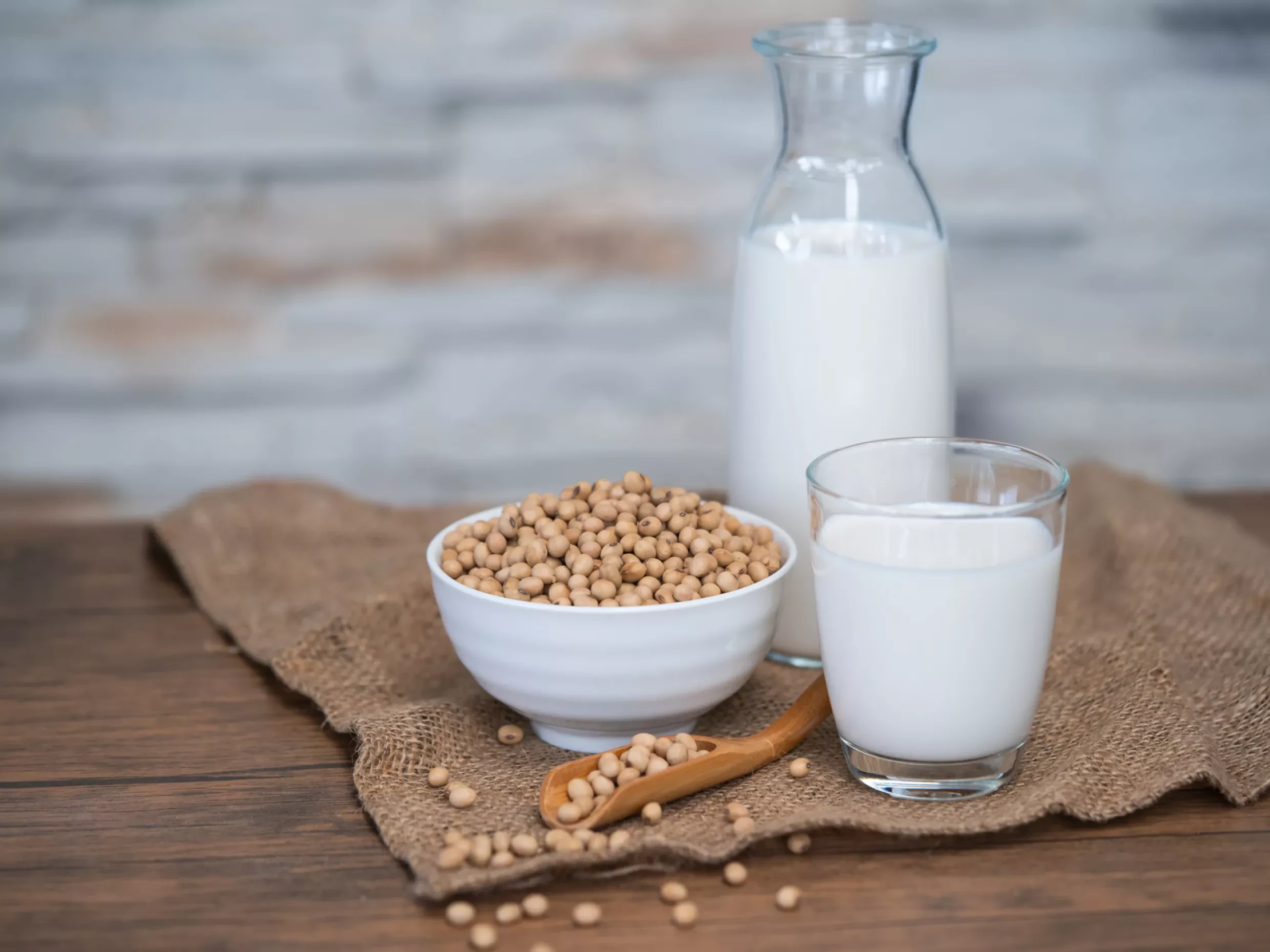
Soy Milk
Soy milk (often referred to as soya milk) is one of the original dairy alternatives. It’s been on sale in the UK since the mid-1960s and remains a popular choice for people who want a more protein-rich plant-based drink.
What It’s Made From
Soy milk is made from soaked, ground soybeans and water. Commercial varieties may also contain added calcium, vitamins D and B12, plus ingredients that improve its texture and keep the drink stable.
Health
It typically provides more protein than other mainstream plant milks, making it one of the closest nutritional alternatives to cow’s milk. It’s naturally free of lactose and cholesterol and contains mostly unsaturated fat. Soy milk is also known as a ‘complete protein’, meaning that it contains all nine amino acids the body can’t make on its own.
What to Look Out For
Choose an unsweetened, calcium-fortified variety, particularly if it’s replacing dairy in your diet. Flavoured soy drinks can contain added sugar, while people with a soy allergy should steer clear.
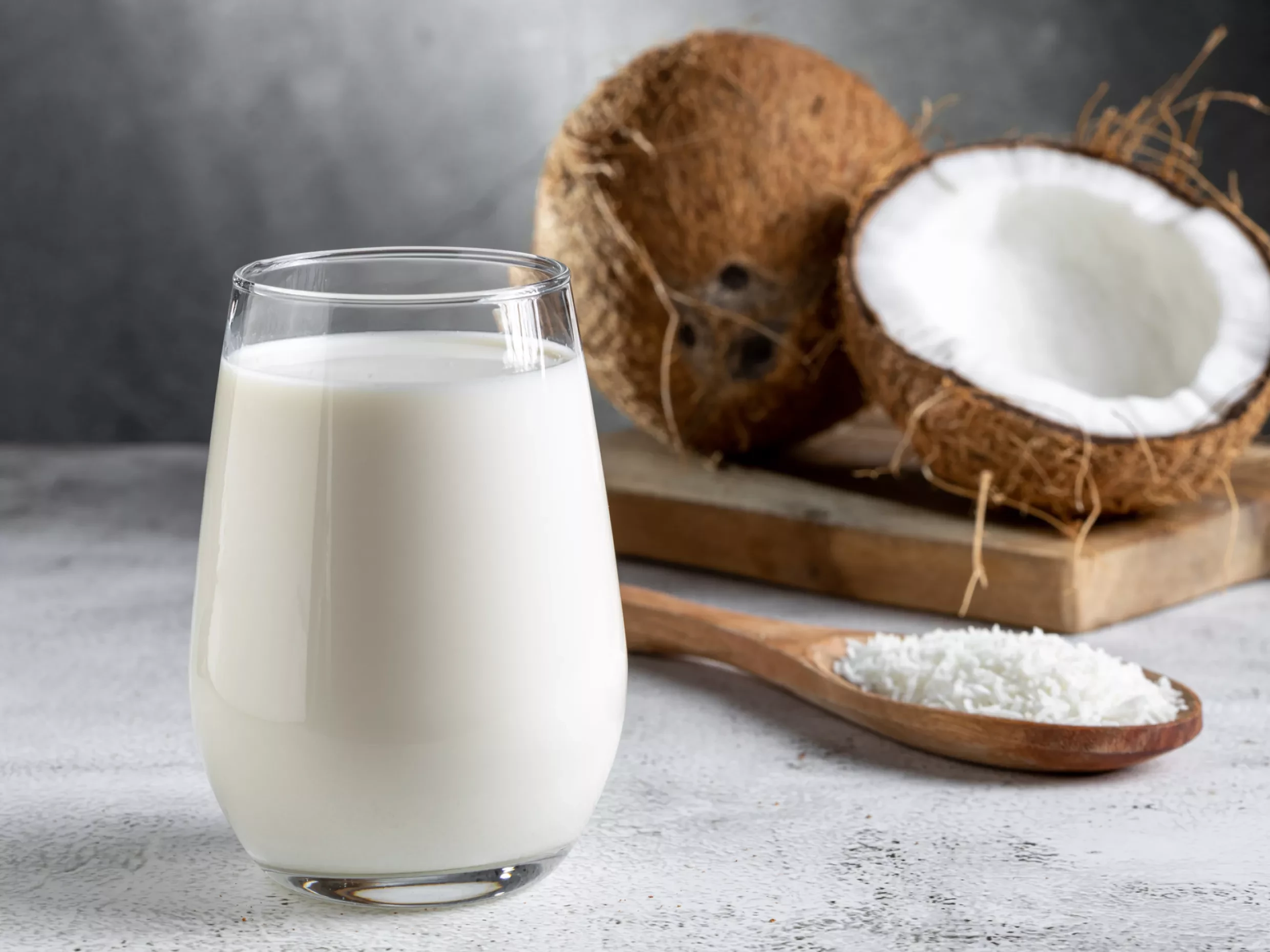
Coconut Milk
Coconut milk is a rich, creamy alternative with a distinctive tropical flavour, often chosen for smoothies, and certain coffee drinks. For the purposes of this article, we’re referring to the lighter versions of coconut milk used predominantly for drinking, rather than the thicker, richer versions from a can used in home cooking.
What It’s Made From
Coconut milk is made from the grated white flesh of mature coconuts blended with water. Commercial versions often include stabilisers and emulsifiers to improve texture, and many are fortified with calcium and vitamins D and B12.
Health
It’s naturally lactose-free and low in protein, but can be higher in saturated fat than other plant milks. Fortified coconut milk can contribute to calcium intake, supporting bone health.
What to Look Out For
Choose unsweetened, calcium-fortified versions to keep sugar and calories in check. Products branded “coconut drink” or “coconut beverage” may contain less actual coconut and more added sugar, so check the ingredient list if you’re using it as a regular dairy replacement.
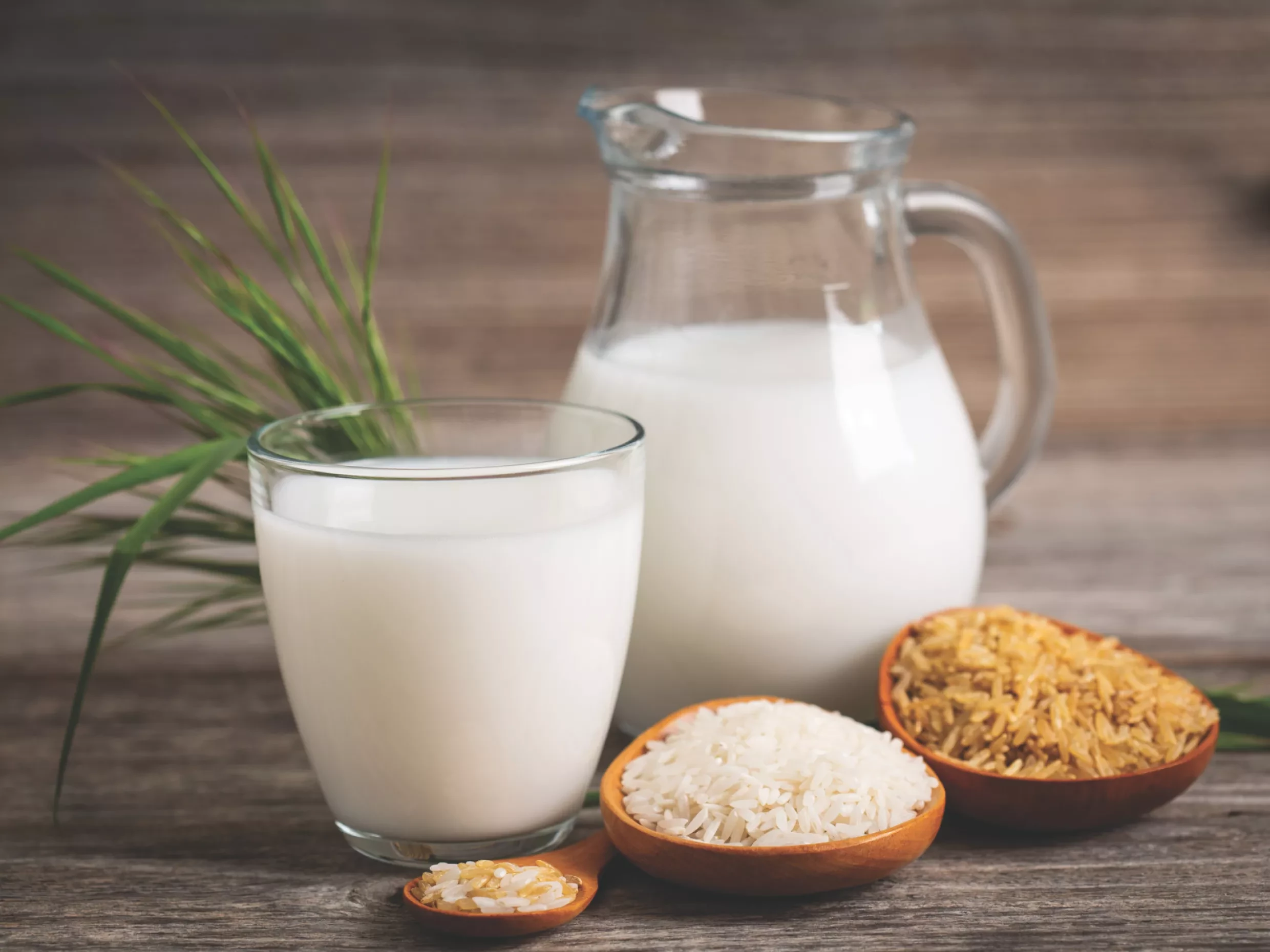
Rice Milk
Rice milk is one of the most hypoallergenic plant-based milks, so if you have multiple food intolerances or prefer a light, naturally sweet drink, rice milk might be a good option.
What It’s Made From
Rice milk is made from milled rice blended with water. During production, enzymes break down the starch into simpler sugars, which gives it a naturally sweet taste. Most commercial brands are fortified with calcium, vitamin D and vitamin B12, and may include added oils for texture.
Health
Rice milk is naturally dairy-free, lactose-free, soy-free and nut-free, making it suitable for people with common allergies. It’s quite heavily dense in carbohydrates, but generally low in fat and saturated fat, and, like other plant-based drinks, contains no cholesterol. Fortified versions can provide calcium, supporting bone health, and some also supply vitamin B12, which is important for nerve function and energy.
What to Look Out For
Choose unsweetened, calcium- and vitamin D-fortified varieties, and check the protein content if you’re relying on it as a main milk substitute, as rice milk is very low in protein. Because rice can contain inorganic arsenic, the Food Standards Agency advises that children under five should not be given rice milk as a substitute for breast milk, infant formula or cow’s milk, though the same advice states that children over five and adults can drink it as part of a balanced diet. Rice milk can have a high glycaemic index and may raise blood glucose relatively quickly, so people with diabetes should consider its carbohydrate content and portion size and may prefer an unsweetened alternative.
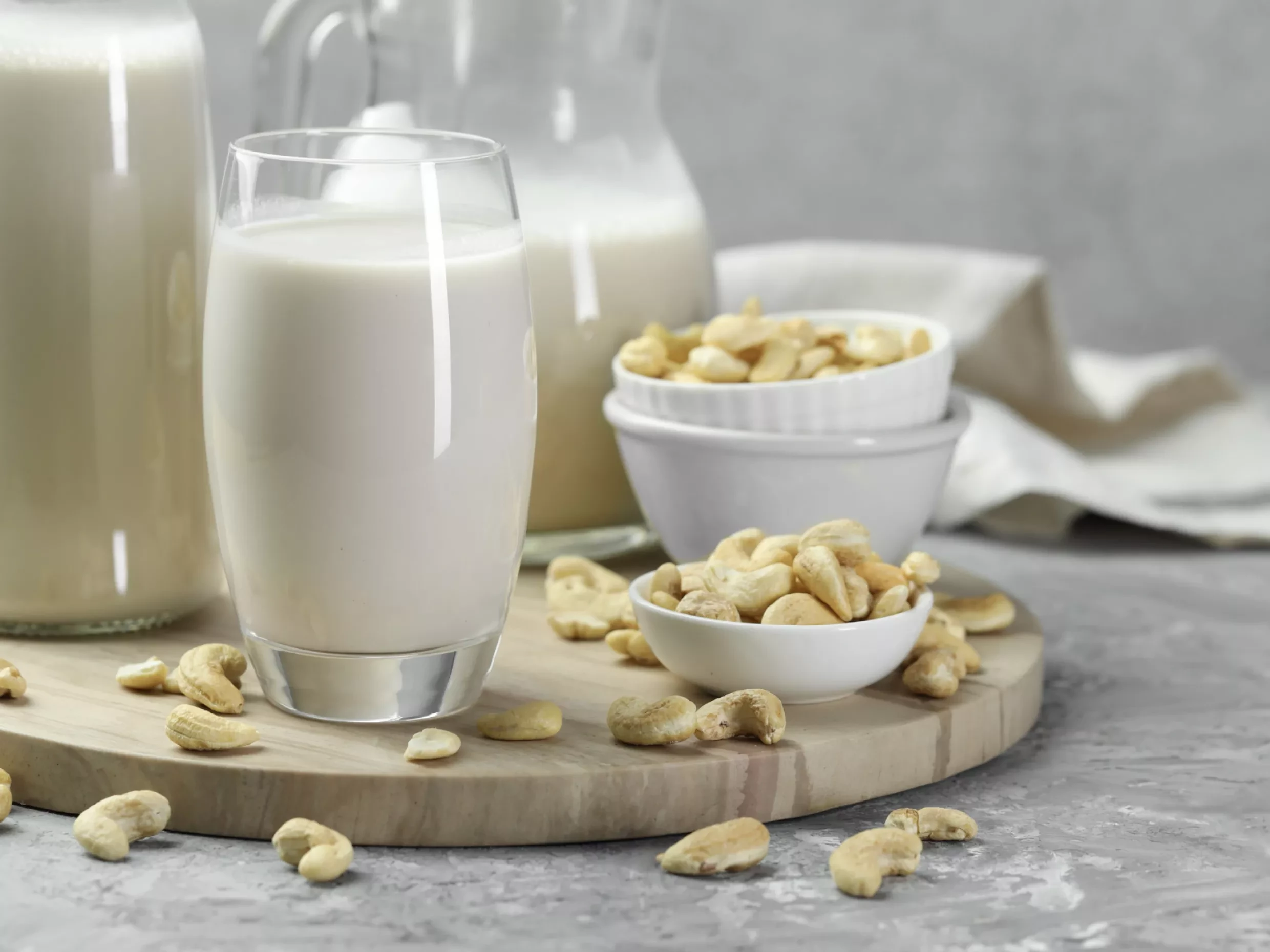
Cashew Milk
Cashew milk is a creamy, subtly sweet plant-based milk that works well in smoothies, coffee, cereals and in baking. If you’re looking for a rich texture without dairy, you might want to try cashew milk.
What It’s Made From
Cashew milk is made from blended cashews and water, usually with added stabilisers or emulsifiers to improve texture. Some commercial brands are fortified with calcium, vitamin D, vitamin B12 and sometimes vitamins A and E, but others, particularly organic varieties, are unfortified.
Health
Unsweetened cashew milk is low in calories and saturated fat, and naturally free from lactose and cholesterol. It provides mostly unsaturated fats, which are considered heart-healthy, and is often fortified to deliver calcium, supporting bone health. Cashew milk also supplies small amounts of minerals such as magnesium, which plays a role in muscle and nerve function.
What to Look Out For
Choose unsweetened, calcium- and vitamin D-fortified varieties to keep sugar and calories in check. Flavoured or ‘barista’ versions can contain added sugar. As with all nut milks, people with a tree nut allergy should avoid cashew milk entirely.
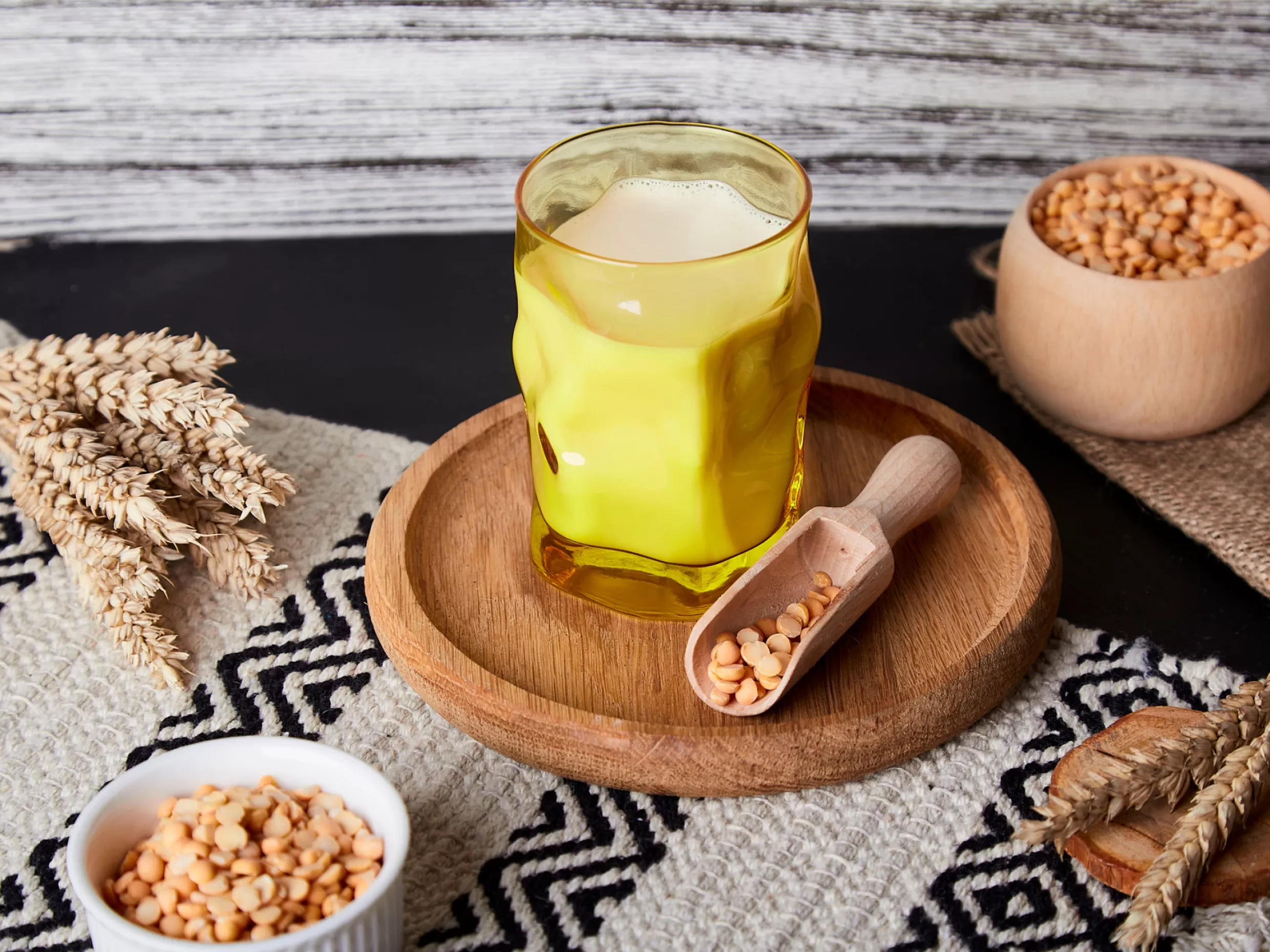
Pea Milk
Pea milk is a relatively new but fast-growing plant-based option, valued for its high protein content, creamy texture and strong environmental credentials. It’s sometimes said to be relatively close to the taste and texture of cow’s milk.
What It’s Made From
Pea milk is made from protein isolated from dried yellow split peas, blended with water and usually a small amount of oil for creaminess. Most brands fortify it with calcium, vitamin D, vitamin B12 and sometimes omega-3s from algae, plus minerals such as potassium and iron.
Health
Pea milk stands out among plant milks for its protein content, which is similar to dairy and soy milk. Its protein is considered high quality, with a good balance of essential amino acids. Pea drinks are naturally free from dairy and lactose and are commonly formulated without nuts, soya or gluten, making them suitable for many people avoiding those ingredients. Fortified versions often deliver calcium, supporting bone health, and can also contribute iron, potassium and B vitamins. Unsweetened versions are also low in sugar and carbohydrates.
What to Look Out For
Although pea allergy is uncommon, anyone with a known legume sensitivity should check suitability before trying pea milk. Since peas have virtually no natural fat, manufacturers often use a blend of vegetable or seed oils to achieve the milk-like consistency.
Hemp Milk
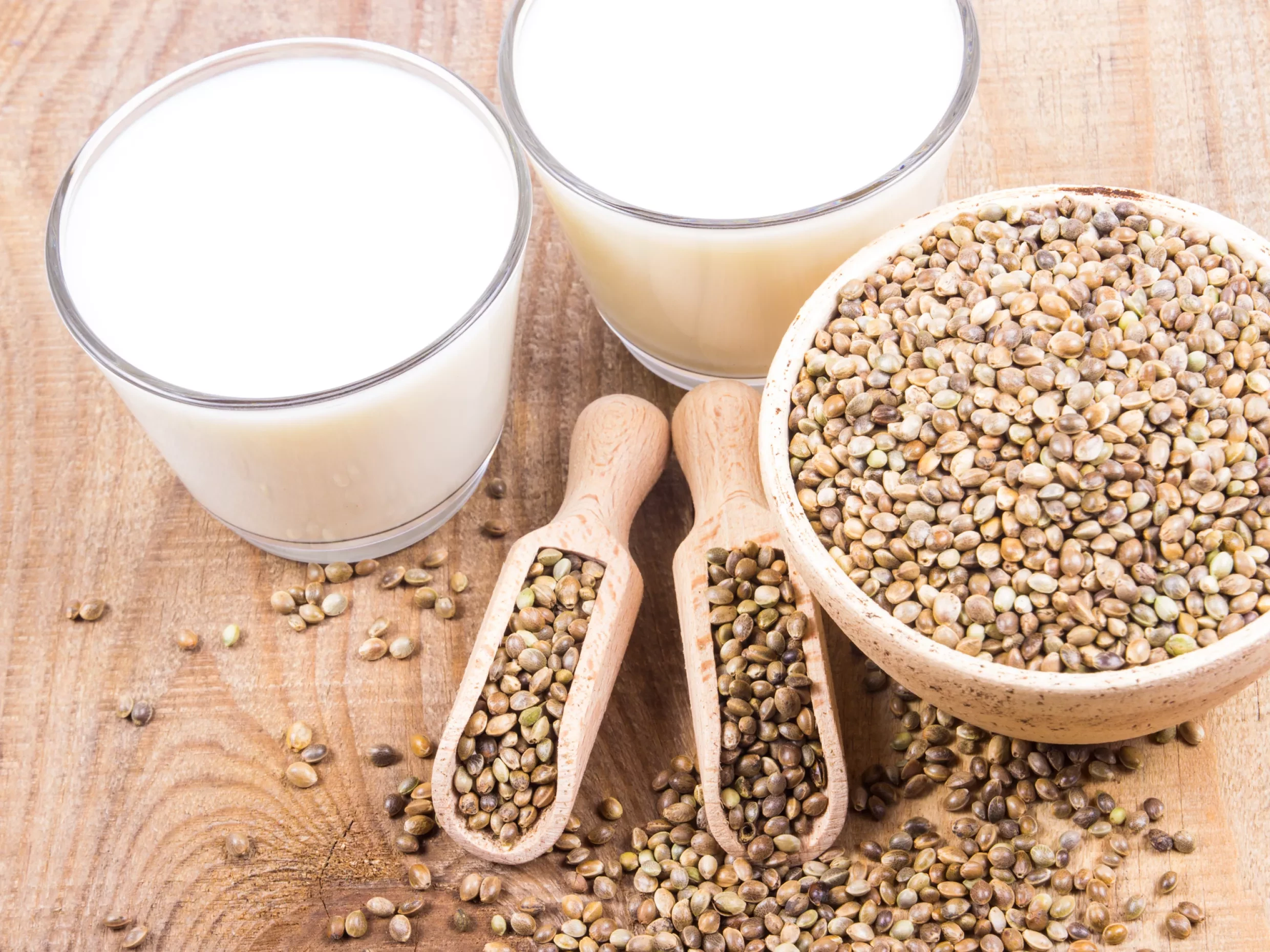
Hemp milk is a creamy, nutty-tasting plant-based milk made from hemp seeds, valued for its favourable fat content, complete protein and strong allergen-friendly credentials. It’s relatively new to the market, currently accounting for just a small section of alternative milk sales in the UK.
What It’s Made From
Hemp milk is made by blending shelled hemp seeds (known as the hearts) with water, then straining the mixture. Commercial versions often include stabilisers or emulsifiers for texture, and may contain added vitamins and minerals, but fortification varies. Some UK products, particularly organic versions, are unfortified.
Health
Hemp milk is naturally free from dairy, lactose, soy, gluten and tree nuts. It provides modest protein, but like soy milk, it’s considered ‘complete’, containing all nine essential amino acids (although lysine is relatively limited). Its standout feature is its fat profile. Hemp milk is rich in polyunsaturated fats, including omega-3 and omega-6 fatty acids. Fortified versions can deliver calcium, which helps to support bone health.
What to Look Out For
Choose unsweetened, calcium- and vitamin D-fortified varieties to keep sugar low and to maximise bone-supporting nutrients. Protein content is lower than in soy, pea or dairy milks, so hemp milk may need other protein sources if it’s your main milk substitute. Although hemp allergy is uncommon, anyone with a known seed allergy should check suitability before trying hemp milk. Hemp seeds come from Cannabis sativa, but the seeds themselves do not naturally contain THC, the psychoactive compound.