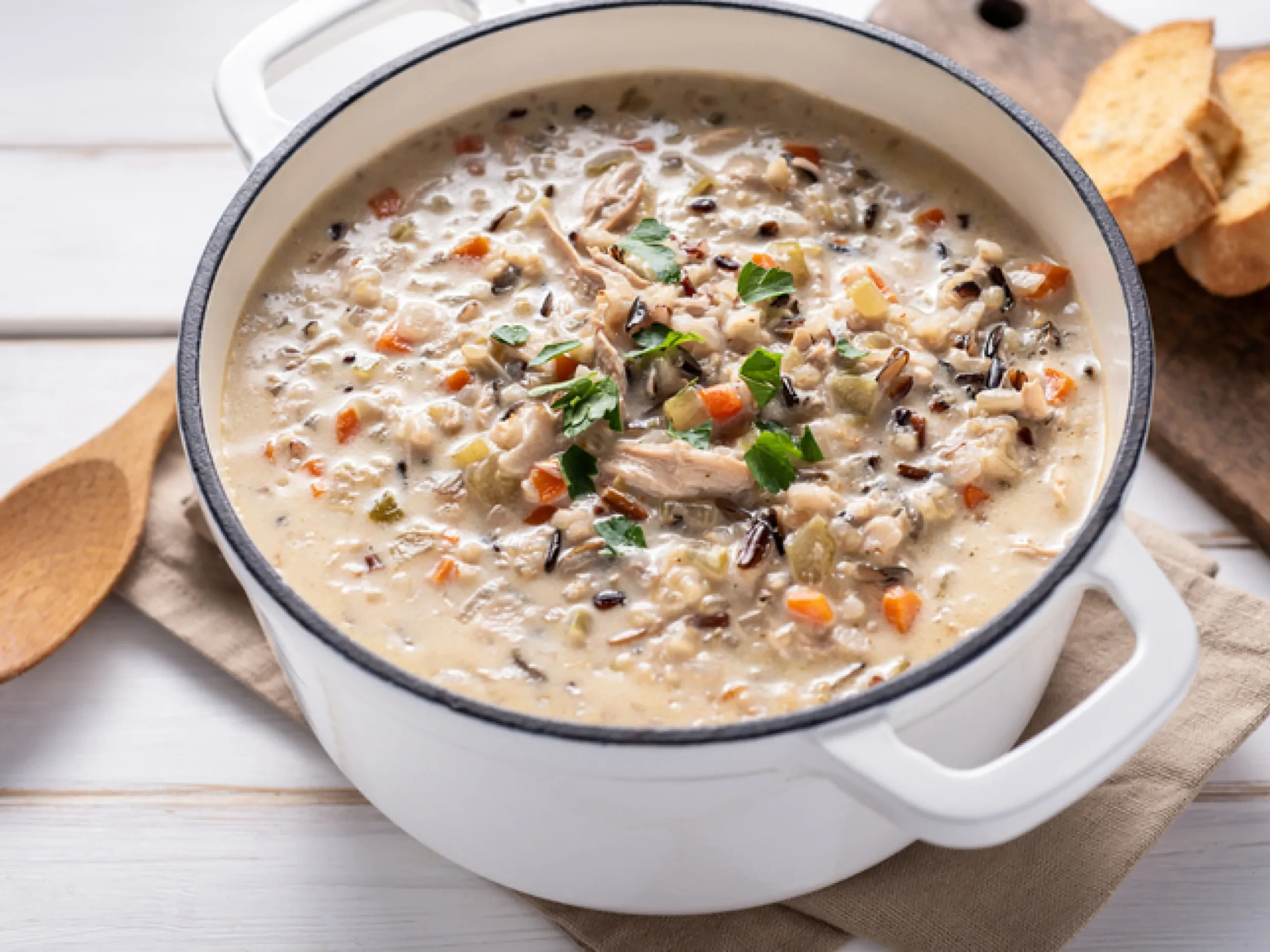








The enamel cast iron Dutch oven has been put on a pedestal in the current world of home cooks, and it pretty much deserves it. The tasks a Dutch oven can be used for are endless, and it can be used almost every day: from simply searing chicken and mushrooms to whipping up an elaborate dinner like homemade bread, steamed mussels and fried pommes frites - all made in your trusty vessel. Let's take a look at what, exactly, your Dutch oven is, all the ways to use it and how to care for it so it'll become a family heirloom.
What Is a Dutch Oven?
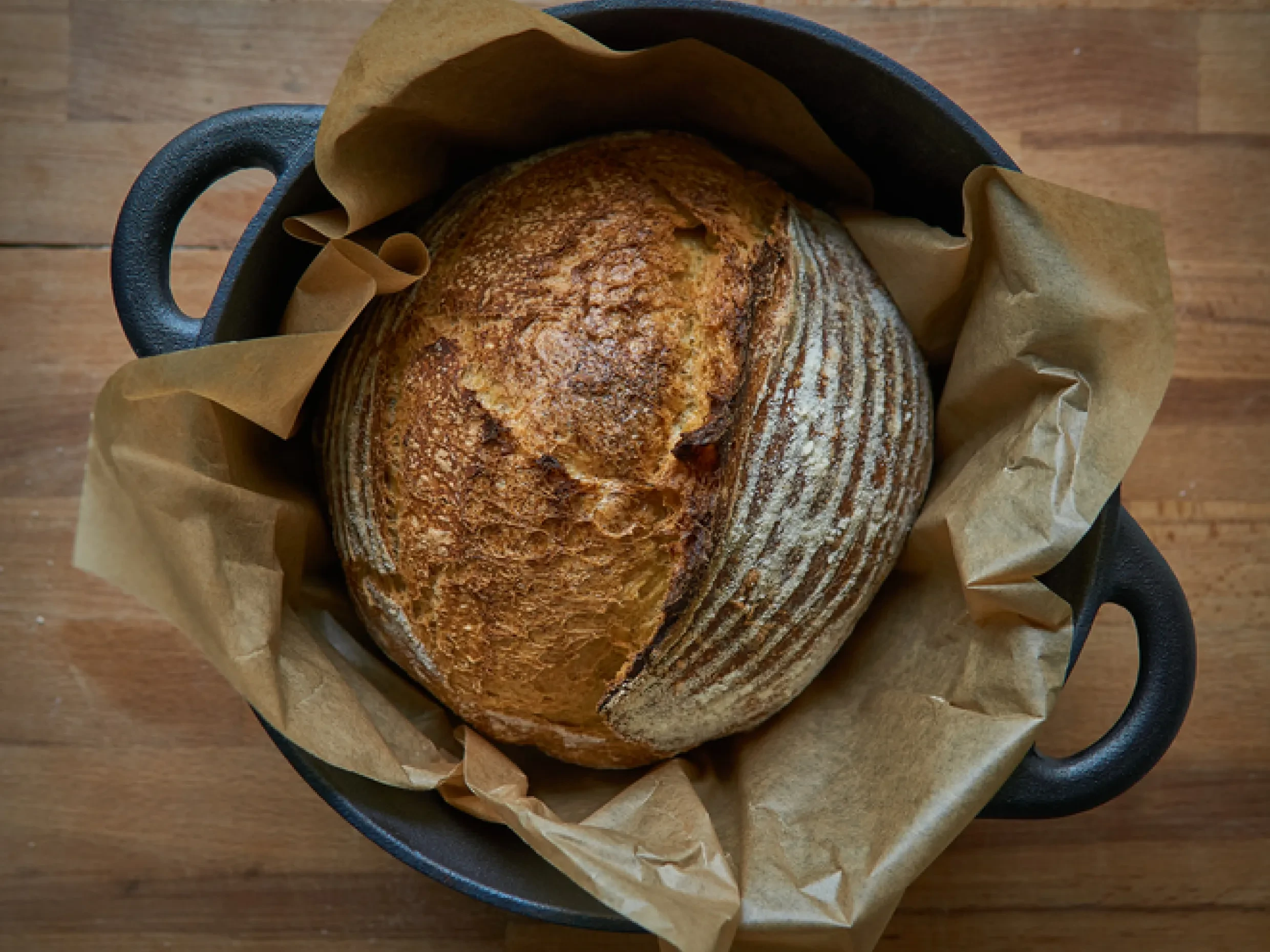
A Dutch oven is a heavy, wide, fairly shallow pot with a tight-fitting lid. They're typically made of cast iron and can be covered in enamel for easy cleaning and care.
What Is a Dutch Oven Used For? And Can You Use a Dutch Oven On the Stove?
The truth is, anything you can cook in a pot you can cook in a Dutch oven. But here are some things at which it excels.
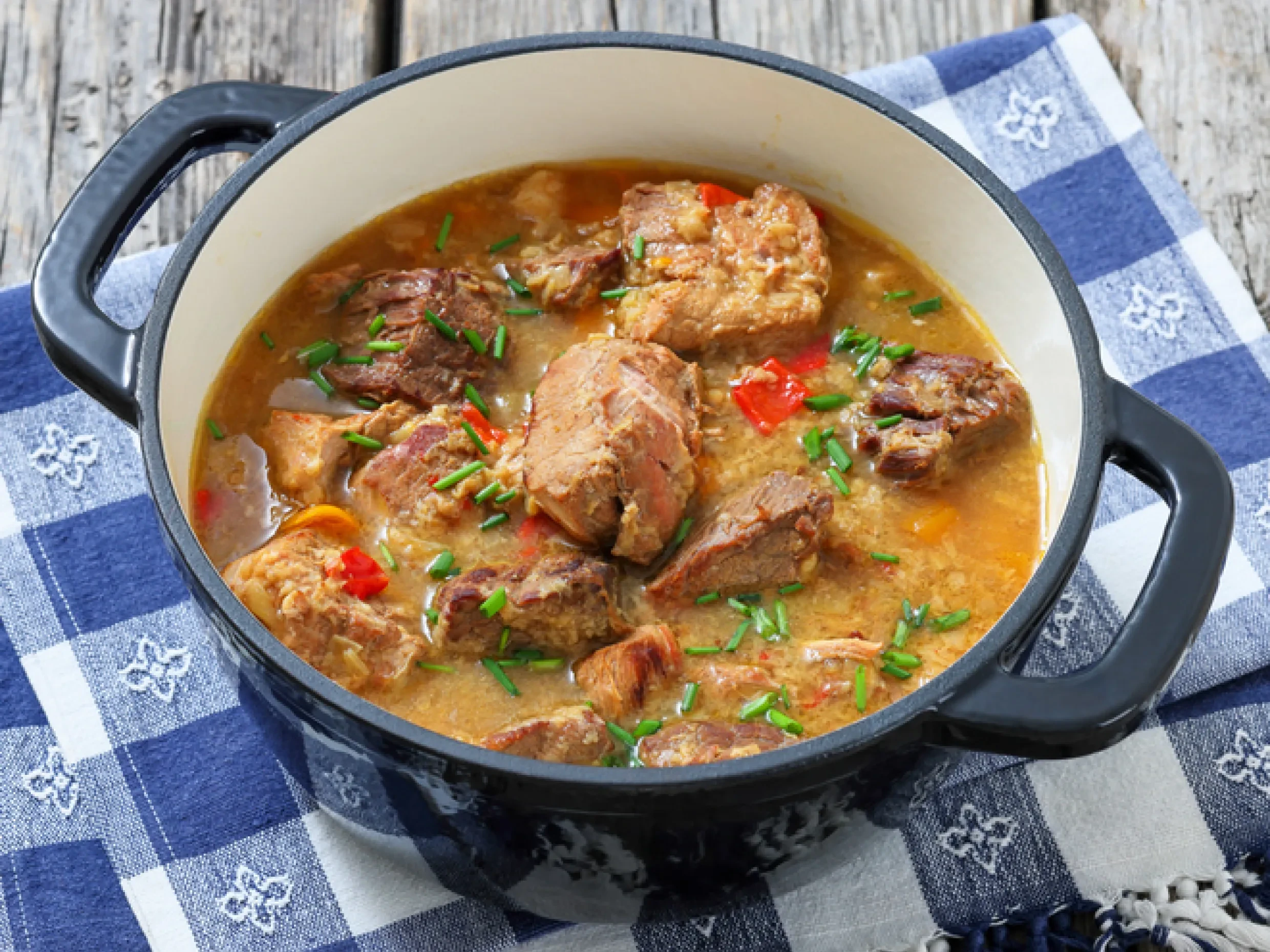
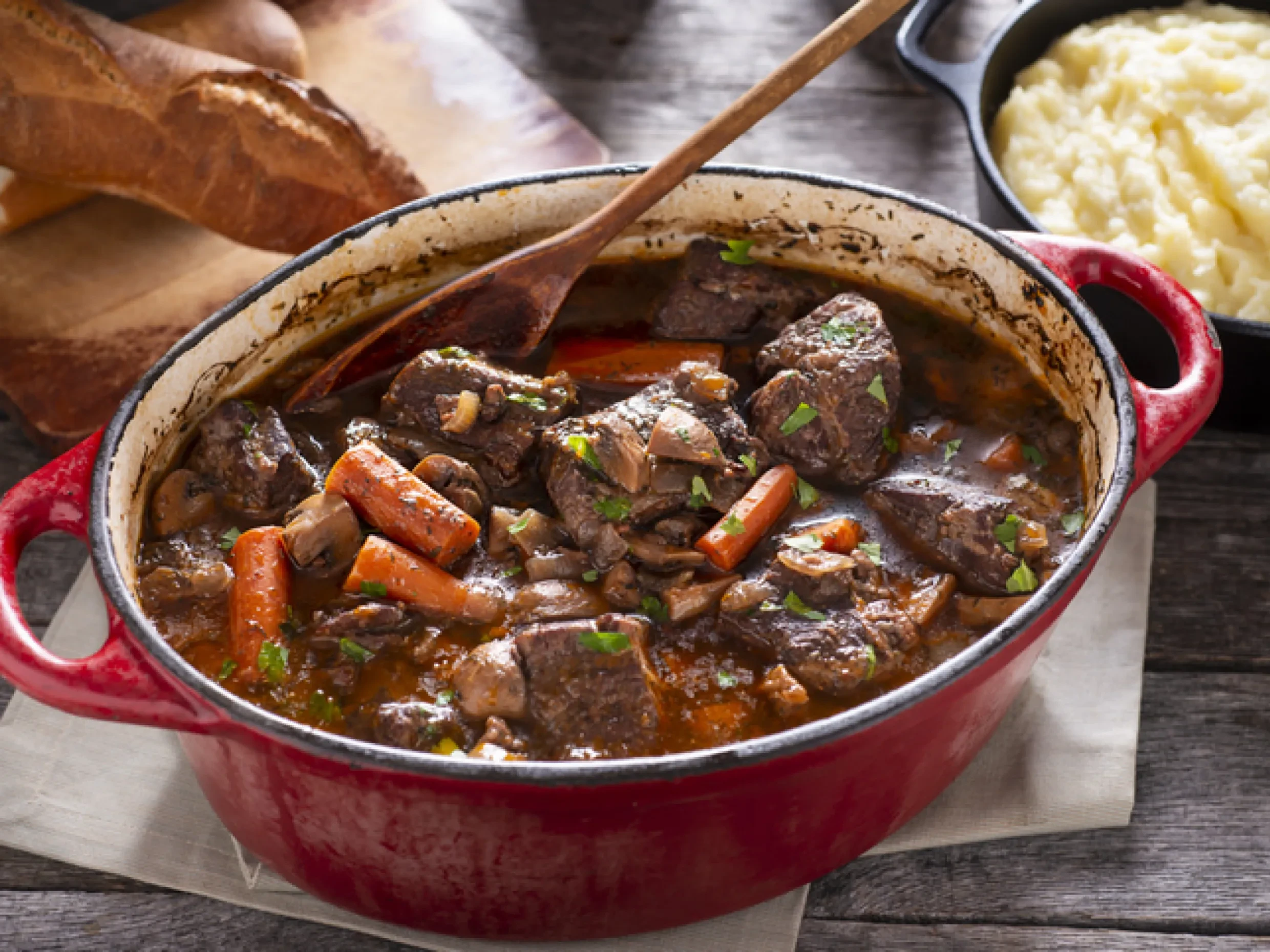
Braising: The heaviness of a Dutch oven and its tight-fitting lid mean you can cook tough meats low and slow in the oven or on the stove for long amounts of time without evaporating the cooking liquid.
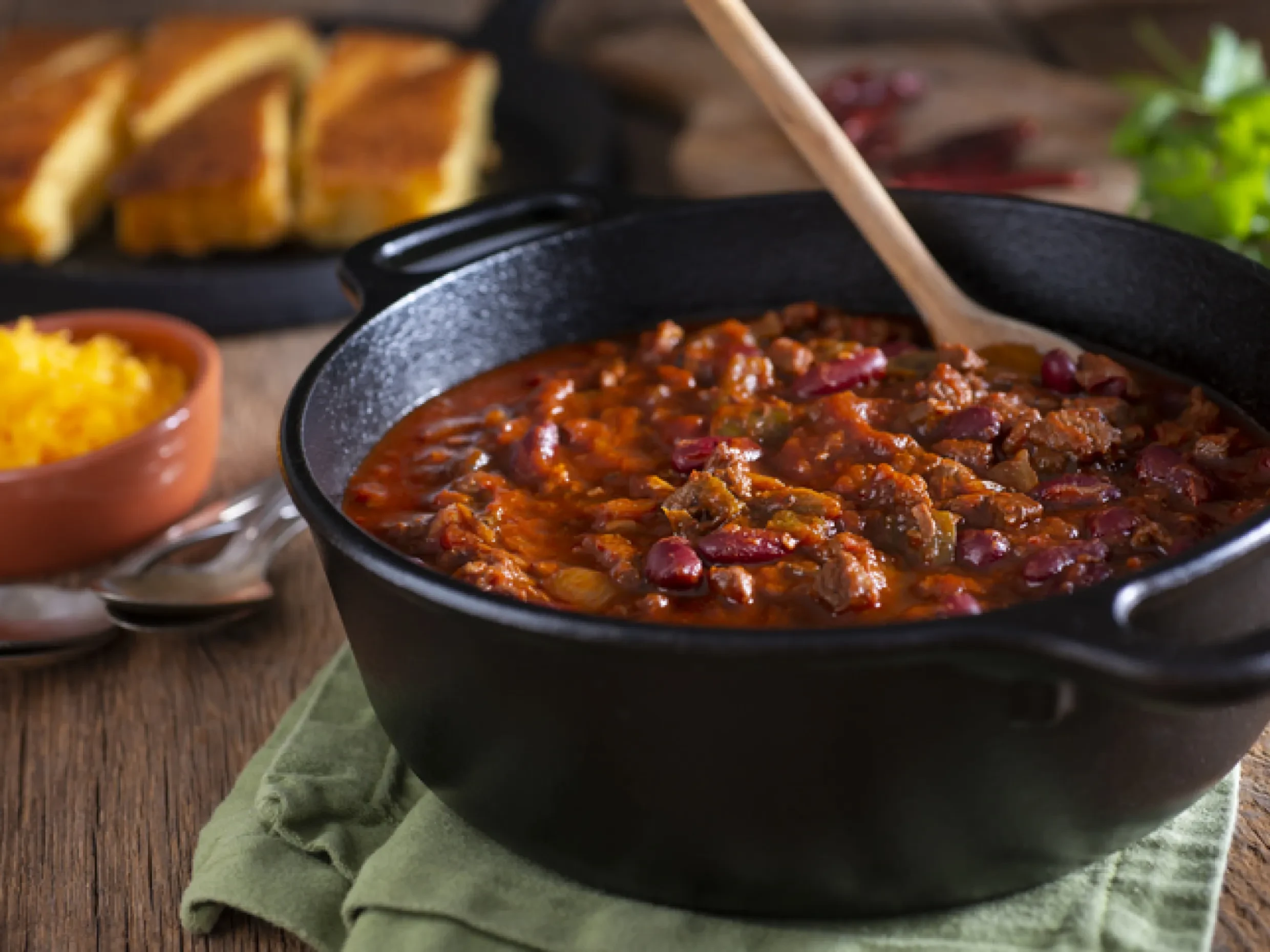
Soups and stews: In this vein, Dutch ovens are also commonly used to cook soups and stews, which simmer away on the stove for a long time.
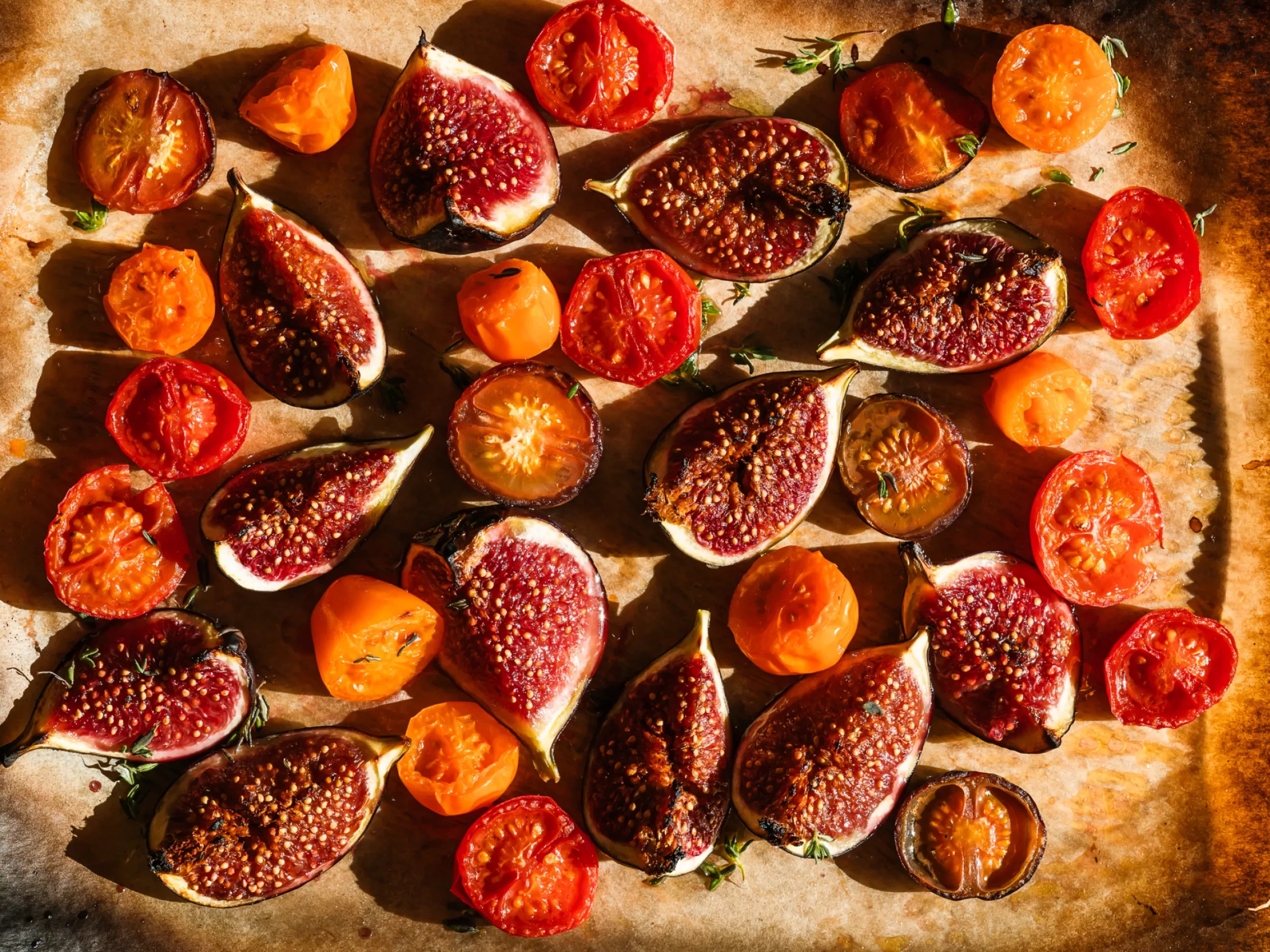
Searing: Because enamelled Dutch ovens are typically made out of cast iron, they can get scorching hot and retain that heat well, meaning they're great for searing all kinds of foods, including meats and veggies.
Deep frying: A Dutch oven can stand in for a deep fryer when you need a large amount of oil. The cast iron retains heat well, resisting sudden changes in temperature.
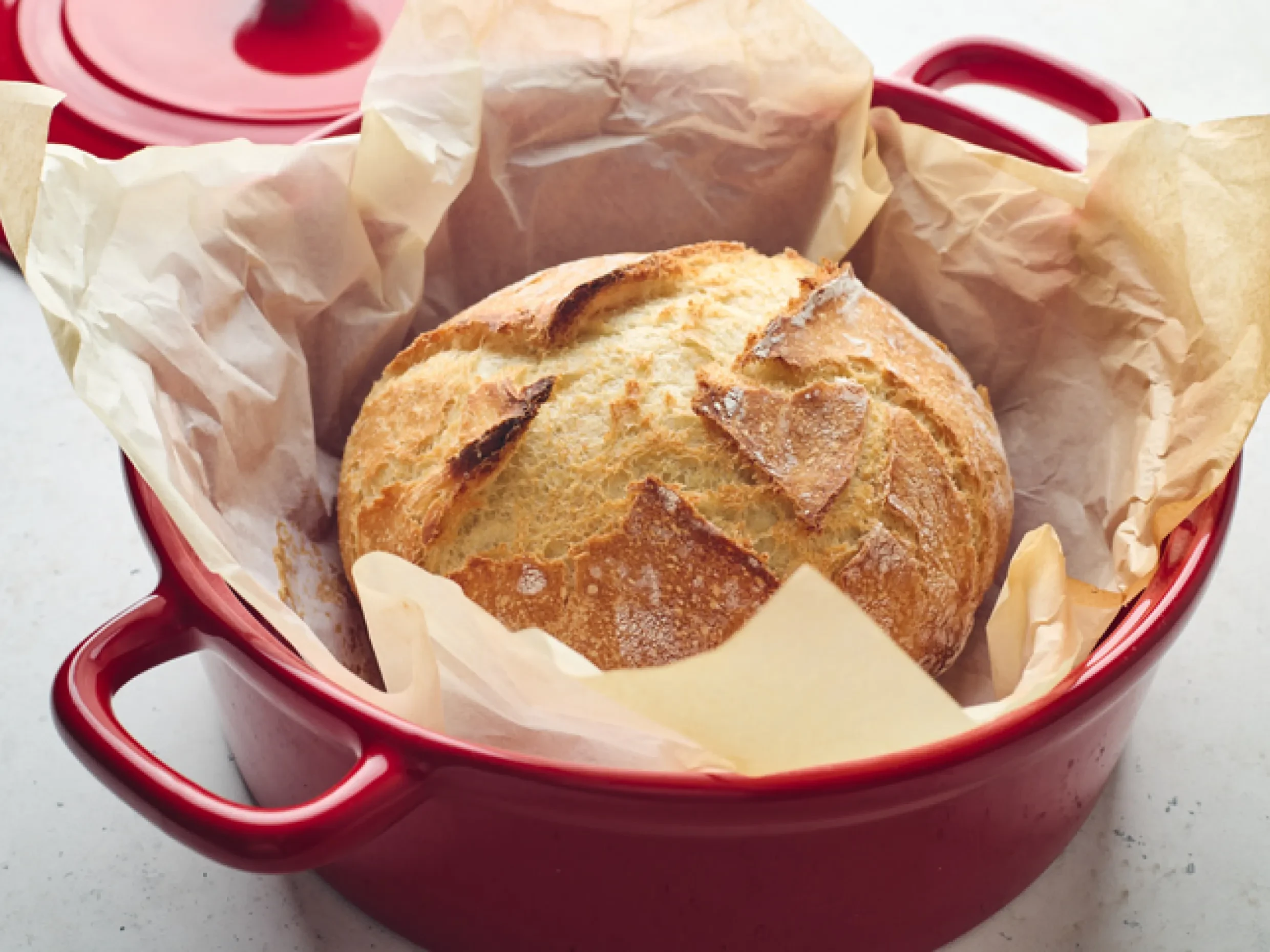
Baking bread: The heat retention and tight lid are key to getting a crisp crust on rustic bread.
Why Is It Called a Dutch Oven?
The story goes that a man from England visited the Netherlands and saw round, fairly shallow pots being made by casting molten iron in moulds made from sand. That’s why it’s called cast iron. The Dutch moniker honours the people who made them.
What Size Dutch Oven Is Best?
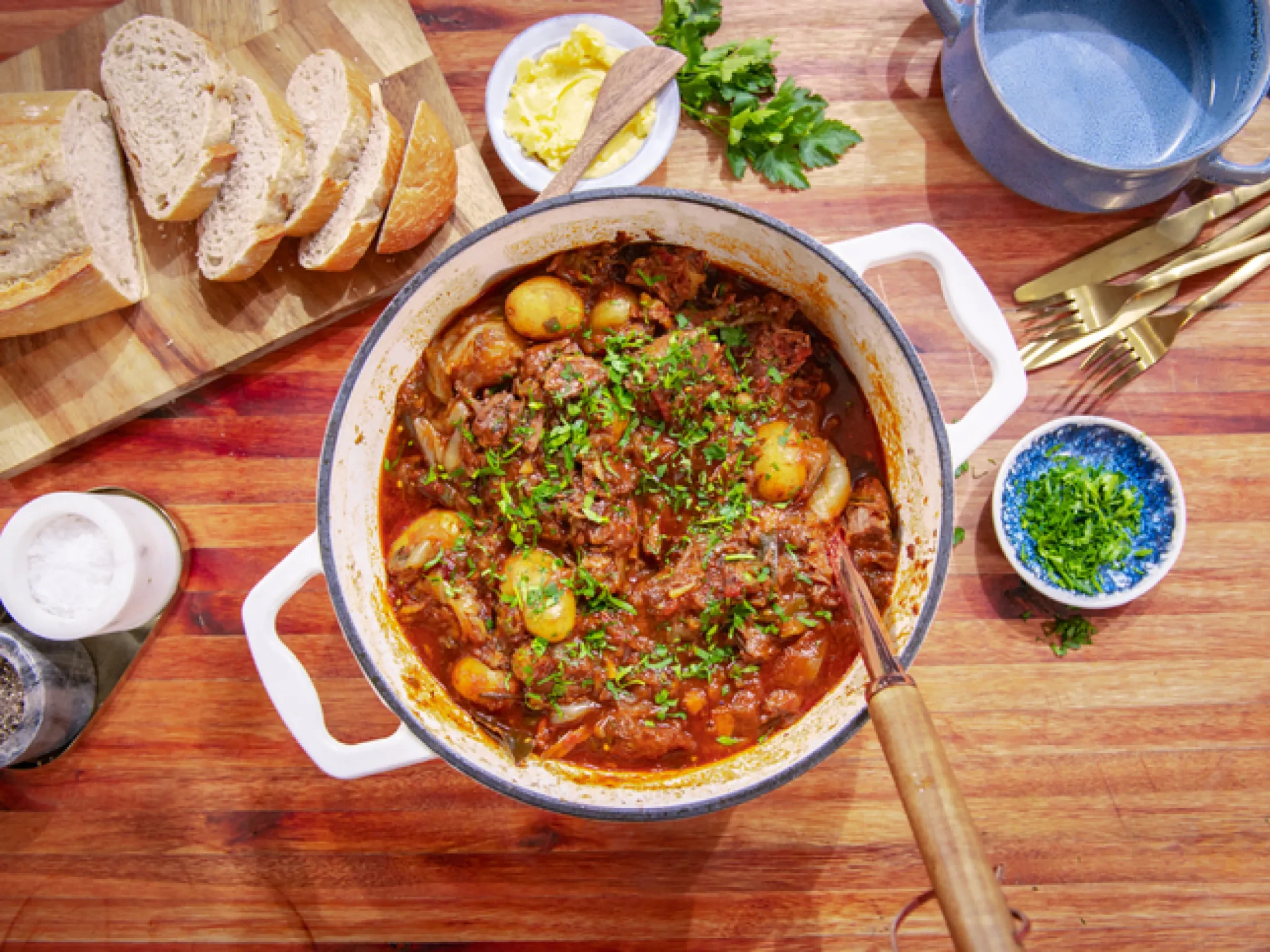
If you're looking for a multi-purpose Dutch oven, Food Network Kitchen's product testers tend to prefer 6 - 7 litre Dutch ovens. It's important to also think about the shape, too. If you're going to make soups, stews and standard-sized roasts, a round Dutch oven will do the trick. However, if you plan on doing whole roast chicken or larger roasts of meat, opt for an ovular Dutch oven.
If you're more of a bread baker, Food Network Kitchen finds that it comes out better in a 2 - 4 litre size.
How to Care for a Dutch Oven
With proper cleaning and care, Dutch ovens can last for several lifetimes and become family heirlooms.
Do not put a hot Dutch oven in cold water or it may crack.
Wash with hot soapy water and a gentle sponge, as a metal scrubber or steel wool can scratch the enamel. If you're in a time pinch, Dutch ovens can go in the dishwasher - but over time, it could dull the enamel, so we recommend dishwashing sparingly.
It’s quite possible that over time the enamel on the rim of the pot and lid will chip, and this is a cosmetic issue only. Your Dutch oven will still be usable, so don't get rid of it. To stave off chips, be gentle when you put your Dutch oven away so the lid and base don't clang against each other.
Camping with Dutch Ovens
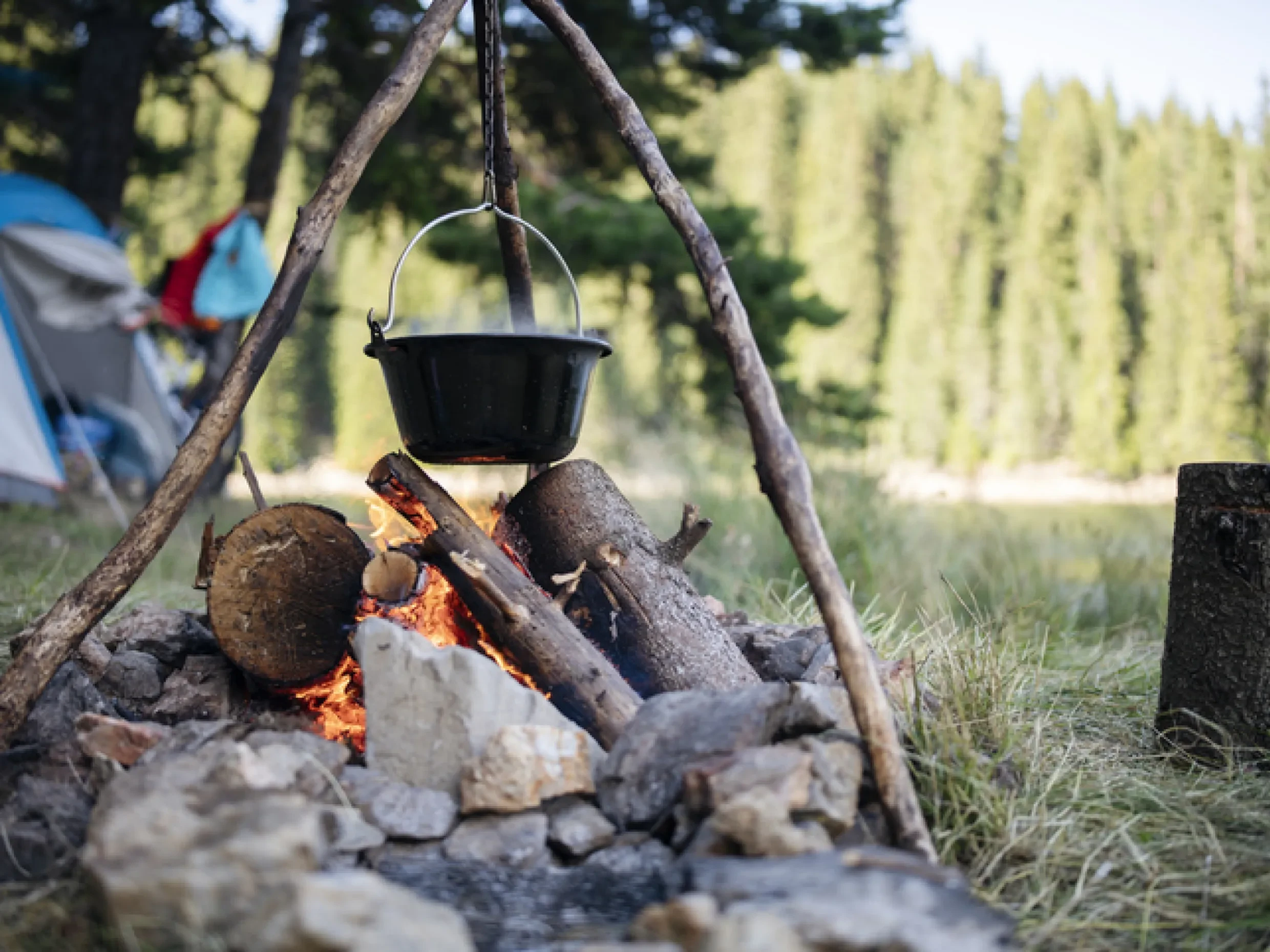
A Dutch oven is a perfect pot for cooking over or in a campfire because its heavy weight insulates food from burning over the heat. Instead of cooking over the direct flames, bank the hot coals around your Dutch oven, and dinner will be ready in a few hours. If the fire goes out, that Dutch oven will keep the food hot for a long time.
What Can Be Used Instead of a Dutch Oven?
A heavy 7 - 9 litre sauce pot that’s part of a good stainless-steel set of pots and pans can stand in for a Dutch oven in a pinch.