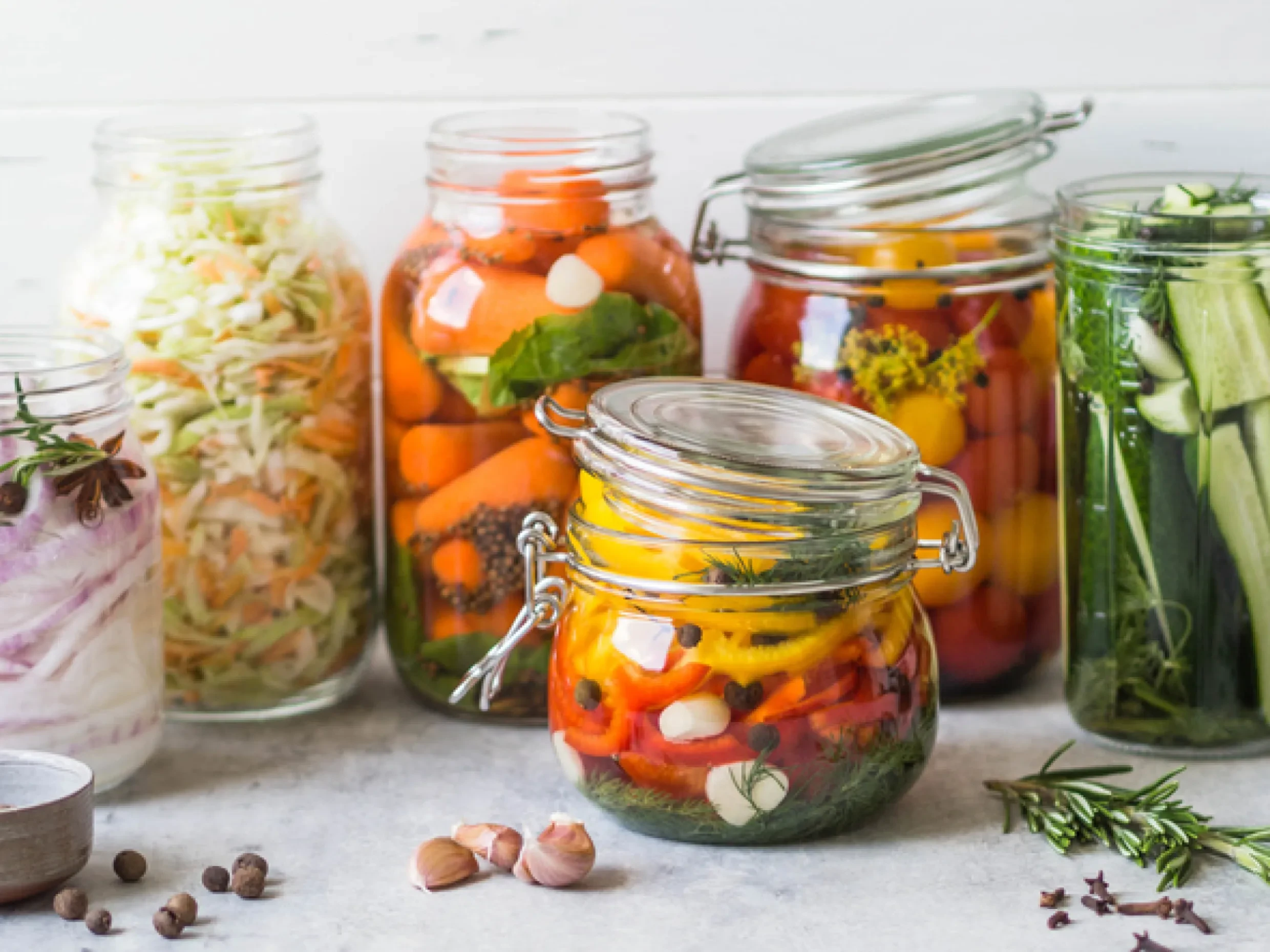








There’s more than one way to make pickles, store them and eat them. You can make them in jars, pots or even the bowl you’re going to serve them in. You can make them from any crisp vegetable, fruit and even watermelon rind. Read on to learn everything you need to know.
What Is Pickling?
Pickling is a method of preserving food that has been used for nearly 5,000 years. Pickling, the technique of soaking food in a solution, was used to preserve meats and vegetables before refrigeration.
Quick Pickles (Vinegar Pickles)
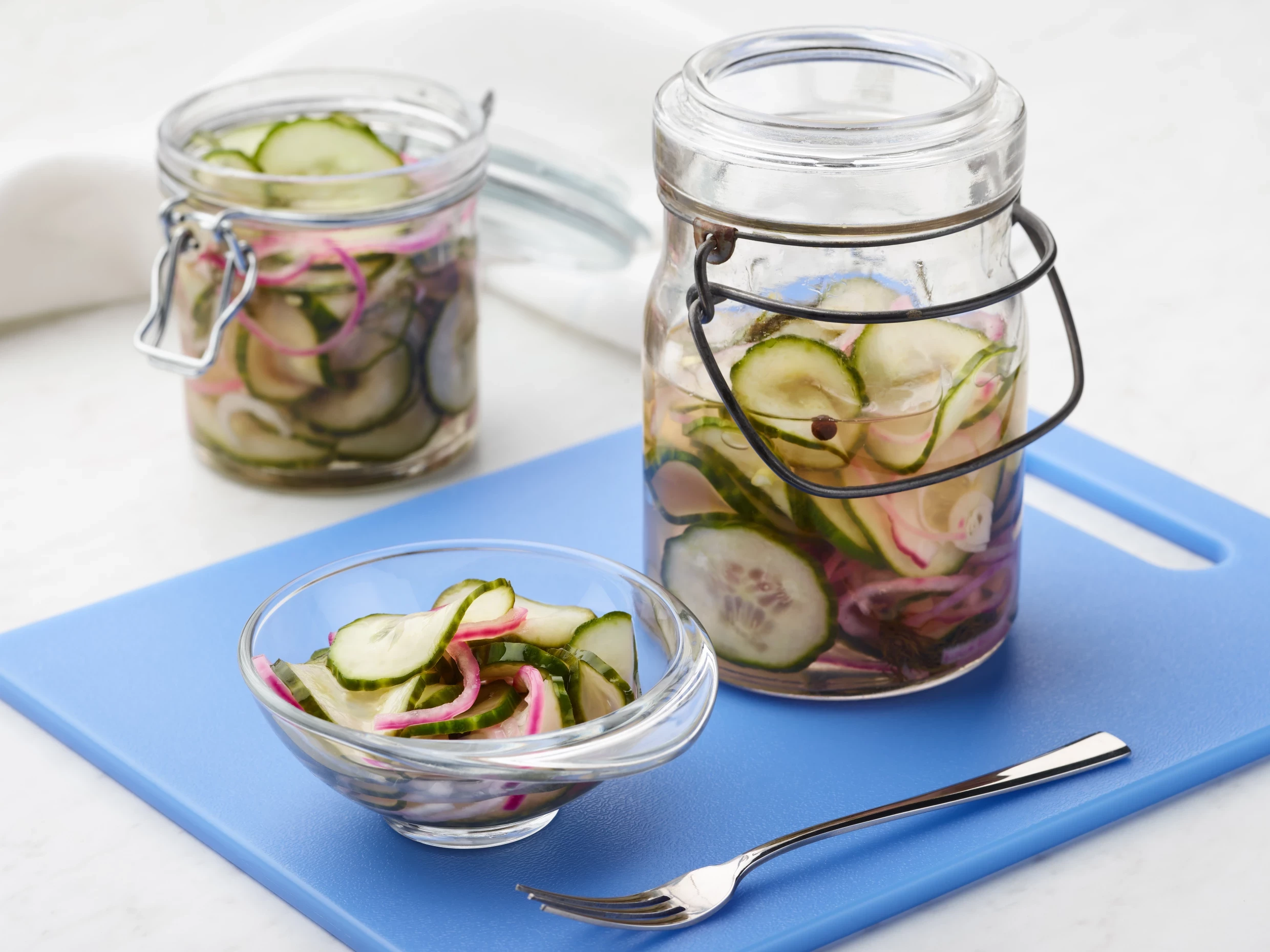
Making this type of pickle entails pouring hot vinegar brine over produce, then letting the mixture cool. As soon as they're cool, quick pickles are ready to eat, and they'll last for up to two weeks in the fridge. You can use many different vegetables for quick pickles. If you're working with a veggie that's too crunchy while raw, blanch it for a minute or two before pickling.
Slow Pickles (Brined Pickles)
This variety of pickle is made from a saltwater brine (that sometimes has some vinegar added too) that's heated up and poured over the produce into sterilised jars. The jars are sealed through canning and stored in a cool, dark, unrefrigerated place. As the pickles rest, good bacteria grows and fermentation occurs.
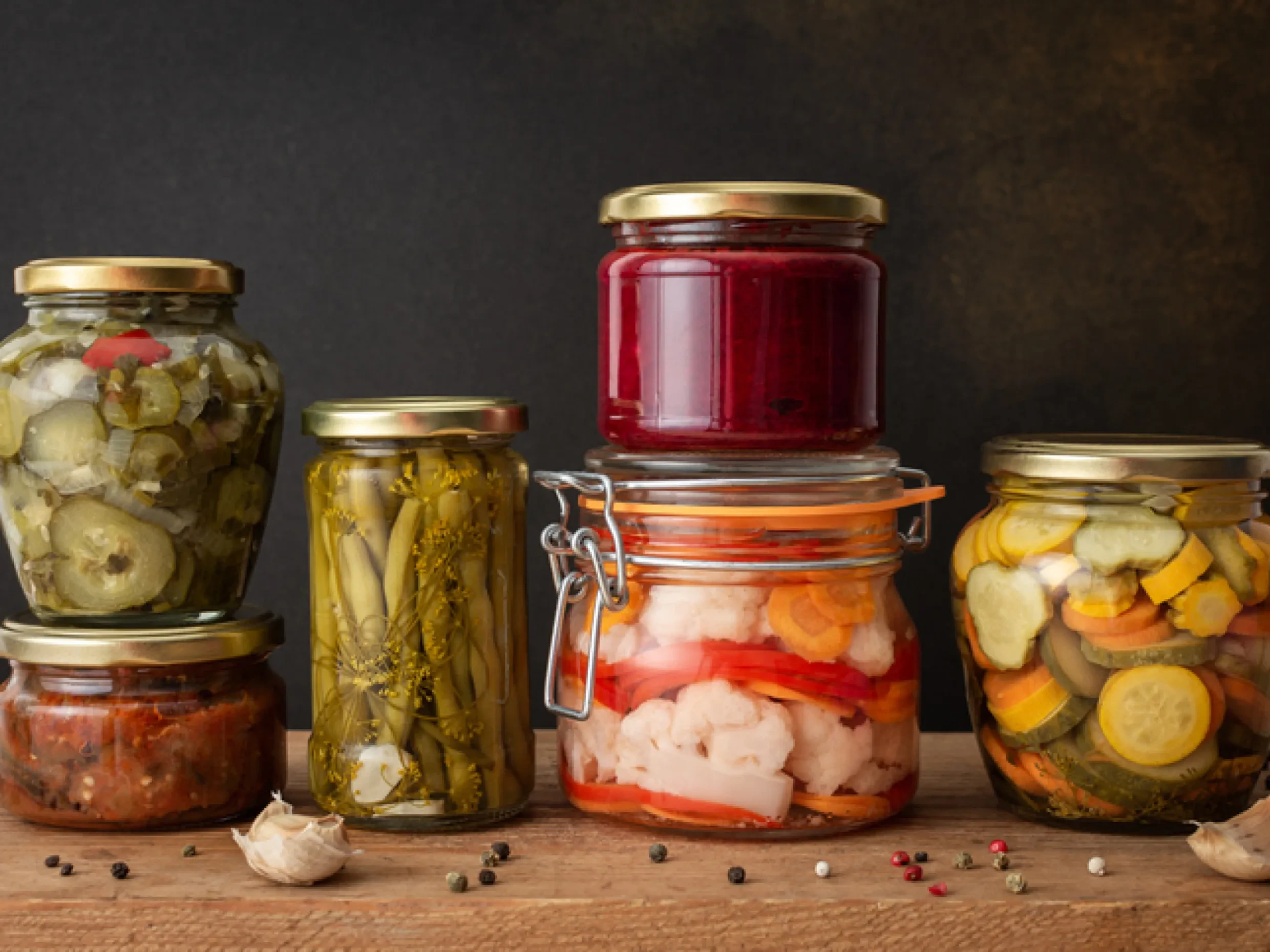
How to Make Homemade Pickles, Step-by-Step
A trip to the farmers’ market is the best place to look for pickle inspiration by walking past baskets and bins of fruits and vegetables at their peak. If you’re like most people, you’ll be so overwhelmed that you may end up with just a bit more produce than you and your family can eat. This is where pickling comes in.
1. Pick Your Produce
Let’s start with cucumbers. There are two categories of cucumbers: pickling and slicing. In order to make your own pickles, you’ll want to go for the obvious choice: pickling cukes. These include varieties like Kirby and gherkin (also called cornichon). You can recognise them by their sharp black or white spines and their bitter taste when raw. Select firm cucumbers that are well-shaped - save the odd-shaped and more mature cucumbers for relishes and bread-and-butter style pickles.
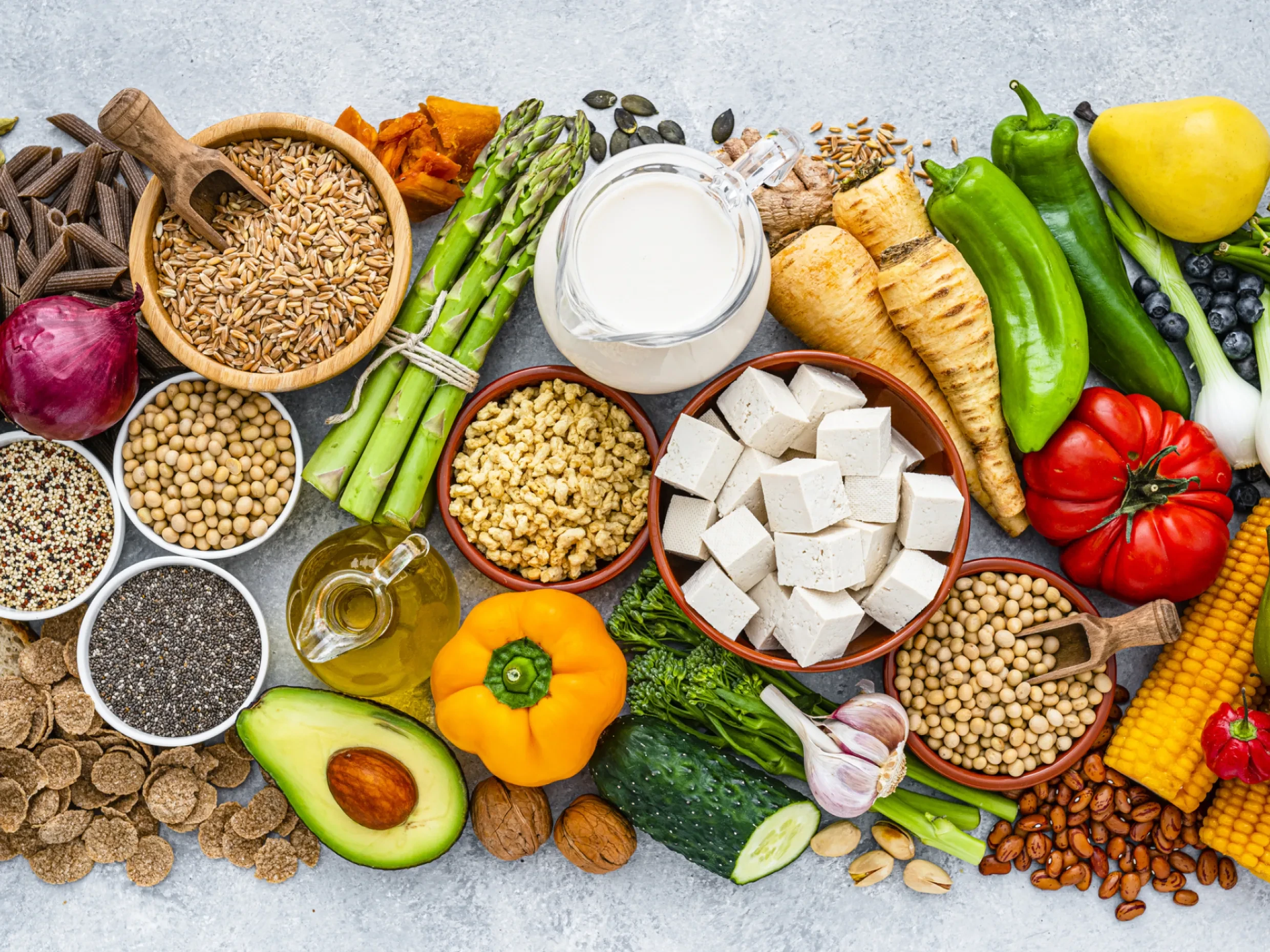
In addition to cucumbers, there are so many vegetables out there that really want to be pickled. Crunchy vegetables take on flavour easily, and we like using anything that keeps its colour: cauliflower, carrots, beets, celery, fennel and turnips. The acid in the pickling solution will turn green vegetables a more yellow colour, but the green will still come through. With a quick pickle, almost any vegetable will work.
2. Choose A Recipe
It’s important to choose a recipe that’s been tested with proper proportions of ingredients. Don’t alter the amounts of any of the ingredients like vinegar, water or the food being pickled. These ratios were carefully put in place for food safety reasons to prevent the growth of the very toxic botulinum bacteria.
3. Prep the Brine
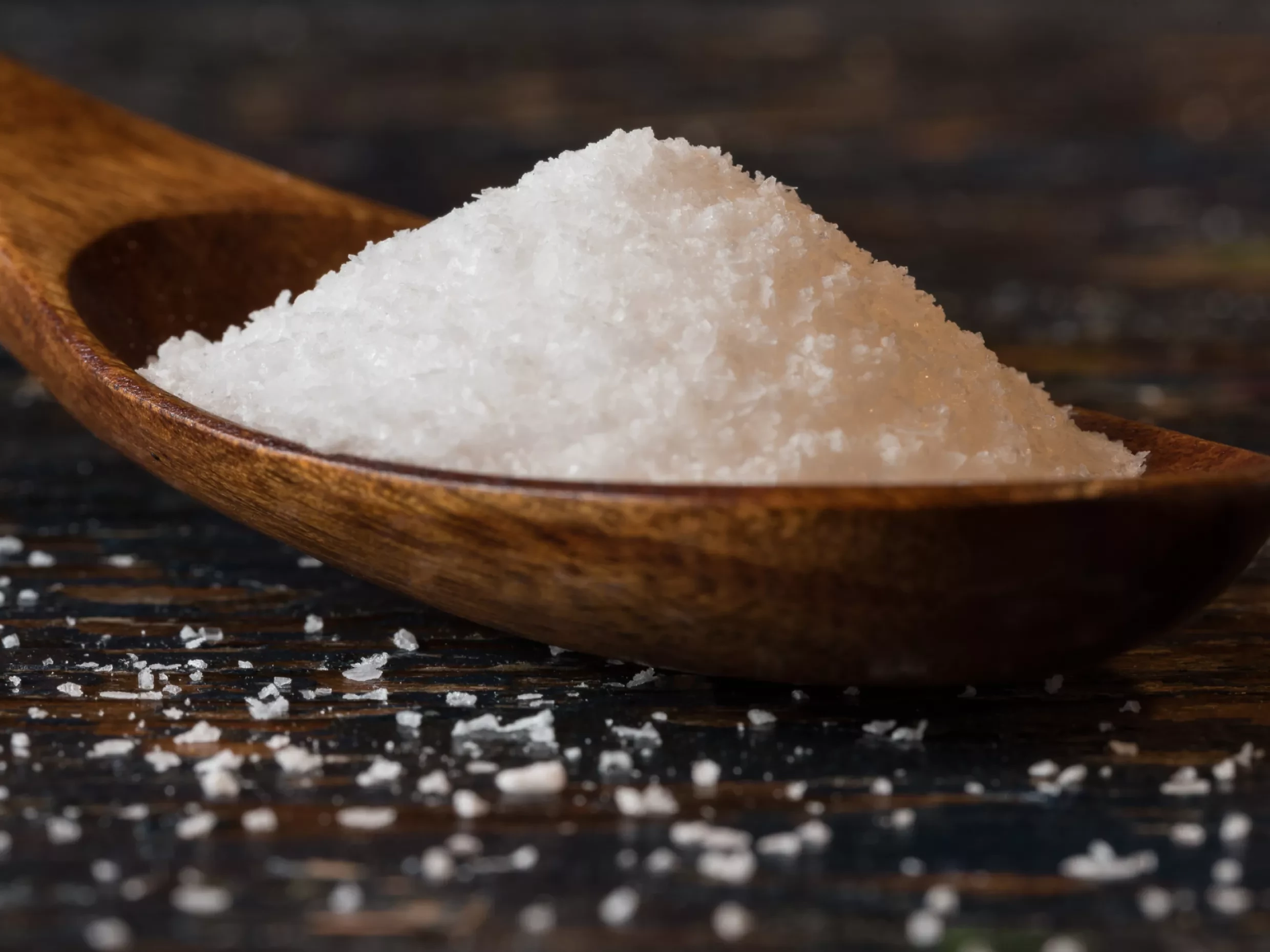
For slow, fermented pickles, the brine is just salt water. For quick pickles, the brine is acidic - vinegar, salt and sometimes sugar.
4. Add the Spices
Bay leaves, fresh garlic and dill, coriander, cinnamon and red pepper flakes are the most common. And don’t disregard the jar of pickling spices at the grocery store, it has all the spices that give you the traditional pickle flavour. Sometimes you’ll simmer the spices in the brine before pouring it over the vegetables, and other times you’ll be putting the spices in with the vegetables and then pouring water over them.
5. Combine the Ingredients in Jars
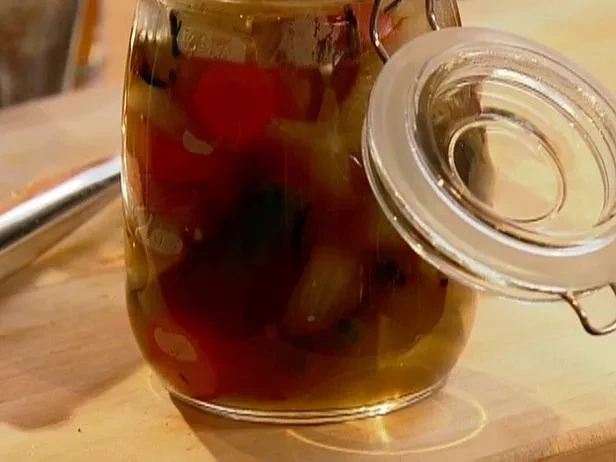
All the ingredients come together in the jar. If you’re using cucumbers, pack them in the jars as straight and crammed in as possible. If you’re using other vegetables, arrange them in layers or sections in the jars to make a pattern. Or just pack them in like you would cucumbers.
There are two ways to store quick pickles: in the fridge for several weeks or in a cool, dark place for up to one year. For long-term shelf-stable storage, pickles need to be canned, a process that creates a vacuum seal in the jar. The easiest way to can is in a boiling water canner, with just a few other tools.
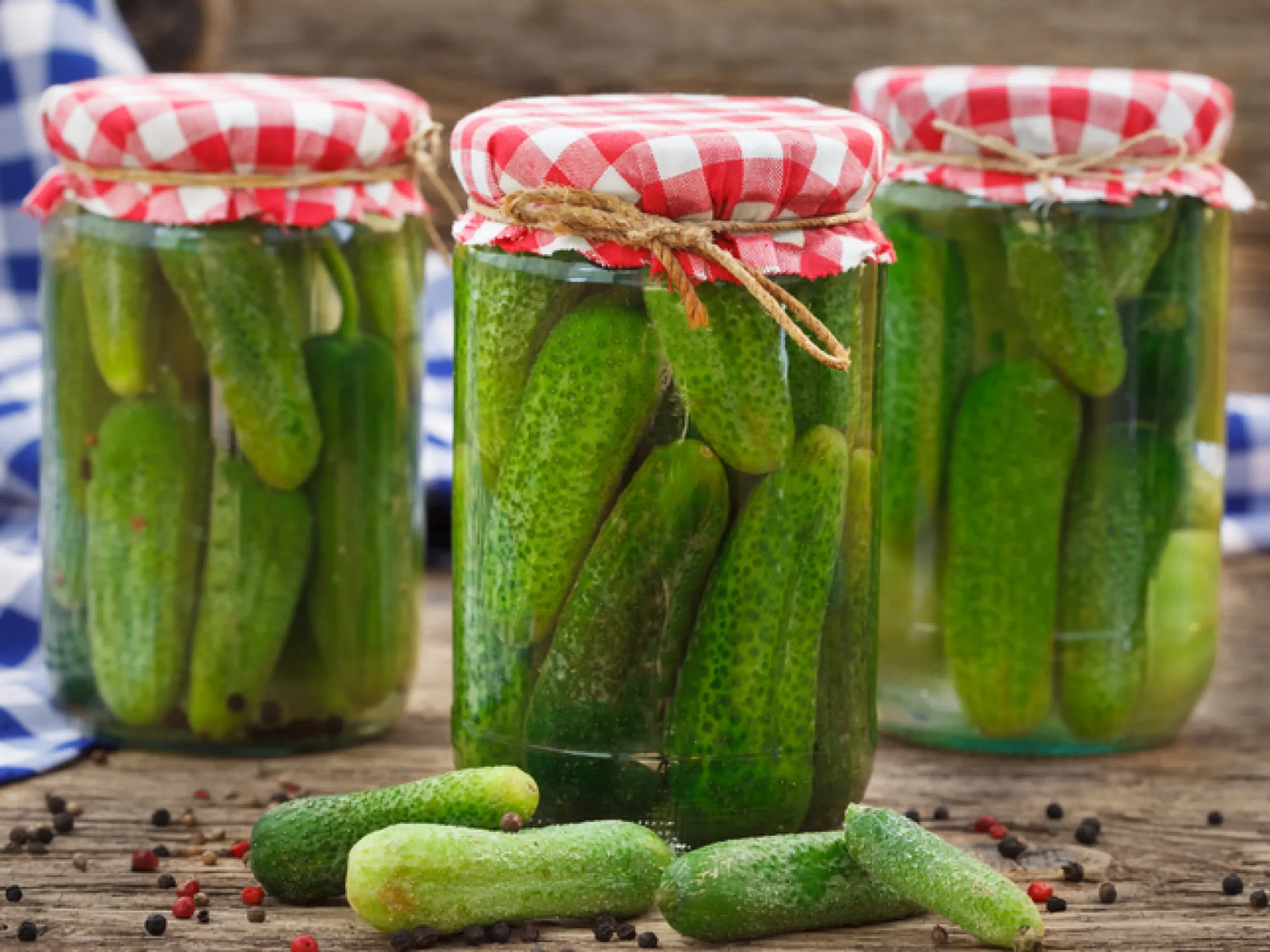
How to Make Pickles Crunchy
In truth, you can't turn a mushy pickle into a crunchy pickle, but you can make crunchy pickles from the get-go. Here's how.
- Use small, firm cucumbers. If you want to pickle whole cucumbers, use Persian cucumbers, available year-round. Kirby cucumbers are a great choice but aren’t always available.
- Buy cucumbers at the farmers’ market and pickle them as soon as possible. Keep the cucumbers refrigerated for a day or two before pickling but not longer.
- Keep pickles in a tub of water in the fridge.
- Cut the stems completely off the cucumbers: they contain an enzyme that can turn your pickles to mush.
- For maximum crunch, ease and time saved make quick pickles with room temperature brine instead of a hot brine.
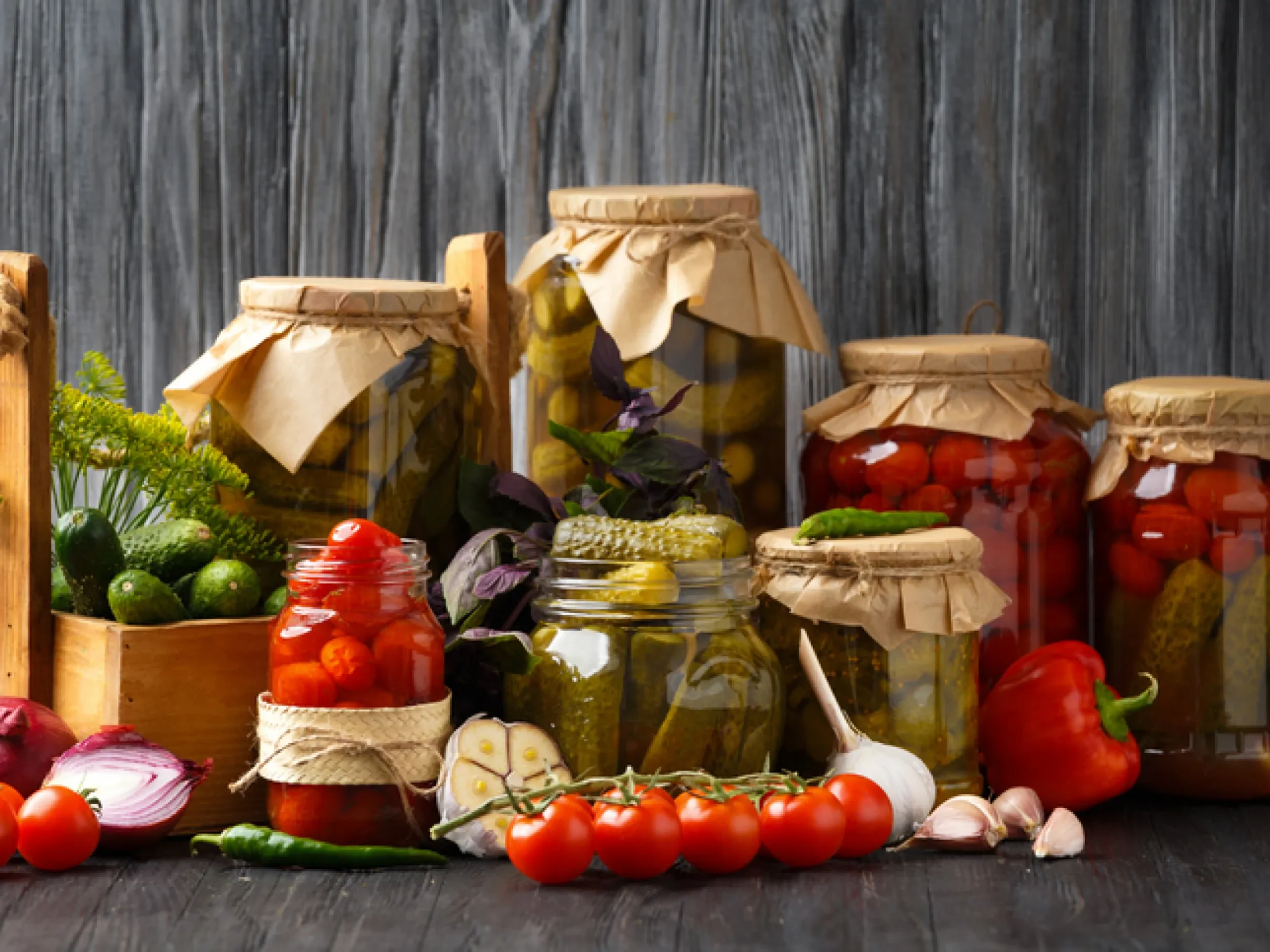
The Best Type of Jar for Pickling
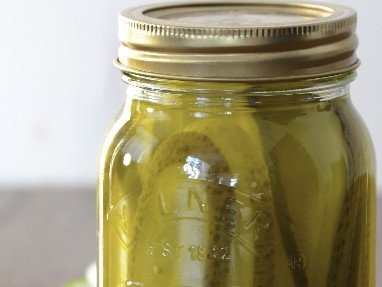
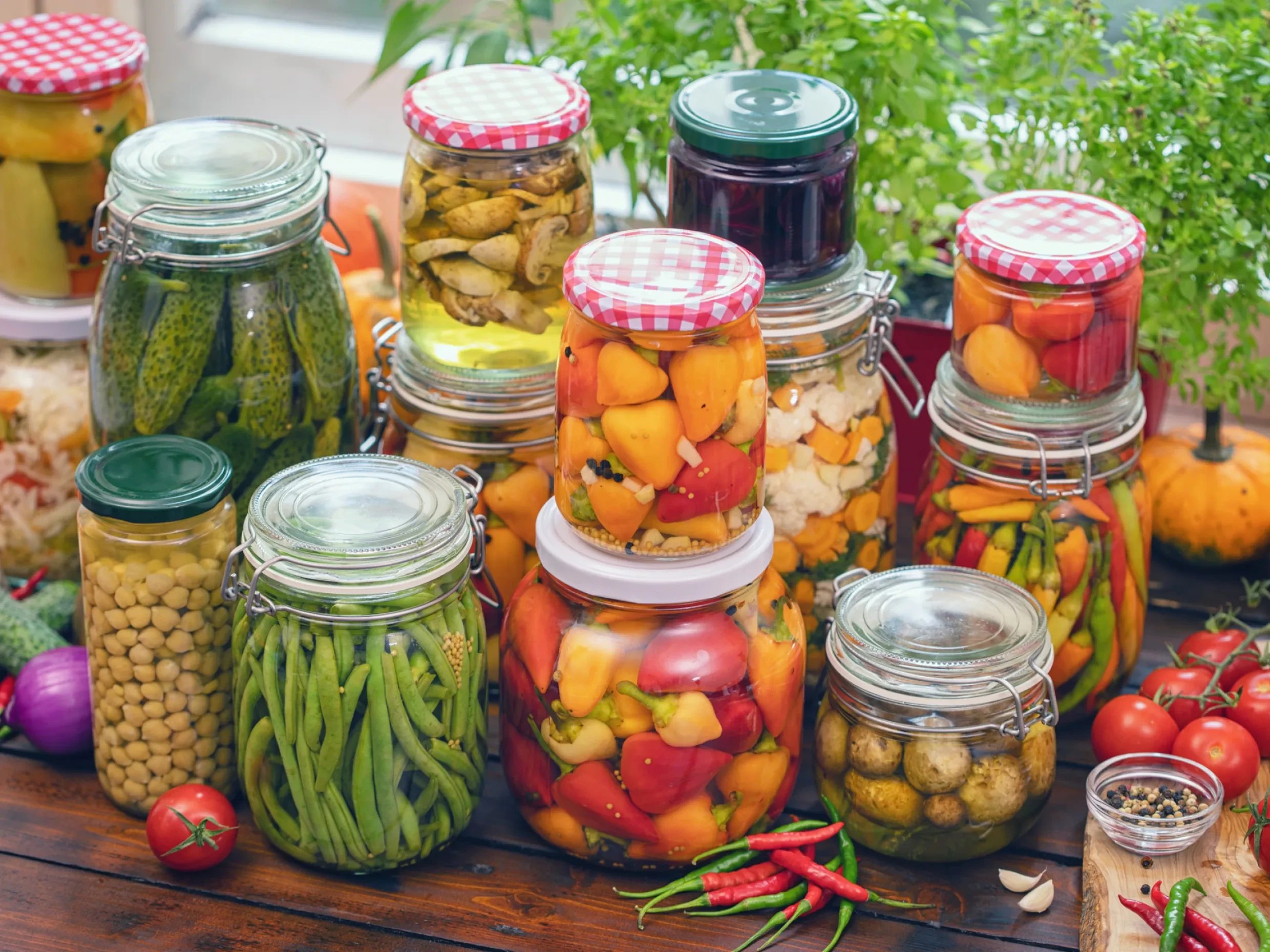
When making pickles, you’ll need a jar with a wide mouth for easy “pickle packing”. Mason jars with the two-part lid are the easiest to find and the easiest to use. The drawback is that the acid in a vinegar brine may corrode the metal in the lids.
When you’re making quick pickles, you don’t need to worry about the container being perfectly air-tight because you’re going to be storing the pickles in the fridge. That means you can use any jar with a lid, or even the bowl you're serving them from to save time (then transfer the leftovers to a container with a lid).