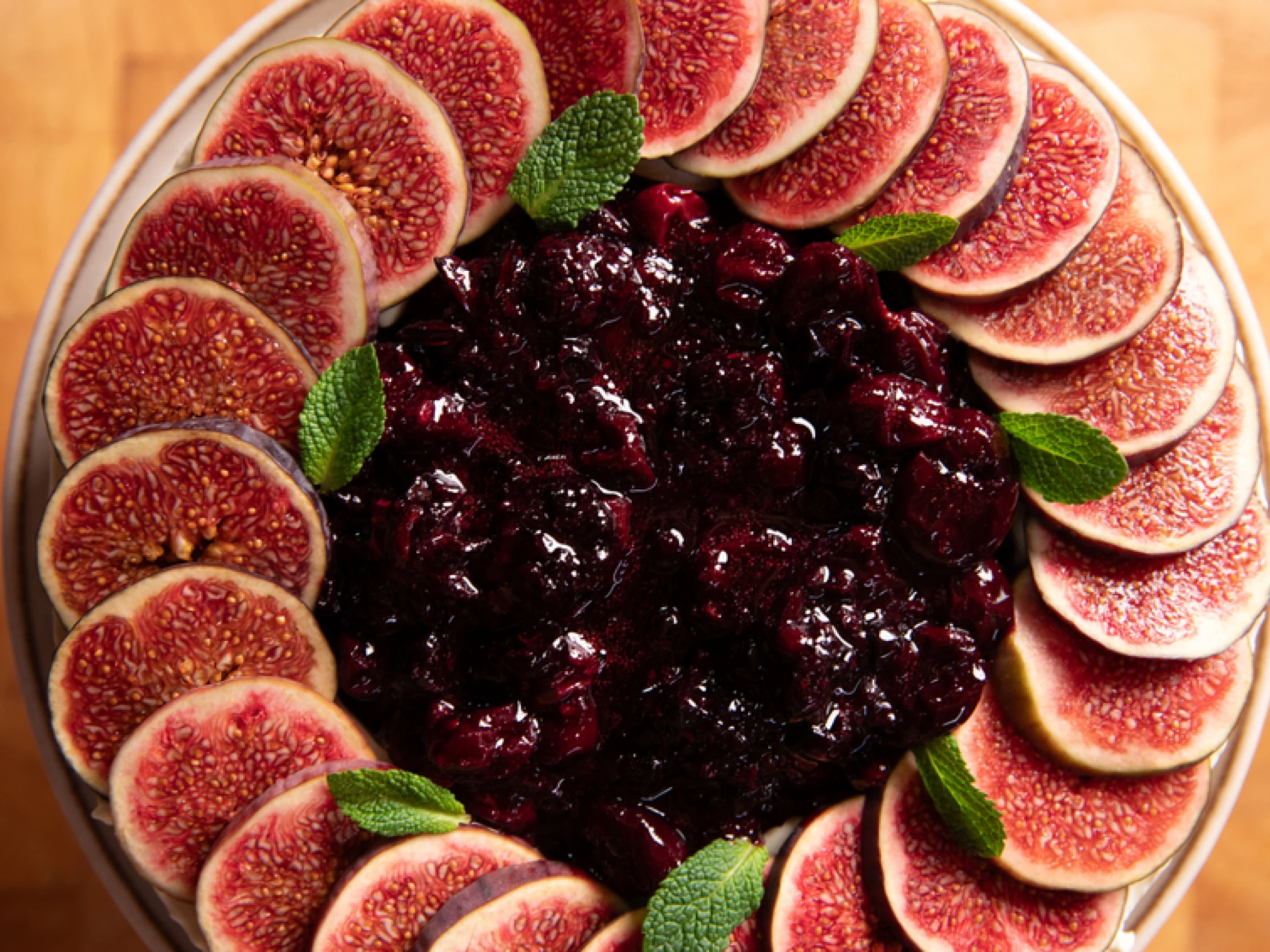














Perhaps you’ve had figs in a famous brand of biscuits, or maybe you know fig jam makes a stellar accompaniment to charcuterie boards. Fresh figs are a seasonal marvel, boasting a jammy mouthfeel and earthy-sweet flavour, and dried figs are a delectable snack and natural sweetener for baked goods. To answer all our fig-related questions, we consulted Karla Stockli, CEO of the California Fig Advisory Board, and Michael McConkey, founder-owner of Edible Landscaping, a plant nursery and orchard in Afton, Virginia.
What is a Fig, and is it a Fruit?
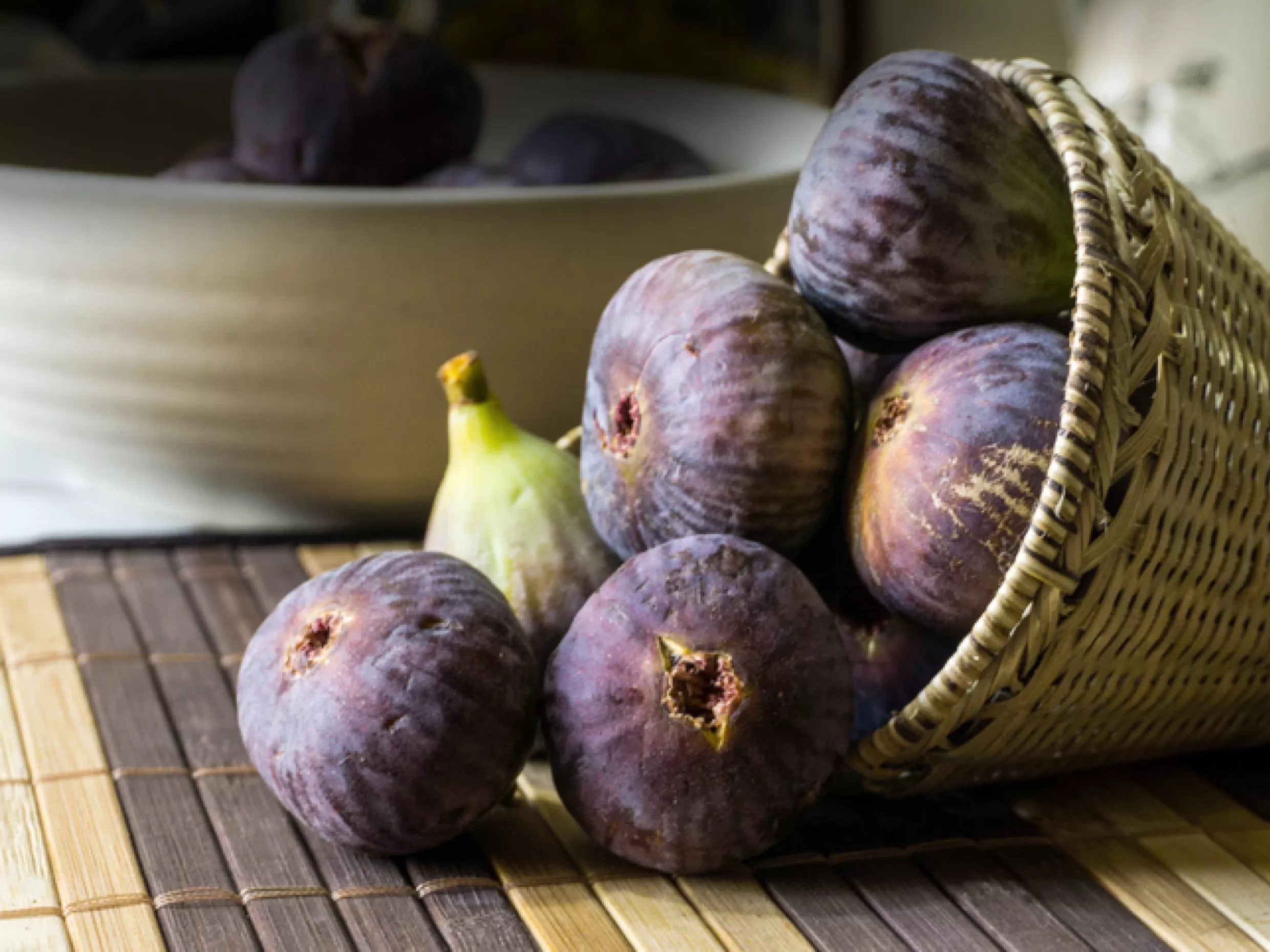
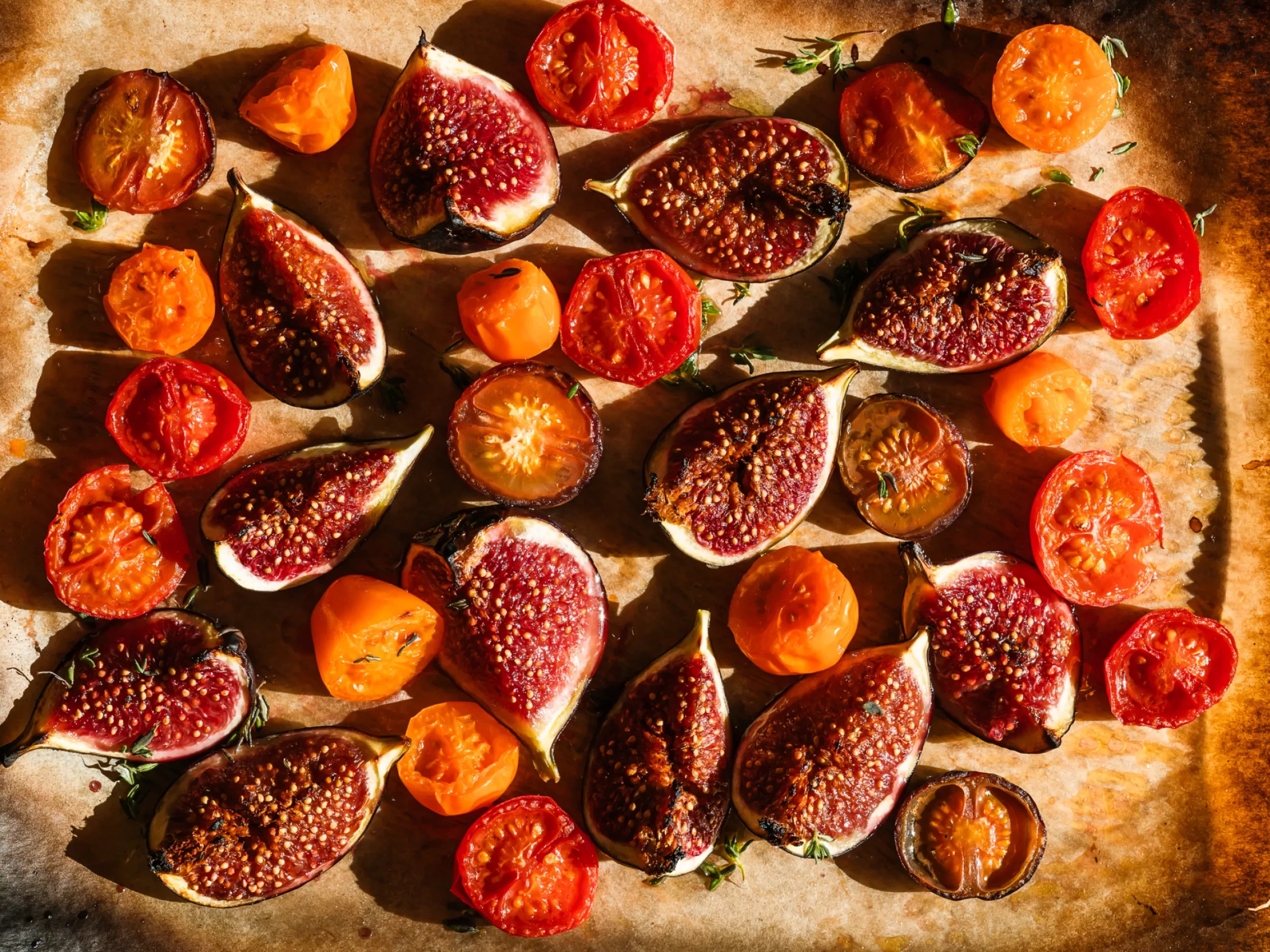
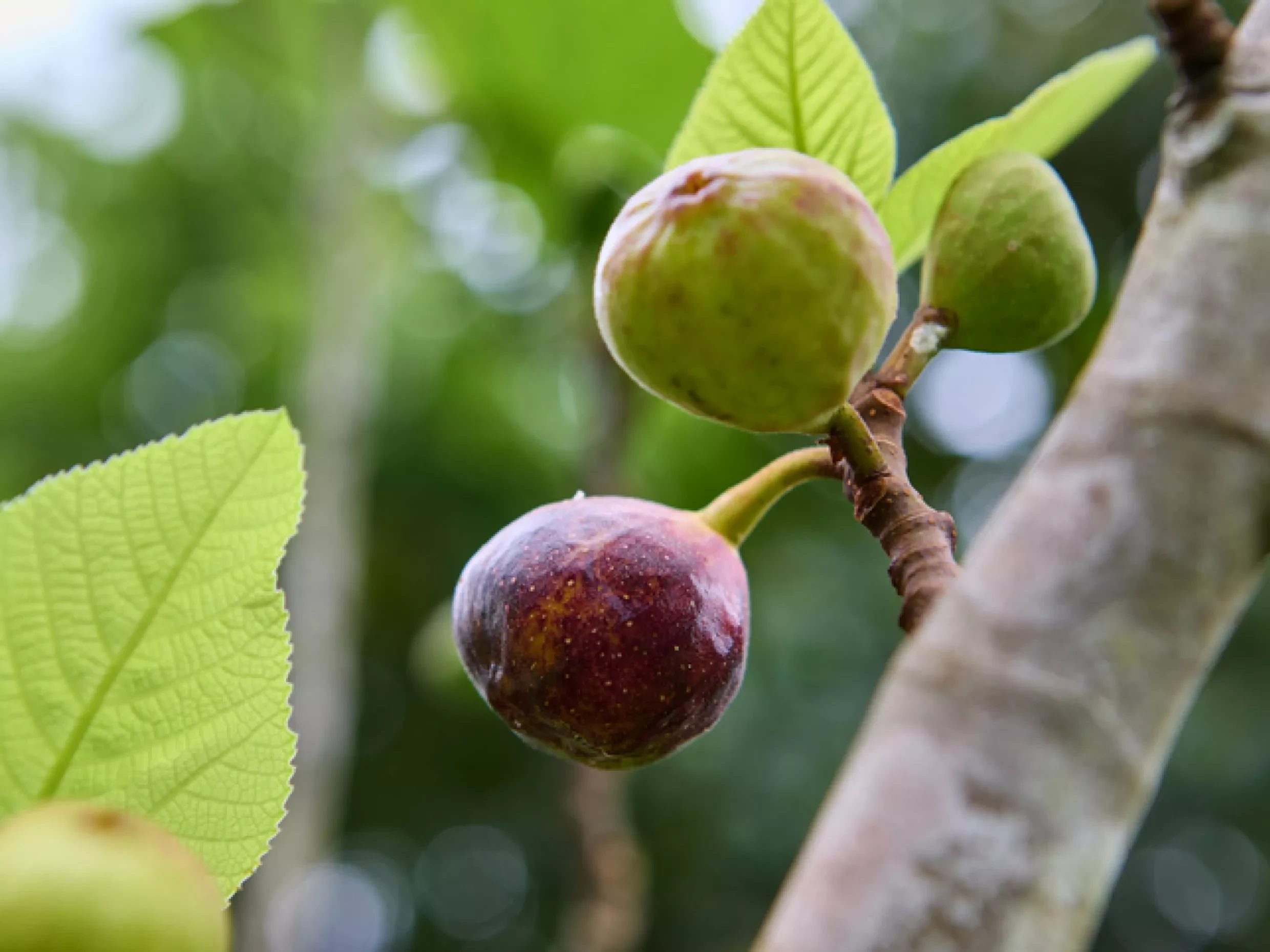
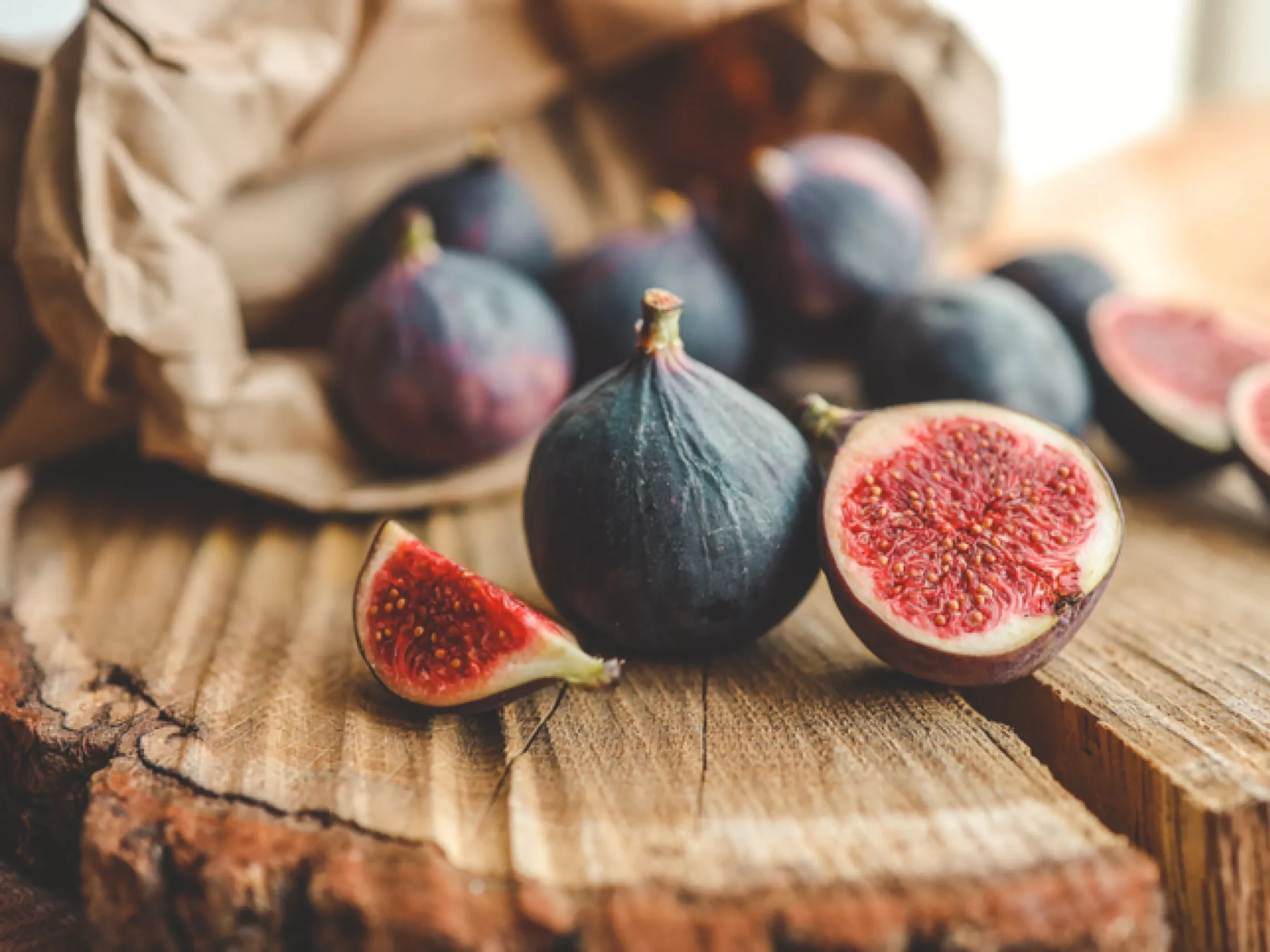
The fig plant is called ficus carica (common fig), a species of small tree (or bush) that’s grown for its fruit and as an ornamental plant. As a fruit, figs are generally tear-drop shaped and have a thin, edible skin with edible pulp and tiny edible seeds inside. In the US, 98% of commercially grown fresh figs and 100% of dried figs come from California.
“Although figs are considered a fruit, they are technically a flower that has inverted into itself. The seeds are drupes, or the real fruit,” Stockli says.
What Does a Fig Taste Like?
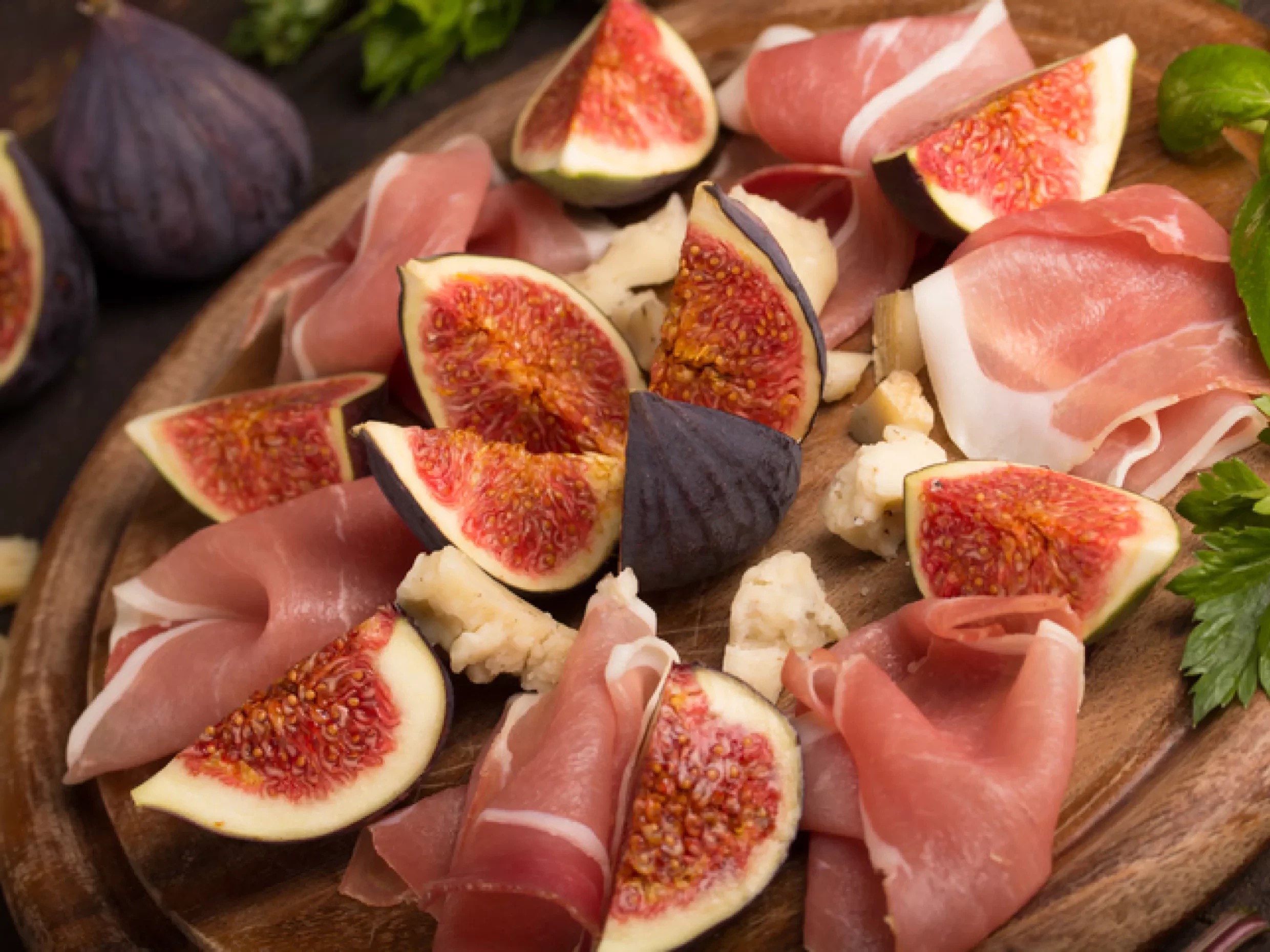
Varieties of figs have subtle differences in flavour and sweetness levels, but generally figs are characterised by an earthy sweetness. “Figs also have a distinct flavour that can only be described as fig,” Stockli says. “In fact, Ferminich, a global fragrance and flavour firm, declared 2018 as the “Year of the Fig” due to its unique flavour, nutrition profile and functional benefits when used as an ingredient.” Stockli adds that one of the best ways to describe a fig is to use a wine comparison, likening the deep, earthy flavour of Black Mission figs to that of Cabernet Sauvignon or the robust flavour of Brown Turkey figs to a Pinot Noir.
History and Origin of Figs
Stockli says that references to figs date back to the Bible and edible figs date back to ancient Arabia. Figs were introduced to the New World by Spanish and Portuguese missionaries and spread across the southeastern US where settlers brought a wide variety to California. “The name Mission was given to those first dark purple figs that spread from San Diego up the coast to Santa Clara, Ventura and Sonoma in the 1790s,” she says.
Where Do Figs Grow?
There are thousands of varieties of figs grown all around the world and most grow best in dryer, warmer climates. California’s San Joaquin Valley, a portion of the state’s Central Valley, is rich with full sunlight, warm temperatures and well-draining soil, making it an ideal fig-growing area. There are also a variety of figs that flourish in warmer climes across the American South and hardier varieties that thrive in colder climates along the East Coast.
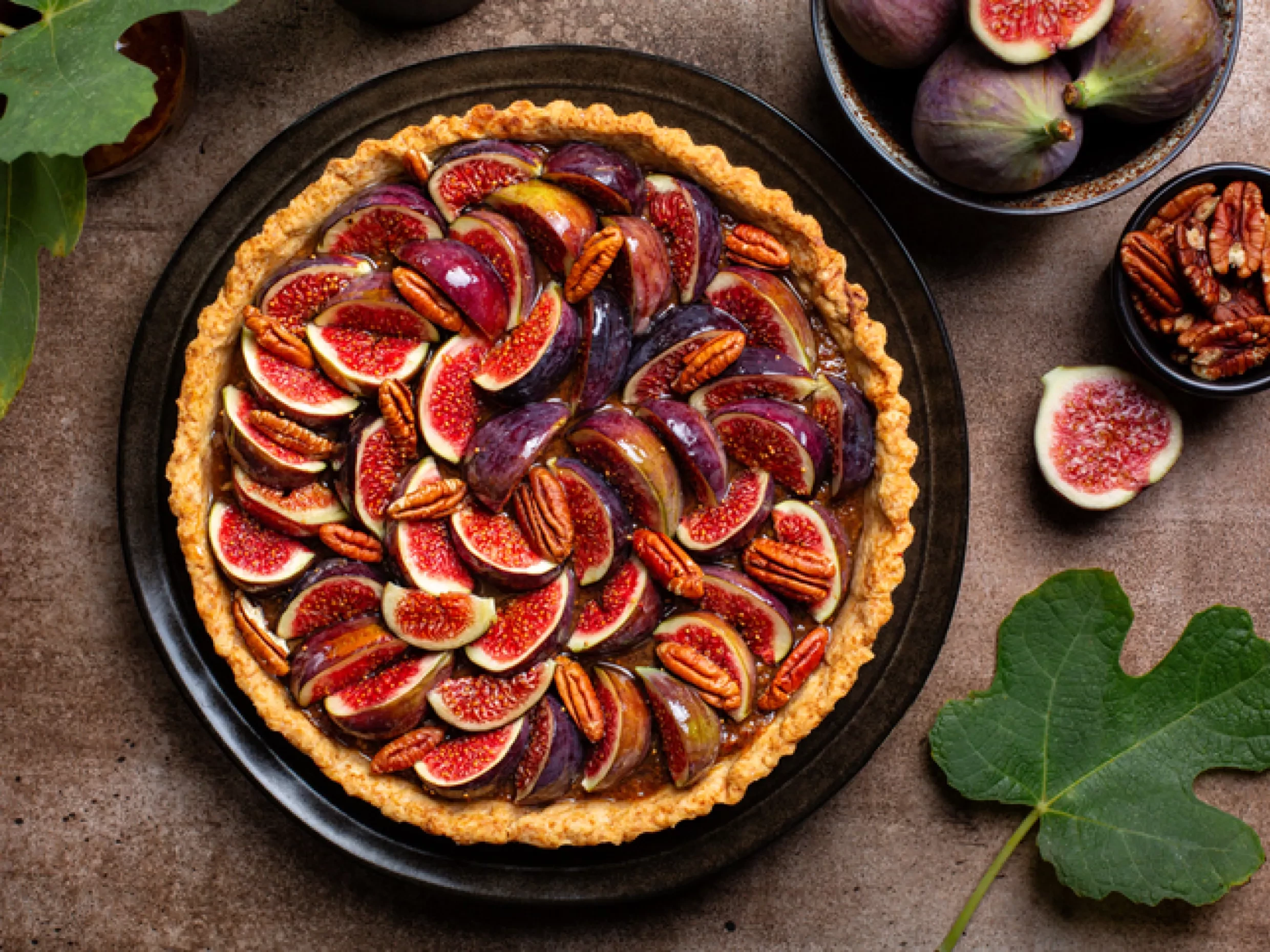
Fig vs. Dates
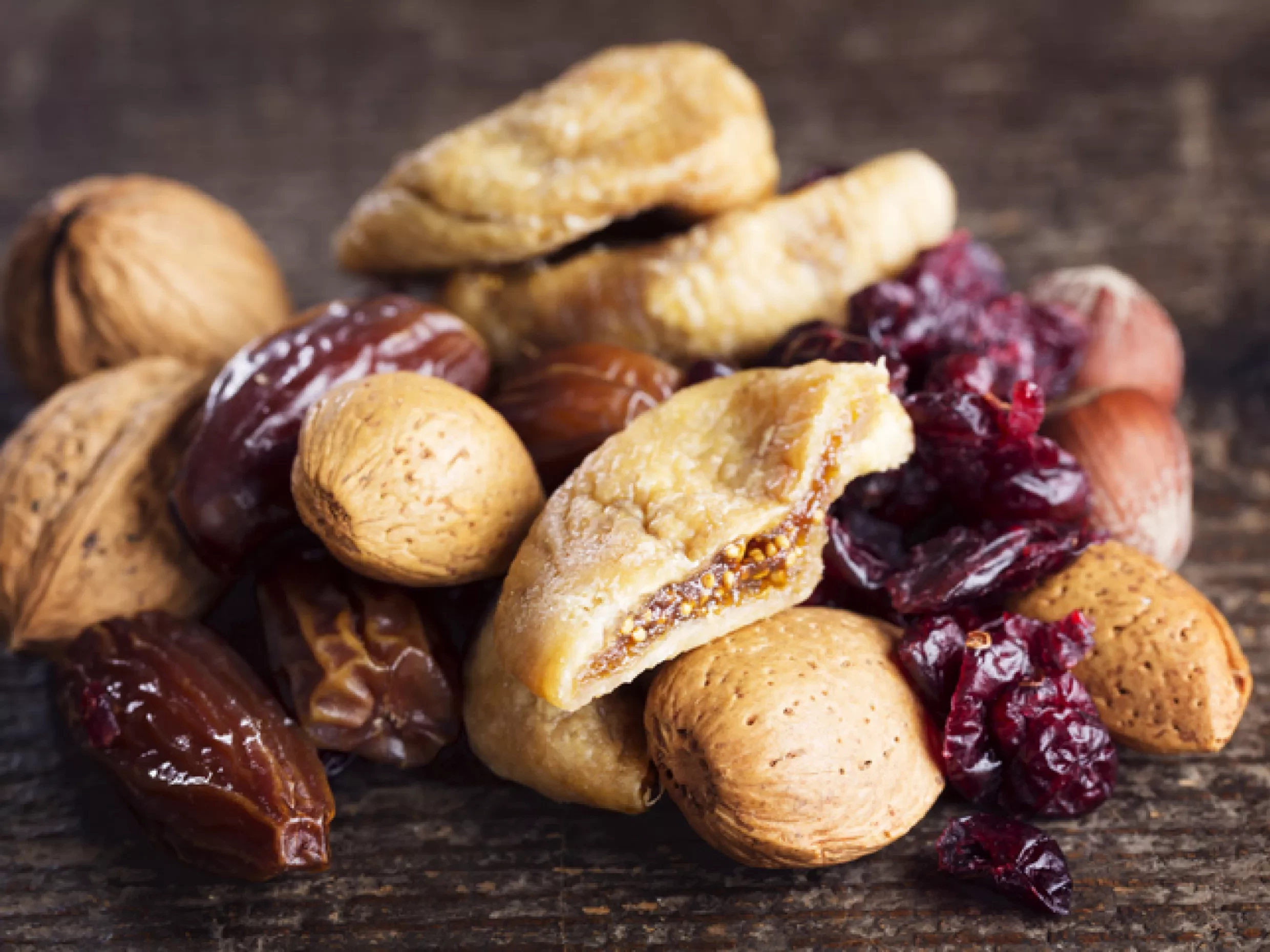
While figs and dates are often compared, and do have some similarities, they are two very different products. Dates are grown on tall palm trees while fig trees are more stalk-like with distinctive, shade-giving fig leaves (though some fig plant varieties are bushier). Figs are available both fresh and dried and do not contain pits, whereas dates are available only as a dried fruit and contain pits. Dried figs and dried dates are similar in size and texture, although dates have a sweeter flavour profile, and both can be used as natural sweeteners in baking recipes.
When Are Figs In Season?
Stockli says that in California, there are two fresh fig crops. The first is the breba crop, which ripens in May and June. The second is the main crop, which is ready to harvest from July to November. Certain varieties only have a main crop and ripen at different times, depending on climate and growing conditions. For example, in Virginia, Celeste figs only produce a main crop. “Here, fig ripening is pretty much mid-August until frost,” McConkley says. “The longer the days, the hotter the temperature and the sunnier it is, that’s when the best figs are coming in. The quality of an October fig is not as good.” Dried figs are available year-round.
How to Tell When Figs Are Ripe
“Fresh figs have an edible fragile skin that covers a soft white rind and a jam-like interior that is full of tiny edible seeds,” Stockli says. “Once ripe, fresh figs are carefully harvested by hand to prevent bruising. The skin scars easily during growing, and when it rubs against other fruit after harvest, but these marks don’t hurt the flesh inside.”
McConkey offers some pointers if you have the chance to pick fresh figs from the tree. “When you touch it, it feels very soft and the skin will crack sometimes - it looks like stretch marks, like it’s expanding. If you take your pointer finger, where the stem attaches to the branch and bring it towards you, the fig should fall into your hand. There should be no bleeding of the sap from where you’ve just picked it off of the stem.” You’ll know a perfectly ripe fig once you taste it, too” he adds. “They are sweet, with a melt-in-your mouth texture. You almost don’t have to chew them with your teeth to desiccate them, they have that kind of fluidity to them.”
How to Eat Figs
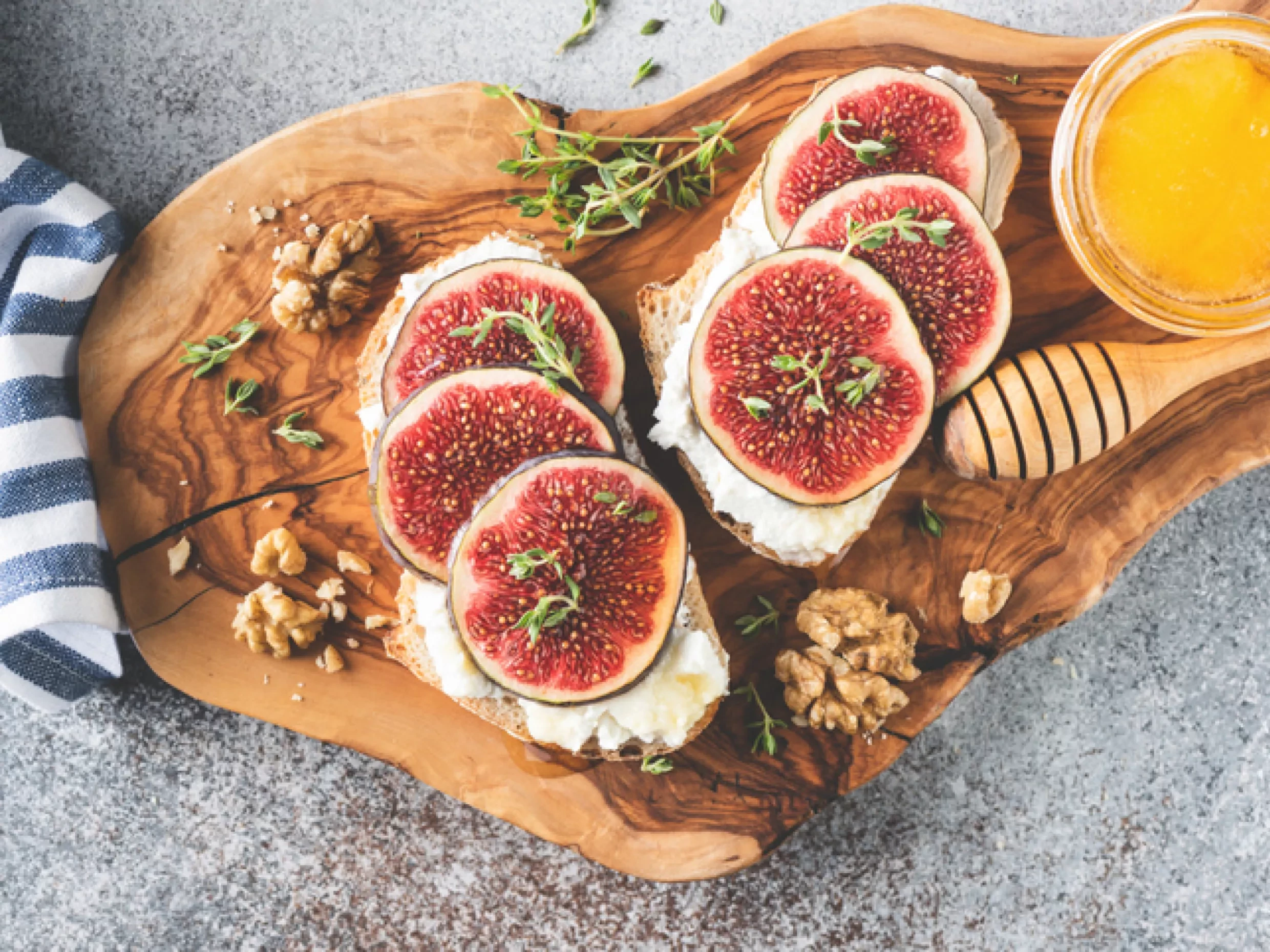
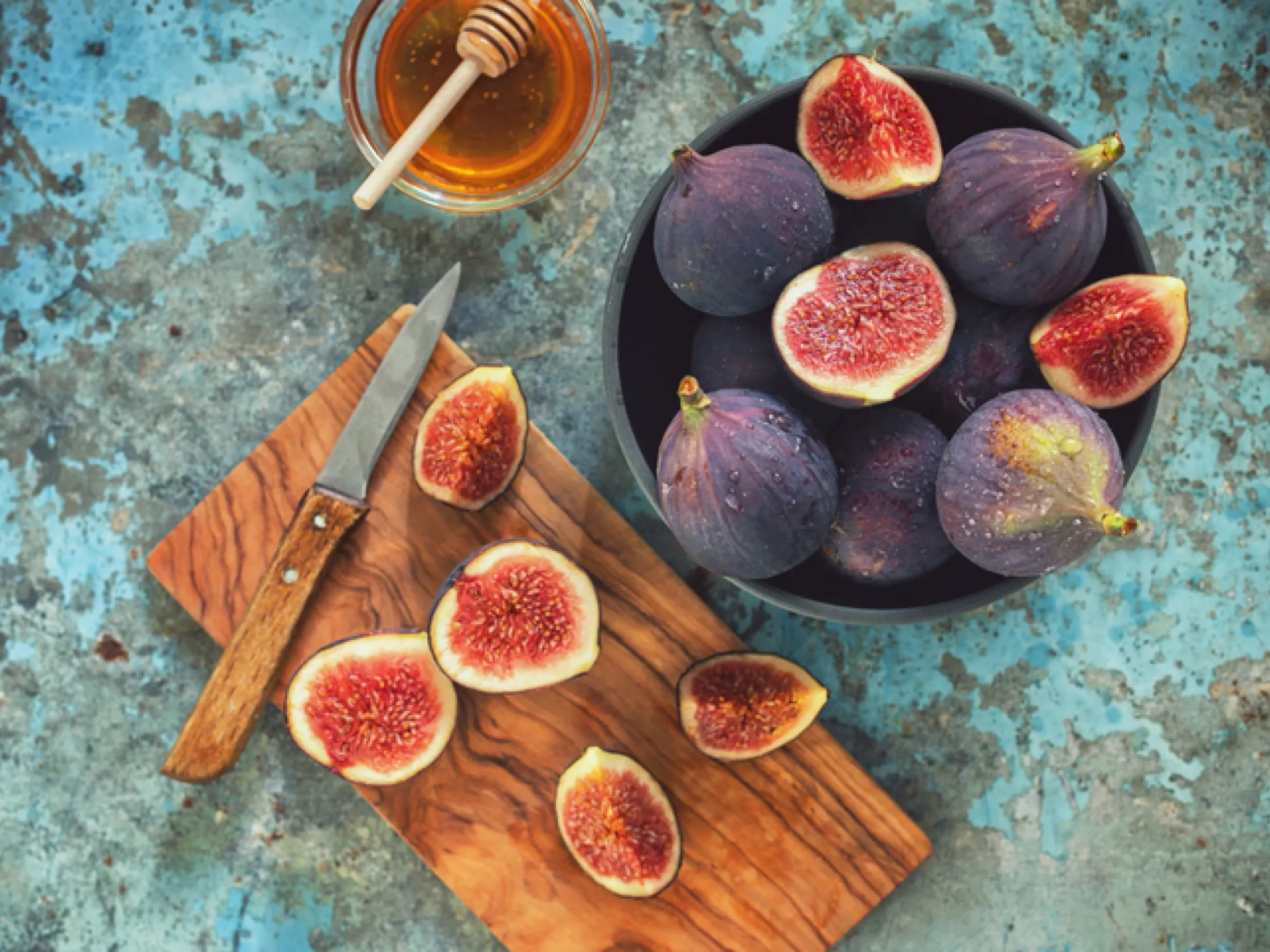
Fresh figs can be eaten whole, skin, seeds, flesh and all. Technically the stem is edible, but it is fibrous, so it’s best to remove the stem. Give the figs a quick rinse and gently dry, then take a bite or prep them for your recipe.
How to Cook Figs
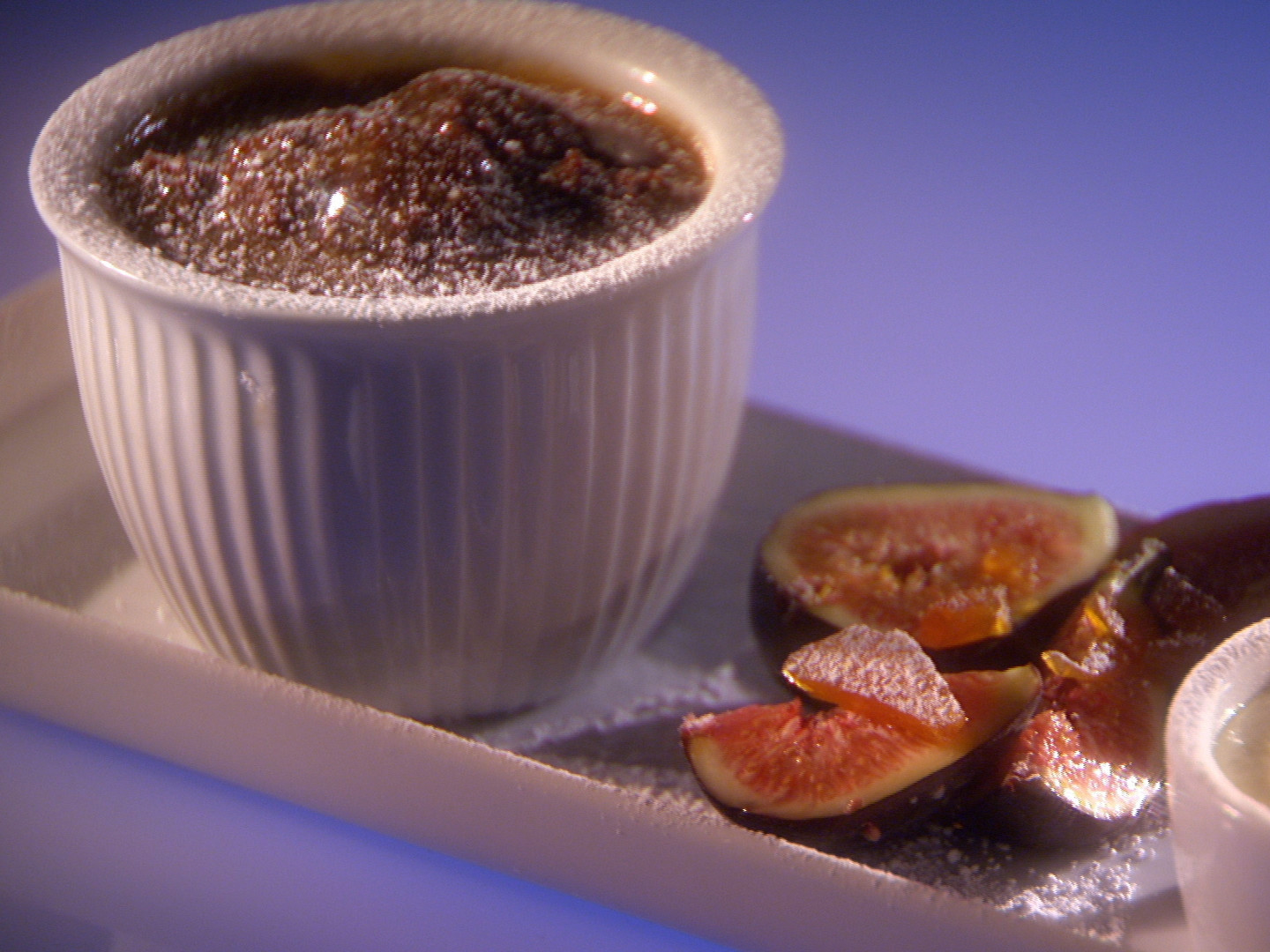
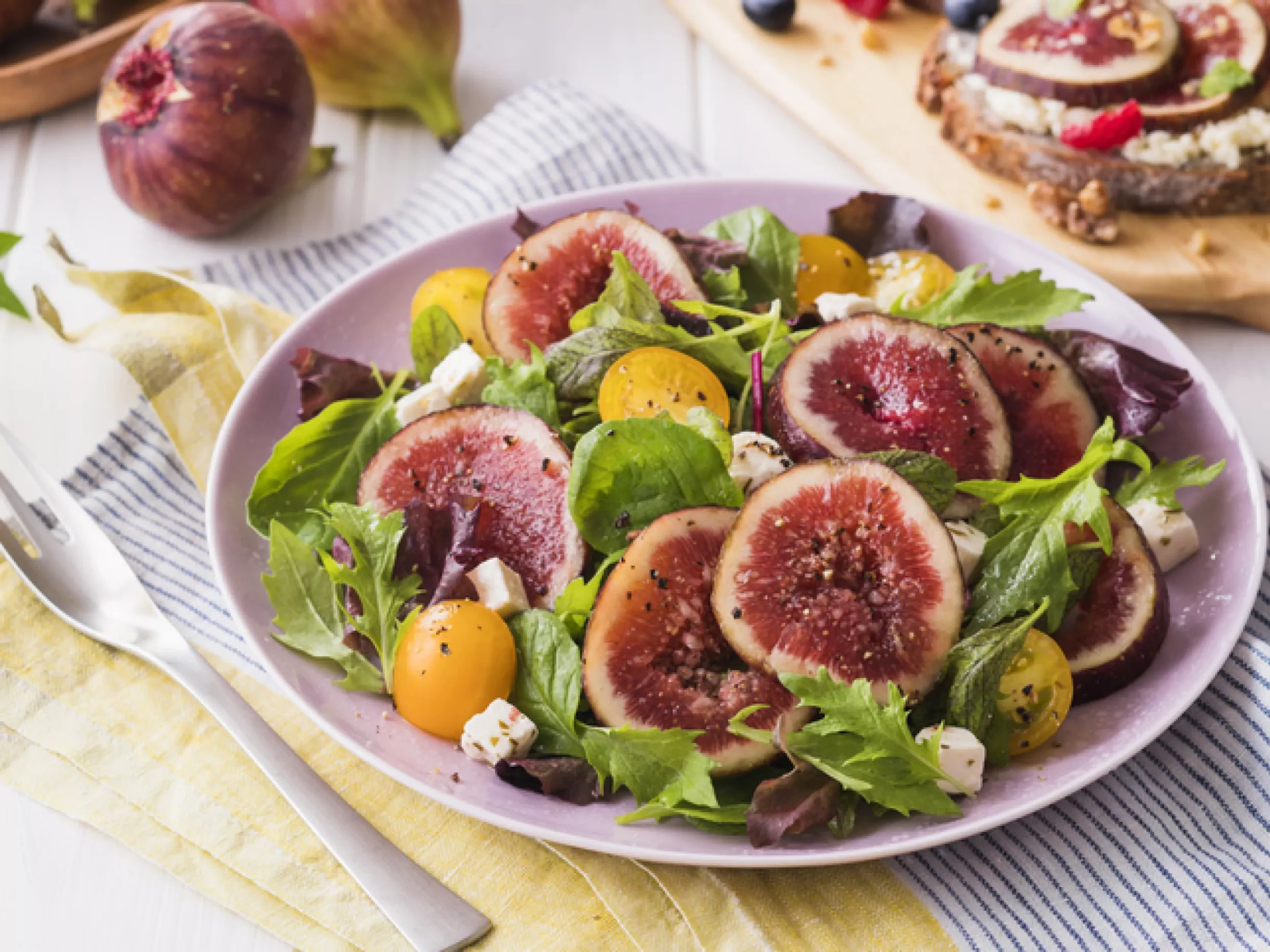
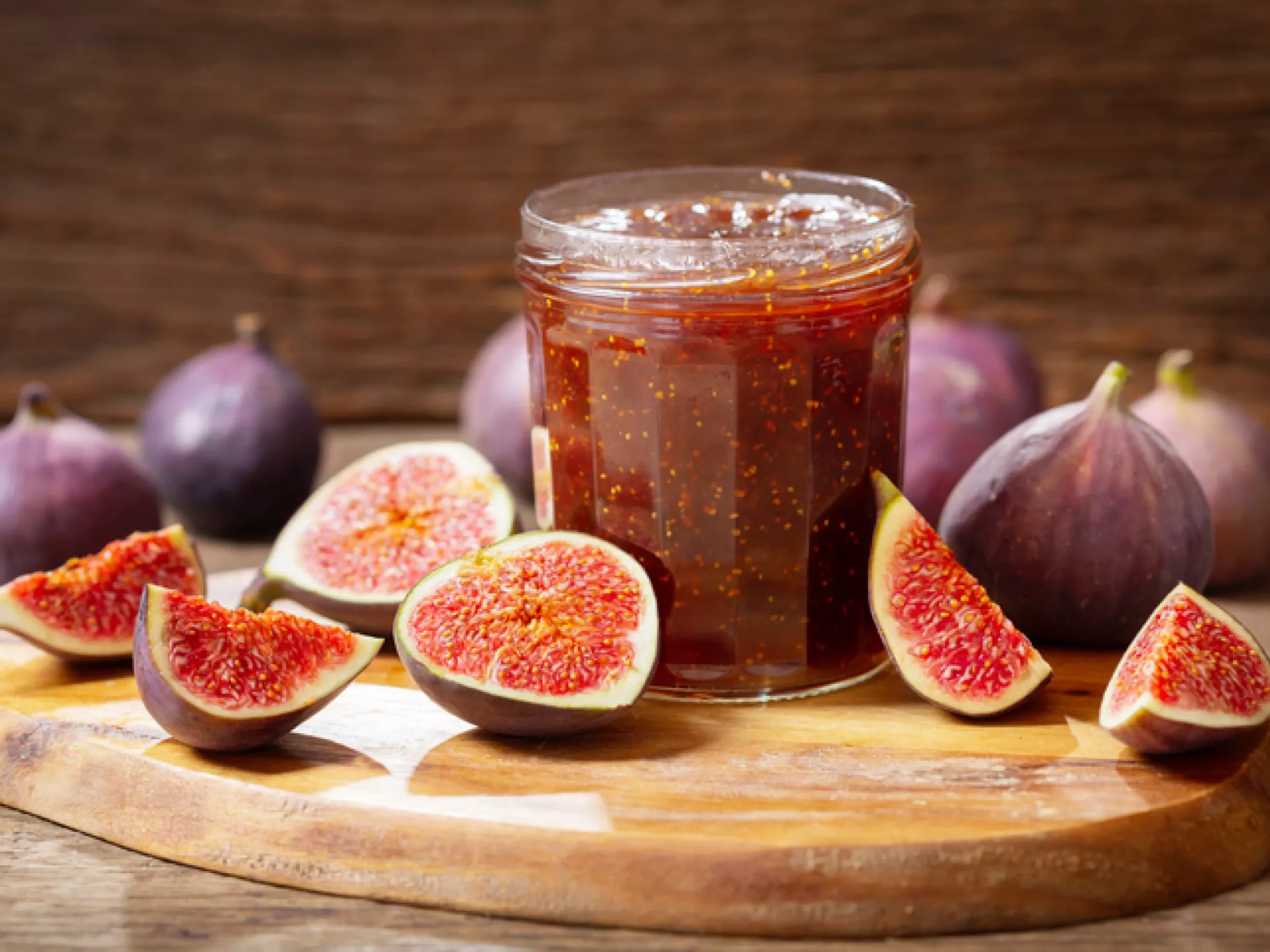
Fresh figs and dried figs can also be used as-is or cooked in both sweet and savoury dishes. Try adding fresh and dried figs to cheese plates or breakfast dishes such as oatmeal, smoothies, yoghurt bowls or toast. Figs also shine in savoury salads and sides, bringing texture and sweetness to all kinds of greens and grains. Add them to dressings and condiments, like a fig vinaigrette, relish or chutney. Figs cooked into a jam or compote make an ideal topping for toast and ice cream alike. Rehydrate dry figs and reduce them into a luscious sauce to accompany all manner of proteins such as pork, beef or chicken. Roast, bake or grill figs and add to pasta, flatbread, panini or pizza. Add dried figs to your next batch of oatmeal chocolate chip cookies, bake fresh figs in cakes, or use figs to sweeten brownies.
How to Store Figs
Fresh figs are perishable so be prepared to store them in the fridge and use them within a few days, or freeze or dehydrate them to extend their shelf-life.
Storing Figs In the Fridge
“Figs are typically sold in a clamshell, so you can leave them in the clamshell and store them in the refrigerator until you’re ready to eat them”, Stockli says. Figs stored in the fridge under ideal conditions (32 to 36 degrees F) will last five to seven days. Wait to wash figs just before eating.
Storing Figs In the Freezer
Stockli and McConkey both say that figs can be frozen whole. Sort through the figs and set any that are very soft aside for more immediate consumption. Wash remaining ripe figs thoroughly, dry them, then arrange whole figs on a wax paper-lined baking sheet in a single layer so that they are not touching each other, and freeze. When the figs are frozen solid, transfer them to resealable plastic bags or containers and label with contents and dates. (McConkey likes to use reusable jars.) Individually quick-frozen fresh figs will keep for up to six months in the freezer.
When you’re ready to use them, thaw and eat as desired. “Keep in mind that freezing will change the texture and the fresh figs will be much softer when thawed,” Stockli says. “They are very good, but you might prefer to simmer them in a sweet or savoury liquid to serve.” McConkey likes to use frozen figs as soon as they have thawed or just before, adding them to smoothies or fruit salads.
Dehydrating Figs
To increase their shelf-life, figs can also be dried. McConkey likes to use a dehydrator to preserve the extra figs harvested from his orchards. One of his favourite uses for dried figs is to reconstitute them overnight in local raw milk, then blend the mixture to make fig pudding.
In California, some fig varieties fully ripen and semi-dry while still on the tree. “Once harvested, it takes four to five days for figs to dry in the California sunshine. Sun, heat and humidity can be unpredictable, though, so for commercial production, they are often dried with dehydrators,” Stockli says. “Properly dried figs are pliable, but not wet. The result is a chewy fruit that maintains all the best qualities of the fig’s sweet flavours.” Dried figs can be stored in airtight containers at room temperature or in the fridge for six to eight months.